
-
Gayasura Katha: Devotion, Immortality, and the Sacred Origins of Gaya’s Moksha Rites
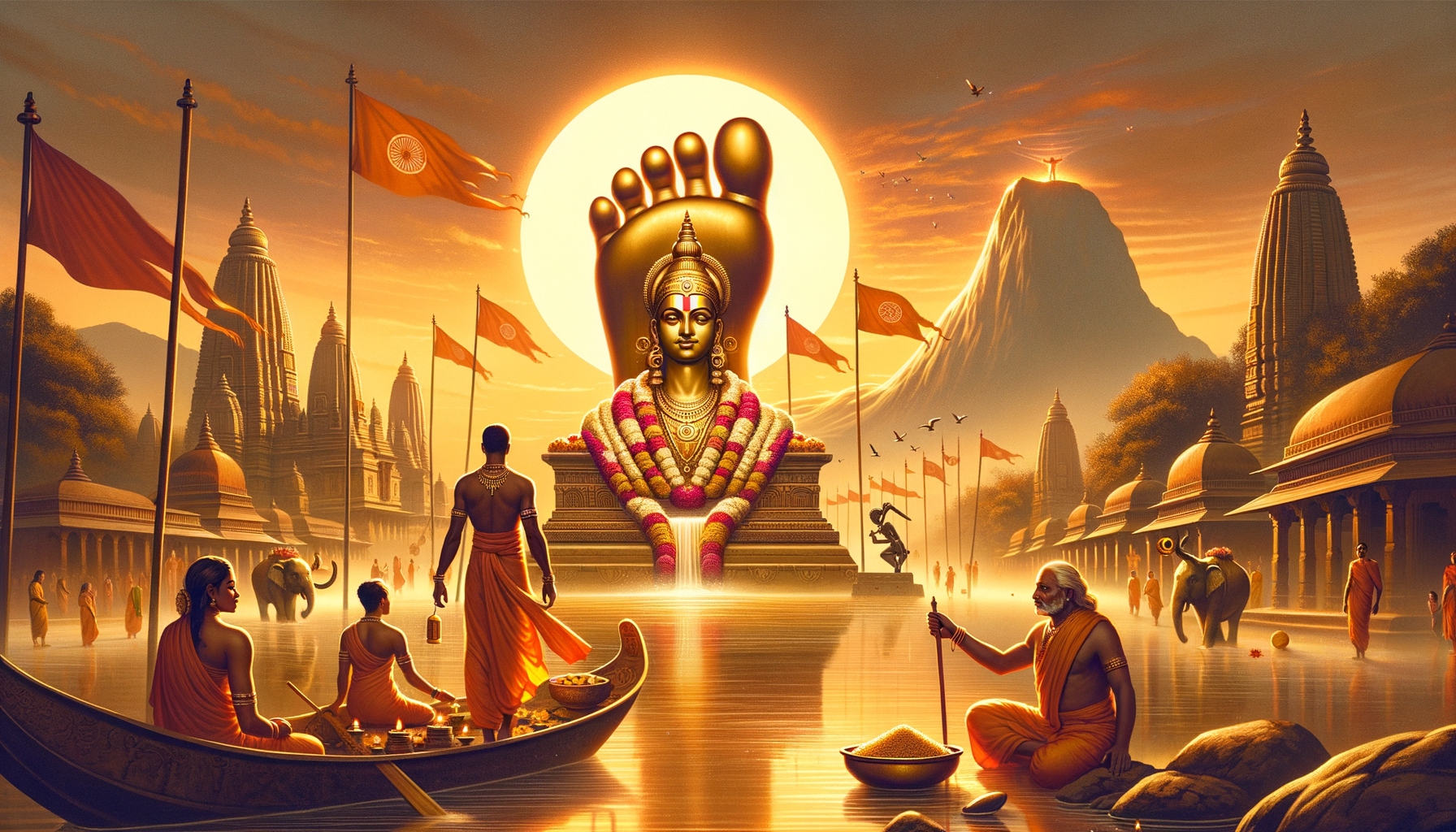
The Gayasura Katha narrates how Gayasura, son of Tripurasura, attains immortality through intense devotion to Lord Vishnu. In many tellings, Vishnu anchors Gayasura’s sanctity to the sacred geography of Gaya, where Vishnupad is venerated. This explains why śrāddha and pind-dān at Gaya are believed to aid ancestors on the path to moksha. The story’s core…
-
Beyond Fragrance: Vaikuntha’s Joy of Seva and the Power of Desireless Devotion

The Vaikuntha tradition describes a community that values seva over sensation, regarding even exquisite fragrances as negligible beside the joy of devotion. This perspective clarifies a hierarchy of aims in bhakti: devotion is both the means and the end, surpassing Mukti, Bhukti, and Siddhi. Such desireless devotion purifies intention, rendering the heart fit for the…
-
Beyond Attachment, Fear, and Anger: Dharmic Wisdom to Unblock Moral and Spiritual Growth

Hindu philosophy explains how attachment, fear, and anger undermine moral clarity and spiritual growth, and it offers precise remedies grounded in the Bhagavad Gita, the Upanishads, and classical yoga. Fearlessness, non-grasping, and disciplined attention are presented as practical virtues, not abstractions. Shared insights across Buddhism, Jainism, and Sikhism reinforce a unifying dharmic approach that transforms…
-
Seeds of Destiny: Conscious Choice and Liberation in Hindu Thought for Everyday Peace

This reflection presents a practical, unifying view of Hindu philosophy: the mind holds dormant seeds of every disposition, and conscious choice determines which ones grow. It explains samskara, vasana, and the gunas while showing how daily decisions shape karma and move life toward moksha. It connects the Bhagavad Gita’s self-mastery with actionable practicesbreath, japa, pratyahara,…
-
Transcending Tapa-traya: Śrīmad Bhāgavatam 4.29.32 on Time, Karma, and Lasting Relief

This article presents an academically grounded reading of Śrīmad Bhāgavatam 4.29.32, showing how time, karma, and forgetfulness of the Supreme Lord sustain the threefold miseries of material life (tapa-traya). Readers gain a clear framework to recognize internal, social, and environmental forms of suffering without fatalism. The discussion highlights unity among Dharmic traditionslinking Buddhist dukkha, Jain…
-
Eshanatraya Unveiled: Mastering Putraishana, Vittaishana, Lokaishana for Inner Freedom
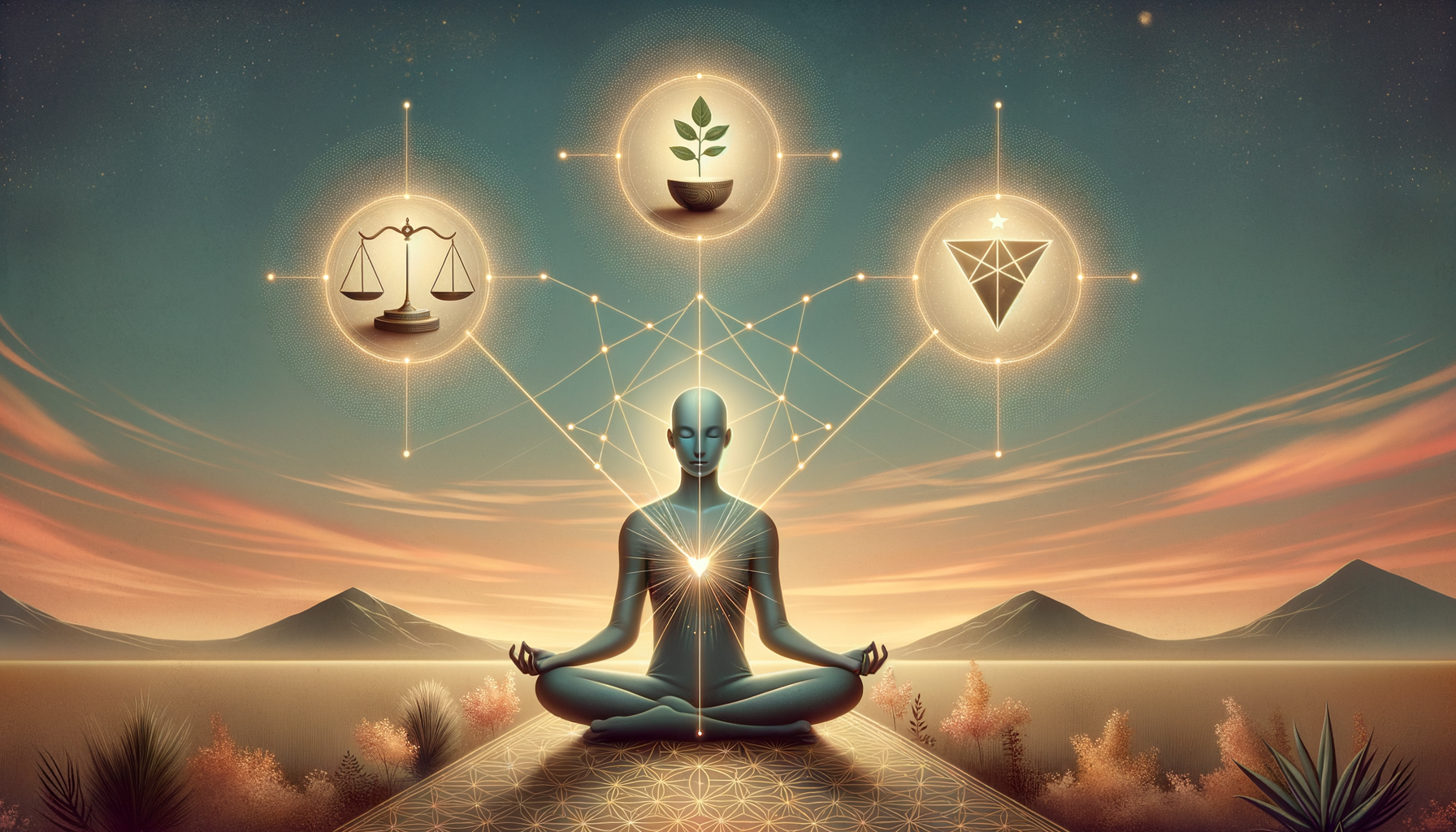
Eshanatraya (एषणात्रय) explains how three desiresPutraishana, Vittaishana, and Lokaishanabind individuals to samsara when driven by attachment rather than dharma. This post clarifies their original meaning and presents a modern, ethical reading that supports balanced family life, responsible wealth, and humility around recognition. It links Hindu philosophy with parallel insights from Buddhism, Jainism, and Sikhism, highlighting…
-
Vaikunta Ekadasi and Moksha Patam: Decoding Snakes and Ladders as a Path to Liberation

Vaikunta Ekadasi invites a reflective return to dharma, and the traditional game Moksha Patam (Snakes and Ladders) becomes a meditative tool for understanding karma and moksha. Ladders symbolize virtues like truth, compassion, charity, and devotion, while snakes represent vices such as anger, pride, greed, and delusion. The game aligns naturally with Ekadashi fasting and vrata,…
-
Kashi–Varanasi as Moksha Sthala: Uncover the Sacred City Within and the Path to Liberation

Kashi (Varanasi) is honored as a Moksha Sthala not only for its sacred geography at the confluence of Varuna and Asi, but for the inner journey it reflects. The city’s sanctity points to the Ajna chakra, the inner seat of clarity central to Yoga and contemplative practice. Pilgrimage (Tirtha-Yatra) thus becomes a dual movementtoward the…
-
Atmarina in Hinduism: Honoring the Self to Unlock Dharma, Clarity, and Liberation

Atmarinathe debt to the selfframes an inner commitment within Hinduism to cultivate clarity, virtue, and wisdom so that all other duties are fulfilled well. Grounded in the Upanishads, the Bhagavad Gita, and Yoga philosophy, it emphasizes svadhyaya, yama-niyama, wellbeing, and meditation. This approach strengthens Devarina, Pitrina, Rishirina, and Bhutirina by making worship sincere, tradition discerning,…
-
Beyond Sattva, Rajas, Tamas: A Transformative Path to the Pure Self and Dharmic Unity

This essay explores how the three gunassattva, rajas, and tamasbind experience and how dharmic traditions point beyond them to a liberating awareness. It clarifies Hindu perspectives on Atman and moksha while drawing resonant parallels with nirvana in Buddhism, kevala jñāna in Jainism, and Naam-centered living in Sikhism. Readers gain a clear, practical map grounded in…
-
Nirvāṇa Through Bhakti-Yoga: Expanding Transcendental Bliss and Dharmic Unity
Śrīmad-Bhāgavatam (ŚB) 4.13.8–9 depicts liberation (nirvāṇa) as freedom from bodily bondage through deepened knowledge of the Supreme Brahman. The text frames transcendental bliss as a stable, ever-expanding condition made possible by continual practice of bhakti-yoga. This vision aligns with dharmic concepts such as moksha, nirvāṇa, kevala jñāna, and union with the Divine, highlighting unity across…
-
Breaking the Illusion of Attachment: A Dharmic Perspective on Samsara and Family Love
Attachment to the body and to loved ones is natural, yet it often fuels anxiety and illusion. Dharmic traditions teach a unifying remedy: refine love through non-attachment while fulfilling responsibilities with compassion. Hindu philosophy, echoed by Buddhism, Jainism, and Sikhism, encourages care without possessiveness and action without clinging to outcomes. The Bhagavad Gita clarifies this…
-
Embracing Samsara: The Unavoidable Cycle of Life and Transformation in Hindu Thought

The insight that life moves through birth, growth, flowering, fruiting, decay, and transformation reflects Hinduism’s vision of Samsara as a meaningful cycle shaped by karma and oriented by dharma toward moksha. This piece explains how the metaphor of nature clarifies impermanence while cultivating equanimity and ethical responsibility. It highlights scriptural coherence found in the Upanishads…
-
Dharma as Cosmic Law: A Timeless Path of Harmony, Responsibility, and Dharmic Unity

Dharma is presented as the cosmic law that sustains life and nurtures harmony across individuals, societies, and species. It is dynamic rather than rigid, aligning personal duty with universal values and linking ethical action to spiritual aims such as Karma and Moksha. The dharmic traditionsHinduism, Buddhism, Jainism, and Sikhismconverge on compassion, responsibility, and pluralism, making…
-
Beyond Circumstances: The Transformative Hindu Truth of Inner Freedom and the Ever-Free Self

This essay explains a core Hindu philosophical insight: true freedom is inner and independent of circumstance. Drawing on the Upanishads and the Bhagavad Gita, it clarifies how bondage stems from misidentification and how moksha is the recognition of the ever-free Self. It outlines practical pathwaysKarma, Bhakti, Jnana, and Raja Yogathat cultivate equanimity and clarity in…
-
Pashupati’s Sacred Symbolism: How Shiva Liberates Bound Souls and Guides All Beings
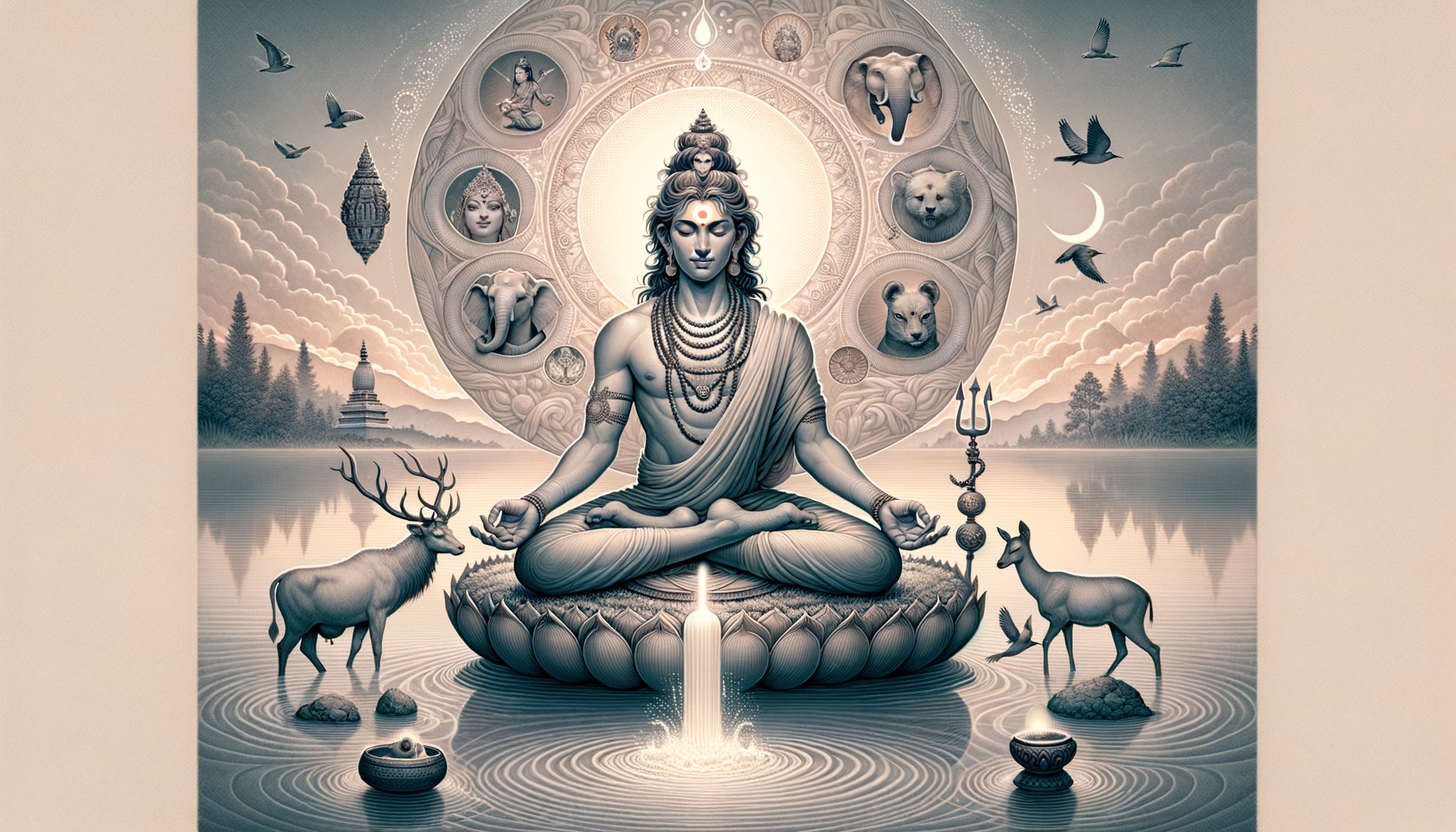
Pashupati, the profound epithet of Shiva, unites care for all beings with the promise of liberation from worldly bondage. Drawing on Hindu philosophy, it presents the Lord as protector of the bound soul and the One who severs the cords of ignorance and karma. The symbolism nurtures compassion, non-harm, and ethical living while guiding seekers…
-
Trusting Time: kāla as tuṣṭi in Sankhya Karika to cultivate calm, patience, and mukti

This article explores kāla as a form of tuṣṭi in Sankhya Karika (verse 50), showing how trust in time can cultivate calm, patience, and steady progress toward mukti. It clarifies the philosophical role of tuṣṭi as both a stabilizing force and a potential pitfall when mistaken for fatalism. Readers gain practical ways to embody engaged…
-
Why Desires Persist in Kali Yuga: A Dharmic Roadmap to Master Craving, Age, and Satiety
Desire often outlives satiety and age in Kali Yuga, a pattern recognized across Hinduism, Buddhism, Jainism, and Sikhism. Dharmic teachings trace this persistence to avidya, samskaras, and ego, rather than mere lack of fulfillment. The Bhagavad Gita, Upanishads, Buddhist suttas, Jain ethics, and Sikh Gurbani converge on a practical cure: ethics, contemplation, and service. This…
-
Sanyasa Yoga: A Powerful Path of Inner Renunciation toward Self‑Realization in Hinduism
Samnyasayoga in Hinduism emphasizes inner renunciation over external withdrawal, directing attention to self-realization and Brahman. Grounded in the Kaivalya Upanishad and Vedanta, it unites śraddhā, bhakti, and dhyāna to reveal Ātman as Brahman and guide seekers toward moksha. In contemporary life, Sanyasa Yoga appears as simplicity, mindful limits, and aparigraha rather than asceticism for its…
-
Living Liberation Now: Hindu Moksha (Jivanmukti) and Parallels in Buddhism, Jainism, Sikhism
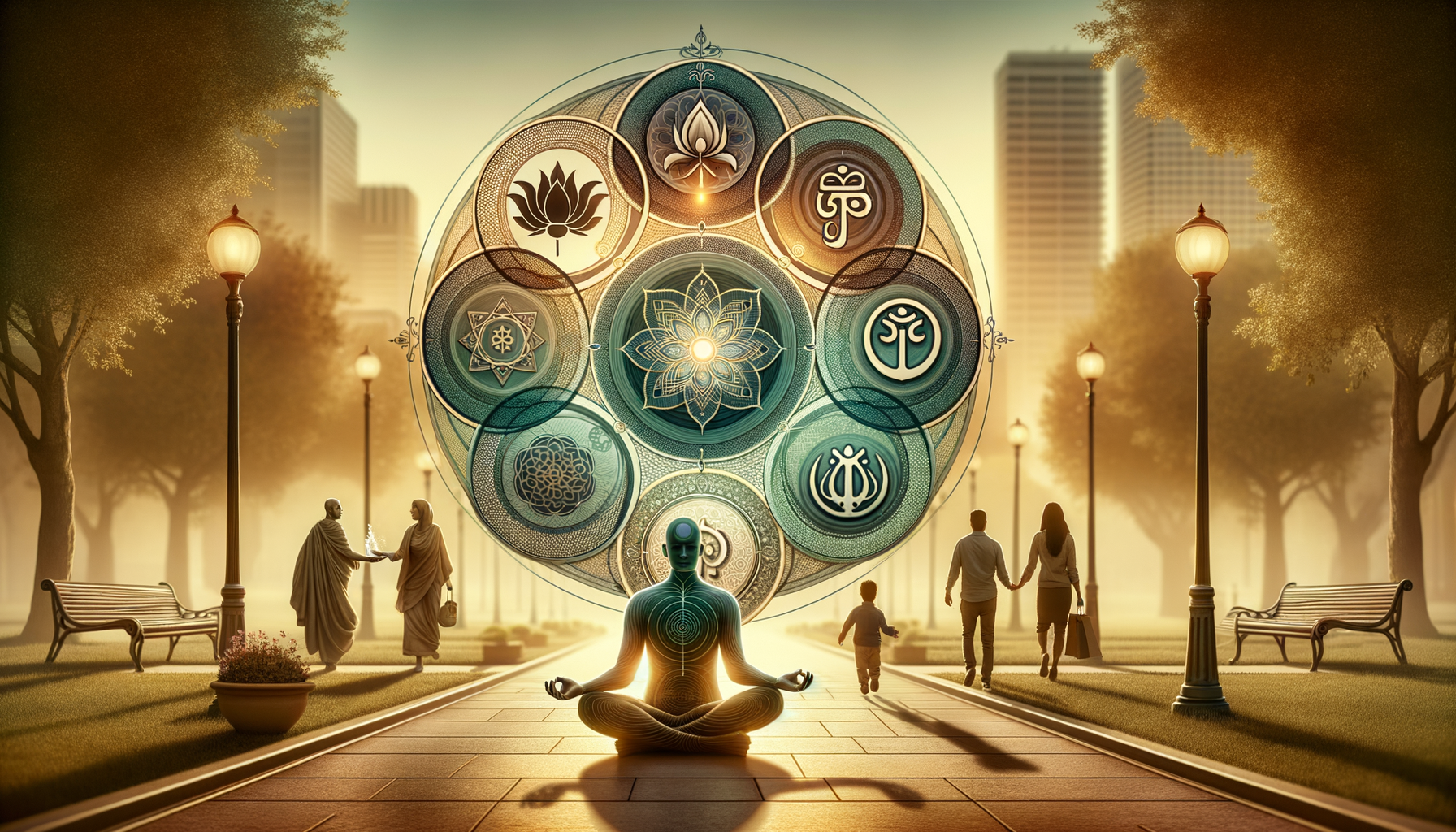
Hindu thought presents moksha as jivanmuktiliberation achievable in this lifetimegrounded in the Upanishads and the Bhagavad Gita. This living freedom is described as a state beyond pleasure and pain, where equanimity and compassion guide daily action. Multiple pathwaysjnana, bhakti, karma, and raja yogaoffer complementary means to stabilize insight. The vision aligns with dharmic parallels: Buddhist…