
-
Andal’s Tiruppavai: Four Transformative Steps to Attain the Divine Presence of Vishnu
Andal’s Tiruppavai, revered across the Sri Vaishnava tradition, presents a clear four-step path to the divine presence of Lord Vishnu: shared discipline (Pavai Nombu), daily remembrance through song, surrender to grace, and compassionate service. These steps reinforce one another, enabling seekers to balance devotion, study, and ethical living. Observances during Margazhi create a supportive communal…
-
Jnana vs. Karma in Hinduism: How Knowledge and Selfless Action Unite on the Path to Moksha
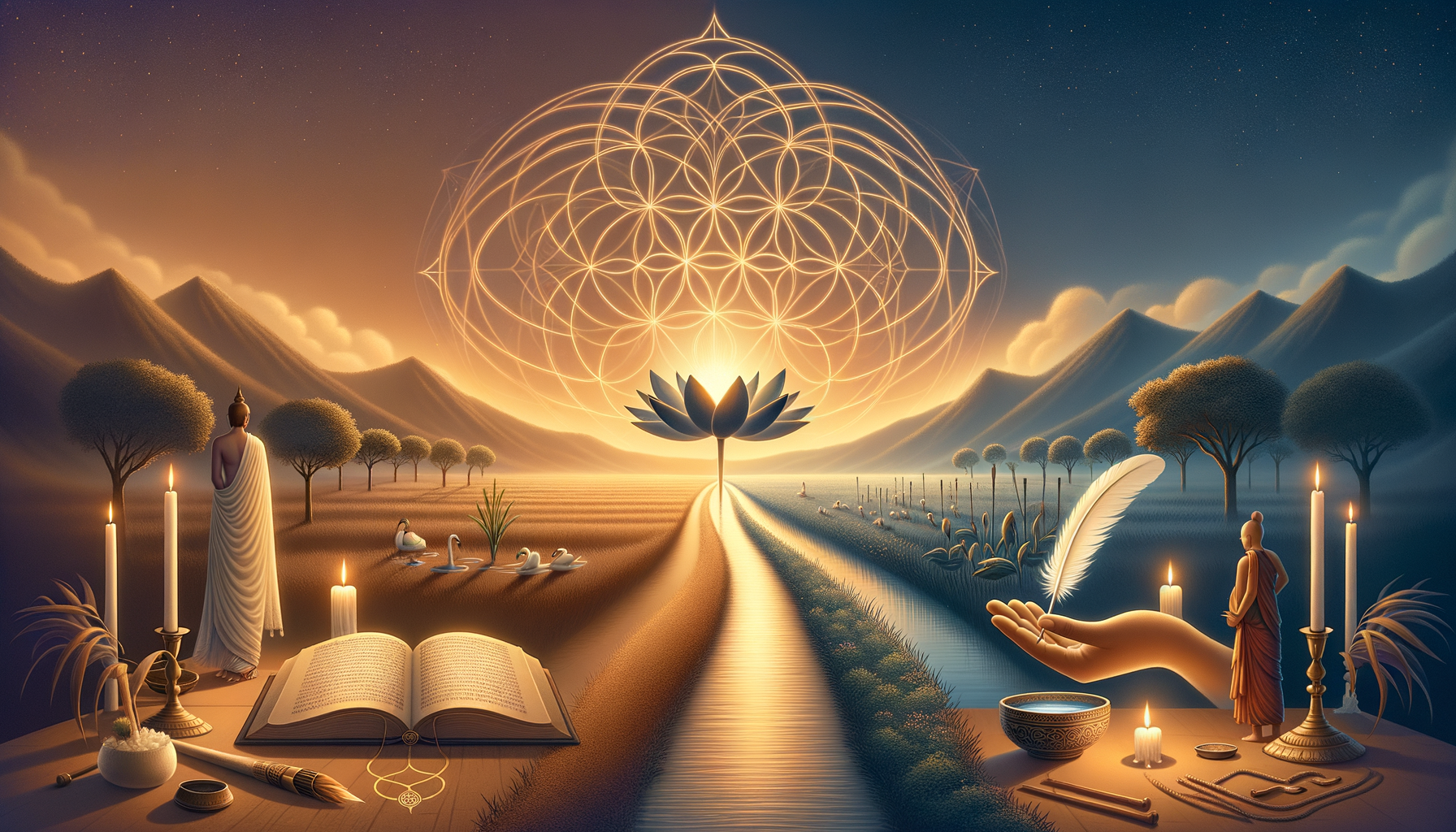
Hindu philosophy does not set Jnana Yoga and Karma Yoga in opposition; it unites them. Knowledge clarifies purpose, while selfless action purifies the mindtogether advancing dharma and moksha. The Bhagavad Gita models this synthesis, showing how insight and responsibility reinforce each other. Household duties, honest work, and seva become extensions of spiritual practice when guided…
-
Ego and the Vast Cosmos: A Dharmic Reflection on Humility, Unity, and Inner Freedom

This reflection explores how Hindu philosophy situates ahankara (ego) within the vast Brahmanda, revealing the fragility of pride and the wisdom of non-attachment. It connects Vedantic insights with parallel teachings in Buddhism, Jainism, and Sikhism, emphasizing a shared dharmic commitment to humility, compassion, and Aparigraha. Readers gain practical pathwaysjapa, pranayama, dāna, mettā, Naam Simran, and…
-
Avadhuta’s Radical Stillness: Transformative, Goal‑Free Awareness across Dharmic Traditions

This reflection examines the Avadhuta ideal in Hinduism as a disciplined, goalless awareness that reveals freedom without withdrawal from life. It clarifies that “sitting and watching” is rigorous witness-consciousness (sakshi-bhava), not apathy or inertia. The discussion situates this insight within Advaita Vedanta and aligns it with parallel practices across Buddhism, Jainism, and Sikhism, highlighting unity…
-
Hinduism’s Bold Vision of Soul Freedom: How Dharmic Unity Empowers Every Seeker

This article explores Hinduism’s distinctive vision of freedom as inner liberation (Moksha), rooted in the Upanishads and the Bhagavad Gita. It explains how Dharma unites responsibility with liberty, preventing freedom from descending into license. The piece highlights Religious Pluralism through the concept of Ishta, showing how diverse methods align with a shared horizon of realization.…
-
Satyaloka Unveiled: The Awe-Inspiring Symbolism of Brahma’s Highest Realm of Truth

Satyalokaalso known as Brahmalokastands at the summit of Hindu cosmology as the realm where truth shines unobscured by illusion. This article explains why it is called the “abode of truth,” linking its symbolism to sattva, Vedic wisdom, and the integrative path of knowledge, devotion, and duty. It clarifies how Brahmaloka functions as a gateway to…
-
Mastering Purushaartha: A Transformative Guide to Dharma, Artha, Kaama & Moksha

Purushaartha offers a complete frameworkDharma, Artha, Kaama, and Mokshafor a life that is ethical, prosperous, joyful, and inwardly free. Rather than rejecting wealth or desire, it refines them through Dharma so they support higher clarity. Practical steps include right livelihood, generosity, mindful restraint, and steady yoga-meditation practice. The Bhagavad Gita and the Upanishads inform a…
-
Why Souls Reincarnate: A Profound Look at Karma, Play, and Purpose in Birth and Death

Why do souls return to life again and again? Drawing on Sri Sri Ravishankar’s Satsang insight, this piece reframes reincarnation through the analogy of play: repetition serves growth, not redundancy. It explains samsara and karma in accessible terms and highlights how Hinduism, Buddhism, Jainism, and Sikhism converge on ethical living and liberation. Readers gain a…
-
Eternal Bonds in Hinduism: Rituals and Dharma That Sustain Connections with the Departed
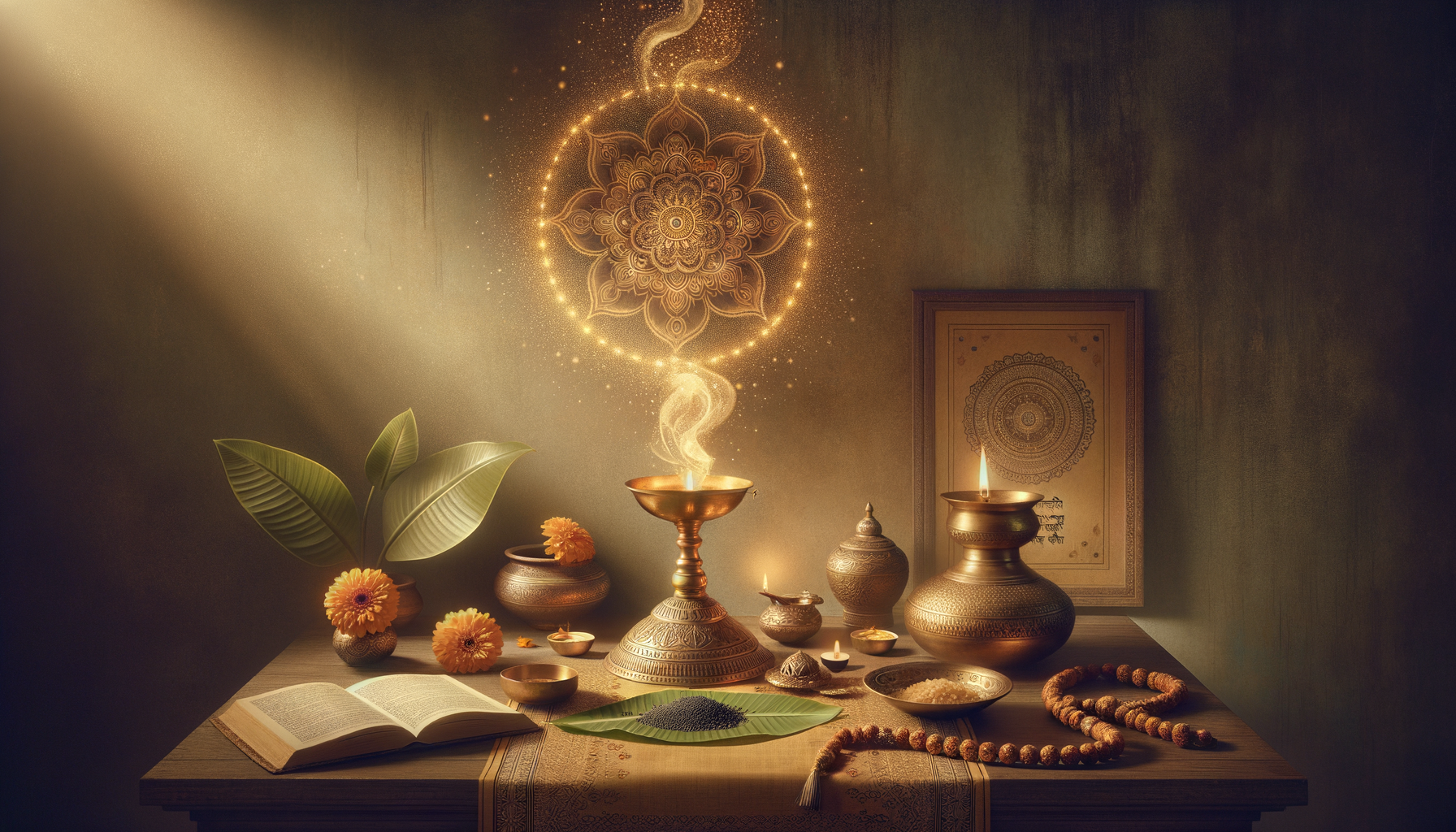
Hinduism teaches that the bond with a loved one endures beyond death, transforming rather than ending. Rooted in the concepts of ātman, karma, dharma, and moksha, this view honors grief while encouraging ethical remembrance. Rituals such as Antyeṣṭi, Pinda Daan, Tarpana, Shraddha, and Pitru Paksha provide structure and meaning to mourning. Home practiceslighting a diya,…
-
You Are Already That: Effortless Realization of Infinite Pure ConsciousnessA Dharmic Perspective

This article clarifies a core Vedantic insight: infinite pure consciousness is not something to attain but to recognize. It explains how Hindu philosophy, especially Advaita Vedanta and the Upanishads, frames self-realization as effortless recognition rather than forced achievement. It highlights convergences with Buddhism, Jainism, and Sikhism, reinforcing unity in spiritual diversity. Practical guidance shows how…
-
No Soul Is Ever Lost: Hinduism’s Compassionate Path to Liberation Beyond Fear

Hinduism affirms that no soul is eternally doomed; every jiva progresses through samsara toward moksha through karma, dharma, and disciplined practice. This non-eternalist vision frames suffering as corrective and finite, not permanent punishment. Upanishadic and Bhagavad Gita teachings support moral agency over fatalism, inviting steady self-cultivation. Parallel perspectives in Buddhism, Jainism, and Sikhism further strengthen…
-
Katha Upanishad’s Naciketas and Yama: A Stirring Quest for Death’s Secret, Dharma, and Moksha

The Katha Upanishad frames Naciketas’s encounter with Yama as a disciplined quest for truth that unites ethics and insight. The three boons structure a complete path: reconciliation and dharma, Nachiketagni as ordered action, and the inquiry into death and the Self. Yama’s teaching clarifies śreya versus preya, the chariot allegory, Om as support, and the…
-
Enlightenment Demystified: Clear Signs, One Essence, and a Unified Dharmic Path to Peace

Across Hinduism, Buddhism, Jainism, and Sikhism, realization is singular while pedagogical stages vary. Signs of enlightenment commonly include steady equanimity, spontaneous compassion, ethical ease, and a quieting of egoic narratives. Emptiness (śūnyatā) is one essence taught for different purposes, dissolving clinging and opening fearless presence. Traditions use diverse skillful meansethics, meditation, devotion, and insightto mature…
-
The Potter’s Gift and the Wasted Vessel: Hinduism’s Powerful Life Symbol and a Call to Purpose

The parable of the potter and the pot in Hinduism teaches that human life is a carefully crafted vessel meant to hold wisdom, compassion, and purposeful action. Read in the light of the Bhagavad Gita and the Upanishads, the vessel represents the body-mind where dharma is lived and moksha is pursued. The image resonates across…
-
Broken Pot in Hindu Death Rituals: Powerful Symbolism of Impermanence, Grief, and Liberation

In Hindu death rituals, the breaking of a clay pot during Antyeṣṭi powerfully symbolizes impermanence, the release of attachments, and the soul’s onward journey. The water’s steady drip reflects the fading of prāṇa, while the final shatter marks the clear separation of body and atman. This rite provides emotional structure for mourners, transforming raw grief…
-
Gita Jayanti 2025: December 1 Date, Mokshada Ekadashi Meaning, and Timeless Dharma

Gita Jayanti 2025 falls on December 1, aligning with Mokshada Ekadashi (Shukla Paksha Ekadashi) in the Margashirsha month. The day honors the revelation of the Bhagavad Gita, a unifying scripture of dharma, jnana, bhakti, and karma yoga. Observances include Ekadashi fasting, Gita parayana, japa, satsang, and acts of dana. Practical suggestionssuch as studying one chapter,…
-
Jivanmukta Unveiled: The Silent Dance of Living Liberation in Hindu Philosophy

This article explores the jivanmuktaliving liberation in Hindu philosophyas an inner “silence” paired with an outer “dance” of unattached, compassionate action. It clarifies key traits such as equanimity, non-attachment, and dharma-guided service through the lens of the Upanishads, the Bhagavad Gita, and Advaita Vedanta. Readers gain practical markers of maturity: fewer reactive habits, steadier decision-making,…
-
Why Brahma Refuses Immortality Boons: Timeless Dharma, Cosmology, and the Path to Moksha

Why does Brahma never grant immortality? In Hindu cosmology, even the creator functions within time and cannot override the laws of dharma and karma. Puranic narratives, such as the story of Hiranyakashipu and Narasimha, illustrate that boons are conditional to preserve cosmic balance. This view shifts focus from bodily permanence to moksha, aligning with the…
-
Gajendra Moksha: Lord Vishnu’s Swift Compassion and the Timeless Path to Liberation
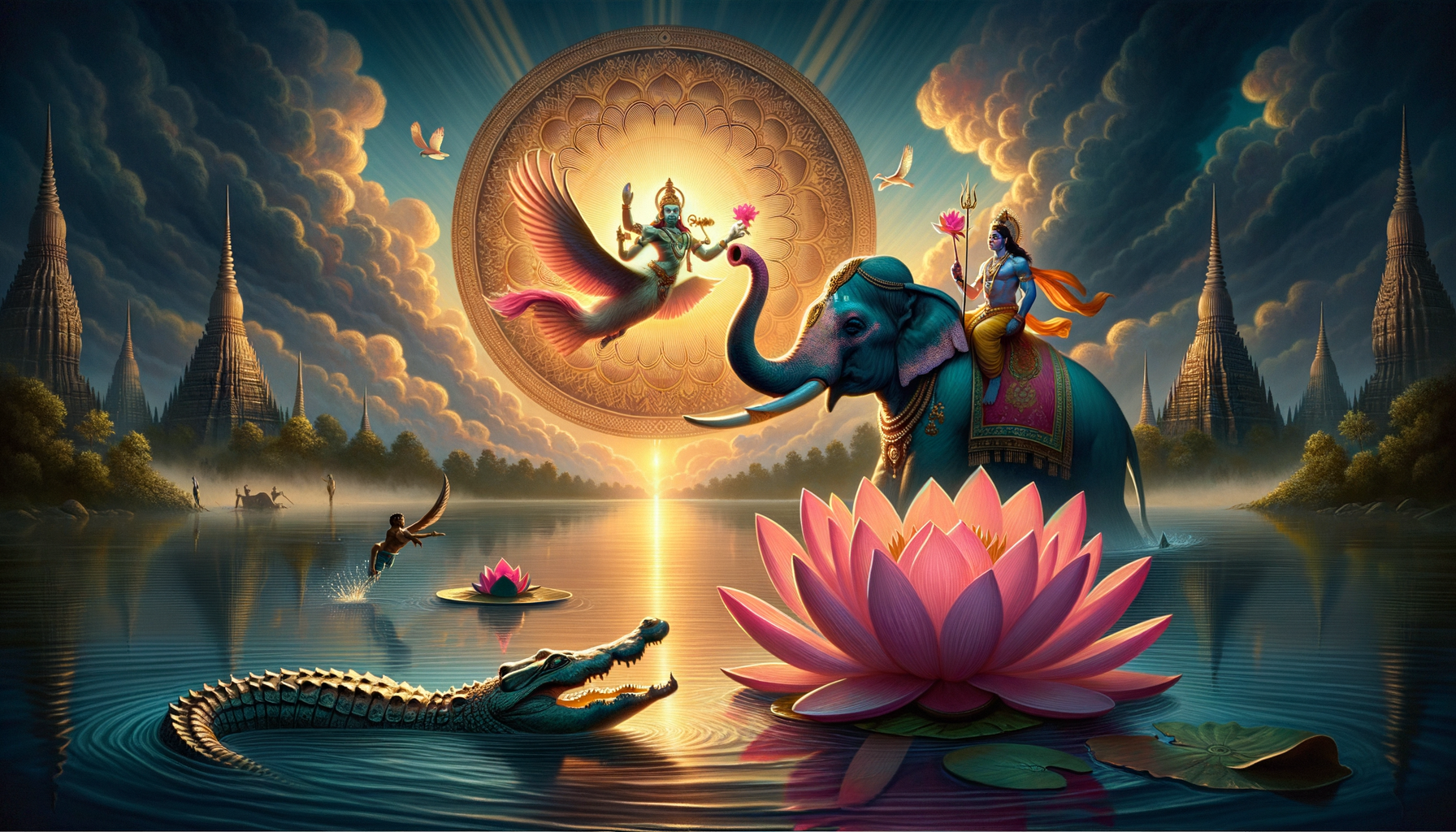
This retelling of Gajendra Moksha presents a clear, academically grounded account of Lord Vishnu’s swift response to sincere devotion. It explains the symbolism of the lotus, Garuda, and the Sudarshana Chakra to illuminate how bondage is cut and moksha is revealed. Readers gain practical insightsmindful remembrance, meditation, and serviceto navigate modern challenges. The narrative highlights…
-
Decoding Moksha Across the Yugas: How Kali Yuga Becomes the Fastest Route to Liberation
This article explains how the four YugasSatya, Treta, Dvapara, and Kalishape spiritual practice and the relative ease of attaining moksha. Drawing on the Bhagavata Purana, Upanishads, and the Bhagavad Gita, it shows why Kali Yuga, despite its challenges, offers accessible, grace-filled pathways through nama-japa, kirtana, seva, and satsang. Readers gain a clear, academic overview of…