
-
Dharma as Cosmic Law: A Timeless Path of Harmony, Responsibility, and Dharmic Unity

Dharma is presented as the cosmic law that sustains life and nurtures harmony across individuals, societies, and species. It is dynamic rather than rigid, aligning personal duty with universal values and linking ethical action to spiritual aims such as Karma and Moksha. The dharmic traditionsHinduism, Buddhism, Jainism, and Sikhismconverge on compassion, responsibility, and pluralism, making…
-
No Life Is Lesser or Greater: A Transformative Dharmic Insight on Sacred Equality

This article explores the Hindu philosophical teaching that no life is inferior or superior, grounding sacred equality in Atman and the unity of all existence in Brahman. It clarifies how this insight becomes an ethical imperative through Ahimsa and Dharma, encouraging compassionate, responsible action. Readers gain a clear understanding of sama-darśana in the Bhagavad Gita…
-
Krishna–Arjuna’s Sacred Friendship: Choosing Companions Who Challenge and Elevate the Soul
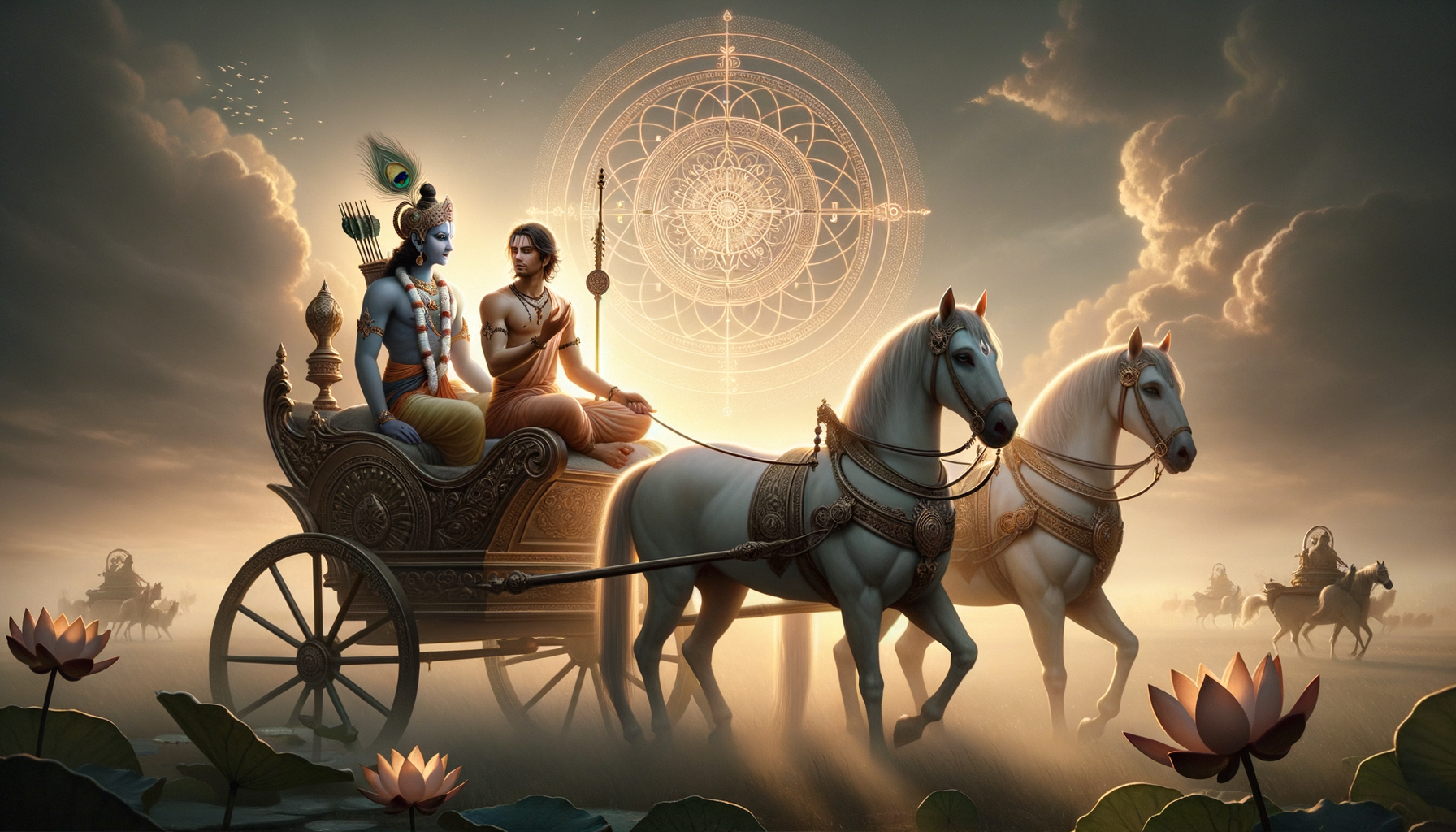
The Krishna–Arjuna friendship in the Mahabharata showcases how authentic companionship challenges, clarifies, and elevates. It models truth with empathy, accountability without humiliation, and steadfast alignment with dharma. The same ideal appears across dharmic traditions: kalyāṇa-mitra in Buddhism, sādhu-saṅgha in Jainism, and sangat in Sikhism, alongside Hinduism’s satsang and Bhakti Tradition. Readers gain practical criteria for…
-
How Gen Z Ignites a Dharmic Cultural Renaissanceand Why Older Generations Should Cheer

A spirited debate on X has reframed Gen Z’s cultural choices as a dharmic renaissance rather than a turn to rigid orthodoxy. The emerging pattern shows young Indians reclaiming and modernising traditions across Hinduism, Buddhism, Jainism, and Sikhismthrough music, clothing, pilgrimage, and service. Earlier generations preserved culture defensively under Westernized narratives; Gen Z is now…
-
Master the Mind, Transform Reality: Dharmic Wisdom for Inner Freedom and Resilient Living

Dharmic wisdom teaches that mental mastery, not circumstances, determines freedom. The Bhagavad Gita, the Upanishads, the Dhammapada, Jain disciplines, and Sikh teachings converge on a shared insight: inner clarity transforms how reality is experienced. Practical methods such as breath awareness, mindfulness meditation, japa or simran, ethical restraint, and seva stabilize attention and soften reactivity. This…
-
From Disposable Bonds to Enduring Freedom: Dharmic Wisdom for Modern Relationships
Modern society’s disposable culture often extends to human bonds, eroding trust and meaning. Drawing on dharmic wisdom, this reflection explores how Hindu principlesdharma, viveka, vairagya, ahimsa, and aparigrahacan restore depth to relationships without endorsing indifference. It highlights convergences across Buddhism (anicca, karuṇā), Jainism (aparigraha, ahimsa), and Sikhism (seva, sarbat da bhala) to model unity in…
-
A Beginner’s Path to Inner Peace: Understanding Sikhi’s Wisdom for Everyday Harmony

This reflective guide introduces beginners to Sikhi as a practical path to inner peace and everyday harmony. It explains Ik Onkar and the pillars of Naam Simran, Kirat Karni, and Vand Chhakna, showing how they cultivate mindfulness, ethical living, and compassionate sharing. Readers learn how Sangat, Langar, and Seva build belonging and resilience, while Miri-Piri…
-
Why Desires Persist in Kali Yuga: A Dharmic Roadmap to Master Craving, Age, and Satiety
Desire often outlives satiety and age in Kali Yuga, a pattern recognized across Hinduism, Buddhism, Jainism, and Sikhism. Dharmic teachings trace this persistence to avidya, samskaras, and ego, rather than mere lack of fulfillment. The Bhagavad Gita, Upanishads, Buddhist suttas, Jain ethics, and Sikh Gurbani converge on a practical cure: ethics, contemplation, and service. This…
-
Rama–Sita and Shiva–Shakti: Sankhya’s Purusha–Prakriti and the Promise of Wholeness

Sankhya’s vision of Purusha (consciousness) and Prakriti (primordial nature) is illuminated by the sacred unions of Rama–Sita and Shiva–Shakti. These symbols present wholeness as a harmonious interplay rather than a clash of opposites. The essay connects Ardhanārīśvara, Maryāda-Puruṣottama, and Shakti’s resilience to psychological integration and ethical balance. Parallels from Buddhism (prajñā–upāya), Jainism (jīva–ajīva and the…
-
Why People‑Pleasing Fails: Dharma‑Aligned Priorities Prevent Chronic Disappointment

Trying to please everyone guarantees disappointment because competing priorities cannot all be met at once. An academic, dharmic perspective reframes the issue: action should follow values and context, not approval‑seeking. Principles shared across Hinduism, Buddhism, Jainism, and Sikhismdharma, Karma Yoga, ahimsa, aparigraha, Right Action, and sevaoffer a coherent framework. The result is clearer boundaries, compassionate…
-
From ‘Miracle’ to Menace: Dharmic Wisdom to Curb Plastic Pollution and Restore Balance

Plastic’s promise has turned perilous, with microplastics degrading ecosystems and health. This piece unites Hindu, Buddhist, Jain, and Sikh wisdom to frame a practical, compassionate response. It explains how Dharma, Ahimsa, Aparigraha, and seva align with circular economy solutions such as repair, reuse, and waste reduction. Readers gain actionable steps for Sustainable livingfavoring durable, repairable…
-
Canada’s Landmark Decision: Honoring the Sacred Swastika, Rejecting the Nazi Hakenkreuz
Canada has formally clarified the difference between the sacred Swastika and the Nazi Hakenkreuz, protecting religious freedom while reinforcing opposition to hate symbols. The step affirms the Swastika’s millennia-old meaning in Hinduism, Buddhism, and Jainism, and its broader cultural presence across South Asia, without diluting the ban on Nazi imagery. Educators, museums, and law enforcement…
-
Dhritarashtra’s Locked Room: A Powerful Dharmic Lesson on Attachment, Denial, and Freedom
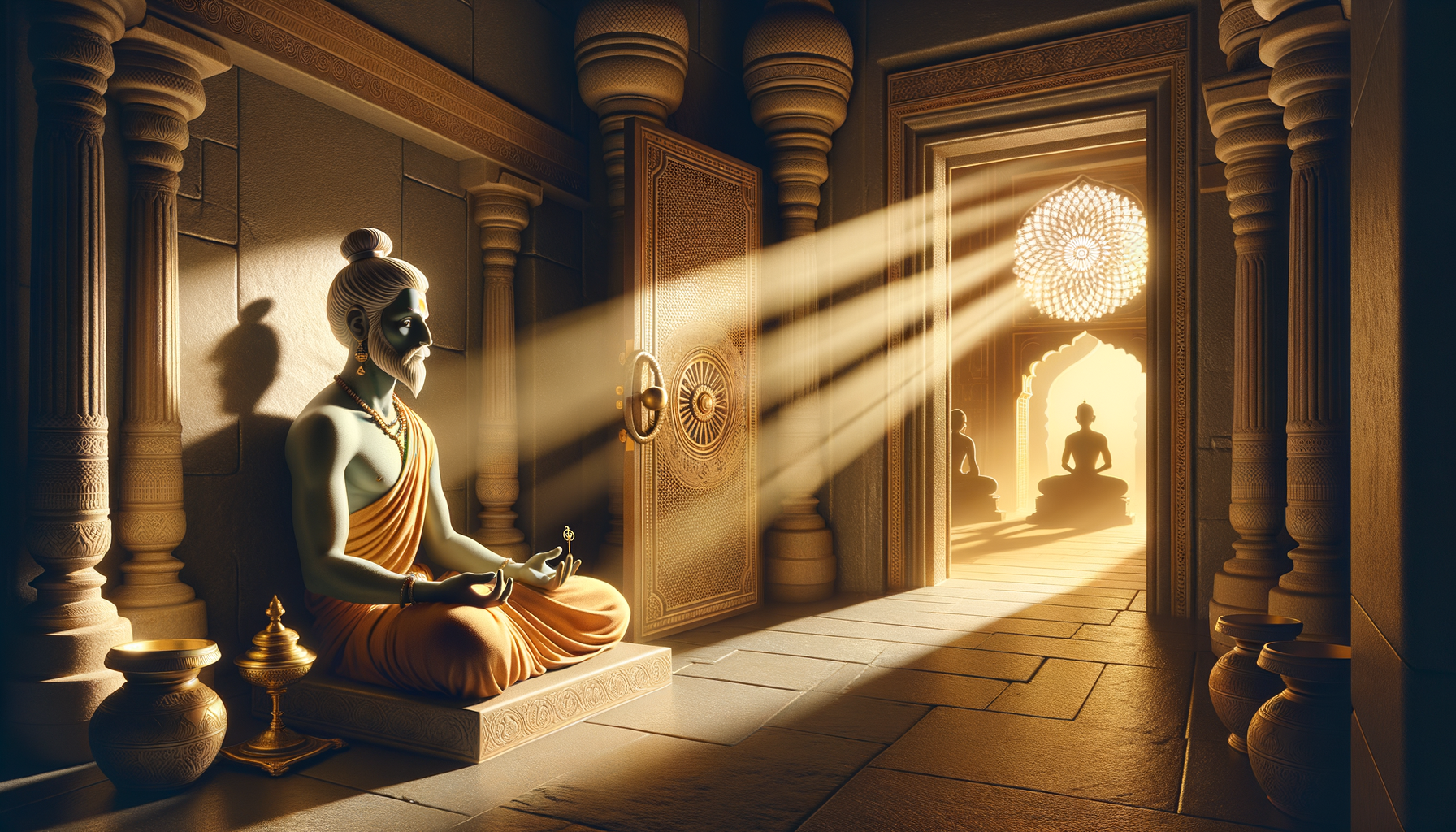
The Mahabharata’s portrait of Dhritarashtra reveals how attachment (moha) and denial create a self-made prison that undermines ethical judgment. This analysis clarifies the difference between ignorance and active refusal to see, mapping the locked-room metaphor onto everyday life, leadership, and responsibility. It highlights convergence across Hinduism, Buddhism, Jainism, and Sikhism on freeing oneself from clinging…
-
Panchapreta Unveiled: Tantric Symbolism of Five Corpses and the Living Power of Shakti

Panchapreta“the Five Corpses”is a Tantric teaching that uses paradox to convey a clear metaphysical insight: without Shakti, even exalted divine functions are inert. Framing the Pancha Brahma of creation, preservation, dissolution, concealment, and grace, the image portrays the Goddess as the living Power that animates all forms. Rather than morbid, the “corpse” metaphor is a…
-
When Nature Seems Cruel: Dharmic Insights on Karma, Order, and Compassionate Living

Nature can feel harshearthquakes, storms, and predation challenge the heart and mind. Dharmic traditions explain these realities through r̥ta, karma, pratityasamutpada, Anekantavada, and hukam, framing the world as an interdependent order rather than random cruelty. This perspective affirms compassion and service: reduce suffering, strengthen disaster resilience, and care for ecosystems. It also cautions against romanticizing…
-
Ego and the Vast Cosmos: A Dharmic Reflection on Humility, Unity, and Inner Freedom

This reflection explores how Hindu philosophy situates ahankara (ego) within the vast Brahmanda, revealing the fragility of pride and the wisdom of non-attachment. It connects Vedantic insights with parallel teachings in Buddhism, Jainism, and Sikhism, emphasizing a shared dharmic commitment to humility, compassion, and Aparigraha. Readers gain practical pathwaysjapa, pranayama, dāna, mettā, Naam Simran, and…
-
When Silence Speaks: Hindu, Buddhist, Jain, and Sikh Wisdom for Social Media Calm

Social media rewards speed and outrage, yet dharmic traditions teach that silence is disciplined strength. Hindu philosophy frames silence (mauna), meditation (dhyana), and sensory restraint (pratyahara) as ethical practices that refine speech and preserve clarity. Parallel insights in Buddhism, Jainism, and Sikhism elevate non-reactivity, compassionate truth, and inner equipoise. Applied today, choosing “no response” can…
-
From Restraint to Revenge: Dharmic Psychology of Violence and Paths to Compassionate Action

Retaliatory violence feels intuitive, yet Dharmic wisdom reveals why it often harms more than it heals. Hindu, Buddhist, Jain, and Sikh traditions converge on Ahimsa, disciplined intention, and compassionate restraint. Hindu Dharma distinguishes protective duty from vengeful harm through Dharma-Yuddha principles. Buddhism interrupts anger’s cycle with mindfulness, right intention, and skillful means. Jainism extends non-violence…
-
Chamunda Devi’s Skull Cup (Kapala): Fierce Symbolism of Protection, Purification, and Grace
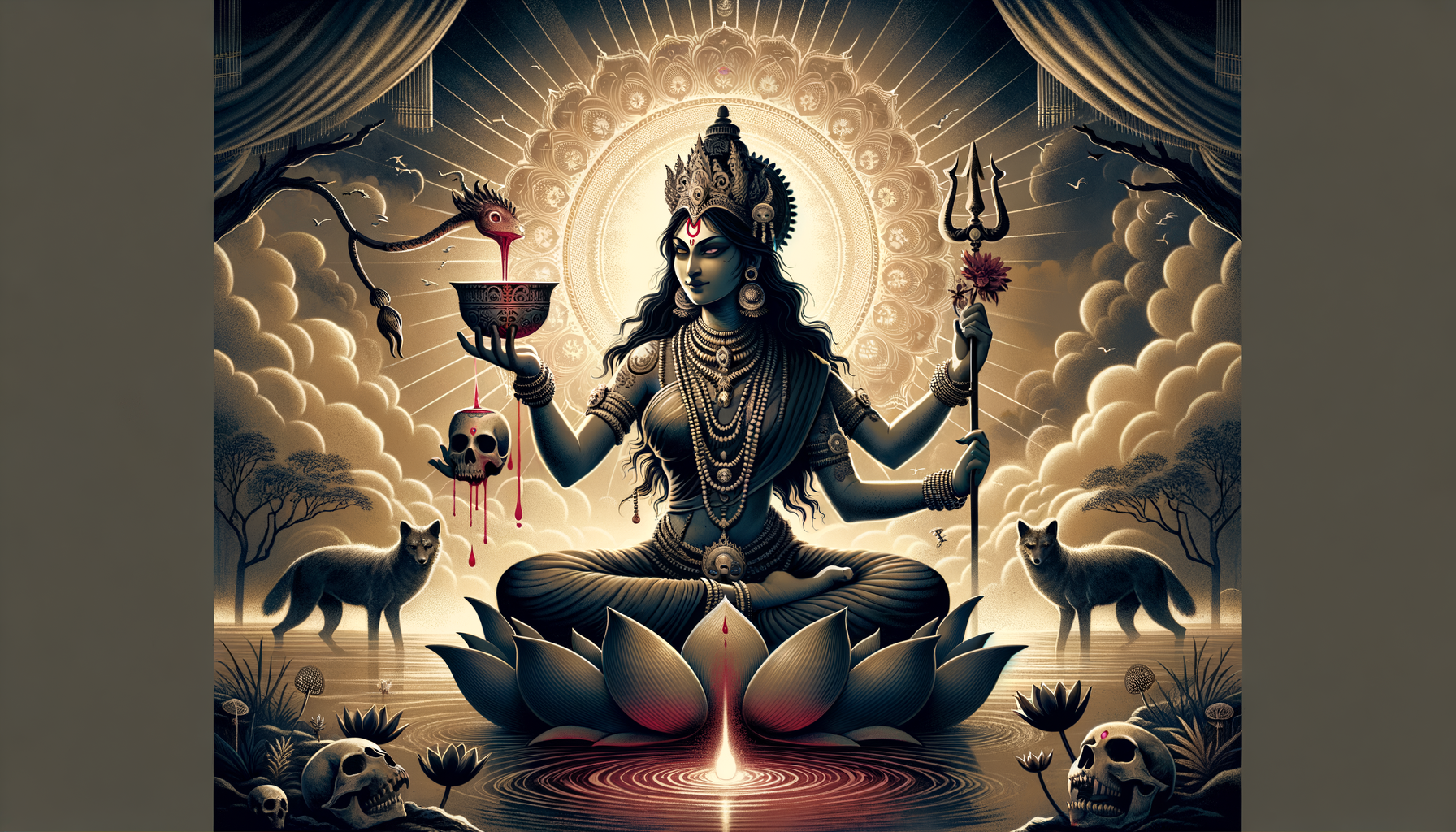
Chamunda Devi’s skull cup (kapala) encapsulates a powerful teaching from the Devi Mahatmya and Tantric scriptures: transform fear and impurity into wisdom and compassionate strength. The blood within the kapala symbolizes prana and ego, consciously purified in the goddess’s grasp to protect and uplift. Read through a dharmic lens, this fierce icon harmonizes with Vajrayana…
-
Why Indiscriminate Advice Backfires: Viveka, Anekantavada, and Dharmic Wisdom

The maxim “Indiscriminate advice often backfires” is clarified through Hindu philosophy’s viveka (discernment) and adhikāri-bheda (readiness). Foundational texts such as the Bhagavad Gita, the Upanishads, Vidura-niti, Panchatantra, and Hitopadesha affirm that counsel should be tailored to the person, time, and circumstance. A cross-dharmic viewdrawing on Buddhism’s upaya, Jainism’s Anekantavada, and Sikh traditionspromotes plural-sensitive guidance rather…