
-
Complete Guide to Divine Friendship: Arjuna–Krishna Insights to Transform Dharmic Unity

This article explores the Bhagavad Gita’s portrayal of Arjuna’s sakha-bhava and Krishna’s role as Partha-sarathi to reveal a relational, reciprocal vision of devotion. It decodes how divine friendship functions as guidance, protection, and shared joy rather than distant authority. Readers gain practical insight into applying the charioteer metaphor to ethical decisions during modern “Kurukshetra” moments.…
-
Essential Breakthrough in Spiritual Evolution: Discover the Courage to Transcend the Herd

Spiritual growth begins when seekers turn from herd mentality toward authentic self-understanding rooted in dharma. Hindu scriptures, especially the Bhagavad Gita (3.35), affirm the primacy of one’s own path, even when imperfect. This independence is not isolation; it fuels compassion, service (seva), and social harmony through the ethic of lokasangraha. Dharmic traditionsHinduism, Buddhism, Jainism, and…
-
Complete Analysis: RSS@100 vs CommunismDiscover a Dharmic Unity Breakthrough

This academically grounded analysis uses the occasion of RSS@100 to clarify what is often portrayed as a zero-sum battle between Hindutva and Communism. Readers discover a clear definition of key terms, a concise historical trajectory, and a balanced comparison that separates civilizational identity from class-centered critique. The piece centers dharmic valuesahimsa, karuna, daya, and sewaas…
-
Bharat: The Natural Home for Sanatanis (Hindus, Buddhists, Jains, and Sikhs)
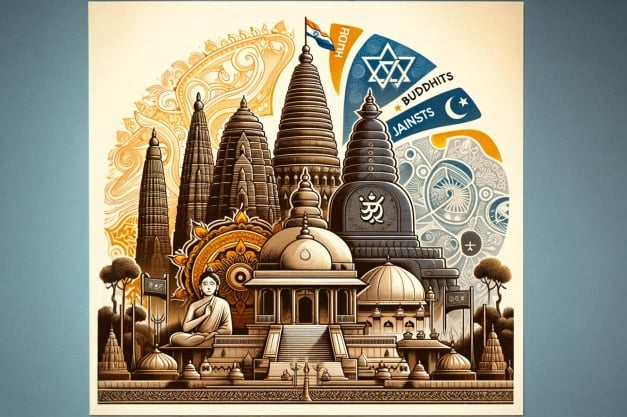
“Bharat: The Natural Home for Sanatanis (Hindus, Buddhists, Jains, and Sikhs)” explores why India is the intrinsic homeland for these ancient religions. The post highlights India’s historical roots as the birthplace of these faiths, its rich cultural and spiritual heritage, and the preservation of ancient knowledge and texts. It emphasizes the socio-cultural practices and festivals…
-
Parliament Of The World’s Religions Features Discussion On Distinguishing The Sacred Swastika From Hitler’s Hakenkreuz

The panel at the Parliament of the World’s Religions in Chicago focused on distinguishing the sacred Swastika from Hitler’s Hakenkreuz, featuring representatives from various faiths who highlighted the historical, cultural, and spiritual disparities between these symbols. Emphasizing the Swastika’s ancient origins and positive connotations across Hindu, Buddhist, Jain, and Native American traditions, the discussion clarified…
-
Who is a Guru?
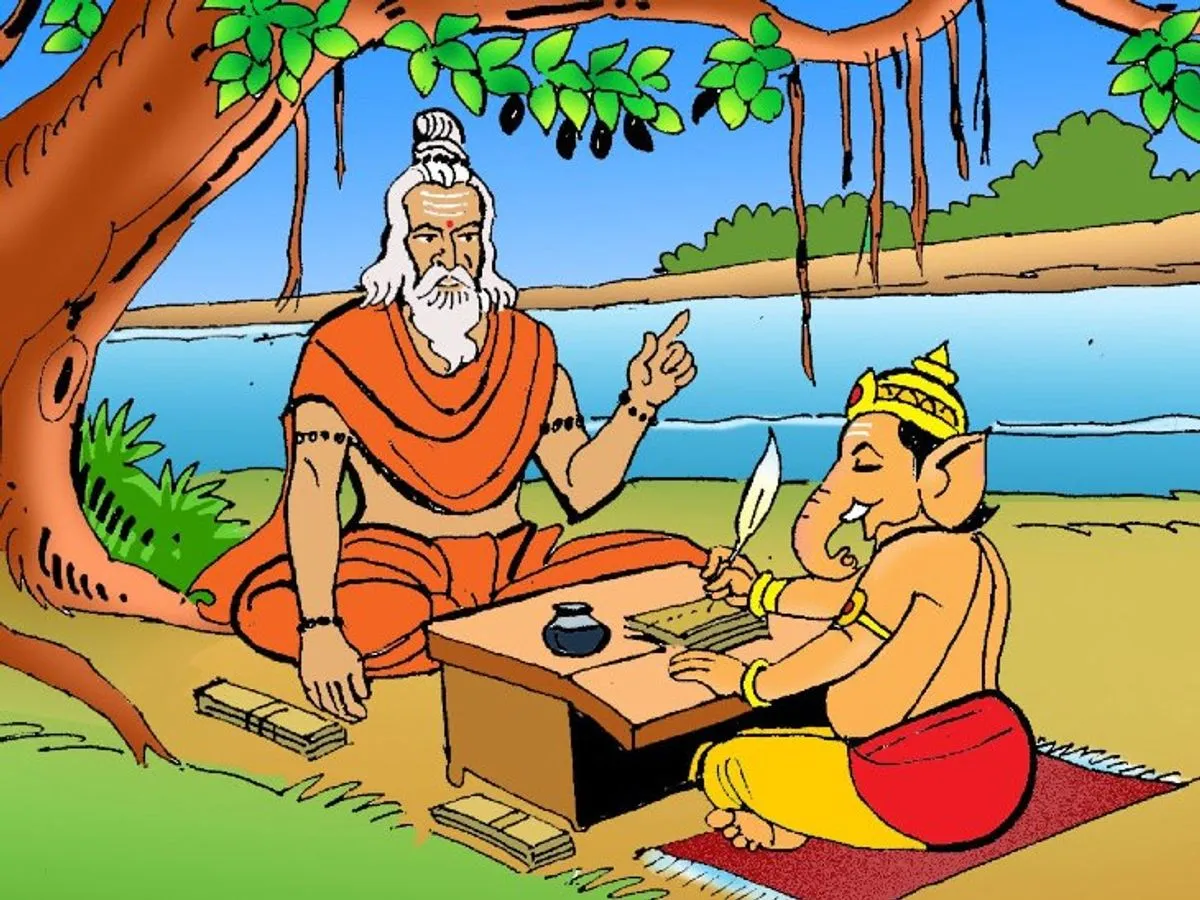
Explore the significance of Guru Purnima, a celebration of Maharishi Ved Vyas’ birthday, and dive into the profound role of a true Guru in the spiritual journey. Maharishi Ved Vyas, the sage behind the Mahabharata and the classification of Vedic literature, holds a unique place in Hindu history. This blog delves into the essence of…
-
Unifying Threads in Dharmic Religions: A Contemporary Exploration
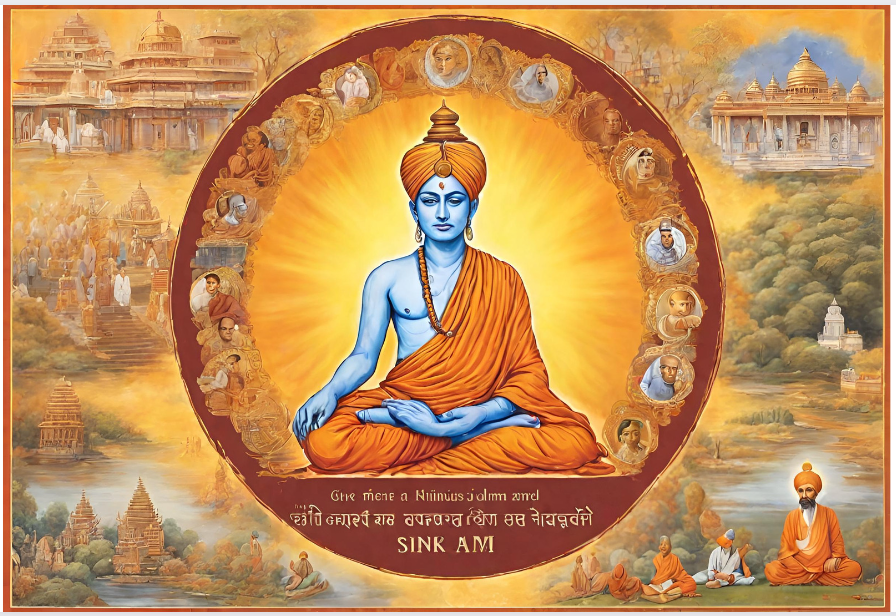
Explore the profound unifying threads that run through the Dharmic religions of Sanatana Dharma, Sikhism, Jainism, and Buddhism in this enlightening blog post. In a rapidly changing and interconnected world, these ancient traditions offer timeless wisdom and guiding principles that resonate with contemporary challenges and opportunities. From the central concept of “dharma” and the practice…
-
Martial Arts in Sanatana Dharma: A Comprehensive Guide
Sanatana Dharma is a term used to describe the ancient Indian tradition that encompasses Hinduism, Jainism, Buddhism, and Sikhism. These religions share many fundamental principles and values, including the importance of physical and mental discipline, self-defense, and protection of one’s community. Martial arts have played a significant role in the culture and history of Sanatana…
-
Parashuram Jayanthi – Tribute to the warrior god that fought for the common good
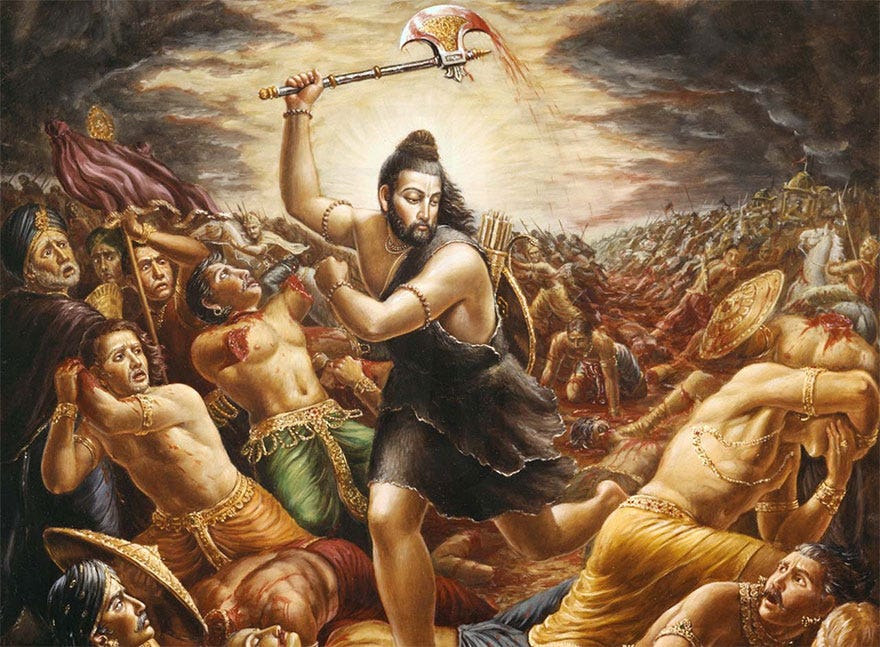
Parashuram Jayanthi is celebrated on the third day of the Hindu month of Vaishaka, which usually falls in late April or early May. This day is dedicated to Lord Parashuram, who is considered the sixth avatar of Lord Vishnu in Hinduism. Lord Parashuram is revered as a warrior god who fought for the common good…
-
The Role of Meditation in Sanatan Dharma
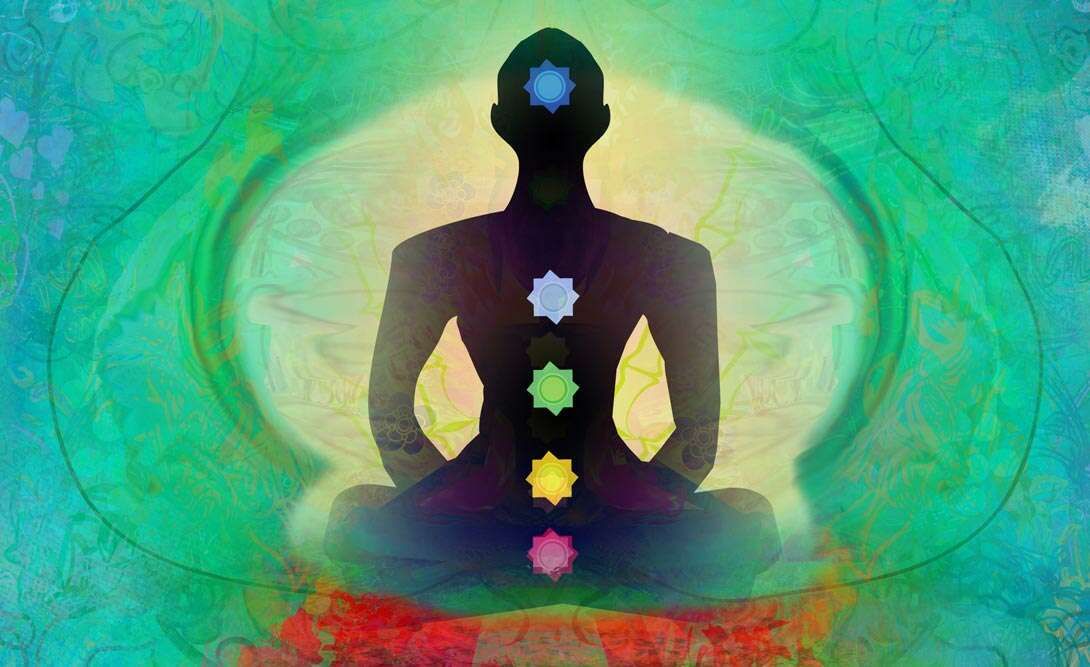
Sanatana Dharma – Hinduism & its various sects, Buddhism, Jainism, and Sikhism; is a vast and ancient spiritual tradition that has its roots in the Indian subcontinent. Despite their differences in rituals, practices, and beliefs, all of these religions share some commonalities, one of which is the emphasis on meditation and self-realization. In this blog…
-
Karma-Siddhanta and its Significance in Sanatana Dharma
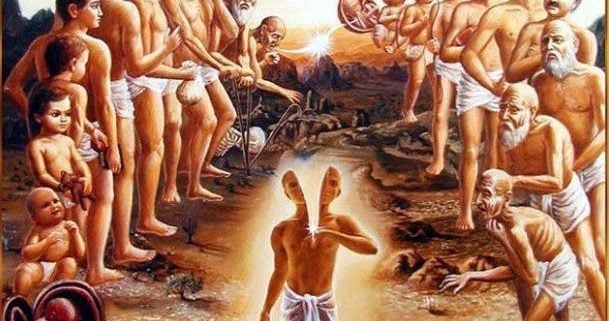
The concept of karma is a fundamental aspect of Sanatana Dharma, which includes Hinduism, Buddhism, Jainism, and Sikhism. Each of these religions has its own unique perspective on karma, but they all share some commonalities. In this blog post, we will explore the concept of karma in each of these religions, its significance, and its…
-
Atman in Karmic Religions

atman, (Sanskrit: “self,” “breath”) one of the most basic concepts in Sanatan, the universal self, identical with the eternal core of the personality that after death either transmigrates to a new life or attains release (moksha) from the bonds of existence. As Karmic religions like Hinduism (and its various sects), Jainism, Buddhism & Sikhism arose…