
-
Seeking the Supreme: An Academic Exploration of Hindu Pluralism, Ishta, and One Reality
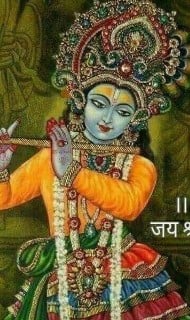
Many seekers raised in temple-centered Hindu life wrestle with two enduring questions: Why so many gods, and who is the Supreme? Hindu philosophy answers with a precise synthesis: the One Reality (Brahman) is accessible both without attributes (nirguna) and with attributes (saguna), and Ishta-devata personalizes that access without denying unity. Rig Veda’s “Ekam sat vipra…
-
Hinduism’s ‘330 Million Gods’ Demystified: Unity, Ishta, and the Logic of Many Paths

Why Hindus follow many gods is not a contradiction but a cornerstone of Sanatan Dharma. This essay clarifies the famous “330 million gods” as a later linguistic and devotional interpretation of the Vedic 33 categories (koti) of deities, grounding the discussion in the Vedas, Upanishads, and the Bhagavad Gita. It explains Ishta-devata as a rigorous,…
-
Beyond 330 Million Gods: How Hinduism Unites Many Deities into One Supreme Reality

The familiar claim that Hinduism has 33 crores (330 million) gods is a popular misreading; classical sources enumerate thirty-three devaseight Vasus, eleven Rudras, twelve Adityas, plus Indra and Prajapati. By clarifying the Sanskrit term koṭi (class/category vs. crore), the article shows how Vedic and Upanishadic texts integrate divine plurality within a single metaphysical reality. It…
-
Bhagavan Alone Is Real: Timeless Vedanta, Living Bhakti, and the Joy of Dharmic Unity

This article unpacks the aphorism “Know that Bhagavan alone is real. Nothing else matters” through the lenses of the Upanishads, Bhagavad Gita, and major Vedanta schools (Advaita, Vishishtadvaita, Dvaita). It clarifies Bhagavan as the sat-chit-ananda ground of being and explains why the phrase does not deny ethical life but re-centers it in the Real. Readers…
-
Ananya Sharan Bhaava: Mastering Unshakeable Devotion and Inner Surrender in Dharmic Life

Ananya Sharan Bhaava, or single-minded devotion, is best understood as something uncovered rather than acquired. Dharmic traditionsHinduism, Buddhism, Jainism, and Sikhismconverge on a shared architecture: ethical grounding, attentional training, and devotion that matures into surrender. Practical methods include clarifying a chosen refuge (Ishta or central ideal), adopting regular sadhana (japa, Naam Simran, dhyana), and aligning…
-
Why Hinduism Has No Commandments: Dharma’s Liberating, Context-Sensitive Ethics

Hinduism’s ethical core is not a fixed list of commandments but the dynamic, context‑sensitive framework of dharma. Drawing on the Vedas, Upanishads, the Bhagavad Gita, and the Dharmashastra tradition, it integrates personal virtue, social responsibility, and a vision of the highest good. This article explains sadharana and vishesha dharma, Mimamsa hermeneutics, and yogic disciplines such…
-
Choosing a Mahavidya for Navratri: Scholarly, Horoscope‑Aligned, Ethical, Transformative Guide
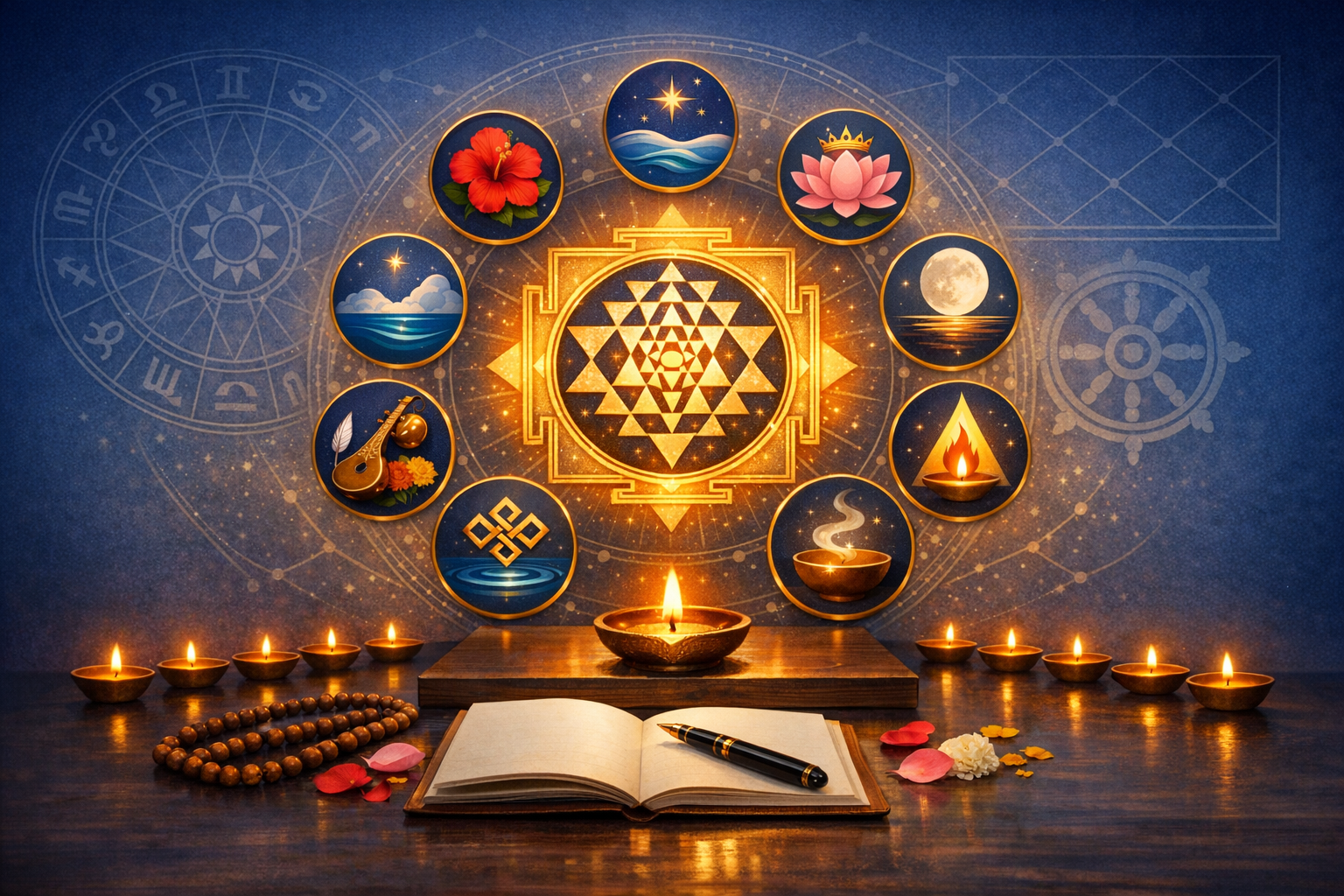
This research‑informed guide shows how to choose a Mahavidya for Navratri using three converging lenses: present life needs, Jyotisha (Vedic astrology) indications, and spiritual readiness. It summarizes the core strengths, indications, and household‑friendly practices for all ten Mahavidyas, with clear ethical safeguards. Readers learn how to align sadhana with dasha cycles and graha conditions, how…
-
Vihangama Nyaya Explained: The Bird’s-Eye Method for Clarity and Mastery in Hindu Philosophy
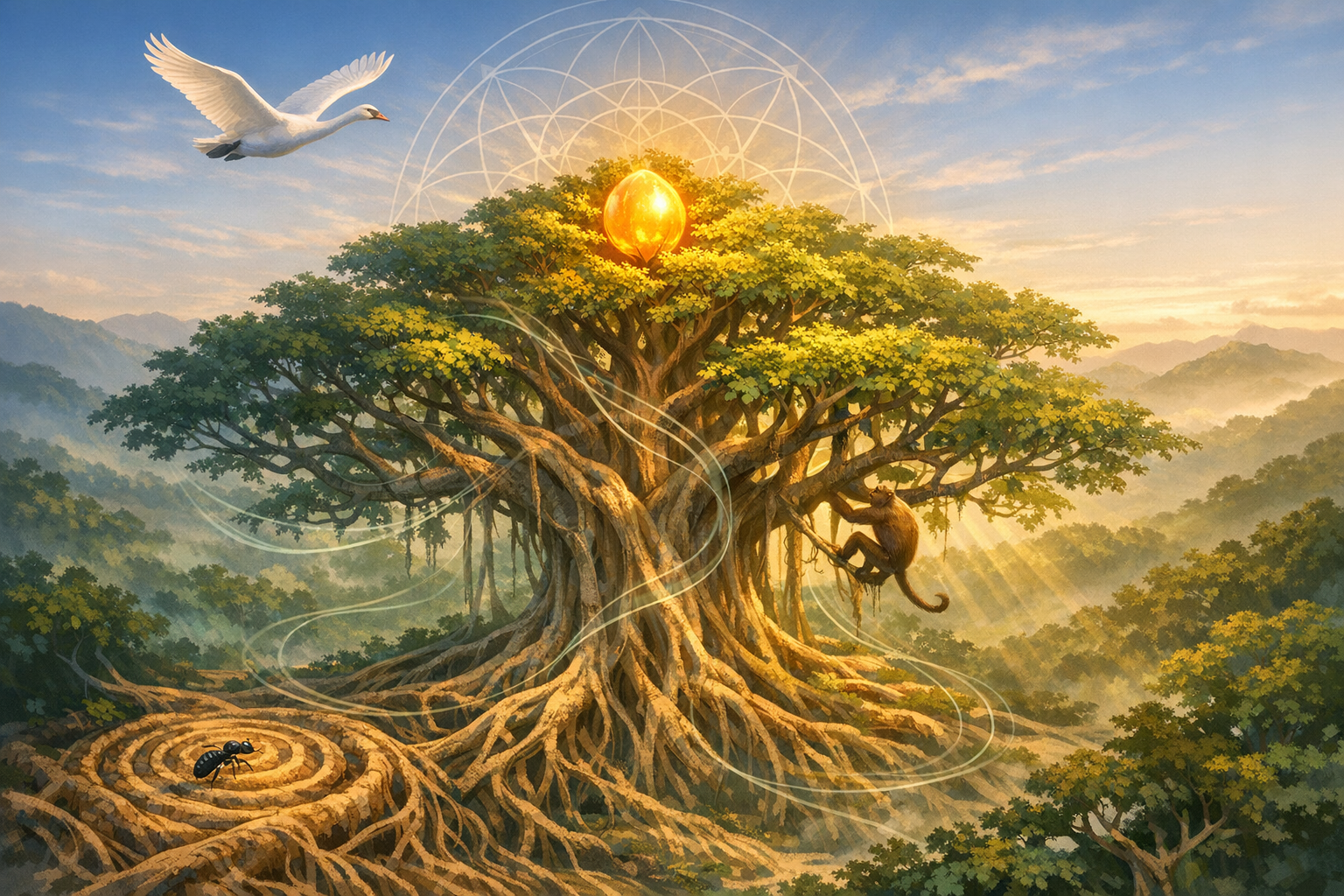
Vihangama Nyaya, the Maxim of the Bird, teaches how a panoramic, bird’s-eye orientation complements careful, stepwise effort and agile adaptation in both study and practice. By contrasting the bird with the ant and the monkey, it highlights that efficiency depends on capacity, context, and methodnot on a single superior path. Framed within Hindu philosophy, it…
-
Unity in Diversity: Harmonizing Distinct Personalities in Dharmic Service and Devotion

This article presents an academic yet accessible exploration of unity in diversity across Dharmic traditions. It clarifies Srila Prabhupada’s insight”Variety is the mother of enjoyment”and shows how distinct talents become seva that strengthens cohesion. Drawing on Srila Rupa Goswami’s Bhaktirasamrita- sindhu, it highlights Krishna’s identities as dhirodatta and dhiralalita to validate diverse human temperaments in…
-
Divine Touch and Sacred Grace: What Bhakti Teaches About Service, Liberation, and Unity

Divine touch in Hindu spiritualityanugraha or gracesignifies a transformative contact that sanctifies life and aligns it with dharma. Drawing on Upanishadic insight and Purāṇic narratives, this exploration analyzes how devotion, humility, and service dispose seekers to receive grace. Case studies of Sage Bhrigu, Markandeya, Periyalvar, Malayathvaja Pandiyan, and Akaasaraja show how sacred touch operates in…
-
Why Questioning Is Sacred in Hinduism: A Deep Dive into Dharmic Philosophy and Pluralism

This article examines why questioning is sacred in Hinduism and the wider dharmic traditions, showing how inquiry anchors both philosophy and spiritual practice. It explains how the Upanishads, the Bhagavad Gita, and the classical darshanas institutionalize rigorous debate, evidence, and contemplative verification. Readers learn practical tools from pramana theory to navigate misinformation, and from disciplines…
-
Ego’s Illusion of Difference: Dharmic Wisdom on Avidya, Unity in Diversity, and Healing
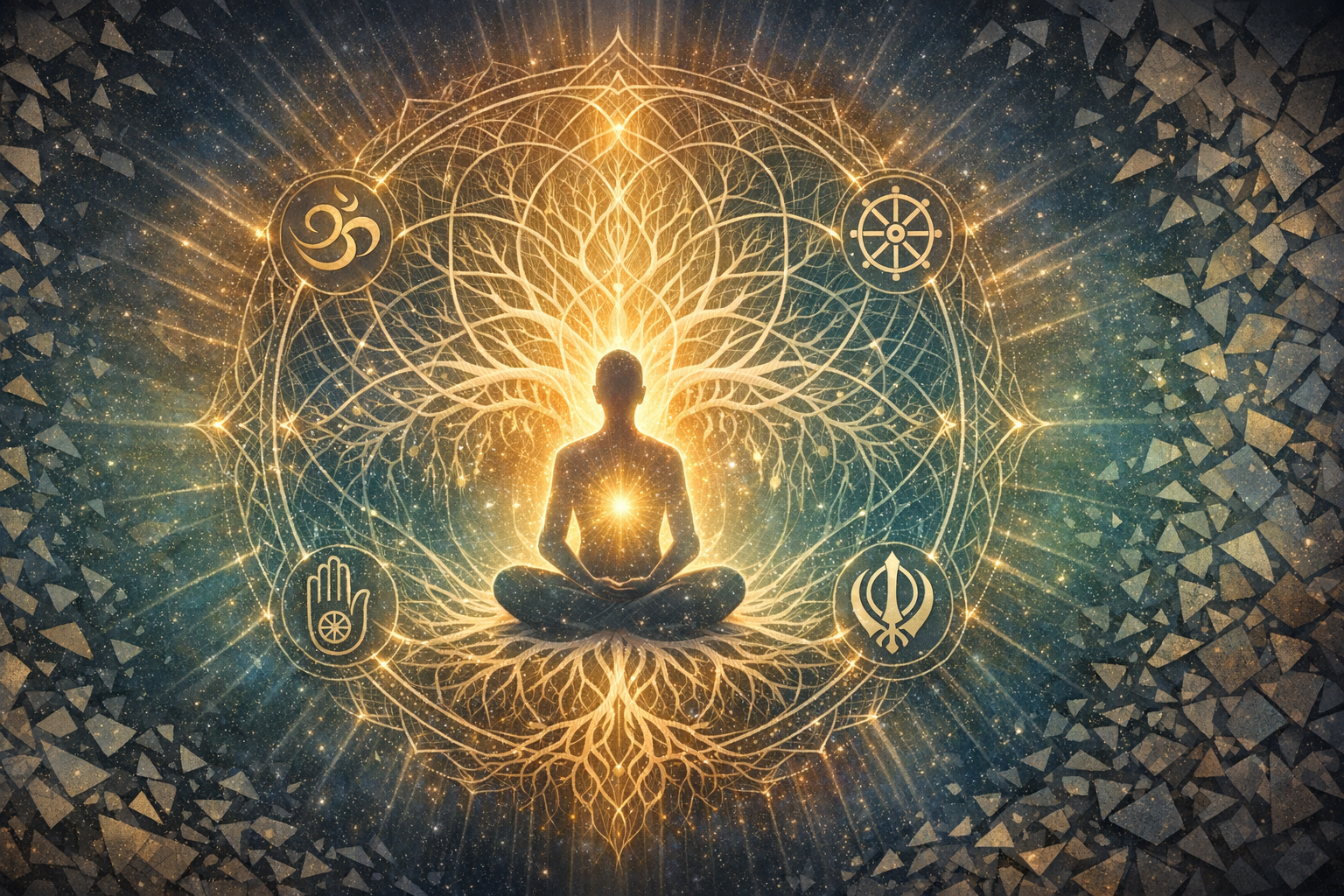
This essay examines why humans manufacture differences where none ultimately exist, using a dharmic framework drawn from the Upanishads, the Bhagavad Gita, Yoga Sutra, Anekantavada, Buddhist anatta, and Sikh teachings on Ik Onkar. It explains how avidya and ahankara harden provisional distinctions into identity, and how sama-darshana resists that process. It integrates classical Indian logic…
-
Knower of the Field: Cutting-Edge Insights into Consciousness, Experience, and Dharmic Unity

This essay examines consciousness through the Bhagavad-Gita’s kshetra–kshetrajna lens and connects it with current neuroscience and philosophy of mind. It clarifies arousal versus awareness, reviews global neuronal workspace and integrated information theory, and explains how predictive and recurrent processing shape experience. Drawing on cell biology, it traces how neuronal excitability, glial modulation, and plasticity ground…
-
Shiva at the Margins: Why Mahadeva Reigns Over Ghosts, Outcasts, and Sacred Transgression
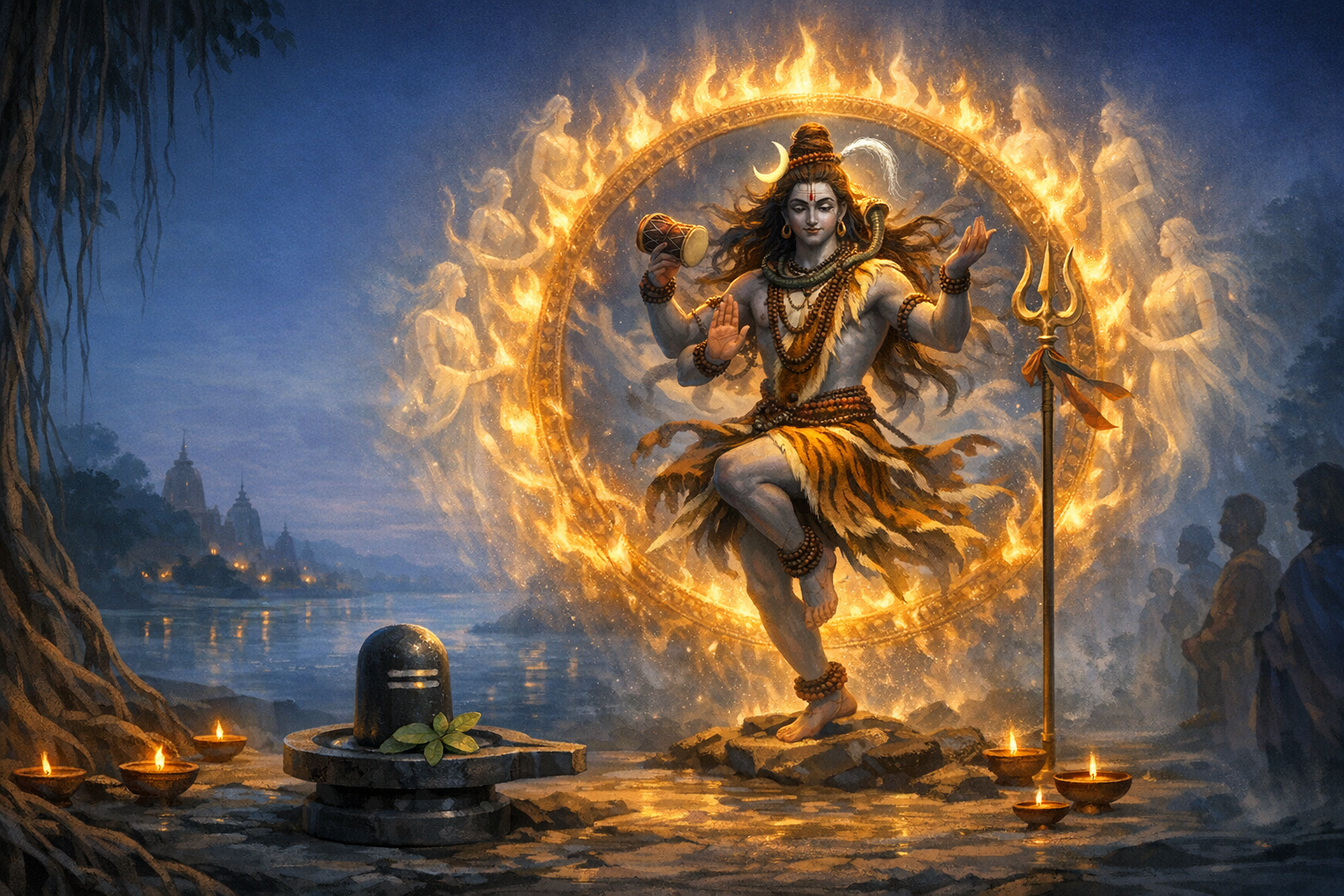
Shiva’s dwelling in cremation grounds and sovereignty over bhuta-ganas present a theology of fearless inclusion that dignifies what societies often cast aside. By tracing the arc from Vedic Rudra to Puranic Shiva, the discussion shows how ashes, serpents, and the smashana encode teachings on impermanence and compassion. Bhairava’s guardianship of thresholds clarifies why time, change,…
-
Beyond Ritual and Dogma: Hindu Wisdom on Moving from Religion to Transformative Spirituality

This article clarifies the often-misunderstood difference between a religious person and a spiritual person through the lens of Hindu thought and its dharmic siblings. It explains how Hindu scriptures integrate dharma (form, ethics, and ritual) with adhyatma (direct realization) to support an inner transformation culminating in moksha. The discussion highlights Bhagavad Gita harmonies of karma,…
-
From Faith to Fellowship: A Family’s Peaceful Embrace of Sanatan Dharma at Bageshwar Dham
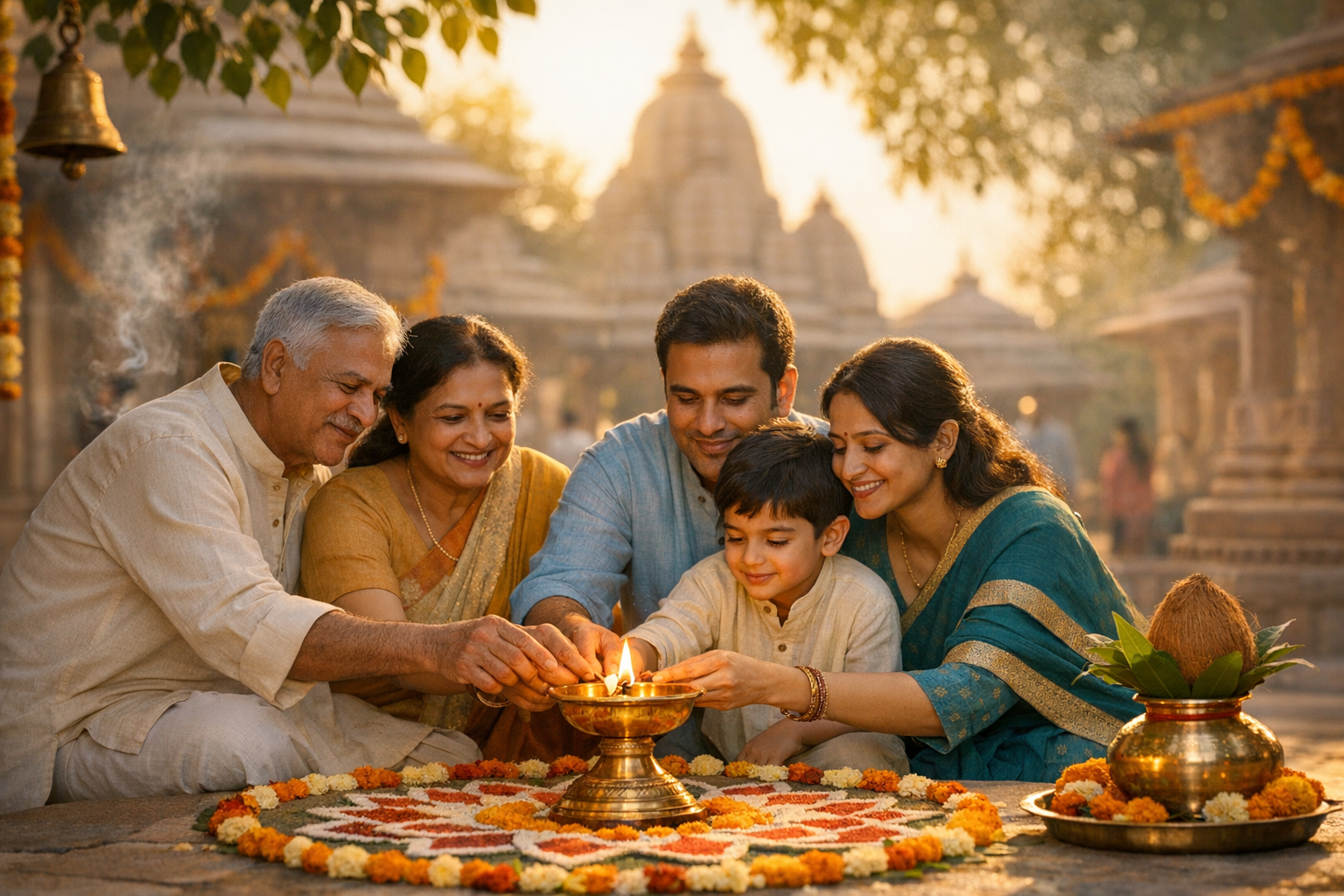
A family publicly embraced Sanatan Dharma at Bageshwar Dham in Chhatarpur, Madhya Pradesh, on April 1, 2026, with reported name changes to Arjun Singh and Priya Singh. This analysis situates the event within India’s constitutional protections for freedom of conscience while emphasizing state-level compliance requirements that guard against force, fraud, or inducement. It explains the…
-
Prayer Is the Voice of the Soul: Timeless Dharmic Science for Healing, Clarity, and Grace
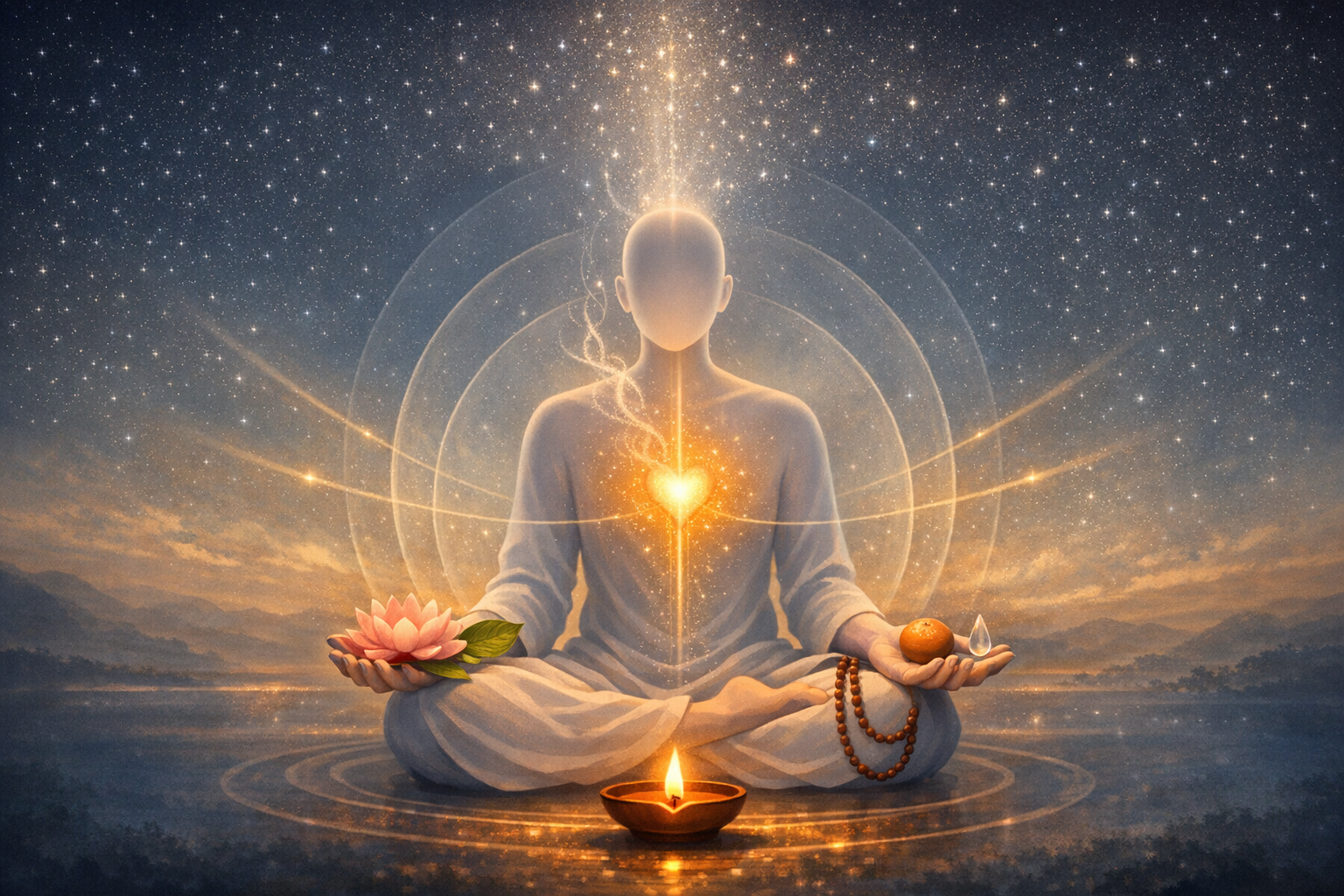
This article unpacks the Hindu teaching “Prayer is the voice of the soul” as a precise, reproducible inner science shared across Hinduism, Buddhism, Jainism, and Sikhism. It explains technical frameworks such as vāk (levels of speech), Pancha-kosha viveka (five sheaths), and the discipline of japa, dhyana, and pranayama. Readers gain a clear practice framework that…
-
Mani Shankar Aiyar’s temple remarks rekindle debate on Indian secularism and Dharmic pluralism

Reported remarks by Mani Shankar Aiyar about not relating to Hindu Dharma and seeing no divinity in temple icons have sparked debate about Indian secularism in a Dharmic society. This analysis distinguishes personal disbelief from public responsibility, showing how language about sacred symbols can affect social harmony. It explains the philosophical basis of murti-puja, prāṇa-pratiṣṭhā,…
-
Hik Sathi Laddham: The Timeless Companion Uniting Dharmic Wisdom and Sindhi Sufi Song

Anchoring on the Sindhi phrase “Hik Sathi Laddham” (“The Companion”), this essay maps a unifying motif across Hinduism, Buddhism, Jainism, and Sikhism, in dialogue with Sufi song. It clarifies the companion as inner witness and outer guide through Upanishadic sakshi, Buddhist kalyāṇa-mitra, Jain śuddhātman and the Three Jewels, and the Sikh Satguru and Śabad. Readers…
-
Decoding the Sacred: How Sanatana Dharma Explains, Verifies, and Integrates Divine Experiences

This essay clarifies how Sanatana Dharma interprets divine experiences through a rigorous, compassionate framework. It explains how pramana (direct experience, inference, and trustworthy testimony) aids discernment, and how practices in Bhakti, Jnana, Raja, and Karma Yoga shape reliable transformation. Readers learn practical integration methodsdaily discipline, reflective journaling, scriptural study, and sevathat convert brief insights into…