-
Ishtapurta Unveiled: Powerful Harmony of Vedic Offerings and Social Charity in Hinduism

Ishtapurta (Ishta Purta) unites two essential dimensions of Hindu practice: Vedic offerings (Ishta) and charitable works for public welfare (Purta). This balanced ideal frames spiritual merit (punya) as the fruit of aligning ritual discipline with social responsibility. In lived tradition, devotees often integrate pūjā and mantra with seva, philanthropy, and ecological care, experiencing a felt…
-
Why God Means Many Things: Hinduism’s Profound Inclusivity and Dharmic Unity, Explained
Hinduism presents a spacious, many-sided understanding of the Divine, where God may be personal and impersonal, with form and beyond form. Anchored in the Upanishads and the Bhagavad Gita, it honors multiple authentic paths through the concept of Ishta in Hinduism. Philosophical streamsAdvaita, Viśiṣṭādvaita, and Dvaitamap different facets of one spiritual landscape without contradiction. This…
-
Threads of Oneness: How Hinduism Inspires Unity in Diversity Across Dharmic Traditions
Hinduism’s core insight is that life is fundamentally interconnected, and this truth is expressed through diverse forms of worship, philosophy, and community ritual. By honoring Ishta and multiple yogic paths, it sustains unity in diversity without demanding uniformity. Ethical commitments such as ahimsa and seva translate this vision into daily conduct and social responsibility. Related…
-
When Murugan Faded from the North: A Powerful Historical Imagination of Lost Worship

This historically grounded imagination traces how Murugan (Kartikeya, Skanda, Subrahmanya) seemed to recede from public worship in Northern India without disappearing from the wider Hindu tradition. Drawing on Gupta-era markers, Mathura sculpture, and regional epigraphy, it reframes the shift as a plural, adaptive process rather than a rupture. Readers gain a nuanced view of sacred…
-
Discover Your Ishtadevata by Lagna: Pancham Bhava Guidance to Deepen Sadhana and Peace
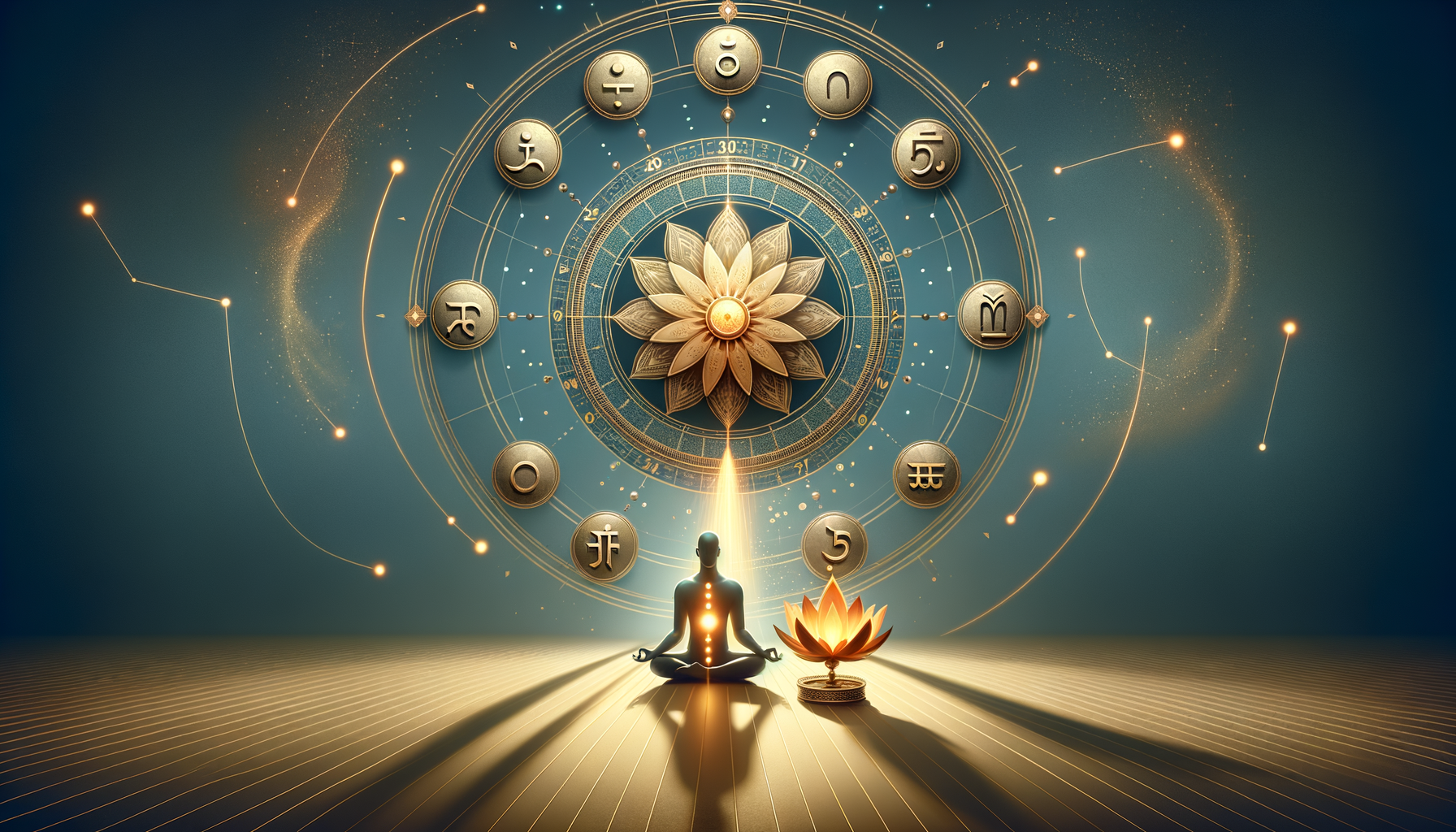
A respected Jyotish perspective holds that the lord of the 5th house (Panchamesh) indicates one’s Ishtadevata. Because the 5th rules purva-punya, mantra, and bhakti, aligning upasana with the Pancham Bhava strengthens sadhana and steadies the mind during doshas. This approach complements other classical methods while honoring the Dharmic ideal of many valid paths. Read as…
-
Beyond Sight: Profound Hindu Wisdom to Experience the Divine and Nurture Dharmic Unity

Hindu philosophy teaches that while the Divine transcends the senses, it is directly knowable through disciplined inner experience. Using the classic lamp-and-electricity metaphor, the discussion clarifies how pramāṇa and the Upanishadic method of “neti neti” lead to self-authenticating awareness. It maps multiple Hindu pathsbhakti, jñāna, karma-yoga, and rāja-yogaand parallels in Buddhism, Jainism, and Sikhism (vipassanā,…
-
Why Calling One Faith Eternal Is Misguided: Dharmic Wisdom on Plurality and Peace
This essay explains why claiming one religion as exclusively eternal contradicts the dharmic commitment to humility, openness, and pluralism. It shows how Hinduism’s Ishta, Jainism’s Anekantavada, Buddhism’s upaya, and Sikhism’s Ik Onkar converge on a shared ethic of acceptance. Readers gain a clear understanding of Sanatana Dharma as timeless principles rather than a singular creed.…
-
Bhakti and the Worship of Form: Why Murti-Puja Guides the Mind Toward the Infinite

Bhakti embraces worship of form because the universe is seen as emerging from the Supreme Being, making contemplation of Bhagavan accessible. Since human cognition relies on imagery, murti-puja provides a practical bridge from form to the formless. As a symbolic focus, a murti does not limit the Infinite; it points beyond itself while cultivating one-pointedness…
-
Bound or Beyond? Hinduism’s View of Belief, Free Will, and Compassionate Spiritual Unity

Do beliefs bind or set one free? Through Hindu philosophy and its Dharmic cousinsBuddhism, Jainism, and Sikhismthis piece explains how belief can guide without imprisoning. It shows how dharma and sadhana (practice) transform conviction into compassionate action. Readers gain a clear framework from the Upanishads and Bhagavad Gita on agency, karma, and svadharma. The article…
-
Panchayatana Puja Explained: The Complete Guide to Pancha Deva Worship and Unity in Hinduism
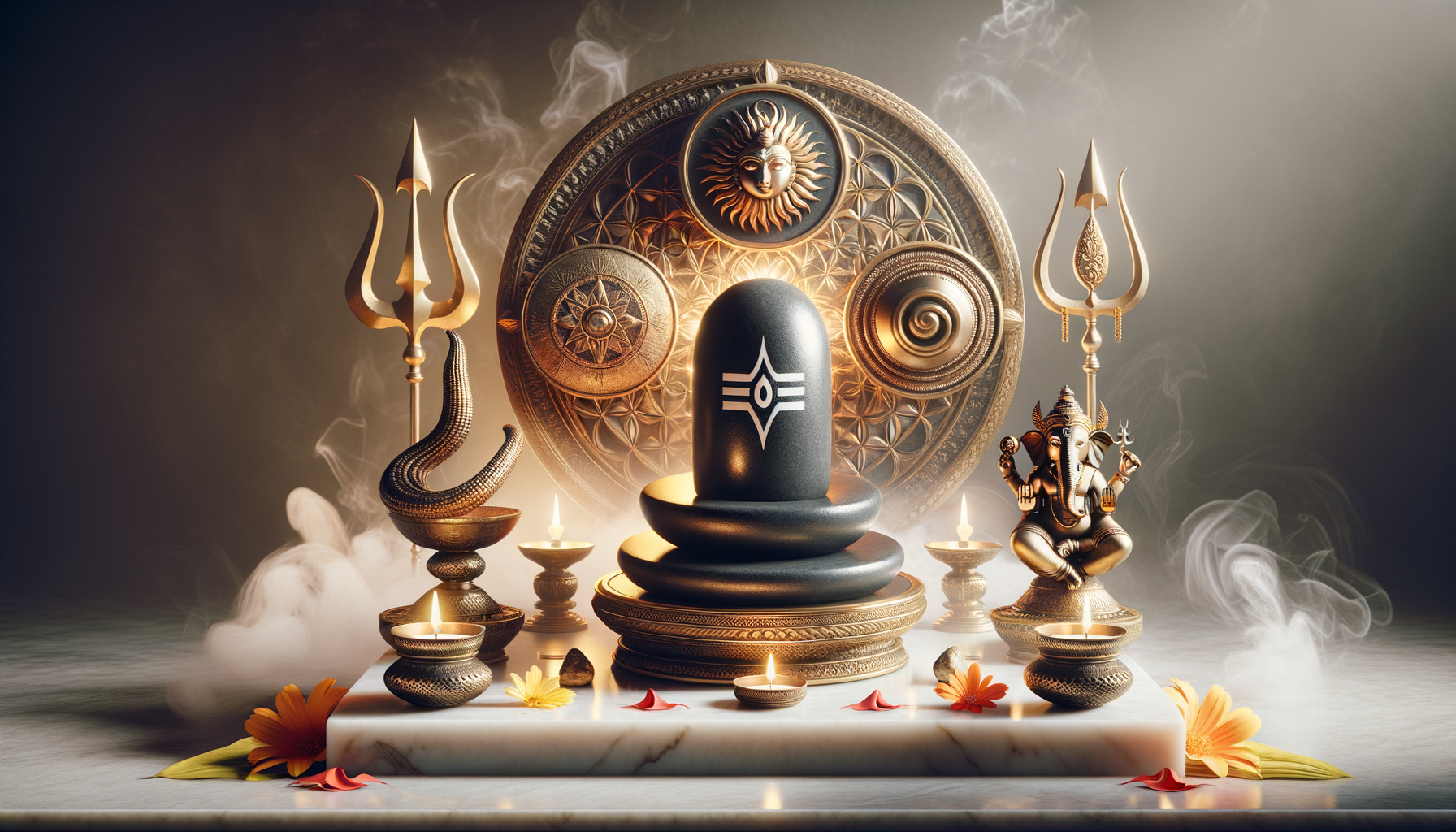
Panchayatana Puja, or Pancha Deva Puja, offers a clear and compelling framework for unity in diversity within Hinduism. It venerates Shiva, Vishnu, Devi, Surya, and Ganesha together, typically in a quincunx arrangement that places one’s Ishta at the center while honoring the rest. Rooted in the Smarta tradition and associated with Adi Sankara, it integrates…
-
Ekayana Unveiled: The Complete Path to Brahman and DharmaDiscover a Unifying Vision

Ekayana, a Sanskrit term meaning “the only path,” “one support,” or “the only refuge,” clarifies how Hindu philosophy unifies diverse practices around Brahman and Dharma. It integrates metaphysics and ethics, showing that jñana, bhakti, karma, and dhyana can form one coherent journey. Rooted in the Vedic and Upanishadic tradition and elaborated in Vedanta, Ekayana promotes…
-
Discover the Essential Dharma of Diversity: Ishta and Pluralism for a Happier Life
Hinduism presents diversity as a disciplined, life-enhancing principle rather than a source of chaos. Through ishta-devata and multiple marga, seekers align practice with temperament while honoring other paths. The popular image of countless deities signals symbolic plurality; classical references to 33 koti clarify its philosophical depth. Allied dharmic traditionsAnekantavada in Jainism, Buddhist compassion, and Sikh…
-
Discover Hinduism’s Proven Antidote to Dogmatism: A Complete Guide to Plural Paths

Hinduism counters dogmatism with a plural, practice-centered approach that honors many valid paths to the Divine. Grounded in the Vedas and Upanishads, it affirms “Ekam sat vipra bahudha vadanti,” encouraging humility and respect across traditions. Through Karma, Bhakti, Jnana, and Raja Yoga, seekers choose methods aligned with temperament while sustaining daily Religious tolerance in Hinduism.…