
-
Kerala Police Book Trio Over Ayyappa Parody: Balancing Free Expression, Faith, and Harmony

Kerala Police opened a case in Thiruvananthapuram on December 18, 2025, over a digitally shared Ayyappa parody song alleged to hurt religious sentiments. The action, coinciding with the Sabarimala pilgrimage season, underscores the sensitivity of sacred symbols and practices. The case highlights the legal balance between freedom of expression and the protection of faith under…
-
Dehradun Standoff over Friday Prayers: Community Appeals for Peace, Law, and Unity

A tense standoff in Dehradun, Uttarakhand over Friday Namaz on a public road highlighted the delicate balance between freedom of worship and public order. The incident revealed how consistent permitting, designated spaces, and timely coordination can prevent conflict in dense urban settings. Residents reported anxiety yet also voiced hopes for peace grounded in unity in…
-
Khatima Tensions After Fatal Stabbing: Police Action, Verified Updates, and Calls for Calm

A fact-focused update from Khatima, Uttarakhand, notes a fatal stabbing, subsequent unrest, and the arrest of a named suspect following a police action described locally as a ‘half encounter’. The analysis emphasizes verified information, due process, and transparent investigation as essential to public trust. It highlights the human impact—grief, anxiety, and disrupted routines—while affirming non-violence…
-
Beyond Blame: Reframing the Rushdie Debate, Hinduphobia Narratives, and Dharmic Unity

This analysis situates the Salman Rushdie controversy within a broader debate on Hinduphobia, political polarization, and ethical discourse. It contextualizes Rushdie’s history of persecution while assessing claims that his recent remarks target Hindus and Prime Minister Narendra Modi. The piece cautions against collective blame and essentializing communities, urging evidence-based critique over vilification. It clarifies Dharma-Yuddha…
-
Ajmer Sharif Chaddar Row: Court Petition Spurs Call for Interfaith Respect and Dialogue
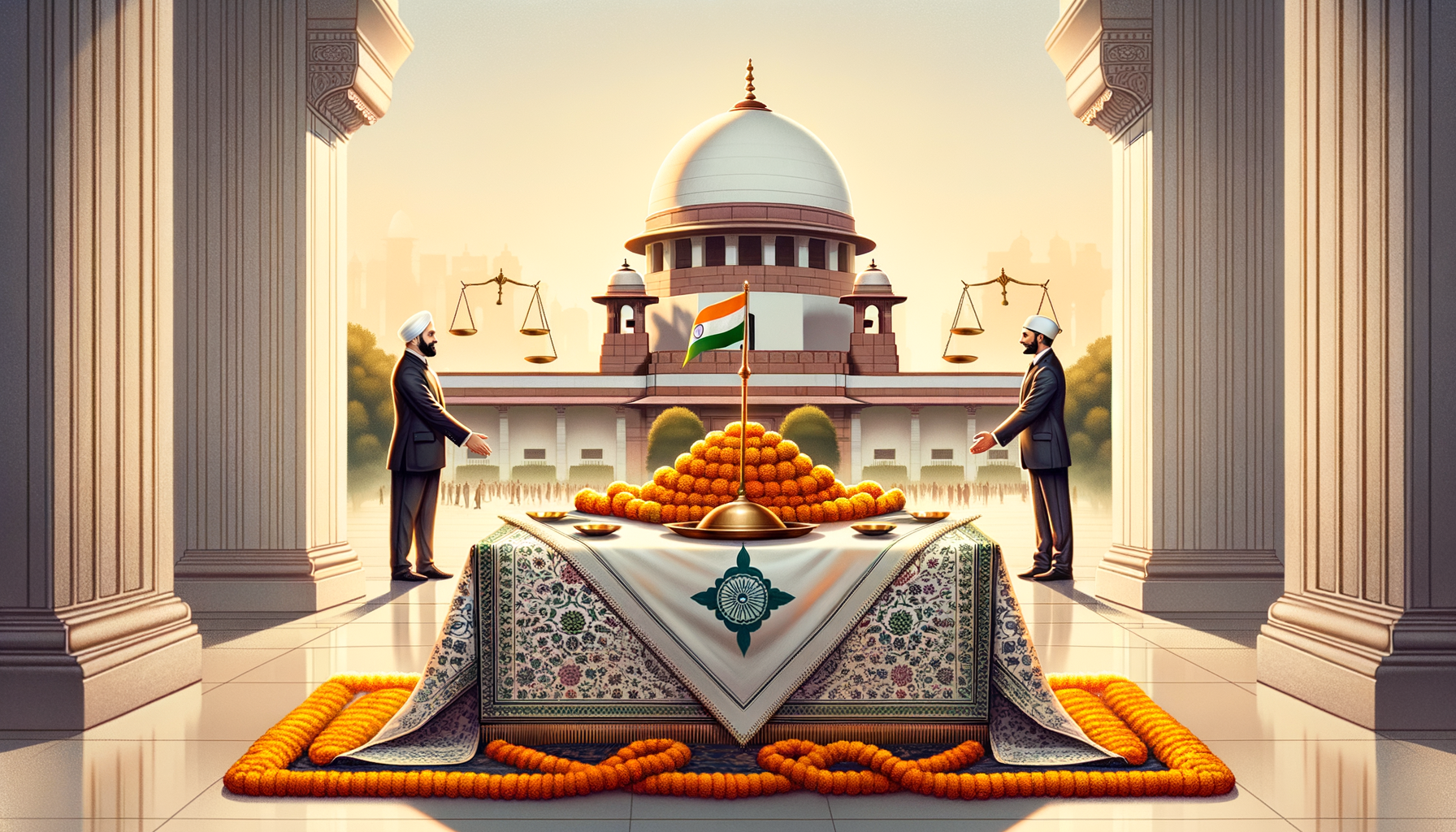
Hindu Sena has moved court seeking to restrain the Prime Minister’s chaddar offering at Ajmer Sharif dargah and has reportedly urged renaming Delhi’s Babar Road. This article outlines the legal, cultural, and constitutional dimensions of the petition while emphasizing interfaith harmony and India’s secular framework. Readers gain context on the chaddar tradition, its symbolic role…
-
Calcutta HC Clears Murshidabad Mosque Event; Shankaracharya’s Remarks Spur Unity Dialogue

The Calcutta High Court has permitted a mosque-related event in Beldanga, Murshidabad, under tight security, illustrating how courts balance constitutional freedoms with public order. The response highlights an opportunity to reinforce communal harmony and interfaith dialogue in West Bengal. Shankaracharya Avimukteshwaranand Saraswati’s remarks are read through an ethical lens of nonviolence and dignity shared across…
-
Shri Ram Idols Unearthed in Sagar Mosque Excavation: Heritage Breakthrough, Path to Harmony

Idols of Shri Ram were reportedly discovered during a mosque excavation in Papred village, Sagar, Madhya Pradesh, prompting calls for recognition of possible earlier temple heritage. The situation highlights the importance of transparent Archaeological Excavation guided by ASI and state heritage bodies. A methodical, expert-led inquiry can establish chronology and Historical Significance while respecting ongoing…
-
Detentions in Ghaziabad: Calls for a White Paper on Extremism, Rule of Law, and Social Harmony
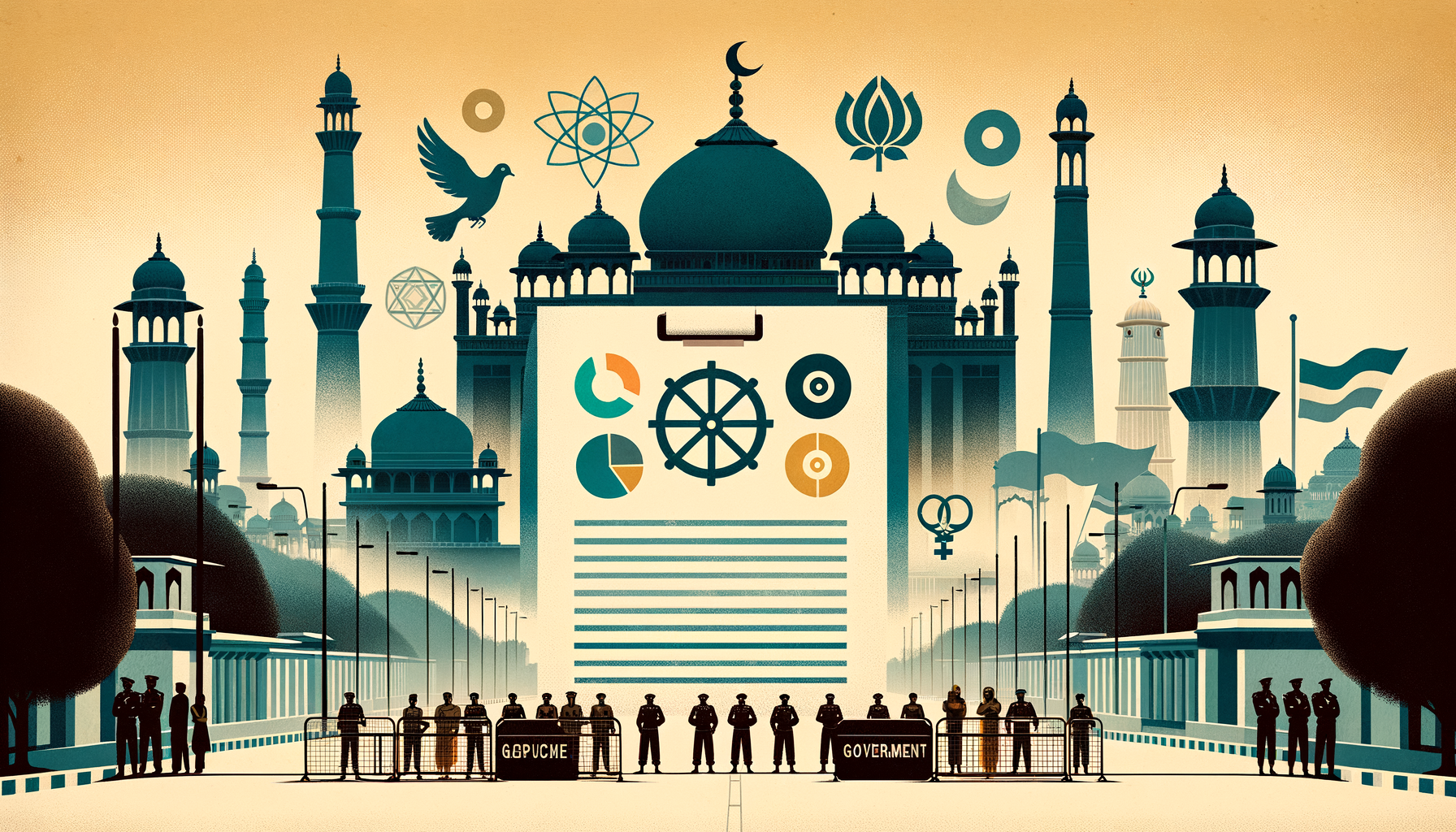
Detentions in Ghaziabad involving Yati Narasimhanand spotlight the delicate balance between peaceful protest rights and public order. The group demanded a government white paper on violent extremism, which, framed constructively, could advance transparency and accountability. An evidence-led report should address radicalization without stigmatizing any community, protecting civil liberties while improving safety. Inclusive consultations with dharmic…
-
Honoring Guru Tegh Bahadur Ji: 350 Years of Courage, Conscience, and Religious Freedom

The 350th anniversary of Guru Tegh Bahadur Ji’s martyrdom offers a moment to recall a defining act of moral courage in Indian history and the Sikh tradition. His sacrifice in 1675 affirmed Religious Freedom and protected the spiritual autonomy of people across communities. The tribute highlights how his example advances Interfaith Dialogue, the Harmony of…
-
Shimla Protest Over Sanjauli Site: Upholding Rule of Law, Safeguarding Communal Harmony

A major peaceful protest in Shimla highlights concerns over administrative delays in carrying out a court-ordered demolition related to the Sanjauli site. The gathering emphasizes the rule of law, transparency, and non-violence as essential pillars of democratic engagement. Community members across dharmic traditions stress that lawful enforcement and social dignity must go hand in hand.…
-
Vaishno Devi Medical Institute Row Spurs Soul-Searching on Merit, Harmony, and Healthcare

A public controversy around SMVDIME and the Shri Mata Vaishno Devi Narayana Superspeciality Hospital has prompted concerns about fairness in admissions and hiring. The analysis explains how NEET-based merit, recruitment norms, and constitutional guarantees of equality frame institutional decision-making. It emphasizes patient-first care, transparency, and due process as the most effective responses to public doubts.…
-
Rohtak video sparks outrage: interfaith appeals after sacred texts burned
A circulating video from Rohtak, Haryana, allegedly showing the burning of the Bible and the Quran has raised fears of communal tension. Authorities are investigating, and responsible communication is crucial to avoid rumor-driven unrest. The incident underscores the importance of Religious Tolerance, ahimsa, and interfaith dialogue across Hindu, Buddhist, Jain, Sikh, Christian, and Muslim communities.…
-
Bengaluru Airport Namaz Row: HJS urges policy clarity, equal rules, and social harmony
A reported instance of Namaz in a public area at Bengaluru’s Kempegowda International Airport has led HJS to seek strict action and question official silence. The incident highlights the need for clear, faith-neutral airport guidelines that protect security and ensure equal application of rules. Establishing designated reflection spaces and offering staff training in interfaith sensitivity…
-
Gujarat ATS Thwarts Alleged Ricin Plot: Major Counterterror Breakthrough, Urgent Call for Unity

Gujarat ATS reports a significant counterterrorism development with the arrest of three suspects in an alleged ricin-related plot, highlighting a serious public safety concern. The analysis explains what ricin is, why it is classified as a potential bio-weapon, and how due process and forensic validation are crucial before any conclusions are drawn. The post emphasizes…
-
Pune Incident and Communal Harmony: Verified Facts, Due Process, and a Path to Healing

Reports of a clash in Pune have raised concerns about communal harmony and accountability. This analysis distinguishes allegations from verified facts, emphasizing due process and the need for impartial investigation. It highlights dharmic principles—ahimsa, karuna, maitri, and sewa—as practical guides for response and recovery. The piece outlines steps for responsible communication to prevent escalation and…
-
Fatehpur Standoff: Women’s Puja at Disputed Mausoleum Spurs Police Clash, Calls for Harmony
A brief clash in Fatehpur, Uttar Pradesh, followed an attempt by Hindu women to perform puja at a mausoleum identified by some as a former temple site. The incident highlights the sensitivity of contested religious heritage and the need for due process, including court-backed surveys and transparent documentation. It also underscores the importance of clear…
-
UP Social Media Row: Minor Detained, Parents Arrested—A Teachable Moment for Respect and Harmony

Reports from Lucknow indicate a minor was detained and her parents arrested after an allegedly derogatory social media reel about Hindu deities. The case highlights how the attention economy can pressure adolescents into risky online behavior. An academic, fact-based lens emphasizes due process, juvenile protections, and the importance of avoiding community vilification. Drawing on dharmic…
-
Sarangarh Ghar Wapsi: 140 in Chhattisgarh Rejoin Hindu Traditions, Calling for Harmony

A community gathering in Sarangarh, Chhattisgarh, saw 140 individuals rejoining Hindu traditions in a Ghar-Wapsi ceremony held in the presence of Param Pujya Ajay Upadhyay. The event highlights India’s constitutional protections for freedom of conscience and freedom of worship. Framed within the plural ethos of the dharmic traditions—Hinduism, Buddhism, Jainism, and Sikhism—it underscores the importance…
-
Unforgettable Courage in Meerut: Interfaith Solidarity That Shielded a Sikh Family in 1984

This reflective account from Meerut presents a vital counter-narrative to the 1984 Sikh riots: Hindu neighbours—Ashok, Ram, and landlord Pandit Nevla Prashad—who protected a Sikh family amid crisis. The testimony highlights interfaith solidarity, communal harmony, and the enduring strength of everyday ethical action. It connects lived experience to core dharmic values shared across Sikhism, Hinduism,…
-
Inside Bangladesh’s ISKCON Ban Push: Essential Facts, Risks, and a Path to Harmony
This analysis clarifies what recent calls to ban ISKCON in Bangladesh mean for religious freedom, minority rights, and social cohesion. Readers gain an evidence-led framework for assessing such demands without resorting to stigmatizing labels. It highlights constitutional principles and practical safeguards that protect worship while maintaining public order. The piece offers community-level strategies—from interfaith dialogue…