
-
Ujjain Railway Station Assault: ‘Love Jihad’ Claim, Police Detentions, and Dharmic Unity
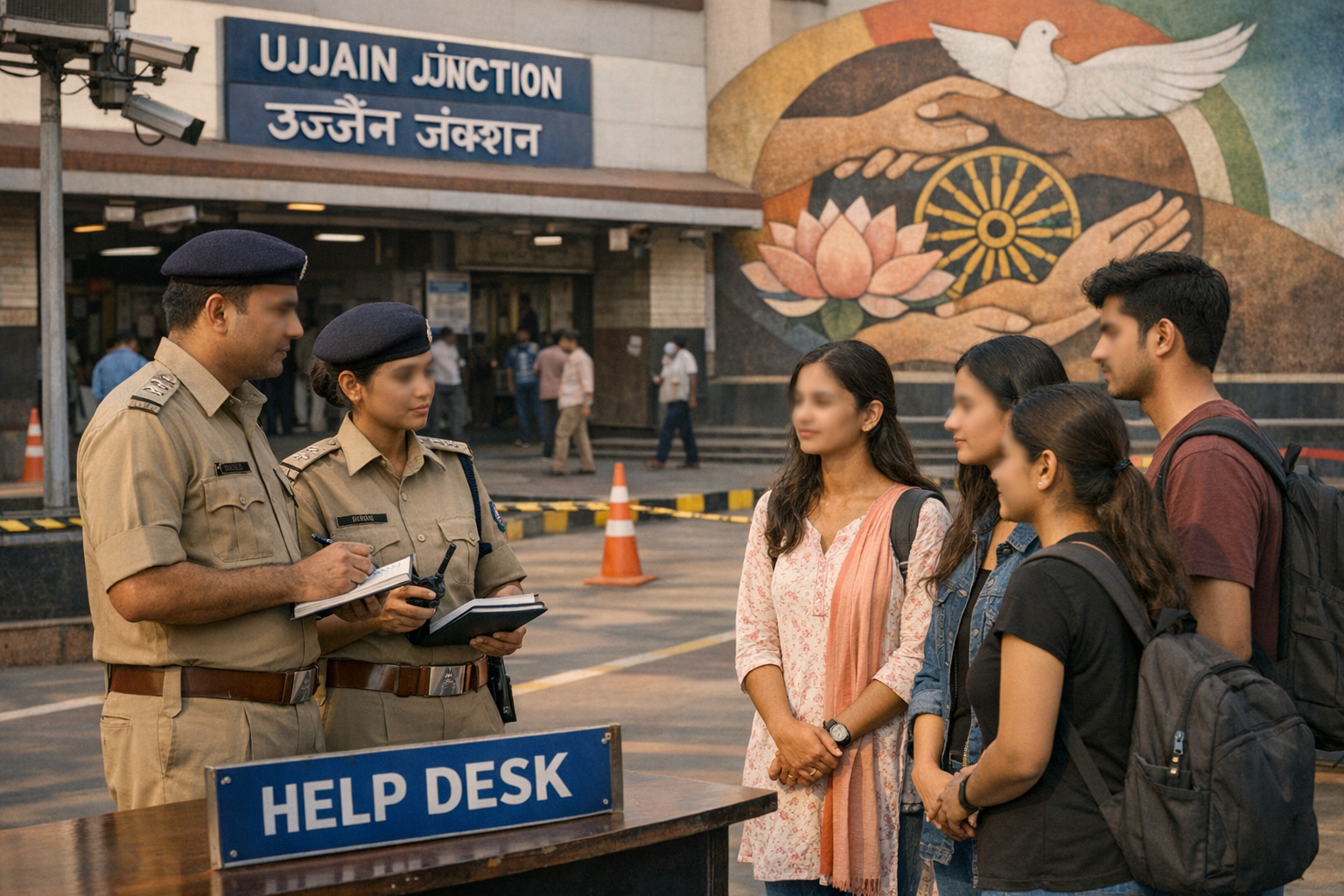
Reports from Ujjain describe an alleged assault outside the railway station in which a Muslim student was confronted by self-identified Hindutva activists citing a ‘Love Jihad’ angle, with police reportedly detaining four students for inquiry. The analysis clarifies that ‘Love Jihad’ is not a legal category in India and that investigations must rely on codified…
-
Pune’s Bopdeo Ghat Iftar Row: FIR Filed; Law, Land Disputes, and Paths to Harmony

On March 15, 2026, an altercation near Bopdeo Ghat in Pune reportedly unfolded at a Ramzan Iftar amid an ongoing land dispute, leading to an FIR and police investigation. This analysis explains how FIRs work under CrPC Section 154, outlines likely IPC provisions in such situations, and clarifies citizen rights and police duties from registration…
-
Uttam Nagar Holi Tragedy: Youth Killed After Balloon Dispute, Exposing Fragile Communal Peace

A Holi-day altercation in Delhi’s Uttam Nagar reportedly escalated into fatal mob violence after a coloured-water splash triggered a confrontation, resulting in the death of a young Hindu man. While some reports note that the woman involved is Muslim, investigators have not yet publicly confirmed motives; caution against communal attribution is therefore warranted. This analysis…
-
When Sankirtana Met State Power: Lord Caitanya, Chand Kazi, and Enduring Harmony
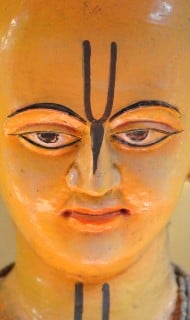
Set in sixteenth-century Navadvipa, the well-attested episode of Lord Caitanya and the Chand Kazi demonstrates how devotional courage, nonviolence, and respectful dialogue can resolve public religious disputes. Drawing from Sri Navadvipa Dhama Mahatmya and Gaudiya sources such as Chaitanya Charitamrita, the narrative shows sankirtana’s harmonizing role alongside lawful civic administration. The sacred mapping of the…
-
Malegaon Flashpoint: FIRs After Hanuman Chalisa Post-NamazLegal Clarity and a Roadmap to Harmony

Police in Malegaon reportedly registered a case after Hanuman Chalisa was recited inside the Malegaon Municipal Office following Namaz on the premises, renewing debates on worship in government spaces. This analysis explains how Articles 25–26 of India’s Constitution protect devotion while permitting content-neutral, time–place–manner rules. It outlines the typical legal toolkit used nationally (e.g., IPC…
-
UK Hindu Groups Challenge SOAS Leicester Unrest Report, Demand Funding Transparency and Rigor
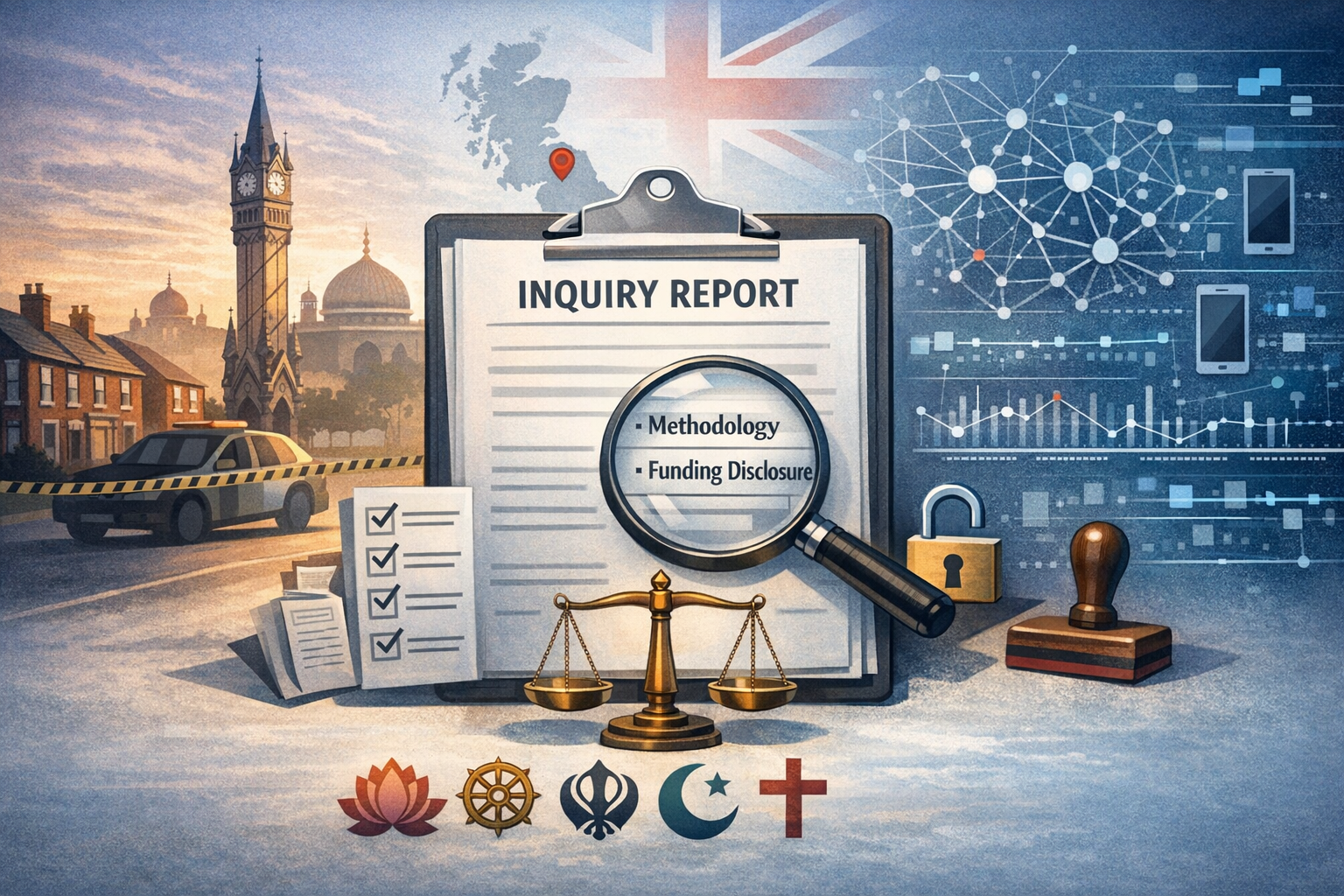
UK Hindu organisations have challenged a SOAS-led report on the 2022 Leicester unrest, citing methodological bias and opaque funding disclosures. This analysis explains why independence, balanced sampling, and transparent codebooks are essential for credible community inquiries. It outlines a research blueprint that integrates police data with open-source digital forensics to correct rumour-driven narratives. It also…
-
Telangana on Edge: Police detain T. Raja Singh en route to Banswada to prevent unrest

On 22 February 2026, Telangana Police detained former BJP MLA T. Raja Singh en route to Banswada after reports of a communal clash. This in-depth analysis explains the legal basis for such preventive action (CrPC §§149, 151, 144, 129), how Security Forces calibrate de-escalation, and why swift, proportionate steps can avert wider violence. It clarifies…
-
Joshimath Namaz Row: Using Law, Transparency, and Dialogue to Protect Communal Harmony

Reports from Joshimath allege that a government sports building was used for namaz, prompting local objections and widespread debate. This analysis clarifies how India’s constitutional guarantees (Article 25–28), municipal permissions, and safety norms jointly govern religious use of public facilities. It explains what constitutes illegal use, how to verify claims through transparent records, and why…
-
Festivals Under Strain: Evidence-Based Ways to Defuse Communal Tensions Across Three States
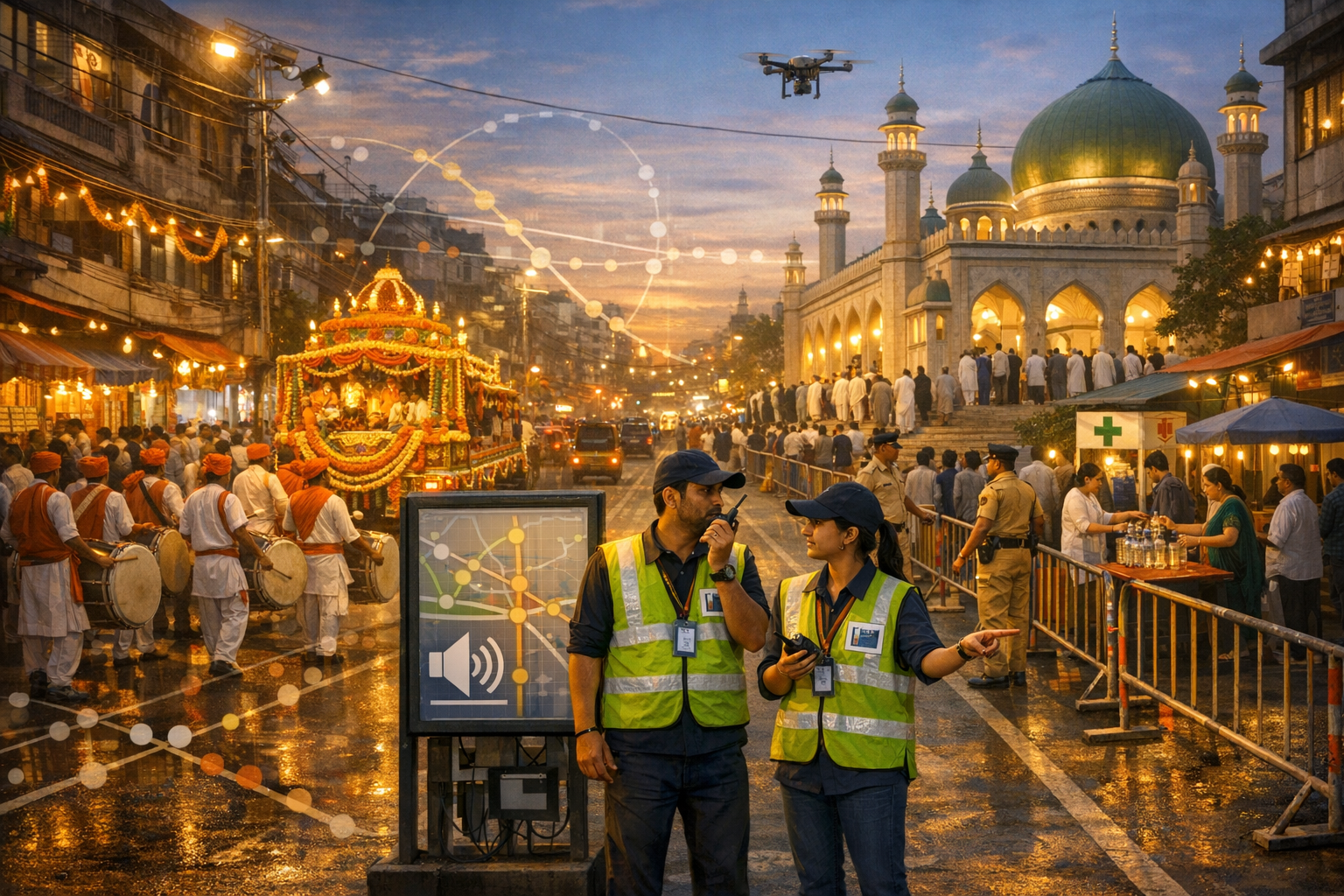
Reports from three Indian states indicate short-duration confrontations during overlapping Shivaji Jayanti and Ramzan observances, with police restoring order swiftly. This analysis explains how route alignment, soundscapes near prayer venues, and chokepoint congestion can become flashpoints without effective risk controls. It outlines event-safety principles, the role of the Incident Response System, and the importance of…
-
Ghaziabad ‘Love Jihad’ Claim Spurs Mob Attack: Police Probe, Legal Framework, and Harmony First

A reported mob assault in Ghaziabad, allegedly led by a Hindutva activist after a ‘Love Jihad’ claim, has triggered a police investigation and a wider conversation about law and order. The analysis clarifies how POCSO, kidnapping provisions, and child marriage laws protect a 17-year-old, while vigilante violence attracts rioting, hurt, and intimidation charges. It outlines…
-
Ram Swarup and Sita Ram Goel: Unflinching Analyses of Communism, Christianity, and Islamism

This long-form analysis situates Ram Swarup and Sita Ram Goel within India’s post-independence intellectual history and explains why their critiques of Communism, missionary Christianity, and Islamism remain salient. It clarifies how they distinguished personal faith from ideological programs and why they argued for constitutional equality before law over selective appeasement. It examines their diagnosis of…
-
Chhattisgarh’s Gariaband Tensions: Homes Damaged, Injuries Reported, Communities Rally for Peace

Reports from Gariaband, Chhattisgarh, indicate that tensions over a proposed Namaz site on 3 February 2026 led to injuries and damage to homes before order was restored. This balanced overview clarifies what is known, highlights the need for due process, and emphasizes the importance of verified information. It outlines practical de-escalation stepspeace committees, mediation, and…
-
Kerala’s Palakkad Road Prayer Incident: Balancing Public Safety, Respect, and Harmony

A brief road prayer in Palakkad, Kerala, momentarily halted traffic and sparked thoughtful discussion on balancing religious freedom with public safety. The analysis frames the incident within India’s constitutional protections and practical civic norms. It highlights how empathy, clear communication, and swift facilitation can de-escalate tensions in shared urban spaces. Drawing on dharmic valuesahimsa, karuna,…
-
Mussoorie Mazar Row: Baba Bulleh Shah Shrine Vandalised, Police Case Spurs Unity Call

A mazar in Mussoorie linked to Sufi poet Baba Bulleh Shah was reportedly vandalised, and a case has been filed to investigate the incident. The episode has raised questions about authorisation, heritage protection, and law and order in Uttarakhand. This analysis highlights the need for transparent verification of land records and due legal process over…
-
NHRC Notice to Railways: Mandate Clear Halal/Jhatka Labels to Safeguard Choice and Harmony

The National Human Rights Commission (NHRC) has notified Indian Railways on the need for transparent food labeling in railway meals. It has directed the Ministry of Culture to ensure all food outlets and agencies prominently display whether meat served is halal or jhatka. This approach strengthens consumer rights, informed consent, and religious sensitivity across a…
-
Nagpur’s Gittikhadan on Edge: Alleged Activist Stabbing Spurs Calls for Calm and Unity
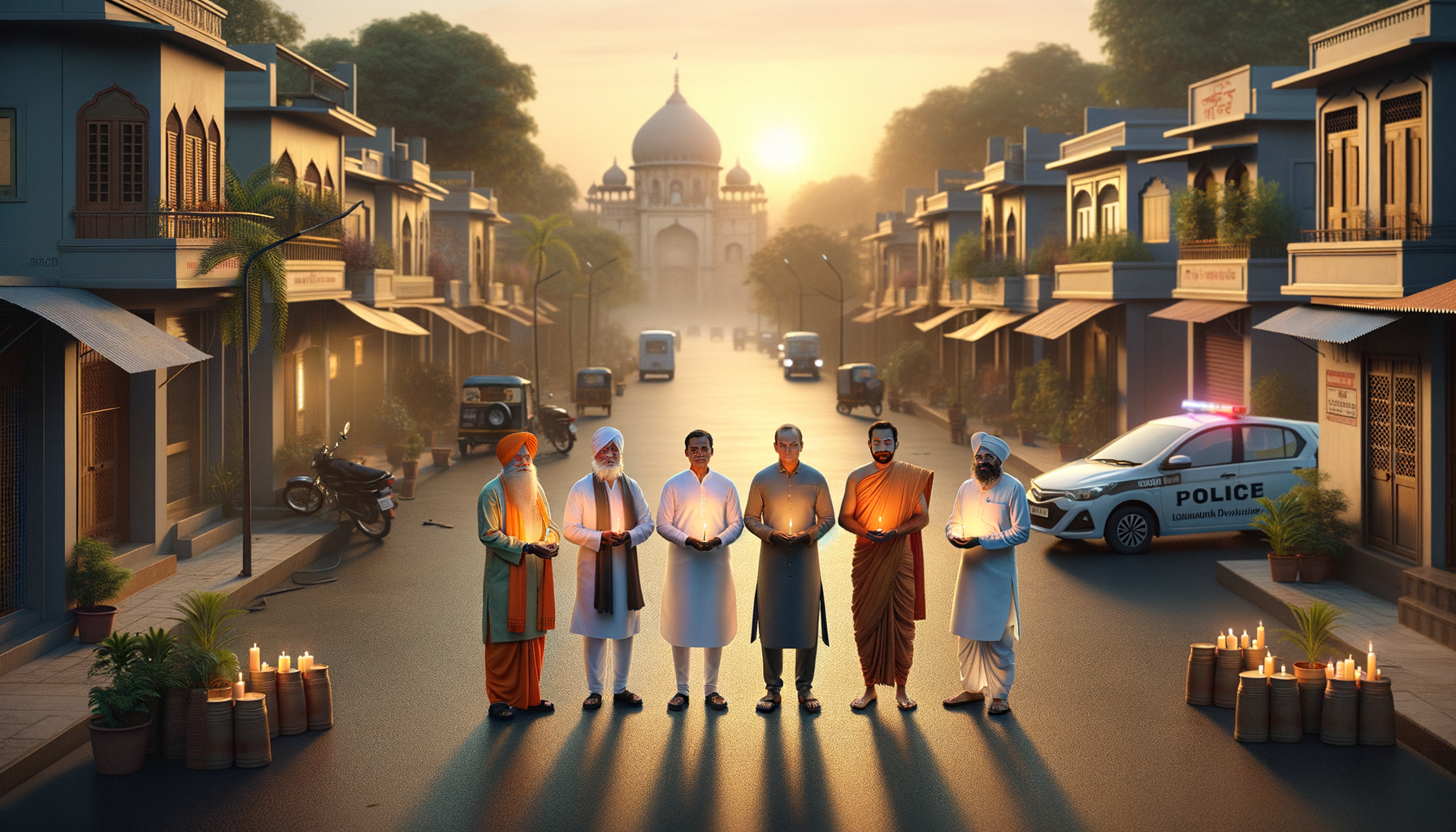
Gittikhadan, Nagpur, witnessed heightened tension after the alleged stabbing of a Hindutva activist, with police probing a personal dispute that may carry communal undertones. Authorities have tightened patrolling and urged residents to avoid speculation while the investigation continues. Community leaders from Hindu, Buddhist, Jain, and Sikh traditions have emphasized non-violence, dialogue, and cooperation with law…
-
SC greenlights Hindu and Muslim prayers at Bhojshala; harmony upheld as ASI report opened

The Supreme Court of India permitted Hindu and Muslim prayers at Dhar’s Bhojshala through separate time slots, reinforcing constitutional rights while safeguarding public order. The Court also directed that the ASI report be opened, enabling evidence-based heritage management and transparent decision-making. This calibrated approach promotes interfaith harmony, reduces friction through clear schedules, and highlights the…
-
A.R. Rahman’s BBC Row: Constructive Lessons for Hindu-Muslim Harmony and Dharmic Unity

A recent BBC interview with A.R. Rahman sparked nationwide debate, with reactions ranging from criticism to defense. This analysis reframes the moment as an opportunity to strengthen interfaith respect and Hindu-Muslim relations through principled dialogue. It highlights dharmic virtuesAhimsa, Karuna, and Satyaas practical guides for constructive public discourse. Readers gain clear distinctions between critiquing ideas…
-
Shimla Sanjauli Mosque Row: Protests Paused as Administration Pledges Lawful Review and Dialogue

Hindu groups in Shimla have paused their protest and hunger strike after the administration pledged a lawful review of the disputed Sanjauli mosque structure. This move de-escalates tensions, prioritizes rule-of-law processes, and opens space for inclusive, transparent dialogue. A time-bound verification of land and heritage records, uniform planning compliance, and clear public communication are central…
-
Ajmer Court Admits Ajmer Dargah Petition: What It Means for Heritage, Law, and Interfaith Unity

An Ajmer court has admitted a petition concerning the Ajmer Sharif Dargah, triggering a formal legal examination of claims about a pre-existing Hindu temple at the site. Admission of a case is not a judgment; it begins a structured process of notices, pleadings, and evidence. The post explains what this procedural step means, what to…