
-
Why Contentment Differs for Everyone: Dharmic Wisdom to Transform Suffering into Peace

Contentment, in Hindu philosophy and allied dharmic traditions, is an inner equilibrium that naturally varies across individuals. This piece explains why that variability often generates suffering, and how dharmic wisdom reframes it as a pathway to growth. Drawing on concepts such as santosha, aparigraha, Anekantavada, and santokh, it shows how plural measures of fulfilment can…
-
Spiritual Oneness in Hinduism: Vedic Wisdom to Heal Division, Injustice, and Ecological Harm

Spiritual oneness in Hinduism, rooted in the Vedas and Upanishads, offers a practical ethic for resolving modern crises. By recognizing a shared ground of being, communities can move beyond polarization toward empathy, dialogue, and responsible action. Dharmic traditions converge on this vision: Buddhism highlights interdependence, Jainism advances anekantavada and ahimsa, and Sikhism affirms Ik Onkar…
-
Shiva–Parvati as Yin–Yang Archetypes: A Timeless Guide to Balance, Unity, and Grace
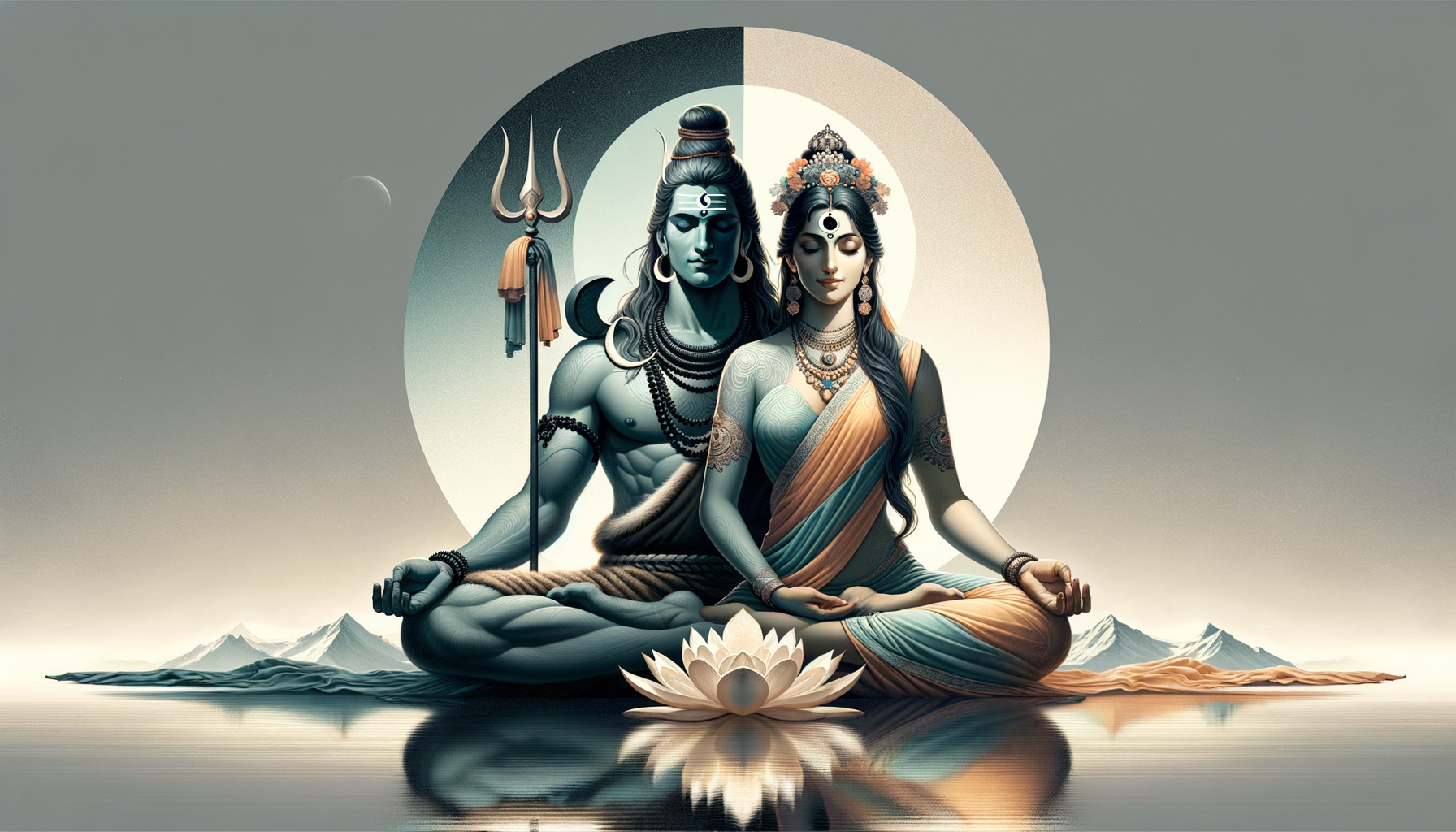
Shiva and Goddess Parvati embody a powerful archetype of complementary balance in Eastern philosophy, comparable to yin and yang. Their union models non-duality: awareness and energy co-arise to sustain harmony. The same insight appears across dharmic traditionsBuddhism’s Middle Way, Jainism’s Anekantavada, and Sikhism’s integration of temporal and spiritual lifeaffirming unity in spiritual diversity. Readers gain…
-
Speak Less, Hear More: Dharmic Wisdom on Silence, Empathy, and Transformative Communication

Modern life rewards loudness, yet dharmic wisdom teaches that silence and attentive listening create deeper connection, clearer thinking, and ethical speech. Hinduism’s shravana–manana–nididhyasana frames listening as a disciplined path to knowledge, complemented by the Gita’s guidance on truthful, beneficial, and gentle speech. Parallel insights in Buddhism, Jainism, and Sikhismnoble silence, anekantavada and samayik, and Suni-aiconverge…
-
Hinduism’s Expansive Spectrum: How Flexibility and Pluralism Empower Inner Freedom
Hinduism’s strength lies in flexibility: a civilizational habit of accommodating diverse ideas, practices, and philosophies under shared ethical principles. This pluralism is mirrored across Dharmic traditionsBuddhism, Jainism, and Sikhismcreating unity in spiritual plurality without erasing distinct identities. The concept of Ishta exemplifies personal spiritual freedom coupled with respect for others’ paths. Historically, Hinduism has evolved…
-
Beyond Ego: Unmasking Supreme Truth in Dharmic Wisdom for Inner Freedom and Clarity

This article explores a core paradox in Hindu philosophy: the Supreme Truth exists prior to the ego, and practices driven by self-importance obscure rather than reveal it. Drawing on the Upanishads, Bhagavad Gita, and Advaita Vedanta, it shows how sadhana matures from acquisition to attunement. It connects Hindu insights with Buddhism’s anatma, Jainism’s Anekantavada, and…
-
Seven Daily Practices to Cultivate Wismad for Calm, Clarity, and Dharmic Unity
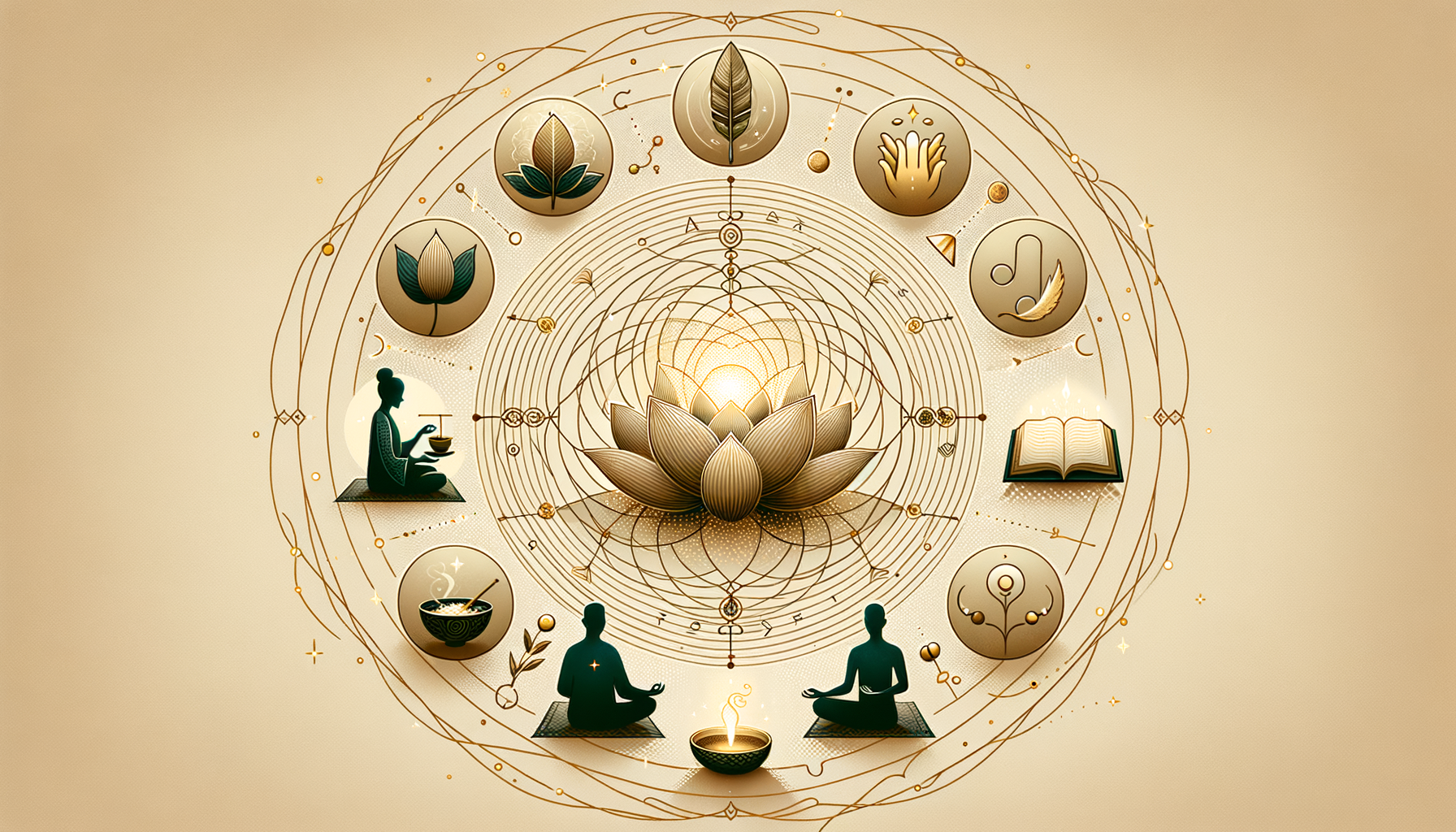
This guide presents seven daily practices to cultivate Wismadan awe-filled awareness recognized across Hinduism, Buddhism, Jainism, and Sikhism. It begins with simple breathwork to calm the nervous system and prepare the mind for ethical action. Short, contemplative study fosters humility and integrative understanding through Anekantavada. Compassion-in-action turns mindfulness into service, while mindful speech and listening…
-
Light and Shadow in the Heart: Dharmic Wisdom on Human Duality and Inner Harmony
Dharmic traditions view the human heart as a dynamic interplay of light and shadow, emphasizing growth through accountability rather than moral absolutism. Hindu scriptures describe the guṇas and the contrast of daivī and āsurī qualities, while the Upanishads situate clarity in the Self beyond mental fluctuation. Buddhism’s Middle Way, Jainism’s Anekantavada, and Sikh reflections on…
-
Paradox of Progress: Why Discontent and Violence Riseand Dharmic Ways to Peace
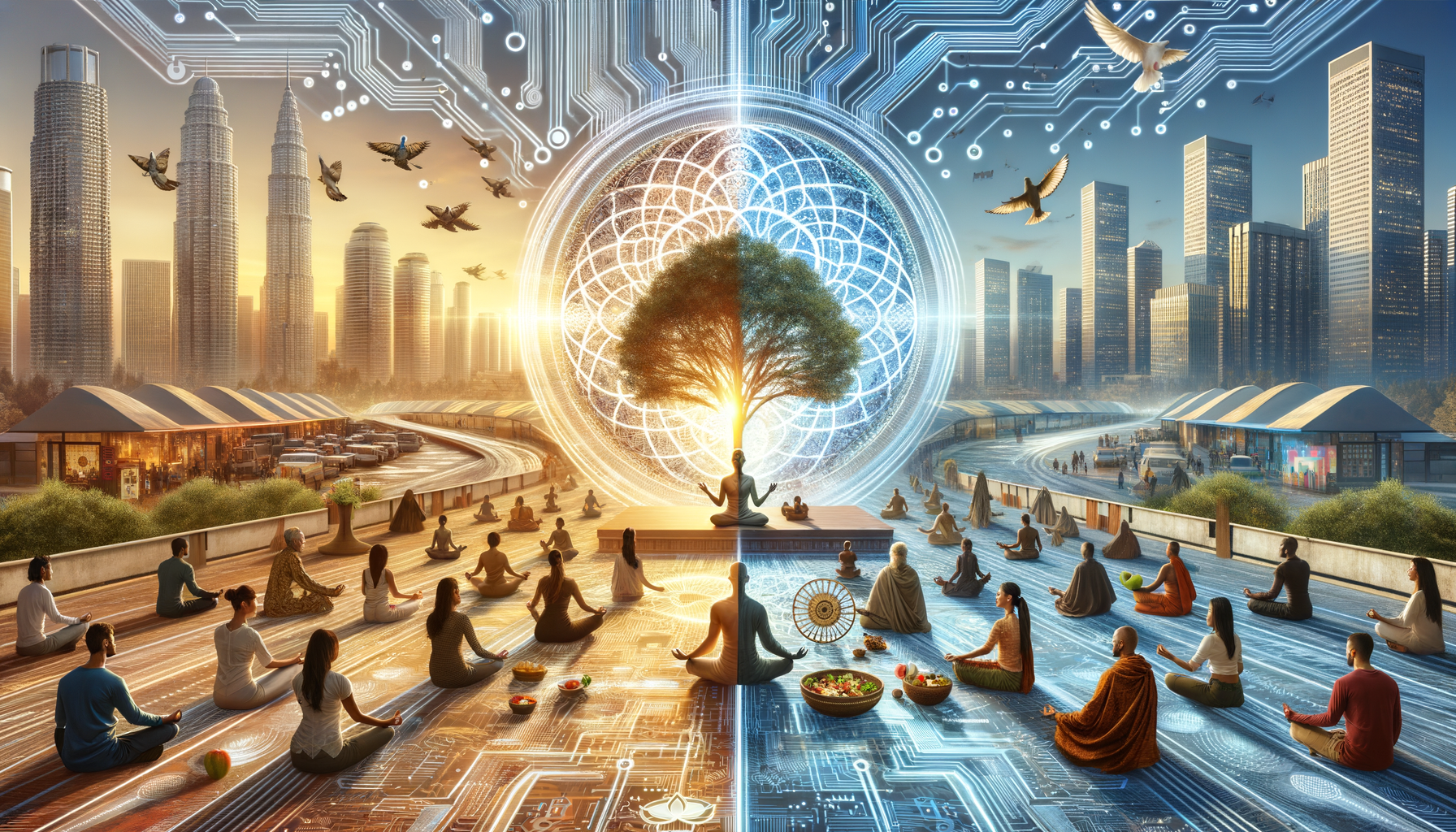
Scientific advancements have brought unprecedented capabilities, yet discontentment and violence continue to rise. This article interprets the paradox through a dharmic lens, highlighting avidyā, restless desire, and information overload as drivers of inner turmoil. It presents unifying insights from Hinduism, Buddhism, Jainism, and Sikhismdharma, ahiṁsā, karuṇā, and sewaas complementary solutions. Readers gain practical guidance in…
-
Dharma Beyond Black and White: Hindu Ethics Across Time, Circumstance, and Consequence

Hindu philosophy treats ethics as a disciplined, context-sensitive inquiry rather than a fixed rulebook. Grounded in dharma and guided by deśa–kāla–pātra, it balances intention, action, and consequence while honoring ahimsa, satya, svadharma, and lokasaṅgraha. Epic teachings from the Mahabharata and the Bhagavad Gita model how to act responsibly without attachment to outcomes. Parallels from Jain…
-
IIT Delhi Conference on Hindutva Highlights Inclusiveness, Dharmic Unity, and Global Peace
A national conference at IIT Delhi on 9 January 2026 examined the eternal relevance of Hindutva through an academic lens centered on dharma, inclusiveness, and constitutional pluralism. Sessions emphasized unity in diversity across Hinduism, Buddhism, Jainism, and Sikhism, drawing on anekantavada and ahimsa to model respectful, evidence-based dialogue. Attendees reported a campus climate that encouraged…
-
The Unknowable Other: Hindu Wisdom to Cultivate Self-Knowledge and Deeper Relationships

Hindu philosophy teaches that another person can never be fully known, a truth that nurtures humility and wiser relationships. The Upanishads and Pancha Kosha Viveka explain why only outer layers are visible while the essence remains veiled. Jain Anekantavada, Buddhist anatta, and Sikh Ik Onkar reinforce pluralism and compassionate restraint. Practically, this insight encourages careful…
-
Defusing Sanctimony: Dharmic Wisdom for Humility, Compassion, and Inner Strength

Sanctimonious behavior thrives on ego-driven judgment and performative virtue, yet dharmic traditions offer precise tools to disarm it with grace. Hindu scriptures emphasize humility (amanitvam) and freedom from hypocrisy (adambhitvam), while Yoga philosophy identifies egoism (asmita) as a root disturbance. Complementary insights from Buddhism, Jainism, and SikhismRight Speech, ahiṃsā, anekāntavāda, seva, and simranprovide a unified,…
-
Seeds of Destiny: Conscious Choice and Liberation in Hindu Thought for Everyday Peace

This reflection presents a practical, unifying view of Hindu philosophy: the mind holds dormant seeds of every disposition, and conscious choice determines which ones grow. It explains samskara, vasana, and the gunas while showing how daily decisions shape karma and move life toward moksha. It connects the Bhagavad Gita’s self-mastery with actionable practicesbreath, japa, pratyahara,…
-
Looking Back with Purpose: Transformative Lessons from a Dharmic Journey toward Unity

Purposeful retrospection, grounded in dharma, transforms memory into a tool for growth rather than self-critique. Drawing on Ahimsa, Anekantavada, and Karma Yoga, this reflection-centered approach fosters inner clarity, ethical action, and resilience. Practical methodsmindfulness, meditation, and a five-step weekly frameworktranslate insight into consistent habits. Community support through satsang, sangha, and the Guru–Shishya Tradition amplifies learning…
-
Dharma with Compassion: When Truth Yields to Welfare and Self-Preservation in Hinduism
Hindu ethics treats dharma as a living intelligence: truthfulness is vital, yet it must be guided by compassion and non-harm. When literal truth risks grave injury or endangers life, flexibility aligns satya with ahimsa and the welfare of dependents. Practical guidance emerges through intention, consequence, and alternative analysis, ensuring truth heals rather than harms. Classical…
-
Hinduism’s Fearless Quest for Truth: Rational Inquiry, Pluralism, and Dharmic Unity
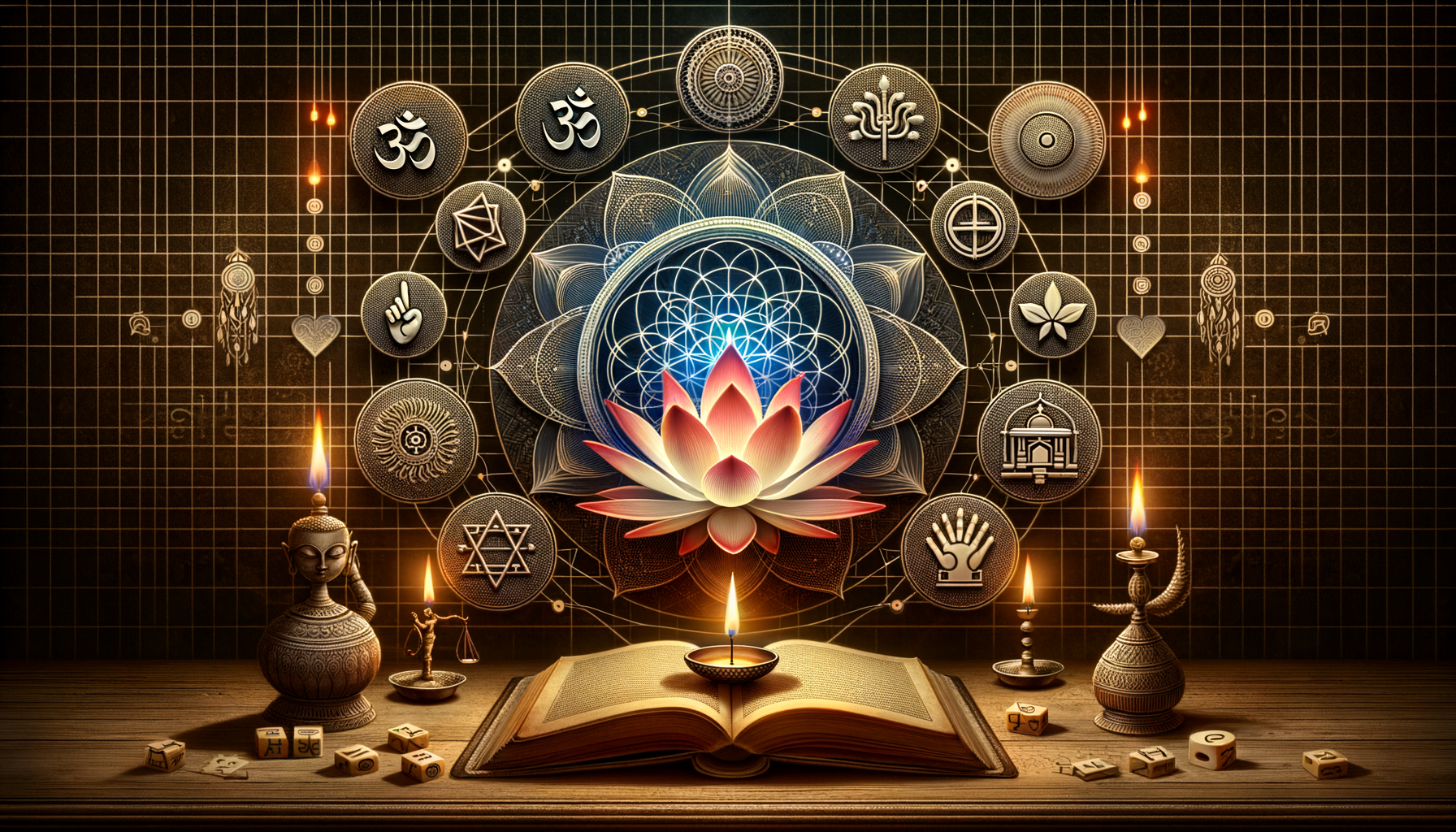
Hinduism champions a fearless quest for truth grounded in rational inquiry, from the Upanishads’ probing dialogues to the darshanas’ robust epistemology. Its knowledge systems assess claims through perception, inference, and reliable testimony, integrating rigorous method with experiential practice in yoga and meditation. The tradition’s shastrartha debates exemplify intellectual humility and accountability. In unity with Buddhism,…
-
Beyond Classroom Walls: Unleashing Creative Minds with Dharmic Wisdom and Modern Innovation

Many creative students feel constrained by slow pacing, narrow syllabi, and memory-focused exams. Drawing on Dharmic wisdom from Hinduism, Buddhism, Jainism, and Sikhism, this piece outlines how experiential, project-based learning transforms curiosity into real-world impact. It highlights the power of the guru–shishya tradition, Anekantavada, seva, mindfulness, and Karma Yoga to unify ethics and innovation. It…
-
Empty the Cup to Fill the Soul: Hindu Wisdom on Ego, Learning, and Spiritual Growth

This article explores the Hindu metaphor of the “empty vessel,” showing how releasing ego creates the space necessary for continuous learning and spiritual growth. It explains the paradox that genuine wisdom requires inner emptiness, contrasting avidyā (illusion of knowledge) with jñāna (true insight). Drawing on the Bhagavad Gita and Upanishadic methods, it highlights humility, contemplation,…
-
Why ‘Name and Form’ Create Suffering: A Powerful Dharmic Lens on Oneness and Freedom
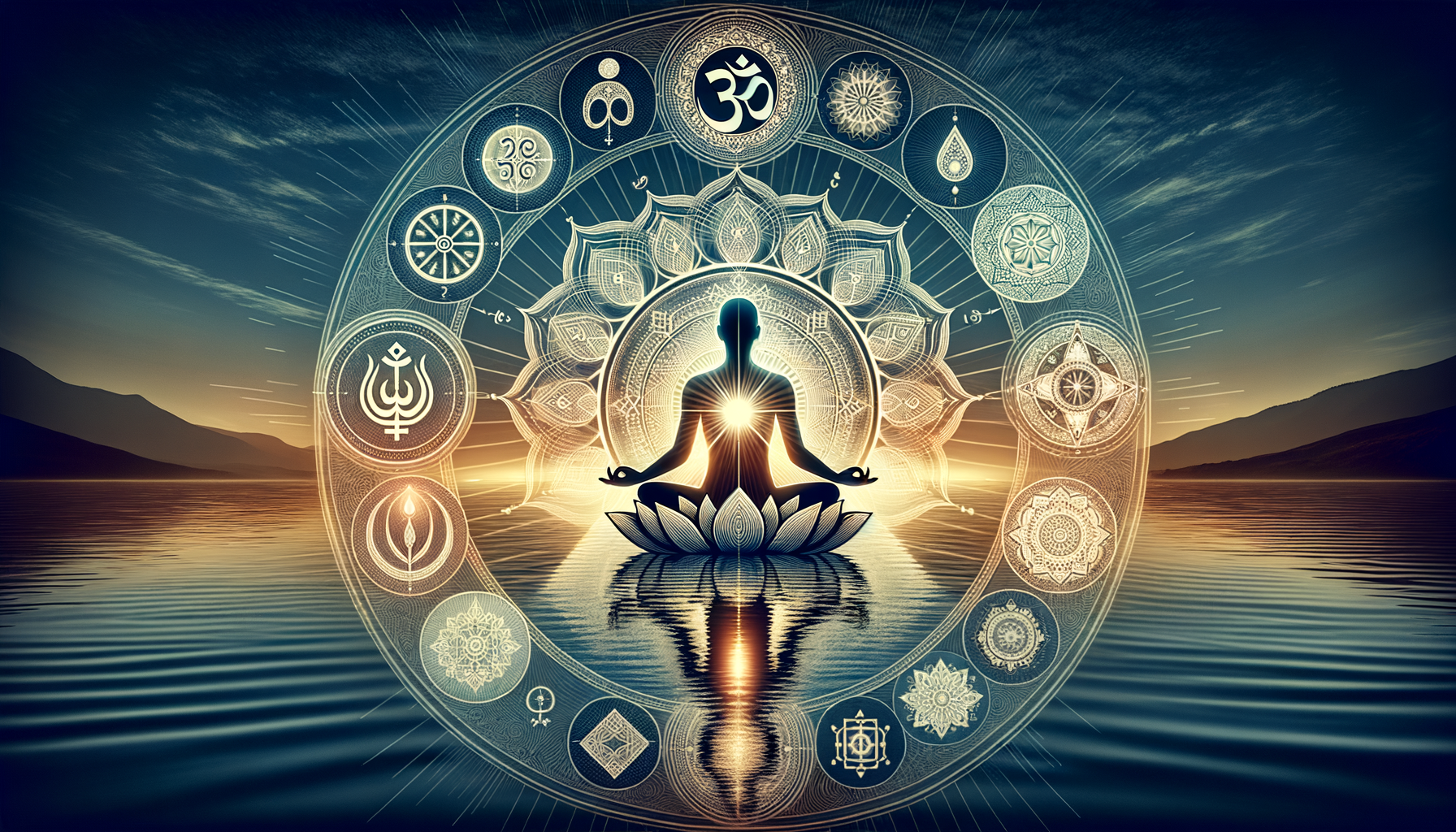
Hindu philosophy traces suffering to separateness born of nāma (name) and rūpa (form), a misidentification that obscures underlying unity. Upanishadic and Advaita perspectives treat names and forms as provisional, while the Bhagavad Gita offers practicesjñāna, bhakti, and karma yogato reorient attention toward what endures. Everyday experiences show how labels intensify anxiety and craving; loosening identification…