
-
Parinama Explained: Three Profound Transformations Shaping Hindu Wisdom and Daily Life

Parinamasacred changeclarifies how reality unfolds in Hindu philosophy through three core transformations: change of form (svarūpa), change of state (avasthā), and change marked by time (lakṣaṇa). Grounded in sources such as the Yoga Sutras, this framework aligns philosophical depth with everyday observation. It also connects meaningfully with dharmic perspectives in Buddhism, Jainism, and Sikhism, fostering…
-
Stop Overthinking, Start Living: Hindu Wisdom for a Life of Presence and Joy

Hindu wisdom highlights a simple paradox: the more life is overanalyzed, the less it is truly lived. Drawing from the Hindu way of life and allied dharmic traditions, the path emphasizes presence, ethical action (dharma), and mindful awareness over relentless explanation. Karma yoga reframes daily duties as opportunities for clarity by releasing attachment to outcomes.…
-
Threads of Oneness: How Hinduism Inspires Unity in Diversity Across Dharmic Traditions

Hinduism’s core insight is that life is fundamentally interconnected, and this truth is expressed through diverse forms of worship, philosophy, and community ritual. By honoring Ishta and multiple yogic paths, it sustains unity in diversity without demanding uniformity. Ethical commitments such as ahimsa and seva translate this vision into daily conduct and social responsibility. Related…
-
ਚੁੱਪ ਦਾ ਸੰਦੇਸ਼: A Poetic Meditation on Truth, Courage, and Dharmic Unity in Silence

This reflection explores how silence, practiced with mindfulness, strengthens truth and courage across Hinduism, Buddhism, Jainism, and Sikhism. It presents mauna, Noble Silence, and simran as convergent disciplines that align speech with dharma and Ahimsa. Readers gain an academic yet accessible understanding of how Anekantavada invites many-sided truth while reducing harm. Practical micro-practicesbrief mauna, three-breath…
-
Anatmabuddhi Explained: Unmasking the Not-Self Illusion and Awakening to Self-Realization

Anatmabuddhi names the intellect’s tendency to mistake the not-self for the Self, a root cause of anxiety, craving, and conflict. This article explains the concept in clear, accessible terms and connects it to allied insights in Buddhism’s anatta, Jainism’s anekantavada, and Sikh perspectives on ego. Readers gain practical toolsviveka, dhyana, ethical living, and a short…
-
Hamsa Ksheera Nyaya Explained: Cultivating Wise Discernment Across Dharmic Traditions

Hamsa Ksheera Nyayathe swan’s ability to separate milk from wateroffers a powerful model of discernment in Hindu philosophy and allied Dharmic traditions. It refines judgment (viveka), aligning truth-seeking with ethical clarity and practical wisdom. Drawing on the Upanishads, Vedanta, and Nyaya, this maxim translates into daily skills for navigating information overload, relationships, and moral complexity.…
-
Six Profound Transformations of Life: A Dharmic Guide to the Eternal Self Beyond Change

Hindu scriptures teach that embodied life unfolds through six universal transformationsexistence, birth, growth, decay, disease, and deathwhile pointing to the atman beyond change. Seeing these phases clearly reduces fear, strengthens resilience, and fosters compassionate conduct guided by dharma. Parallel insights in Buddhism, Jainism, and Sikhism reinforce impermanence, many-sided truth, and alignment with divine order, cultivating…
-
If Something Changes Your Life, Let It: Dharmic Wisdom to Cultivate Resilience and Grace

The reflection “If something changes your life, let it” expresses a core dharmic insight shared by Hinduism, Buddhism, Jainism, and Sikhism: change, met with discernment and non-attachment, catalyzes spiritual growth. Drawing from the Bhagavad Gita, Patanjali’s Yoga Sutra, anicca, Anekantavada, Hukam, and Chardi Kala, the post outlines a practical pathpause, breathe, discern, act ethically, reflectto…
-
When Scriptures Go Viral: How to Protect Sacred Wisdom from Digital-Age Distortions

In the digital age, sacred texts from Hinduism, Buddhism, Jainism, and Sikhism are often decontextualized and repackaged into viral slogans. This academic reflection explains how algorithmic amplification and selective translation fuel misinterpretations of the Bhagavad Gita, Upanishads, Dhammapada, Jain Agamas, and Guru Granth Sahib. Drawing on Hindu hermeneutics, Jain Anekantavada, Buddhist Right Speech, and Sikh…
-
Lagna and the 1st House Explained: A Transformative Guide to the Ascendant in Vedic Astrology

Lagna (Ascendant) is the Vedic astrology anchor of the 1st House, linking the soul’s entry into life with identity, vitality, and direction. Classical guidance, including Sarvartha Chintamani (II.5), affirms that a house gains strength when occupied by its own lordan insight crucial for interpreting Lagna. Assessing dignity, aspects, Shadbala, and vargas (notably Navamsa) clarifies health…
-
Why Words Fail the Divine: Dharmic Wisdom on Embracing the Infinite with Humility
The statement “to capture God in words is to diminish the Infinite” articulates a core dharmic insight: ultimate reality surpasses language. Hindu philosophy’s neti, neti, Buddhism’s emphasis on direct insight, Jainism’s Anekantavada, and Sikhism’s reverence for Ik Onkar collectively affirm the limits of speech and the value of humility. This perspective fosters interfaith respect, ethical…
-
Bound or Beyond? Hinduism’s View of Belief, Free Will, and Compassionate Spiritual Unity

Do beliefs bind or set one free? Through Hindu philosophy and its Dharmic cousinsBuddhism, Jainism, and Sikhismthis piece explains how belief can guide without imprisoning. It shows how dharma and sadhana (practice) transform conviction into compassionate action. Readers gain a clear framework from the Upanishads and Bhagavad Gita on agency, karma, and svadharma. The article…
-
Discover Bahujivavada: The Complete, Compassion-Centered Guide to Many Jivas

Bahujivavada teaches that innumerable jivas (beings) are independent, distinct, and eternal, moving through samsara under the law of karma. This plurality of consciousness supports a compassionate ethical life oriented by Ahimsa and mindful responsibility. Aligned with Anekantavada, it encourages many-sided understanding, intellectual humility, and respect for diverse spiritual paths. The doctrine bridges Dharmic traditions by…
-
Master the Dharmic Path: Essential Insights to Overcome Obstacles to Virtue

The ancient Hindu teaching, “The path of the good is fraught with innumerable obstacles,” explains why ethical living demands perseverance and clarity. It shows that resistance is a natural part of spiritual development rather than evidence of failure. Drawing on Hindu Dharma and the Bhagavad Gita, it highlights abhyasa, tapas, viveka, and shraddha as proven…
-
Essential Dharma Wisdom: Master Acceptance and Transform Resistance into Inner Freedom

A vivid parable of the food chain illustrates a central dharmic insight: acceptance is not fatalism, but alignment with reality. Drawing from Hinduism, Buddhism, Jainism, and Sikhism, the post explains how dharma-guided action and non-attachment can reduce anxiety, deepen clarity, and build resilience. It translates core ideas from Vedanta and the Bhagavad Gita into practical…
-
Master Free Expression with Satya: Essential Dharmic Wisdom to Walk Away Gracefully

This article presents a Dharmic framework for ethical expression grounded in Satya (truth) and Ahimsa (non-harm). Drawing from the Bhagavad Gita, Upanishads, Buddhist Right Speech, Jain Anekantavada, and Sikh emphasis on Sach, it outlines when to speak and when to step away. Readers learn a practical testkāla, deśa, pātrato judge timing, setting, and audience before…
-
Born Bad or Made Bad? Discover a Complete, Evidence‑Based Guide to Evil in Dharmic Thought

The everyday debateborn bad or made badfinds a nuanced resolution in Dharmic thought. Hindu philosophy integrates guṇas, karma, and saṁskāras with the formative power of culture and community. Buddhism explains harmful actions through dependent origination, making transformation possible via ethics, meditation, and wisdom. Jain Anekantavada reframes blame by recognizing many-sided causes while prioritizing ahimsa and…
-
Discover the Proven Harmony of Science and Dharma: Newton’s Solar System Model Reimagined
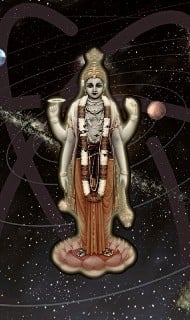
A classic anecdote about Isaac Newton’s solar system model invites a disciplined way to relate science and philosophy. Instead of pitting mechanism against meaning, it encourages rigorous observation alongside intellectual humility. This balanced posture aligns with dharmic traditionsHinduism, Buddhism, Jainism, and Sikhismwhich explore causality, order, and ethics through logic and contemplative insight. Readers discover how…
-
The Ultimate Dharmic Guide to Life’s Inevitables: Discover Calm, Clarity, and Freedom

A clear, dharmic approach can transform anxiety about life’s inevitables into calm, purpose, and inner freedom. Hinduism emphasizes Dharma, Karma, and Moksha through the Bhagavad Gita and Upanishads, guiding non-attachment and ethical action. Buddhism’s focus on Anicca and Anatta cultivates mindfulness and compassionate presence amid change. Jainism’s Anekantavada and Aparigraha reduce attachment and foster equanimity…
-
Discover the Essential Dharma of Diversity: Ishta and Pluralism for a Happier Life
Hinduism presents diversity as a disciplined, life-enhancing principle rather than a source of chaos. Through ishta-devata and multiple marga, seekers align practice with temperament while honoring other paths. The popular image of countless deities signals symbolic plurality; classical references to 33 koti clarify its philosophical depth. Allied dharmic traditionsAnekantavada in Jainism, Buddhist compassion, and Sikh…