-
Paramātmā’s Soul-Satisfying Beauty: Bhakti Dhyāna and the Science of Sense Purification

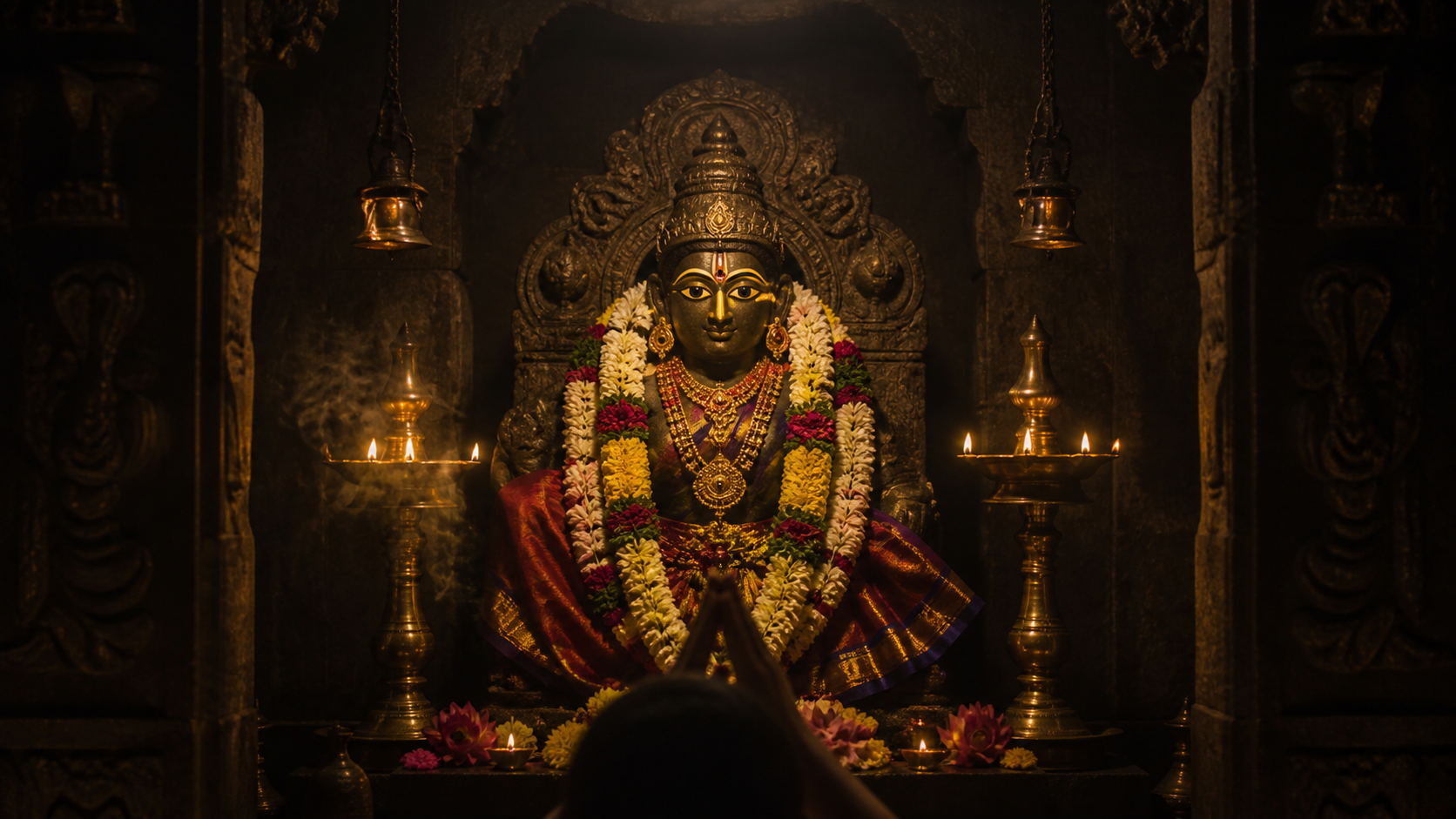
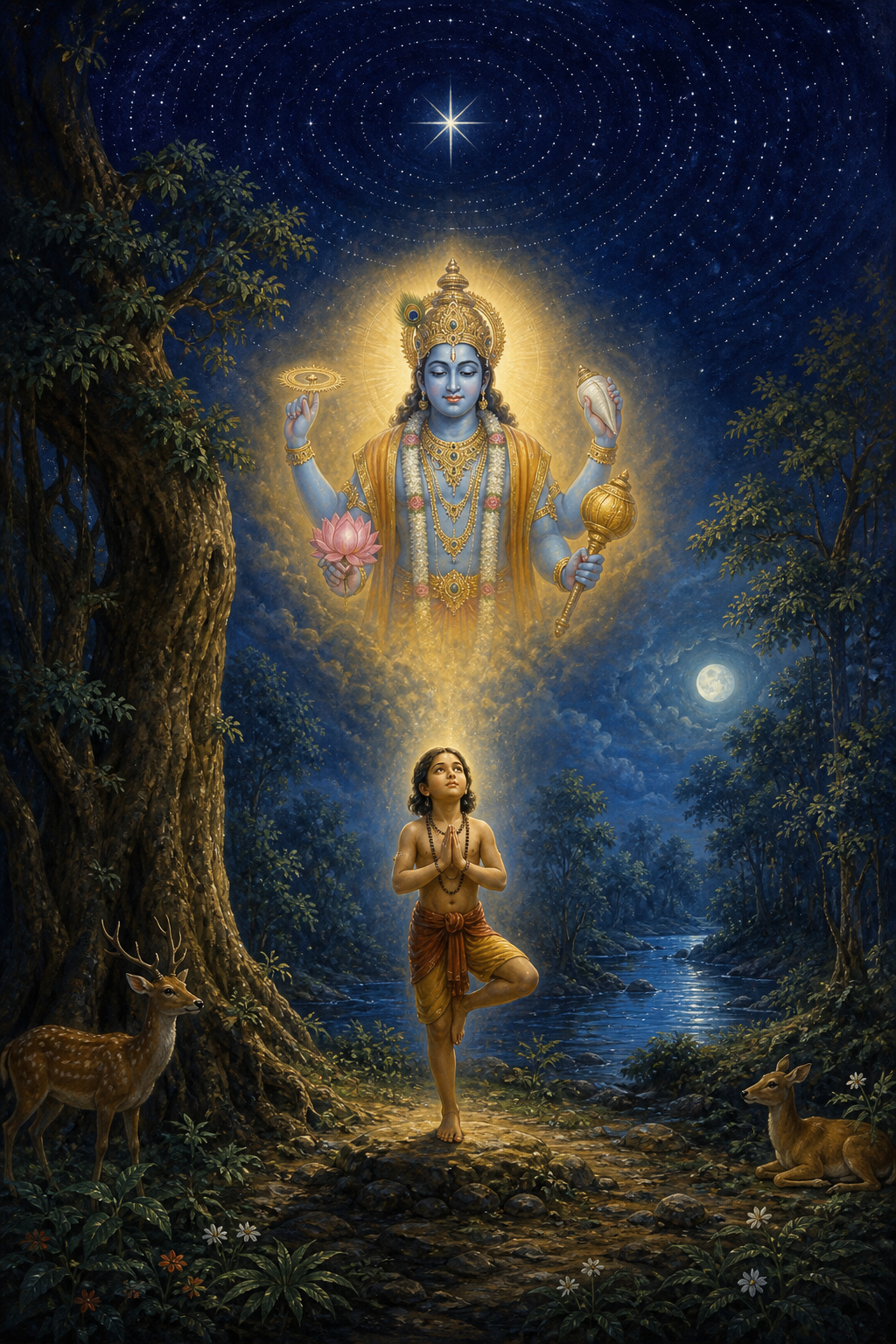
Śrīmad Bhāgavatam 3.28.16 frames bhakti-yoga meditation as an exacting discipline in which contemplation of the Paramātmā’s form reorders desire and purifies the senses. The account distinguishes sense restraint from sense purification, showing how devotion repurposes perception through darśana, kīrtana, japa, and prasāda. Drawing parallels with Buddhist samatha-vipassanā, Jain dharma/shukla dhyana, and Sikh Naam Simran, it…
-
Artemis Lunar Flyby Unveiled: Evidence, Dharma, and a Clear Path Beyond Moon-Truth Doubts

The Artemis lunar flyby reopened familiar debates about Moon travel, yet a dharmic approach invites a clearer path beyond binaries. This article explains what Artemis I actually did, why a flyby differs from a landing, and how multiple independent datasets verify the mission’s reality. It details tracking by the Deep Space Network and partner stations,…
-
Singing Between the Lines: Ekendra Das on Spiritual Messaging in Krsna Conscious Music and Theater

This long-form profile examines how Ekendra Das (Ekendra Prabhu) unites professional musicianship with disciplined seva to communicate dharmic wisdom through Krsna Conscious bands, theater, and responsible humor. It explains how Straight Edge ethics parallel Hindu vrata and align with Buddhist, Jain, and Sikh disciplines, framing music as a practice of clarity rather than escape. Drawing…
-
Ecstatic Love in Focus: Sri Radha’s Enchanting Glance and the Science of Sacred Vision

This in-depth exploration examines the devotional, aesthetic, and contemplative significance of Srimati Radharani’s eyes and glances in the Bhakti Tradition. Grounded in a verse attributed to Madhvacharya and supported by Brahma-samhita, Gita Govinda, and Gaudiya commentaries, it shows how Sri Radha’s glance functions as a conduit of divine grace. The article integrates classical Indian aesthetics…
-
Unprecedented ISKCON Sankirtan: Mahotsaha Das Sets 2026 World SKP Record with 5,294 Books

Mahotsaha Das’s 2026 World SKP Record demonstrates a disciplined, ethically grounded ISKCON Sankirtan effort that placed 5,294 books in a single day. The distribution combined breadth and depth: 73 Maha books, 2,758 Big books, 207 Medium books, and 2,256 Small books, plus curated bundles and scripture sets. Notably, 61 Srimad Bhagavatam Sets and 2 Caitanya-Caritamrta…
-
Kurukula, Sentinel of the Indian Ocean: The Shakta Goddess Who Shielded Merchants and Mariners

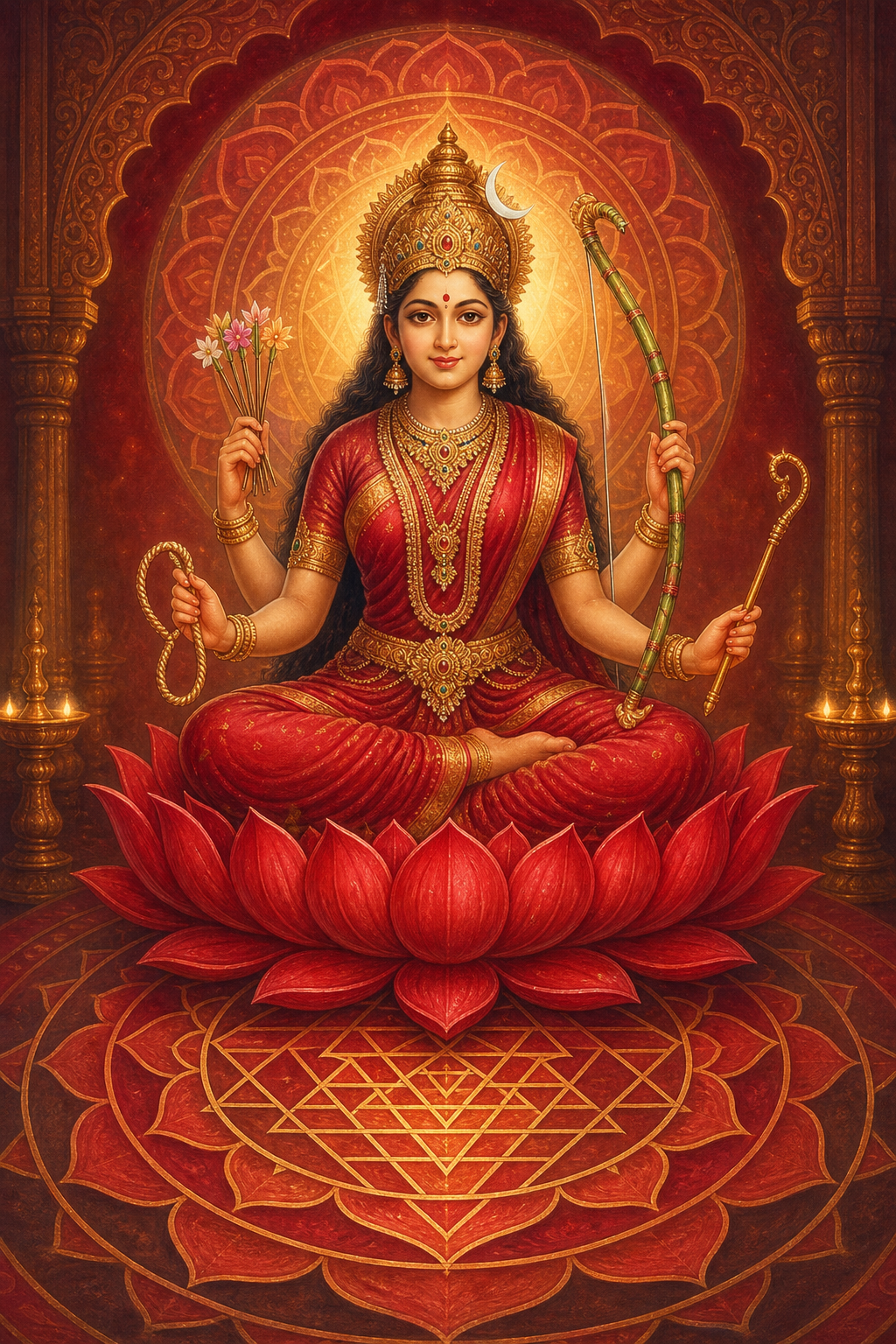
Kurukula (Kurukkula) emerges in medieval Indian Ocean history as a Śākta-Tantric guardian whose magnetizing protection appealed to merchants, navigators, and port communities. Evoked for safe voyages, fair winds, and ethical commerce, she bridged temple worship and mercantile practice across Gujarat, the Konkan, Kerala, Tamil regions, Odisha, and Bengal. Her iconography and mantra-semantics of attraction (ākarṣaṇa)…
-
Design Your Destiny: A Dharmic Guide to Karma, Choice, and Responsible Living

This article examines how Hindu philosophy and related dharmic traditions align on a rigorous, empowering approach to choice, karma, and destiny. It clarifies the technical distinctions among sanchita, prarabdha, and agami karma, and explains how the purushartha framework and the shreyas–preyas distinction guide ethical decision-making. Drawing on the Bhagavad Gita, Yoga philosophy, and insights from…
-
When the Strong Friend Finally Asks: A Research-Backed Path to Trust and Deeper Bonds

Many friendships orbit around competence rather than connection. This analysis follows a strong friend who discovers, through Simon Sinek’s Friends Exercise, that reliability without reciprocity limits intimacy. By reframing closeness around support, symmetry, and trust, and by practicing small, specific requests for help, vulnerability becomes a high-trust behavior that strengthens bonds. The piece outlines research-aligned…
-
When She Leads, She Builds: Shakti Leadership Uniting Hindu, Buddhist, Jain, and Sikh Paths

This essay examines Shakti-centered leadership across Hinduism, Buddhism, Jainism, and Sikhism, showing how women-led initiatives have historically built enduring institutions—temples, viharas, basadis, and gurdwaras—that function as knowledge commons and care infrastructures. It maps Journey and Destination across traditions—moksha, nirvana, kevala jñāna, and mukti—highlighting how aligned methods shape aligned outcomes. Case studies from Gargi and Maitreyi…
-
Unveiling Shiva’s Samharamurtis: Fierce, Compassionate Forms of Cosmic Transformation

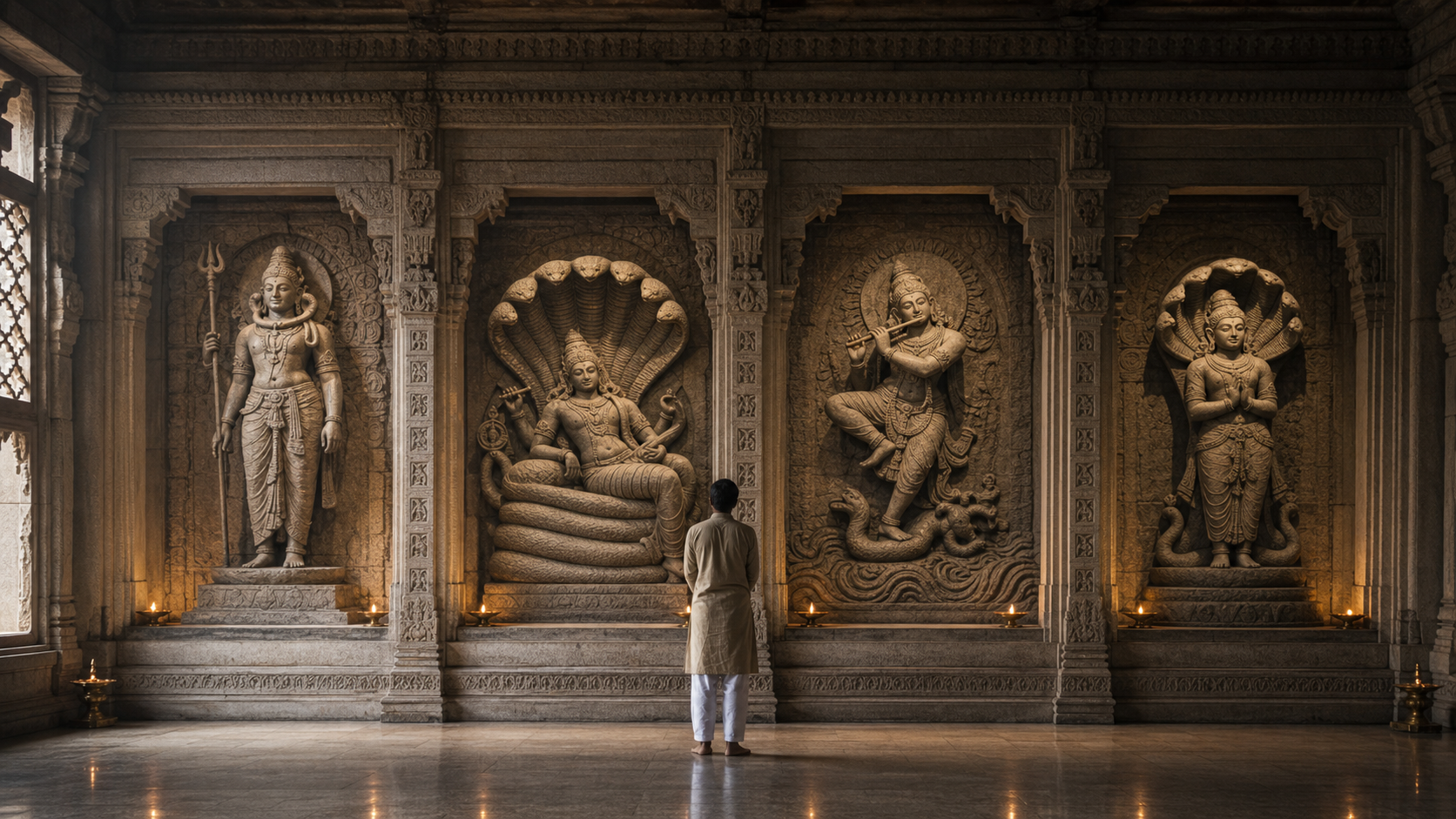
This in-depth exploration clarifies why Shiva’s Samharamurtis are not emblems of destruction but precise instruments of compassionate transformation. Grounded in the Panchakritya doctrine and classical sources like the Puranas and Agamas, it decodes how Kamantakamurti, Gajasura Samhara Murti, and Kalari Murti model the sublimation of desire, the mastery of force, and the transcendence of fear…
-
Karma and the Realized Soul in Hinduism: Sanchita, Prarabdha, Agami and Jivanmukti Explained

This article explains how the threefold classification of karma in Hinduism—sanchita, prarabdha, and agami—operates for both seekers and the realized person in Advaita Vedanta. It shows why Self-knowledge nullifies sanchita, prevents the accrual of agami, and yet allows prarabdha to complete its course until the body’s end. Readers gain scriptural grounding from the Bhagavad Gita…
-
Why All Rivers of Bhakti Flow to Gokula: Insights on Brihad Bhagavatamrita 1.2.37–49

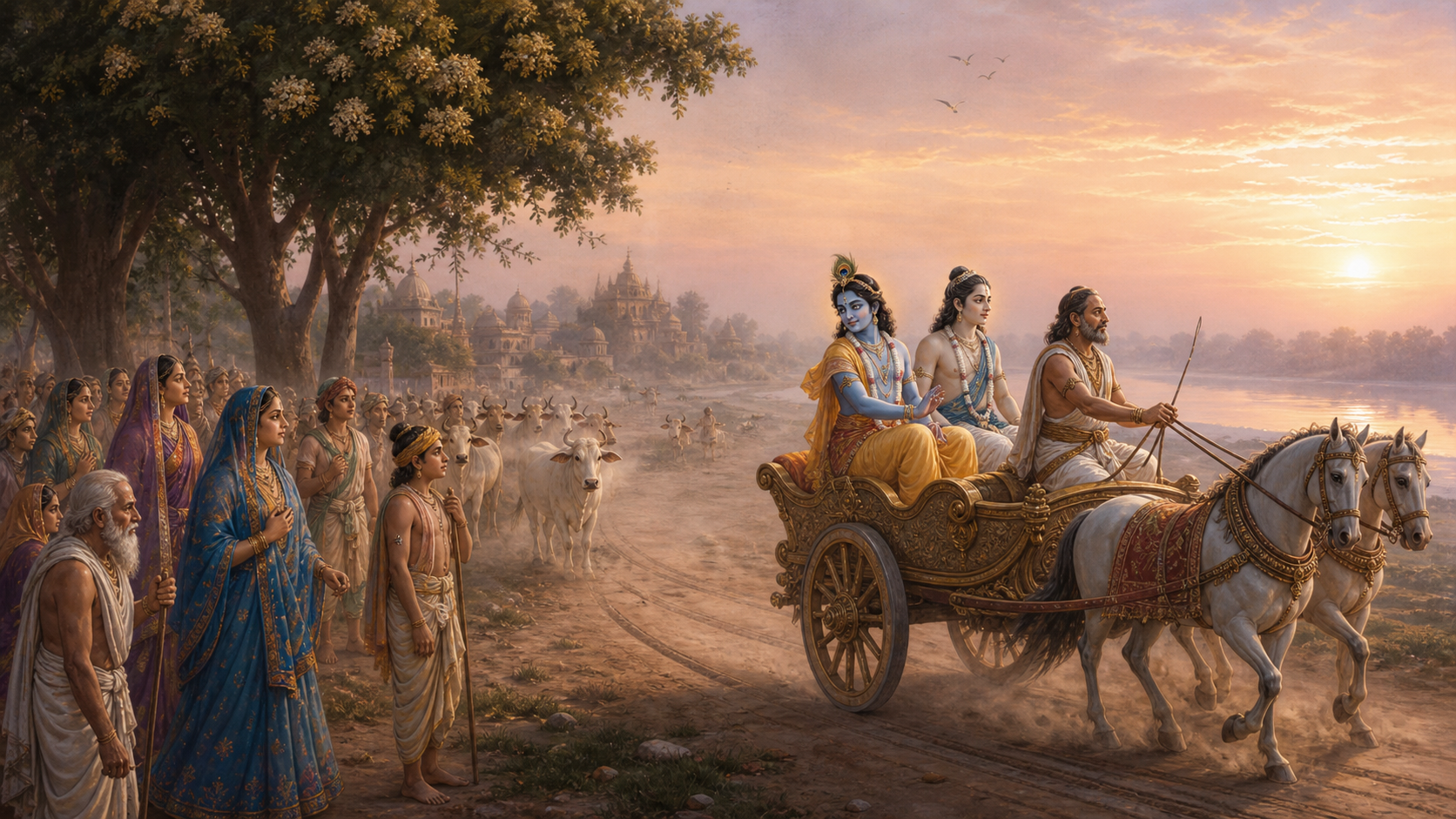
This study distills HH Niranjana Swami’s 2026 Lithuania exposition of Brihad Bhagavatamrita 1.2.37–49, showing how praise of Brahma, Indra, and other luminaries functions as a pedagogic ladder guiding readers toward the intimate devotion of Gokula and Goloka. It defines Gokula and Goloka with precision, contrasts aisvarya (majesty) and madhurya (sweetness), and explains why the text…
-
Beyond Material Perception: Dharmic Wisdom to End the Cycle of Hoping Against Hope

Many public ideologies look different yet fail for the same reason: they rely on sensory empiricism while ignoring ethical and spiritual knowledge. This article clarifies how the ‘Daiva’ way—understood across Hinduism, Buddhism, Jainism, and Sikhism—reintroduces moral causality and higher purpose, transforming short-lived enthusiasm into resilient, reality-based hope. Drawing on pramāṇa theory, the Bhagavad Gita’s analysis…
-
Gadādhara Paṇḍita as Hlādinī-Śakti: Unveiling CC Ādi 10.15 and Gaura-gaṇoddeśa-dīpikā

CC Ādi 10.15 and Gaura-gaṇoddeśa-dīpikā present Gadādhara Paṇḍita as the embodiment of hlādinī-śakti, the bliss-bestowing potency of Śrī Kṛṣṇa. This analysis clarifies key Gaudiya Vaishnavism concepts—śakti-tattva, acintya-bhedābheda, and bhakti-rasa—while situating Gadādhara’s historical service in Jagannātha Purī. Readers gain a precise, accessible framework for why Gadādhara is honored among Vaishnava Saints and how “No one, therefore,…
-
Mind Dissolved in Śiva: Technical Pathways to Recognition, Inner Freedom, and Immortality

This long-form exploration clarifies what “dissolution of mind in Śiva” means in classical Śaivism: not nihilistic blankness, but the quieting of compulsive mentation and recognition of universal Consciousness. Grounded in the Nadabindu Upaniṣad, it outlines Śaiva ontology (tattvas and malas), the epistemology of pratyabhijñā (recognition), and the practical upāyas that mature into samādhi. It surveys…
-
Nagarkot’s Sacred Red Silk Rope: Uniting Brajeshwari Devi and Vaidyanath—Ritual, Symbol, Science

In Kangra’s Nagarkot, a vivid red silken rope links the shikharas of Brajeshwari Devi Shakti Peetha and Vaidyanath, translating Shakti–Shiva philosophy into a powerful public symbol. The cord functions as a civic raksha-sutra and an expanded mauli, integrating ritual, urban space, and sacred architecture. Its red silk communicates auspicious energy while engineering considerations ensure safe,…
-
Beyond Form: Hindu Dharma’s Powerful Vision of God as All Forms and the Formless

The teaching that “God is not the name for a form; it is the name for all the forms” captures Hinduism’s union of transcendence and immanence: Brahman is beyond description yet luminous in every meaningful image and practice. Drawing on the Upanishads and the Bhagavad Gita, the discussion explains how nirguna and saguna complement each…
-
April 24, 2026 Panchang: Shukla Ashtami Tithi, Auspicious Times, Nakshatra/Rashi—Definitive Guide

Friday, April 24, 2026 carries Shukla Paksha Ashtami as the Udaya tithi, with Shukla Paksha Saptami having ended at 1:17 AM in most regional Panchang listings. This definitive, academically grounded guide explains how tithi is computed, why Udaya tithi governs daily observances, and how to identify shubh muhurta using Brahma Muhurta, Abhijit Muhurta, and Choghadiya.…
-
From Numb to Whole: How Emotional Suppression Derails Hormones, Gut Health, and the Nervous System

This case study traces how lifelong emotional suppression created nervous system dysregulation, hormonal imbalance (notably PMS), and gut-brain axis disturbances—and how listening to the body reversed these trends. It explains mechanisms (polyvagal theory, HPA/HPO axes, vagus nerve, microbiome) alongside Ayurvedic concepts (vata, pitta, kapha, agni) to show why symptoms escalated with “push through” strategies. Evidence-aligned…