-
January 1, 2026 Panchang: Shukla Trayodashi to Chaturdashi Timings and Auspicious Insights

On Thursday, January 1, 2026, Shukla Paksha Trayodashi prevails until 8:29 PM in most regions, after which the tithi shifts to Shukla Paksha Chaturdashi. This clear Trayodashi–Chaturdashi transition helps devotees plan daily worship, vratas, and reflective practices with confidence. The post explains how tithi functions within the Hindu calendar (Panchang) and why aligning with lunar…
-
Purnima 2026 Dates and Vrat Guide: Complete Pournami/Puranmashi Calendar and Meaning

Purnima, the Full Moon day in the Hindu calendar, returns each month in 2026 with enduring spiritual significance for Purnima Vrat, Satyanarayana Puja, and contemplative practice. This guide explains how Purnima falls on Shukla Paksha’s fifteenth tithi, why observance times vary by region, and how to align devotion with accurate Panchang calculations. It outlines the…
-
When Ego and Competition Derail Purpose: Dharmic Wisdom to Reclaim Focus and Peace

Ego and competition can energize achievement but also obscure higher purpose. Drawing on the Bhagavad Gita and convergent insights from Buddhism, Jainism, and Sikhism, this piece explains how detachment, seva, and mindfulness restore clarity. Readers gain practical tools to align work with dharma, reduce stress from outcome-obsession, and cultivate steady focus. It reframes competition as…
-
Madanakala’s Sacred Fire: The Transformative Power of Divine Passion in Tantrism & Shaktism

Madanakala in Hindu Tantrism and Shaktism reframes passion as a sacred, creative force rather than mere desire. Anchored in Shakti-tattva and guided by iccha-, jnana-, and kriya-shakti, it channels emotional intensity toward clarity, compassion, and purposeful action. Through Tantric practices—mantra, yantra, mudra, and pranayama—this energy is ethically refined, supporting transformative kundalini processes. The approach aligns…
-
Viral Video: Mother Guides Disabled Son as Shivaji, a Moving Tribute to Shakti and Courage

A viral video shows a mother gently guiding her disabled son across a stage as Chhatrapati Shivaji Maharaj, turning a simple performance into a powerful meditation on courage and care. The moment resonates globally because parental support visibly converts vulnerability into confidence. In Hindu historical memory, it evokes Jijabhai’s formative guidance to Shivaji, remembered with…
-
Listening Deeply to an Aging Mother: Preserving Elders’ Wisdom and Dignity in Fast Times

A reflective account shows how listening to an aging mother transforms caregiving from tasks into active preservation of wisdom, dignity, and family bonds. The practice of waiting through silence reveals memory as effort and agency, not absence. Practical steps—asking one focused question, allowing quiet, and recording stories—help families preserve intergenerational wisdom. The approach counters ageism,…
-
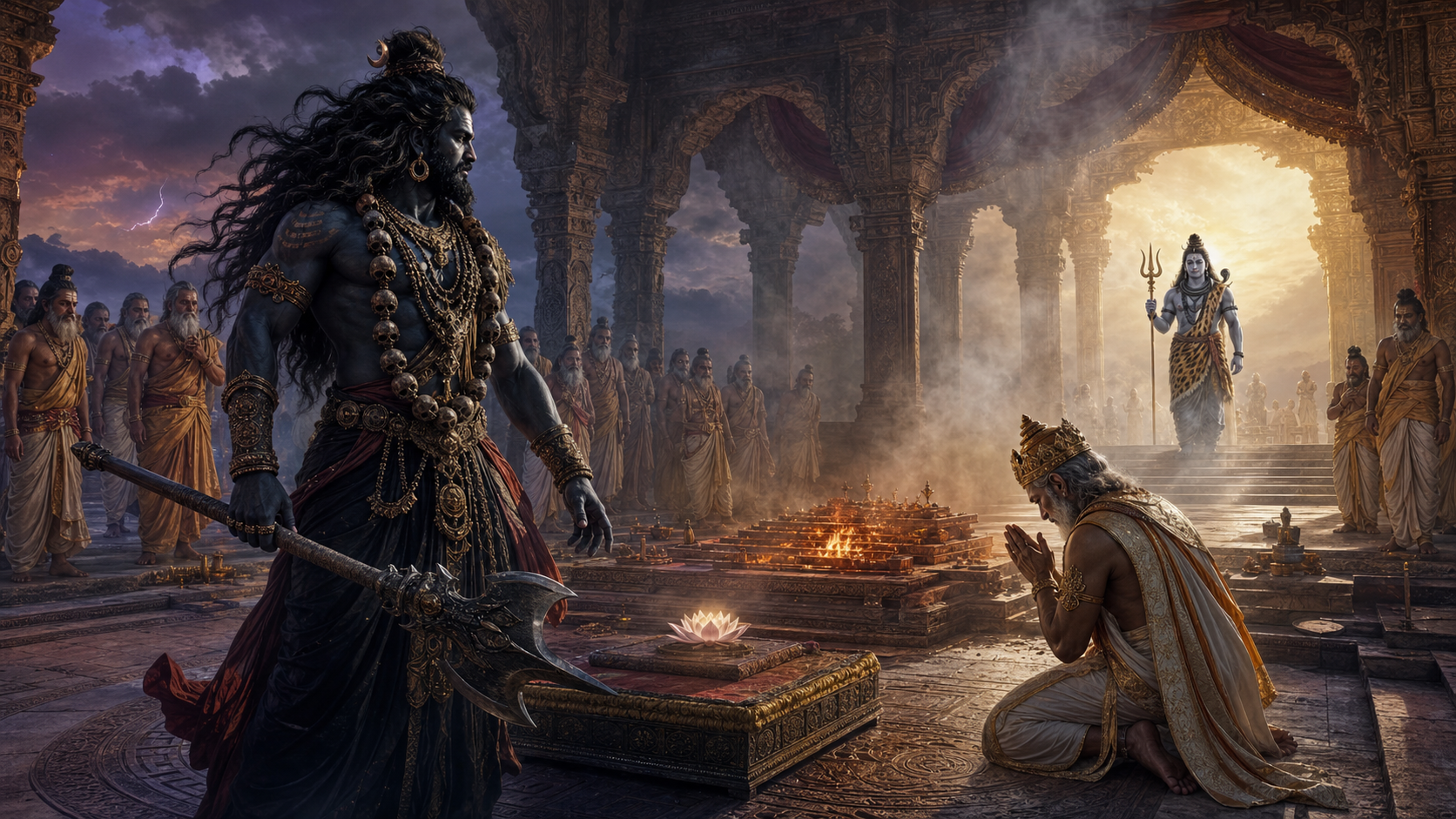
Kamyeshti (Kameshti) in Hinduism: A Sacred Guide to Vedic Desire-Rituals and Their Ethics

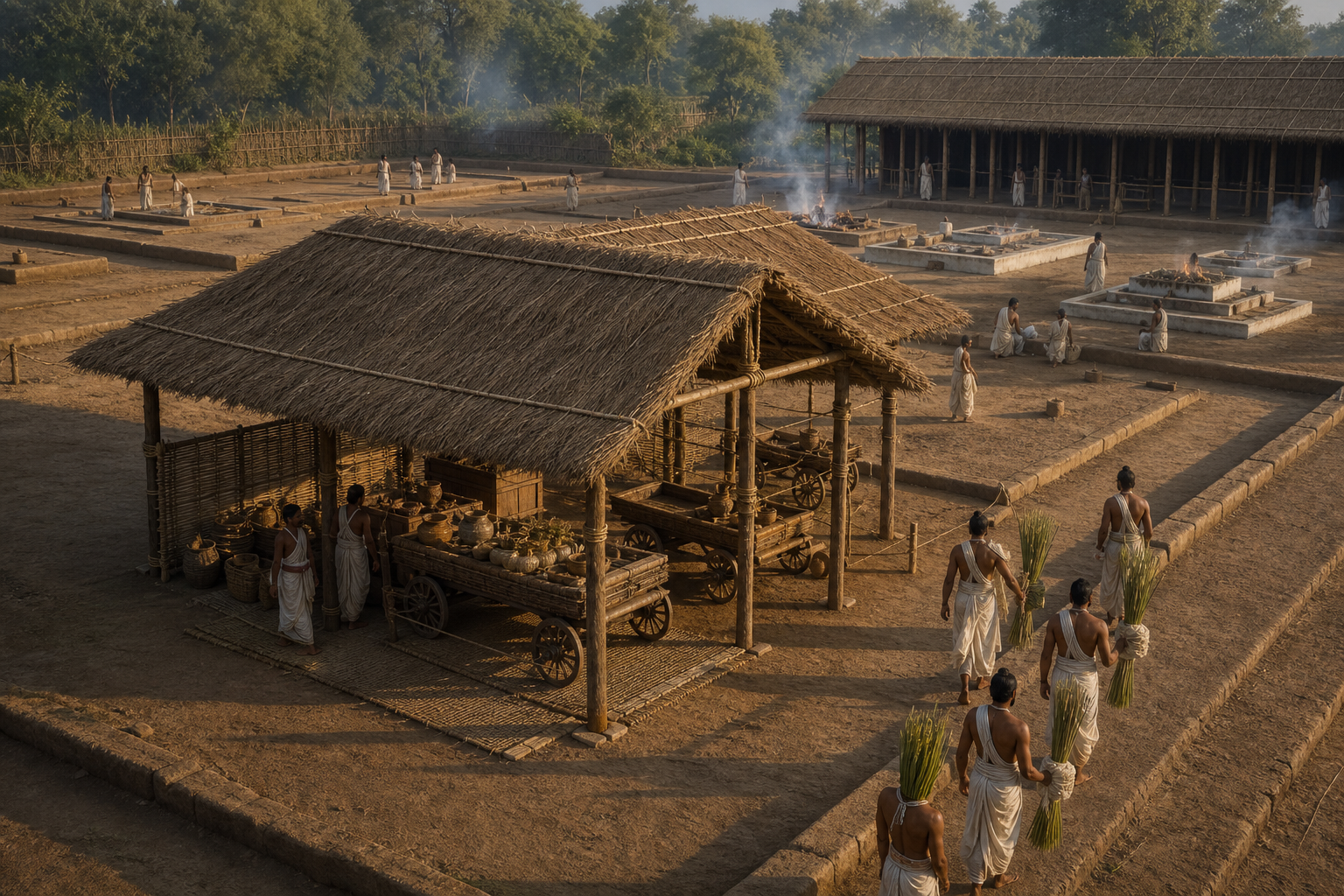
Kamyeshti (Kameshti) signifies desire-motivated Vedic rituals that align personal aims with dharma. Grounded in Hindu scriptures and Shrauta traditions, it is exemplified by the Putrakameshti in the Ramayana. Practitioners emphasize sattvic offerings, ethical intent, and the welfare of society, integrating ritual precision with responsibility. The sequence often includes sankalpa, mantras, and oblations into the Havan…
-
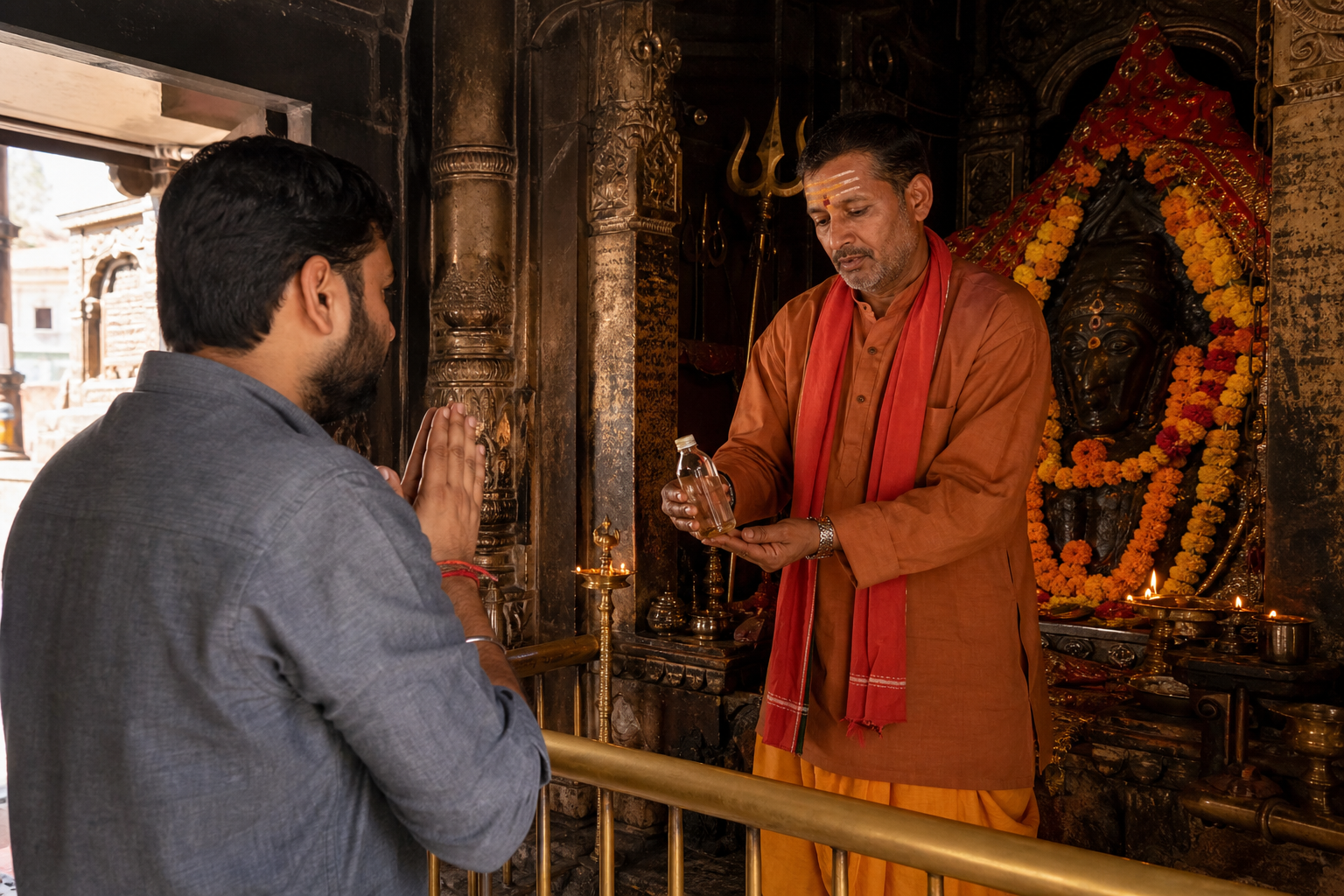
Pavitraropana Vrata: A Powerful Temple Ritual of Purification, Renewal, and Unity

Pavitraropana Vrata is a sacred Hindu ritual in which a sanctified pavitra (thread) is invested on the deity to purify, rectify, and renew temple worship. Grounded in Agamic practice and Purana references such as the Skanda Purana and Padma Purana, it serves as a formal prayaścitta for inadvertent ritual lapses. The ceremony typically includes mantra,…
-
Antaraya in Hinduism: Overcoming Yoga’s Inner Obstacles with Steady, Devoted Practice

Antaraya in Hinduism explains why even sincere Yoga practice sometimes loses momentum and clarity. Classical guidance identifies nine common obstacles and shows how they undermine abhyasa, pratyahara, and dhyana. Recognizing these patterns helps practitioners diagnose distractions early rather than mistaking them for failure. Practical remedies—steady abhyasa with vairagya, ethical discipline, breath awareness, and nairantarya abhyase—restore…
-
Conquering Death through Devotion: SB 10.87.27, Vedic Wisdom, and Dharmic Unity

SB 10.87.27 teaches that devotion to the Supreme, the shelter of all beings, confers fearlessness and purifies the heart, while scholarship without humility can bind the mind. The passage underscores a Vedic philosophy emphasis on realized wisdom over mere textual mastery. Its insight aligns with the Bhakti Tradition and resonates with Upanishadic teachings and the…
-
Simplicity Over Crookedness: Humility, Bhakti, and Lasting Grace in Jiva Goswami’s Teachings

This lecture at ISKCON Hudson NJ examines why simplicity, grounded in humility and sincerity, advances spiritual growth while crookedness hinders it. Referencing Jiva Goswami’s Bhakti Sandarbha, it explains how bhakti-abhasa—“a shadow of devotion”—still draws meaningful grace. The discussion highlights how transparent intention often matters more than complex ritualism. It shows that straightforward conduct nurtures inner…
-
Make Krishna-katha a Daily Joy: Practical Insights from Srimad Bhagavatam 10.1.8–13

This presentation on Srimad Bhagavatam 10.1.8–13 by H.H. Hanumat Presaka Swami demonstrates how Krishna-katha can become a daily joy even within busy, modern schedules. Grounded in the Bhagavad-gita, it shows how ordinary experiences—tasting water, seeing sunlight, or noticing strength and beauty—can serve as contemplative cues for remembrance. Emphasizing “tailor-made” practice, it endorses diverse, temperament-sensitive methods…
-
When Plans Backfire: A Dharmic Lesson on Karma, Intent, and Humility Across Traditions

This reflection explores the Hindu proverb, “The hunter set the snare, but it caught the wrong prey,” as a timeless lesson on karma, intention, and the unpredictability of outcomes. It explains how the Bhagavad Gita’s focus on right action over guaranteed results guides ethical decision-making under uncertainty. The discussion connects Hindu insights with Buddhism’s dependent…
-
Why Sanatana Dharma Endures: The Self-Correcting Wisdom Unifying Dharmic Traditions

Sanatana Dharma endures because it carries a built-in, self-corrective system that updates practice without losing core principles. Hinduism’s framework of shruti, smriti, ācāra, and yukti enables context-aware refinement guided by reason and community debate. Buddhism, Jainism, and Sikhism share this ethos through councils, Anekantavada, and collective deliberation, demonstrating a broader dharmic commitment to internal reform.…
-
Paush Purnima Explained: Profound Vishnu Worship, Sacred Rituals, and Life-Enriching Benefits

Paush Purnima, the full moon of the Paush month, is an auspicious day for Vishnu worship, snan, and dana, marking the onset of Magha Snan in many regions. Rituals such as Vishnu Sahasranama recitation, Satyanarayana Puja, and tulsi offerings are complemented by community charity, especially annadanam and sesame donations. Many practitioners report emotional lightness, clarity,…
-
Raising Fearless Children: Powerful Parenting Lessons from Dharmic Wisdom and Practice

Fearlessness in childhood is best understood as calm confidence rooted in dharmic values—ahimsa, satya, seva, and mindful presence. Evidence-informed parenting lessons show that secure attachment, steady routines, and growth-oriented language build resilience. Mindfulness and breathing exercises (pranayama, anapanasati, simran) help children regulate emotions during exams, performances, and social pressures. Storytelling from Ramayana, Jataka, Jain traditions,…
-
December 31, 2025 Panchang: Exact Tithi, Shubh Muhurat, Nakshatra & Rashi for Auspicious Planning

On Wednesday, December 31, 2025, the Panchang marks Shukla Paksha Ekadashi until 1:13 AM, followed by Shukla Paksha Dwadashi for the rest of the day. This precise transition helps devotees schedule puja, vrata observances, and parana with confidence. As Shubh Muhurat depends on Nakshatra, Chandra Rashi, weekday, and local sunrise, consulting a city-specific Panchang ensures…
-
Yudhishthira’s Half-Truth: Decoding a Heart-Rending Dharma Dilemma of the Mahabharata

Yudhishthira’s half-truth in the Mahabharata presents a timeless ethical dilemma: when personal virtue conflicts with public duty in the midst of war, how should leaders act? The episode, centered on Drona’s disarmament after the ambiguous proclamation “Aśvatthāmā hataḥ,” highlights dharma-sankata and the costs of hard choices. Rather than offering easy answers, it encourages a method…