
-
Surpanakha and Rama: A Heart‑Rending Clash of Cultures in the Ramayana’s Moral World

This analysis reframes Surpanakha’s meeting with Rama as a cross-cultural encounter shaped by contrasting ethical codes. It explores how direct desire, marital fidelity, and ascetic restraint collide in Panchavati and why the misreading escalates into conflict. Readers gain a nuanced view of Surpanakha’s agency without moral reductionism. The discussion highlights consent, proportionality, and empathy as…
-
Arjuna’s Battlefield Anxiety: A Timeless Guide to Dharma, Mental Resilience, and Action

The Bhagavad Gita’s opening presents Arjuna in acute distresstrembling, disoriented, and morally tornoffering a precise portrait of battlefield anxiety. Rather than pathologizing, the text frames his vishada as the starting point for ethical clarity and inner steadiness. Krishna’s counsel models a pragmatic sequence: reframing, values-based duty, equanimity, breath regulation, and focused attention. These principles map…
-
Katha Upanishad’s Naciketas and Yama: A Stirring Quest for Death’s Secret, Dharma, and Moksha

The Katha Upanishad frames Naciketas’s encounter with Yama as a disciplined quest for truth that unites ethics and insight. The three boons structure a complete path: reconciliation and dharma, Nachiketagni as ordered action, and the inquiry into death and the Self. Yama’s teaching clarifies śreya versus preya, the chariot allegory, Om as support, and the…
-
King Rantideva’s Final Offering: Compassion, Dharma, and Unity in SB 9.21.8–11
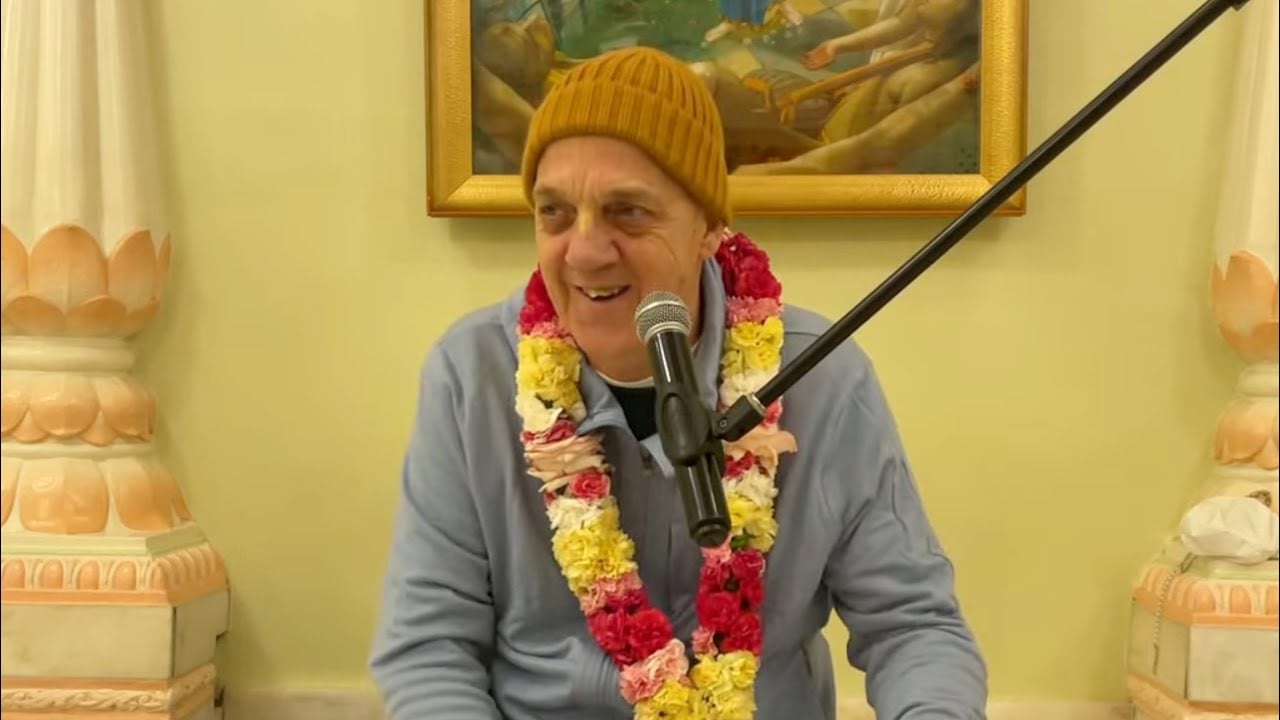
This session on SB 9.21.8–11, taught by HG Nrsimha Kavaca Prabhu, highlights King Rantideva’s extraordinary compassion and unwavering devotion under conditions of scarcity. The narrative shows how he honors every guestincluding animalswith full respect and service. It reframes hospitality as a rigorous spiritual discipline, not a social courtesy. The episode connects bhakti with dana, ahimsa,…
-
Simple Path, Demanding Practice: Transformative Insights on SB 12.13.13 at ISKCON Dwarka
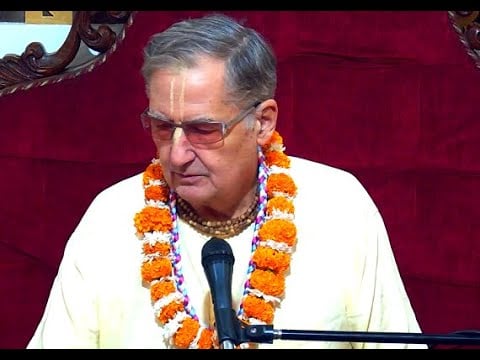
This reflection on SB 12.13.13 at ISKCON Dwarka clarifies a timeless principle: the spiritual path is simple, but consistent practice requires intention and community support. It explains why news and political debates often overshadow scriptural gatherings, and offers practical, compassionate ways to invite participation. Readers gain actionable stepsshort daily study, mindful chanting, and inclusive satsangato…
-
Transformative Humility: Srimad Bhagavatam 3.2.4 and the Grace Found in Rejection
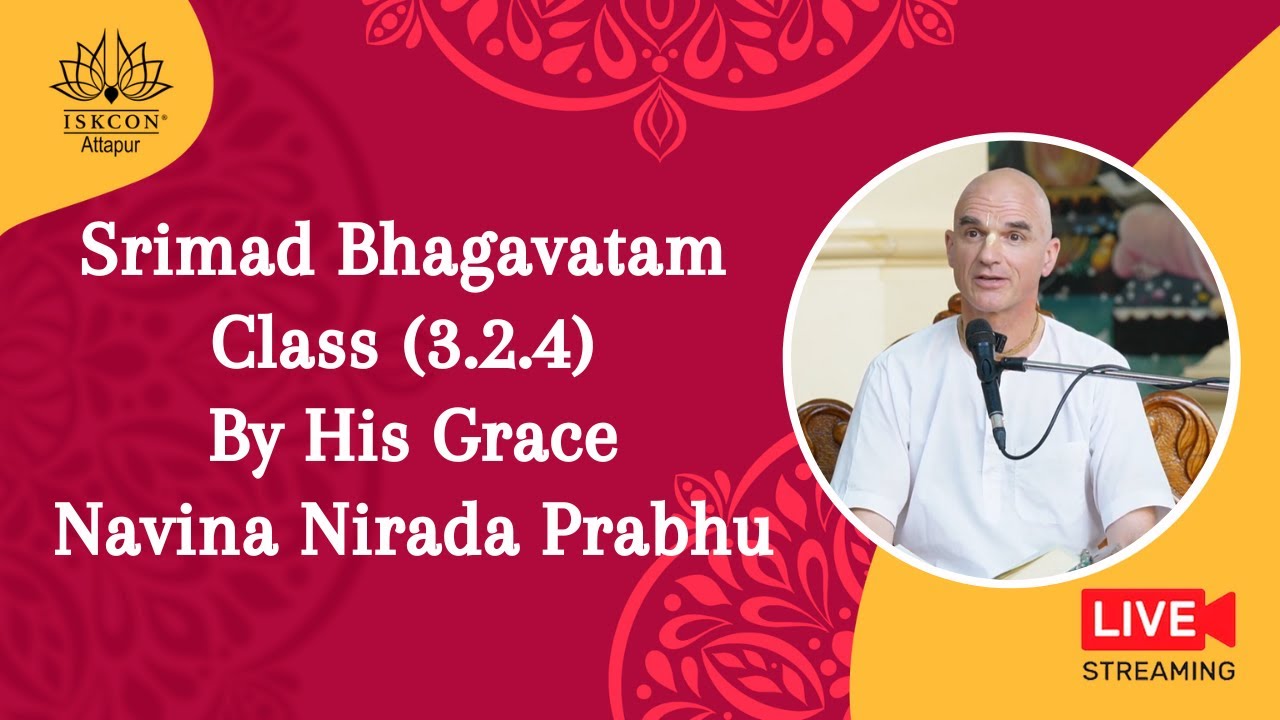
This reflection on Srimad Bhagavatam (3.2.4), shared by His Grace Navina Nirada Prabhu, reframes rejection as an instrument of grace in the Bhakti Tradition. It explains how disinterest from others punctures intellectual pride, especially when confidence rests on knowing a few shlokas. The analysis highlights humility, attentive listening, and seva as practical responses that transform…
-
Soul’s Prayer in the Womb: Transformative Insights on Jiva and the Five Elements (SB 3.31.14)
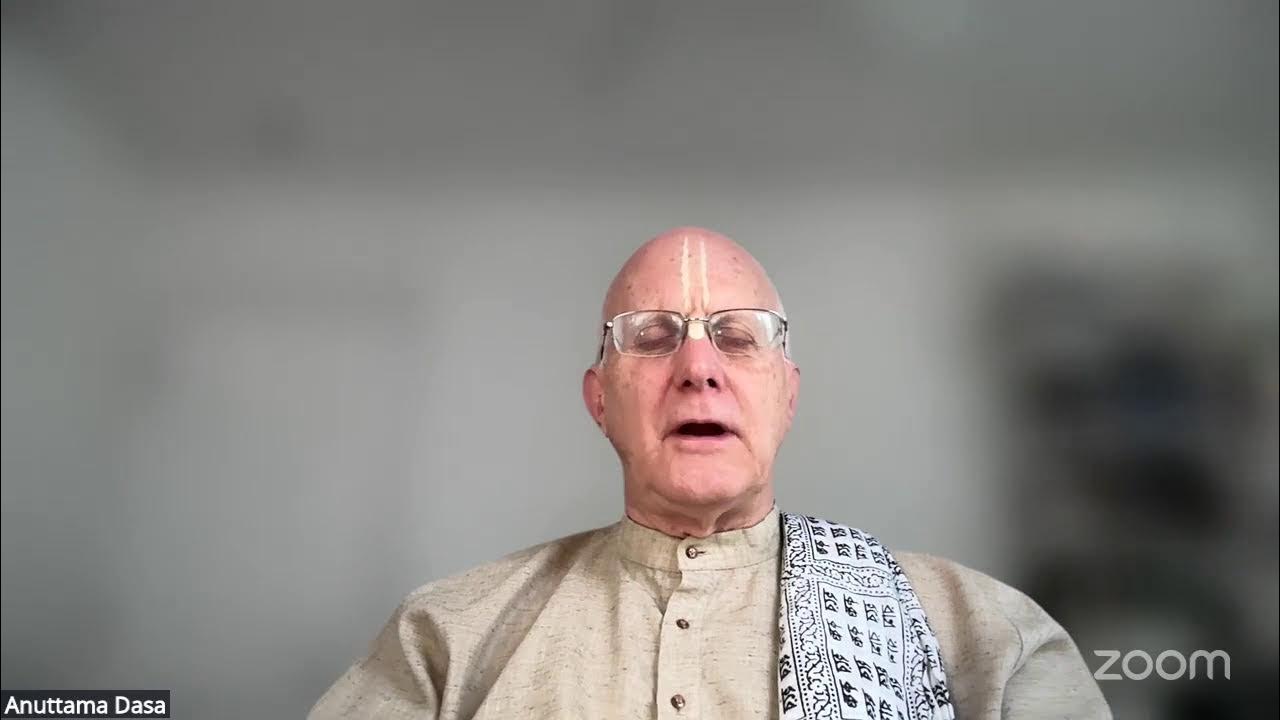
This post distills HG Anuttama Prabhu’s talk on Srimad Bhagavatam 3.31.14, where the soul in the womb prays to the Lord and recognizes separation while encased in a body of five elements. It clarifies how bhakti practice, supported by kirtan and scriptural reflection, can turn limitation into a catalyst for self-realization. The discussion uses a…
-
Bhishma and Drona Stood ReadyWhy Arjuna Faltered: Ego, Dharma, and the Inner War

Arjuna’s hesitation at Kurukshetra was not cowardice but a collision of compassion and duty, distorted by ego’s self-referential lens. The Bhagavad Gita reframes this confusion through Atman-centered understanding and Nishkama Karma, showing how to act without attachment to outcomes. Readers gain a practical framework: steady the mind, examine attachments, discern contextual dharma, and act with…
-
Padakrichra and Krichra Fasting: A Compassionate Path to Atonement in Hindu Dharma

Hindu dharma frames atonement as a twofold movement: paschatapa (repentance) and prayaschitta (expiation). Within this framework, krichra fastsespecially Padakrichraoffer a disciplined, stepwise regimen that turns remorse into responsible action. Rather than punitive, these vows are transformative, integrating measured fasting, reflection, and ethical commitments like truthfulness, non-injury, and charity. The practice is most meaningful when guided…
-
Eight Extraordinary Flowers of Bhava: Madhvacharya’s Devotion and Dharmic Harmony
The ‘Sumadhva Vijaya’, a foundational biographical work by Sri Narayana Panditacharya, portrays how Sripad Madhvacharya adorned Lord Narayana with eight ‘bhava pushpa’inner virtues offered as devotion. Centered in the fourteenth sarga, verse 37 reframes worship as an ethical-psychological discipline grounded in Vedic wisdom and Bhakti Tradition. The teaching emphasizes virtues such as ahimsa, kshama, satya,…
-
‘Get Up and Fight’: Krishna’s Counsel to Arjuna on Duty, Detachment, and Everyday Courage

Krishna’s directive to Arjuna“get up and fight”is a disciplined call to fulfill duty with compassion, detachment, and clarity. Framed within Dharma-Yuddha and Kshatra Dharma, it rejects aggression and centers ethical responsibility. Through Karma Yoga, one acts without attachment to results, supported by equanimity and reflective practice. The guidance adapts to everyday life: addressing injustice, sustaining…
-
Sacred Boundaries, Unshakeable Devotion: Sita–Lakshmana’s Bond in Eknath’s Bhavartha Ramayana

Sant Eknath’s Bhavartha Ramayana offers a lucid, ethical reading of the Sita–Lakshmana bond in the Aranya Kanda, where maryada and bhakti shape a relationship of reverence and restraint. The episode highlights Lakshmana’s dilemma between guarding Sita and seeking Rama, revealing devotion as principled action. The Lakshmana Rekha motif, prominent in devotional traditions, functions as a…
-
Lakshmana and Jambukumara: Unseen Karma, a Broken Vow, and the Ethics of Regret in Ramayana

This article explores a lesser-known Ramayana tradition about Jambukumaradescribed in some folk accounts as the son of Surpanakha and Vidyutjihvaand the inadvertent killing by Lakshmana, framed as the “karma of an unseen blade.” It examines how the motif of a “forgotten promise” enriches the ethics of dharma-yuddha, emphasizing restraint, accountability, and moral repair. Readers gain…
-
Six Grave Offenders in Vasistha Smriti: Timeless Dharma Principles to Protect Life and Justice

The Vasistha Smriti identifies six grave offendersṣaḍ-ātātāyinaḥwhose actions pose immediate threats to life, dignity, and community stability. Framed within the Dharmashastra tradition, these categories (poisoner, arsonist, lethal assailant, plunderer, land-grabber, and abductor/violator) articulate a calibrated ethic of protection rather than retribution. The underlying principlespreservation of life, deterrence of extreme harm, and responsibility of governanceparallel modern…
-
Why Rama Chose Humanity: Profound Wisdom Behind Ravana’s Boon, Suffering, and Dharma

This article explains why Lord Rama, an avatar of Vishnu, chose to be human in response to Ravana’s boon. It shows how Ravana’s selective invulnerability created a lawful path for dharma to prevail without violating cosmic commitments. By accepting human limitations and suffering, Rama modeled maryadaethical excellence under constraint. The narrative highlights the power of…
-
Srimad Bhagavatam 10.90.18: Mortal Wounds, Spiritual Resilience, and Dharma’s Healing Power
This reflection on Srimad Bhagavatam 10.90.18 clarifies the metaphor of a “mortal wound” and applies it to spiritual ethics and daily practice. It distinguishes minor setbacks from integrity-compromising harms that demand urgent repair. The analysis offers practical toolsatonement, meditation, seva, satsangto prevent moral injury from becoming entrenched. It highlights parallels across Hinduism, Buddhism, Jainism, and…
-
Srimad-Bhagavatam and Sankirtan: Transformative Peace, Love, and Liberation in Kali-yuga
A discourse at ISKCON Kanpur by HH Guru Prasad Swami illuminates a core teaching of the Srimad-Bhagavatam: in Kali-yuga, nama-sankirtanchanting the holy name of Krishnaoffers a direct path to peace, liberation, and pure love. The devotee’s focus shifts from escaping hardship to embracing seva, transforming daily life into sacred service. This practice is simple yet…
-
Sat-sanga Reflections (08.11.2025): Remembering Vamsi, Gita Review, and the Joy of Prema-bhakti
This sat-sanga (08.11.2025) with HH Krishna Kshetra Swami concluded a systematic review of the Bhagavad Gita and turned to an illuminating exploration of prema-bhakti. Drawing on Srimad-Bhagavatam, the session explained how mature devotion may express itself as tears, laughter, singing, dancing, and reverent līlā, arising naturally from deep absorption. Remembering the vamsi (Sri Krishna’s flute)…
-
Parashara Gita Chapter One: Timeless Lessons on Dharma, Karma, and Courageous Virtue

The opening chapter of the Parāśara Gītā sets a clear foundation for ethical living rooted in dharma, karma, and virtue. It defines dharma as harmony with enduring values while remaining sensitive to context. Karma is framed as ethical causality, urging pure intention and compassionate action. Virtue is practicalsteady cultivation of sattva through truthfulness, restraint, and…
-
Abhimanyu’s Final Stand: Why His Death in the Mahabharata Became an Unyielding Victory
Abhimanyu’s stand on the thirteenth day of the Kurukshetra War illustrates how a life can be “killed but not defeated” when Dharma is upheld. This analysis explains why his death represents an ethical victory that transcends the battlefield. It clarifies the tactical context of the Chakravyuha and the violation of Dharma-Yuddha that led to his…