
-
Partha and Pārthiva Revealed: Profound Symbolism of the Mortal Seeker in Gita Chapter 1

Bhagavad Gita 1.25 uses “Pārtha” to frame Arjuna not merely as a warrior but as a mortal seeker grounded in lineage, responsibility, and dharma. The cognate “pārthiva”earthly, princelydeepens this symbolism, suggesting rulership over the self as the heart of ethical action. Krishna’s selective use of names functions as pedagogy, stabilizing Arjuna amid Kurukshetra’s tumult and…
-
Maharatha vs Atiratha: Timeless Warrior Ranks, Epic Valor, and Kshatra Dharma

This article clarifies the difference between Maharatha and Atiratha as presented in the Hindu epics, showing how these warrior ranks function as ethical and strategic categories rather than poetic embellishments. It explains Maharatha as disciplined excellence and Atiratha as transformative, dharma-aligned leadership on the battlefield. Readers gain a clear, historically grounded understanding rooted in the…
-
Compassion Over Ritual: Transformative Caitanya Bhagavata Insights on jive-daya and Bhakti
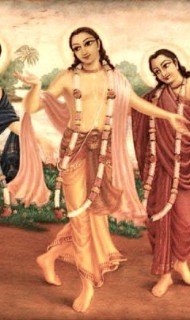
This reflection on Caitanya Bhagavata highlights a central bhakti insight: worship of Lord Visnu is authentic only when paired with jive-daya, or compassion for all beings. Envy or harm toward othersespecially toward a Vaisnava serving Lord Hariundercuts spiritual progress. Rather than condemn, the text guides practitioners to restore empathy, humility, and responsibility. These teachings resonate…
-
Shukratal’s Akshaya Vat: Where Srimad-Bhagavatam Resounded and Dharma Unites Pilgrims
Shukratal in Muzaffarnagar, Uttar Pradesh, is a revered tirtha-yatra destination associated with Srila Sukadeva Goswami’s seven-day recitation of the Srimad-Bhagavatam to Maharaja Pariksit under the Akshaya Vat Vriksha. Its Sri Sukadeva Temple and expansive banyan canopy offer a contemplative atmosphere ideal for listening, reflection, and quiet meditation. The site’s ethos of attentive hearing and ethical…
-
Bhagavad Gita Chapter 1: Duryodhana’s Restlessness, Dharma, and the Pursuit of Inner Peace

Bhagavad Gita Chapter 1 frames the Kurukshetra War as a field of dharma, revealing how inner states drive outer actions. Duryodhana’s poised yet anxious speech to Droṇa exposes a mind divided by adharma, offering a timeless psychological reading of leadership under pressure. The scene contrasts defensive agitation with Arjuna’s reflective sorrow, clarifying two paths that…
-
Hrishikesha: Why Sri Krishna Is the Lord of the Senses and Guide to Inner Harmony

“Hrishikesha” reveals Bhagavan Sri Krishna as the Lord of the Sensesan insight central to Yoga, bhakti, and ethical action in the Bhagavad Gita. The Mahabharata deploys this epithet at decisive moments, highlighting composure, clarity, and mastery in the midst of conflict. Etymology and Upanishadic symbolismespecially the charioteer allegoryclarify how sense-discipline fosters inner harmony. This principle…
-
Hari Sauri Prabhu at ISKCON Vrindavan: Gopīs Reveal Kṛṣṇa’s DivinityLove and Paradox
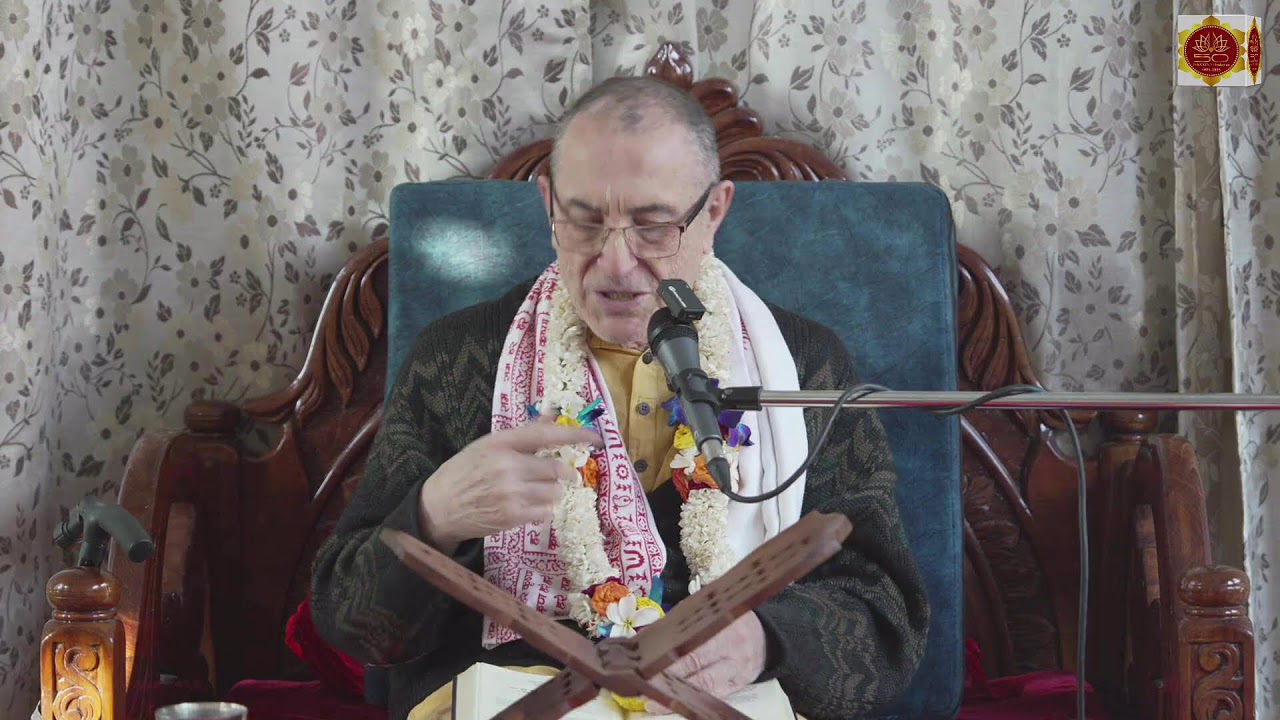
Presented in ISKCON Vrindavan on 08.11.2025, this Śrīmad-Bhāgavatam reflection explores Śrīla Viśvanātha Cakravartī’s portrayal of the gopīs recognizing Kṛṣṇa’s divinity. The dialogue“if this is true, I must be God”reveals how divine love discloses theological truth through rasa and līlā. Readers gain a clear, academic perspective on Gaudiya Vaiṣṇava hermeneutics while connecting with relatable experiences of…
-
Chanting Ramcharitmanas Chaupais: A Time-Tested Path to Peace, Protection, and Resilience

This article examines the traditional view that chanting Ramcharitmanas chaupais supports peace, protection, and resilience during adversity. It outlines why rhythmic, meaningful repetition (japa) steadies attention and breath, helping reduce anxiety and improve focus. Practical guidance highlights intention-setting, steady pacing, and reflective engagement with verses, including those in Sundara Kanda. Devotee accounts frequently describe improved…
-
18 Miraculous Rescues: How Lord Vishnu Shielded Prahlada from Hiranyakashipu’s Fury

This post explores the Vishnu Purana’s poignant account of Prahlada’s bhakti and Lord Vishnu’s protection against Hiranyakashipu’s eighteen attempts to kill his son. It clarifies the role of sorcery (Kritya), the teachers’ reported death and revival through prayer, and the culminating appearance of Lord Narasimha from the palace pillar. Readers gain clear, readable context for…
-
Vishnu Purana Stories: Timeless Tales of Devotion, Dharma, and Unity in Diversity

The Vishnu Puranaone of the Eighteen Mahapuranaspresents timeless stories of Lord Vishnu, his avatāras, and exemplary devotees such as Nārada, Prahlāda, Tumburu, and Dhruva. These narratives model steadfast devotion, courage, and disciplined practice while offering practical ethical guidance for daily life. Read within the broader Hindu ethos, the text honors multiple valid paths to the…
-
रामचरितमानस की चौपाइयों का जप: बड़े संकटों से मुक्ति और आत्मबल के सशक्त उपाय

Across the Bhakti tradition, it is widely held that chanting selected Ramcharitmanas चौपाइयाँ strengthens inner stability and helps navigate major crises. The method is simple, disciplined, and compatible with evidence-informed insights on mantra meditation and attention training. By aligning breath, sound, and intention, japa encourages calm affect, moral clarity, and courage for ethical action. Families…
-
18 Miracles of Protection: How Vishnu Saved Prahlada from Hiranyakashipu in the Vishnu Purana

This retelling of Prahlada’s ordeal in the Vishnu Purana explains how Lord Vishnu protected a steadfast devotee through eighteen failed attempts by Hiranyakashipu, culminating in the Narasimha avatar’s righteous intervention. Readers gain a clear, accessible summary of the episode’s structure and ethical implications for dharma and bhakti. The narrative is positioned within a broader dharmic…
-
Dashavatara Moorthy: Unveiling Lord Vishnu’s Ten Incarnations and Their Living Wisdom
Dashavatara Moorthy, the epithet for Lord Vishnu’s ten incarnations, conveys how the preserver intervenes to restore dharma whenever disorder rises. The tradition holds that nine avatars have appeared, with Kalki yet to come. Lists vary across regions and textssome include Buddha, others Balaramareflecting the breadth of Hindu belief while preserving a shared ethical core. The…
-
Timeless Wisdom of Vishnu Purana: Avatars, Devotees, and Dharma for Modern Life

The Vishnu Puranaone of the Eighteen Mahapuranaspresents Lord Vishnu’s sustaining role while illuminating dharma, devotion, and ethical living. Its compelling narratives of Narada, Prahalada, Dhruva, and Thumburu demonstrate how courage, focused practice, compassionate speech, and sacred artistry shape character. Organized into six sections and rooted in the Puranic tradition, the text integrates theology with practical…
-
Gobhila Rishi’s Enduring Legacy: Sama Veda Ritual Wisdom in Grihya Sutras and Smritis
Gobhila Rishi’s contributions to Vedic literatureespecially the Gobhila Grihya Sutra and Gobhila Smritioffer a clear, textually grounded guide to Hindu domestic rites within the Sama Veda tradition. His works detail samskaras that sanctify life’s milestones while nurturing ethical steadiness and communal harmony. The remembered but lost Gobhiliya Shraddhakalpa highlights his focus on śrāddha and intergenerational…
-
Gitartha Sangraha: Yamunacharya’s 32-Verse Masterpiece for Gita Clarity and Self-Realization
Gitartha Sangraha distills the Bhagavad Gita into 32 precise Sanskrit verses, offering a clear, memorable pathway through karma-yoga, jñāna-yoga, and bhakti-yoga. Composed by Yamunacharya (Alavandar), it anticipates the Vishishtadvaita contours later systematized by Ramanujacharya. The text bridges rigorous study and practical sādhanā, aiding memorization, reflection, and ethical decision-making. Its succinct form supports learners, scholars, and…
-
Veda Vyasa: Supreme Literary Architect Who Forged India’s Spiritual Imagination

Veda Vyasarevered as Krishna Dvaipayana Vyasaemerges as the supreme literary architect of Hindu Civilization, shaping millennia of spiritual thought and cultural life. Tradition credits him with organizing the Vedas and redacting the Mahabharata, including the Bhagavad Gita’s enduring philosophy of action, devotion, and knowledge. His Sanskrit narratives and Vedic literature form a living heritage that…
-
The Transformative Power of Divine Names: Vedas, Upanishads, and Epics for Inner Renewal

This reflection examines the power of divine names as preserved in the Vedas, Upanishads, Ramayana, and Mahabharata, highlighting how sacred sound directs the mind toward dharma. It presents chanting, mantra, and japa as disciplined practices that transform remorse into responsible action. The analysis emphasizes unity across Hinduism, Buddhism, Jainism, and Sikhism, where sacred namessuch as…
-
Why Margashirsha Maas Matters: Bhagavad Gita’s Revered Month and Living Traditions

Margashirsha Maas (Margashira masam/Margazhi) is revered as the ninth and especially auspicious month of the traditional Hindu lunar calendar. Scripture and tradition converge here: the Bhagavad Gita proclaims māsānām mārgasīrṣo ’ham (10.35), while devotional remembrance celebrates ‘Maasonam Margashirshoham’. Observances during this period emphasize vratas, pujas, Gita recitation around Gita Jayanti, and quiet pre-dawn practices that…
-
Gheranda Samhita: Timeless Hatha Yoga Wisdom for Purification, Power, and Inner Calm

The Gheranda Samhita is a foundational Sanskrit scripture of Hatha Yoga that presents a precise seven-limbed path for inner steadiness. It emphasizes purification, postural stability, energetic refinement, breath regulation, meditation, and contemplative absorption. Readers benefit from a systematic roadmap that is both historically rooted and immediately applicable to modern Yoga practice. Clear explanations of śatkarma,…