-
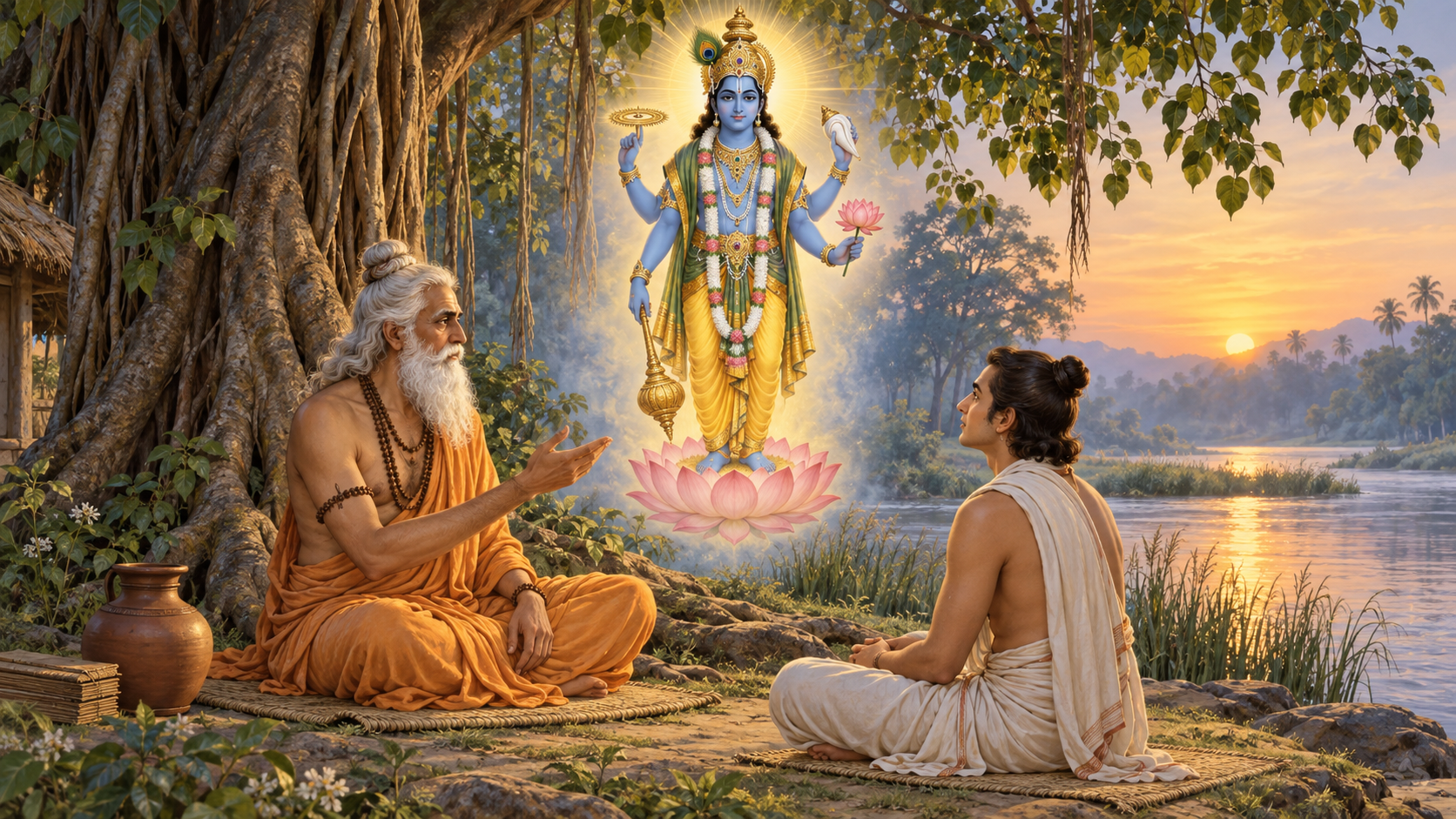
Live Richly, Beyond Wealth: A Timeless Upanishadic Blueprint for Inner Abundance

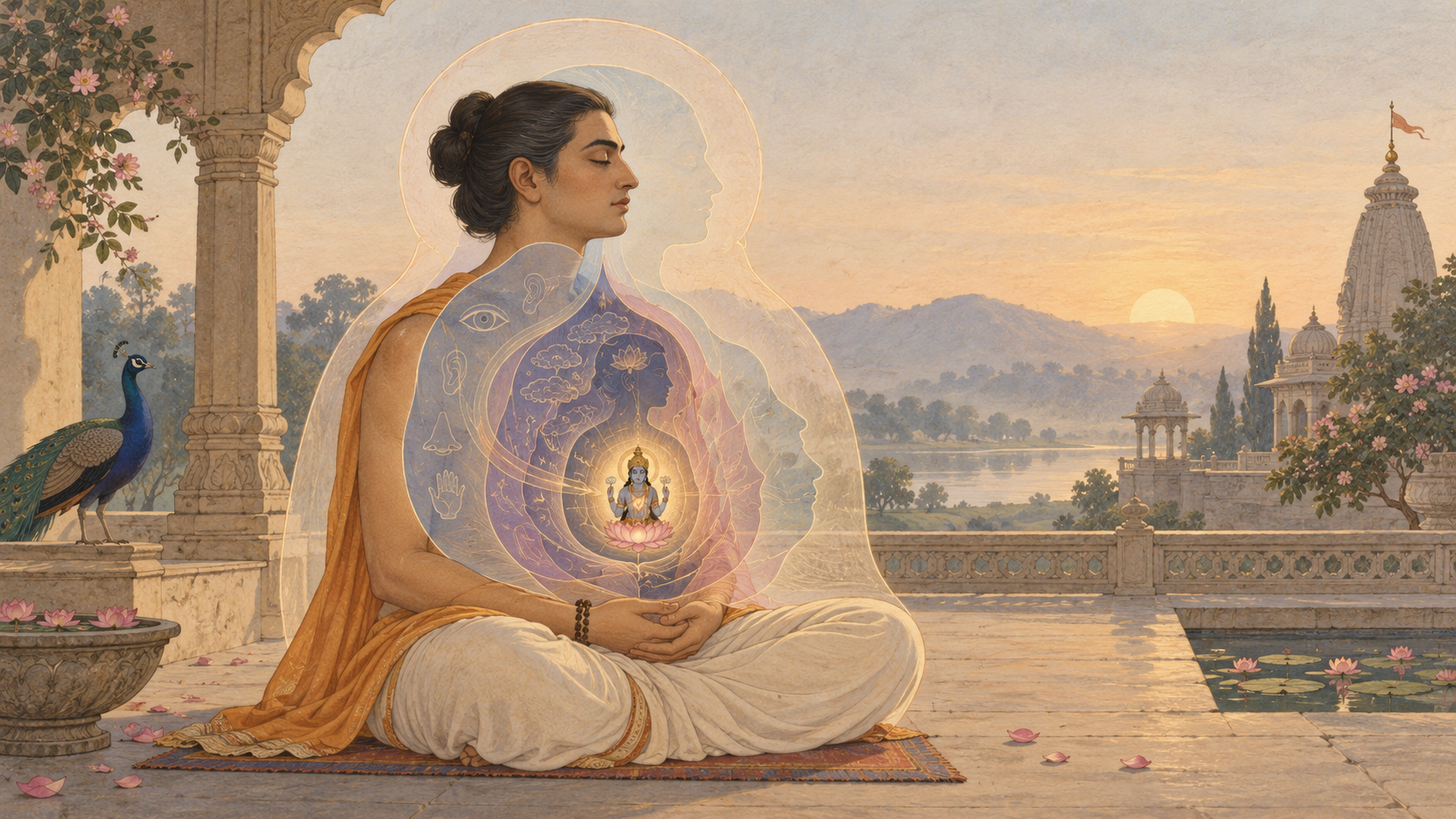
This article reframes “live richly” through the Upanishads as a disciplined path to inner abundance rather than material accumulation. It explains Brahman and Ātman, unpacks the mahāvākyas, and clarifies methods like neti neti and the practice triad of śravaṇa–manana–nididhyāsana. Readers gain a practical seven-day template for integrating meditation, ethical action, and service. The piece shows…
-
Awe-Inspiring Pushpaka Vimana: Self-Restoring Design, Vedic Engineering, and Ramayana Legacy

Pushpaka Vimana, the famed aerial craft of the Ramayana, is widely remembered for adaptive flight, moral stewardship, and a compelling motif of self-restoration. Read as an engineering imagination, its traits anticipate modular design, redundancy, autonomous control, and lifecycle repair. Read as sacred symbolism, its self-reassembling power affirms dharma’s resilience and responsible governance. Cross-dharmic echoes in…
-
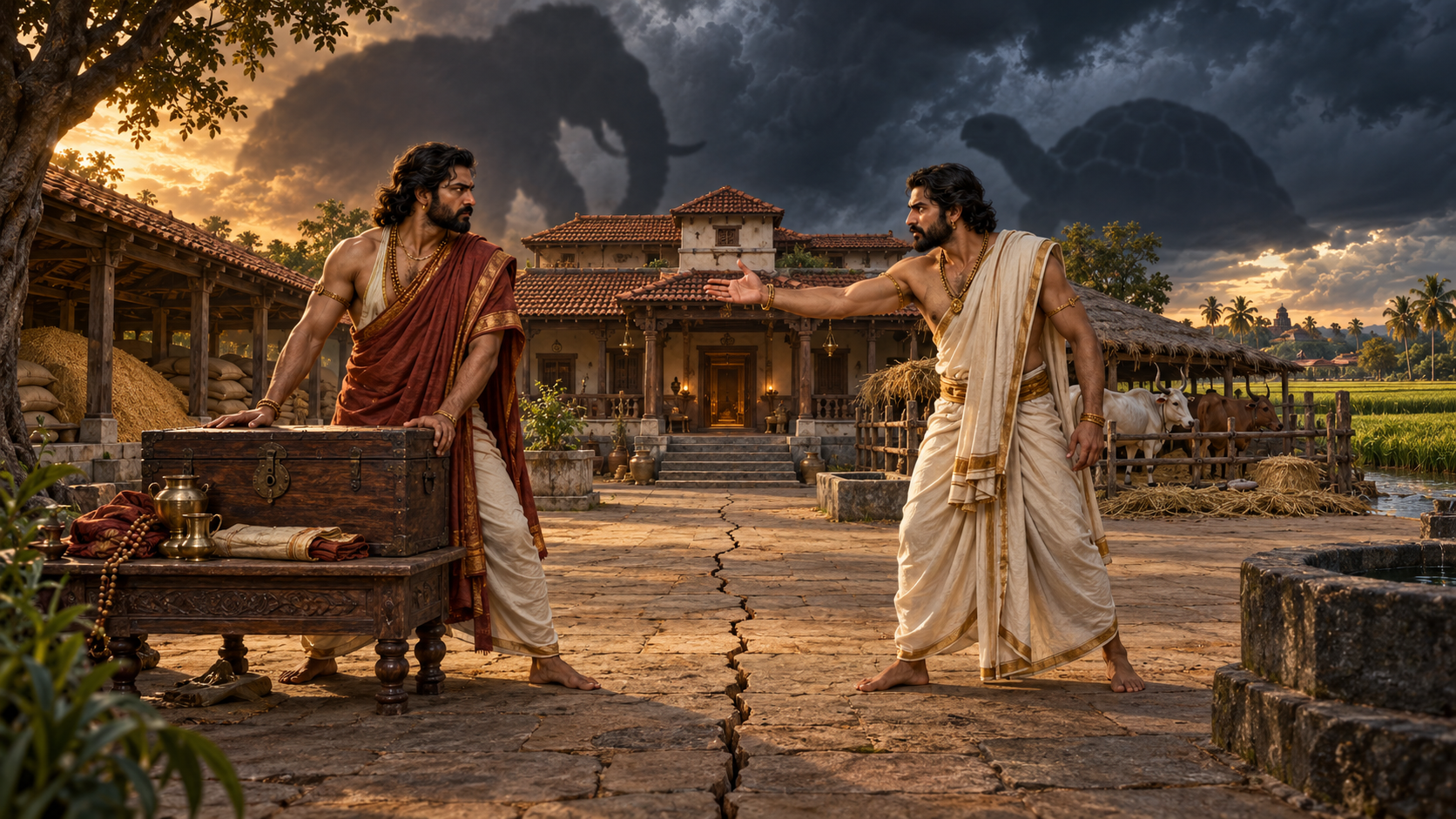
Unraveling Mayasura, the Demon Architect: Epic Engineering, Sacred Geometry, and Maya Sabha’s Legacy

Mayasura—Maya Dānava in the epics—emerges as a master engineer whose works combine optics, hydrology, geometry, and ethics. The Mahabharata’s Khandava-daha and Maya Sabha episodes showcase advanced architectural thinking framed by Dharma: perception can be trained or misled, and design must answer to conscience. Purāṇic narratives such as Tripura reaffirm this ethic by sparing the architect…
-
Sura Linga Revealed: Celestial Shivalingas of the Devas, Cosmic Order, Ritual Science, Protection

Sura Lingas—Shivalingas believed to be installed by Devas—embody a sophisticated synthesis of metaphysics, temple architecture, and ritual science in Hinduism. This long-form guide explains how Sura Lingas anchor cosmic order (ṛta) and provide a protective axis for communities, drawing on Puranic, Agamic, and śilpa-śāstra perspectives. Readers gain clarity on consecration (prāṇa-pratiṣṭhā), canonical Linga morphology, vastu-aligned…
-
Dhruva’s Homecoming in Srimad Bhagavatham 4.9 (18–26): Transformative Grace and Dharma

This in-depth, verse-focused reading of Srimad Bhagavatham 4.9 (18–26) examines Dhruva Maharaja’s homecoming as a masterclass in devotion, ethical leadership, and reconciliation. It situates the passage within the broader Dhruva narrative, highlighting how grace, disciplined practice, and guru-guidance transform reactive motives into service. Readers gain clear, actionable insights on integrating bhakti with rāja-dharma, healing family…
-
Krishna and the Six Sons of Devaki: A Compassionate Jain Harivamsa vs Hindu Puranas

This long-form, comparative study examines how Hindu scriptures (Bhagavata Purana, Vishnu Purana) and the Jain Harivamsa Purana narrate the episode of Devaki’s six sons and Kamsa’s violence. It clarifies the difference between the Hindu Harivamsha and the Jain Harivamsa Purana, then maps their contrasting theological aims: divine descent and restoration of dharma versus karmic causality…
-
Sacred Science of Nidra: Yogic Sleep in Vedas, Upanishads, and Ayurveda for Whole-Person Wellbeing

Nidra, or sleep, occupies a sacred and carefully defined role in yoga and Hindu scriptures: it stabilizes the nervous system, ripens sattva, and supports deeper meditation. The Upanishads interpret deep sleep as a vital experiential key to understanding consciousness, while Patanjali frames nidra as a distinct mental modification that can inform contemplative practice. The Bhagavad…
-
Indrajit’s Final Penance: A Riveting Study of Dharma, Filial Loyalty, and Redemption in Ramayana

This long-form analysis explores Indrajit (Meghanada) as one of the Ramayana’s most complex figures—an invincible warrior confronting a profound dharmic dilemma between filial loyalty and moral law. Anchored in the Valmiki Ramayana and enriched by regional traditions such as the Krittivasi Ramayana, it explains how the Nikumbhila sanctuary—often associated with Kali—frames his final yuddha-yajna as…
-
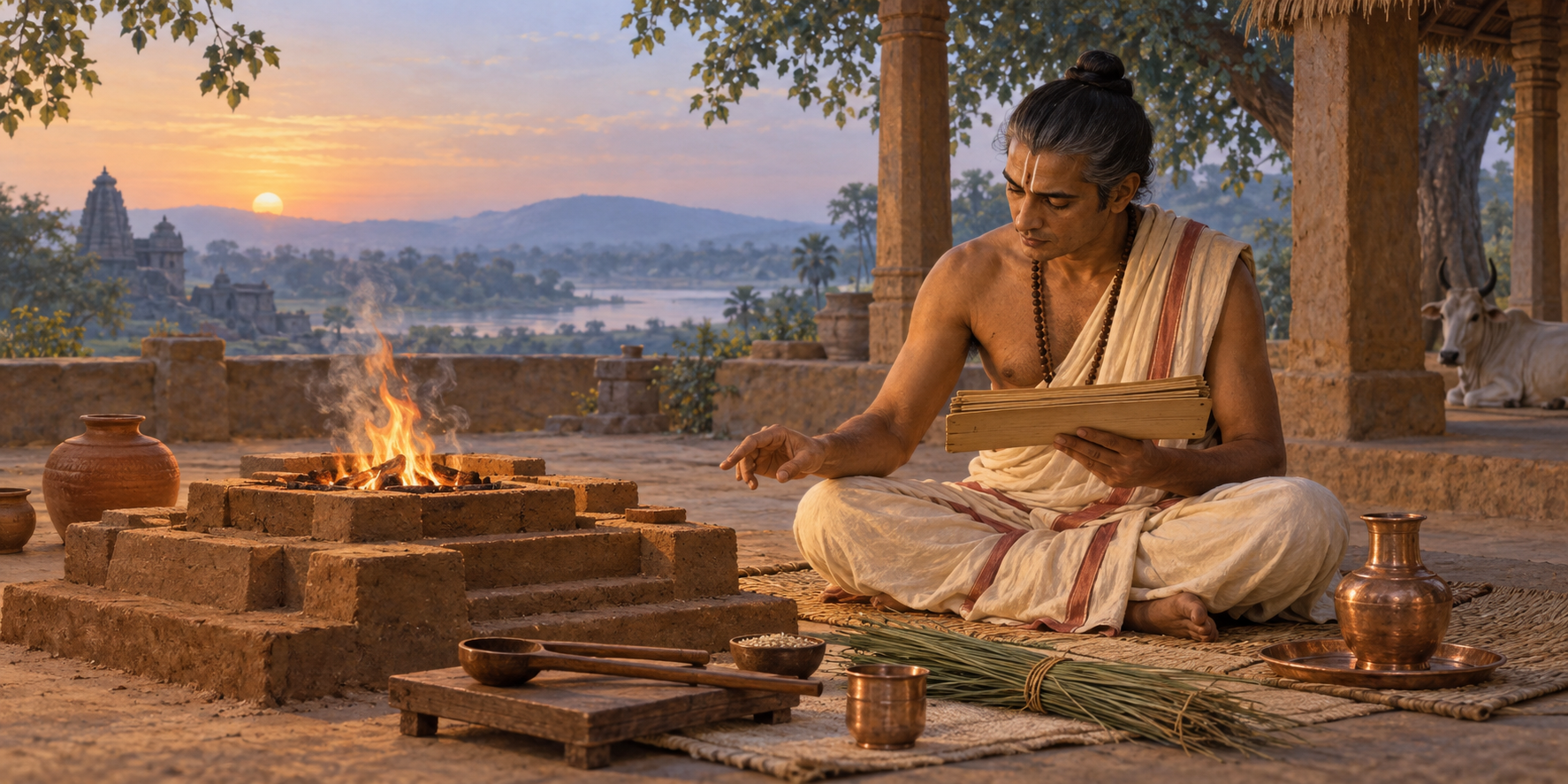
Dashashanti: Ten Timeless Vedic Shanti Mantras for Protection, Harmony, and Inner Calm

Dashashanti designates a cycle of ten Vedic Śānti Mantras recited to sanctify study, rituals, and community life. Drawn from the Rigveda, Yajurveda, and early Upanishads, these hymns seek protection, clarity, and universal welfare. The cycle typically includes Bhadraṁ karṇebhiḥ, Śaṁ no mitraḥ, Saha nāvavatu, Pūrṇam adaḥ, Asato mā, Āpyāyantu mamāṅgāni, Āpyāyasva sametu te, Svasti na…
-
Shantadevi of the Ramayana: The Overlooked Princess Who Shaped Sri Rama’s Destiny

Shantadevi (Śāntā) is a pivotal yet overlooked figure in the Ramayana, remembered in many traditions as King Daśaratha’s daughter and the bride of Ṛṣyaśṛṅga. Her marriage anchors the ritual sequence that culminates in the Putrakameshti Yajna and the births of Sri Rama and his brothers. This article clarifies textual variations between Valmiki’s Bala Kanda and…
-
Ramayana’s Unfinished Truth: Why Rama and Sita Don’t Get a Fairy-Tale Ending (and Dharma’s Lesson)

Ramayana is not a fairy tale about bliss after victory; it is a rigorous meditation on dharma under the pressures of love, power, and public trust. The narrative after Ravana’s defeat intensifies into a study of rajadharma, where Rama’s personal anguish and public duty collide. Sita’s trials—Agni Pariksha, exile, and her return to Mother Earth—expose…
-
Adi Granth as an Ecumenical Beacon: Guru Granth Sahib’s Universal Wisdom for Dharmic Harmony

This essay presents the Adi Granth, enshrined today as the Guru Granth Sahib, as a uniquely oecumenical scripture whose language, music, and ethics resonate across Hindu, Buddhist, Jain, and Sikh traditions. It traces the canon’s historical formation, its multivocal authorship, and its raga-based architecture to explain why the text travels so well across communities. Theological…
-
Tripura Tandava of Shiva: Decoding the Sixteen-Armed Dance of Cosmic Dissolution

Tripura Tandava, often aligned with Shiva’s role as Tripurāntaka, encapsulates the precise instant of cosmic dissolution where triadic structures resolve into pure awareness. Grounded in the pañcakṛtya framework, it brings together saṁhāra (dissolution) and tirodhāna (concealment) to culminate in laya (absorption). The post examines Purāṇic narratives, āgamic iconography—including the striking sixteen-armed convention—and the dance grammar…
-
Srimad Bhagavatam 3.25.43: Kapila’s Transformative Bhakti‑Sankhya, Sādhu‑Saṅga, and Dharmic Unity

Śrīmad-Bhāgavatam 3.25.43 crowns Kapila’s theistic bhakti‑sāṅkhya, showing how analysis attains completion only when joined to devotion. This academic yet accessible exploration, based on a Mayapur TV – English discourse by H.H. Bhakti Arjava Priti Vardhan Swami Maharaj, explains why sādhu‑saṅga, śravaṇa, and sevā reliably reconfigure consciousness. It clarifies how Bhāgavatam treats bhakti as a rigorous…
-
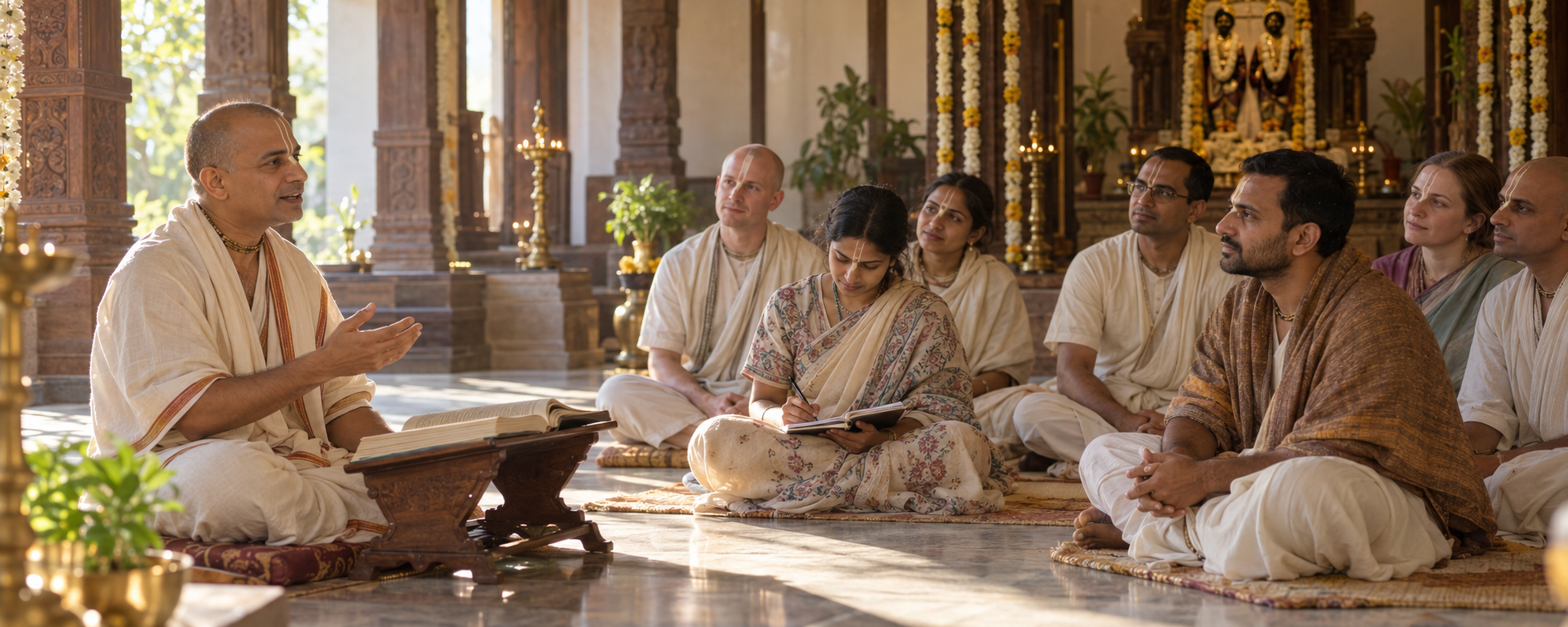
Purpose of the Vedas: Why Vaishnavas Champion Bhakti over Jnana, Karma, and Yoga

This in-depth exploration clarifies the purpose of the Vedas, tracing their layered structure from ritual to contemplative wisdom and showing how Vedānta articulates their culmination. It explains why Vaishnava traditions foreground Bhakti: not as sentiment, but as an integrative discipline endorsed by the Bhagavad Gita and Śrīmad-Bhāgavatam. It maps Bhakti’s relationship to Jñāna, Karma, and…
-
Unmasking Putana and Jara: Demoness-Mother Archetypes, Tyranny’s Birth, and Dharma

Tyranny in Puranic and Itihasic literature emerges through distorted or restorative caregiving. This study compares two maternal archetypes: Putana, who weaponizes nurture under Kamsa’s regime in the Bhagavata Purana, and Jara, who joins the halves of the future Magadhan king Jarasandha in traditions linked to the Mahabharata. The contrast illuminates how intention and method shape…