-
Khandana Khanda Khadya: Shriharsha’s Razor and a Masterclass in Defending Advaita Vedanta

Khandana Khanda Khadya stands as a luminous 12th-century masterpiece of Advaita Vedanta, using elegant refutation to unsettle rigid categories and clear a contemplative path to nondual insight. Shriharsha’s method exposes circularities in definitions and limits in pramana theory, challenging naive realism while honoring the self-luminous nature of consciousness. The analysis reveals deep resonances with Buddhist…
-
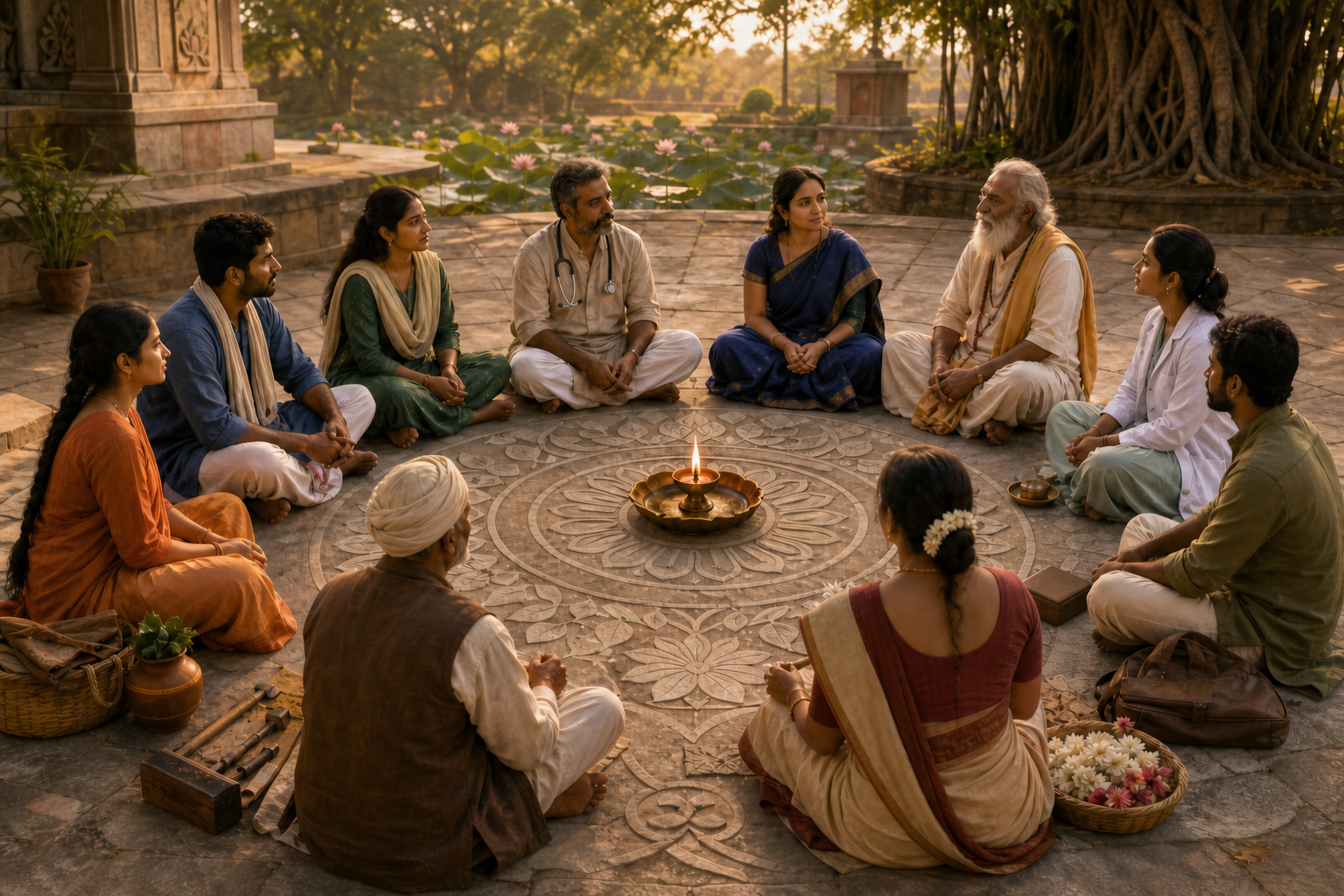
Vedanta’s Call to Inquiry: A Rigorous, Transformative Journey through the Upanishads to Self

This essay presents Vedanta as a disciplined path of inquiry grounded in the Upanishads and guided by rigorous methods of knowledge. It explains pramana, and the classical triad of shravana–manana–nididhyasana, showing how contemplative assimilation transforms insight into lived clarity. It outlines practical qualifications (sadhana-chatushtaya) and core analyses such as pancha-kosha viveka, drg-drshya viveka, and avastha-traya…
-
Moksha Without Martyrdom: Why Hinduism Teaches Liberation Through Knowledge, Not Pain

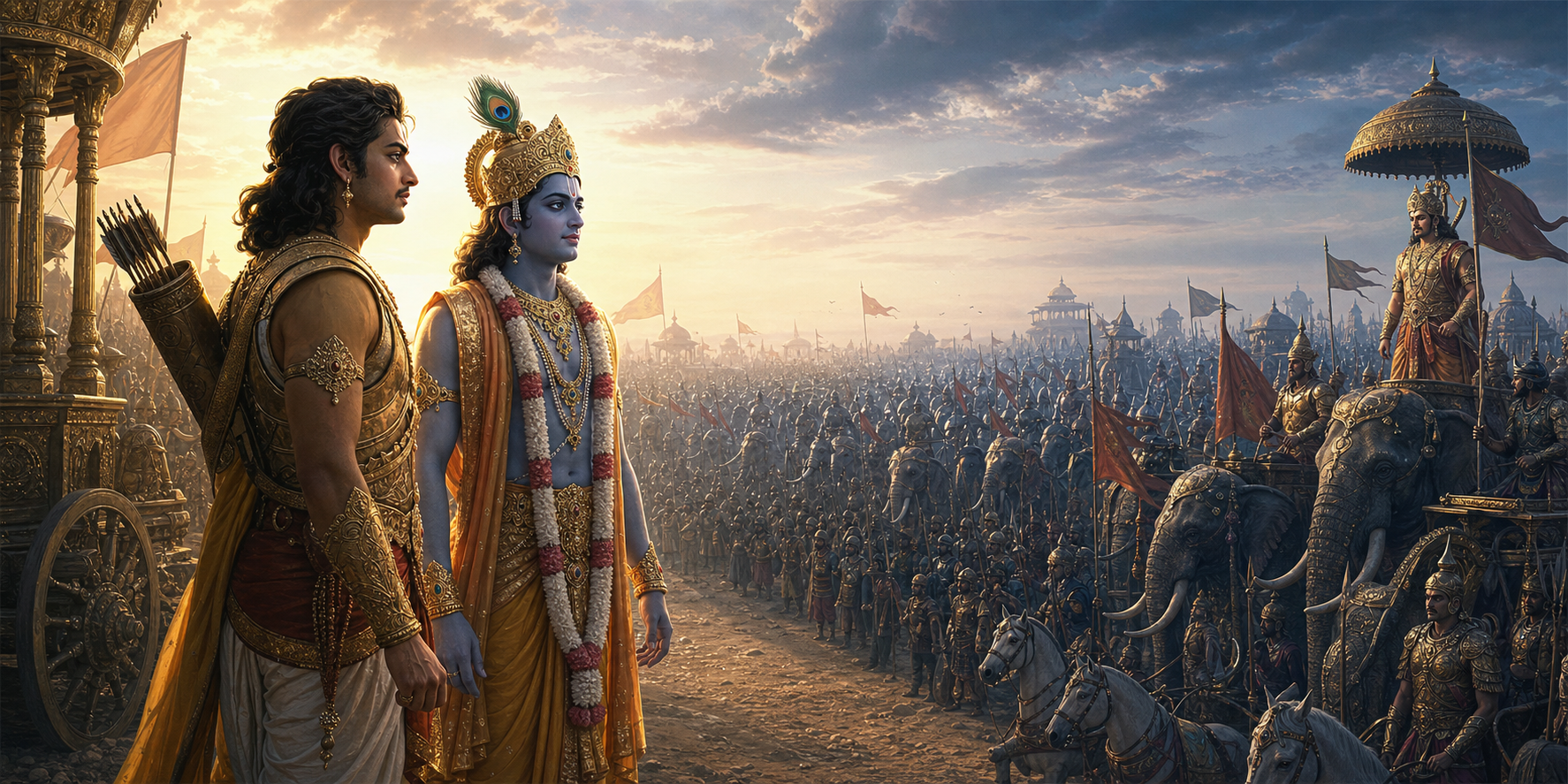
The notion that God desires human suffering for spiritual realization conflicts with Hindu philosophy. Across the Upanishads, the Bhagavad Gita, and Vedanta, moksha arises through knowledge, devotion, selfless action, and meditation—not by glorifying pain. The Gita even censures self-mortification, framing tapas as disciplined refinement rather than injury. Hindu ethics centers ahimsa, while jnana, bhakti, karma…
-
Unmasking Myths: How Truly Enlightened Beings Live, Eat, and Speak Among Us

This essay dismantles the popular myth that enlightened beings must look or act extraordinary, showing instead how Dharmic traditions depict realization as profound normalcy. Drawing on Hindu philosophy, Buddhism, Jainism, and Sikhism, it clarifies how liberation expresses itself in everyday eating, speaking, working, and serving. It synthesizes concepts such as mokṣa, nirvāṇa, kaivalya, kevala-jñāna, and…
-
Beyond Name and Fame: A Dharmic Blueprint to Transcend Materialism and Find Lasting Fulfillment

Modern culture often mistakes accumulation, name, and fame for life’s highest achievement, yet this chase rarely resolves the inner void it aims to fill. A Hindu lens—aligned with Buddhist, Jain, and Sikh insights—frames the compulsion as avidya, a misidentification of self with roles and possessions. Anchored in the purusharthas, the analysis shows how artha and…
-
When Life Shatters the Script: Reframing Expectations, Grief, and Resilience with Dharmic Wisdom

Life scripts often feel reliable until an unpredictable event shatters the plan. This analysis follows a young widow’s experience to show how grief includes both the loss of a loved one and the collapse of anticipated futures. It explains why rigid expectations amplify suffering, drawing on cognitive science, bereavement research, and shared dharmic wisdom across…
-
Hamsa Gita in the Mahabharata: A Timeless Swan-Song of Self-Knowledge and Liberation

The Hamsa Gita in the Mahabharata’s Shanti Parva distills Hindu philosophy into a lucid teaching on witness-consciousness, ethical living, and liberation. It clarifies how ātman stands apart from body and mind, and why steady contemplation and virtue are indispensable for moksha. Read alongside the Bhagavata Purana’s Hamsa avatāra, it reveals a complementary synthesis of jñāna,…
-
Mahabharata’s Karna Reclaimed: Evidence-Based Truths on Dharma, Loyalty, and Fate

This article offers an evidence-based, text-anchored reappraisal of Karna from the Mahabharata, clarifying his birth, training, alliances, battlefield record, and moral complexity. It distinguishes core episodes from later accretions, helping readers separate popular myths from the Critical Edition’s throughlines. By analyzing the Duryodhana–Karna bond through ethical and psychological lenses, it shows how unmet needs for…
-
Stop Chasing Happiness: Dharmic Science to Light the Inner Cave of Joy and Resilience

The dharmic saying “Seeking happiness outside is like waiting for sunshine inside a deep cave” captures a precise psychology of well-being common to Hinduism, Buddhism, Jainism, and Sikhism. Rather than promising joy through acquisition, these traditions direct attention to the hṛdaya-guha—the cave of the heart—where clarity and resilience abide. Vedanta, the Yoga Sutra, Buddhist insight,…
-
Why Ganesha Rides a Mouse: Mastering the Restless Mind Through Ancient Sacred Symbolism

The celebrated image of Śrī Gaṇeśa seated on a mouse encodes a complete psychology of spiritual practice: wisdom seated above impulse, directing and calming the restless mind. Philological analysis of mūṣika (“the thief”) aligns with traditional models of manas, buddhi, and ahaṃkāra, while Purāṇic sources frame the vāhana as a pedagogical tool. Read alongside Yoga,…
-
Unveiling Kena’s Dual Identity: Why It’s the Talavakara Upanishad—and Why It Matters Today

The Kena Upanishad is called the Talavakara Upanishad because it is embedded in the Tālavakāra Brāhmaṇa of the Sāma Veda, reflecting its precise textual lineage. Its name “Kena” comes from the opening question—“by whom?”—that frames a profound inquiry into the source of mind, speech, and life. Structured in four sections—two metrical and two prose—it advances…
-
Cultivating Contentment: Dharmic Pathways to Enduring Happiness and Inner Peace

This essay examines why contentment generates enduring happiness through a unified lens from Hinduism, Buddhism, Jainism, and Sikhism. It distinguishes short-lived pleasure (sukha) from abiding wellbeing (ananda) and situates santosha within Yoga philosophy and the Bhagavad Gita’s portrait of steady wisdom. It integrates Vedanta’s Pancha Kosha model, Buddhist mindfulness and equanimity, Jain ahimsa and aparigraha…
-
Beyond Possession: Timeless Dharmic Wisdom on Desire, Consumerism, and Inner Freedom

Consumer culture promises joy through acquisition, yet the thrill fades quickly. Dharmic traditions anticipated this pattern and offer rigorous, practical tools to transform desire into discernment. Drawing from the Bhagavad Gita, the Upanishads, the Yoga Sutra, Buddhist insight on craving, Jain vows of aparigraha, and Sikh practices of remembrance and sharing, this article explains why…
-
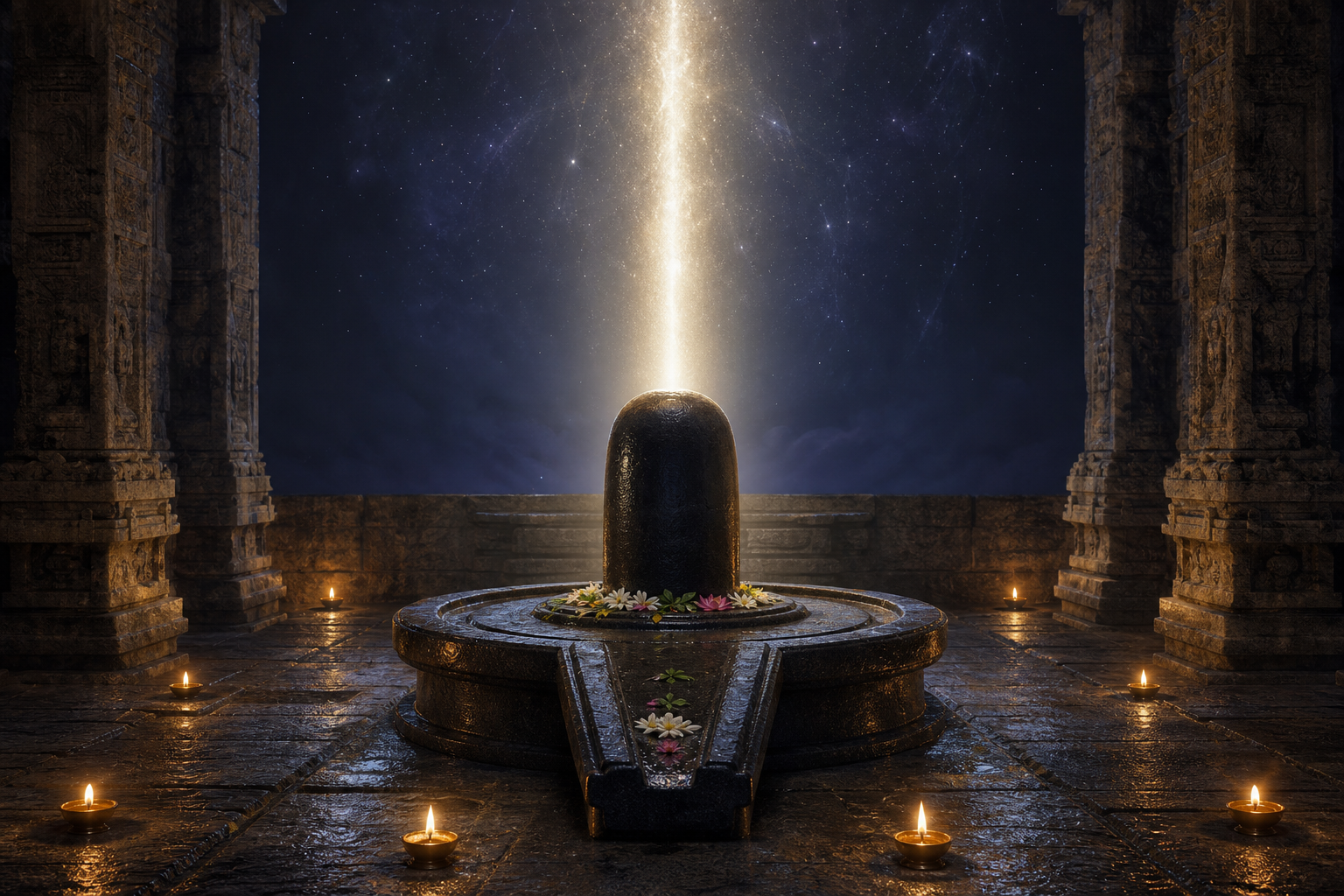
Gajasurasamhara: Shiva’s Elephant‑Demon Dance, Symbolism, Ego, and Inner Liberation

Gajasurasamhara, Shiva’s slaying of the elephant‑demon in Darukavana, encodes a rigorous spiritual map: the destruction of ego and ignorance as the ground of inner freedom. This long‑form analysis situates the myth within Purana and Agama traditions, unpacks its iconography from the damaru to the trishula, and clarifies why the elephant hide signifies the unveiling of…
-
Beyond Ahamkara: How Dharmic Wisdom Unmasks Ego and Illuminates Liberation

The aphorism “As long as there is the ego, everything else exists” concisely names the mechanism of duality in Hindu philosophy and resonates across Buddhism, Jainism, and Sikhism. This long-form analysis maps ahamkara in Sankhya, asmita in the Yoga Sutra, and adhyasa in Advaita Vedanta, linking them with the Bhagavad Gita’s diagnosis of doership. It…
-
Ganesha’s Small Eyes, Vast Vision: Iconography, Mindfulness, and Dharmic Unity Lessons

Ganesha’s small, intent eyes encode a powerful contemplative teaching: expansive wisdom arises from focused, compassionate attention. Drawing on Hindu iconography and Yoga philosophy, the symbol aligns with pratyahara, dharana, and dhyana, and is reinforced by the Bhagavad Gita’s guidance on nasikagra-drishti. Contemporary attention science complements this reading, linking steady gaze with reduced cognitive load and…
-
Vṛtrāsura, Indra, and Ṛta: Timeless Dharmic Lessons on Leadership, Anarchy, and Renewal

This rigorous reading of the Vṛtrāsura cycle—spanning the Ṛg Veda, the Mahabharata and Ramayana, and the Purāṇas—unpacks how the myth encodes a timeless governance and ethics playbook. It clarifies Indra’s moral complexity (Brahmahatyā-dōṣa and Tapas), the leadership caution of Nahusha’s ascent and fall, and the systemic anatomy of anarchy when Ṛta is disturbed. Readers gain…
-
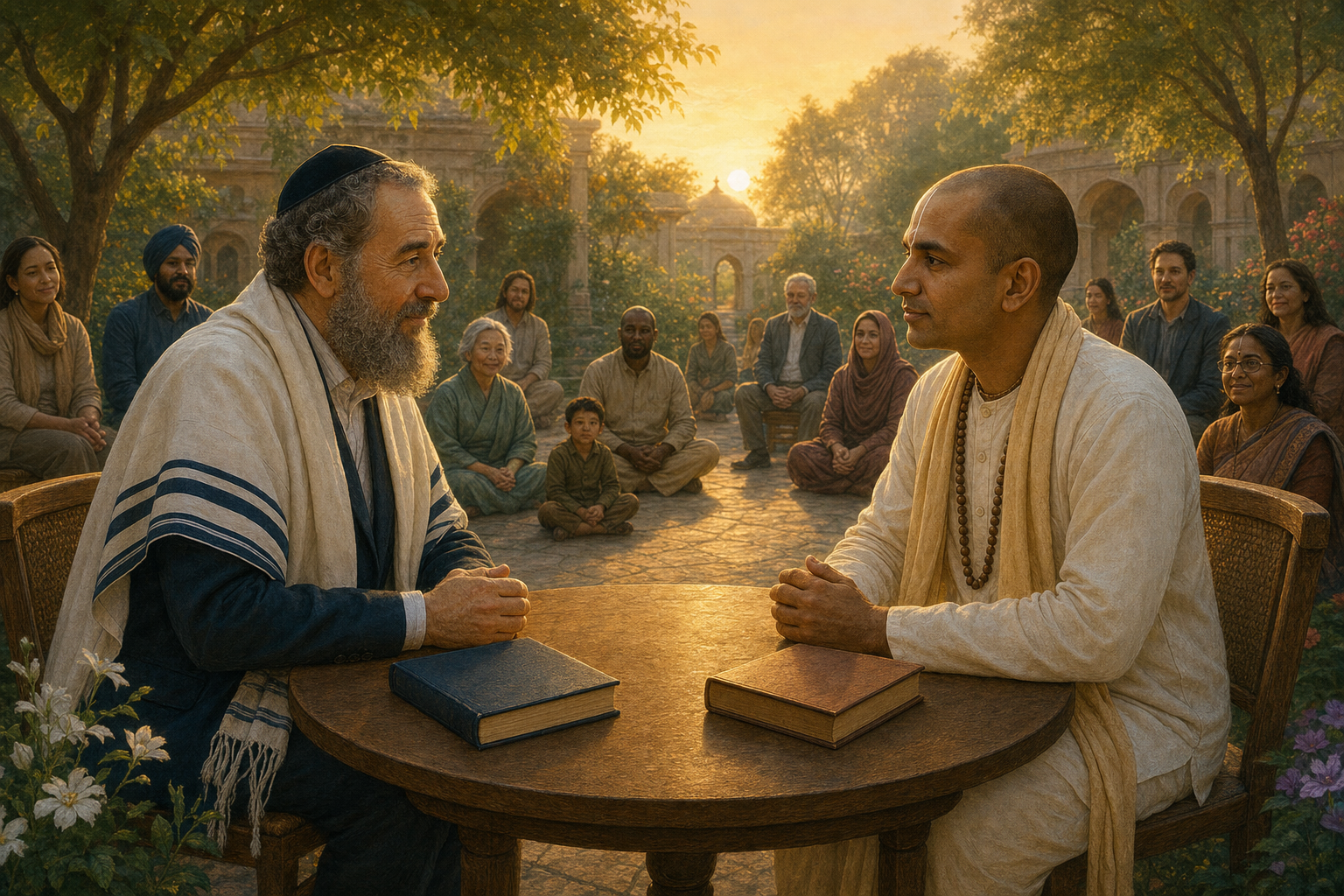
Timeless Dharmic Debate: From Vada to Anekantavada—A Fearless Path to Truth and Unity

Constructive, unbiased debate sits at the heart of Hindu philosophy as a disciplined path to knowledge and self-realization. Grounded in pramana theory and refined by Nyaya’s robust logic, classical shastrartha privileges clarity over conquest. The Upanishads, the Bhagavad-Gita’s samvada, and traditions across Buddhism, Jainism, and Sikhism model dialogue that is rigorous, ethical, and inclusive. Practices…
-
Arthavada in Mimamsa: Unlocking the Purposeful Praise That Animates Vedic Ritual

Arthavada, the eulogistic and explanatory stratum of Vedic discourse in Mimamsa, explains why rites matter and how their value should be understood. It complements injunctions and prohibitions by providing praise, censure, and narrative that motivate precise action and steady restraint. Distinguishing Arthavada from mantra and namadheya clarifies the complete architecture of Vedic literature: what to…
-
Beyond Names and Forms: Embracing the Infinite Nature of God in Dharmic Wisdom

Hinduism teaches that the divine is infinite and cannot be confined to one form or name, as expressed in the Upanishadic dictum “Ekam Sat Vipra Bahudha Vadanti.” This perspective affirms religious pluralism through Ishta, allowing varied yet valid approaches to the sacred. Related dharmic traditions reinforce this vision: Jainism’s Anekantavada, Buddhism’s skillful means, and Sikhism’s…