-
Kulluka Bhatta’s Manvarthamuktavali: A Brilliant Beacon in India’s Dharmashastra Heritage

Kulluka Bhatta’s Manvarthamuktavali shaped how generations interpret the Manusmriti, blending Mimamsa hermeneutics and Nyaya reasoning to clarify a foundational Dharmasastra text. Situated in Varendra Bengal and remembered as the son of Bhatt-ivakara, Kulluka’s biography points to vibrant medieval Sanskrit networks. His commentary stabilized a widely read recension, influenced later editions and translations, and refined debates…
-
Hindutva and Hind Swaraj: Unforgotten Ideas Reframing India’s Discourse with Harmony

Hindutva and Hind Swaraj are often cast as opposites, yet both seek a civilizational renewal of ethics, culture, and self-rule. This review synthesizes their core arguments, showing how Gandhi’s moral swaraj and Savarkar’s cultural cohesion can be read as complementary responses to colonial disruption. It explains how media and academic narratives shape public opinion, underscoring…
-
Power and Tapas in Kalidasa: Tagore on Raghuvamsha and Kumarasambhava’s Lesson

Rabindranath Tagore’s reading of Kalidasa reveals a profound dialogue in Sanskrit literature between worldly power and inner discipline. Raghuvamsha maps the ascent born of tapas and the decline that follows indulgence, using dawn-and-dusk imagery to frame a moral architecture. Kumarasambhava then proposes the remedy: harmonize renunciation and enjoyment so that strength is born from balance.…
-
The Sikh Spectrum Unveiled at Khalsa College, Amritsar: A Landmark for Dharmic Unity

“The Sikh Spectrum” was released at Khalsa College, Amritsar, in a setting renowned for scholarship and community leadership. The book presents Sikh history and philosophy through rigorous, accessible analysis and situates Sikhism in dialogue with Hindu, Buddhist, and Jain traditions. Attendees noted both intellectual depth and an atmosphere of calm reflection, emphasizing relevance to ethical…
-
Kalidasa and His Age: Nature, Dharma, and the Rise of Heroism in Sanskrit Poetry

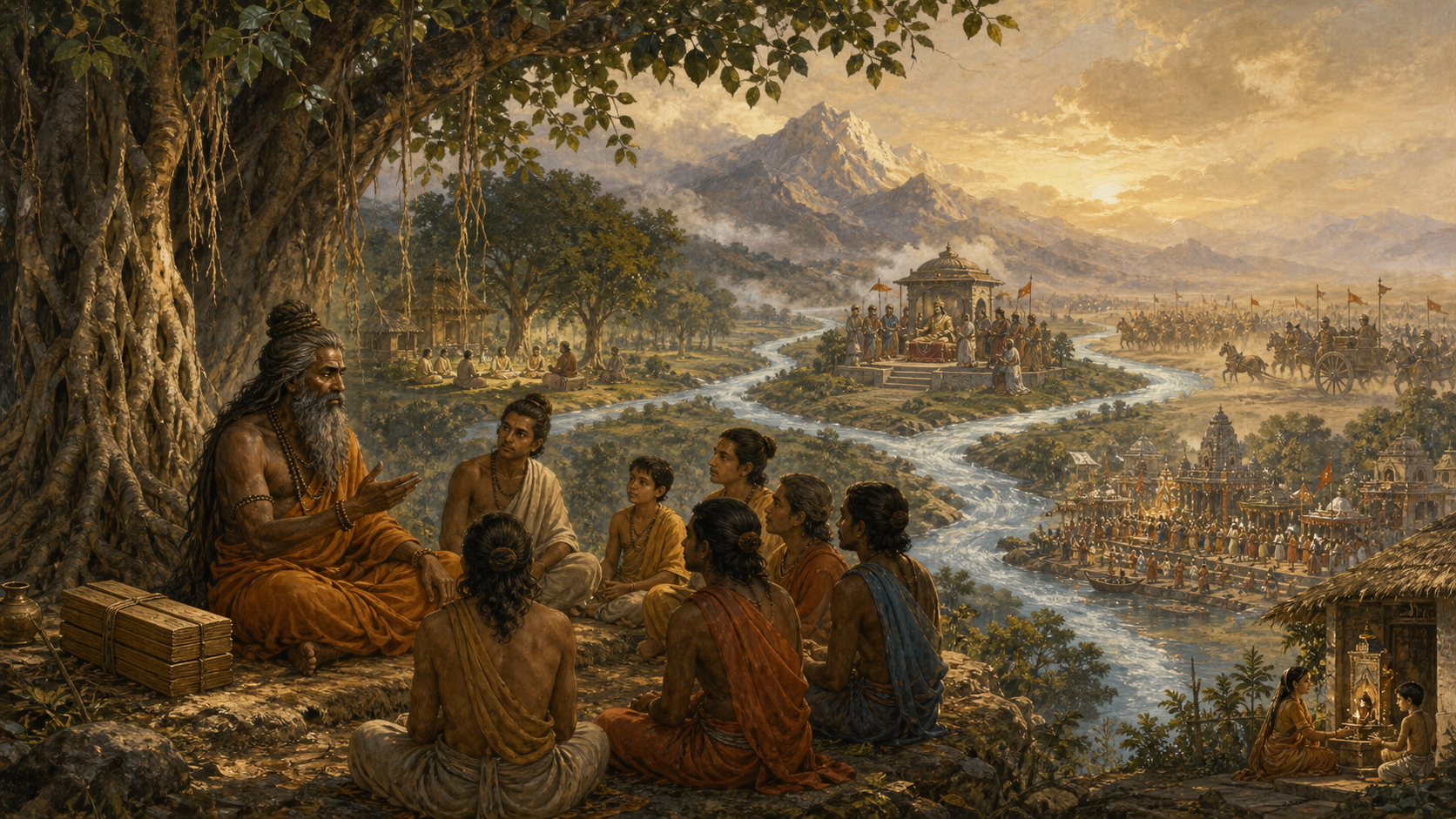
Kalidasa’s poetry unites human emotion with the grandeur of Nature and the ethical clarity of dharma, making him a representative voice of his age. Vivid imagesechoing the hermitage in Kadambaridepict a civilization where people, plants, and animals share ritual, learning, and care. Ritusamhara shows early passion harmonized by seasons, while Kumara-sambhava reframes desire through a…
-
Illuminating Review: Guru Nanakpanthi Heritage SeriesSikhs in Sindhi Society, Past to Present

This review examines Volume One of the Guru Nanakpanthi Heritage SeriesSikhs in Sindhi Society: Legacy and Presenthighlighting its clear analysis, compassionate tone, and relevance to Cultural Heritage and History. The book traces how seva, kirtan, sangat, and langar shaped Sikh–Sindhi bonds while documenting present-day continuities across India and the diaspora. It advances Religious pluralism in…
-
Krishna’s Cows in New Vrajamandala: Devotional Bonds of Care, Ahimsa, and Sacred Ecology

Krishna’s Cows in New Vrajamandala offers an academically grounded yet accessible meditation on the sacred relationship among Krishna, devotees, and cows. The work highlights go-seva and ahimsa as living practices that nurture compassion, ecological stewardship, and communal responsibility. Guided by an introduction from Yadunandana Swami, the text invites reflective readingbeginning with “In the pages …”and…
-
How Tagore Illuminates Kalidasa: Forest Hermitages and the Soul of Sanatana Dharma

This essay distills Rabindranath Tagore’s reading of Kalidasa to show how forest hermitages embody the ethical and aesthetic heart of Sanatana Dharma. Drawing on The Springhead of Indian Civilisation (translated by Acharya Jadunath Sarkar), it traces how the forest nurtured both Vedic and Buddhist ages and continues to inform a broader dharmic ethos. Kalidasa’s Raghuvamsa…
-
First English Release of Kavya-kaustubha: Unlocking Sri Baladeva Vidyabhusana’s Poetics

Kavya-kaustubha, composed by Sri Baladeva Vidyabhusana, is now available in English for the first time, opening a precise gateway to Sanskrit poetics. The work’s rigorously defined concepts, each paired with clear examples, make complex ideas accessible for students, educators, and researchers. This edition enhances classroom teaching and self-study while supporting comparative literary analysis. It also…
-
Jimutavahana and Dayabhaga: The Bengal Luminary Who Transformed Hindu Inheritance Law

Jimutavahana stands as a seminal figure in Bengal’s Dharmashastra tradition, renowned for the Dayabhaga and its enduring influence on Hindu inheritance law. His careful synthesis of scriptural sources with legal reasoning shaped practice in Bengal and informed judicial thinking during the early modern and colonial periods. The Dayabhaga’s spiritual rationale for inheritance and its social…
-
Bhasa’s Bold Reimagining of Sita’s Abduction in Pratima Natakam: Ethics, Dharma, Drama

Bhasa’s Pratima Natakam (Pratimanatakam) presents Sita’s abduction not as onstage spectacle but as a reflective, ethically charged episode grounded in classical Sanskrit dramaturgy. By channeling the event through memory, messenger-reports, and the symbolic power of the pratima (statue), the play emphasizes dharma, agency, and the psychology of crisis over physical action. This approach foregrounds rasaespecially…
-
Unseen in the Valley: Powerful Insights into Reclaiming Sikh Identity in Kashmir

Unseen in the Valley offers a nuanced, evidence-aware reading of Sikh identity in Kashmir that foregrounds memory, community practice, and cultural resilience. The book positions Sikhs as integral to the Valley’s plural history while advocating interfaith relations rooted in reciprocity. It emphasizes heritage preservation through language, ritual, seva, and education. The analysis resists polarizing frames…
-
Jagannatha Dasa’s Early Genius: From Byagavatte Prodigy to Dwaita Philosophy Luminary

Jagannatha Dasaborn Srinivasacharya in Byagavatte, Raichurshowed exceptional talent for Sanskrit poetry from a young age, signaling a disciplined mind tuned to learning and devotion. His early engagement with the Dwaita philosophy of Madhvacharya combined rigorous thought with heartfelt bhakti, laying the foundation for his later influence as a revered figure in the Bhakti Tradition. Rooted…
-
Br̥hatī (Brihati) Vedic Meter Explained: Structure, Rigvedic Usage, and Timeless Significance

Br̥hatī (Brihati) is a principal Vedic meter with thirty-six syllables arranged as four quarters of nine. Traditionally placed fourth in canonical lists of chandas, it bridges compact and expansive meters, balancing precision with breadth. Its cadence shapes the sound and emphasis of Vedic hymns, especially in the Rigveda, and remains audible in contemporary recitation and…
-
Murugan’s Many Faces: Skanda Purana vs. Tamil SangamHidden Harmonies and Truths

This essay explores Murugan’s dual portrayal in the Skanda Purana and Tamil Sangam literature, revealing complementarities rather than contradictions. It shows how the cosmic commander of the devas and the intimate hill-god of the kurinji landscape express a single spiritual essence. Readers gain clear historical and textual context that links pan-Indian Puranic frameworks with local…
-
Ishtasiddhi by Vimuktatman: A Timeless Advaita Masterwork Illuminating Non-Dual Wisdom

Ishtasiddhi by Vimuktatman (9th–10th century CE) is a landmark Sanskrit treatise in Advaita Vedanta that unites rigorous reasoning with Upanishadic insight. It clarifies core non-dual themesBrahman, Atman, māyā, and the role of knowledge in liberationthrough a fair-minded purvapaksha–siddhanta method. Readers gain a dependable map of Advaita epistemology while experiencing a gradual movement from conceptual complexity…
-
Surpanakha Reimagined: Folk Ramayana’s Haunting Lament and Dharma’s Grey Zones

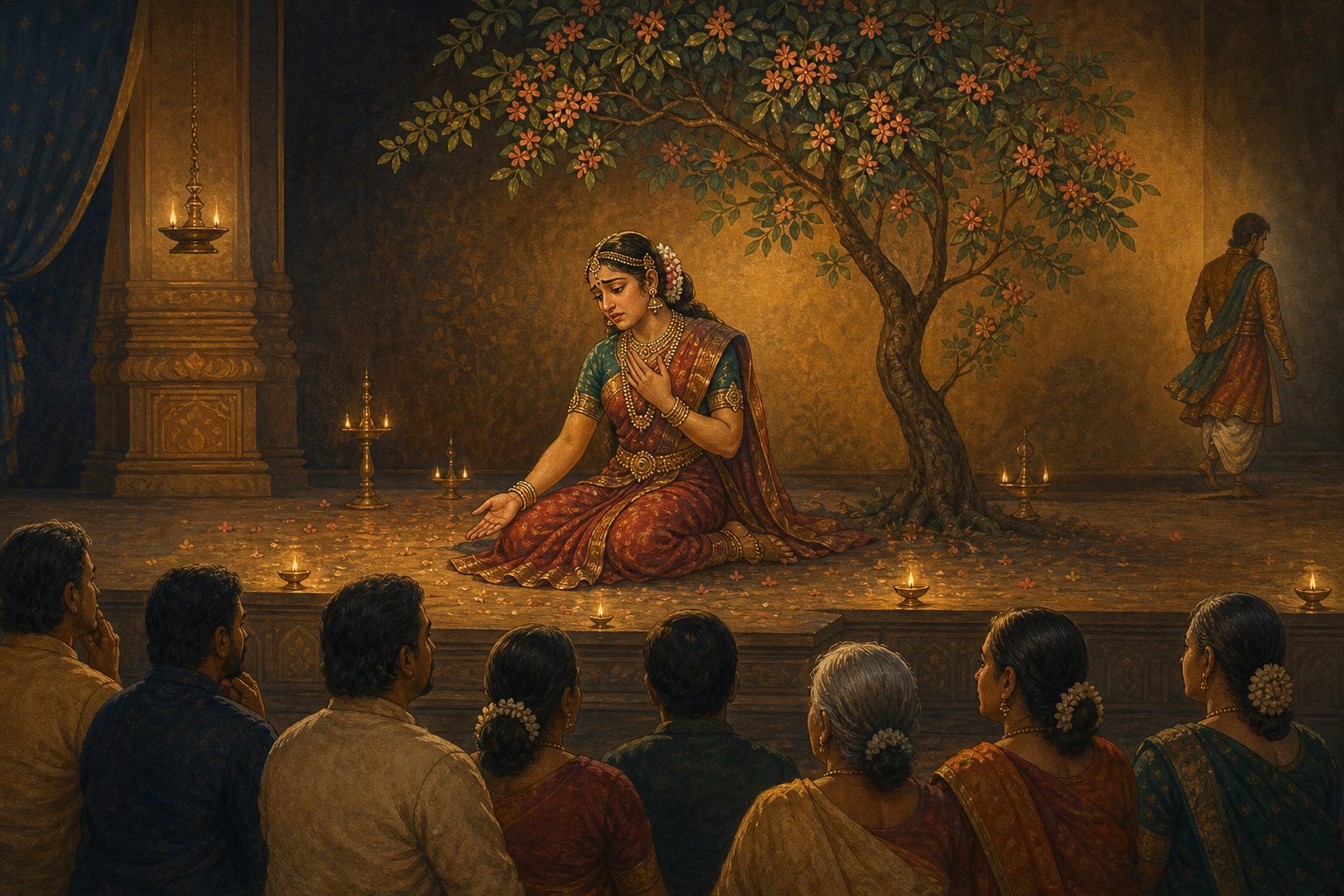
South Indian folk Ramayana retellings give Surpanakha a complex, empathetic voice that challenges simplistic binaries of dharma and adharma. This analysis explains how Yakshagana, Kathakali, and Kaliyattam frame her suffering as an ethical prompt rather than a narrative footnote. Readers gain a nuanced understanding of gender dynamics, humiliation, and proportionality in responses. The piece connects…
-
Utsav and Mricchakatika: A Scholarly, Heartfelt Reappraisal of Girish Karnad’s Adaptation

This scholarly reappraisal situates Utsav (1984) within the long legacy of Sudraka’s Mricchakatika, establishing a careful baseline before assessing Girish Karnad’s adaptation. It outlines the play’s complex plot, deftly interwoven subplots, and richly drawn charactersespecially Cārudatta and Vasantasena. It highlights the social and political motifs of Ujjaini under Palaka and Shakara, and the moral transformations…
-
Why Folk Ramayanas Embrace Both Virtue and Transgression: Plural Voices, Deeper Dharma

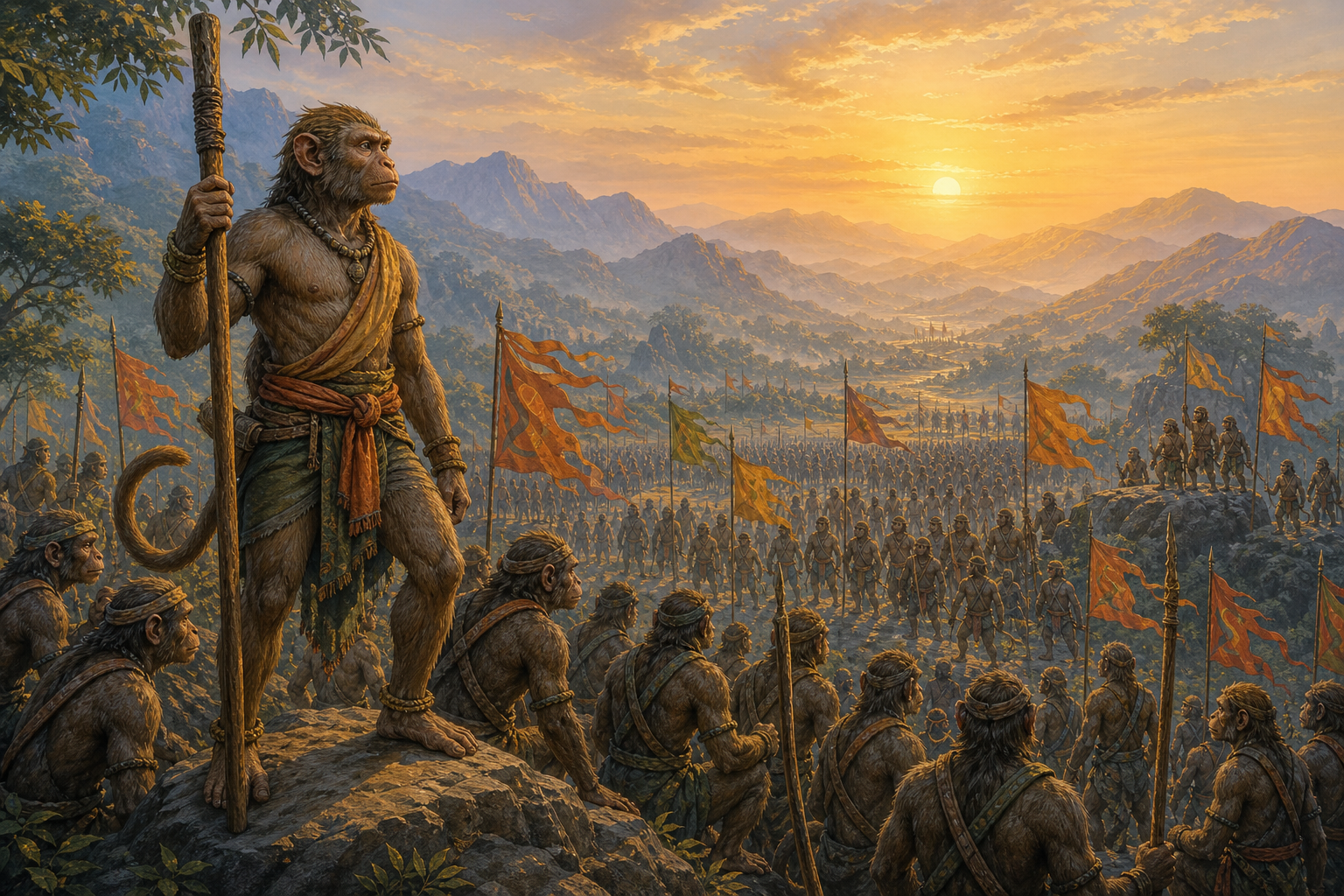
Folk Ramayanas across India and Southeast Asia soften the boundary between dharma and adharma, using oral performance and rasa to humanize all sides. By reframing antagonists as educative foils rather than fixed enemies, these traditions promote empathy, critical reflection, and community dialogue. Regional adaptationsfrom Kamba Ramayanam to the Thai Ramakien and Cambodian Reamkerembed the epic…
-
Mystic Echoes Review: Luminous Sikh Stories Bridging Dharmic Wisdom and Daily Life

Mystic Echoes (Stories Rooted in Sikh Spiritual Realms) is reviewed as a contemplative collection that translates Sikh spirituality into lived, everyday ethics. The narratives highlight Naam, Seva, Sangat, and Hukam as accessible pathways to clarity, courage, and compassion. A calm, precise style makes complex ideas readable without diluting spiritual depth. The review underscores how these…