-
Powerful Vikata Sankashti Chaturthi, 5 April 2026: Moonrise 9:50 PM, Puja and Vrat Guide

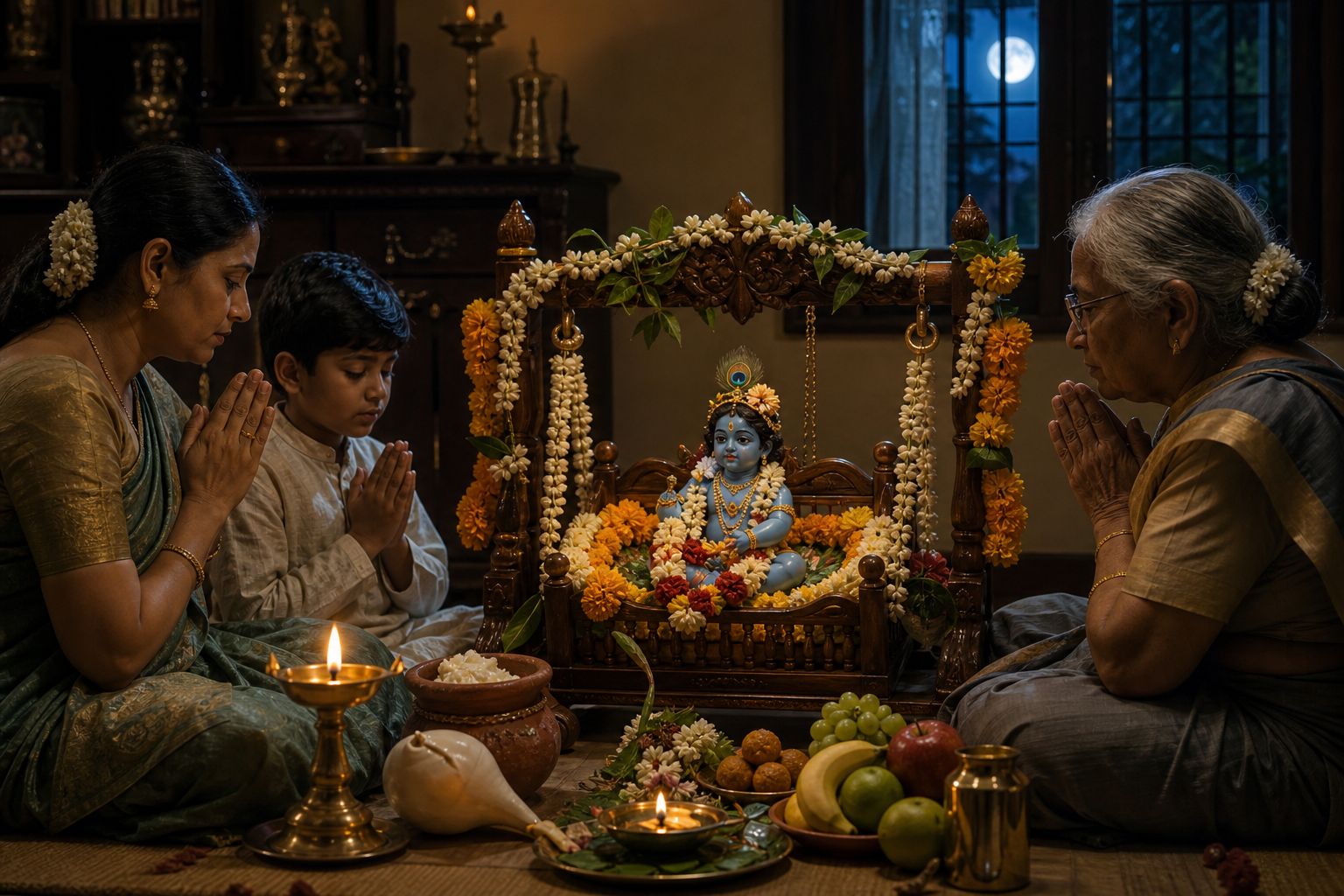
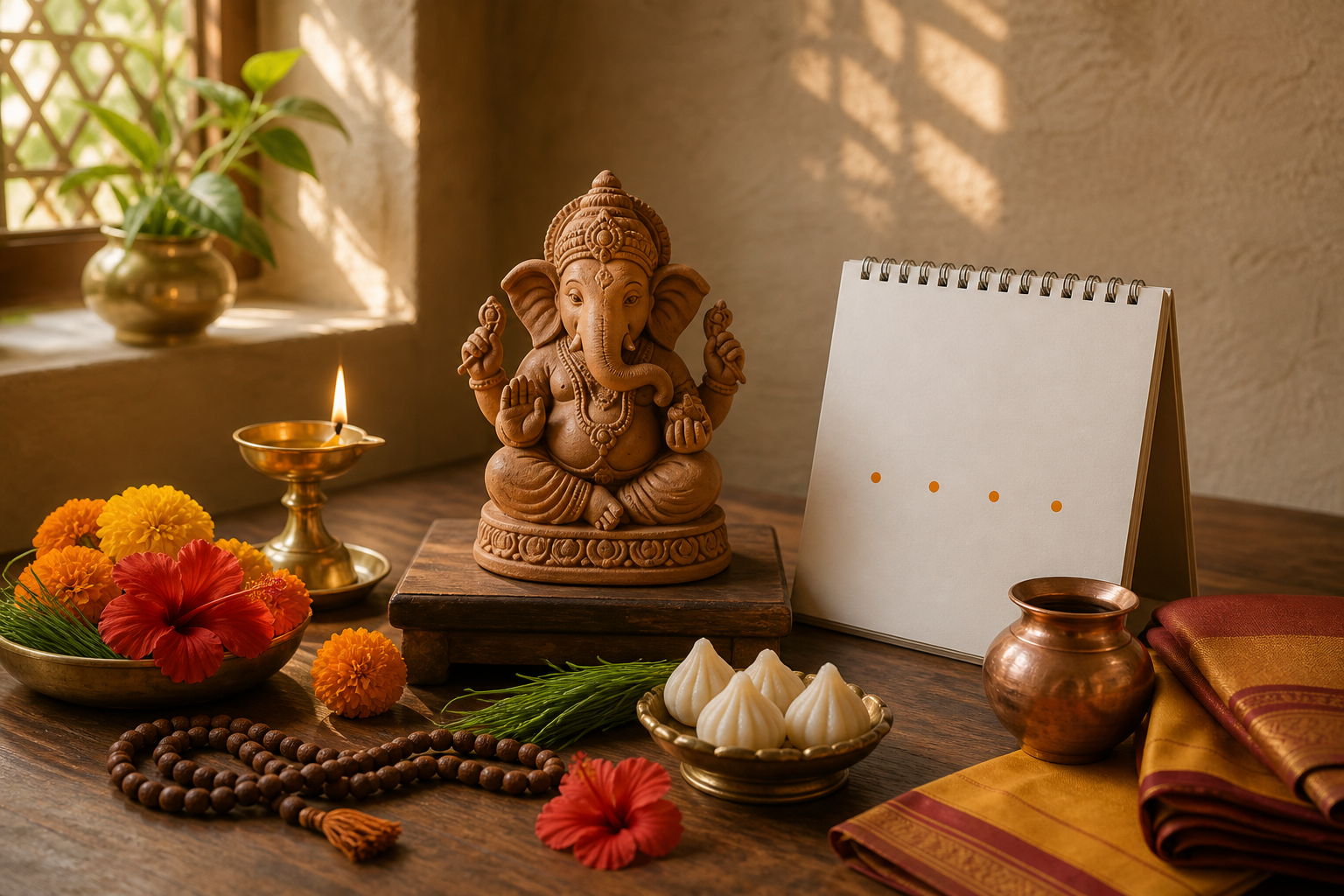
Sankashti Chaturthi in April 2026 occurs on Sunday, 5 April 2026, as Krishna Chaturthi in Chaitra and is observed as Vikata Sankashti Chaturthi. Moonrise for concluding the fast is noted at 9:50 PM IST, with local variations to be confirmed via a reliable Panchang. The vrata emphasizes disciplined worship of Shri Ganesha—offerings of durva, modak,…
-
TTD Festivals April 2026: Complete Guide to Tirumala Utsavams, Dates, Rituals, and Darshan Tips

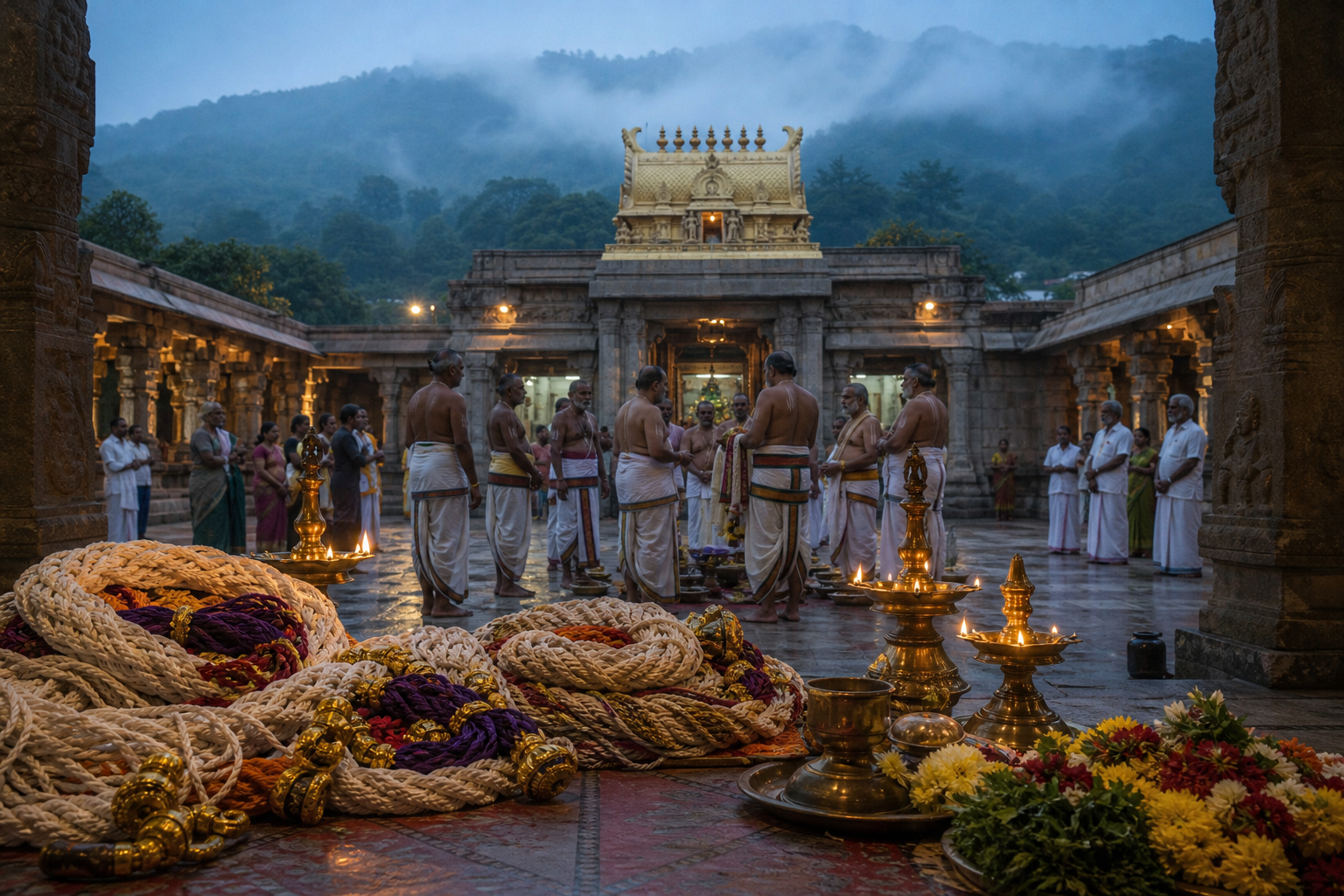
TTD’s April 2026 calendar at Tirumala brings together the conclusion of Srivari Vasanthotsavams and Tumburu Theertha Mukkoti (April 1), the commencement of Sribhashyakara Utsavams (April 13), and a cluster of Vaishakha observances on April 20, including Akshaya Tritiya, Parashurama Jayanti, and the Varsha Thiru Nakshatrams of Bhrigu Maharshi and Srinivasa Dikshitulu. This guide explains each…
-
Radiant Konna Poo in Vishu: Botany, Bloom Cycles, and Sacred Symbolism in Kerala

Konna poo, the golden raceme of Cassia fistula, anchors the Vishukkani Darshan of Vishu by aligning seasonal bloom with sacred symbolism. This comprehensive overview explains the tree’s botany and phenology, showing why its peak flowering in mid-April so precisely matches Kerala’s new year observances. Readers will find a clear account of the Vishukkani arrangement and…
-
Vishu Kanji & Vishu Katta: Authentic Kerala Vishu Breakfast, Ritual Meaning, and Recipe Guide

This long-form guide clarifies the cultural and culinary essence of Vishu Kanji and Vishu Katta, the traditional Kerala breakfast served after Vishukkani Darshan on Vishu. It explains how both dishes share core ingredients—unakkalari or pacha ari, fresh grated coconut, cumin, and salt—while diverging in texture through different liquid ratios and techniques. A detailed, time-efficient workflow…
-
Vishu Festival Unveiled: Astronomical New Year of Kerala, Sacred Kani, Kaineettam & Sadya

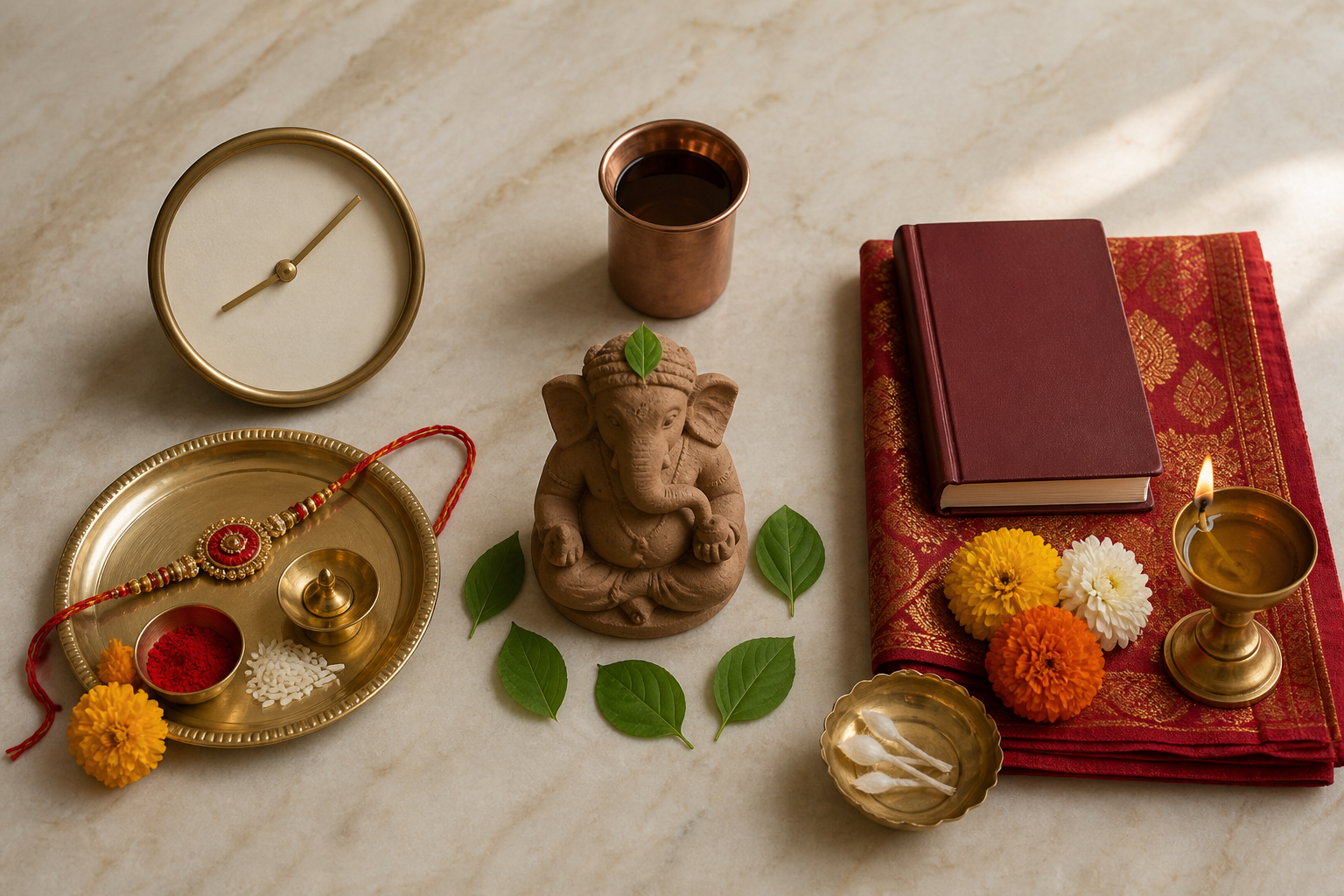
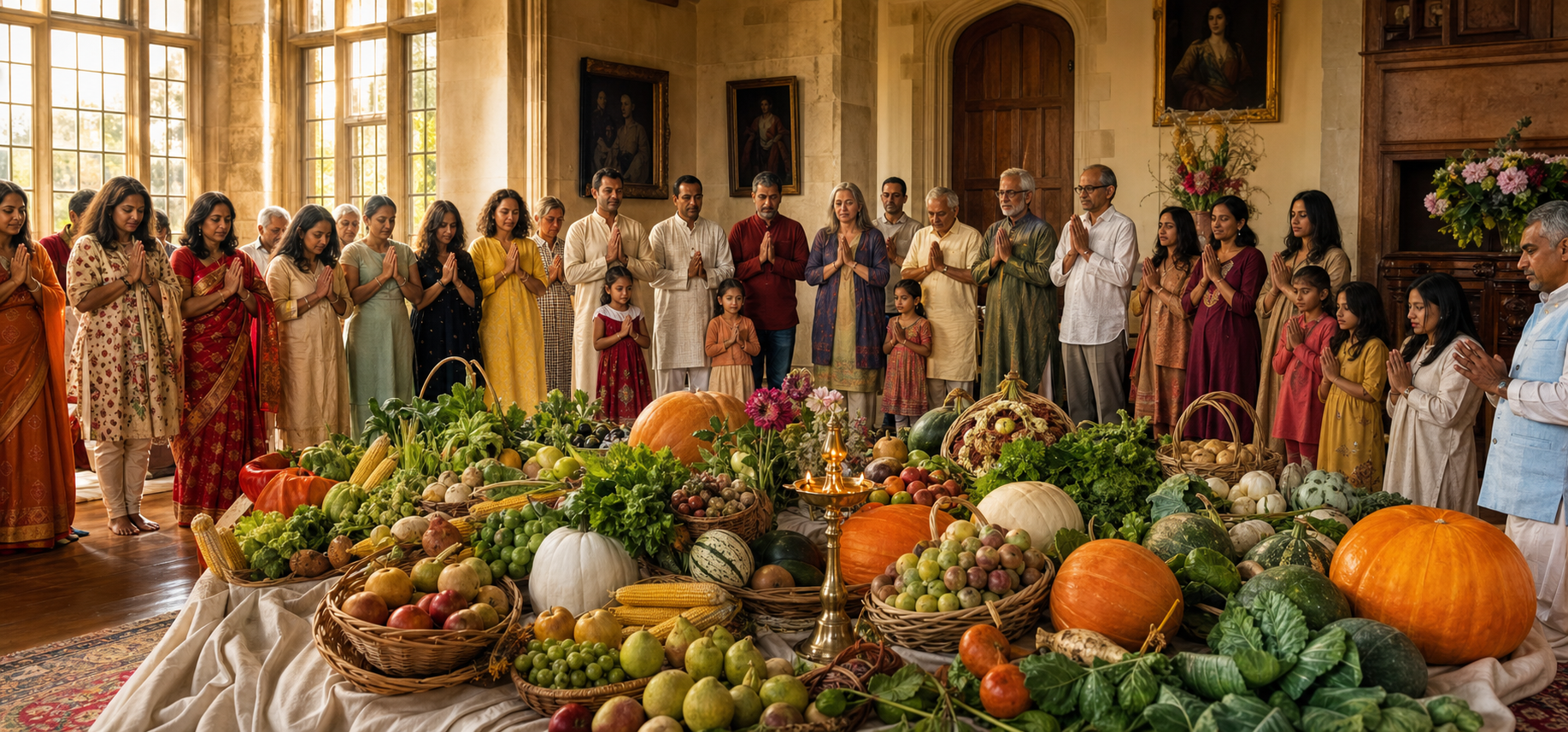
Vishu, Kerala’s Astronomical New Year, is celebrated at Mesha Sankramana when the Sun enters sidereal Aries, aligning the festival with the first day of Medam in the Malayalam calendar. The hallmark Vishukkani Darshan—an arrangement of uruli, konna blossoms, lamp, coins, sacred text, and mirror—encapsulates prosperity, knowledge, and self-reflection in a single auspicious sight. Vishu Kaineettam…
-
Nationwide Gada Pujan on Hanuman Jayanti: Collective Resolve for Ram Rajya and Dharmic Unity

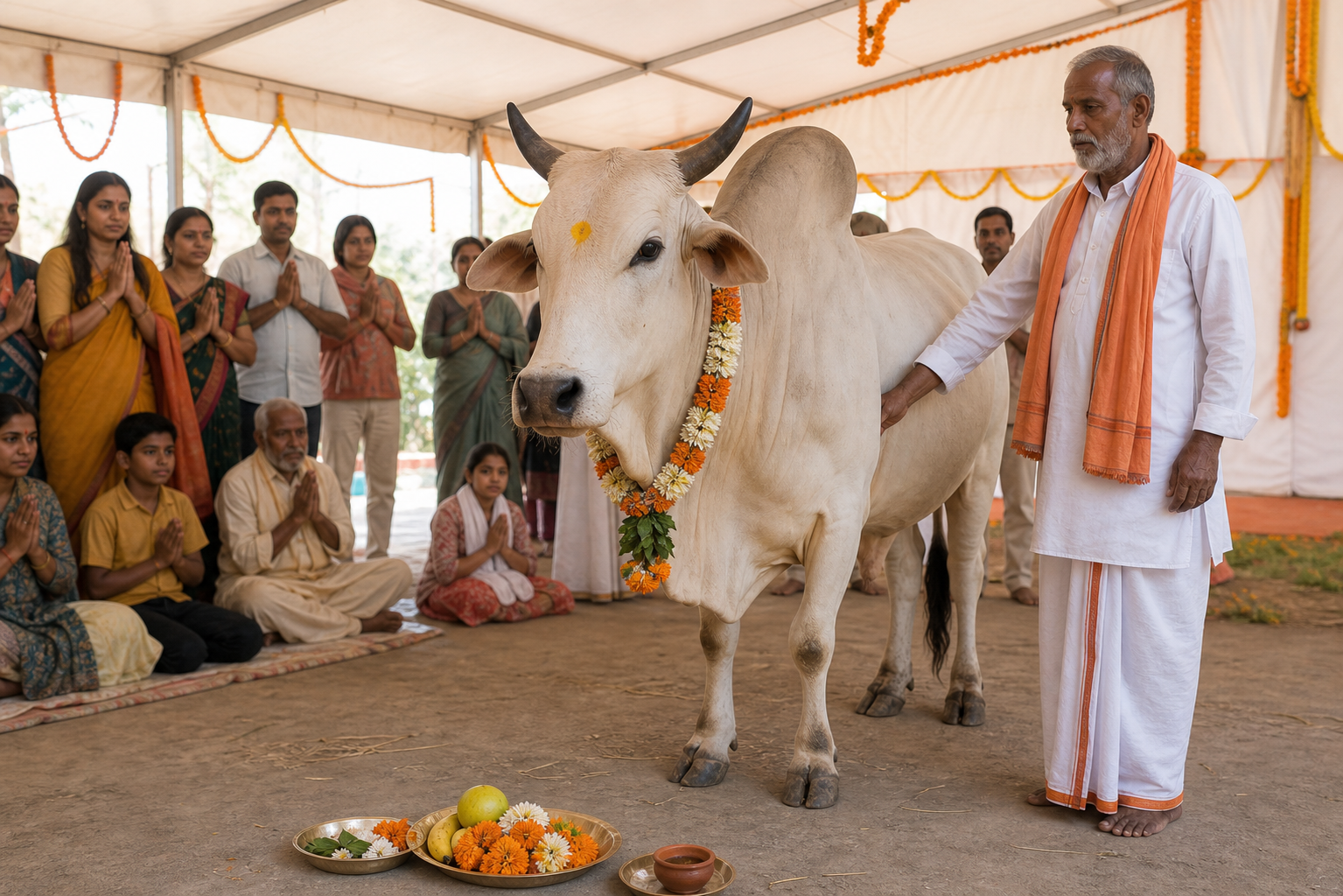
Thousands across India marked Hanuman Jayanti with a coordinated Gada Pujan, organized by Hindu Janajagruti Samiti, to affirm a shared resolve for Ram Rajya understood as a just, compassionate, and dharma-centered order. The ritual venerates the gada as a symbol of disciplined strength in the service of protection and humility. Across regions, communities synchronized recitations…
-
Varanasi’s Shri Ram Navami Procession Pledges Ram Rajya, Seva, and Dharmic Unity

In Varanasi, hundreds of devotees marked Shri Ram Navami with a serene, well-organized procession and a collective pledge to work for Ramrajya and broad-based dharmic unity. The event framed Hindu unity as a bridge to wider solidarity with Buddhism, Jainism, and Sikhism, emphasizing shared values such as seva, nyaya, ahimsa, and sarbat da bhala. Rather…
-
Konna Poo (Cassia fistula) in Vishu: Science, Sacred Symbolism, and Sustainable Tradition

Cassia fistula (Konna poo/Kanikkonna), the golden shower tree, blooms in perfect synchrony with Vishu, anchoring the Vishukkani in Kerala with its luminous racemes. This comprehensive guide explains its taxonomy, morphology, native range, and seasonal ecology, then connects those facts to the solar new year’s symbolism in the Malayalam calendar. Readers learn how the golden hue…
-
Vishukkani Darshan Unveiled: Meaning, Muhurta, and Complete Setup for a Prosperous Vishu

Vishukkani Darshan is the sacred “auspicious sight” that inaugurates Vishu, the Malayalam solar New Year, by presenting a curated ensemble of light, abundance, and devotion. This comprehensive guide explains what Vishukkani is, when it is celebrated (on Mesha Sankranti, typically 14–15 April), and why each component—konna pua, the ‘Uruli’ of rice, fruits, vegetables, lamp, mirror,…
-
Vishu Kanji & Vishu Katta: Authentic Kerala New Year Breakfast—History, Method, and Meaning

Vishu Kanji and Vishu Katta anchor the Vishu morning in Kerala with a sattvic, auspicious breakfast rooted in simplicity and seasonality. Drawing on raw rice, abundant fresh coconut, cumin, and a restrained use of salt, both dishes can be prepared within one hour. Vishu Kanji is a silken coconut–rice porridge, while Vishu Katta is a…
-
Vishu Festival Rituals and Customs: A Complete Guide to Vishukkani, Kaineettam, and Sadya

Vishu, Kerala’s astrological New Year, is observed on the first sunrise after Mesha Sankramana and centered on the sacred first sight called Vishukkani. This comprehensive guide explains the astronomy behind timing, clarifies the distinction between Vishu and the Malayalam civil new year, and details how to assemble the Vishukkani with nilavilakku, uruli, kani konna, grains,…
-
Akshaya Tritiya’s Eternal Blessings: Scriptural Events, Shared Dharma, and Timeless Charity

Akshaya Tritiya, observed on Vaishakha Shukla Tritiya, is celebrated across dharmic traditions as a day of inexhaustible merit and compassionate action. Hindu scriptures connect it with Parashurama Jayanti, the Akshaya Patra narrative in the Mahabharata, Annapurna’s alms to Shiva, and the traditional commencement of Vyasa’s dictation to Ganesha. Popular associations also include the spirit of…
-
Vishukkani Vili in North Malabar: Living Heritage of Vishu, Community Joy, and Generous Giving

Vishukkani Vili is a living folk tradition of Vishu in North Malabar, Kerala, where children move door to door calling ‘vishukaniye, vishukaniye’ and receive Vishukkaineettam as blessings. Rooted in the dawn viewing of the Vishukkani, the practice turns private auspiciousness into a shared neighborhood experience. The custom strengthens intergenerational ties, teaches dana (giving) and reciprocity,…
-
Dev Damodar Tithi 2026: Date, Vaishakh Shukla Pratipada Timing, Assam Vaishnava Legacy

Dev Damodar Tithi 2026 will be observed on 18 April, corresponding to Vaishakh Shukla Pratipada, the day after Vaishakh Amavasya. The tithi commemorates Damodaradev of Ratnapitha, Hajo, a pivotal Vaishnava saint of Assam associated with the Brahma Sanghati within Ekasarana Dharma. This article explains tithi calculation, the sunrise-based observance rule, and why dates can vary…
-
Sital Sasthi 2026, Sambalpur: Shiva–Parvati’s Sacred Wedding and Odisha’s Grand Carnival

Sital Sasthi 2026 in Sambalpur, Odisha, falls on 20 June (Jyeshtha Shukla Sasthi) and reenacts the sacred wedding of Lord Shiva and Goddess Parvati through a citywide carnival. The festival combines precise Vedic marriage rites—kanyadaan, panigrahan, and saptapadi—with public processions, folk performances, and neighborhood stewardship. Visitors encounter Sambalpuri music and textiles, Dalkhai dance, and all-night…
-
Hanuman Jayanti 2026: Powerful Puja Vidhi & Vrat Guide with Mantras and Timings

Hanuman Jayanti 2026 (Chaitra Purnima) is observed across April 1–2, depending on local sunrise tithi. This comprehensive guide presents a clear Hanuman Jayanti Puja Vidhi and Hanuman Vrat Pooja Procedure: how to prepare the altar, take sankalpa, perform abhisheka, offer shodashopachara or panchopachara, and chant core mantras like Om Hanumate Namah and the Hanuman Gayatri.…
-
Hyderabad Hanuman Jayanti 2026 Shobha Yatra: Comprehensive Route Map, Diversions, and Safety Guide

Hyderabad will mark Hanuman Jayanti on 2 April 2026 with a major Shobha Yatra managed through rolling, junction-triggered diversions by Hyderabad Traffic Police. This guide explains how the dynamic route map operates, why diversions are activated in real time, and how attendees can navigate the city smoothly. It outlines the procession’s typical structure, expected movement…
-
Pana Sankranti 2026 on April 14: Odia New Year’s astronomy, rituals, and dharmic unity

Pana Sankranti on 14 April 2026 marks the Odia New Year (Maha Vishuva Sankranti/Meru Sankranti) and the Sun’s ingress into sidereal Aries (Mesha Sankranti). This long-form guide explains the astronomical basis (sidereal vs tropical frameworks and ayanamsa), clarifies why solar months run from Sankranti to Sankranti while some lunar months run from Purnima to Purnima,…
-
Hanuman Jayanti 2026 (Chaitra Purnima): Definitive Guide to Date, Muhurat, Puja Vidhi & Hanumath Vijayotsavam

Hanuman Jayanti 2026 aligns with Chaitra Purnima and spans April 1–2 (IST), reflecting a Purnima Tithi that overlaps two civil dates. This comprehensive guide explains how regional Panchang rules determine the exact observance and why legitimate calendric lineages yield different, yet harmonious, dates. It details the core rituals—Hanuman Puja, Hanuman Homam, Havanam, and Hanuman Sindhura…
-
Hanuman Jayanti 2026 Puja Vidhi: Authoritative Step-by-Step Vrat, Muhurta, Mantras, Aarti

Hanuman Jayanti 2026, aligned with Chaitra Purnima on April 1–2, is a comprehensive occasion for vrata, puja, and stotra-parayana centered on Sri Hanuman’s ideals of strength, devotion, and seva. This authoritative guide details the Hanuman Vrat Pooja Procedure from preparatory cleanliness and sattvic discipline to sankalpa, dhyana, abhishekam, archana, and aarti. It explains practical muhurta…