
-
Alidha Stance in Hindu Iconography: Embodied Power, Dharma Readiness, and Sacred Motion
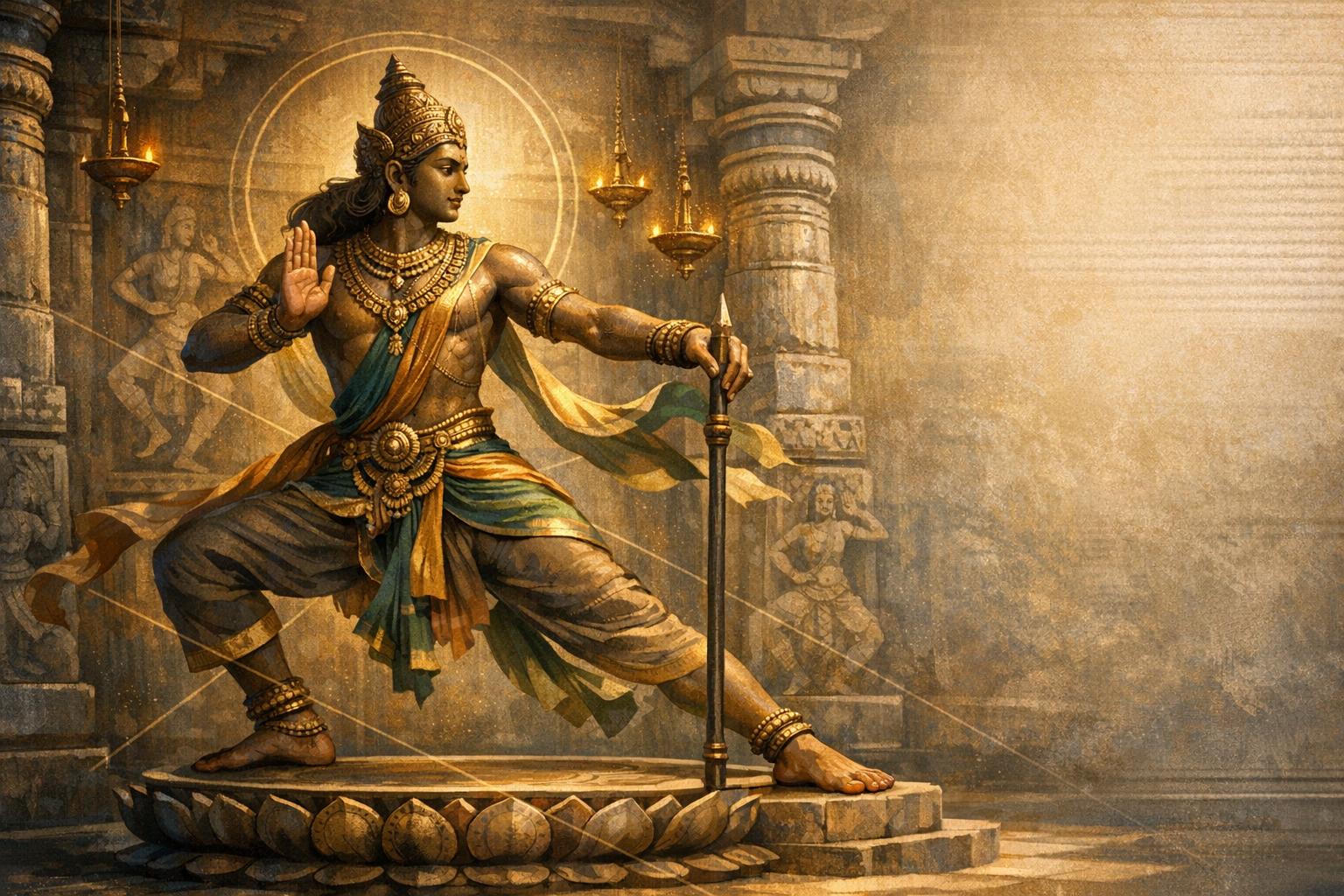
Alidha (ālīḍha) is the forward-striding stance in Hindu iconography where the right leg advances and the left draws back, fusing motion with stability to signal dharma-ready power. Rooted in the Nāṭyaśāstra and Dhanurveda and codified in Śilpa-śāstra, it recurs across Shaiva, Shakta, and Vaishnava imagery and in classical dance such as Bharatanatyam. The stance animates…
-
Arjuna’s Grief as Yoga: The Transformative Power of Vishada in Bhagavad Gita Chapter 1

The Bhagavad Gita calls its opening chapter Arjuna-Vishada-Yoga to teach that honest suffering can initiate authentic spiritual discipline. Arjuna’s despondency exposes moha, leads to surrender (śiṣyas te ’haṁ), and prepares the ground for buddhi-yoga, samatva, and Karma Yoga. By defining yoga as equanimity and skill in action, the Gita frames grief as a catalyst that…
-
Mukunda Datta Prabhu (ACBSP) and CC Antya-līlā: Transformative Devotion at Jagannātha Purī

This article explores CC Antya-līlā’s opening chaptersummarized by Śrīla Bhaktivinoda Ṭhākura in Amṛta-pravāha-bhāṣyawhere Śrī Caitanya Mahāprabhu’s return to Jagannātha Purī inspires waves of devotion across Puruṣottama-kṣetra. It recounts the celebrated “Śivānanda Sena dog story” and explains its theological core in acintya-bhedābheda, where divine compassion reaches every living being. The narrative is situated historically in sixteenth-century…
-
Porcupine Quills in Hindu Samskaras: Forgotten Symbolism, Gentle Power, and Ethical Revival

This article explores the little-known place of porcupine quills within Hindu samskaras, situating the implement in the broader material culture of Ancient India. It clarifies that explicit scriptural references are scarce, while regional and oral recollections describe occasional, optional use for delicate ritual contact. The analysis offers a technical reading of the quill’s symbolic grammarprotection,…
-
Unlocking Kosha: From the Five Sheaths of the Self to the Treasury of Hindu Statecraft

Kosha holds a powerful dual meaning in Hindu thought: the five sheaths (panchakoshas) that veil the self in Vedanta and the treasury that sustains a kingdom in classical statecraft. Grounded in the Taittiriya Upanishad and Pancha Kosha Viveka, this analysis clarifies each sheathannamaya, pranamaya, manomaya, vijnanamaya, anandamayaand maps practices from asana and pranayama to pratyahara,…
-
UK Hindu Groups Challenge SOAS Leicester Unrest Report, Demand Funding Transparency and Rigor

UK Hindu organisations have challenged a SOAS-led report on the 2022 Leicester unrest, citing methodological bias and opaque funding disclosures. This analysis explains why independence, balanced sampling, and transparent codebooks are essential for credible community inquiries. It outlines a research blueprint that integrates police data with open-source digital forensics to correct rumour-driven narratives. It also…
-
Why Sri Krishna Is Called Murari: Puranic Sources, Ekadashi Origins, and Inner Triumph

Murariliterally “foe of Mura”is a precise Sanskrit epithet of Sri Krishna grounded in the Puranas. The Bhagavata Purana narrates Krishna’s defeat of the asura’s general Mura at Pragjyotisha, while allied strands in the Vishnu Purana and Harivamsha confirm the theme. The Padma Purana adds a complementary arc by linking Mura’s fall to the origin of…
-
Jalgaon Class 12 Attire Row: Protecting Dignity and Equal, Lawful Treatment for All Students

Reports from Jalgaon suggest that some Hindu candidates were asked to remove dupattas during Class 12 exams while students in burqas and hijabs were allowed to proceed, prompting a memorandum to the College Principal and District Collector. The issue highlights the need for a religion‑neutral, gender‑sensitive approach to exam hall dress codes that balances integrity…
-
Mahabharata Made Clear: A Comprehensive, Soul-Stirring Summary of Dharma, War, and Wisdom
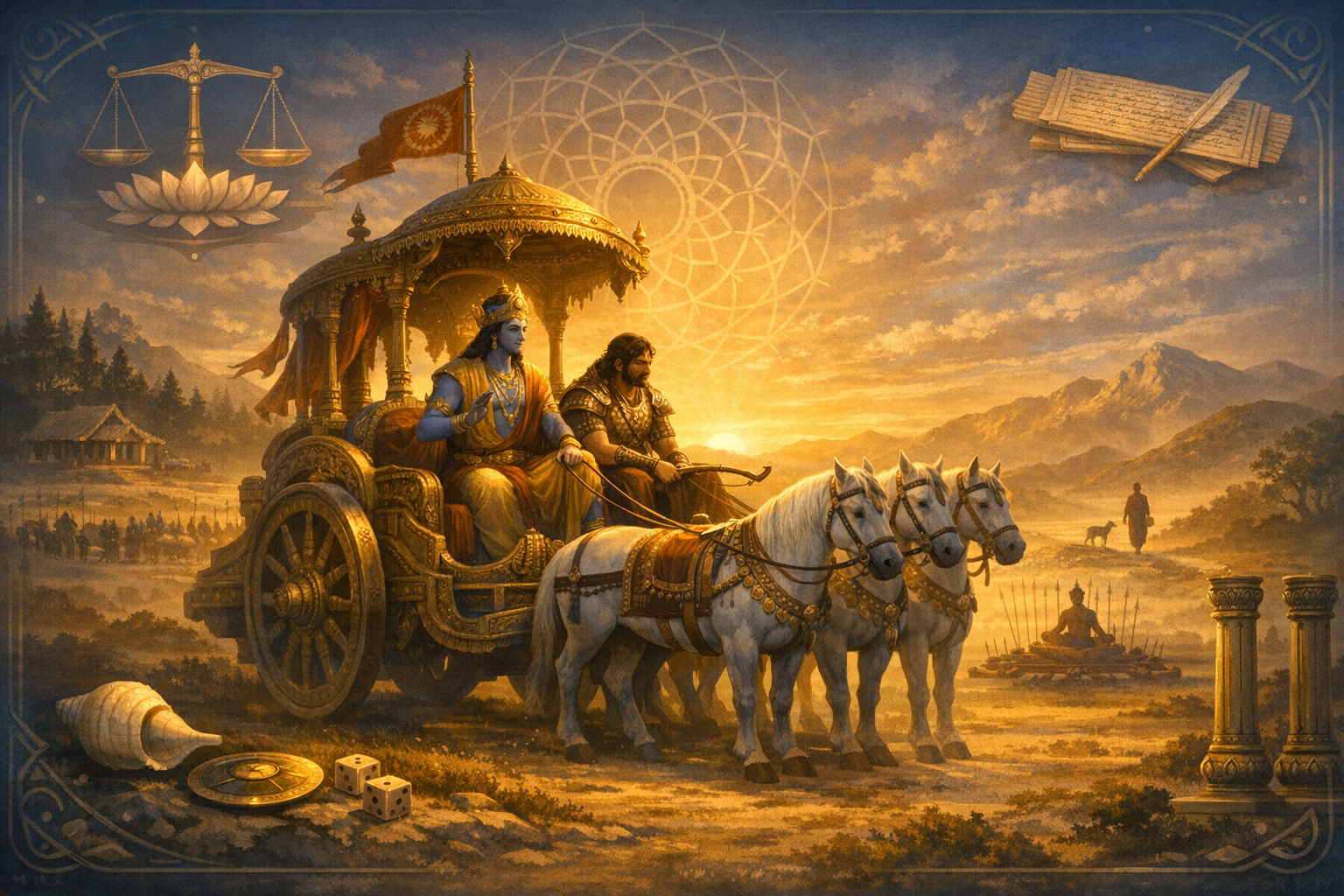
This academically grounded summary presents the Mahabharata’s eighteen parvas with clarity, linking narrative, statecraft, and spirituality into a single, coherent guide. Readers gain a concise understanding of the Kuru lineage, the Kurukshetra War, and the Bhagavad Gita’s integrated path of action, knowledge, and devotion. The overview highlights Vidura-niti and Bhishma’s lectures on just governance, ethical…
-
Hatkeshwar Jayanti 2026: Auspicious Date, Powerful Rituals, and Kuladevata Heritage

Hatkeshwar Jayanti (Hatkeshwar Mahadev Jayanti) in 2026 falls on April 1, observed on Chaitra Chaudasana, the 14th lunar day (Chaturdashi) of Chaitra. The day venerates Lord Hatkeshwar, a form of Shiva, with special emphasis on Kula Devata remembrance among families, especially in Gujarat and adjoining regions. Devotees prioritize pradosha-kala for Shivalinga abhisheka, mantra-japa (Om Namah…
-
A Little-Known 1977 Moment with Srila Prabhupada: Consolation, Realism, and Generous Service

A quietly powerful 1977 exchange with Srila Prabhupada captures three enduring pillars of ISKCON’s ethos: compassionate consolation grounded in the Bhagavad-gita’s teaching of the soul’s immortality, pastoral realism that dignifies the grihastha path, and purposeful philanthropy directed to printing Srimad-Bhagavatam. In a few sentences“Oh Srila Prabhupada, whatever Krishna desires.” and “Every girl wants to get…
-
Unveiling Kena’s Dual Identity: Why It’s the Talavakara Upanishadand Why It Matters Today

The Kena Upanishad is called the Talavakara Upanishad because it is embedded in the Tālavakāra Brāhmaṇa of the Sāma Veda, reflecting its precise textual lineage. Its name “Kena” comes from the opening question“by whom?”that frames a profound inquiry into the source of mind, speech, and life. Structured in four sectionstwo metrical and two proseit advances…
-
Shiva–Parvati Kalyanam at Maha Shivaratri: Complete Guide to Rituals, Legends, and Meaning
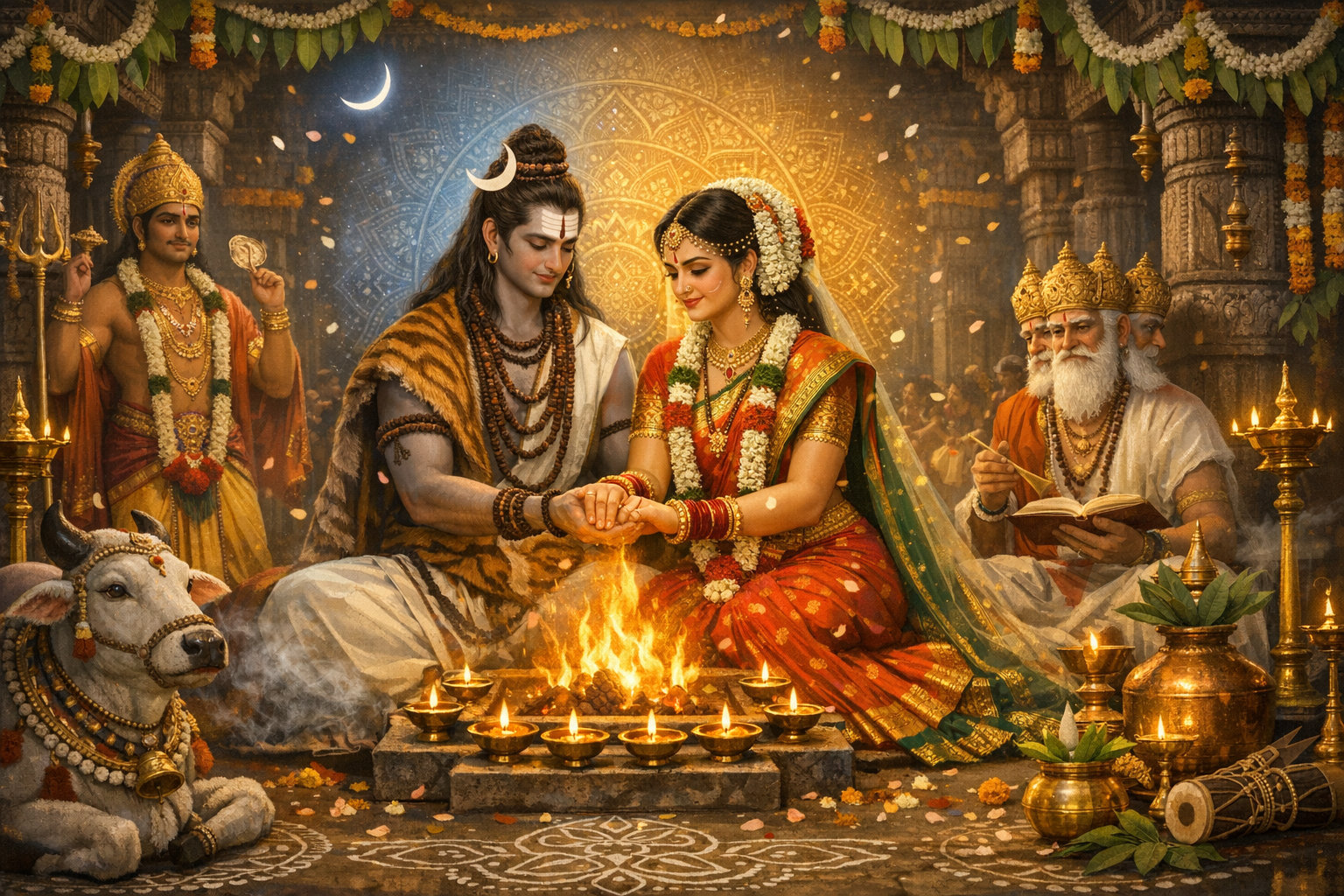
Shiva Parvati Kalyanam, often celebrated the day after Maha Shivaratri, unites Puranic narrative, Vedic samskāra, and Śaiva Āgamic practice in a single, transformative rite. The ceremony venerates Lord Vishnu as Kanya Daanam kartā and Lord Brahma as yajña-ācārya in many traditions, while honoring regional variations across India and Nepal. This comprehensive guide clarifies timing, key…
-
Menaka’s First Sashti Fast: Heartfelt Origin of Shukla Paksha Sashti in Bengal’s Durga Puja
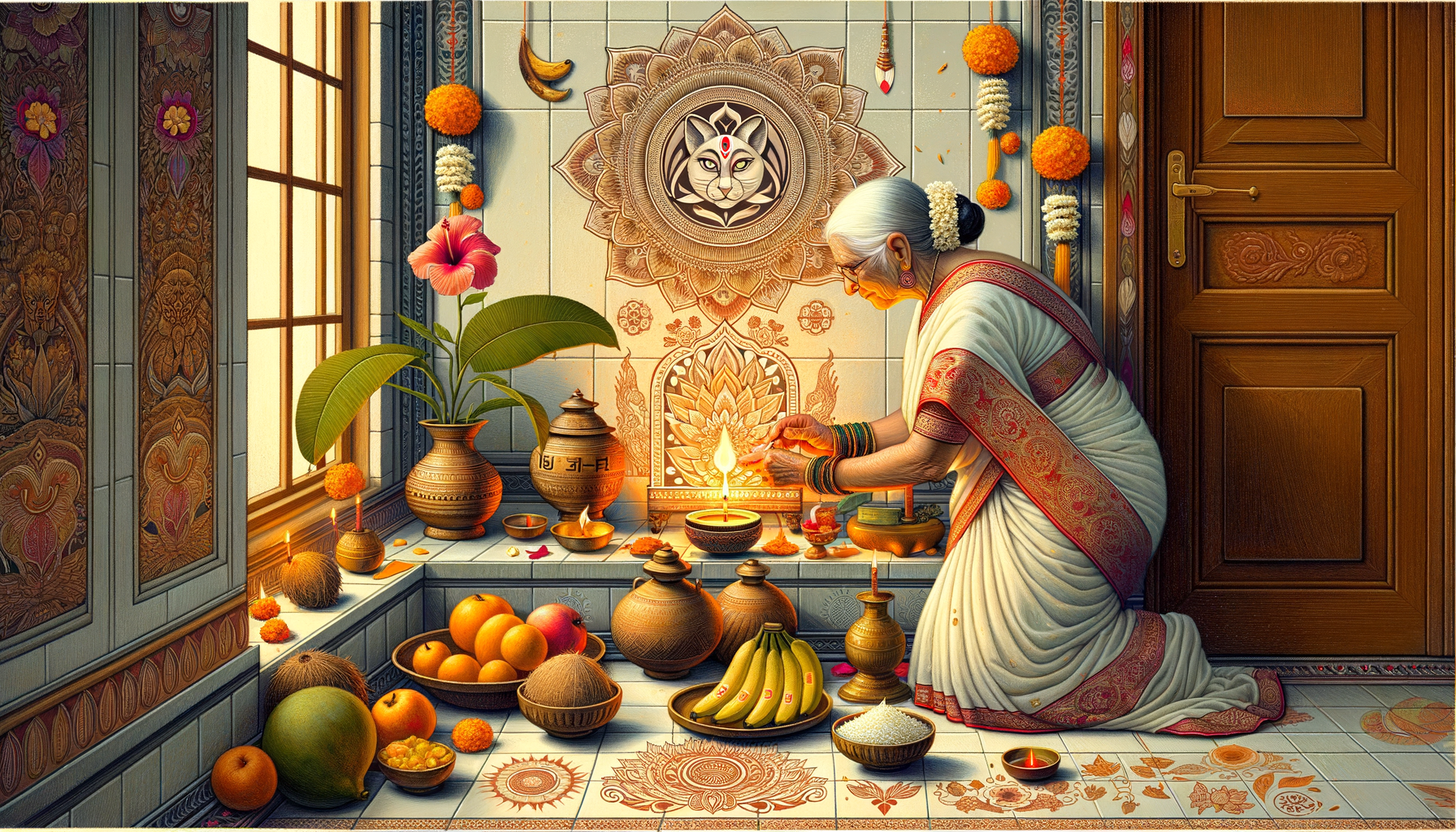
This article explains the origin and meaning of Sashti fasting in Bengal, a rite dedicated to Goddess Sashti, a manifestation of Goddess Durga. It recounts Parvati’s Ashwin homecoming to King Himavan’s abode with Ganesha and Kartik and remembers Mother Menaka as the first observer of the Sashti vrat. Readers learn when Shukla Paksha Sashti occurs…
-
Raghavendra Jayanthi 2026: Date, Meaning, and Mantralayam Rituals that Inspire Devotion

Sri Guru Raghavendra Jayanthi, observed on Falguna Shukla Saptami, will be celebrated on February 23, 2026. The festival honors Sri Guru Raghavendra Swamy’s legacy of devotion, service, and ethical living, with special Guru Jayanthi Utsavalu at the Mantralayam Sri Guru Raghavendra Swamy Temple. Readers gain clarity on the tithi-based calendrical context, typical home observances, and…
-
Sringara Rasa Unveiled: The Heartbeat of Love in Hindu PoeticsUnion and Separation

Sringara Rasa, one of the nine rasas, expresses the refined essence of love grounded in the sthayi bhava called rati. It unfolds through two modesSambhoga (union) and Vipralambha (separation)which together illuminate the fullness of human affection. Classical vibhavas such as seasons, garlands, and garden visits prepare the mind for aesthetic experience. In dance traditions like…
-
Judge by Their Ideals: Swami Vivekananda’s Transformative Call to Empathy and Dharmic Unity

Swami Vivekananda’s teaching urges a shift from judging others by personal standards to understanding them by their own ideals, fostering empathy and fairness. Rooted in dharmic pluralism, this principle resonates with Ishta in Hinduism, compassion in Buddhism, Anekantavada in Jainism, and seva in Sikhism. Applied to work, family, and public discourse, it reduces polarization and…
-
Shantadurga of Kelshi: Sacred Konkan Legacy from Parashurama to Gaur Saraswat Devotion

Shantadurga of Kelshi illuminates the sacred geography of Parashurama’s Konkan, where the Sahyadri meets the sea and Devi’s peaceful power endures. This account situates Kelshi within Purāṇic tradition, highlighting Shantadurga’s role as a reconciler and guardian. It explores how Gaur Saraswat Brahmin families sustain devotion across generations, transforming the temple into a living archive of…
-
Bhikshatanamurti: Shiva as the Supreme MendicantSymbolism, Stories, and Dharmic Unity
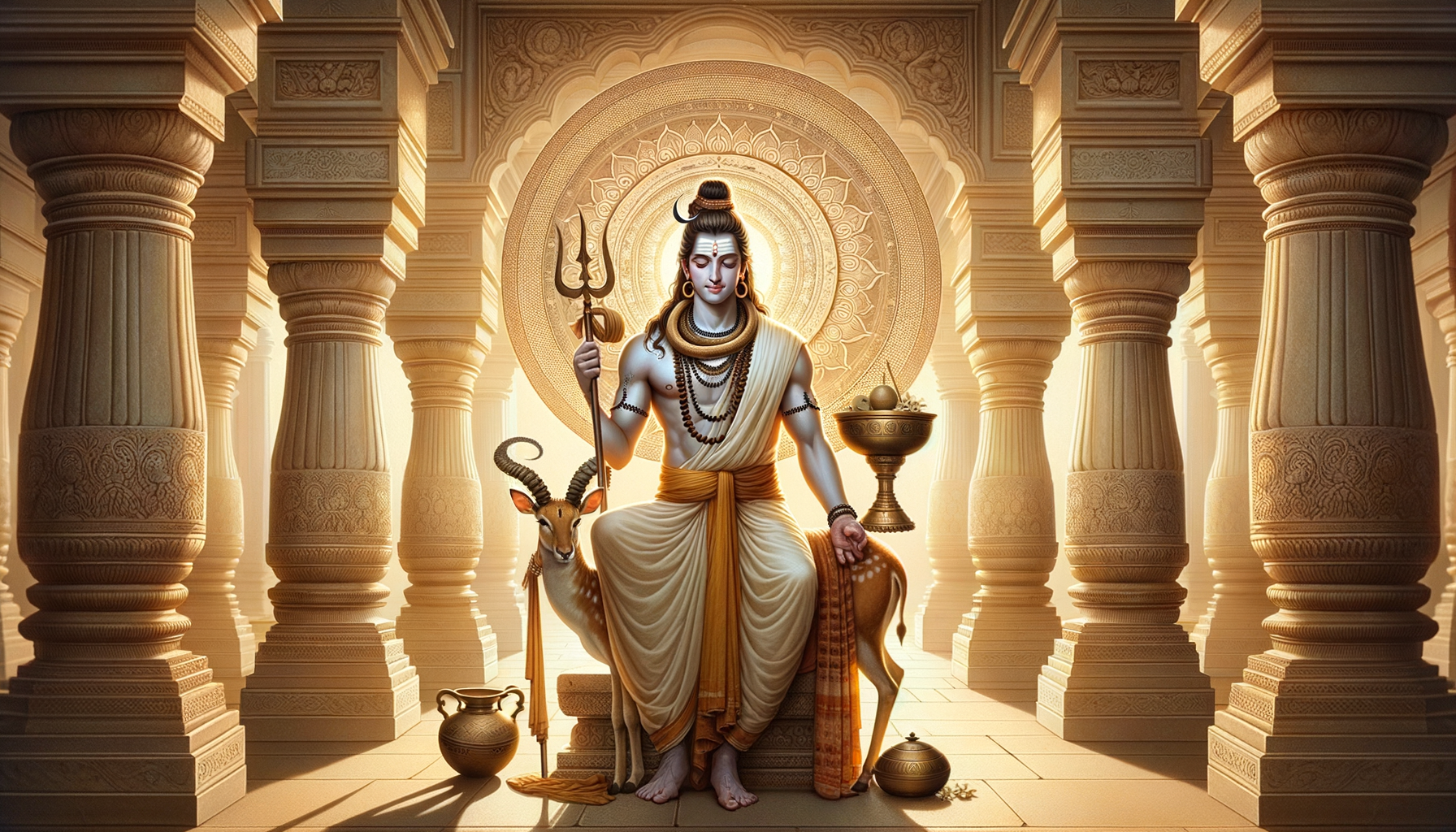
Bhikshatanamurti, the Supreme Mendicant form of Lord Shiva, embodies humility, compassion, and aparigraha while elevating giving into a sacred exchange. This academic overview clarifies the meaning of “mendicant” beyond mere begging and explores how Shaivism frames detachment as inner freedom. It surveys key narratives and iconographysuch as the kapala bowl and staffso readers can interpret…
-
In Goa, Advocate Vishnu Shankar Jain Urges Powerful, Unified Legal Front for Dharmic Rights

At a three-day workshop in Goa, Advocate Vishnu Shankar Jain, a Supreme Court lawyer, urged the creation of a well-organised legal network to safeguard the constitutional rights of Hindu communities. The proposal highlights the need for coordinated research, filings, and advocacy to navigate complex issues around religious freedoms, institutions, and heritage. Framed within India’s plural…