
-
Mathura of Thanjavur: A Devoted Chola‑Era Dancer Who Illuminated Shiva’s Sacred Arts
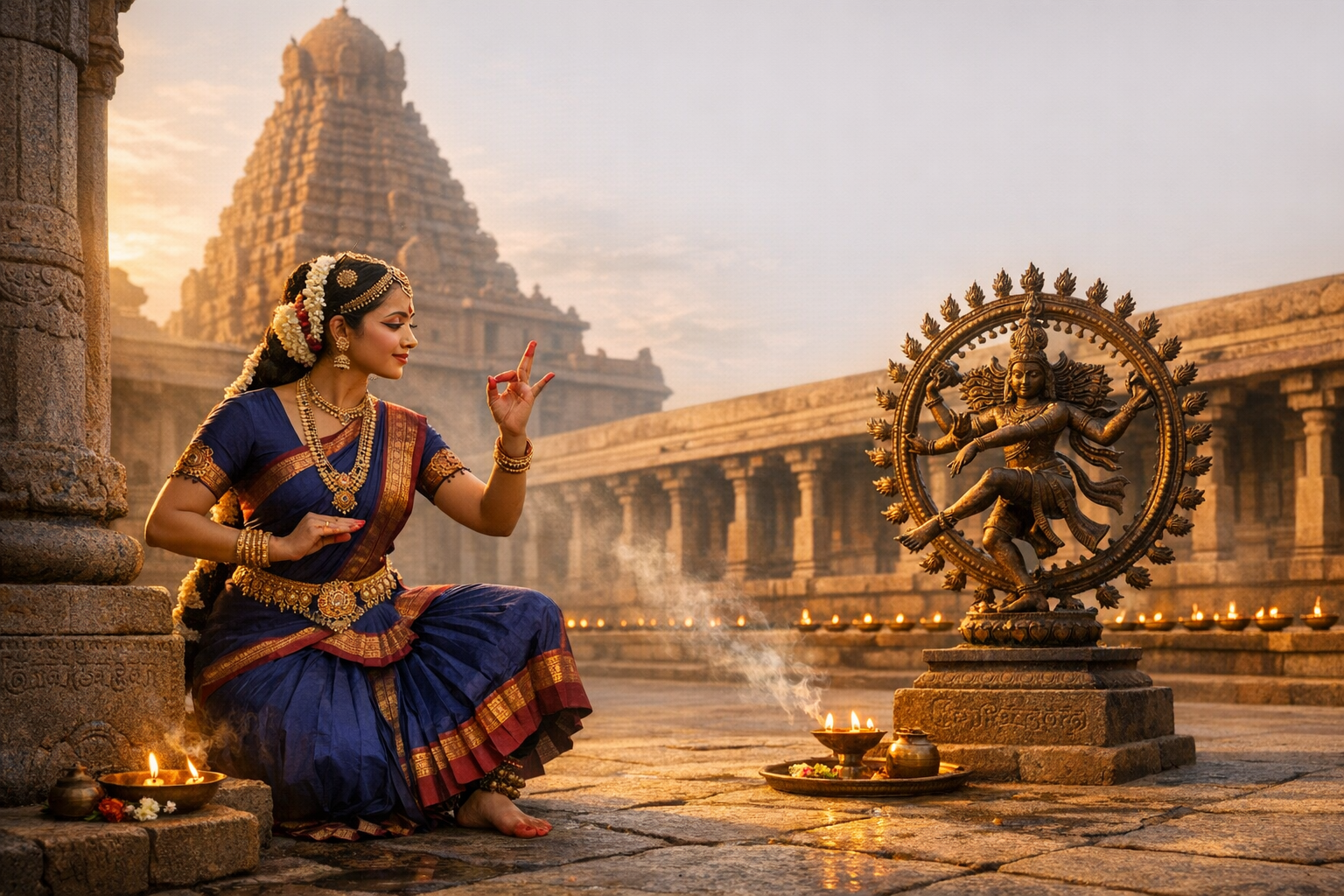
Mathura of Thanjavur, a chaste and devout temple dancer of the 10th century CE, exemplifies the Chola ideal of art as worship under Sri Rajarajachola. Set within the institutional world of the Brihadeeshwara Temple, her vocation aligned technical mastery with spiritual discipline. Epigraphic evidence from the period confirms organized temple ensembles of devaradiyar, musicians, and…
-
April 28, 2026 Panchang: Precise Tithi Change, Shubh Muhurat, Nakshatra & Rashi Essentials

April 28, 2026 falls on Shukla Paksha Dwadashi tithi until 7:22 PM (IST), after which Trayodashi begins. The post explains what tithi means technically (12° lunar-solar elongation per tithi) and why transition times matter for temple rites and home puja. It outlines how to use Abhijit Muhurat for auspicious starts and how to steer around…
-
Bhadrachalam Sthala Puranam: Sacred Legends, Living Devotion at Sita Ramachandra Swamy
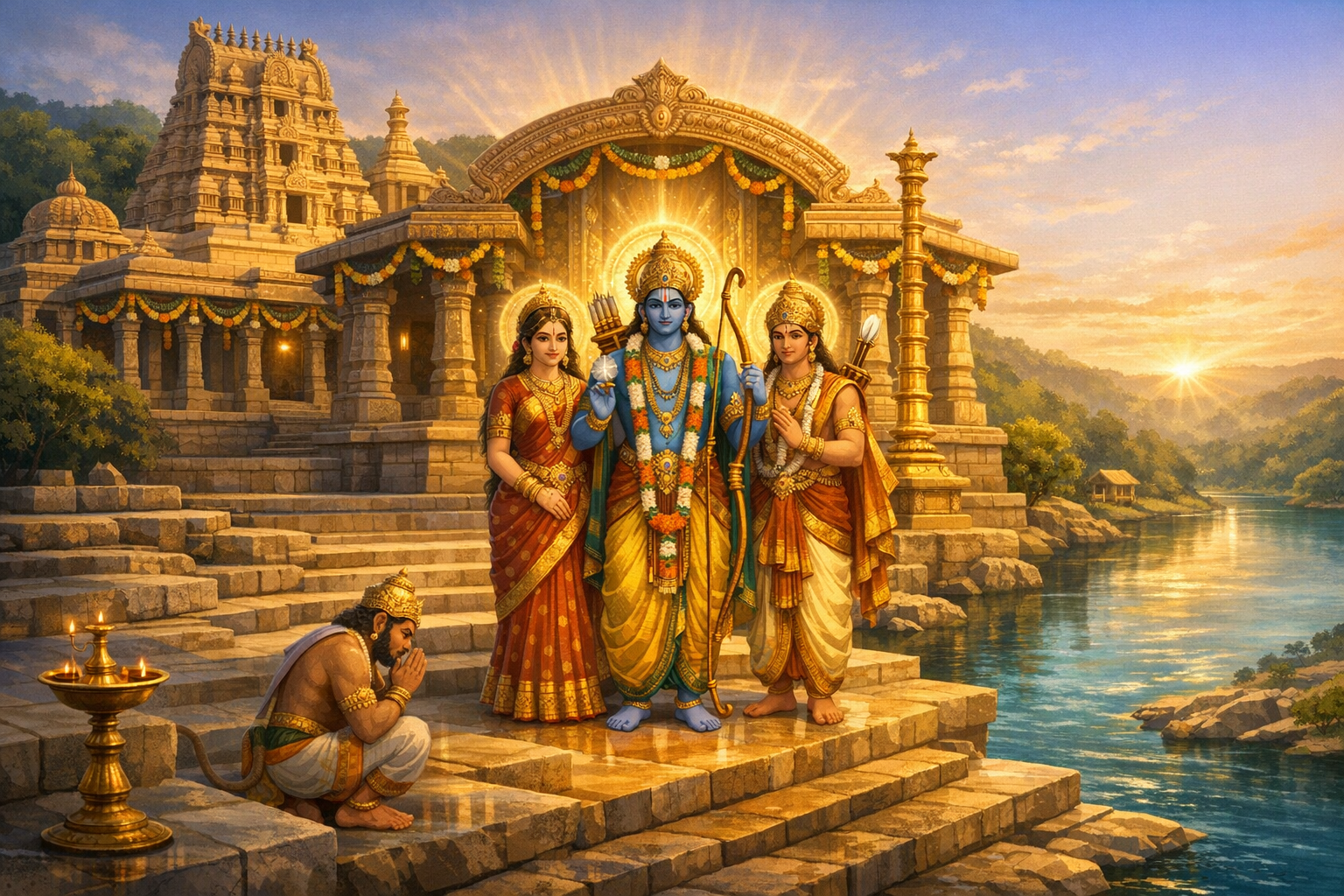
Set on the banks of the Godavari, the Bhadrachalam Sita Ramachandra Swamy Temple embodies a living synthesis of Valmiki’s Ramayana, sacred geography, and historical tradition. Its Sthala Puranam links Ayodhya’s epic events to the forests of Dandakaranya, where Sri Rama, Seetha, and Lakshmana are venerated in the unique Vaikuntha Rama iconography. The kshetra’s renaissance under…
-
At 11, Bodhana Sivanandan Becomes UK’s Top Female Chess PlayerAn Inspiring Dharmic Legacy

At 11 years old, Bodhana Sivanandan has become the UK’s top female chess player, a rare feat that spotlights exceptional junior development in British chess. This in-depth analysis explains how FIDE and national ratings work, why junior K-factors accelerate progress, and which technical habitscalculation, positional understanding, endgame technique, and opening preparationmost reliably drive elite performance.…
-
Unveiling Brahma’s Wedding at Pushkar: Cosmic Timing, Gayatri’s Grace, and Yajna Power

Brahma’s marriage to Gayatri at Pushkar weaves together sacred geography, śrauta ritual law, and cosmic timing to explain why the Jagatpita Brahma Mandir and Pushkar Lake command exceptional sanctity. Drawing on Padma Purāṇa, Skanda Purāṇa, and regional memory, the narrative shows how the patnī-samyāja completes yajña, why muhūrta matters, and how Gayatri embodies both mantra-śakti…
-
Unveiling Nāga Kanyā: A Research-Backed Guide to Hinduism’s Boundless Serpent Guardian

Nāga Kanyā“the virgin serpent”is a pan-Indic guardian archetype whose maidenly autonomy and serpentine potency protect thresholds, waters, and life. This research-grounded overview situates Nāga Kanyā in Hindu scriptures and art (Jaratkaru, Ulūpī, Hoysala and Chola sculptures) while clarifying that “virgin” signifies self-sovereignty, not social status. It explains how nāga-kanyā symbolism converges with festivals such as…
-
Amrit Sanchar in Tohana: A Transformative Khalsa Initiation at ‘Prabh Milnae Ka Chao’
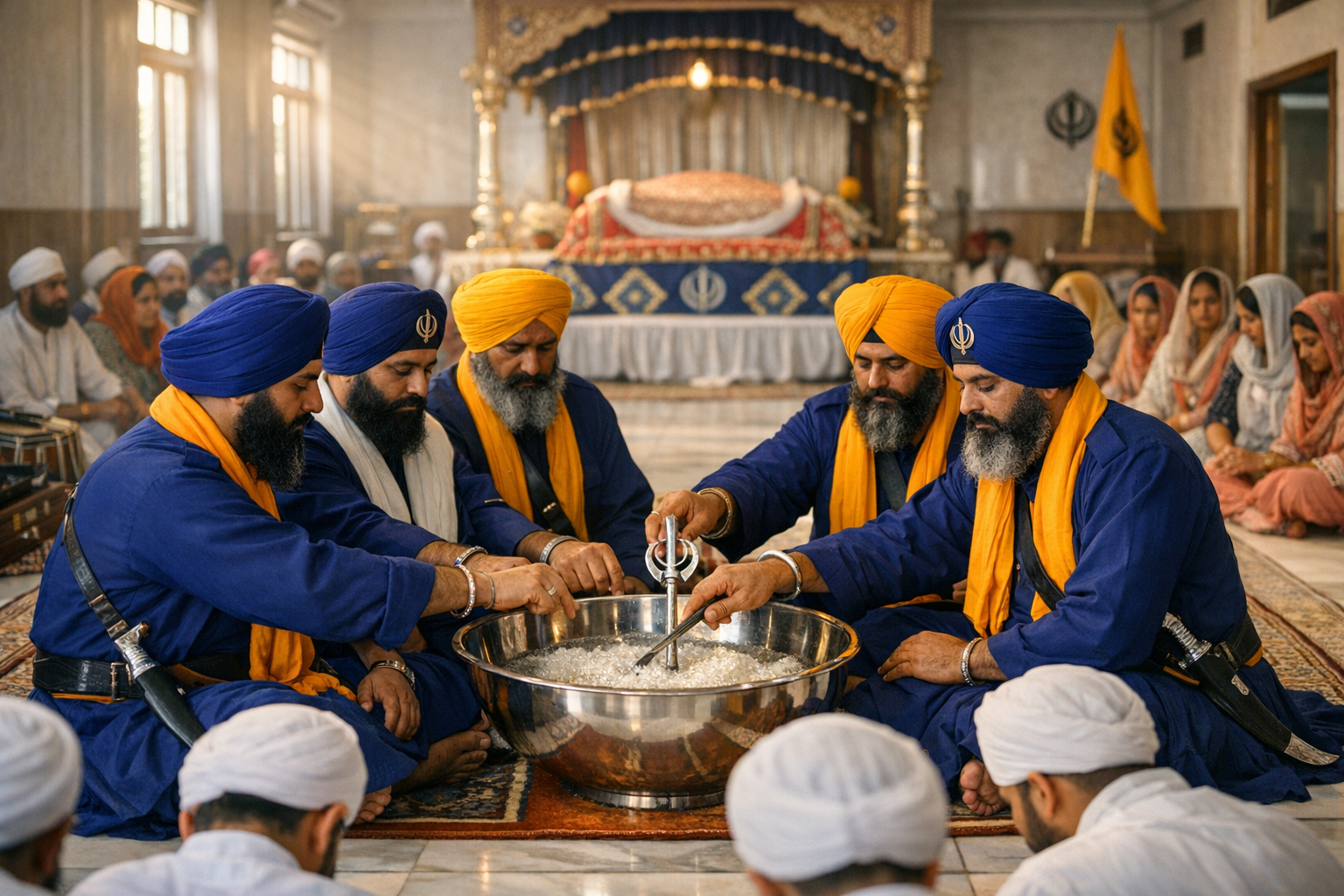
Held in Tohana under the devotional theme “Prabh Milnae Ka Chao,” this detailed analysis explains how Amrit SancharSikhism’s Khalsa initiationcombines precise ritual, ethical rigor, and communal service. It outlines the ceremony’s canonical steps (Panj Piare, preparation of Amrit, five banis), the Five Ks and daily Nitnem discipline, and the social ethic of Sarbat da Bhala…
-
Master the Mind in a Distracted World: Bhakti-Yoga, Mindfulness, and Digital Discipline

The digital age fragments attention, yet the classical aim of yogasteadying the mindremains essential. This analysis explains how bhakti-yoga (Krishna consciousness), mindfulness, and pranayama collectively counter distraction by building one-pointed concentration. It connects pratyahara, dharana, and dhyana to practical digital hygiene, offering a modern, research-aware framework for focus. Parallels from Buddhism (sati, samatha), Jainism (samayik,…
-
Jada Bharata vs. Kali Yuga: Unmasking Algorithmic Gurus and Reclaiming Timeless Dharma

Jada Bharata’s encounter with the modern attention economy offers a precise lens for navigating Kali Yuga’s spiritual noise. Grounded in the Bhagavata Purana, the sage’s teachings on vairagya, mauna, sakshi-bhava, and nishkama-karma map cleanly onto today’s influencer culture and consumer spirituality. Clear criteria from the Upanishads and the Gita help distinguish authentic guidance from spectacle…
-
Balarāma’s Poised Silence: Unpacking Śrīmad-Bhāgavatam 10.16 and Kṛṣṇa’s Saving Power
Śrīmad-Bhāgavatam 10.16.1–16 frames the Kāliya episode through Balarāma’s calm smile and eloquent silence, signaling realized trust in Kṛṣṇa’s saving power. The narrative contrasts the Vrajavāsīs’ anxiety with Balarāma’s stabilizing presence, revealing guru-tattva and the supportive role of Saṅkarṣaṇa. Read alongside Gauḍīya Vaiṣṇava commentaries, the passage shows how silence can be genuine instruction (māuna-upadeśa), cultivating communal…
-
Srila Prabhupada’s Living Bhakti: How Simplicity, Purity, and Love Transform Lives

This in-depth analysis presents Srila Prabhupada as a True Guru whose simplicity, purity, and love operationalized the Bhakti Tradition in modern life. Grounded in Bhagavad Gita and Srimad-Bhagavatam, it explains guru-tattva, paramparā, and the practical mechanics of sadhana-bhakti. The piece highlights how pastoral warmth and ethical clarity work together to produce durable transformation. It examines…
-
Unmasking Avidya: Adi Shankaracharya’s Advaita roadmap to the wonders within the Self

This article presents an academically grounded overview of how Adi Shankaracharya diagnoses human suffering as avidya and prescribes Advaita Vedanta as a precise remedy. It explains adhyāsa, the superimposition error, and shows how Upanishadic mahāvākyas remove ignorance rather than create divinity. Readers learn the graded reality framework, the role of śruti as pramāṇa, and the…
-
Parashurama Jayanti 2026 Definitive Guide: Akshaya Tritiya Date, Puja Vidhi, Significance
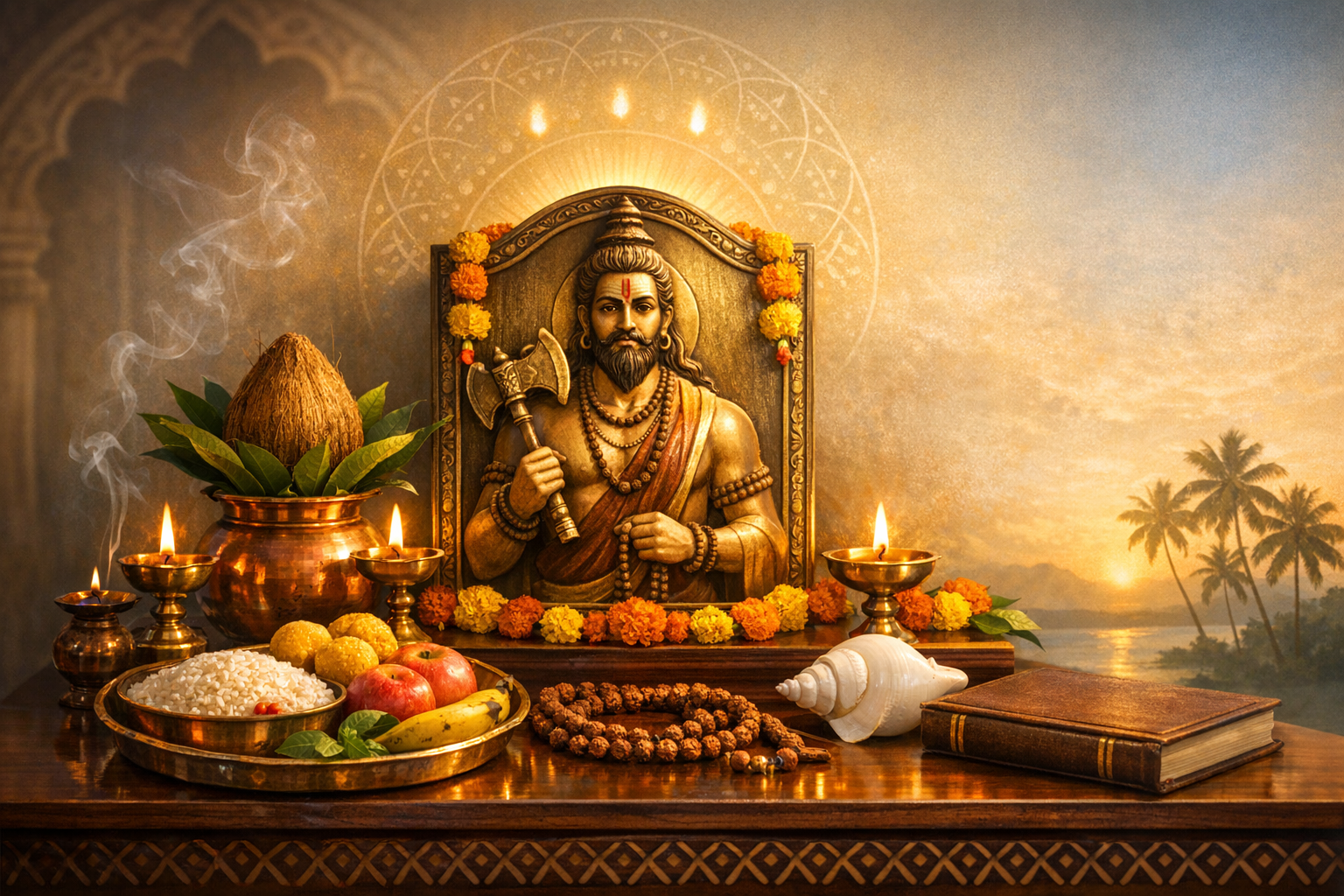
Parashurama Jayanti 2026 coincides with Akshaya Tritiya, the auspicious Vaishakh Shukla Tritiya that symbolizes inexhaustible merit. This definitive guide explains why some regions observe the festival on Dvitiya when Tritiya does not prevail at sunrise, clarifying panchang differences and time-zone effects. It explores Parashurama’s theology as a Vishnu avatar, his role in restoring dharma, and…
-
TTD April 2026 Utsavams: Complete Guide to Tirumala Spring Festivals, Akshaya Tritiya & Darshan
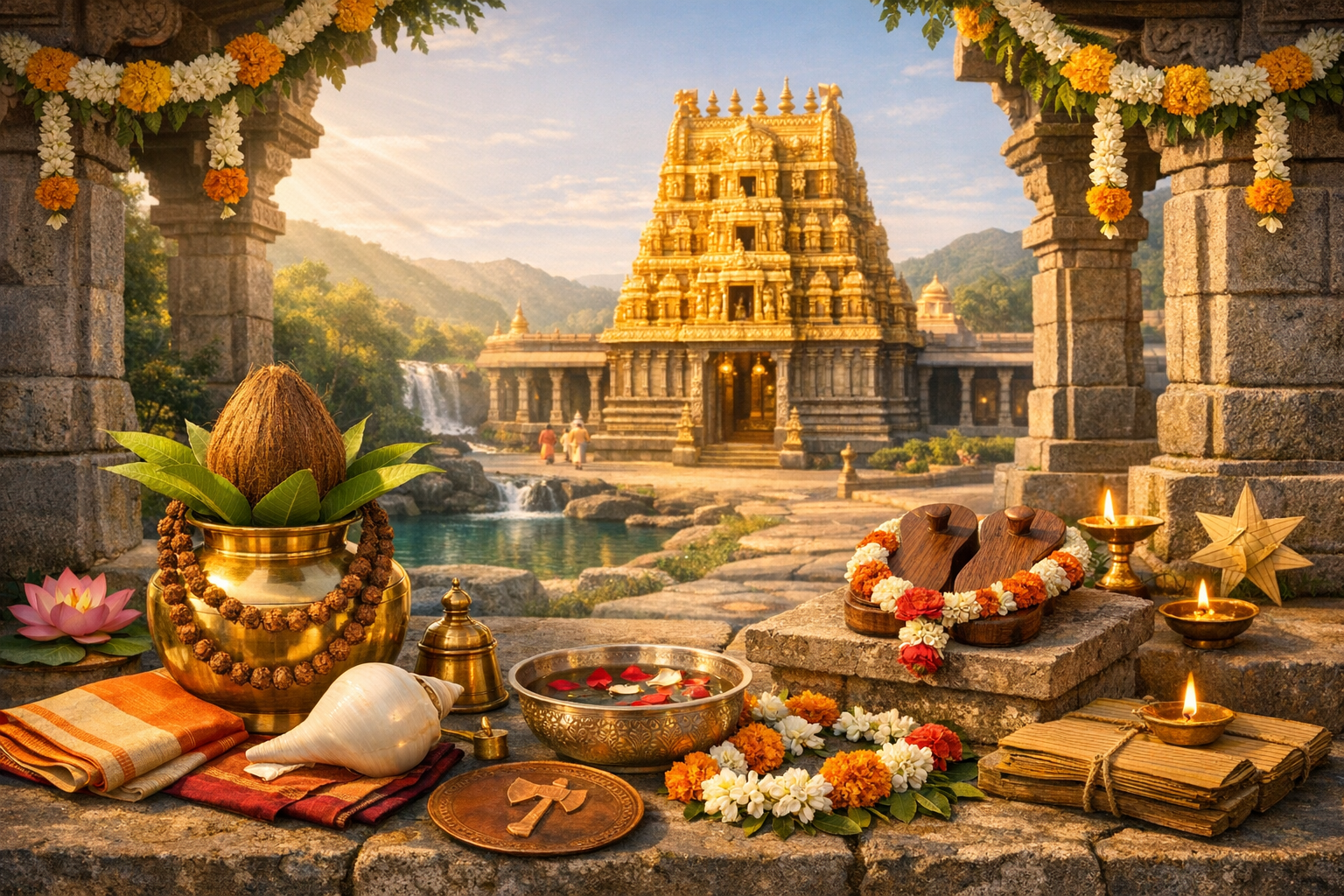
April 2026 at Tirumala concentrates a season of devotion into three key dates: April 1 (Srivari Vasanthotsavams conclusion; Tumburu Theertha Mukkoti), April 13 (start of Sribhashyakara Utsavams), and April 20 (Akshaya Tritiya, Parashurama Jayanti, and two Varsha Thiru Nakshatrams). This guide explains the theological and ritual significance of each observance, outlines what pilgrims can expect,…
-
Bhopal Hanuman Jayanti Row: Viral Speech Sparks Legal Scrutiny and Dharmic Harmony Call

A viral video from a Hanuman Jayanti rally in Bhopal has intensified debate over public speech, alleged slaughterhouse illegality, and online misinformation. This analysis explains the constitutional boundaries of expression, the penal provisions that may apply when rhetoric crosses the line, and the administrative protocols that govern religious processions. It also summarizes the licensing and…
-
Mudgala Purana Decoded: Timeless Ganesha Wisdom, Eight Incarnations, and Why It Matters

The Mudgala Purana, a revered upapurāṇa, offers a focused and sophisticated theology of Gaṇeśa that unites story, ritual, and ethics. Central to its legacy are the eight incarnations of Ganesha, each conquering a specific inner vice and modeling a virtuean elegant map for practical transformation. Textual features such as dialogical framing, symbolic attributes (tusk, modaka,…
-
Ravana’s Hubris and Vasishta’s Warning: How Knowledge Without Humility Ensured Defeat

Framed as “Vasishta’s curse,” this long-form analysis examines how later Ramayana traditions dramatize the collision between Ravana’s brilliance and the dharmic demand for humility. It clarifies textual nuance by distinguishing the core Valmiki Ramayana from regional and oral tellings, reading the “curse” as a pedagogical axiom rather than magical determinism. The essay surveys the ethical…
-
Bihar cleric’s arrest after remarks on Yogi Adityanath’s mother: law, free speech, and civility

A Bihar-based cleric’s arrest after remarks targeting the mother of Uttar Pradesh Chief Minister Yogi Adityanath, followed by a public apology, has reignited India’s debate over free speech, dignity, and public order. This analysis explains how Articles 19(1)(a) and 19(2) of the Constitution frame the balance between expression and legal limits. It outlines common penal…
-
Srila Prabhupada Lilamrita: Personalism and Reciprocal Love that Forged ISKCON
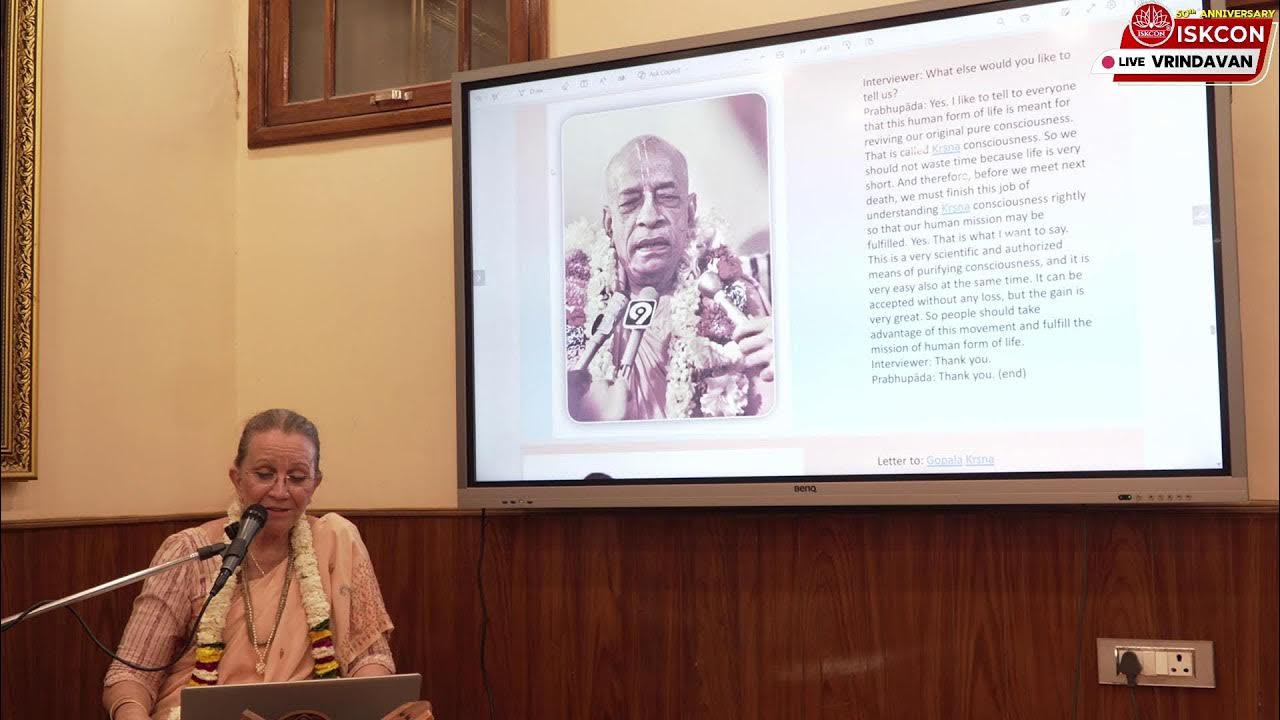
This long-form analysis examines how Srila Prabhupada’s personalismcareful listening, tailored guidance, and reciprocal loveshaped ISKCON’s early momentum, as reflected in Srila Prabhupada Lilamrita and narratives linked with HG Kusha Mataji. It explains how Gaudiya Vaishnava theology translates into pastoral leadership that humanizes rigorous practice. Readers gain practical insights into devotee care, mentorship, and organizational resilience…
-
Did Ashtavakra Curse Ravana? Evidence, Variants, and Dharma’s Powerful Warning on Ego

This long-form analysis examines the popular claim that Sage Ashtavakra cursed Ravana, distinguishing between canonical Ramayana sources and later oral retellings. It explains why the episode, though absent from early textual strata, persists as a compelling ethical parable about Dharma, ego, and consequence. The essay profiles Ashtavakra’s Advaita message and Ravana’s complex character, situating both…