
-
Rewriting the Inner Voice: How Repeated Kind Words Rewired a Childhood Shaped by Fear

A childhood shaped by fear and emotional abuse was gradually rewired through patient, repeated affirmations. A caregiver’s disciplined practiceguided by a grandmother’s wisdomreplaced a shame-based inner voice with self-compassion and resilience. The approach aligns with cognitive reframing, somatic regulation, and dharmic principles of compassionate speech across Hinduism, Buddhism, Jainism, and Sikhism. Practical steps emerge: keep…
-
Madana Mohana: Sri Krishna’s Enchanting Form That Transforms Desire into Sacred Love
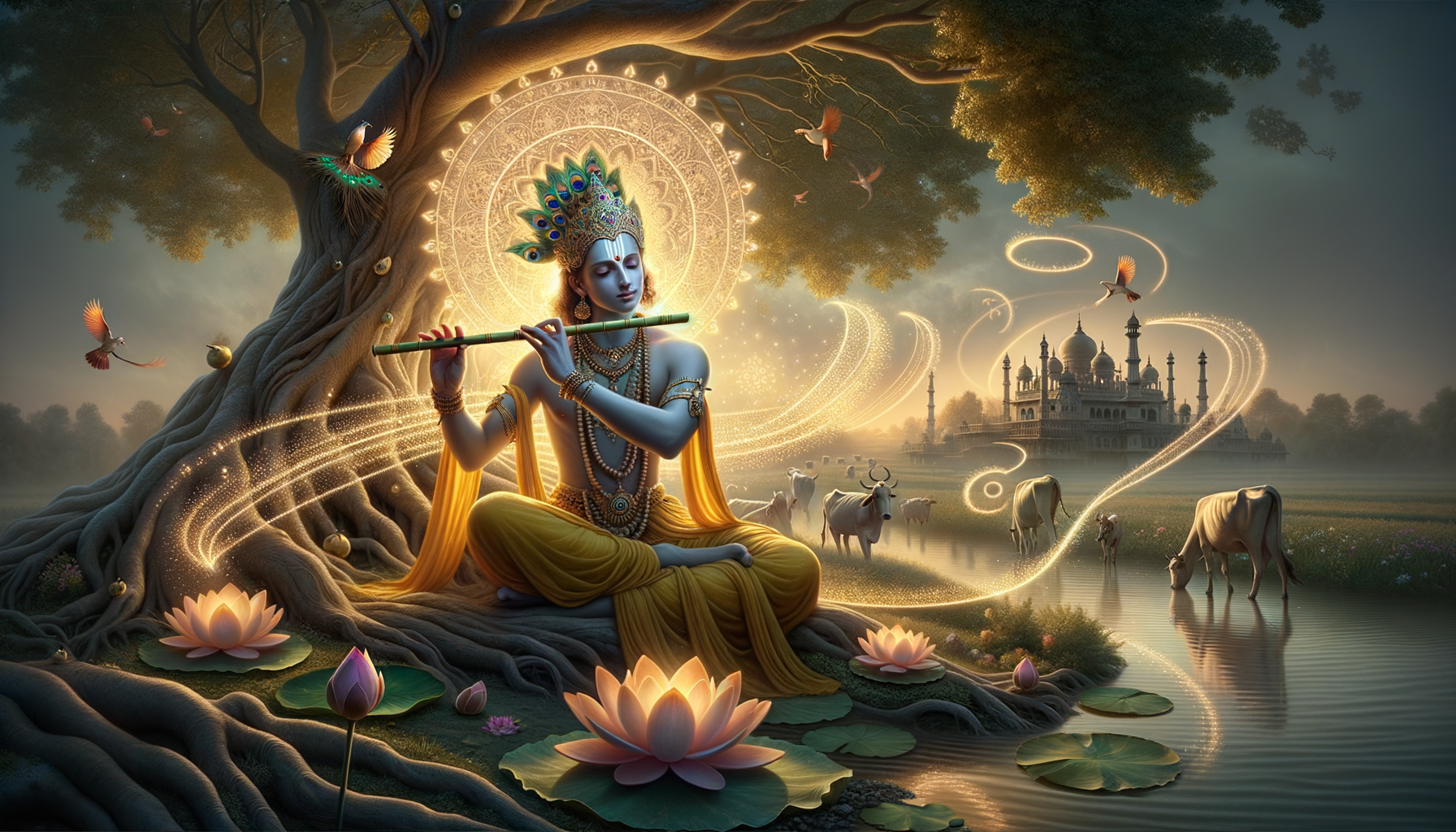
Madana Mohana, the form of Sri Krishna that enchants even Kamdev, illuminates how Hinduism treats beauty and romance as pathways to transcendence rather than obstacles. By transforming attraction into devotion, this vision refines kama into prema and aligns aesthetics with contemplation. Grounded in the Bhakti Tradition and enriched by Vrindavan’s cultural history, the theology of…
-
Unlock Kuja in Lagna (Mangal in 1st House): Mars Ascendant Effects, Strengths, and Remedies
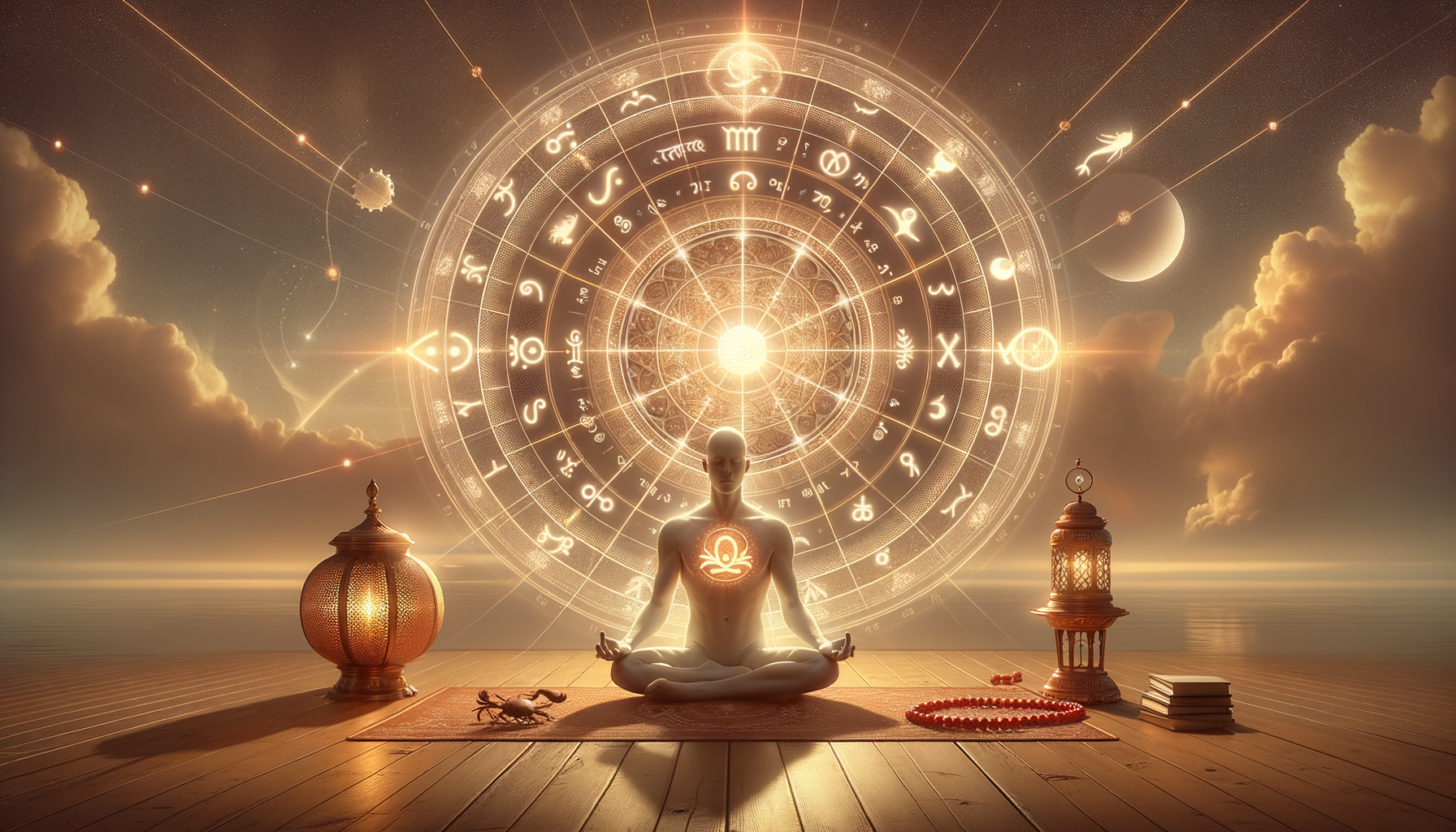
Kuja in Lagna (Mangal in 1st House) places Mars at the front of identity, amplifying confidence, initiative, and leadership. When dignifiedespecially in Aries (Mesha), Scorpio (Vrischika), or exalted in Capricorn (Makara)this placement supports disciplined, dharma-aligned action. If debilitated in Cancer (Karka / Karkatakam) or afflicted, it may manifest as impulsivity or reactive decision-making, calling for…
-
When Ravana Became Rama: A Brief Awakening to Dharma and the Transformative Power of Virtue
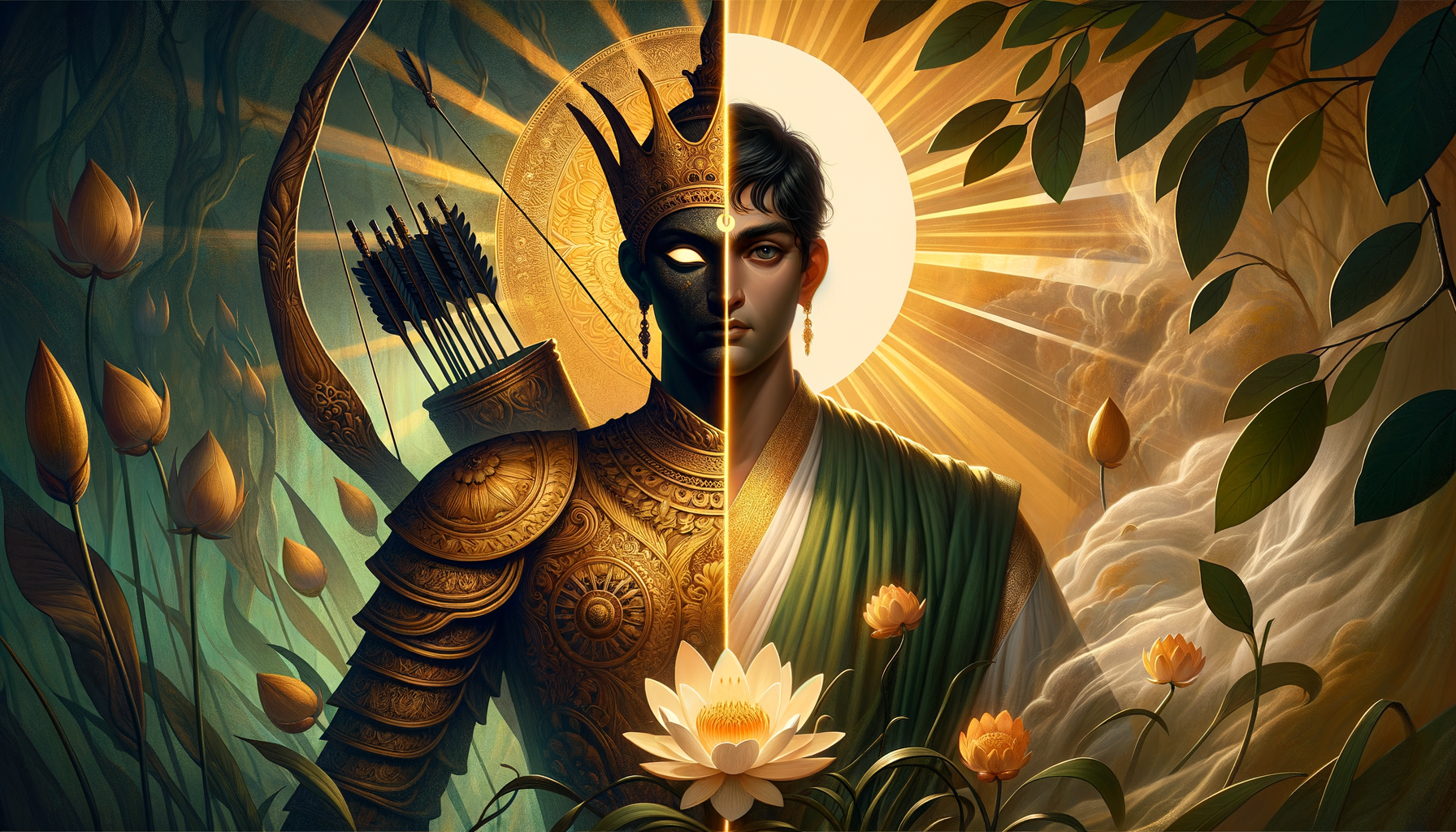
This exploration of a lesser-known Ramayana motifRavana assuming Rama’s formexamines how virtue resists imitation and demands inner transformation. By situating the episode in the ethical drama of Sita’s steadfastness in the Ashoka grove, it shows how adharma collapses under the weight of authentic dharma. The analysis highlights literary, psychological, and philosophical dimensions, clarifying the difference…
-
Sacred Rivers, Timeless Bonds: Why Tarpan with Flowing Water Deepens Ancestral Grace

Tarpan, central to Shradh, is traditionally performed with river water because flowing, living waters embody purity, movement, and sacred continuity. Scriptural traditions praise tirthas and link the efficacy of libations to water that carries offerings forward without stagnation. Riverbank rites also cultivate community memory, transmitting values of gratitude and filial duty across generations. Shared reverence…
-
Thaipusam 2026 at Batu Caves, Malaysia: A Powerful Journey of Devotion and Unity

Thaipusam 2026 will be observed on February 1 at Batu Caves, Kuala Lumpur, aligning with Pournami and the Poosam star in the Tamil month of Thai. The festival honours Lord Muruga through vows, Kavadi, and milk offerings as devotees ascend 272 steps to the cave temple. Visitors witness one of the world’s largest Thai Pusam…
-
Ugra, Raudra, Samhara: Decoding Lord Shiva’s Ferocious Grace and Cosmic Protection

Ugra, Raudra, Samhara Murti presents Lord Shiva’s ferocious yet protective aspect as an ethical force that dissolves disorder and restores balance. The terms “Ugra” and “Raudra” mean “Terrible,” while “Samhara’ means to kill,” aligning this form with Shiva’s cosmic act of dissolution. In practice, devotees turn to this aspect to overcome inner obstacles and societal…
-
Sacred Sunday in Mumbai: Powerful Temple Itinerary for Peace, Heritage, and Harmony

A Sunday pilgrimage in Mumbai can be both restorative and culturally rich, weaving together sacred stops across Hindu, Buddhist, Jain, and Sikh traditions. Starting at Siddhivinayak Temple sets a contemplative tone, while Mahalakshmi, Babulnath, Walkeshwar-Banganga, and Mumbadevi deepen engagement with the city’s spiritual heritage. The Jain temple near Malabar Hill highlights Ahimsa and architectural beauty,…
-
Purandaradasa’s Radical Renunciation: A Moving Lesson in Devotion, Detachment, and Seva

This reflection highlights Purandaradasa’s renunciation as a powerful illustration of wealth rededicated to the Divine and society. It emphasizes the difficulty of detachment while showing how devotion and seva can reorder priorities. The narrative connects shared Dharmic idealsaparigraha, dana, tyaga, and sevaacross Hinduism, Buddhism, Jainism, and Sikhism. Readers gain practical guidance: dedicate money, time, and…
-
Dhakeshwari Temple, Dhaka: Enduring Shakti, Living Heritage, and a City’s Sacred Heart

Dhakeshwari Temple in Dhaka stands as a living center of Shakti worship and a resilient cultural landmark rooted in Ancient Bengal. This overview introduces the temple’s historical legacy, the meaning of its name as both “Goddess of Dhaka” and the “hidden goddess,” and the daily rhythm of worship from aarti to festival observances. Readers discover…
-
Paramapurushartha Explained: The Supreme Human Goal in Hindu Thought for Inner Freedom

Paramapurushartha signifies the supreme human goal in Hindu philosophy, situating moksha as the culmination of life’s aims while harmonizing dharma, artha, and kama. It offers a practical framework for meaning, guiding ethical prosperity and refined enjoyment toward inner freedom. Drawing on the Upanishads, Bhagavad Gita, and Yoga, it aligns with parallel ideals across Dharmic traditionsnirvana…
-
Mahakavi Kalidas Din 2026: Date, Significance, Rituals, and Timeless Cultural Legacy

Mahakavi Kalidas Din (Kalidas Divas) in 2026 falls on July 15, coinciding with Shukla Paksha Pratipada of Ashada Month in the Hindu calendar. Regionally, it aligns with Aani Masam (Tamil), Midhunam (Malayalam), and Aashar (Bengali Panjika), reflecting its pan-Indian significance. The day honors Kalidasa’s enduring contributions through works like Raghuvamsa, Kumarasambhava, Meghaduta, and Abhijnanasakuntalam. Common…
-
From Saint Louis to Spiritual Inquiry: HG Sravaniya dasi’s Lifelong Quest for Truth
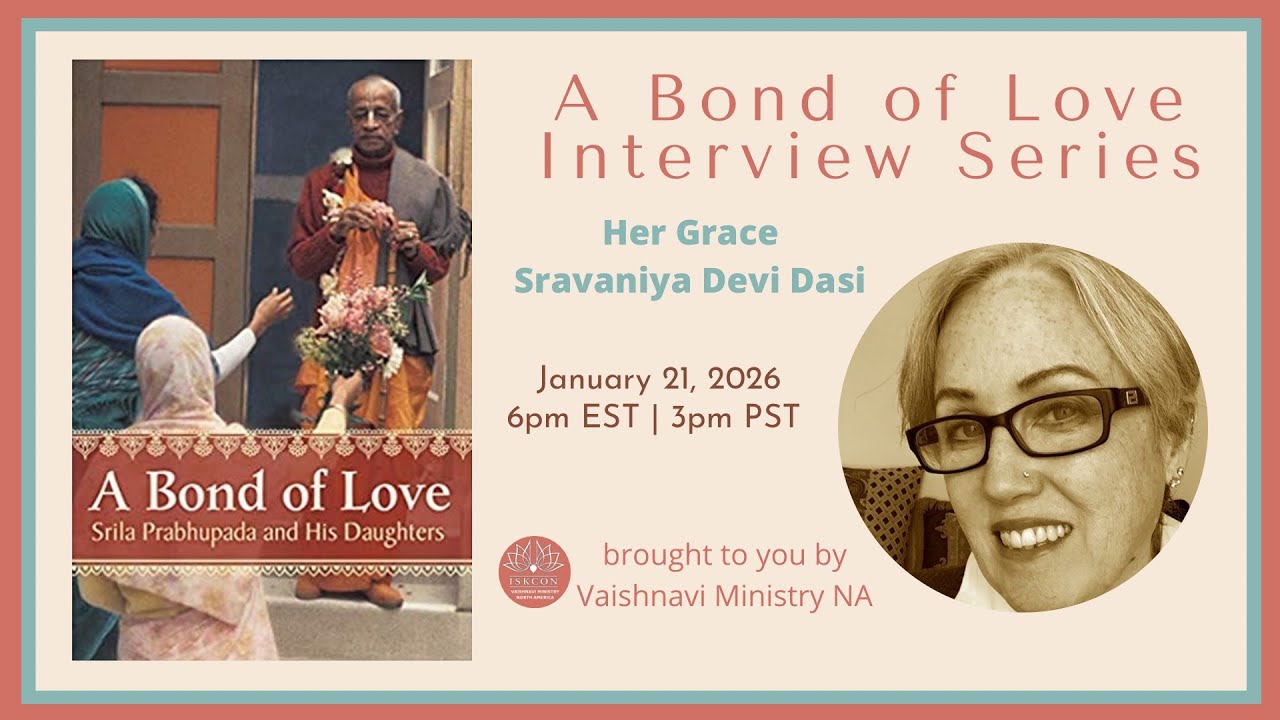
Her Grace Sravaniya dasi, born in Saint Louis, exemplifies a principled journey grounded in metaphysics, spirituality, and ethical living. Choosing vegetarianism at seventeen, she aligned her life with ahimsa and mindful compassion. Her study of eastern classics reflects a focused search into consciousness and reality, prioritizing inner transformation over external acclaim. Consistently drawn to non-commercial…
-
Śrīmad-Bhāgavatam 3.12.23: Nārada’s Birth, Timeless Symbolism, and Dharmic Unity
Śrīmad-Bhāgavatam 3.12.23 portrays Nārada’s birth from Brahmā’s highest deliberation, while Vasiṣṭha, Dakṣa, Bhṛgu, and Kratu arise from breath, thumb, touch, and handan elegant schema uniting contemplation, vitality, relationship, and sacred action. The narrative’s symbolism clarifies key themes in Hindu philosophy and Vedic wisdom, showing how devotion, ethics, and disciplined practice cohere in the Bhakti Tradition.…
-
Nine Radiant Forms of Goddess Kali in the Tantra Purana: Protection, Wisdom, and Grace
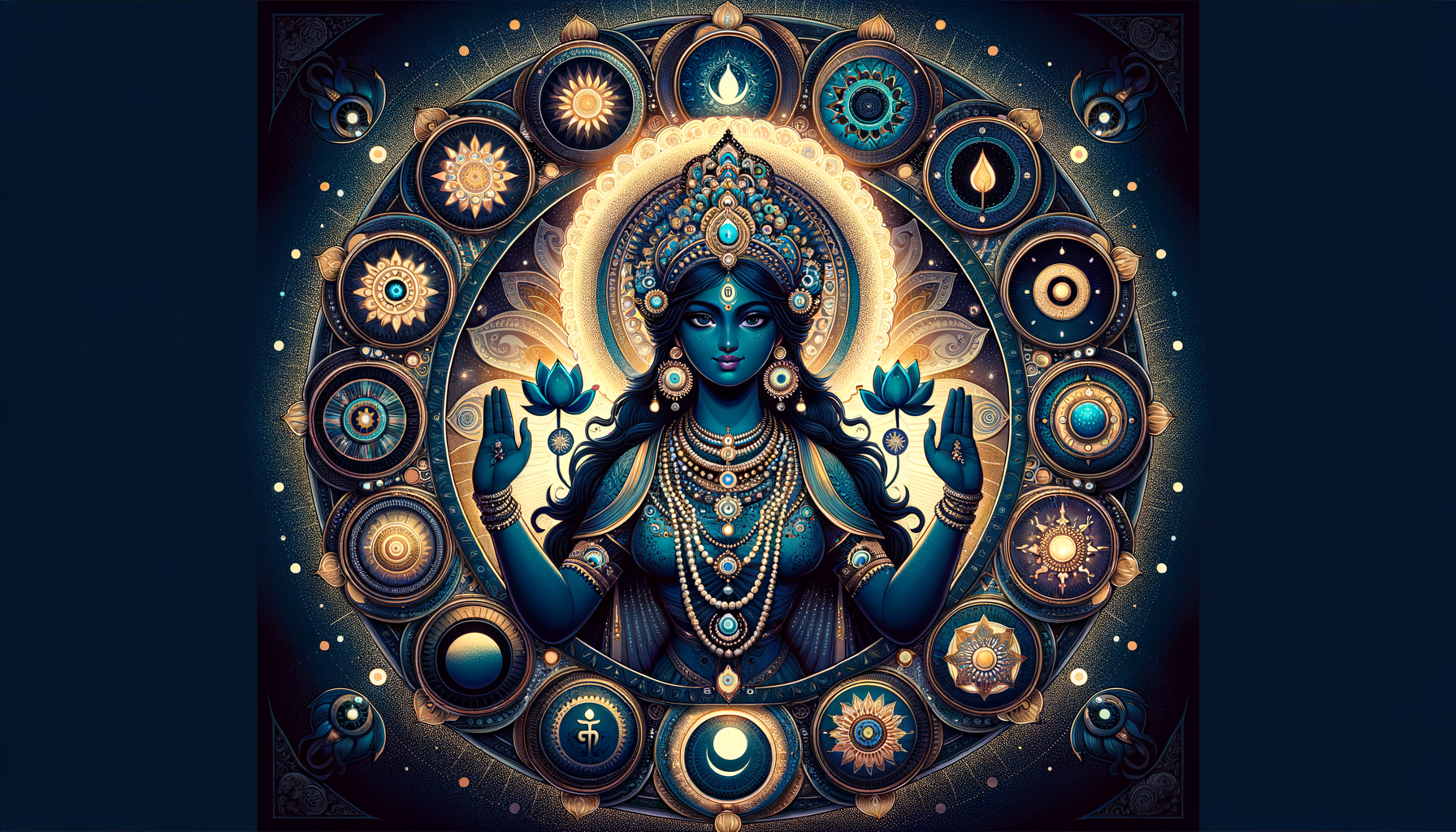
The Tantra Purana presents nine evocative forms of Goddess Kali that illuminate protection, wisdom, and compassionate strength. This overview explains a commonly transmitted Navakali sequence while noting regional and textual variations. Each formsuch as Mahakali, Dakshina Kali, Smashana Kali, and Bhadrakalioffers a distinct lens on impermanence, courage, and ethical living. Readers gain clear, accessible symbolism…
-
January 27, 2026 Panchang: Shukla Navami to Dashami, Key Tithi Timing, Auspicious Guidance

On Tuesday, January 27, 2026, Shukla Paksha Navami lasts until 4:21 PM, after which Shukla Paksha Dashami begins. This precise tithi boundary helps plan puja, vrata, and family observances with clarity. Good Time (Shubh Muhurat) is best aligned within the active tithi, with Navami practices before 4:21 PM and Dashami observances thereafter. Because Nakshatra and…
-
January 26, 2026 Panchang: Shukla Ashtami to Navami, Auspicious Timings, Nakshatra & Rashi Insights

January 26, 2026 begins with Shukla Paksha Ashtami and transitions to Shukla Paksha Navami at 6:37 PM in most regions, offering a clear structure for planning observances. The Panchang’s guidance helps align rituals, study, or service with the waxing moon’s disciplined energy. Devotees often complete Ashtami-focused practices earlier in the day and begin Navami-oriented observances…
-
Madhva Navami 2026: Celebrate Madhvacharya’s Sacred Journey to Badarikashrama
Madhva Navami 2026 falls on January 27, observed on Magha Shukla Navami. The day commemorates the revered tradition of Madhvacharya’s entry into Badarikashrama and his Prayana toward Badrinath. Devotees honor the occasion with MadhvaNavami Puja, Vishnu Sahasranama, and readings from Madhvacharya’s teachings. A simple home pujalighting a deepa, offering flowers, and meditating on guru-bhaktialigns with…
-
Mantra-Powered Transformation: A Vaishnava Model’s Sattvic Path to Ethical Success

A Saint Petersburg model’s Vaishnava journey shows how mantra meditation can reshape work, values, and daily life. By adopting the Hare Krishna maha-mantra and Vedic lifestyle principles, she outlines practical steps to transform a non-sattvic business into a sattvic, ethical enterprise. The account balances devotion with modern professionalism, framing career as seva and choices as…
-
Makar Sankranti & Magh Mela 2026: Millions Unite at Prayagraj and Gangasagar in Peace and Devotion

Millions converge at the Sangam in Prayagraj and the shores of Gangasagar for Makar Sankranti and the Magh Mela 2026, embodying peace, harmony, and disciplined devotion. The observances highlight tirtha-yatra as a living tradition that blends inward reflection with community care. Shared values of ahimsa, seva, and satya unite Hindu, Buddhist, Jain, and Sikh participants…