
-
Timeless Bhakti, Practical Wisdom: Key Insights from HH Guru Prasad Swami’s Special Class
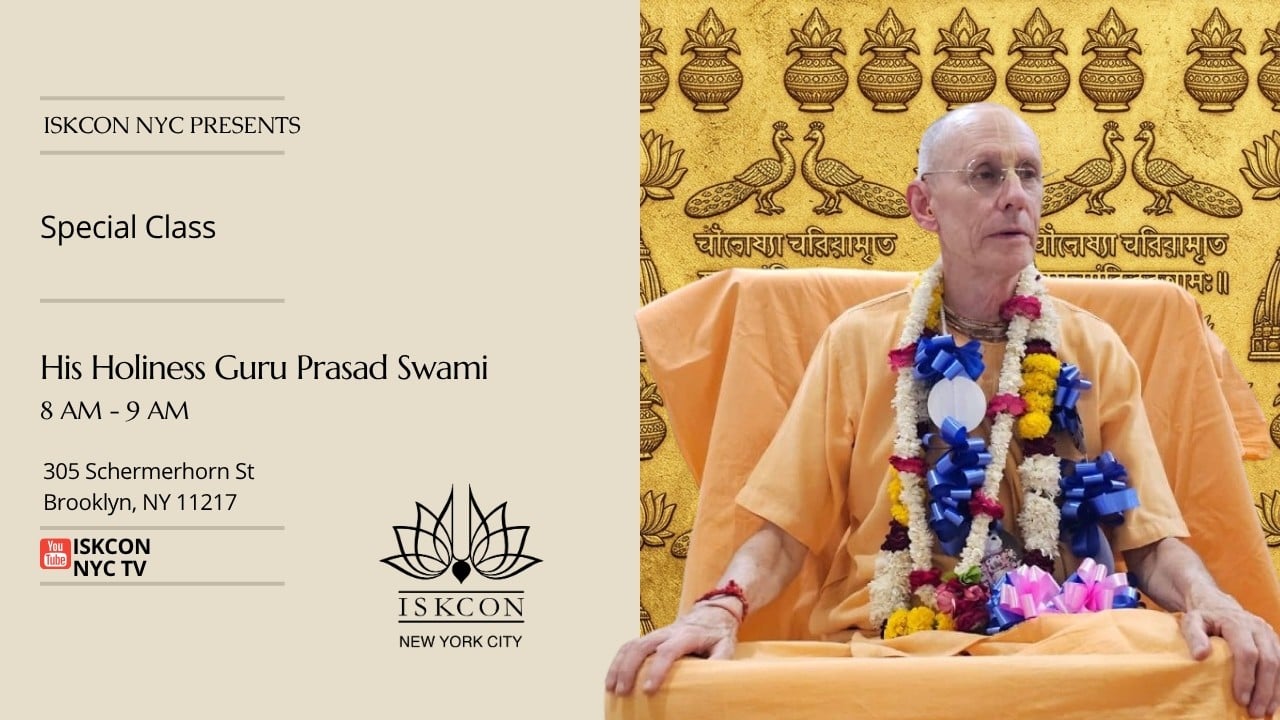
This in-depth analysis of HH Guru Prasad Swami’s Special Class (ISKCON NYC TV) presents bhakti as a rigorous, integrative science of consciousness rooted in the Bhagavad Gita and Srimad Bhagavatham. It explains the sambandha–abhidheya–prayojana framework, unites karma-, jnana-, and bhakti-yoga, and shows how daily sadhana cultivates clarity, compassion, and courage. The discussion aligns inner practice…
-
After the 1397 Bahmani Raid: How Gunda Dandanatha Raised Belur’s Seven‑Storeyed Gopuram
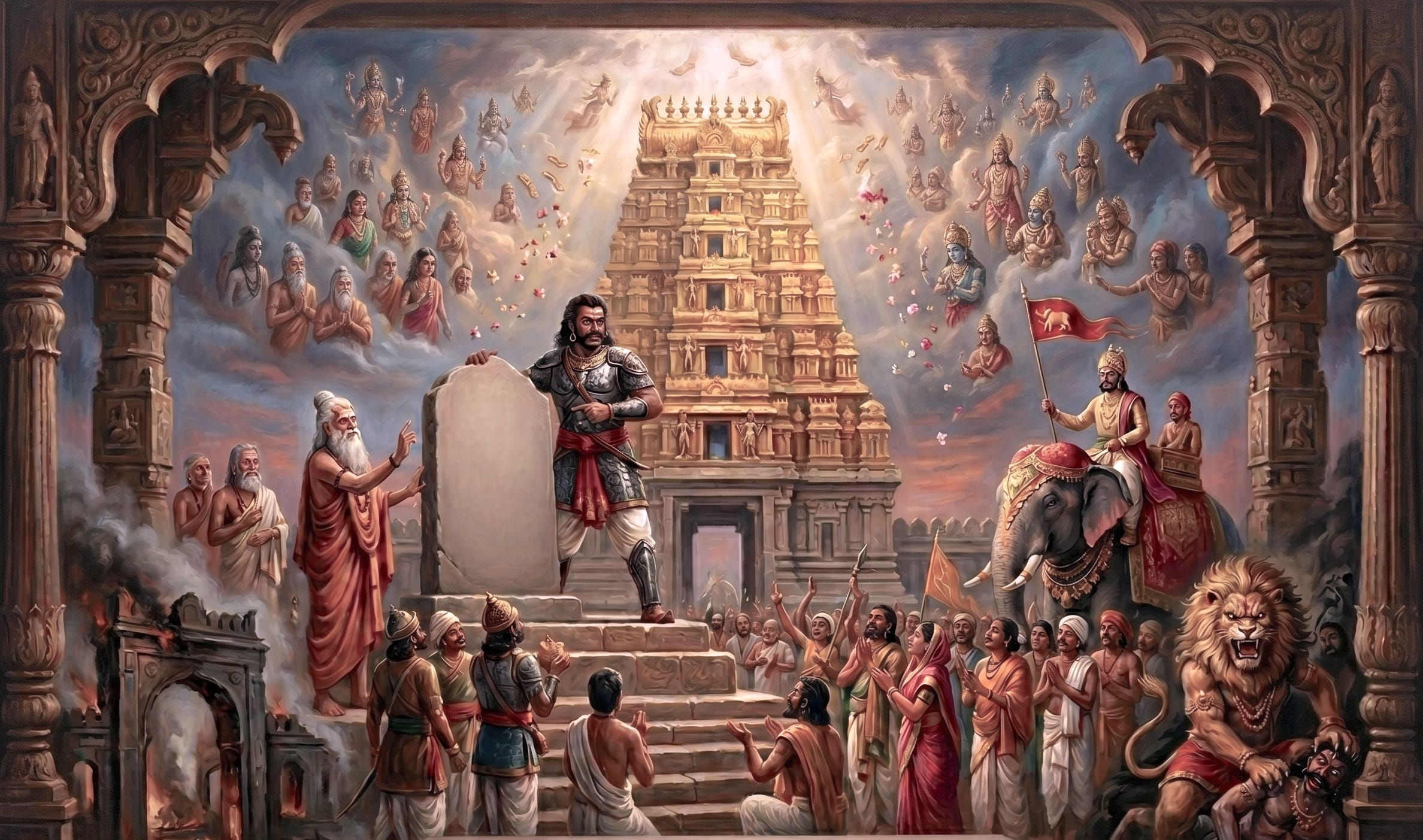
The 1397 Belur inscription records how Gunda Dandanatha, under Harihara II of the Vijayanagara Empire, rebuilt the Chennakeshava Temple’s gateway into a seven‑storeyed gopuram after an attack from Kalaburagi. Placing this event in the wider political and cultural context, the analysis explains how Vijayanagara’s ethos of Pūrvada maryādecontinuity of ancient customsguided practical restoration and renewed…
-
Ekavali: Sacred Elegance of the Single Strand in Hindu Iconography and Temple Art
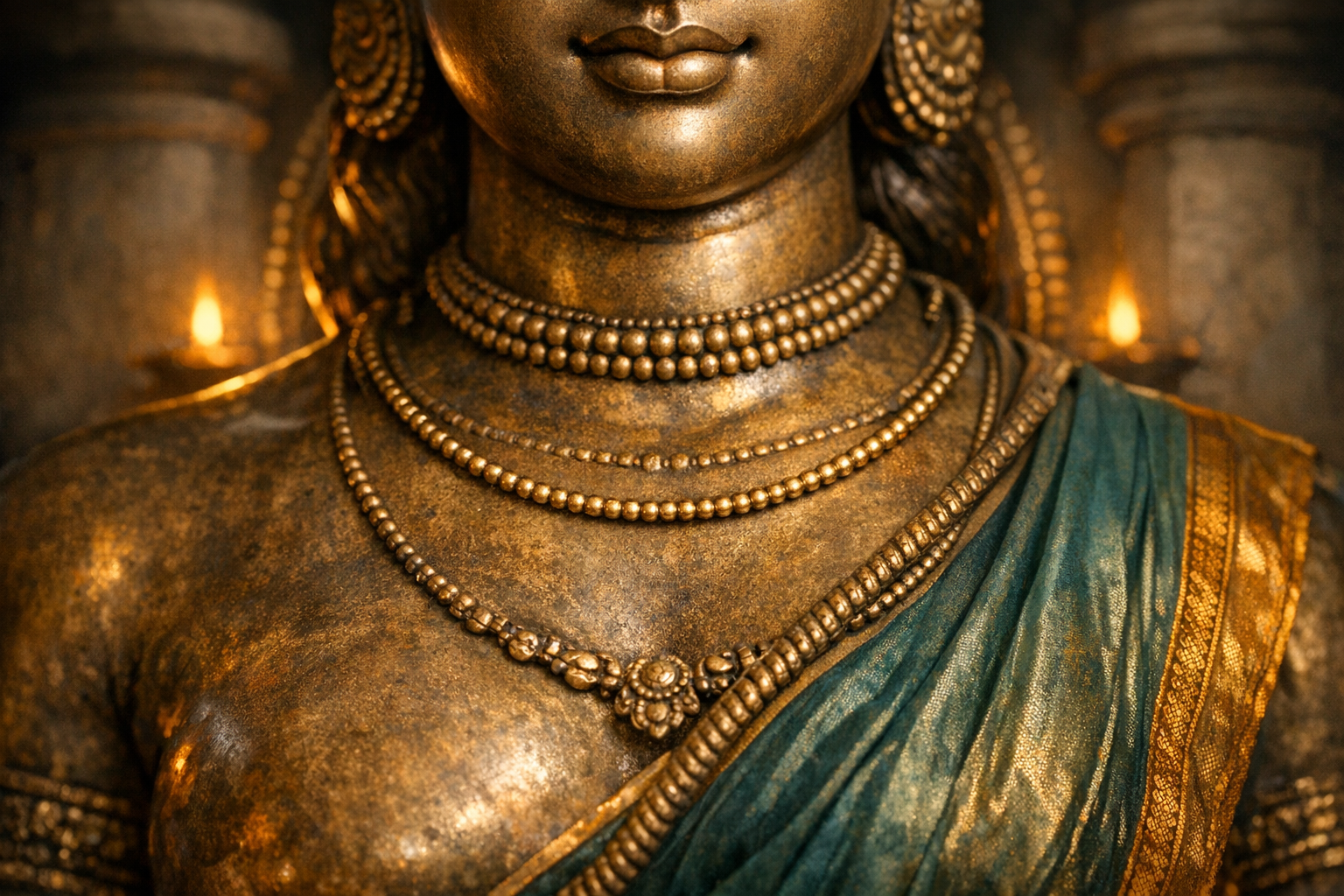
The Ekavaliliterally a single, unbroken strandanchors the visual and ritual logic of Hindu sacred art. Placed just below the throat, it defines the threshold of speech and mantra while harmonizing with longer hāras and garlands. From Gupta and Pāla–Sena stone to Chola bronzes, its form adapts to style yet preserves a consistent function: sacred simplicity…
-
Parvati Marries Shiva: Transforming the Primordial Yogi into the Ideal Householder (Grihastha)
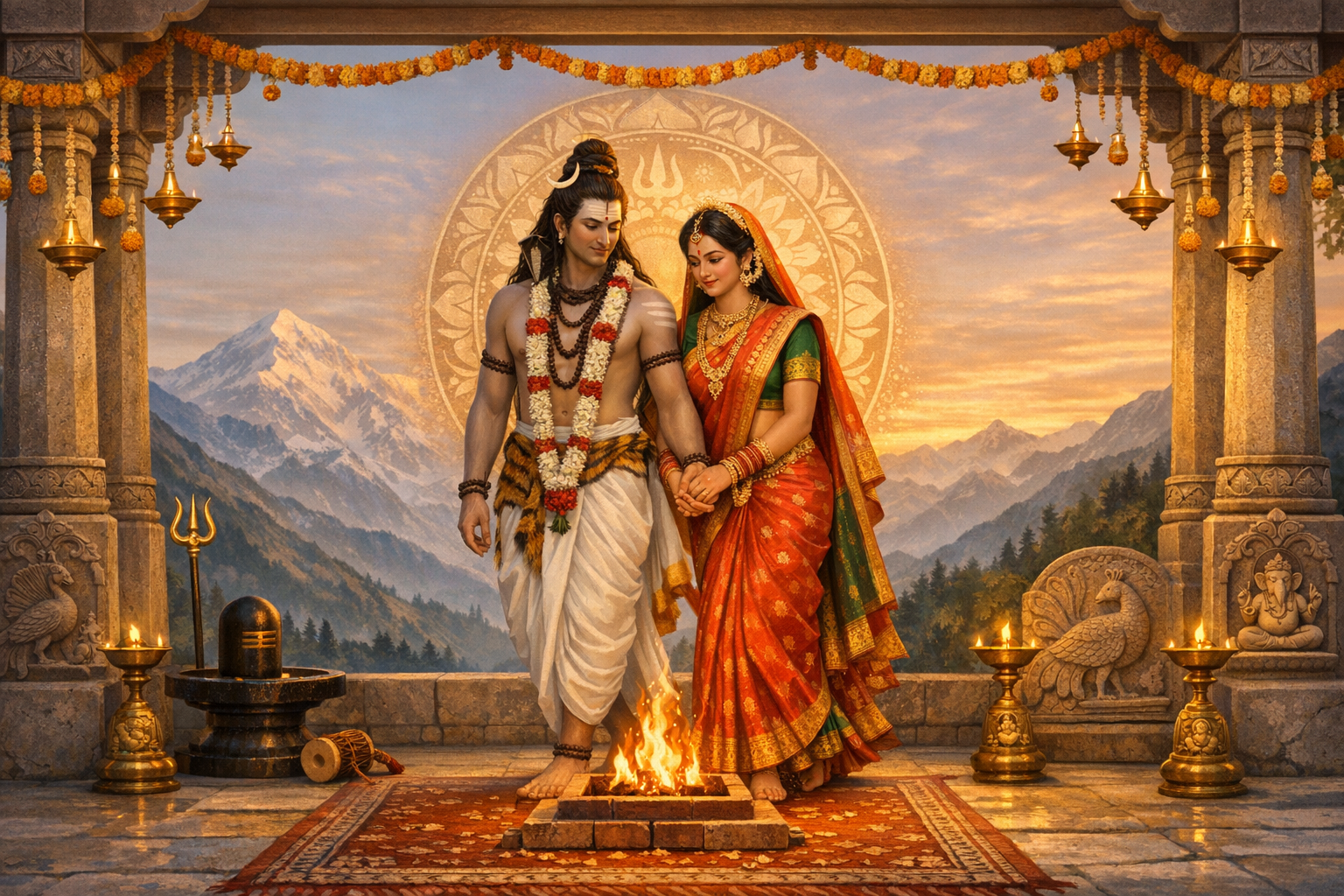
Shiva’s marriage to Parvati is not a departure from yogic austerity but its civilizational fulfillment. Drawing from the Shiva Purana, Skanda Purana, and Kalidasa’s Kumarasambhava, the narrative shows how Parvati’s tapas leads the primordial yogi into grihastha ashrama without diluting spiritual intensity. Shaiva–Shakta symbolismArdhanarishvara and the linga within the yonirenders the complementarity of awareness and…
-
Three Who Saw Krishna’s Infinite VishvarupaArjuna, Sanjaya, Akrura: Evidence and Insights
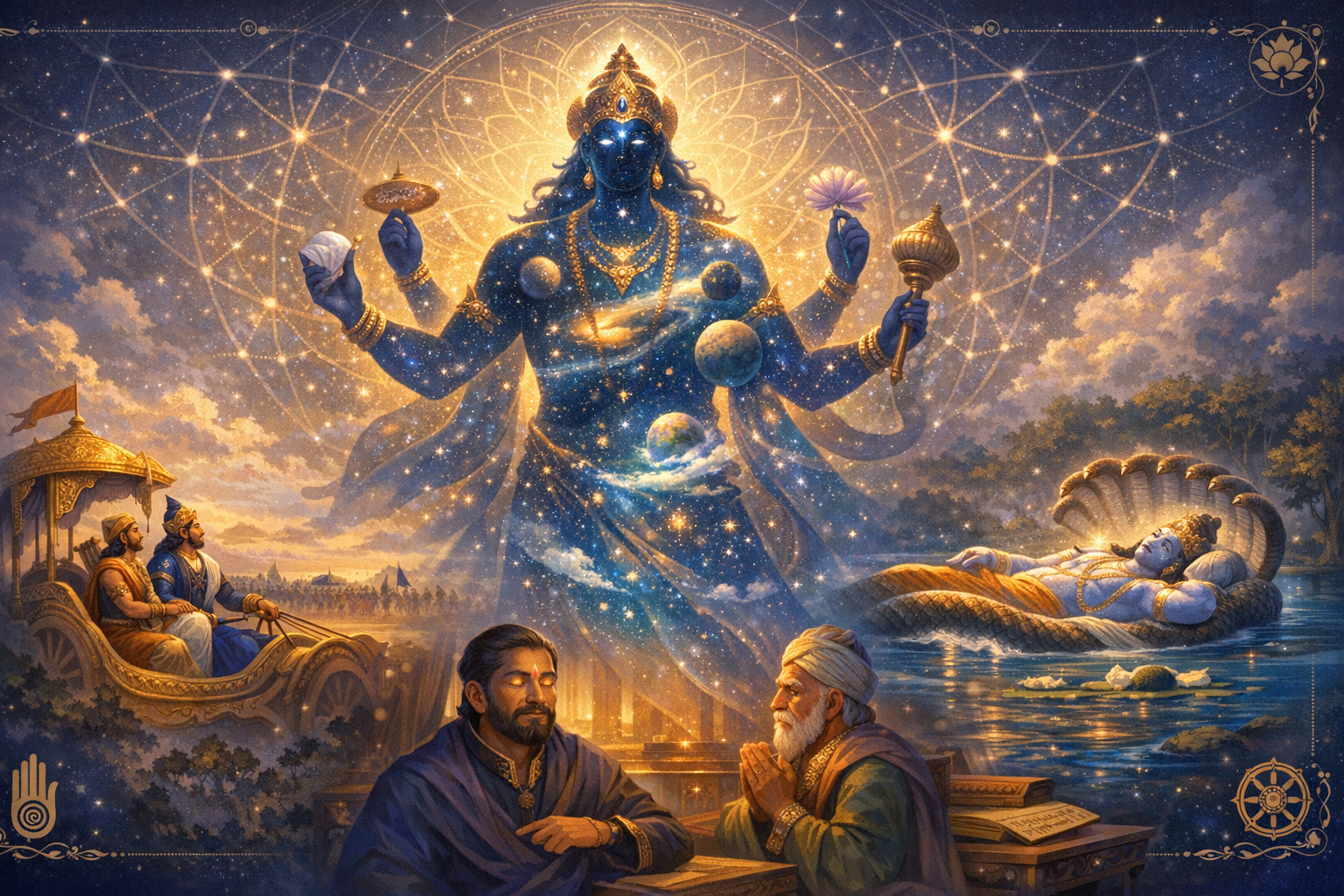
This long-form study examines the three principal witnesses to Krishna’s viśvarūpaArjuna, Sanjaya, and Akrurausing the Bhagavad Gita, Mahabharata, and Bhagavata Purana as primary touchpoints. It clarifies how divya cakṣuḥ (divine sight) conditions the experience, why Arjuna’s battlefield vision is pedagogically unique, and how Sanjaya’s Vyasa-given perception mediates revelation to a wider audience. Akrura’s Yamuna theophany…
-
Ahilyanagar Ganga Udyan Namaz row: safeguarding religious freedom, public order, harmony
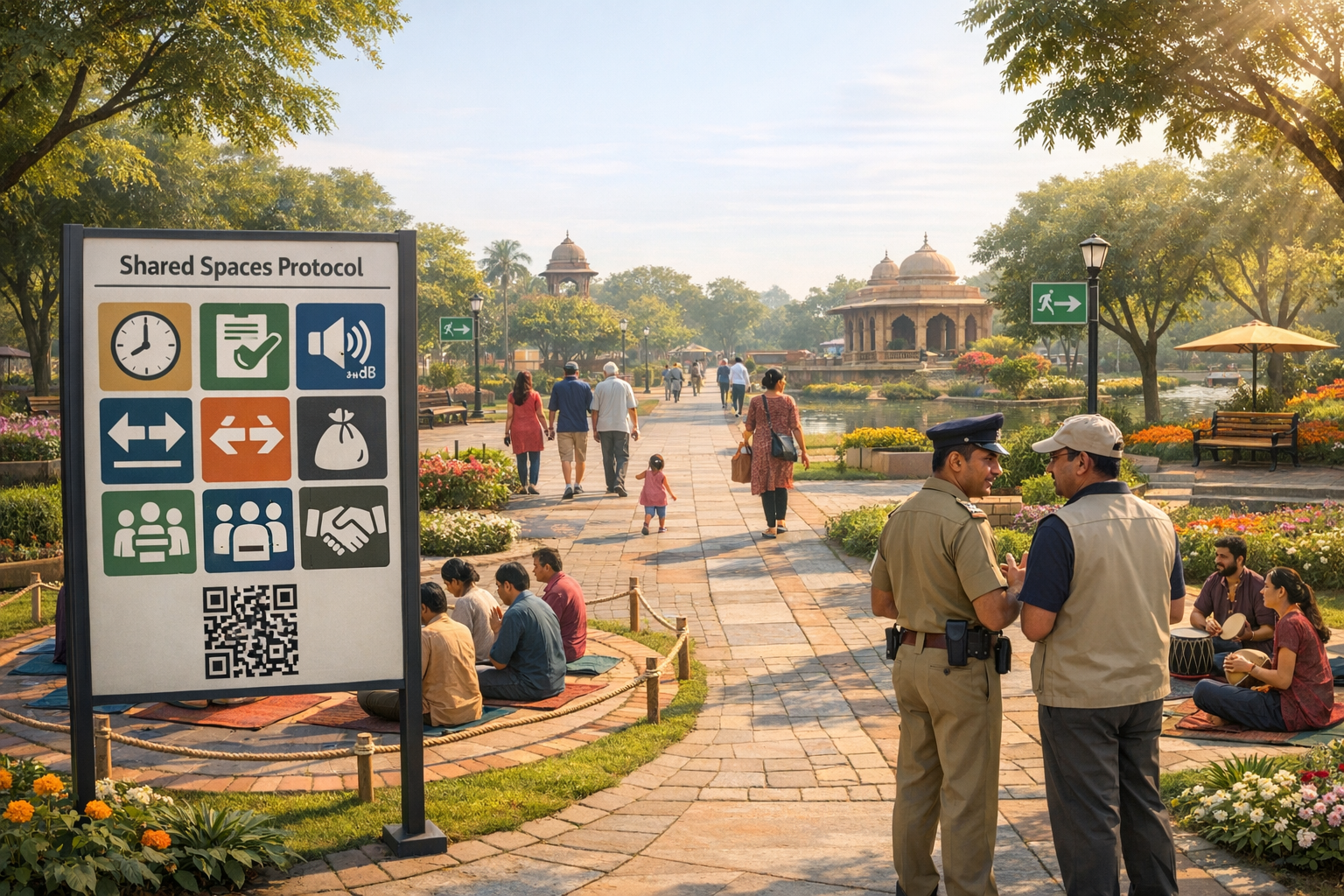
Reports of collective Namaz at Ganga Udyan in Ahilyanagar sparked protests by local Hindu organisations and criticism from MLA Shri. Sangram Jagtap over administrative handling. This analysis explains how Article 25 protects religious freedom while allowing neutral, time-place-manner regulation to uphold public order and equitable access to parks. It outlines applicable frameworksstate police permissions, municipal…
-
Beyond Empty Envelopes: The Inner Science and Living Purpose of Vedic and Dharmic Rituals
This essay reframes Vedic and Dharmic rituals through the “empty envelope” metaphor, arguing that outer form must reliably carry inner contentintention, ethical clarity, and contemplative awareness. It defines core ritual categories across Hinduism, Buddhism, Jainism, and Sikhism and explains why well-designed rites work on physiological, psychological, social, and ecological levels. Drawing on texts like the…
-
Honoring His Grace Kratu Prabhu: ISKCON Vrindavan’s Living Parampara and Unity in Dharma
ISKCON Vrindavan’s 03 June 2026 glorification of His Grace Kratu Prabhu demonstrates how living exemplars sustain the guru–shishya tradition and the cultural heritage of Vrindavan. Presented through kirtan, scriptural reflection, and community testimony, the event models how remembrance becomes both pedagogy and practice in the bhakti tradition. The focus on replicable virtueshumility, seva, and fidelity…
-
Honoring Kratu Prabhu: A Scholarly Tribute to Bhakti, Memory, and Dharmic Unity

This scholarly tribute situates Bhaktimarga Swami’s farewell to Kratu within the shared ethical and contemplative frameworks of Hindu Dharma, Buddhism, Jainism, and Sikhism. It explains why claims such as “we are not the body,” the limits of the senses, and the heart’s deeper knowing are philosophically coherent across dharmic traditions. The piece outlines how remembrance…
-
Ravana’s Celestial Chariots Decoded: Sacred Power and Terrible Splendor in Lanka’s Final War

The final battle of Lanka in the Yuddha Kanda turns on two war chariotsRavana’s radiant ratha and Indra’s chariot driven by Matalithat fuse ritual, technology, and ethics. This analysis decodes ratha architecture, disablement tactics, and the elemental taxonomy of astras such as Agneyastra, Varunastra, and Brahmastra. It clarifies how Dharma-Yuddha constrains violence, showing why Rama’s…
-
Decoding Akarna Mudra in Hindu Sculptures: Archer’s Focus, Sacred Readiness, and Power
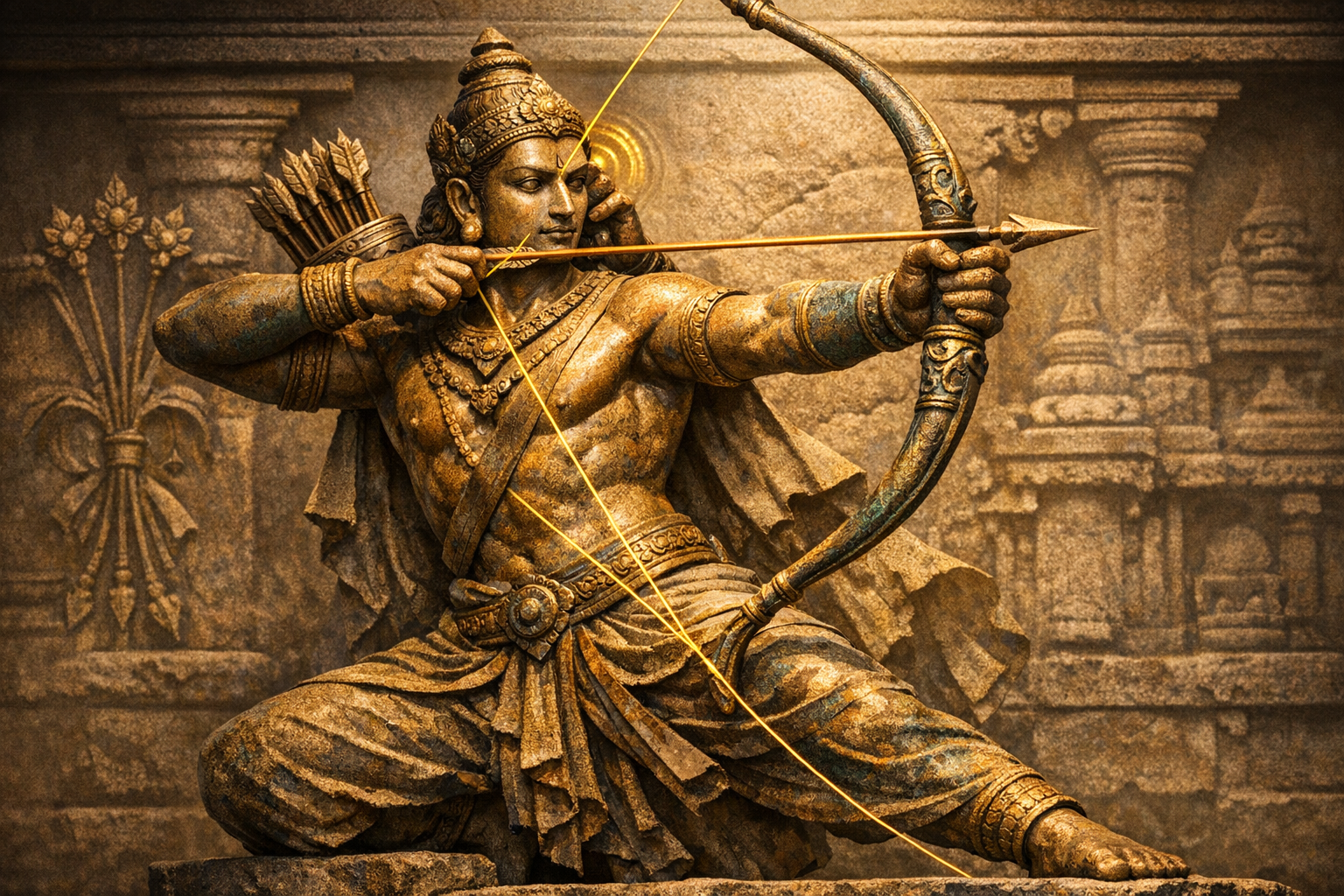
Akarṇa Mudrāliterally “toward the ear”captures the archer’s draw in Hindu iconography as a precise fusion of readiness, ethical restraint, and focused intent. Sculptors encode this moment through a consistent grammar of stance, hand configuration, and gaze, translating Dhanurveda mechanics and Nāṭya Śāstra principles into stone and bronze. Deity-specific bows like Pināka, Śārṅga, and Kodaṇḍa anchor…
-
June 5, 2026 Panchang: Exact Tithi Timings, Auspicious Muhurtas, Nakshatra and Rashi Insights

June 5, 2026 aligns with Krishna Paksha Panchami until 9:29 PM, after which Sashti begins, a change that guides how vratas and muhurta choices are made. The article explains how tithi is computed astronomically and why times vary by location, underscoring the sunrise rule used for many observances. It outlines daily tools such as Abhijit…
-
Work Without Motive: Sri Sri Ravi Shankar on Intuition, Nishkama Karma, and Flow States

This article unpacks the axiom “the best work comes out when you work without any motive” through Sri Sri Ravi Shankar’s description of intuition as a “sudden sprout of thought,” the Bhagavad Gita’s Nishkama Karma, and insights from modern psychology. It distinguishes non-attachment from aimlessness, showing how purpose can remain strong while egoic craving for…
-
From Mumbai Dawn to Metaphysics: Resolving to Live by the Soul (jivatma) with Clarity
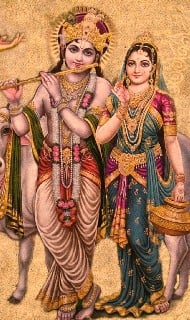
This essay reframes an ordinary Mumbai dawn as an entry point into a rigorous inquiry about jivatmathe soulas treated in Hindu philosophy and Vedanta. It explains why the soul hypothesis remains philosophically plausible through identity continuity, the hard problem of consciousness, and the reality of normativity and agency. Readers gain a comparative view across dharmic…
-
Prakamya Siddhi Explained: How Focused Intention Turns Inner Vision into Tangible Reality

Prakamya Siddhi in Hinduism is the disciplined capacity by which a clear, dharma-aligned inner intention becomes an outward result. Distinguished from mere desire or casual “manifestation,” it integrates ethical foundations, focused attention (samyama), embodied action, and surrender. Classical yoga, Vedanta, tantra, and bhakti converge to present prakamya as a lawful and ethical maturation of will,…
-
UK Unveils Anti-Hindu Hate Monitor: Data-Driven Protection and Dharmic Solidarity Amid Rising Crimes

The UK’s new Anti-Hindu Hate Monitor introduces a community-led, data-driven response to Hinduphobia and faith-based hate crimes while aligning closely with UK law. It complements police reporting through standardized taxonomies, secure referrals via True Vision, and independent quality assurance. Victim safety is paramount: trauma-informed casework, culturally competent support, and place-based security reviews for temples and…
-
GBC Resolutions 2026: Strengthening ISKCON Governance and Srila Prabhupada’s Vision
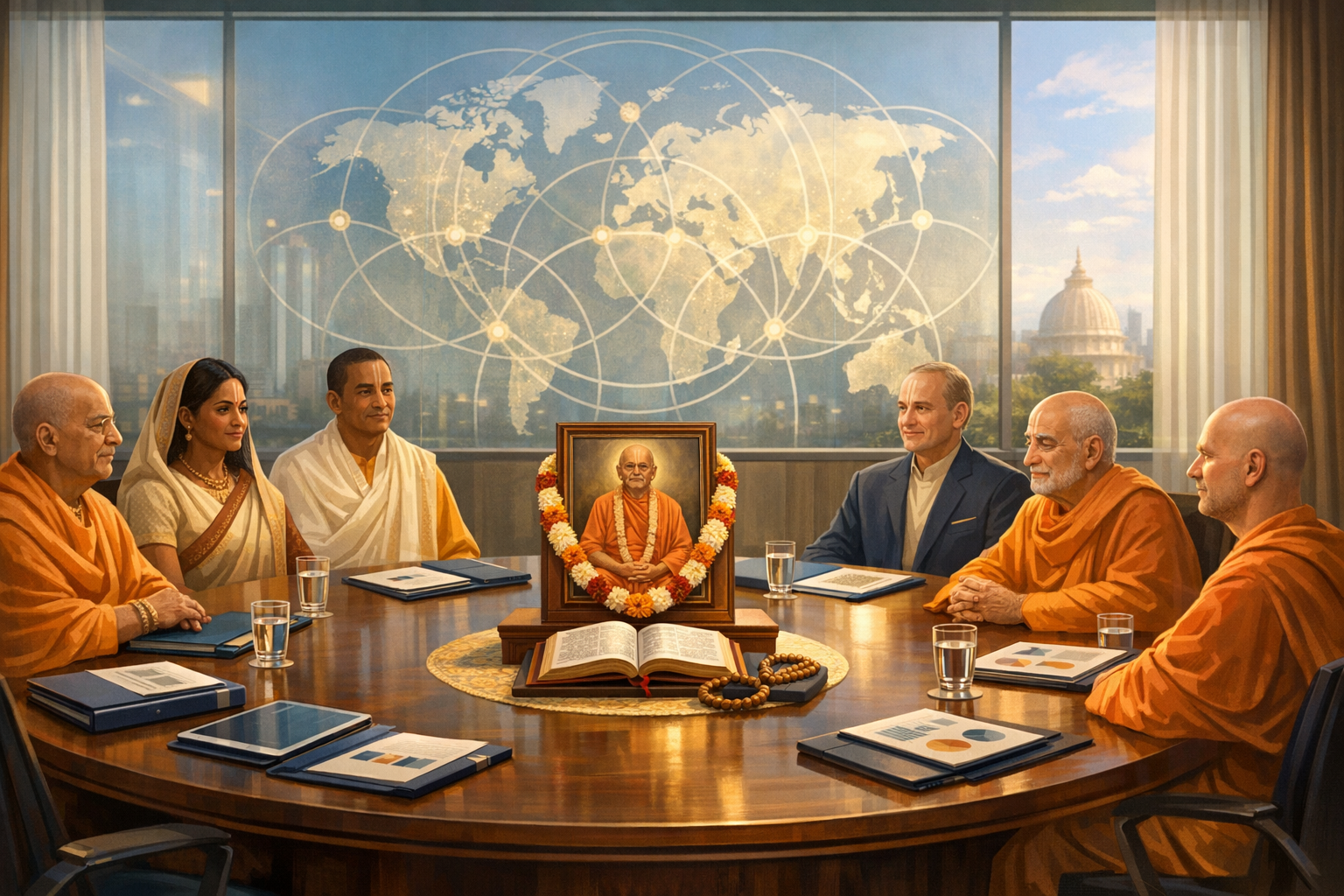
The 2026 Annual General Meeting formally recognized the paper affirming the GBC as ISKCON’s ultimate managing authority, aligning contemporary governance with Srila Prabhupada’s original instructions. This decision consolidates decades of guidance into a clear framework that supports accountability, subsidiarity, and doctrinal fidelity across ISKCON’s global footprint. It emphasizes practical mechanismsaudits, ethical safeguards, grievance redress, and…
-
West Bengal Restores Pre‑2010 OBC List; 7% Quota Reset Prioritizes Lawful, Data‑Driven Equity

West Bengal has restored its pre‑2010 OBC list and reset the OBC quota to 7%, presenting the change as a law‑aligned, interim framework pending a fresh, data‑driven review. The move foregrounds constitutional compliance under Articles 15(4) and 16(4), adherence to Indra Sawhney benchmarks, and the need for quantifiable evidence of social and educational backwardness. By…
-
Pradhanikarahasya on Mahalakshmi’s Supremacy: Unveiling the Primordial Shakti of Creation

Pradhanikarahasya, an annex to the Devimahatmya (Durgasaptashati), presents a rigorous Shakta theology in which Mahalakshmi is the primordial source of creation. It integrates Vedic and Upanishadic insights to show how Shakti is both nirguna and saguna, aligning non-dual metaphysics with living devotion. The text decodes the Devimahatmya’s three episodes through the three gunas, offering a…
-
Trailblazing at 23: Tushar Kumar Becomes UK’s Youngest Indian‑Origin Mayor

At just 23, Tushar Kumar has become the youngest-ever Indian-origin mayor in the UK, taking on the civic chair of Elstree and Borehamwood Town Council. This milestone blends representation with delivery, aligning youth engagement, digital accessibility, and inclusive cultural initiatives. The post explains how the mayoral role in England’s town councils operates and why Kumar’s…