
-
Find Lasting Peace: The Transformative Hindu Teaching of Not Looking at Others’ Faults

A time-tested teaching in Hindu philosophy states, “If you want peace, do not look into anybody’s faults.” Grounded in the Bhagavad Gita, the Upanishads, and Yoga, this practice transforms attention from judgment to self-reflection, acceptance, and mindful speech. Dharmic perspectivesAnekantavada in Jainism, mindfulness and Right Speech in Buddhism, and humility with seva in Sikhismconverge to…
-
Kabandha as Kali’s Vahana: Tantric Symbolism of Ego-Transcendence and Inner Liberation
This exploration unpacks the esoteric image of Kabandha as Kali’s vahana as found in certain Shakta-tantric interpretations. It clarifies how headlessness symbolizes cutting through ego, aligning the body-mind as the disciplined “vehicle” of Shakti. Readers discover how this symbolism resonates with shared dharmic insights across Hindu, Buddhist, Jain, and Sikh traditions, emphasizing humility, fearlessness, and…
-
Transcending Duality in Srimad Bhagavatam 7.13: Saintly Python and Perfect Krishna Consciousness

Srimad Bhagavatam 7.13.41–42 presents a disciplined ideal of conduct through the emblem of a saintly python, emphasizing acceptance, equanimity, and focused remembrance of Sri Krishna. The teaching reframes obsession with good-versus-bad as a distraction born of duality, urging a return to love and steady devotion. This focus on inner poise aligns with Advaita’s discernment beyond…
-
Beyond Shame and Stigma: A Sister’s Loss Reframes Addiction, Grief, and Compassion

This reflection examines sibling loss through the lens of addiction, grief, and stigma, presenting an honest account of how love endures while recovery and bereavement rarely follow linear paths. It highlights why language matters in discussions of substance use disorder and how dehumanizing labels deepen shame. It explores grief as a volatile, recurrent process, not…
-
February 9, 2026 Panchang Guide: Exact Tithi Timings, Krishna Paksha Ashtami, Auspicious Cues

On Monday, February 9, 2026, the Panchang notes Krishna Paksha Saptami until 5:18 AM, followed by Krishna Paksha Ashtami for the rest of the day. These tithi timings may vary by region, so consulting a local Panchang is recommended. Ashtami in the waning phase invites reflective practices such as japa, satvik meals, and quiet reading…
-
Badrinath–Kedarnath entry tightened: Temple Committee bars non-Hindu access for sanctity

The Badrinath–Kedarnath Temple Committee has clarified that non-Hindus will not be permitted to enter the Badrinath and Kedarnath shrines or other temples under its jurisdiction. Positioned within the broader principles of sacred-space governance, the decision emphasizes ritual sanctity and orderly worship rather than antagonism. The update provides clarity for pilgrims, improves predictability in temple protocols,…
-
Karya in Hindu Thought: How Actions Shape Destiny, Ethics, and Liberation

Karya, derived from the Sanskrit root “kr” (to act), encapsulates “that which is done” and unites Hindu philosophy, ethics, and daily practice. It connects intention with outcome across traditionsfrom Sāṅkhya’s satkāryavāda and Nyāya’s causal clarity to Mīmāṁsā’s duty and Vedanta’s purifying karma yoga. The Bhagavad Gita’s “kāryam karma” frames action as an obligation performed without…
-
Lord Nityananda’s Appearance Day: Radiant Compassion, Bhakti Joy, and Dharmic Unity

Lord Nityananda’s Appearance Day highlights compassion as the living core of bhakti and communal harmony. The narrative of His humility toward Lord Gaurasundara underscores service as the highest expression of spiritual greatness. As Patitapavana Avatara, Caitanya Mahaprabhu’s mission reframes outreach as dignifying and welcoming, not judgmental. Lord Nityananda’s journeys along the Ganges model respectful dialogue,…
-
Before the Particle Accelerator: Soviet Science, atma, and a Profound Dharmic Convergence

A quiet moment before a Soviet-era particle accelerator crystallizes a core insight: the most decisive forces in life are often unseen. This reflection connects modern physics with dharmic inquiry into atma, showing how both rely on disciplined methods to infer what cannot be directly observed. Hindu philosophy and Vedanta, Buddhism’s process-oriented view, Jainism’s jiva and…
-
Lakshmi and Chicomecoatl: Powerful Cross-Cultural Echoes of Prosperity and Nourishment

A striking visual parallel links Hinduism’s Goddess Lakshmi with Chicomecoatl, the Aztec corn goddess, through shared symbols of flowers and grain. This comparison clarifies how agrarian civilizations independently envisioned prosperity, abundance, and ethical well-being. Readers gain an accessible, evidence-based perspective on cross-cultural symbolism without overstating historical contact. The discussion highlights values central to dharmic traditionscompassion,…
-
Nandi Kalyanam at Thirumazhapadi: Witness the Sacred Wedding of Nandikeshwara and Suyasha
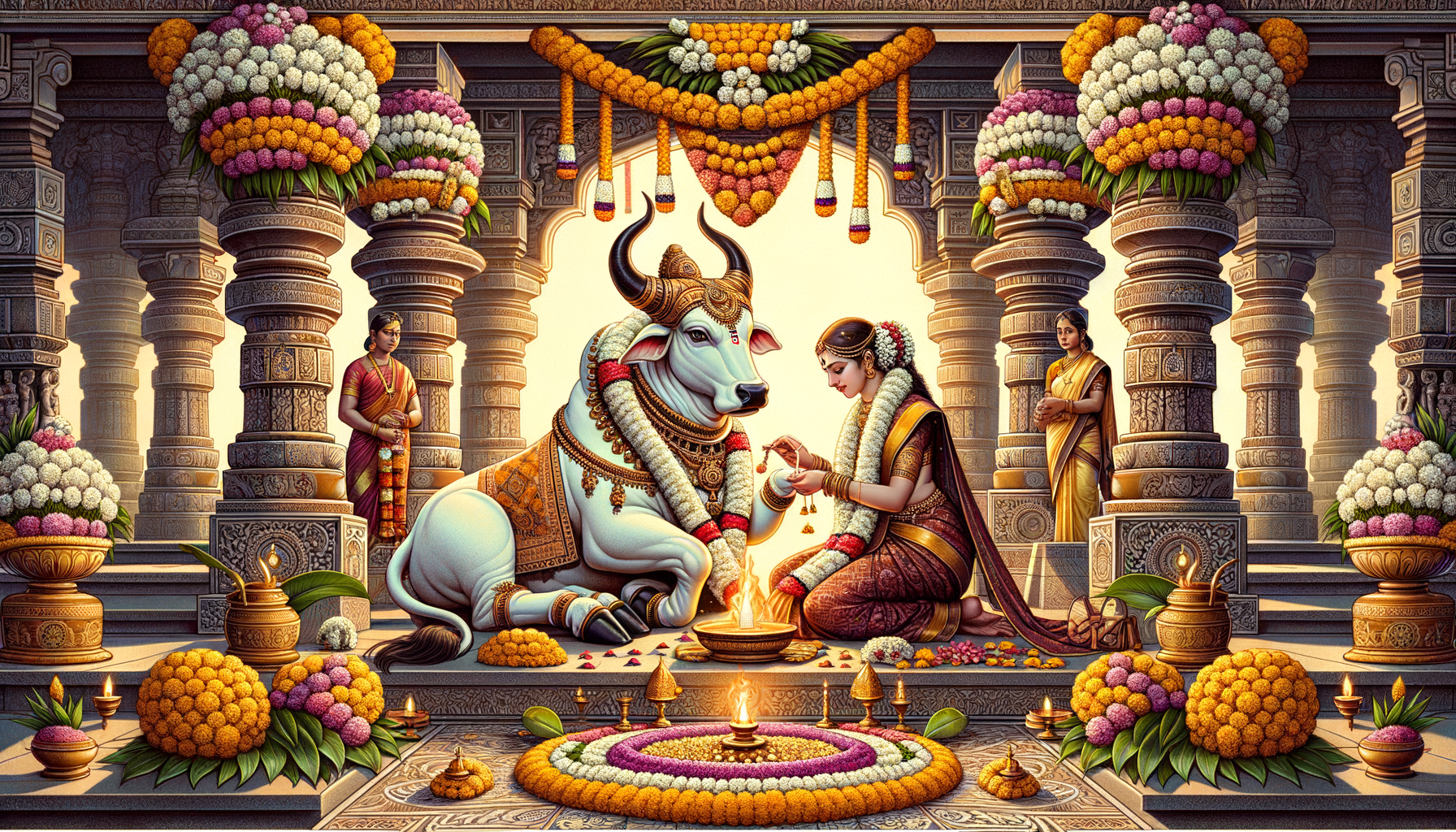
Nandi Kalyanam at Thirumazhapadi Vaidhyanathar Temple honors the sacred wedding of Nandikeshwara and Suyasha, a Shaiva narrative that unites devotion with ethical living. Presented in an academic, accessible style, this account highlights how the kalyanam symbolizes steadfast duty (dharma), auspicious grace, and communal harmony. Pilgrims commonly describe a deep sense of inner steadiness amid music,…
-
Reclaiming Indian Historiography: Hindu Civilizational Memory, Foreign Rule, and Dharmic Unity

This essay reassesses Indian historiography through evidence-based analysis and the lived memory of Bharatavarsha. It explains why popular Hindu remembrance did not typically view certain medieval sultanates as indigenous while carefully separating critique of historical regimes from respect for present-day communities. It situates debates like Aryan Migration -vs- Out of India within an open, scholarly…
-
Manana in Vedanta: Harnessing Constant Reflection to Realize Atman–Brahman Unity

“Manana” in Vedanta means disciplined, constant reflection that converts scriptural listening into firm understanding. As the second step in the sadhana trayafollowing “sravana” and preceding “nididhyasana”it resolves doubts through reasoned contemplation. This practice deepens clarity about the unity of Atman and Brahman and anchors insight in everyday conduct. Structured routines, journaling, and guidance from a…
-
Khodiyar Mata Vrat Katha and Jayanti 2026: Timeless Legend, Rituals, and Devotional Unity

Khodiyar Mata Jayanti (Khodiyar Maa Pragatya Din) in 2026 falls on January 26, guiding devotees toward a day of reflective worship and community solidarity. The Khodiyar Maa Katha, rooted in 8th-century Gujarati and Rajasthani traditions, emphasizes protection, courage, and ethical living. The Vrat Katha’s core themes remain consistent across regional versions, reinforcing dharma and compassionate…
-
Ohio Honors Hindu Heritage Month: Nearly 20 City Proclamations and a State Proclamation

Ohio marked a standout October 2025 for Hindu Heritage Month, with nearly 20 city proclamations and a formal state proclamation from Governor Mike DeWine. The recognitions highlight the contributions of Hindu Americans across education, healthcare, engineering, business, and the arts. They also affirm core dharmic valuesdharma, compassion, inclusivity, and universal respectshared across Hinduism, Buddhism, Jainism,…
-
Bhishma Tharpanam Vidhi on Bhishma Ashtami: Sacred Step-by-Step Procedure, Mantras, Slokas & Meaning

Bhishma Tharpanam on Bhishma Ashtami honors Bhishma Pitamahaguardian of Dharma and revealer of the Vishnu Sahasranama Stotramthrough a mindful sequence of preparation, sankalpa, recitation, and offerings. The Vidhi encourages beginning with Sandhya Vandana nitya karmas, followed by simple, sattvic preparations and focused devotion. Reciting “Om Namo Narayanaya” or “Om Namo Bhagavate Vasudevaya” and reading the…
-
Great Khali’s Vrindavan Remarks on Sanatan Dharma Spark Debate, Reinforce Dharmic Unity

A high-profile event in Vrindavan, Mathura, saw ‘The Great Khali’ defend Sanatan Hindu Dharma, triggering a wider discussion about cultural heritage and responsible public speech. The remarks drew both praise and concern, revealing how celebrity advocacy can spotlight faith while risking rhetorical excess. This analysis situates the moment within India’s dharmic traditionsHinduism, Buddhism, Jainism, and…
-
Family as Freedom, Not Fetters: Hindu Dharma’s Wisdom on Detached Love and Belonging
This article explores why, in Hindu philosophy, family should be a space of freedom rather than a prison of fear or dependency. It clarifies the paradox of attachment and explains how nishkāma karma, aparigraha, and seva shape healthy bonds. Readers gain practical toolsmindful speech, svādhyāya, rituals of gratitude, and serviceto transform control into compassionate presence.…
-
January 24, 2026 Panchang Guide: Exact Tithi Change, Shukla Sashti Meaning, and Dharmic Harmony

January 24, 2026 features a precise tithi shift in the Hindu calendar: Shukla Paksha Panchami lasts until 12:08 AM, then Shukla Paksha Sashti prevails. The note clarifies what Panchami and Sashti signify within the bright fortnight and why many regard Sashti as supportive of disciplined sadhana. It also explains why region-specific Panchang references are essential…
-
Seven Daily Practices to Cultivate Wismad for Calm, Clarity, and Dharmic Unity
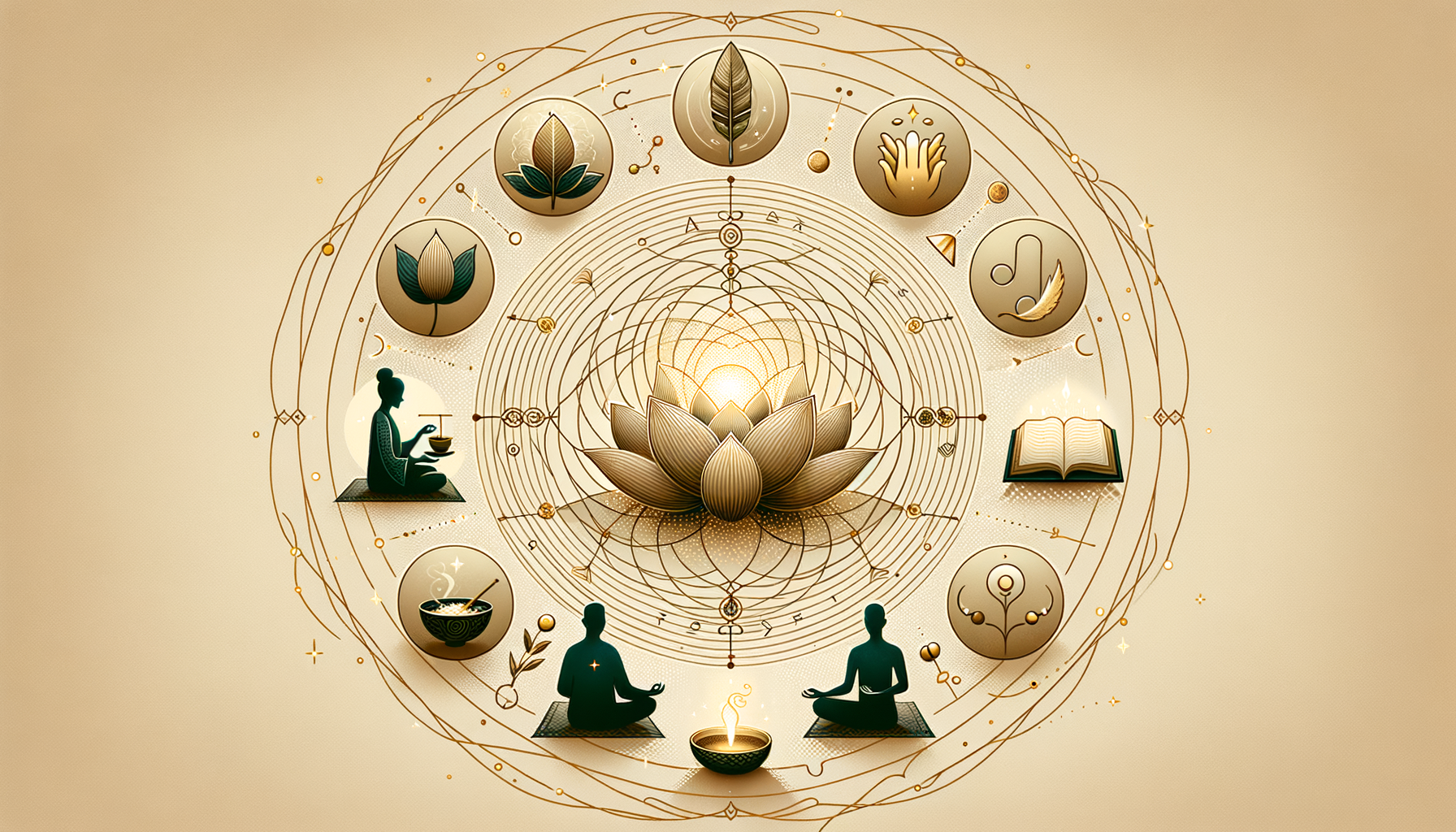
This guide presents seven daily practices to cultivate Wismadan awe-filled awareness recognized across Hinduism, Buddhism, Jainism, and Sikhism. It begins with simple breathwork to calm the nervous system and prepare the mind for ethical action. Short, contemplative study fosters humility and integrative understanding through Anekantavada. Compassion-in-action turns mindfulness into service, while mindful speech and listening…