
-
Srimad Bhagavatam 10.66.21–24: Paundraka’s Fall, Kāśī’s Fire, and Dharmic Governance
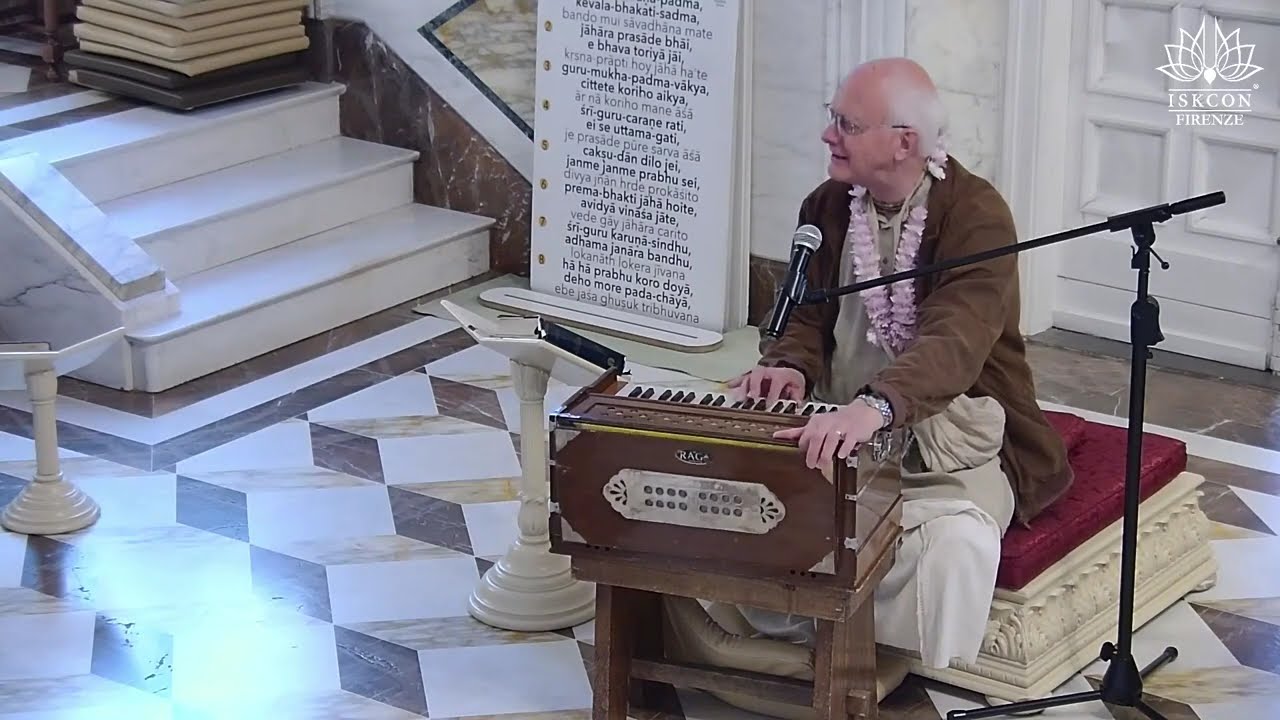
This in-depth reading of Srimad Bhagavatam 10.66.21–24, contextualized by a Villa Vrindavana ISKCON discourse (15/5/2026), explains how Paundraka’s imposture and Kāśī’s retaliatory abhicāra illustrate the karmic recoil of weaponized ritual and the necessity of right-seeing (Sudarśana). Readers gain a precise grasp of the chapter’s ethical architectureego inflation, misuse of sacred means, and restoration of order…
-
Revealing the Sacred Beauty of Imperfection: Why Authentic Hindu Bronzes Aren’t Flawless
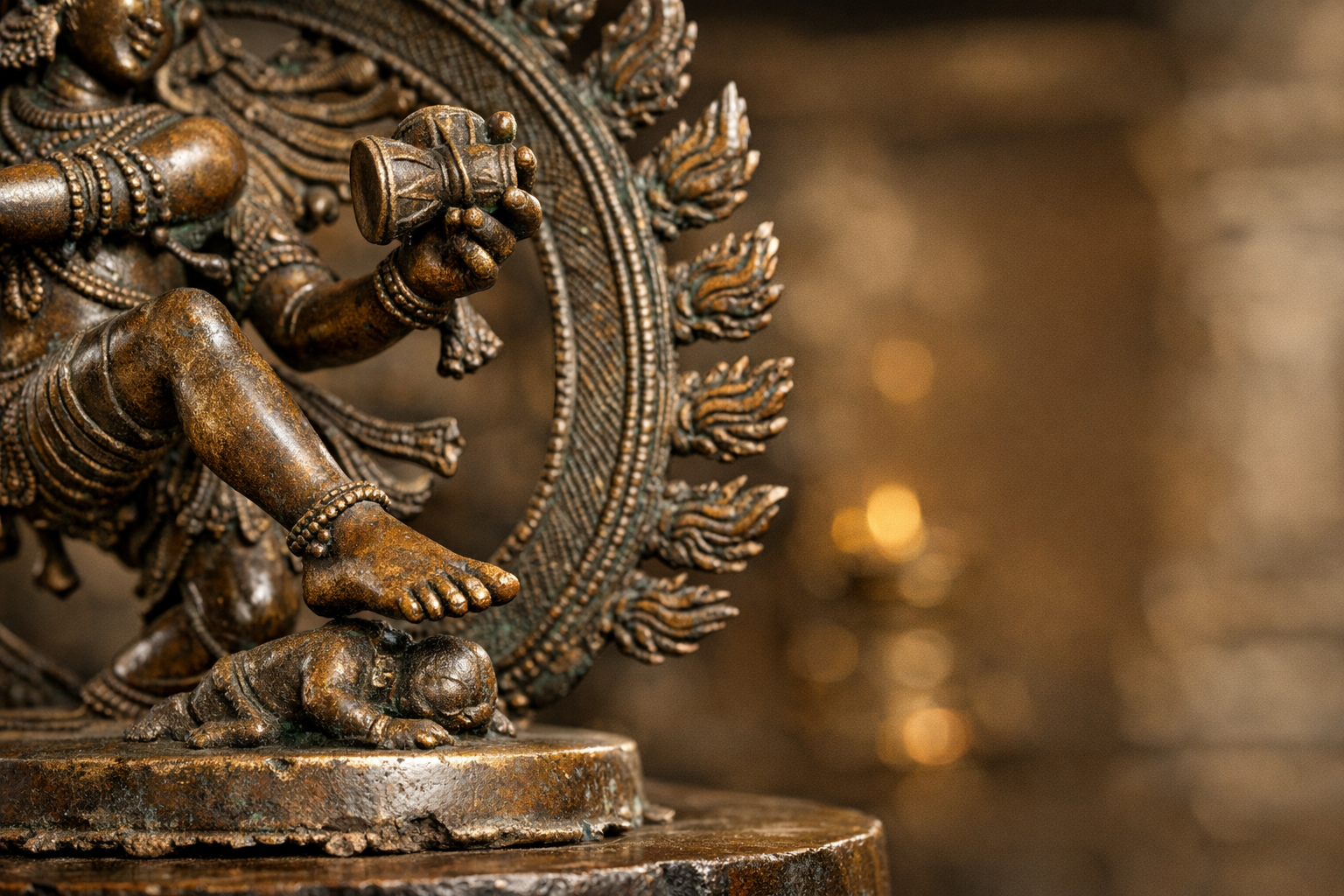
Authentic Hindu bronze sculptures are often misjudged by a modern expectation of machine-like perfection. This essay explains, in academic yet accessible terms, how lost-wax casting and panchaloha metallurgy naturally produce subtle surface variations that signal authenticity. It decodes sprue scars, chasing marks, porosity pinholes, and asymmetry as the normal fingerprints of traditional workmanship rather than…
-
Sanatana Dharma Beyond Labels: A Scholarly Guide to Universal, Compassionate Spirituality
This essay clarifies why sanatana-dharma is a universal, practice-oriented framework rather than a sectarian label. It distinguishes dharma from the modern category of “religion,” showing how Vedic principles guide ethical life, contemplative practice, and social harmony for all communities. It integrates perspectives from Hinduism, Buddhism, Jainism, and Sikhism to demonstrate a shared commitment to truth,…
-
Sadguru Dr Charudatta Pingale’s Madhya Pradesh Abhiyan Sparks Dharmic Unity and Dialogue

Sadguru Dr. Charudatta Pingale led the Hindu Rashtra Sampark Abhiyan across Madhya Pradesh to strengthen social cohesion through listening-first dialogue, constitutional literacy, and dharmic unity. The outreach framed Rashtra as a civilizational ethos grounded in pluralism and responsibility, not exclusion. Participants found value in practical tools for conflict de-escalation, media literacy against misinformation, and structured…
-
Samhara of Shiva: Unveiling the Compassionate Power of Dissolution and Renewal
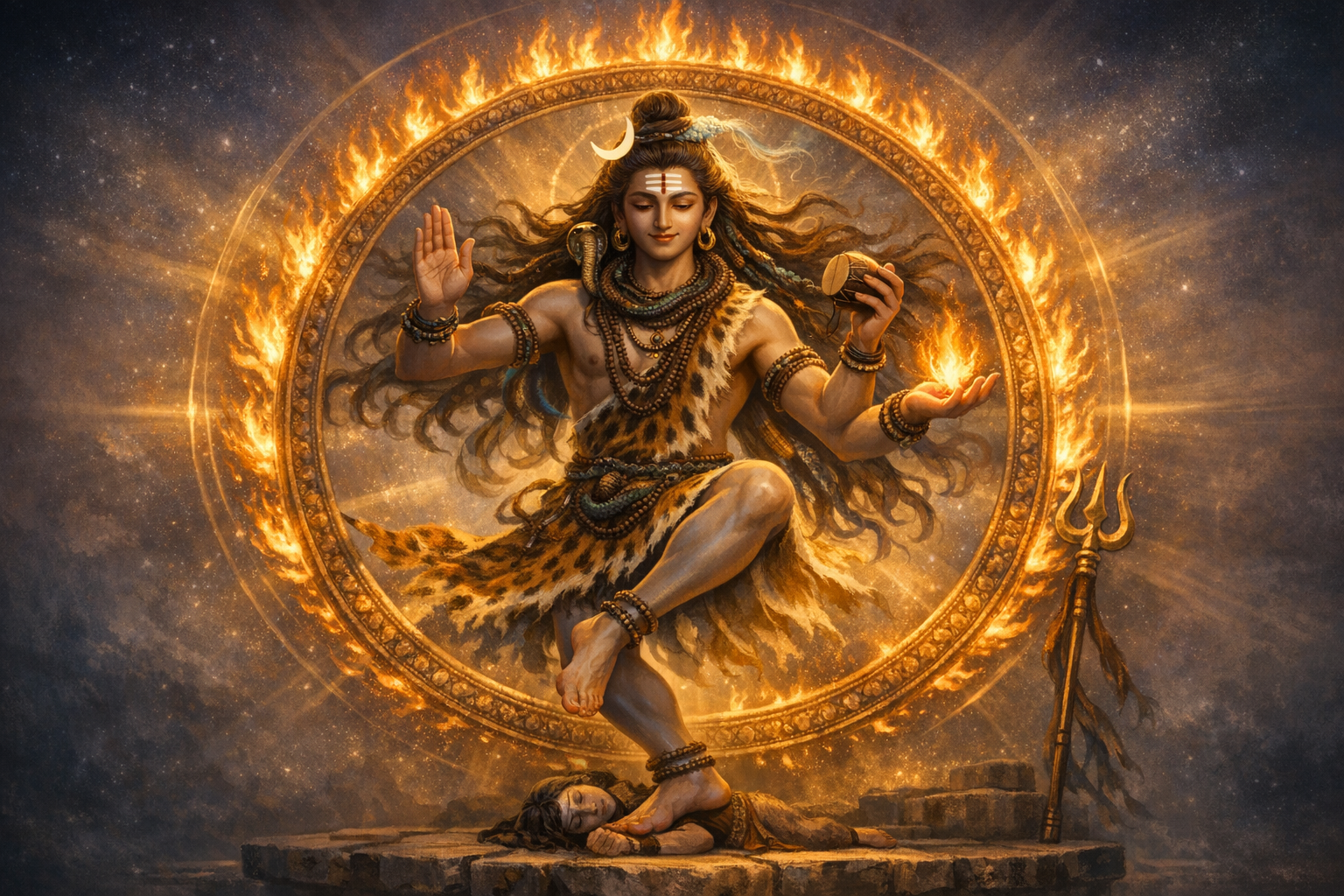
Samhara, the dissolution aspect of Shiva, is not violent destruction but compassionate renewal that clears exhausted forms so truth can shine. Grounded in Vedic, Purāṇic, and Āgamic sources, this long-form analysis explains how Samhara interlocks with Shiva’s five acts to sustain cosmic and personal transformation. The iconography of Naṭarāja, Mahākāla, and Kālābhairava decodes dissolution as…
-
Ulhasnagar Interfaith Marriage Tensions: Legal Rights, Policing Protocols, and Paths to Harmony

Reports from Ulhasnagar on 13 May 2026 describe an alleged post-marriage family altercation linked to an interfaith union; this analysis uses the case as a lens to clarify law, policing, and peacebuilding. Readers will learn how Article 21, landmark Supreme Court rulings, and the Special Marriage Act protect adult choice while guiding authorities to deter…
-
Tripura Tandava of Shiva: Decoding the Sixteen-Armed Dance of Cosmic Dissolution
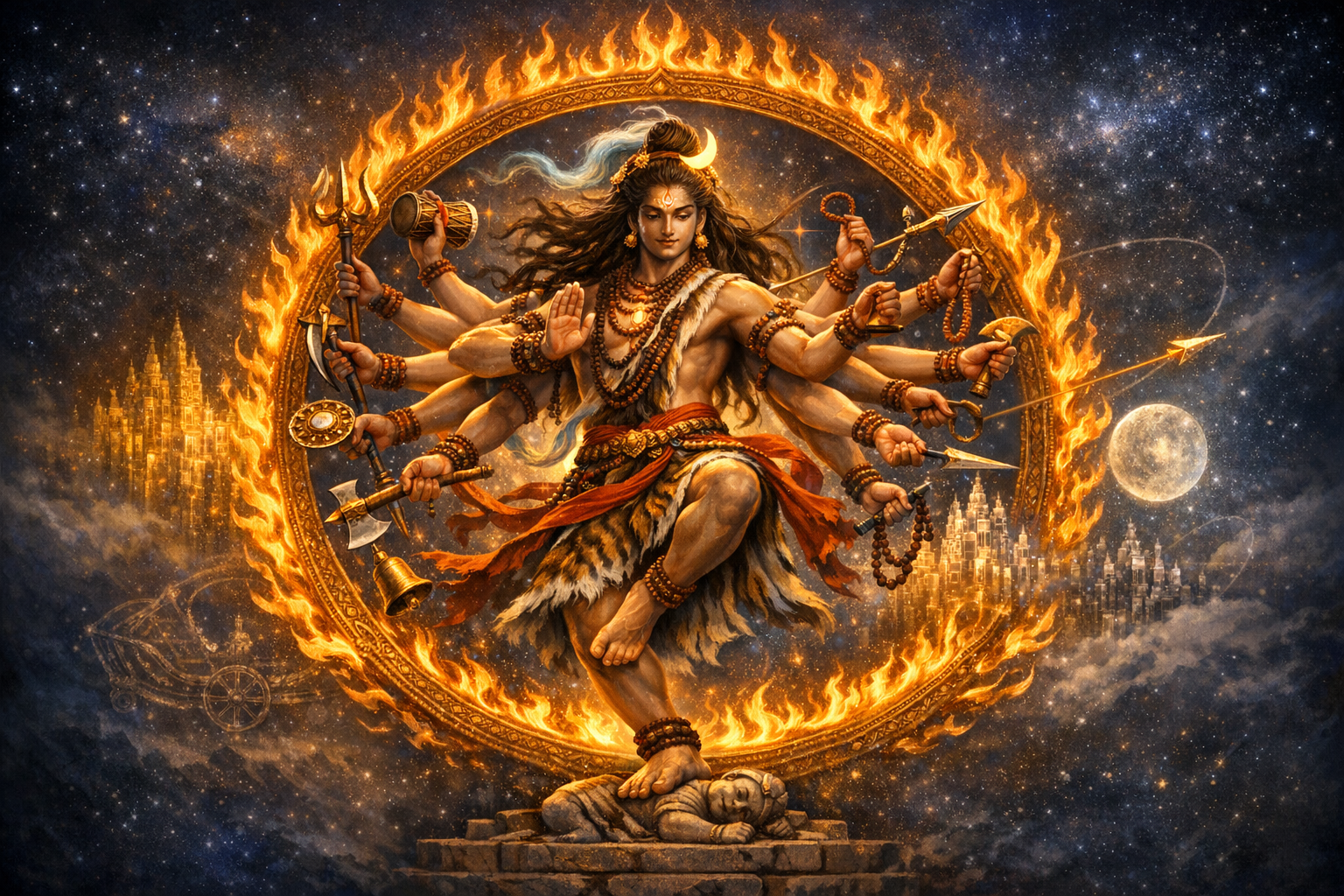
Tripura Tandava, often aligned with Shiva’s role as Tripurāntaka, encapsulates the precise instant of cosmic dissolution where triadic structures resolve into pure awareness. Grounded in the pañcakṛtya framework, it brings together saṁhāra (dissolution) and tirodhāna (concealment) to culminate in laya (absorption). The post examines Purāṇic narratives, āgamic iconographyincluding the striking sixteen-armed conventionand the dance grammar…
-
May 18, 2026 Panchang: Shukla Dwitiya→Tritiya, Essential Nakshatra–Rashi and Shubh Muhurtas

Monday, May 18, 2026 aligns with Shukla Paksha Dwitiya until about 8:46 PM (IST), after which Shukla Paksha Tritiya begins. The waxing fortnight favors constructive beginnings, with Somavara naturally resonant for Shiva worship and calm focus. This guide explains how tithis are computed from lunar–solar geometry and why Nakshatra, Rashi, Yoga, and Karana require location-specific…
-
Dissolve Thoughts at Their Source: Hindu Wisdom and Dharmic Science for a Clearer Mind

Ancient Hindu wisdom teaches that thoughts gain power only when grasped; dissolving them at inception restores clarity and self-mastery. The method aligns with Yoga Sutra principles of vritti-nirodha, abhyasa, and vairagya, and is reinforced by Upanishadic and Bhagavad Gita guidance. Practical protocolsbreath coherence, light labeling, mantra gating, atma-vichara, and somatic defusionmake the technique accessible in…
-
Malati the Cow: A Dramatic New Vrindaban Rescue and Evidence-Based Guide to Milk Fever

A postpartum emergency at New Vrindaban became a textbook case in recognizing and treating milk fever (periparturient hypocalcemia) while showcasing the power of community-based, dharmic care. The narrative follows Malati from calving to life-threatening recumbency with bloat, through improvised oral calcium, expert IV therapy, and careful use of hip lifters to restore sternal recumbency and…
-
Inside Danda Dhauti: The Rare Hatha Yoga ShatkarmaSources, Physiology, Safety, and Relevance

Danda Dhauti is a rarely taught shatkarma in Hatha Yoga that aims to decongest the upper digestive tract, lighten the chest–throat region, and prepare practitioners for steadier pranayama and Raja Yoga. Classical sources like the Gheranda Samhita describe it under hrid-dhauti, alongside vamana and vastra variants. While its rationale aligns with yogic and Ayurvedic ideas…
-
Dharma Unveiled: The Living Code of Virtue Guiding Daily Life Across Dharmic Traditions

Dharma is presented as a living, context-sensitive code of virtue shared across Hinduism, Buddhism, Jainism, and Sikhism. The article clarifies its scopefrom universal virtues like ahiṃsā and satya to role-specific dutiesand shows how it governs the pursuit of prosperity and well-being without compromising conscience. It draws on classical sources (Dharmashastras, the Bhagavad Gita, Buddhist canons,…
-
Liberating the Householder’s Heart: Aparigraha via Dana, Seva, and Guru-centered Living
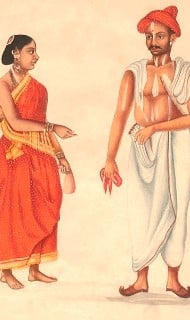
This essay examines possessiveness in the grihastha ashrama and presents aparigraha, practiced through dāna and seva, as the shastric antidote. It outlines a give-first disciplineprioritizing Guru, Ishta, and dharmic service before personal consumptionthat steadily dissolves attachment. The discussion contextualizes the aspirational fifty-percent ideal found in certain Vaishnava teachings while advocating progressive, capacity-based steps. Cross-dharmic parallels…
-
Sindh’s Hindu textbooks in Pakistan: a pivotal test for minority rights and pluralism

Sindh, Pakistan, is reportedly moving to introduce dedicated Hindu religious textbooks for Hindu students, sparking debate on minority rights and education reform. Grounded in Articles 20 and 22 of Pakistan’s Constitution, the initiative can align classrooms with protections for freedom of belief if executed with parity and quality. A rigorous blueprint calls for representative governance,…
-
Atikaya’s Tragic Valor: Reclaiming Ramayana’s Forgotten Warrior and His Quest for Belonging

Atikaya emerges in the Ramayana as a formidable yet under-remembered warrior whose courage is matched by a poignant quest for recognition in Ravana’s court. Drawing on Yuddha Kanda and regional retellings, this analysis situates his duel with Lakshmana within the ethics of dharma-yuddha, highlighting the disciplined use of astras and the decisive counsel of Vibhishana.…
-
Shivling Beyond Form: Debunking Phallic Myths with Scriptural and Iconographic Evidence

The Shivling is widely mischaracterized as a purely phallic symbol, yet Sanskrit philology, Purāṇic and Āgamic theology, Shilpa Shastra geometry, and the archaeological record point to a more expansive meaning: liṅga as a sign, axis, and cosmogram of the formless. This analysis explains how Lingodbhava and Jyotirliṅga narratives foreground an infinite column of light rather…
-
Facing Life’s Final Examination: Gita 8.6 on Consciousness at Death ISKCON Insights

This in-depth analysis distills HH Guru Prasad Swami’s “final examination” metaphor for Bhagavad-gita 8.6, showing how consciousness at death reflects a lifetime of formation, not a last-minute tactic. It explains key Sanskrit terms and situates the verse within Gita 8.5–8.14 to emphasize abhyāsa (practice) integrated with bhakti (devotion). Practical guidance translates classical Hindu philosophy into…
-
Why Atharva Veda Appears Monkey-Faced: Unveiling Sacred Simian Symbolism in Temples
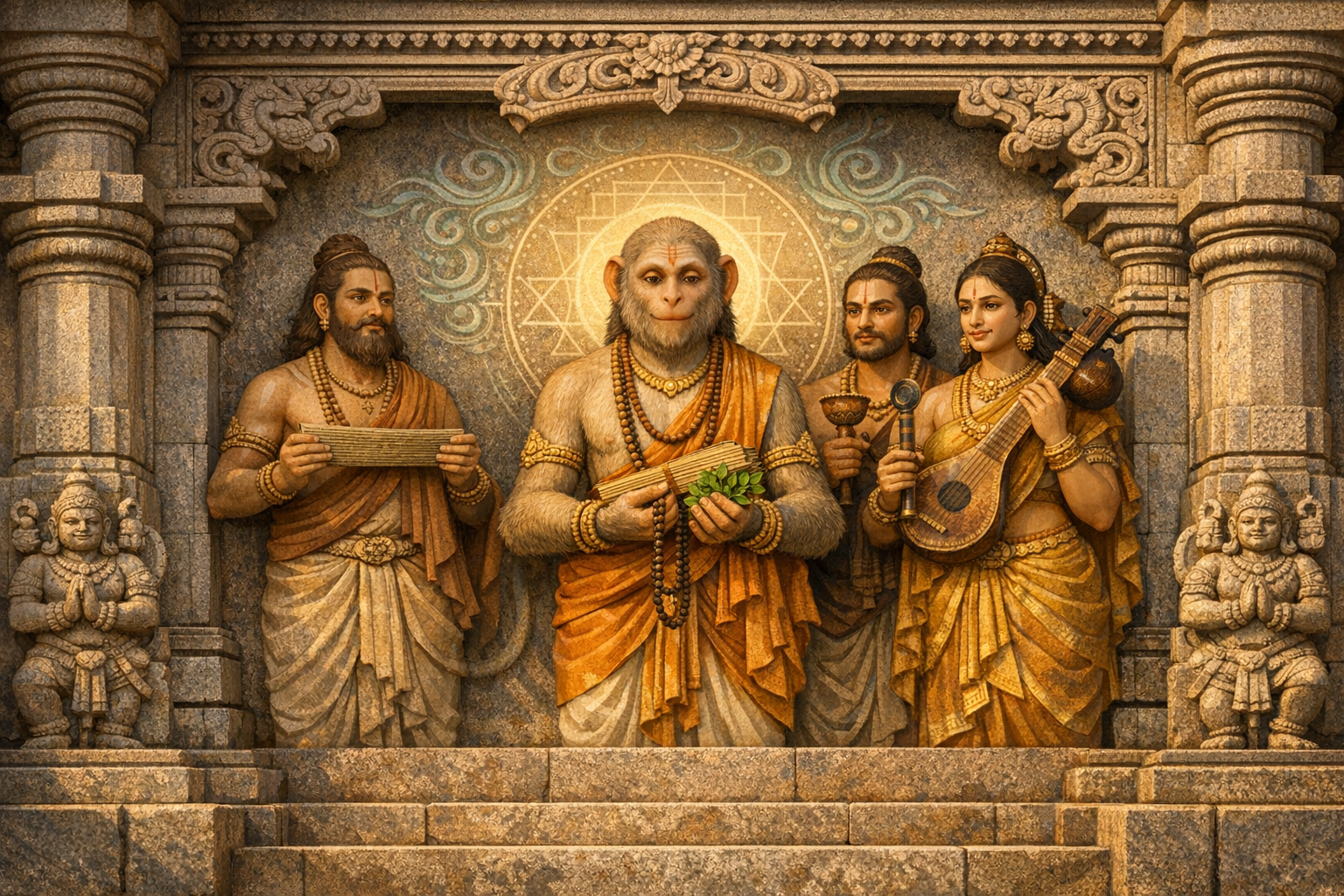
Hindu temple art often personifies the four Vedas as living presences, and in some regional traditions Atharva Veda appears with a monkey-like face. This simian marker is not caricature but a sophisticated code for healing, protection, breath-centered efficacy, and agile, disciplined intelligencequalities deeply associated with Atharvan rites. The discussion situates the motif within flexible Śilpaśāstra…
-
Decoding the Horse-Faced Sama Veda: Iconography, Sacred Sound, and Hayagriva

In Hindu iconography, the Vedas appear as living Veda Purushas; in select programs the Sama Veda is rendered horse-faced, signaling a fusion of sacred sound and Hayagriva theology. The article explains how this equine imagery coheres with the Sama Veda’s musicological coreudgītha, svara, and sāman structureswhile linking it to Hayagriva, Viṣṇu’s horse-headed form who rescues…
-
May 2, 2026 Panchang: Accurate Tithi Change, Shubh Muhurats, Nakshatra & Rashi Insights
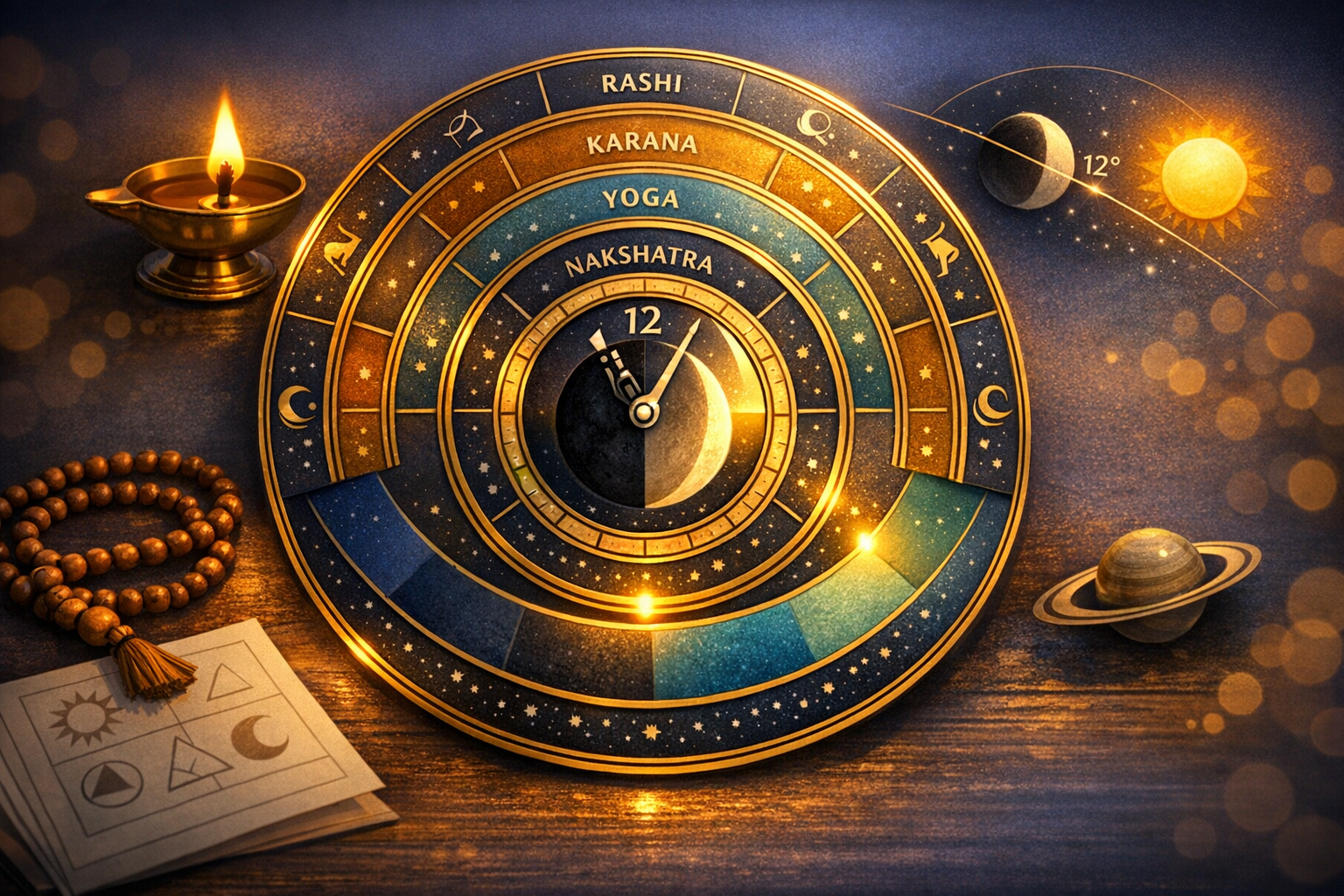
Saturday, May 2, 2026, features Krishna Paksha Pratipada tithi until 11:03 PM in most regions, after which Krishna Paksha Dwitiya begins. This guide explains the exact tithi change and the astronomy behind tithi calculation, clarifying why transitions occur at specific times. It outlines how to compute and use Shubh Muhurats (including Abhijit) and how to…