
-
GBC AGM 2026 Day 3: Mayapur Progress, ISKCON Affiliates Review, and MahaAvatar Nrsimha Insights

Day Three of the GBC AGM 2026 delivered a clear snapshot of progress in Sridhama Mayapur, with the Mayapur Executive Board outlining measurable milestones and responsible stewardship. Attendees welcomed the emphasis on transparent governance, heritage preservation, and inclusive community services. The review of ISKCON affiliates focused on mission alignment, ethical safeguards, and peer learning to…
-
Draksharamam Bhimeshwara Temple: Pancharama grandeur, Shakti Peetha grace in Andhra Pradesh

Draksharamam Sri Bhimeshwara Swamy Temple is a foremost Pancharama Shiva Kshetra in East Godavari, Andhra Pradesh, accessible from Kakinada, Rajahmundry, and Amalapuram. Tradition links the site to Daksha Prajapathi, while inscriptions and style point to Eastern Chalukya patronage and later enhancements. A two-tiered sanctum with a towering Shiva Linga and robust Dravidian features showcases exceptional…
-
Sun–Rahu Conjunction Explained: Ravi Rahu in Each House, Karmic Lessons and Remedies

This analysis clarifies the Sun–Rahu conjunction (Ravi Rahu in the same house) using the classical eclipse metaphor while avoiding fatalism. It explains how outcomes depend on house placement, sign dignity, aspects, and timing, and offers a concise overview of effects across all twelve houses. The discussion reframes traditional notes about midlife delays as tendencies moderated…
-
Masi Month 2026 (Maasi Masam): Dates, Rituals, and Shiva Devotion in the Tamil Calendar

Maasi Masam (Masi Month) 2026 runs from 13 February to 14 March in the Tamil calendar, a period dedicated to Lord Shiva and gratitude to Pitru Devatas (ancestors). The month is widely regarded as auspicious in Tamil Nadu, supporting reflective rituals, Shiva worship, and charitable service. Families often perform ancestor remembrance practicesespecially near Amavasyato strengthen…
-
Darbha (Kusha) and Durva Grass: Sacred Ritual Uses, Purifying Power, and Eco-Wisdom
Darbha (Kusha) and Durva occupy a revered place in Vedic and Hindu ritual life, where they symbolize purity, steadiness, and auspiciousness. Clarifying their botanical identityDarbha/Kusha as Desmostachya bipinnata and Durva as Cynodon dactylonhelps practitioners apply them accurately in puja, meditation, and ancestral rites. Traditional use highlights their purifying role and eco-friendly character, aligning sacred practice…
-
Easter Island Reconsidered: Contact, Disease and Colonizationnot ‘Ecocide’Ended Rapa Nui

Easter Island’s decline was long framed as self-inflicted “ecocide.” Recent evidence overturns that narrative, showing a resilient Rapa Nui society undone by European contact, disease, slavery, and cultural suppression. Early visitors found communities nourished and organized despite earlier deforestation, while later expeditions observed disruption after pathogen exposure. Archaeology now challenges popular claims of civil war…
-
From Bhumi to Prithvi: King Prithu’s Sacred Pursuit and Earth’s Gift of Abundance
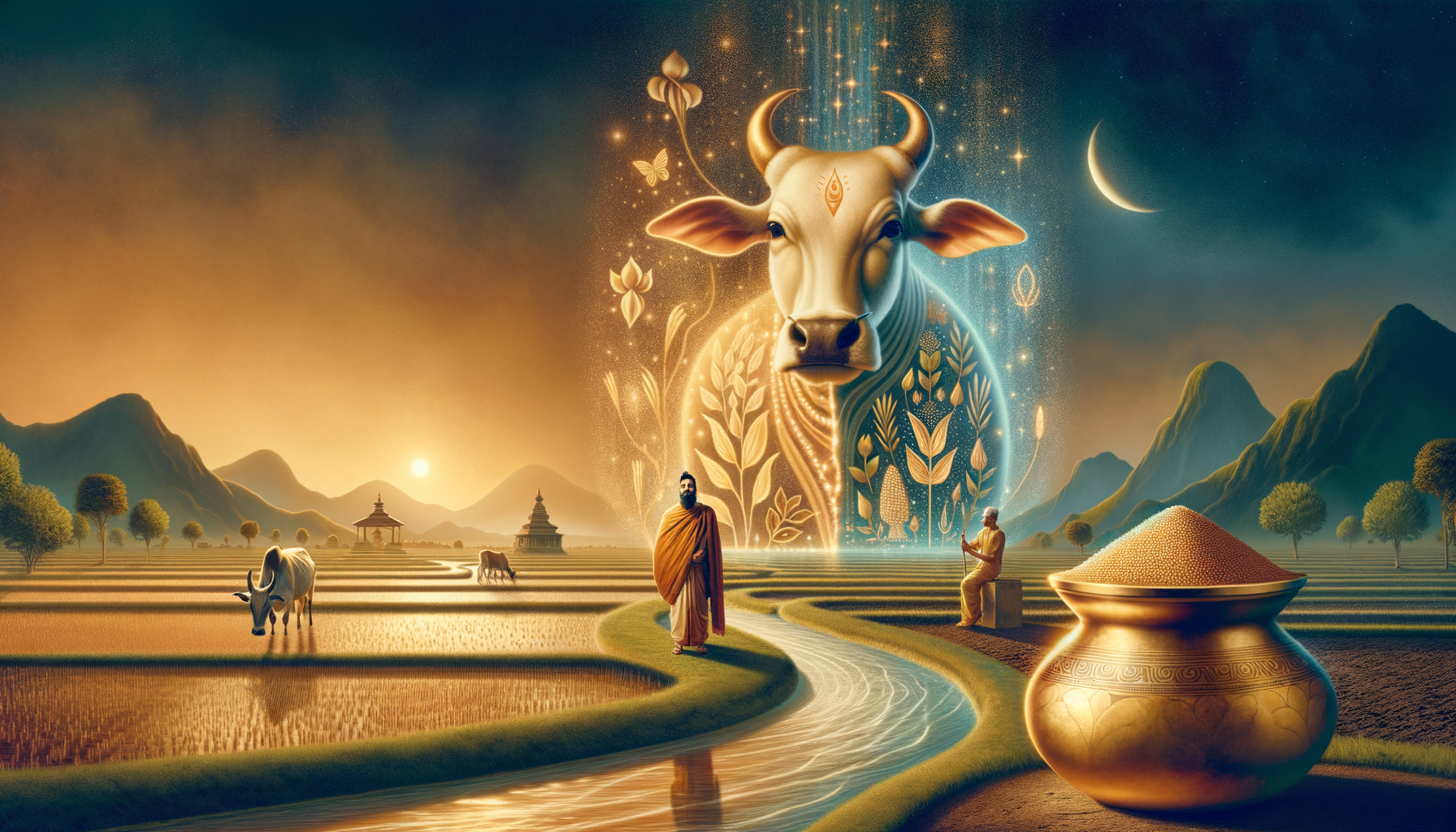
This exploration of the Bhumi-to-Prithvi narrative presents the Puranic account of King Prithu’s compassionate stewardship and its enduring symbolism. It explains how the Earth, envisioned as a cow, consented to release her abundance when governance aligned with Dharma. The discussion situates Prithvi within both Vedic and Puranic frames, showing how names carry layered meanings across…
-
Joyful Healthy Eating: Simple Cooking Habits for Better Gut Health, Calm Focus, and Vitality

Healthy eating becomes sustainable when small, repeatable habits replace rigid rules and decision fatigue. A skills-based, no-recipe approach builds confidence to assemble simple, satisfying meals from what is on hand. Prioritizing gut health supports steadier energy, fewer cravings, clearer thinking, and often healthier skin. Dharmic traditions converge on these principlesAyurveda’s focus on agni and sattva,…
-
Sarapot, Kolabou, and Clay Idols: A Deep Dive into Bengal’s Living Lakshmi Traditions
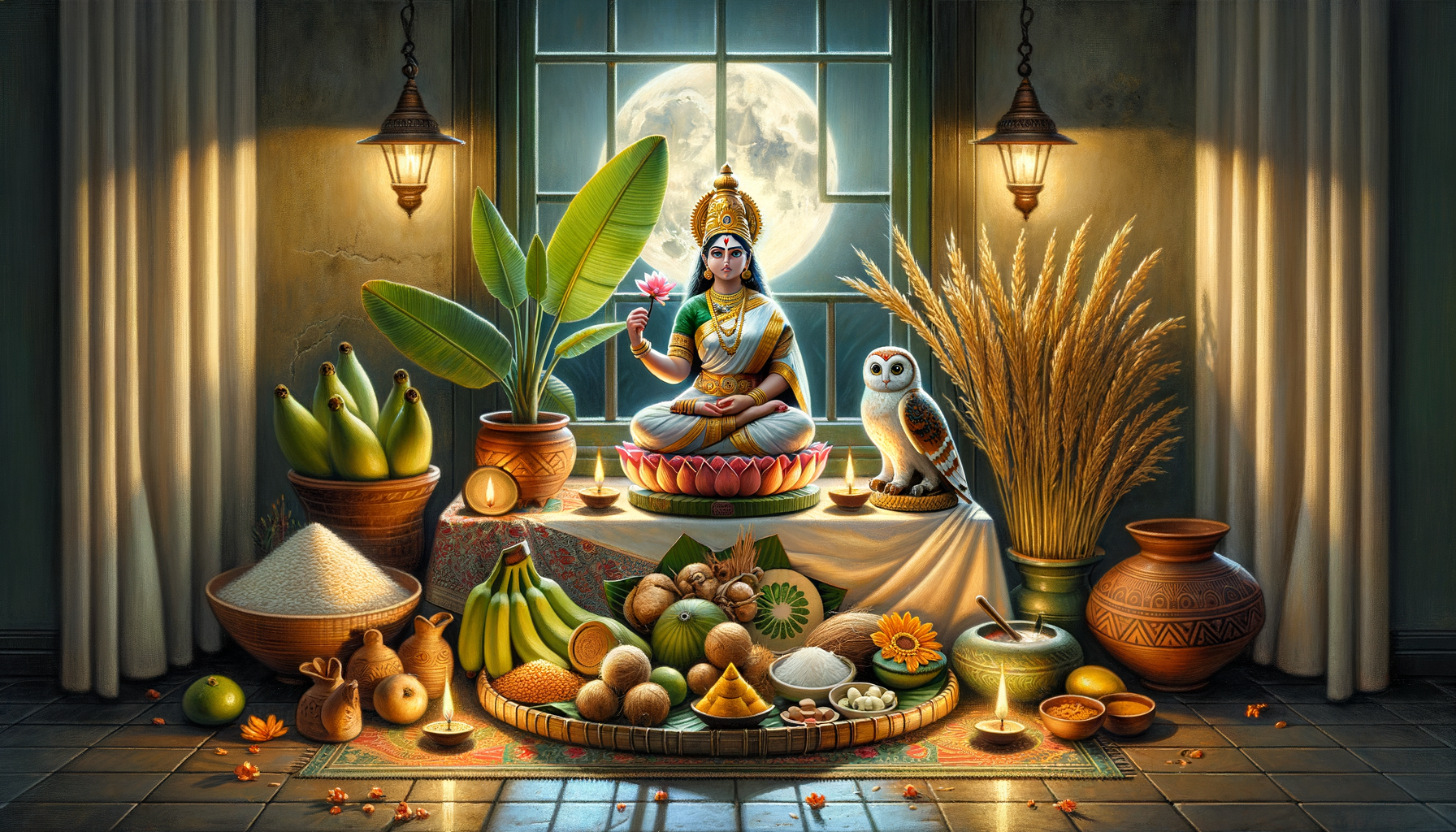
Bengal’s Lakshmi Puja unfolds through three living formsSarapot, Kolabou, and clay idolseach illuminating prosperity as an ethical relationship with home, community, and ecology. Sarapot Lakshmi preserves a compact, household-centered tradition rooted in local clay craft and simple offerings. Kolabou, the banana plant honored in Nabapatrika, embodies a vegetal form many households revere as Lakshmi, linking…
-
Manas and Buddhi Explained: Harness the Two Minds for Clarity, Calm, and Wise Action

Manas and Buddhi describe two complementary functions of the mind in Hinduism: Manas gathers sensory impressions and emotions, while Buddhi provides discriminative clarity and ethical direction. The Bhagavad Gita (3.42) places Buddhi above Manas and both beneath the Self, offering a practical inner hierarchy for wise action. This model resonates across Buddhism, Jainism, and Sikhism,…
-
Falgun Purnima 2026 (Holika Purnima): March 3 Date, Holika Dahan, Rituals, and Meaning

Falgun Purnima 2026, also called Holika Purnima, falls on March 3 and is dedicated to Lord Krishna and Goddess Lakshmi while honoring the wider Phalguna month’s reverence for Shiva and Parvati. The evening bonfire of Holika Dahan symbolizes the triumph of dharma, with Holi (Rangotsav) celebrated on March 4. Observances include snana, vrata, Krishna Puja,…
-
Dukh Bhanjani Beri at Harmandir Sahib: A Sacred Tree of Healing, Faith, and Unity

Dukh Bhanjani Beri at Harmandir Sahib (Golden Temple) in Amritsar is revered as a living symbol of faith, healing, and devotion. Rooted beside the Amrit Sarovar, the sacred jujube tree is associated in Sikh tradition with the transformative grace exemplified in the account of Bibi Rajni. The site’s practiceskirtan, ardas, parikrama, and quiet contemplationcultivate resilience…
-
Ekajata’s Single Braid: Powerful Symbolism of Focus, Protection, and Supreme Consciousness

Goddess Ekajata’s single braid is a concentrated teaching in Hindu Tantra: a symbol of supreme consciousness, one-pointed focus (ekagrata), and vigilant spiritual protection. Read as Tantric anatomy, it reflects the unification of ida and pingala within the sushumna nadi, supporting sustained dhyana and the ascent of Kundalini. The braid’s tightly bound form evokes vows, secrecy,…
-
Kubera’s Golden Eye (Eka Pingala): A Timeless Hindu Tale on Desire and Dharma

This academic retelling of Kubera’s epithet “Eka Pingala – The One With Golden Eye” explains how Hindu scriptures and Puranas use symbolic language to teach discernment and self-restraint. Readers learn why desire narrows perception and how dharma restores clarity in personal and social life. The narrative connects Kubera’s role in the Ramayana with a broader…
-
How the ‘Aryan Race’ Myth Persists: Colonial Pseudoscience, White Supremacy, and Dharmic Unity

A recent media segment revived a racialized reading of the ‘Aryan’ idea, prompting a careful review of what Sanskrit ārya actually means and how colonial-era narratives distorted it. This analysis explains how the British period and certain missionary discourses mapped language onto race, fueling the ‘Aryan–Dravidian’ binary. It traces how eugenics and white supremacist groups…
-
Shimla Sanjauli Mosque Row: Protests Paused as Administration Pledges Lawful Review and Dialogue

Hindu groups in Shimla have paused their protest and hunger strike after the administration pledged a lawful review of the disputed Sanjauli mosque structure. This move de-escalates tensions, prioritizes rule-of-law processes, and opens space for inclusive, transparent dialogue. A time-bound verification of land and heritage records, uniform planning compliance, and clear public communication are central…
-
A Quiet Spark of Hope: Finding Joy and Compassion in Caregiving, Disability, and Daily Life

When daily life feels joyless and the future narrows, a single authentic moment can reframe everything. This reflection traces how progressive vision loss, caregiving, and financial strain made joy seem unreachableuntil a shared laugh revealed that hope persists as brief, quiet sparks. By viewing public anger as a symptom of unprocessed pain rather than a…
-
Bharani Nakshatra 2026: Powerful Auspicious Days & Timings to Launch, Learn, and Prosper

This guide presents a clear, Panchang-based method for Bharani nakshatra natives to identify auspicious days and timings in 2026. It explains how to combine Tithi, Vara, Nakshatra, Yoga, and Karana with Tarabalam and Chandra bala for practical decision-making. Readers learn to exclude Rahu Kalam, Yamaganda, and Gulika Kala, and to avoid eclipse periods for major…
-
2026 Mrigashira Nakshatra Auspicious Days: Powerful Muhurta Guide for New Beginnings
This academically grounded guide explains how Mrigashira Nakshatra natives can identify auspicious days and timings in 2026 using reliable Panchang methods. It outlines favorable activitieslaunching ventures, meeting clients, beginning courses, and planning journeyswhile emphasizing Tarabalam, Chandrabalam, and the avoidance of Rahu Kalam, Yamaganda, and Gulika. Because timings vary by location, it recommends finalizing muhurta with…
-
Abuj Muhurat 2026 Decoded: Harness Swayam Siddhi Muhurat for Auspicious Beginnings
Abuj Muhurat (Swayam Siddhi Muhurat) provides a self-validated, highly auspicious window for beginning major life events without the usual need to check Tithi, Vaar, Nakshatra, Yog, Shukra Astha, or Guru Astha. In 2026, it remains a practical, tradition-aligned choice for weddings, Griha Pravesh, business inaugurations, and more. The approach fosters family consensus and reduces planning…