-
From Thinness to Strength: A Science-Backed Path to Healing Metabolism, Mindset, and Joy

A rigorous shift from thinness to strength reframed fitness as capability rather than restriction. By replacing endless cardio with evidence-based resistance training, progressive overload, and adequate protein intake, this approach supports metabolic health, bone density, and everyday vitality—especially for midlife women. It also confronts gym anxiety with practical perspective and replaces diet-culture myths with science-backed…
-
Wealth of the Heart: Hinduism’s Abundance Through Simplicity, Devotion, and Dharma

Hinduism redefines wealth as an inner abundance nurtured by love, devotion, and dharma rather than by material accumulation. Across dharmic traditions, simplicity and service—bhakti, dana, aparigraha, and seva—create shared dignity and social cohesion. The Bhagavad Gita and the Upanishads frame purposeful action and mindful restraint as pathways to enduring fulfillment. Everyday experiences like bhajan, langar,…
-
Panchagavya vs Panchamakara: Unveiling Sacred Purity and Esoteric Power for Seekers

This comparative guide explores Panchagavya in Vaishnavism and Panchamakara in Shaktism, showing how both systems aim at inner transformation within Sanatana Dharma. Readers gain clear definitions, historical context, and lived meanings of these fivefold practices. The analysis highlights Panchagavya’s emphasis on ritual purity and bhakti, and Panchamakara’s symbolic, ethically guided approach to integrating Shakti. Practical…
-
Halayudha’s Genius: The 10th-century Sanskrit lexicographer who shaped Indian letters

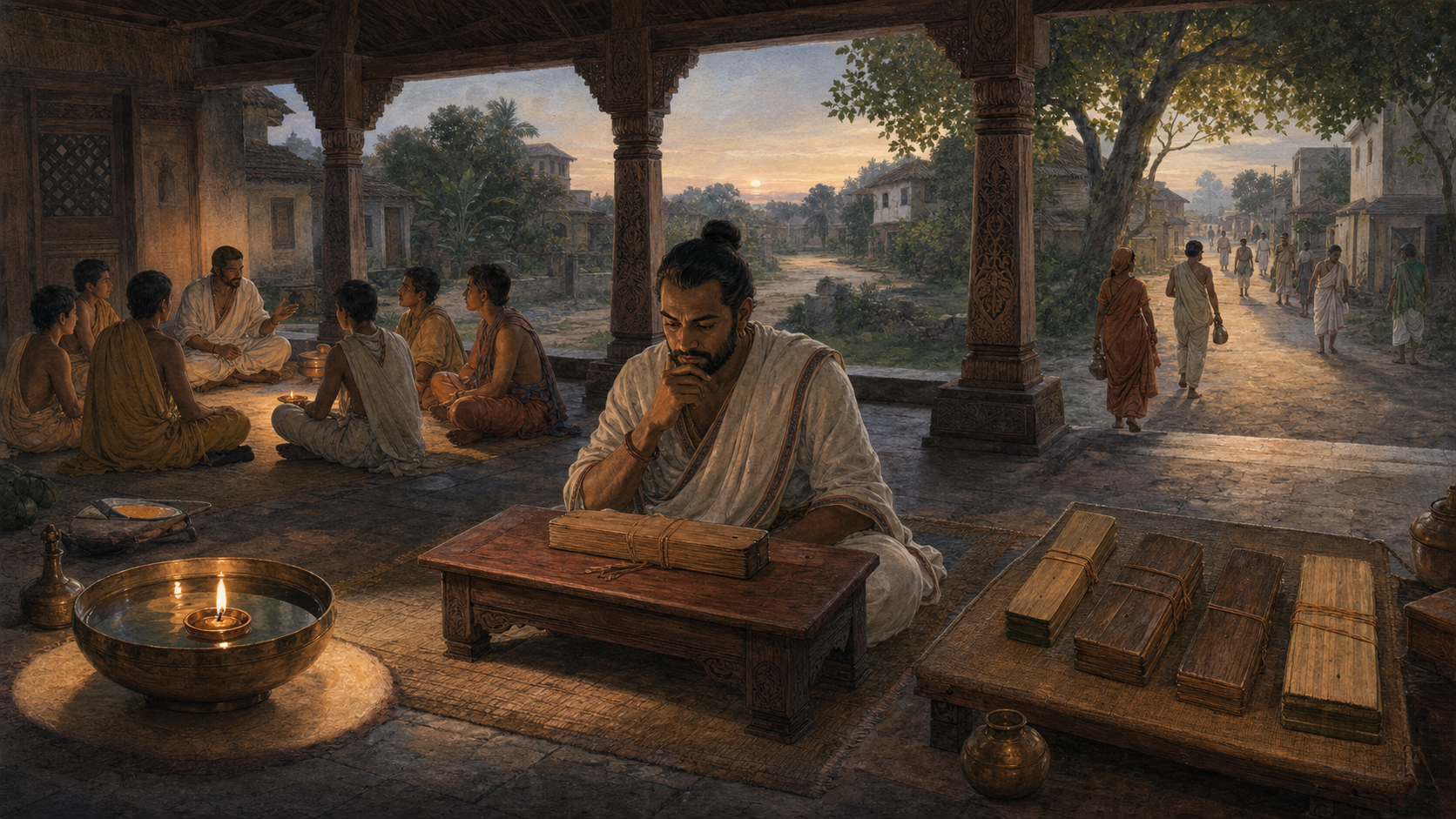
Halayudha, the 10th-century Sanskrit scholar and lexicographer, is best known for the Abhidhanaratnamala (Halayudhakosha), a metrical dictionary that shaped classical Indian literature. Composed for memorization and precision, it preserves semantic fields vital to poets, teachers, and students. The work’s linguistic and historical value helps modern readers interpret layered meanings across texts central to Hinduism, Buddhism,…
-
Raja Matangi on Shyamala Navaratri Day 9 (Magh): Sovereign of Speech, Arts, and Mantras

Rāja Mātaṅgī (Rāja Śyāmalā, Mantrīṇī) is honored in the Śrī Vidyā tradition as the tantric mantrī of Lalitā Tripurasundarī, governing mantras, speech, arts, and creative knowledge. Many traditions observe her worship on the 9th day of Śyāmala Navarātri in Magh, focusing on clarity in expression and excellence in the arts. Drawing on the Lalitopākhyāna (Brahmāṇḍa…
-
Santan Gopal Stotra: Hope-Filled Japa Vidhi for Santan Prapti, Prosperity, and Inner Peace

Santan Gopal Stotra (संतान गोपाल स्तोत्र) is revered for nurturing hope, steadiness, and unity during the journey to parenthood. Within Hindu traditions, Santan Gopal Stotra Japa Vidhi offers a disciplined contemplative practice that strengthens intention, patience, and gratitude. Families often observe calmer communication and a supportive environment as regular recitation deepens devotion. Traditional claims regarding…
-
क्या सच में हनुमान जी के ‘पांच सगे भाई’ थे? प्रामाणिक ग्रंथ, लोककथा और भक्तिपरक दृष्टि

यह लेख “हनुमान जी के भी है पांच सगे भाई” जैसे लोकप्रिय दावे को शास्त्रीय प्रमाण और लोककथा—दोनों मानकों से स्पष्ट करता है। Valmiki Ramayana और Ramcharitmanas में हनुमान के भाइयों का उल्लेख नहीं मिलता, अतः मूल शास्त्र इस दावे की पुष्टि नहीं करते। साथ ही, क्षेत्रीय लोककथाएँ और उत्तरवर्ती आख्यान समय-समय पर ऐसे विचार…
-
Angaraka Loka Unveiled: Mangala’s Sacred Realm and the Red Planet in Dharmic Wisdom

Angaraka Loka, the subtle realm of Mangala (Mars), illuminates how Vedic cosmology unites symbolism, ethics, and lived practice. Puranic narratives variously present Mangala as the son of Varaha and Bhudevi or as Bhauma born of Bhudevi, converging on a vision of disciplined courage in service of dharma. The association with Lord Muruga underscores protection, clarity,…
-
Khodiyar Mata Vrat Katha and Jayanti 2026: Timeless Legend, Rituals, and Devotional Unity

Khodiyar Mata Jayanti (Khodiyar Maa Pragatya Din) in 2026 falls on January 26, guiding devotees toward a day of reflective worship and community solidarity. The Khodiyar Maa Katha, rooted in 8th-century Gujarati and Rajasthani traditions, emphasizes protection, courage, and ethical living. The Vrat Katha’s core themes remain consistent across regional versions, reinforcing dharma and compassionate…
-
Bhishma Tharpanam on Bhishma Ashtami: Step-by-Step Vidhi, Mantras & Slokas to Honor Bhishma

Bhishma Tharpanam on Bhishma Ashtami offers a disciplined, heart-centered way to honor Bhishma Pitamaha, the revealer of Vishnu Sahasranama Stotram. This academic, step-by-step guide outlines the Vidhi: completing Sandhya Vandana, taking a precise sankalpa, preparing water with tila and darbha, offering libations with remembrance, and concluding with Shanti mantras. It highlights how mantras and slokas…
-
Hindu Festivals in February 2026: Essential Magha–Falgun Guide to Auspicious Days & Tithis

February 2026 corresponds to the Magha–Falgun period across Telugu, Kannada, Marathi, Gujarati, and North Indian Hindi calendars. This academically grounded guide explains how tithi-based observances determine Hindu festivals and auspicious days (Shubh Muhurat) during the month. It highlights common fasts and vratas such as Ekadashi, Pradosh, Sankashti, Purnima, Amavasya, and Masik Shivaratri, while noting that…
-
Rani Chennamma Punyatithi 2026: Honor a Trailblazing Queen and Safeguard Her Legacy

Rani Chennamma Punyatithi 2026 (Kittur Chennamma Smrutidin) will be observed on 21 February, honoring one of the earliest leaders of the Indian freedom struggle. The remembrance highlights her 1824 resistance to the British East India Company and her enduring legacy in Hindu History. Readers gain the exact date, historical context, and the site’s location at…
-
Maharana Pratap Smrutidin 2026 (Jan 29): Date, Significance, and Inspiring Ways to Honor His Legacy

Maharana Pratap Smrutidin 2026 is observed on January 29, aligning with Magh Shukla Ekadashi in the Hindi calendar. The day honors Maharana Pratap—Pratap Singh I—whose life exemplified courage, principled governance, and unwavering commitment to dharma. Families and communities often mark the occasion with readings, lamp-lighting, and intergenerational storytelling. The observance fosters unity across Hindu, Buddhist,…
-
January 29, 2026 Panchang: Auspicious Guidance for Shukla Paksha Ekadashi, Nakshatra & Rashi

Thursday, January 29, 2026 features Shukla Paksha Ekadashi in the Hindu Calendar until 11:38 AM, transitioning to Shukla Paksha Dwadashi thereafter. The day is widely regarded as auspicious for study, prayer, and charity, though exact Shubh Muhurat windows depend on location. Readers are encouraged to consult a city-specific Panchang for precise Nakshatra and Rashi details.…
-
How the ‘Aryan Race’ Myth Persists: Colonial Pseudoscience, White Supremacy, and Dharmic Unity

A recent media segment revived a racialized reading of the ‘Aryan’ idea, prompting a careful review of what Sanskrit ārya actually means and how colonial-era narratives distorted it. This analysis explains how the British period and certain missionary discourses mapped language onto race, fueling the ‘Aryan–Dravidian’ binary. It traces how eugenics and white supremacist groups…
-
Jaap Sahib Unveiled: Critical, Compassionate Insights into Guru Gobind Singh’s Universal Hymn
Jaap Sahib, a foundational Sikh hymn in the Dasam Granth, is a rigorous and compassionate celebration of the One beyond name and form. This study clarifies its historical setting in Anandpur Sahib, its multilingual poetics, and its role in Nitnem. The analysis shows how its rhythmic invocations cultivate steadiness, courage, and ethical clarity in daily…
-
A.R. Rahman’s BBC Row: Constructive Lessons for Hindu-Muslim Harmony and Dharmic Unity

A recent BBC interview with A.R. Rahman sparked nationwide debate, with reactions ranging from criticism to defense. This analysis reframes the moment as an opportunity to strengthen interfaith respect and Hindu-Muslim relations through principled dialogue. It highlights dharmic virtues—Ahimsa, Karuna, and Satya—as practical guides for constructive public discourse. Readers gain clear distinctions between critiquing ideas…
-
Mahahavis and Chaturmasya: Unveiling the Sacred Cycle of Great Vedic Offerings

Mahahavis, the “great offering,” takes center stage within the Chaturmasya cycle of Vedic rituals, which comprises Vaishvadeva, Varuna-praghasa, and Sakamedha at four-month intervals. Set in the Shrauta tradition of ancient India, this sequence affirms reciprocity, ecological care, and cosmic order through ishti-type sacrifices. The concluding role of Sakamedha highlights the integrative purpose of the cycle,…
-
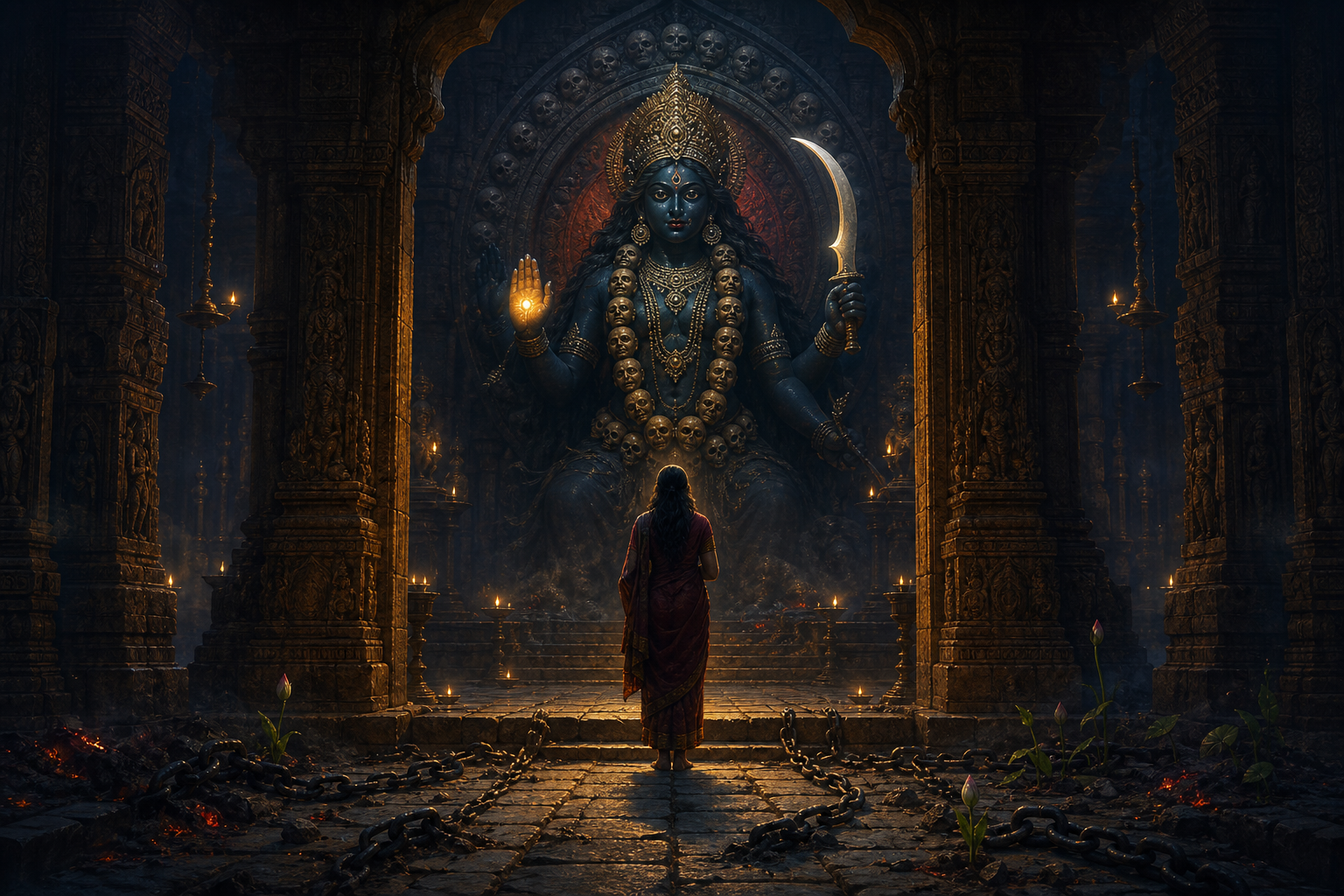
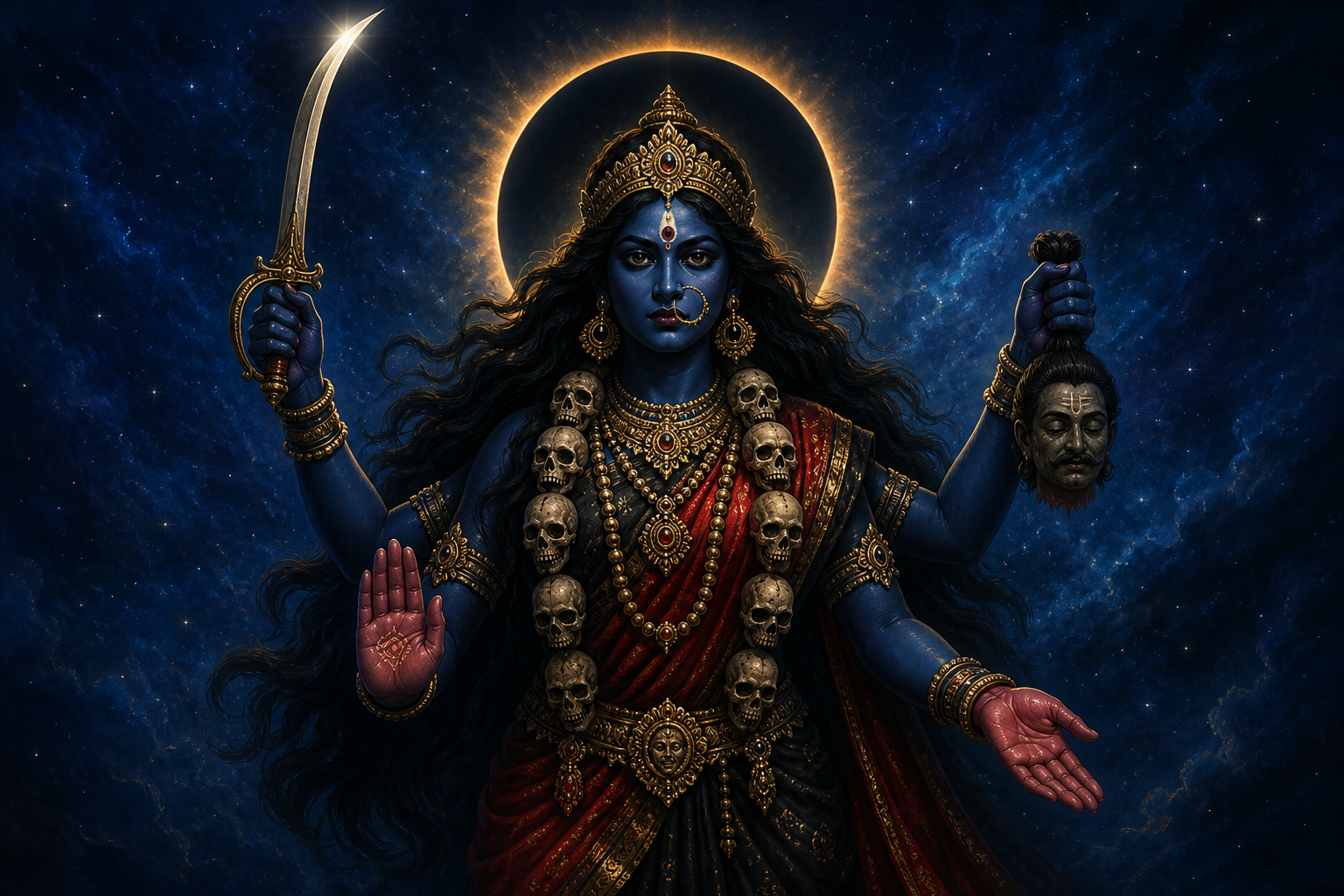
Decoding Kali’s Fierce Grace: Kali Tantra Symbolism, South-Facing Form, and Liberation

The Kali Tantra presents Goddess Kali as the south-facing embodiment of fierce grace, uniting destruction and liberation in a single, illuminating form. Kali’s orientation toward the south symbolizes a fearless encounter with death and change, transforming dread into wisdom. Her sword signifies discriminating insight, while the cremation-ground setting teaches impermanence without despair. Mudras of fearlessness…