
-
Students’ Guide to Saraswati Dhyana & Mantra Japa: Focus, Memory, and Exam Success

This guide presents Saraswati dhyana and mantra japa as a disciplined daily practice that supports students’ focus, memory, and exam performance. It explains how brief, consistent sessions can reduce anxiety, stabilize attention, and create a calm, ethical study rhythm. The method emphasizes posture, breath awareness, and silent japa, integrated into study blocks for maximum benefit.…
-
Mahanamni Explained: Sacred Sama Veda Sakvari Verses Shaping Ahina Rituals and Unity

The Mahanamni, a set of nine Sama Veda verses in Jaiminiya Samhita 2.7, begins with the words “vida maghavan” and is also known as the Sakvari verses. These chants hold enduring ritual significance, especially within the focused framework of Ahina sacrifices. Their careful phonetics and measured melodic patterns ensure that intention, meter, and meaning align…
-
Ratha Saptami (Radha Saptami) Guide: Sacred Snan Mantra, Sunrise Rituals, and Surya Jayanti

Ratha Saptami (Radha Saptami) celebrates Surya Jayanti with a sunrise ritual bath, sacred mantras, and offerings to Surya Bhagwan. The observance emphasizes gratitude, clarity, and discipline rooted in Vedic tradition, with the ceremonial snana considered especially auspicious at rivers like Ganga, Godavari, Yamuna, Narmada, Cauvery, and Krishna. Devotees commonly offer arghya facing the east and…
-
Ghanapatha: The Brilliant Oral Science That Preserved the Vedas with Unmatched Precision

Ghanapatha is an advanced Vedic recitation method that preserved the Vedas with exceptional precision through patterned repetition and reversal. Situated within the Shiksha Vedanga, it crowns a structured pedagogySamhita, Pada, Krama, Jata, and Ghanathat builds redundancy and error-checking into every line. By guarding phonetics and pitch accents (udātta, anudātta, svarita), it retains exact meaning and…
-
Twelve Sacred Names of Surya Bhagavan: Radiant Benefits, Auspicious Timing, and How to Chant

The Twelve Sacred Names of Surya Bhagavan offer a concise, profound practice rooted in Vedic mantras and Hindu rituals. Chanting Mitra, Ravi, Surya, Bhanu, Khaga, Pushan, Hiranyagarbha, Marichi, Aditya, Savitru, Arka, and Bhaskara promotes vitality, focus, and emotional balance while cultivating gratitude and clarity. Sunrise, Sundays, and auspicious tithis such as Ratha Saptami are especially…
-
Uttarayana Punyakalam Tharpana, 14 Jan 2026: Exact Sankalpa, Auspicious Timings, and Significance

14 January 2026, the day of Makara Ravi Sankramanam, is an auspicious time for Uttarayana Punyakalam Tharpana. This overview explains the significance of Uttarayana, why the solar transition into Makara matters, and how Sankalpa precisely frames the ritual. The commonly cited line“Viswavasu nama samvathsare, Utharayane, hemantha rithou, Makara mase, Krishna pakshe, adhya […]”is preserved to…
-
Pavamana Suktam in the Rig Veda: Timeless Hymn of Soma, Purity, and Dharmic Unity

Pavamana Suktam (Rig Veda 9.1.1–10) opens the Soma Mandala with a powerful vision of purification, clarity, and renewal. Attributed to Madhucchanda and composed in the Gayatri meter, it functions as both liturgical chant and contemplative text. The imagery of Soma’s sacred flow symbolizes inner transformation, aligning with shared values across Hinduism, Buddhism, Jainism, and Sikhism.…
-
Eighteen-Faced Rudraksha (Astadasa Mukhi): Earth-Energy Significance, Identification, and Mantras

The eighteen-faced Rudraksha (Astadasa Mukhi) is revered as an embodiment of BhumiMother Earthsymbolizing stability, nourishment, and patient strength. Identified by its eighteen natural lines extending end-to-end, it is valued for grounding practitioners in clarity, resilience, and responsible action. Puranic narratives, including accounts involving Madhu and Kaitabha, highlight Earth’s sanctity and the bead’s profound earth-energy symbolism.…
-
Hinkara in Vedic Sacrifices: The Transformative Power of ‘Him’ in Sama Veda Chanting
Hinkara, the intentional chanting of the syllable “Him,” serves as the invocation that inaugurates Sama Veda recitation during Vedic sacrifices. Located just before the Prastava and followed by the Udgitha, it marks the exact transition from silence to sacred sound. As a stobha syllable, Hinkara aligns breath, pitch, and attention, demonstrating the technical and contemplative…
-
Complete Nagula Chavithi Pooja Vidhanam: Master the 2025 Vrat with Proven Steps and Mantras

Nagula Chavithi, observed in Karthika Masam as per the Telugu calendar, falls on October 25 in 2025 and centers on reverence for Nāga Devatas. The vrat emphasizes family well-being, ecological mindfulness, and the dharmic value of ahimsa. This guide presents a clear, step-by-step puja vidhanamcovering sankalpa, kalasha sthapana, avahana, abhisheka, archana, mantra-japa, and aartiwhile encouraging…
-
The Ultimate Cultural History of Mantra Chanting: Discover a Proven Path to Higher Consciousness

Public kirtanoften heard as “Hare Krsna, Hare Krsna …” on major city streetsarises from a rich Bhakti tradition where communal chanting serves as mantra meditation in public space. Its cultural history spans Vedic reflections on sacred sound, medieval Bhakti movements, and global diffusion to Western cities in the twentieth century. Related practices across Hinduism, Buddhism,…
-
Historic Breakthrough: Sanskrit Mantras to Open US Virgin Islands Senate for the First Time

For the first time since 1954, the Legislature of the United States Virgin Islands will open its October 30 session in Charlotte Amalie with Hindu prayers. Distinguished Hindu statesman Rajan Zed will deliver the invocation, drawing on ancient Sanskrit and Vedic mantras known for their emphasis on peace and collective welfare. The event marks a…
-
Ultimate Naraka Chaturdashi Mantras: Master Stotras for a Transformative Snan Ritual

Narak Chaturdashi, observed on October 20, 2025, marks the second day of Deepavali and centers on the auspicious pre-dawn Snan (abhyanga) with mantras and ślokas. This guide curates widely recited stotrasincluding the Ganga invocation, Maha Mrityunjaya, Asato Ma, Om Namo Bhagavate Vāsudevāya, Om Krīm Kālikāyai Namaḥ, and Om Yamāya Namaḥwhile noting regional customs and family…
-
Complete Guide to Naraka Chaturdashi Snan Mantras: Master Choti Diwali’s Auspicious Rituals

Naraka Chaturdashi, also known as Choti Diwali, emphasizes inner purification through the auspicious pre-dawn snan and mindful mantra recitation. In 2025, it falls on October 20, inviting families to set clear intentions and cultivate calm through sacred sound. Widely venerated mantrassuch as Om Gam Ganapataye Namaha, Om Namah Shivaya, Om Namo Narayanaya, the Mahamrityunjaya, the…
-
Complete Guide to Amavasya Tharpanam Sankalpam Mantras (Nov 2025): Master Ritual and Meaning

Amavasya Tharpanam in November 2025 falls on 19 November (Sarva Amavasya, Wednesday), observed as Margashirsha Amavasya, Kartik Amavasya, or Karthigai Amavasai across regional calendars. This guide situates the rite with the exact Sankalpam reference while preserving traditional temporal markers. A clear, step-by-step outline supports focused practicefrom purification and Sankalpam to offerings, silence, and closing gratitude.…
-
Discover the Proven Transformative Power of the Holy Name: Garuda Purana’s Essential Insight
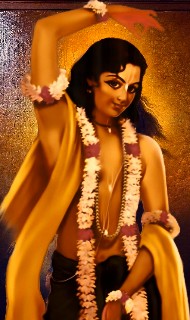
This article examines the Garuda Purana’s analogy of a snake-bite to explain how hearing sacred names revives spiritual awareness. It presents the maha-mantraHare Krsna, Hare Krsna, Krsna Krsna, Hare Hare/ Hare Rama, Hare Rama, Rama Rama, Hare Hareas a practical, accessible method within the Bhakti Tradition. The discussion connects mantra hearing with benefits commonly reported…
-
Historic Breakthrough: Idaho City Councils Begin with Hindu MantrasA Proven Path to Unity

In October 2025, the city councils of Burley, Arimo, and St. Anthony, Idaho opened their meetings with Hindu prayers for the first time in their histories, featuring Sanskrit mantras from some of the world’s oldest extant scriptures. This milestone highlights interfaith inclusion within local governance while maintaining civic neutrality. Led by Rajan, a distinguished Hindu…
-
Complete Guide to Chandra Darshan Mantras: Master Japa with Proven Moola and Beeja

Chandra Darshan, the first sighting of the moon after Amavasya, is supported by two precise Sanskrit mantras preserved here in clean Devanagari for accurate japa and arghya. The moola mantra ॐ सोम सोमाय नमः aids calm clarity during darshan, while the beeja-mantra ॐ श्रां श्रीं श्रौं सः चन्द्राय नमः is commonly used for Chandra shanti…
-
Master the Complete Symbolism of Panchamukhi Gayatri: Five-Colored Faces Explained
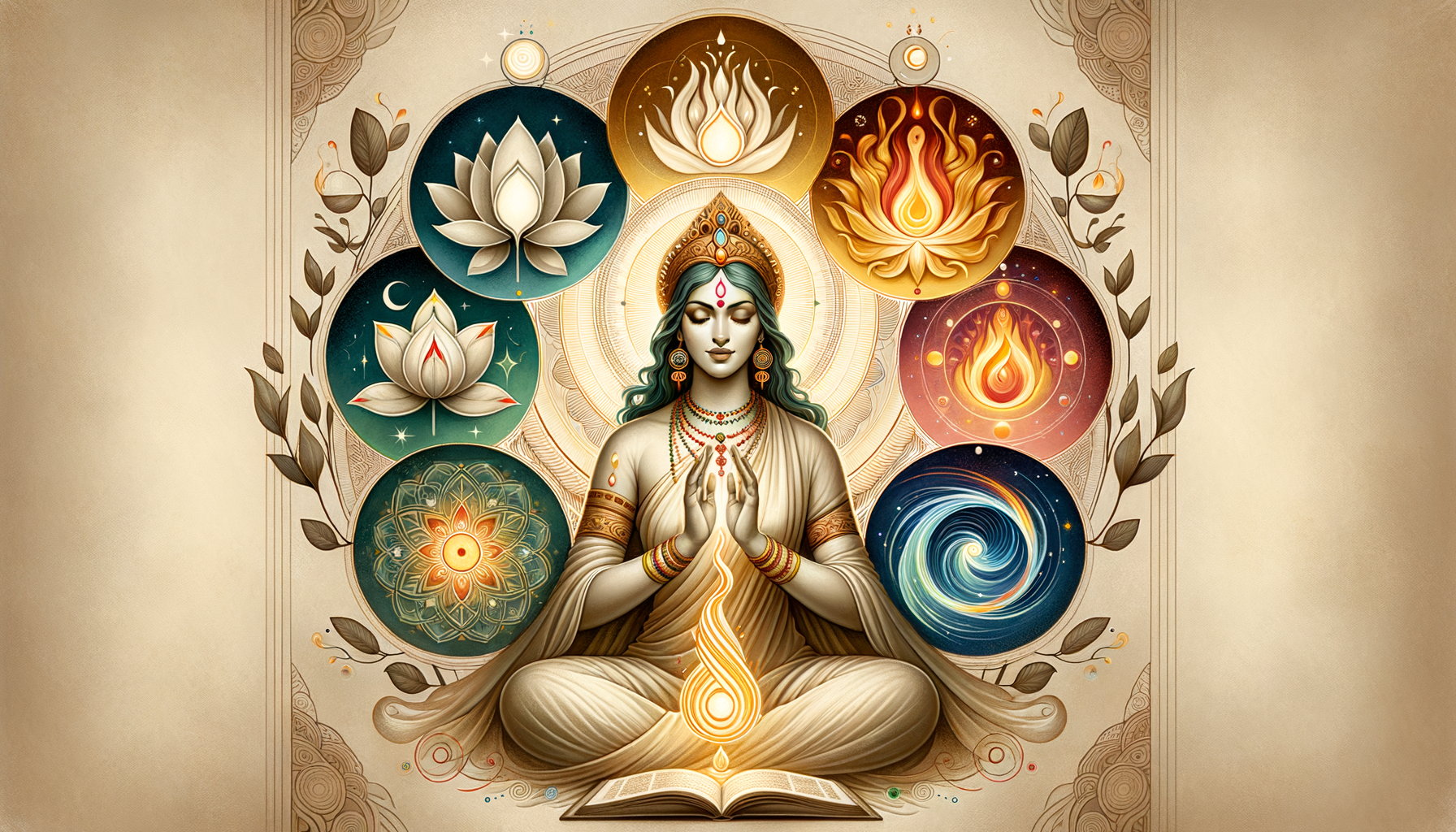
Goddess Gayatri, revered as Veda Mata and Brahma Shakti, is traditionally depicted with five faces in five colours, a visual pedagogy that unites Vedic knowledge, contemplative practice, and ethical living. Classical commentaries link these faces to the four Vedas and the transcendent Om, while the colours symbolize guṇas, elements, and the ascent from the gross…
-
When Bakhtiyar Khalji Wiped out Gauda-Desa from Existence

Bakhtiyar Khalji’s catastrophic devastation of the ancient city of Gaur marked a pinnacle in his career of plunder and genocide. Gaur, a historic center of Sanskrit learning and Hindu culture, was thoroughly obliterated, replaced by Islamic structures. This transformation permanently altered Bengal’s cultural and religious landscape, erasing its Sanatana past.