-
How Bharat Can Escape the Hormuz Trap by Closing Four Critical Technology Gaps

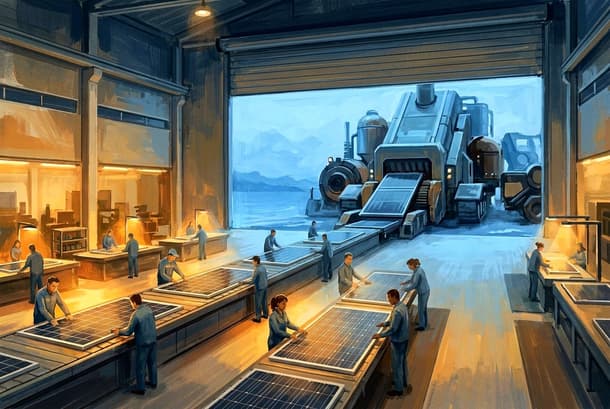
The 2026 disruption at the Strait of Hormuz showed that Bharat can manage a major short-term energy shock through diversified suppliers, higher domestic production and coordinated maritime action. It also exposed the difference between temporarily securing imported fuel and permanently reducing dependence on it. Broad electrification of transport and cooking offers a practical route toward…
-
Robotic Temple Elephants in Kerala: Powerful Dharma, Ahimsa and Humane Innovation

Kerala temples are beginning to use robotic elephants as humane alternatives to live captive elephants in rituals and festivals. These animatronic elephants preserve familiar ceremonial forms while reducing concerns about animal cruelty, public safety and temple management. The debate is not simply tradition against technology; it is a deeper dharmic question about ahimsa, compassion and…
-
Bharat’s 5G Network Slicing Moment: Powerful Lessons from China’s Telecom Leap

Network slicing marks a decisive shift in Bharat’s 5G journey, moving telecom from simple speed claims to assured service quality. Airtel’s Priority Postpaid launch shows how Indian operators are beginning to address real-world congestion in traffic, concerts, markets, and public spaces. China’s more advanced standalone 5G slicing tests demonstrate the power of ecosystem coordination across…
-
Stack Attack Rap: A Powerful, Technical Guide to LIFO Logic and Learning

“Stack Attack Rap” can be understood as a creative gateway into one of computer science’s most important data structures: the stack. This rewritten post explains LIFO logic, push and pop operations, peek behavior, stack implementation choices, and the role of stacks in recursion, parsing, undo systems, and depth-first search. It also clarifies the difference between…
-
PM Research Chair Scheme: India’s Bold Bid to Bring Global Talent Home

The Prime Minister Research Chair Scheme 2026 is a major initiative to attract Indian-origin researchers and scientists working abroad into India’s premier institutions and national laboratories. It seeks to address brain drain through structured research roles, competitive funding, relocation support, and alignment with national priorities. The scheme is expected to support at least 120 researchers…
-
RFID, QR IDs and Resolve: Inside the High-Security Amarnath Yatra 2026

Shri Amarnath Ji Yatra 2026 is scheduled from 3 July to 28 August, with one of the most extensive security arrangements planned for the pilgrimage in recent years. The security grid combines RFID tracking for registered pilgrims, QR-code-based identity cards for service providers, CCTV surveillance, watch towers, mock drills, and strict traffic regulation. The Shrine…
-
No R&D, No Subsidy: The Hard Lesson India Must Learn From China

China’s industrial policy offers India both inspiration and warning. Its successes show that strategic subsidies can build manufacturing power, but failures such as Hongxin Semiconductor reveal the danger of funding ambition without research depth or technical discipline. India should link public incentives to R&D, domestic value addition, export competitiveness, workforce training, and measurable technology milestones.…
-
Bharat’s Drone-Age Army: Powerful Lessons in Self-Reliant Future Warfare

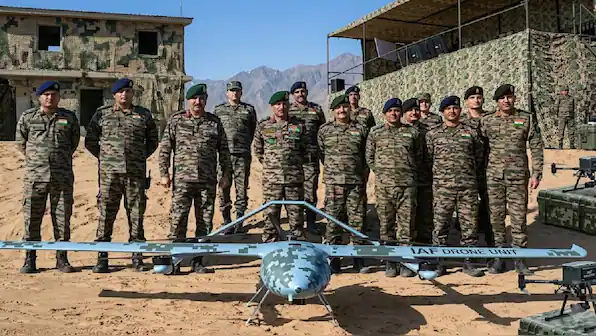
Bharat’s Indian Army is entering a decisive phase of military modernisation shaped by drones, artificial intelligence, electronic warfare, cyber operations, and precision fires. General Upendra Dwivedi’s tenure is significant because it accelerated the move from manpower-heavy structures toward a more technology-enabled and future-ready force. The rapid expansion of drone and counter-drone capabilities reflects hard lessons…
-
Bharat’s Urgent Sovereignty Test: AI, Starlink, and Resilient National Power

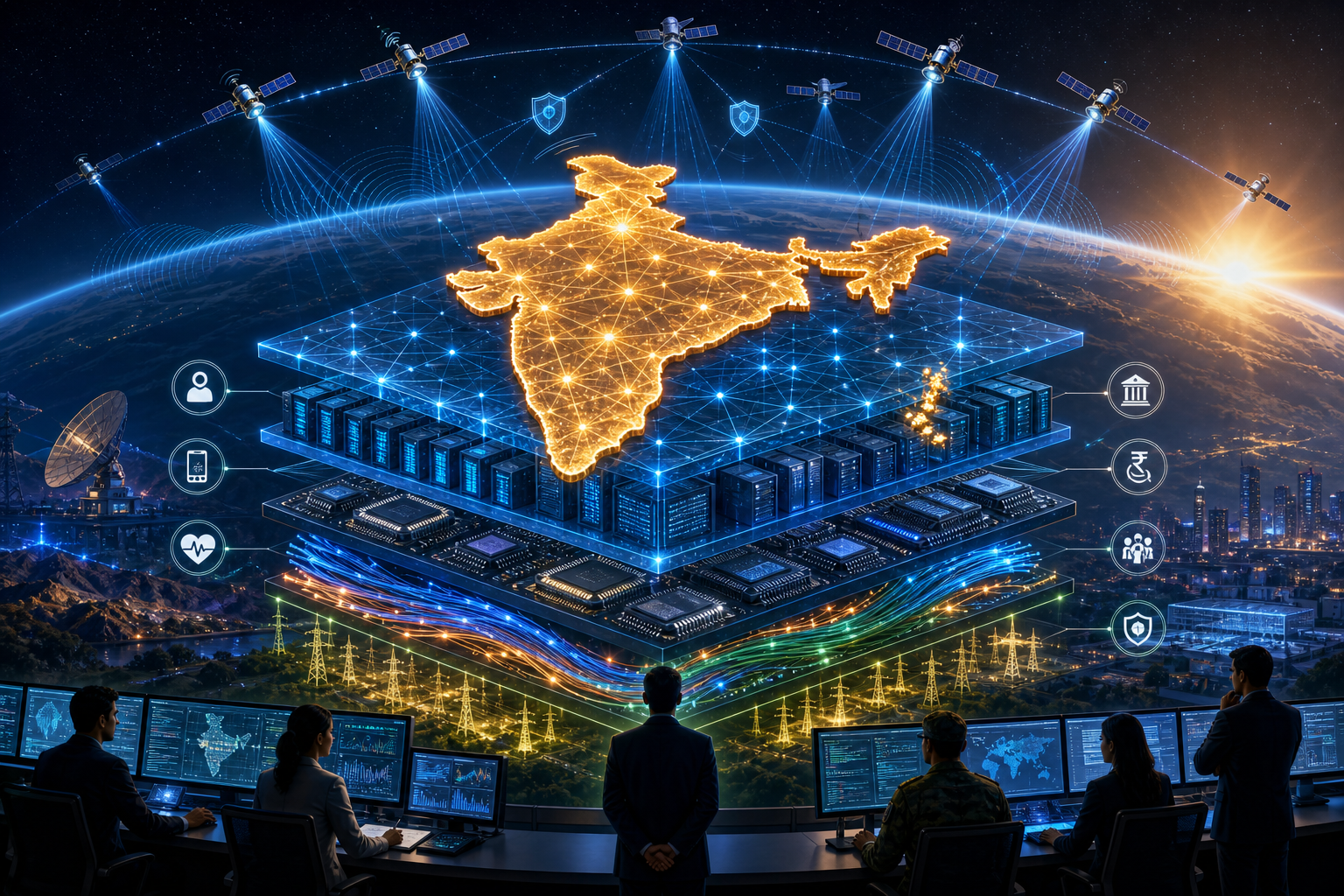
Bharat’s sovereignty challenge in the age of AI and Starlink is not limited to ownership of technology. It is about whether critical systems can continue to function during disruption, coercion, cyberattack, electronic warfare, or denial of access. The Ukraine conflict shows how commercial satellite networks can become decisive military infrastructure and also strategic vulnerabilities. Artificial…
-
Coding Compassion: Sikh Reflections on Pope Leo XIV’s AI Encyclical and Dharma-Centered Ethics

This essay examines the ethical horizons of Artificial Intelligence through Sikh principles in dialogue with Catholic social teaching, prompted by attention to Pope Leo XIV’s AI encyclical. It outlines a dharma-centered AI ethics that prioritizes human dignity, the common good, and the welfare of all (sarbat da bhala). It translates spiritual commitments into technical practices,…
-
Ferrari Luce, LoveFrom, and the Meme Storm: A technical look at design, UX, and brand risk

Ferrari’s all-electric Luce launched with LoveFrom’s design input and immediately sparked a global meme storm that praised its physical controls but questioned the exterior. This analysis documents that cultural moment and explains why EV packaging and aero-first constraints can make heritage proportions feel unfamiliar. It examines why tactile HMI often outperforms touchscreens for safety and…
-
Flood‑Hit to Future‑Ready: Locana Prabhu’s 3D Printing Path to Preserve Devotional Heritage

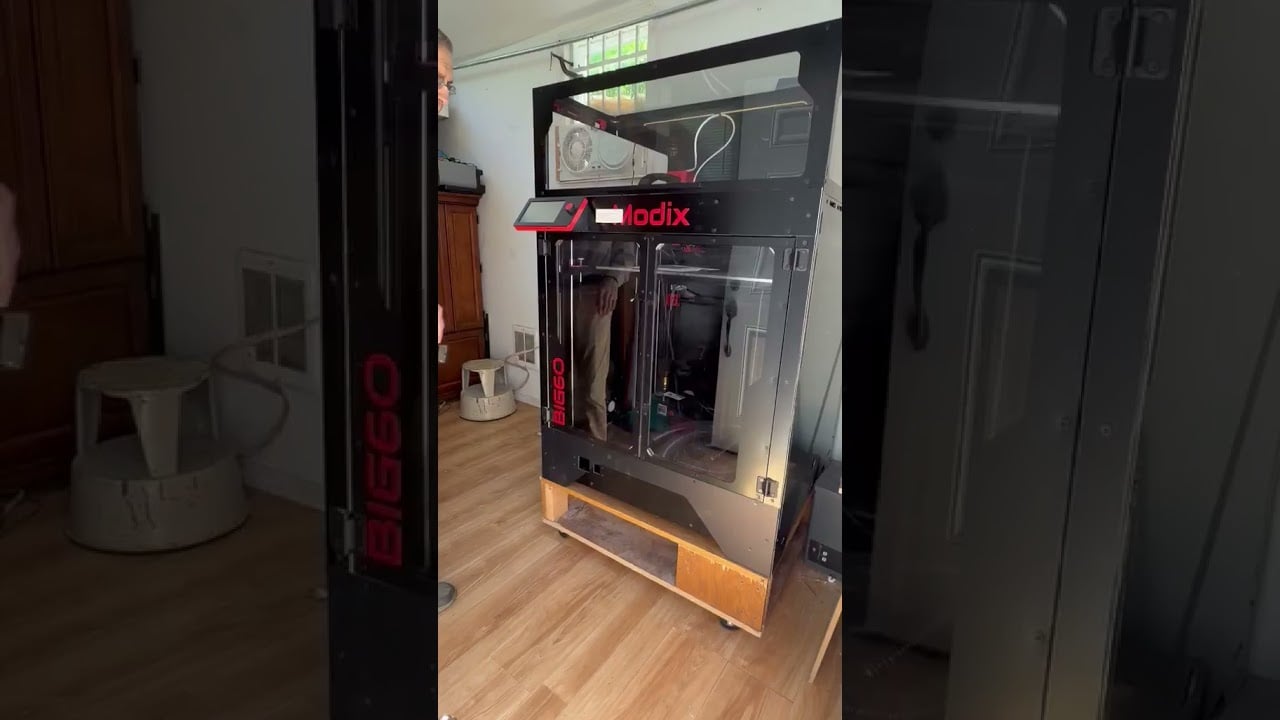
A May 19, 2026 tour of Locana Prabhu’s workshop revealed serious water damage alongside the installation of a 3D printer intended to bolster preservation-focused production connected to Srila Prabhupada’s legacy. The report explains conservation-grade stabilization: environmental control at 45–55% RH, HEPA filtration, safe mold mitigation, and triage methods that prioritize unique masters and production-critical assets.…
-
When Power Outpaces Wisdom: Ancient Dharmic Insights to Heal a Wealthy, Wounded World

Modern society holds immense technological power and material wealth, yet faces crises born of its own momentum. Drawing on Hinduism, Buddhism, Jainism, and Sikhism, this analysis explains how shakti (power) must be yoked to viveka (wisdom) through dharma to restore ecological balance, social harmony, and inner clarity. It maps Purusharthas to contemporary dilemmas, applies yama–niyama…
-
When Google Photos Becomes Therapy: Memory Reels That Reduce Stress and Boost Gratitude

A simple Google Photos notification can function as digital therapy. Brief, automated memory reels reduce stress, interrupt rumination, and increase gratitude by surfacing positive reminiscence at the right moment. Visual cues activate vivid recall, strengthening emotional well-being and family bonds. This micro-practice works as accessible, digital self-care requiring no new habits. It reframes technology as…
-
Debunking the Skill-Gap Myth: How Demand, Training, and Wages Rapidly Build Talent

The alleged “skill gap” is best understood as a demand-and-incentives problem, not a talent shortage. When wages signal value and firms see opportunity, they fund training, partner with universities, and upskill adjacent talent at speed. Case studies from global enterprisesspanning fashion, precision glass, automotive production, and franchised foodshow how practice, process, and market feedback outperform…
-
AI and Sikhism: Dr. Devinder Pal Singh’s Complete GuideDiscover a Dharmic Tech Breakthrough
At Sri Guru Granth Sahib World University, Dr. Devinder Pal Singh presented an expert talk connecting Artificial Intelligence with Sikh ethics in a rigorous yet accessible way. The session showed how seva and sarbat da bhala can guide responsible AI design and governance. Practical issuesalgorithmic bias, data privacy, and disinformationwere reframed as moral questions requiring…
-
The Essential Guide to Mastering Time: Transform Distraction into Dharma in Modern Life

I contrast the survival-driven routines of our ancestors with my own modern habits to show how technology has created surplus time that often leaks into distraction. I frame this as an attention-economy challenge and propose a dharmic reorientation grounded in Yoga, meditation, mindfulness, and seva. I share a pragmatic approach: audit time honestly, set tech…
-
Jaishankar affirms India’s growing global role, says “This is an India that is more Bharat”

External Affairs Minister S Jaishankar highlights India’s evolving role on the global stage, emphasizing the nation’s fusion of traditional values with modern advancements. Reflecting on India’s progress, from cashless payments to lunar missions, he underscores the country’s strides in women’s empowerment and inclusive growth. Jaishankar emphasizes India’s diplomatic initiatives, navigating complex global scenarios like the…