
-
Dissolving Matter’s Mirage: Dharmic Wisdom on Returning to the Primordial, Nondual Source
This essay examines how dharmic traditions understand the illusion of materiality and the emergence of a primordial, nondual source through deep inquiry. Drawing on the Upanishads, Bhagavad Gita, Advaita Vedanta, and yogic practice, it explains the movement from gross to subtle via pañca-kośa and the triad of sthūla–sūkṣma–kāraṇa śarīra. It highlights complementary perspectives in Buddhism…
-
Unlocking Kosha: From the Five Sheaths of the Self to the Treasury of Hindu Statecraft

Kosha holds a powerful dual meaning in Hindu thought: the five sheaths (panchakoshas) that veil the self in Vedanta and the treasury that sustains a kingdom in classical statecraft. Grounded in the Taittiriya Upanishad and Pancha Kosha Viveka, this analysis clarifies each sheathannamaya, pranamaya, manomaya, vijnanamaya, anandamayaand maps practices from asana and pranayama to pratyahara,…
-
Why Devotional Focus Suddenly Turns Sensualand Science-Backed Ways to Steady the Mind

Devotional focus can collapse into sensual distraction with surprising speed because material desire functions like a gravitational pull on attention. Classical frameworks from Hinduism, Buddhism, Jainism, and Sikhism explain this shift through gunas, kleshas, hindrances, and the five thieves, while neuroscience highlights cue-driven reward predictions and attentional capture. A practical, evidence-aligned toolkit helps steady the…
-
Overcoming Inner Battles in Meditation: Hindu-Yogic, Buddhist, Jain, Sikh Tools for Calm
Meditation across the dharmic traditions often collides with restlessness, distracting thoughts, emotional agitation, doubt, and subtle resistance. Drawing on the Yoga Sutras of Patanjali and the Bhagavad Gitaalongside Buddhist, Jain, and Sikh parallelsthis piece delivers a technical, evidence-informed roadmap to stabilize dhyana. Readers learn how to diagnose obstacles (antaraya), regulate arousal with breath awareness and…
-
Why Ganesha Rides a Mouse: Mastering the Restless Mind Through Ancient Sacred Symbolism
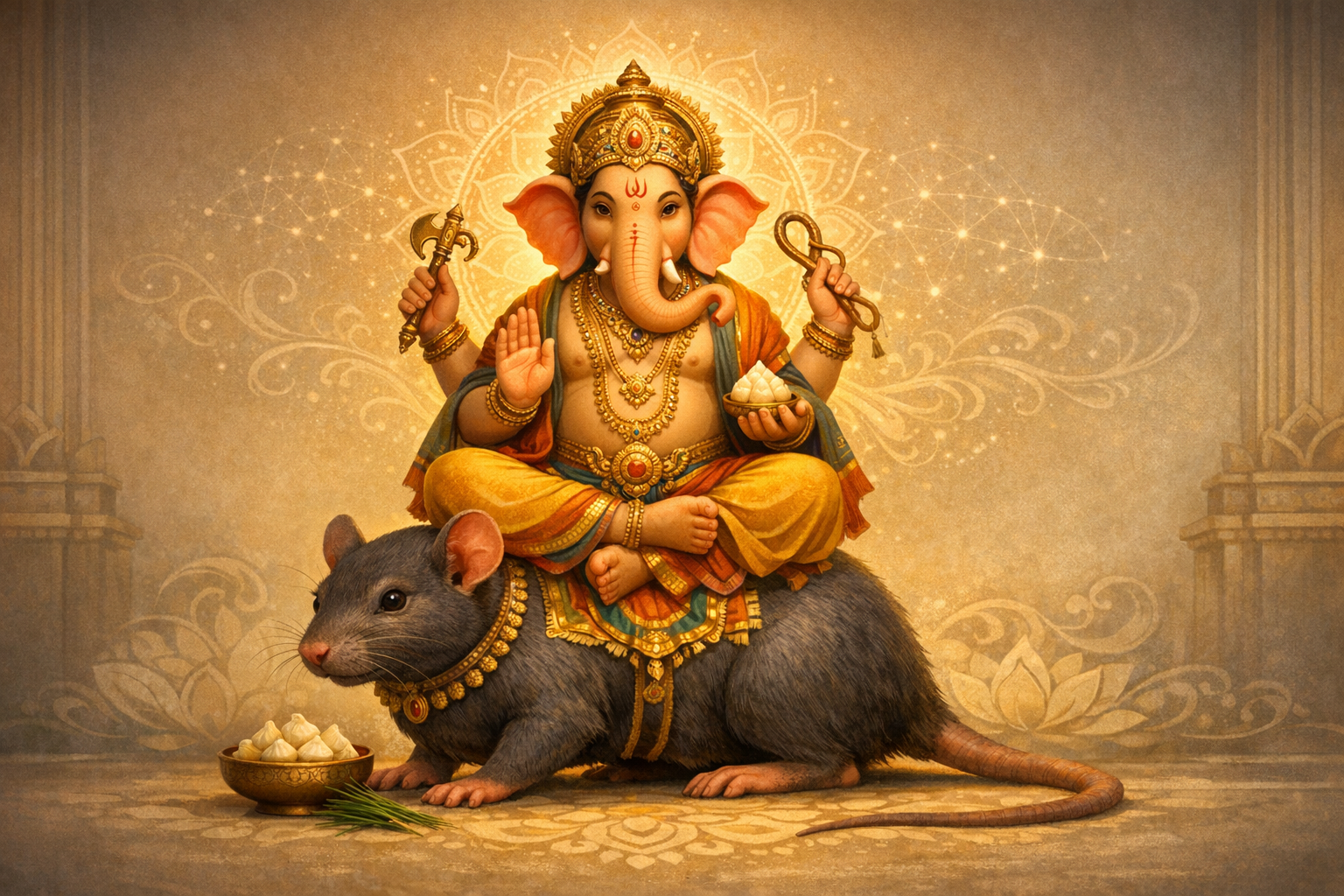
The celebrated image of Śrī Gaṇeśa seated on a mouse encodes a complete psychology of spiritual practice: wisdom seated above impulse, directing and calming the restless mind. Philological analysis of mūṣika (“the thief”) aligns with traditional models of manas, buddhi, and ahaṃkāra, while Purāṇic sources frame the vāhana as a pedagogical tool. Read alongside Yoga,…
-
Ganesha’s Small Eyes, Vast Vision: Iconography, Mindfulness, and Dharmic Unity Lessons
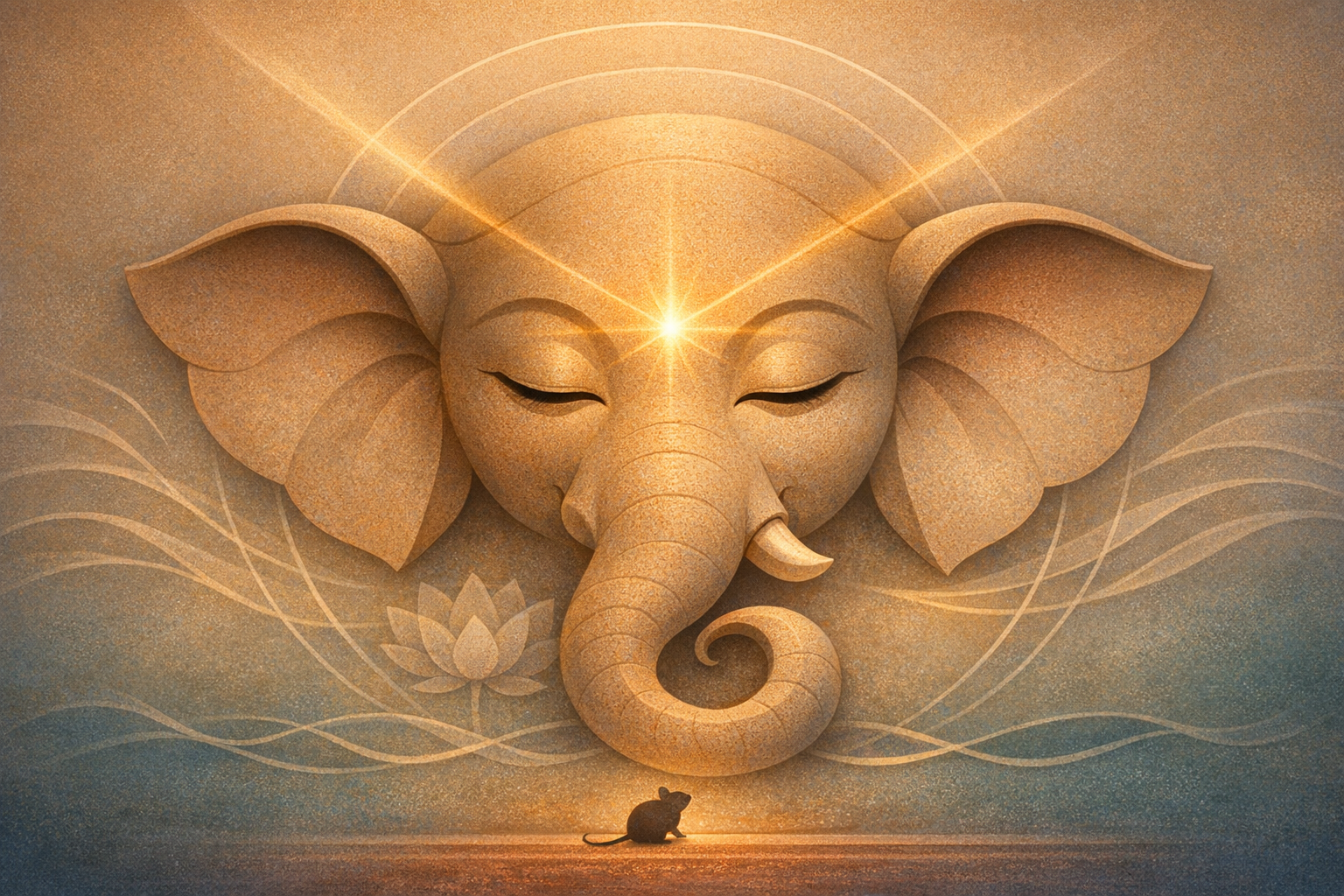
Ganesha’s small, intent eyes encode a powerful contemplative teaching: expansive wisdom arises from focused, compassionate attention. Drawing on Hindu iconography and Yoga philosophy, the symbol aligns with pratyahara, dharana, and dhyana, and is reinforced by the Bhagavad Gita’s guidance on nasikagra-drishti. Contemporary attention science complements this reading, linking steady gaze with reduced cognitive load and…
-
Abhyasa Yoga Explained: Master the Mind with Steady Practice and Dharmic Unity

Abhyasa Yoga emphasizes disciplined, continuous practice that steadies attention and prepares the mind for dhyana and samadhi. Grounded in Patanjali’s Yoga Sutra and the Bhagavad Gita, it integrates yama, niyama, asana, pranayama, pratyahara, and focused meditation into a coherent path. Practitioners benefit from small, consistent sessions that build cognitive clarity, emotional balance, and ethical insight.…
-
Panchmukhi Hanuman: Transformative Symbolism for Mastering the Five Senses (Indriyas)
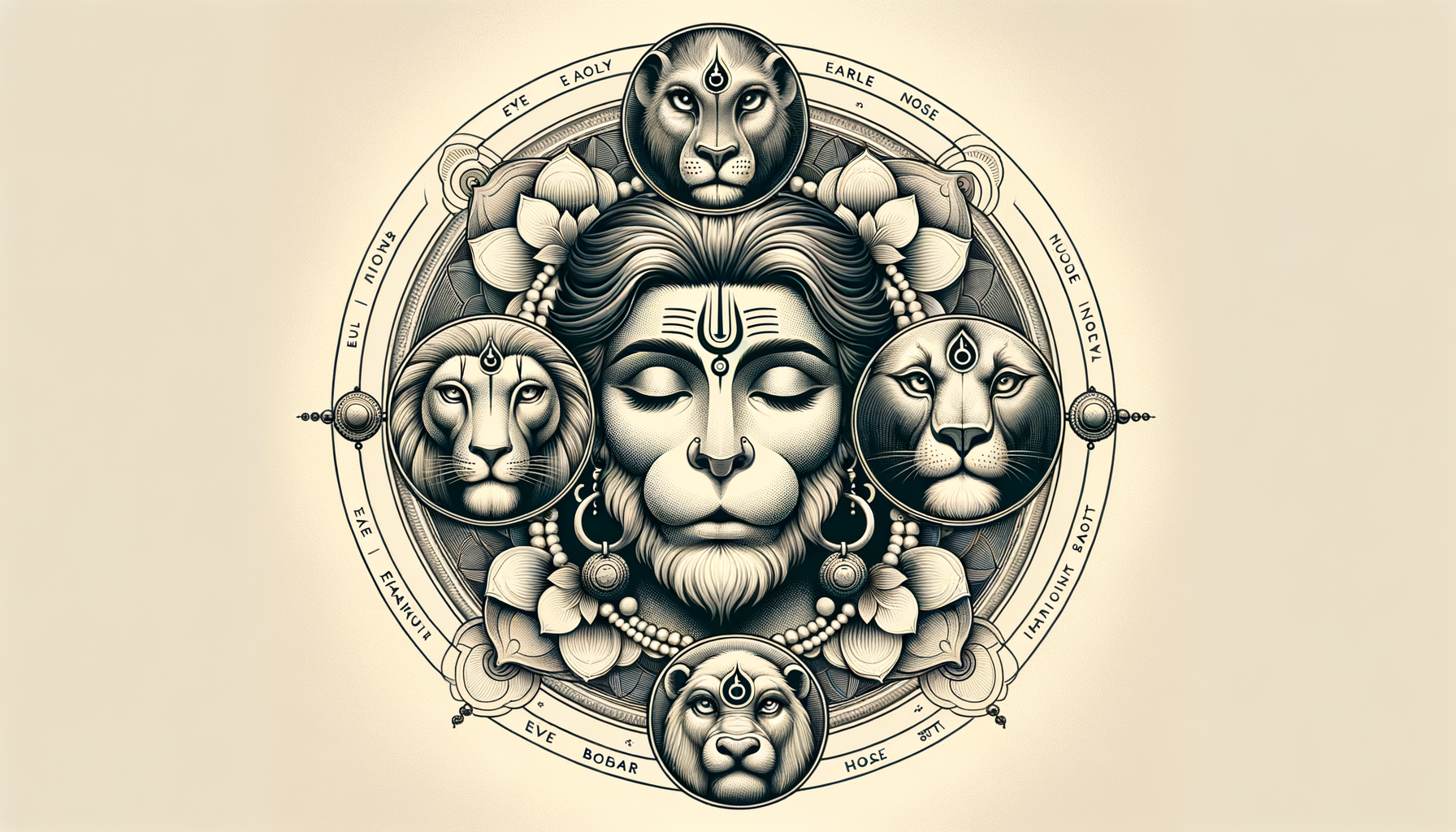
Panchamukhi Hanuman, the five-faced form of Hanuman, presents a refined dharmic framework for mastering the five senses (indriyas). The iconographyHanuman, Narasimha, Garuda, Varaha, Hayagrivamaps to qualities that transform sensory life from distraction to clarity. Through pratyahara, breath regulation, and mantra, perception becomes disciplined and inwardly focused. Devotion and seva anchor this process ethically, turning insight…
-
Karmendriyas and Tanmatras Explained: How Action Organs Align with the Five Elements
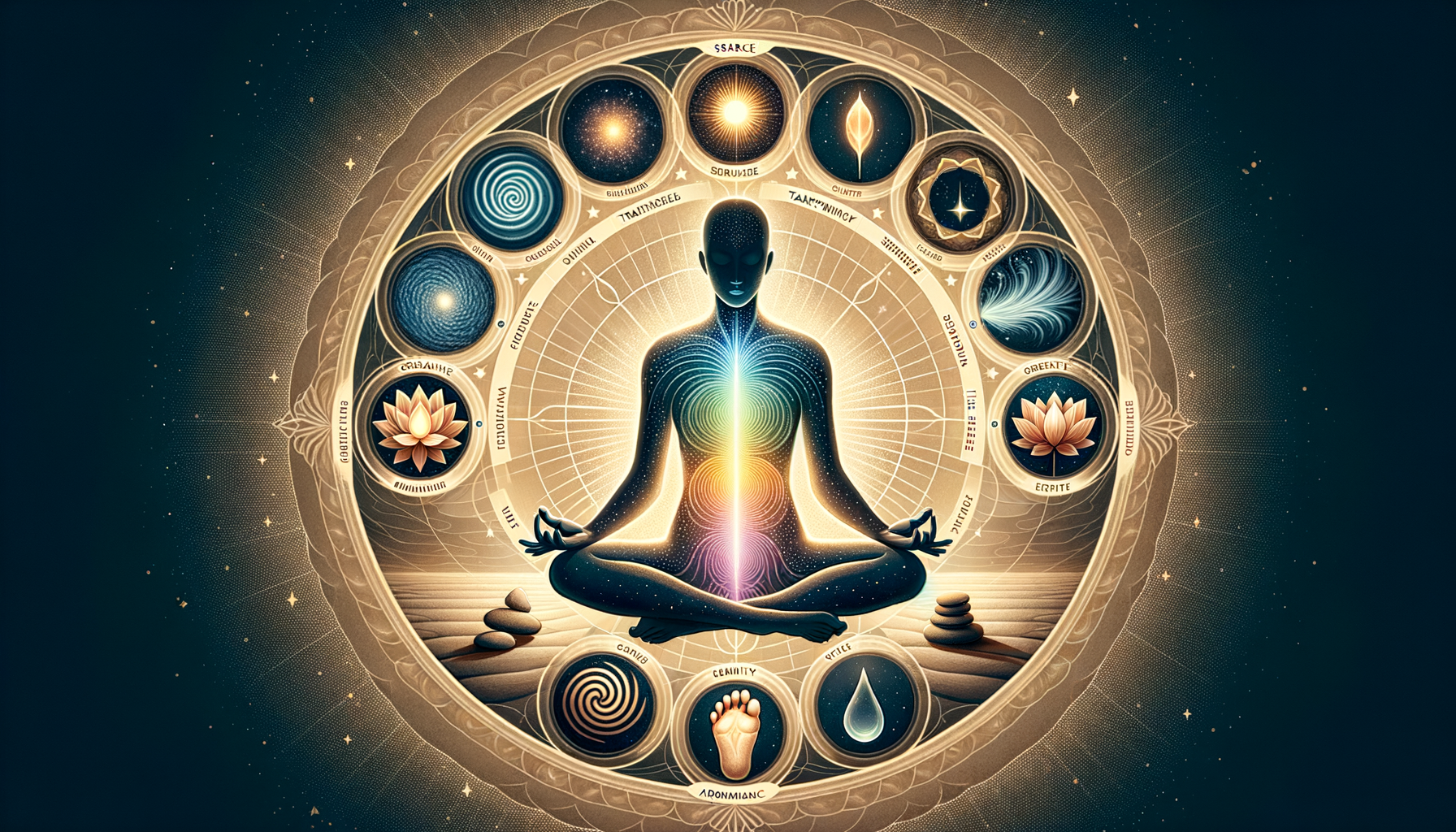
This article clarifies how the five karmendriyasspeech, hands, feet, procreation, and eliminationrelate to the tanmatras and the five elements in Hindu philosophy. It outlines the classical evolution from subtle tanmatras to pancha mahabhutas and shows how action organs are energized by rajas and prana. Readers gain a clear, text-sensitive view of commonly taught correspondencessuch as…
-
Pratyahara in Hinduism: Mastering Sensory Withdrawal for Profound Calm and Clarity

Pratyahara, the fifth limb of Patanjali’s Ashtanga Yoga, is the disciplined art of sensory withdrawal that bridges outer practices with meditation. Rather than suppressing experience, it redirects attention inward, stabilizing the mind-body connection and preparing the ground for dharana and dhyana. The principle resonates across dharmic traditionsBuddhism, Jainism, and Sikhismaffirming a shared commitment to clarity…
-
Master the Restless Mind: Patience, Constant Practice, and Detachment in Dharmic Traditions

Dharmic traditions converge on a precise method for mastering the restless mind: patience (kṣamā), constant practice (abhyāsa), and detachment (vairāgya). This triadaffirmed in Hinduism and echoed in Buddhism, Jainism, and Sikhismtranslates timeless wisdom into practical steps for inner peace and emotional balance. Short, regular sessions of breath awareness, japa, or meditation build attentional strength without…
-
Beyond the Senses: Hindu Wisdom on the Mind’s Subtle Realm and Paths to Inner Clarity
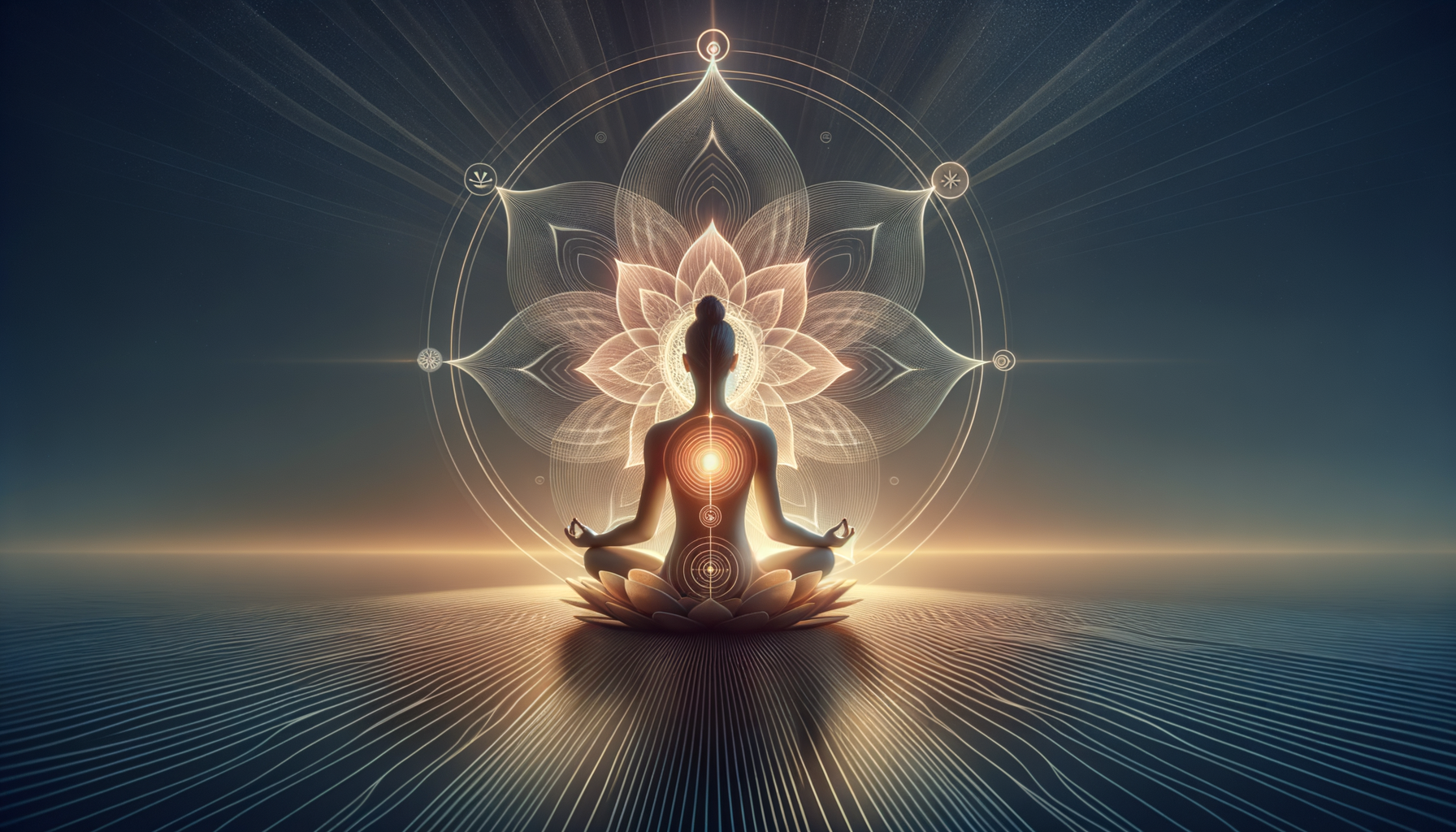
This reflection explores how Hindu wisdom understands the mind as operating beyond the reach of the physical senses, while aligning with shared insights from Buddhism, Jainism, and Sikhism. It outlines a subtle map of mindmanas, buddhi, ahamkara, and chittaand shows why sensory data alone cannot fully explain consciousness. Practical methods such as pratyahara, breath awareness,…
-
Unbreakable Resolutions: Dhruva’s Determination and Sattvic Discipline for the New Year

New Year commitments flourish when intention becomes unbreakable resolve. Drawing on Srila Prabhupada’s reference to Dhruva Maharaja, this reflection clarifies the difference between desire and commitment through the lens of the gunas: tamas stalls at dreams, while sattva sustains disciplined action. It offers a practical, dharma-aligned framework for resolutionsclear purpose, small daily practices like japa…
-
Antaraya in Hinduism: Overcoming Yoga’s Inner Obstacles with Steady, Devoted Practice
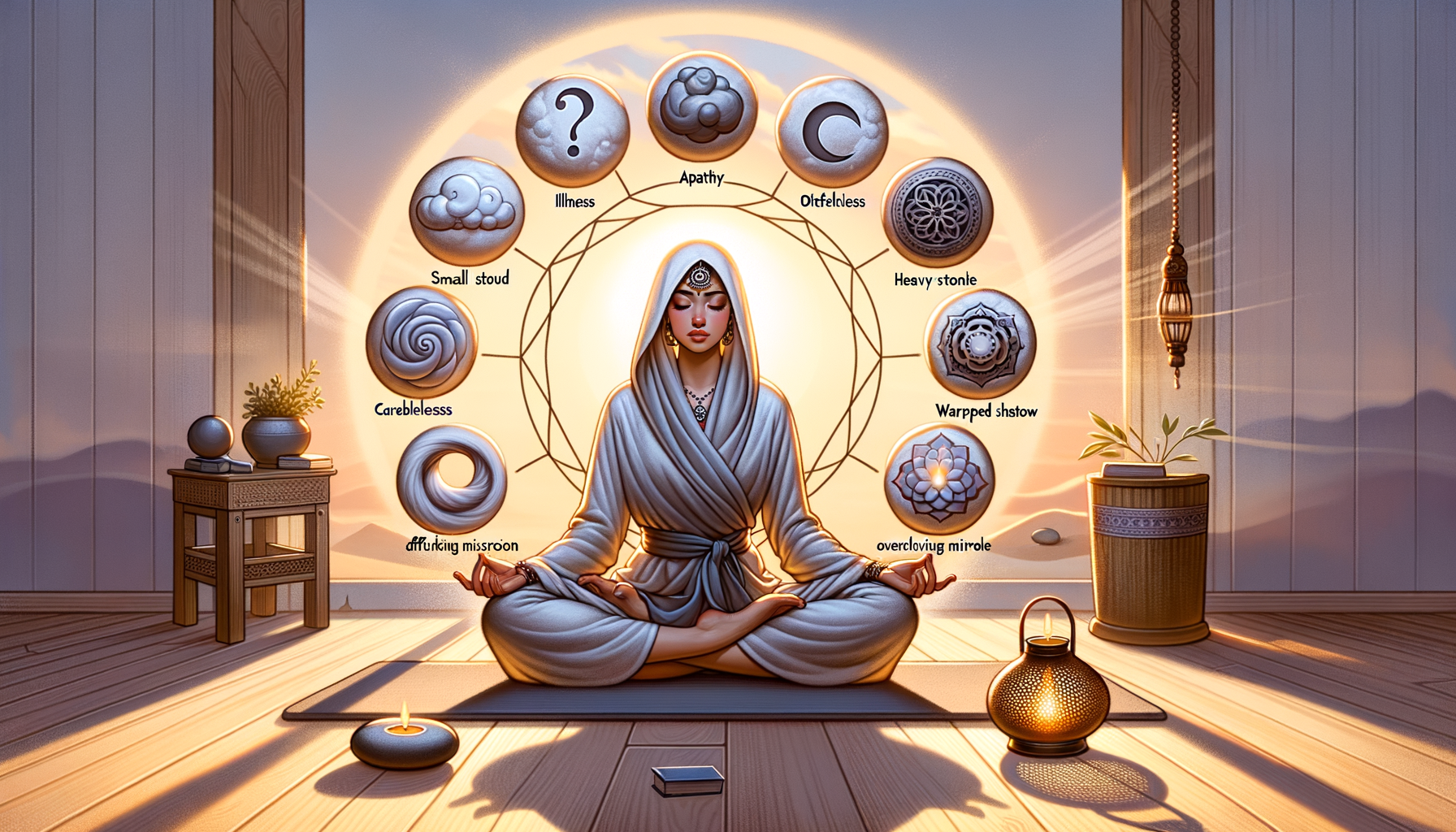
Antaraya in Hinduism explains why even sincere Yoga practice sometimes loses momentum and clarity. Classical guidance identifies nine common obstacles and shows how they undermine abhyasa, pratyahara, and dhyana. Recognizing these patterns helps practitioners diagnose distractions early rather than mistaking them for failure. Practical remediessteady abhyasa with vairagya, ethical discipline, breath awareness, and nairantarya abhyaserestore…
-
Protect Your Sacred Energy: Hindu Wisdom to Resist Attention Hijacking in the Digital Age
Ancient Hindu concepts such as prāṇa, indriya-nigraha, pratyāhāra, and dhyāna provide a clear framework to understand how the attention economy drains energy and clarity. Read with Buddhist sati, Jain samayik, and Sikh simran, these ideas form a unifying dharmic ethic that protects attention as sacred. The article outlines practical, low-friction habitsbreath-before-click, notification pruning, device-free zones,…
-
Modern Screens Numb the Sacred Tongue: Dharmic Wisdom to Reclaim Mindful Eating Today
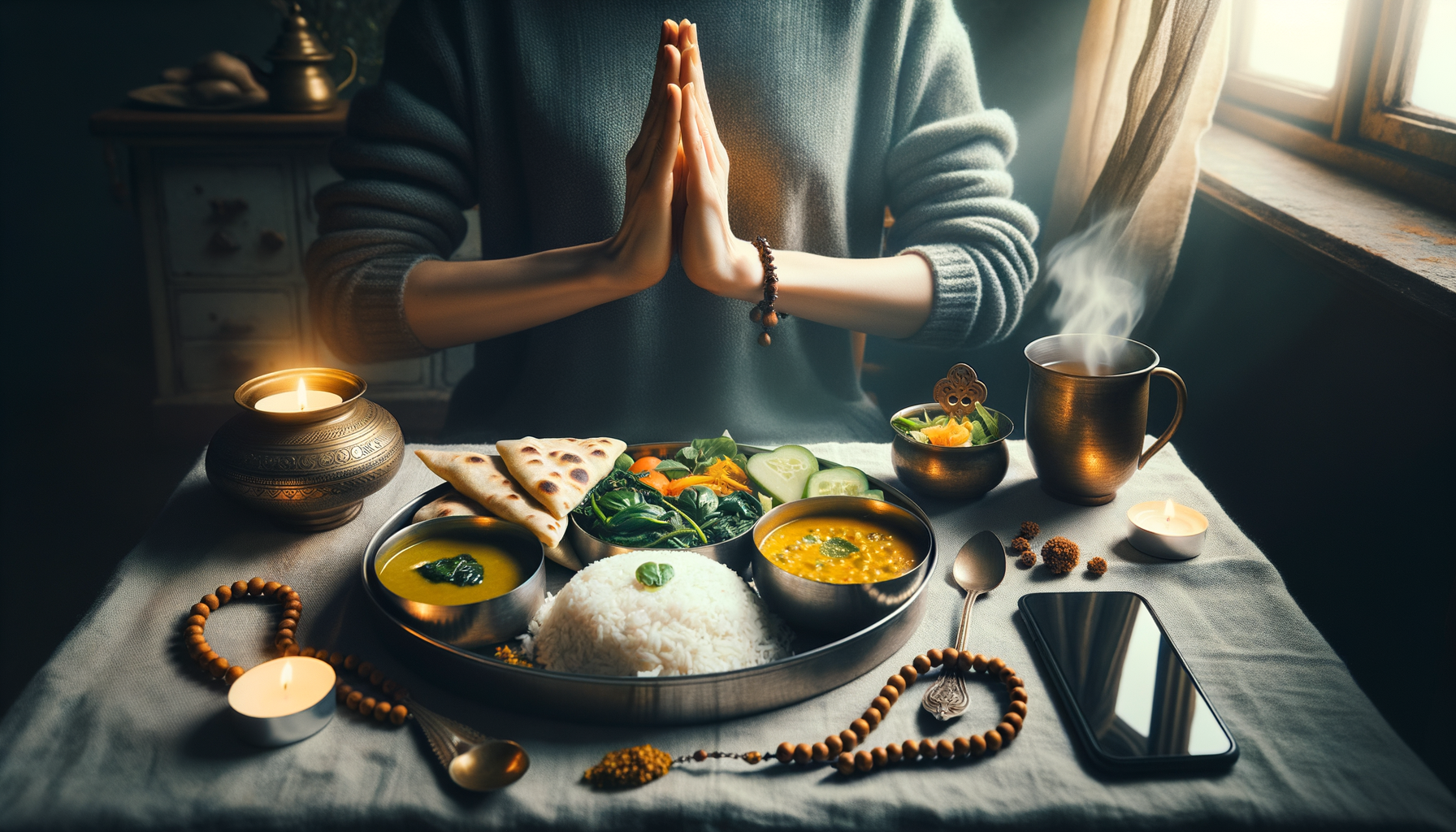
Meals in the digital age often unfold under the glow of screens, numbing the tongue and dulling awareness. Dharmic traditionsHinduism, Buddhism, Jainism, and Sikhismoffer a unifying path to reclaim mindful eating as a sacred practice. Ayurveda illuminates the effects of sattvic, rajasic, and tamasic foods, while Yoga’s pratyahara redirects attention from devices to the plate.…
-
Quieting the Overthinking Mind: Ashtavakra’s Advaita Wisdom for Modern Mental Clarity

Information overload and constant notifications have intensified overthinking and anxiety. Ashtavakra’s Advaita insightone is not the mindoffers a clear, practical antidote by shifting identity from mental turbulence to steady awareness. The article explains sakshi (witness) consciousness, links it to Pancha Kosha discernment, and shows how breath awareness, pratyahara, dhyana, and inquiry (vichara) reduce reactivity. It…
-
Sacred Stillness, Lasting Clarity: A Dharmic Guide to Mindful Observation over Endless Seeking

Modern life rewards endless seeking, yet dharmic wisdom demonstrates that mindful observation offers deeper clarity and freedom. Drawing from Hindu philosophysakshi-bhava, pratyahara, dhyana, and aparigrahathis piece shows how observation refines attention and aligns action with dharma. Convergences with Buddhism’s vipassana, Jainism’s samayik, and Sikhism’s simran and sehaj reveal a shared contemplative core that nurtures unity…
-
Master the Wandering Mind: A Complete Guide to Detachment from the Fickle Material World

The material world attracts yet never fully satisfies, a pattern that keeps the mind wandering from one stimulus to the next. This article presents a complete, unifying guiderooted in Hindu Dharma, Buddhism, Jainism, and Sikhismto understand impermanence and develop detachment without withdrawal. Readers discover practical methods such as breath awareness, pratyahara, dhyana, Aparigraha, Naam Simran,…
-
The Complete Jain Guide to Yoga and Meditation: Discover Proven Paths to Inner Liberation
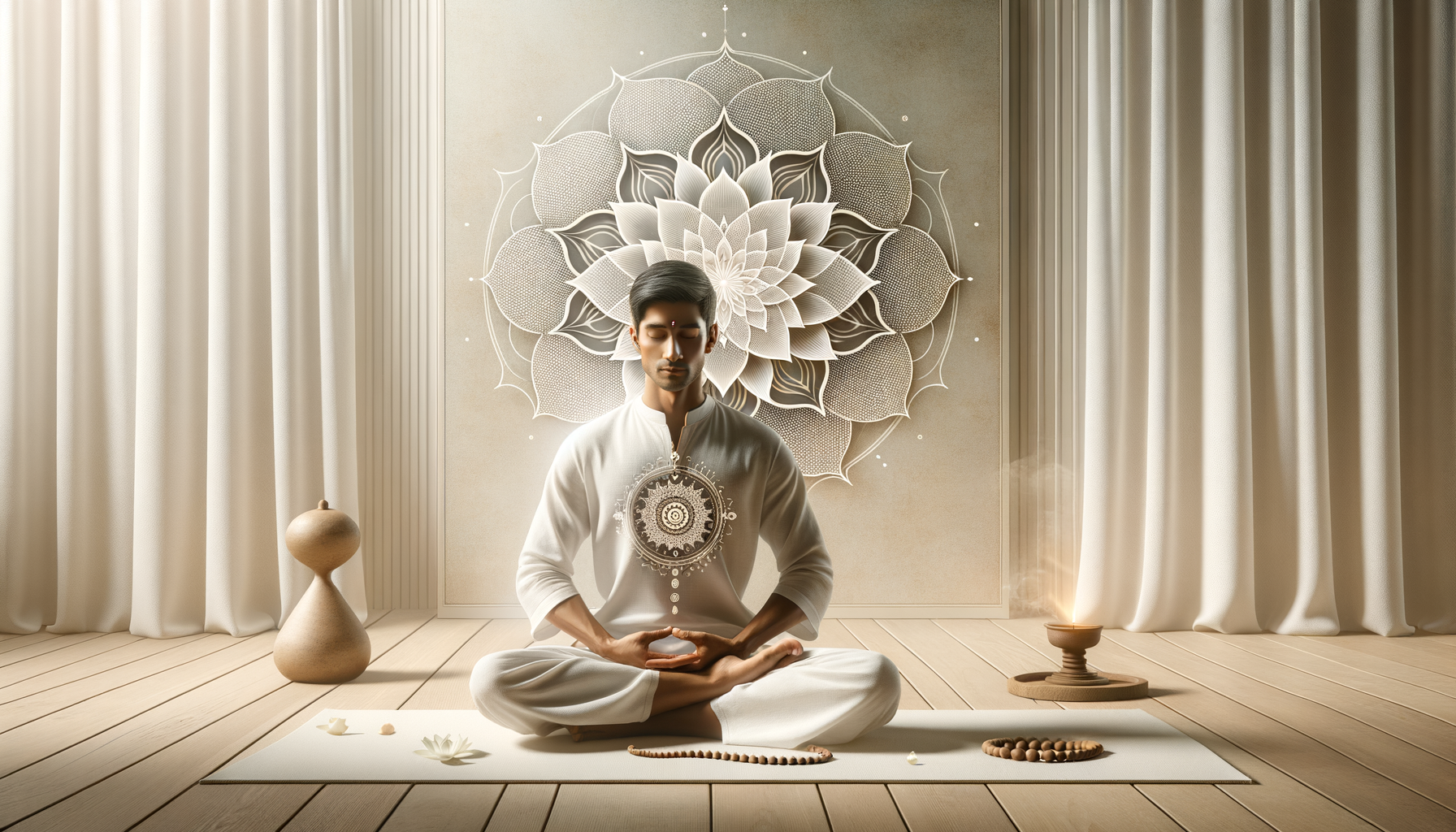
This article explains how daily Jain rituals already embody yoga and meditation through Samayik, Pratikraman, Kayotsarga, and the 12 bhavana. It clarifies Jain definitions of yoga (disciplined activity of mind, speech, and body) and dhyana (meditation), and outlines the four kinds of dhyana, highlighting dharma dhyana and shukla dhyana as liberating. Readers learn how posture,…