
-
When Life Shatters the Script: Reframing Expectations, Grief, and Resilience with Dharmic Wisdom

Life scripts often feel reliable until an unpredictable event shatters the plan. This analysis follows a young widow’s experience to show how grief includes both the loss of a loved one and the collapse of anticipated futures. It explains why rigid expectations amplify suffering, drawing on cognitive science, bereavement research, and shared dharmic wisdom across…
-
Overcoming Inner Battles in Meditation: Hindu-Yogic, Buddhist, Jain, Sikh Tools for Calm
Meditation across the dharmic traditions often collides with restlessness, distracting thoughts, emotional agitation, doubt, and subtle resistance. Drawing on the Yoga Sutras of Patanjali and the Bhagavad Gitaalongside Buddhist, Jain, and Sikh parallelsthis piece delivers a technical, evidence-informed roadmap to stabilize dhyana. Readers learn how to diagnose obstacles (antaraya), regulate arousal with breath awareness and…
-
Stop Chasing Happiness: Dharmic Science to Light the Inner Cave of Joy and Resilience

The dharmic saying “Seeking happiness outside is like waiting for sunshine inside a deep cave” captures a precise psychology of well-being common to Hinduism, Buddhism, Jainism, and Sikhism. Rather than promising joy through acquisition, these traditions direct attention to the hṛdaya-guhathe cave of the heartwhere clarity and resilience abide. Vedanta, the Yoga Sutra, Buddhist insight,…
-
Why Ganesha Rides a Mouse: Mastering the Restless Mind Through Ancient Sacred Symbolism
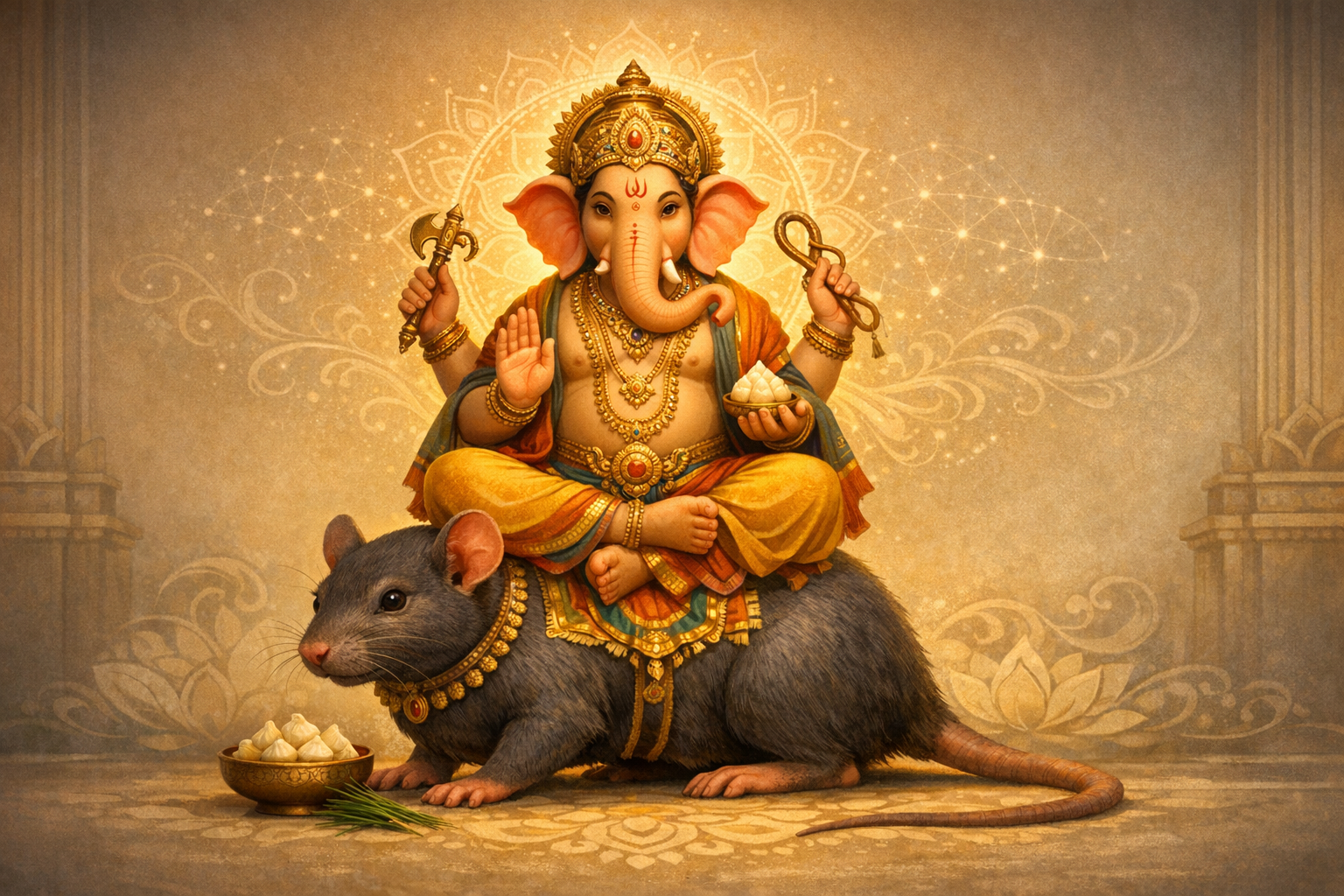
The celebrated image of Śrī Gaṇeśa seated on a mouse encodes a complete psychology of spiritual practice: wisdom seated above impulse, directing and calming the restless mind. Philological analysis of mūṣika (“the thief”) aligns with traditional models of manas, buddhi, and ahaṃkāra, while Purāṇic sources frame the vāhana as a pedagogical tool. Read alongside Yoga,…
-
Cultivating Contentment: Dharmic Pathways to Enduring Happiness and Inner Peace

This essay examines why contentment generates enduring happiness through a unified lens from Hinduism, Buddhism, Jainism, and Sikhism. It distinguishes short-lived pleasure (sukha) from abiding wellbeing (ananda) and situates santosha within Yoga philosophy and the Bhagavad Gita’s portrait of steady wisdom. It integrates Vedanta’s Pancha Kosha model, Buddhist mindfulness and equanimity, Jain ahimsa and aparigraha…
-
Beyond Possession: Timeless Dharmic Wisdom on Desire, Consumerism, and Inner Freedom

Consumer culture promises joy through acquisition, yet the thrill fades quickly. Dharmic traditions anticipated this pattern and offer rigorous, practical tools to transform desire into discernment. Drawing from the Bhagavad Gita, the Upanishads, the Yoga Sutra, Buddhist insight on craving, Jain vows of aparigraha, and Sikh practices of remembrance and sharing, this article explains why…
-
2,300 Miles of Mindfulness: The Transformative 108-Day Walk for Peace Across America
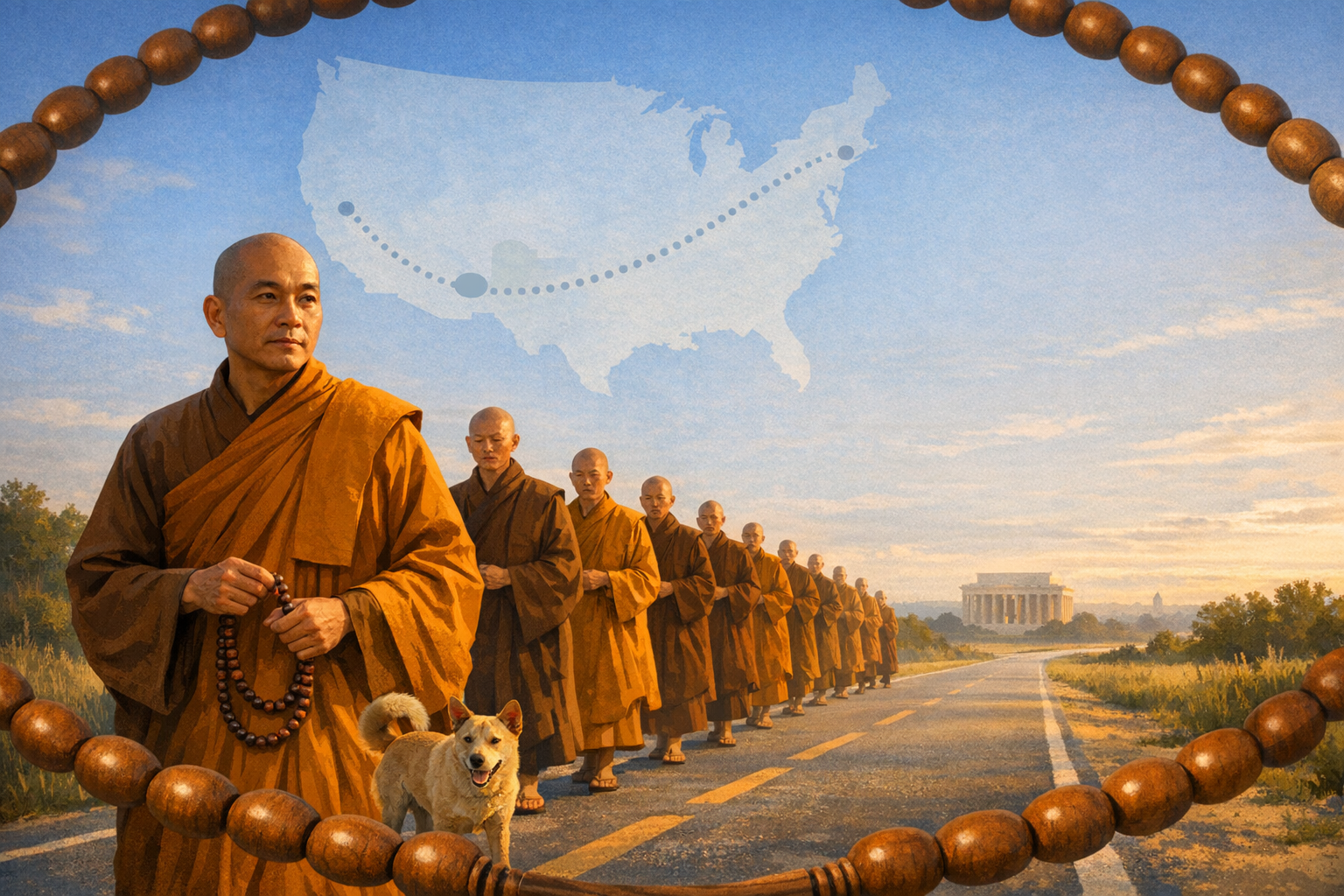
Nineteen Vietnamese Buddhist monks from Fort Worth completed a 108-day, 2,300-mile Walk for Peace to Washington, D.C., modeling compassion, nonviolence, and mindful presence across nine states. The journey’s 108-day design drew on a shared dharmic symbol of completeness, uniting Buddhist metta with Hindu ahimsa, Jain vows of non-harm, and Sikh seva. Public response centered on…
-
Sacred Solitude in Kali Yuga: Hindu Wisdom to Turn Loneliness into Inner Strength

Kali Yuga’s turbulence often magnifies loneliness, yet Hindu wisdom reframes solitude as a disciplined practice for clarity and compassion. Drawing on the Bhagavad Gita, Yoga Sūtras, and Upanishadic thought, sacred solitude is shown to renew attention, emotional resilience, and ethical steadiness. Complementary insights from Buddhism, Jainism, and Sikhism highlight shared practicesmindfulness, kāyotsarga, and simranthat deepen…
-
Stop Absorbing Others’ Emotions: Evidence-based steps and dharmic insights for calm

Strong emotions in others can feel overwhelming, but they do not have to dominate the day. This article outlines evidence-based strategies for emotional boundaries, self-compassion, and nervous system regulation so that another person’s mood does not become one’s own. It clarifies why empathy is limited during emotional activation and explains how noticing and naming internal…
-
Jyotishmati in Yoga: Awakening an Illuminated Mind for Clarity, Sattva, and Inner Wisdom

Jyotishmatirooted in “Jyoti” (light) and “mati” (mind)signifies an illuminated consciousness within Yoga. It describes a sattva-filled mind where clarity, discernment, and wisdom become reliable guides. The concept unites dharmic traditions by resonating with prajna in Buddhism, kevala-jñāna in Jainism, and the divine jyot in Sikhism. Practical cultivation relies on dhyana, mindfulness, pranayama, ethical discipline, and…
-
Staying Present When Life Defies Expectations: Mindfulness, Aging, Belonging, and Purpose
This reflective essay examines what it means to practice mindfulness and presence when life does not deliver the expected arrival. It traces one person’s experience of aging, identity, parenting, and belonging, highlighting the dissonance between lived values and external recognition. It names a common yet quiet fearbeing an understated embarrassmentand reframes it through acceptance and…
-
When Motives Turn Impure: Why Restlessness RisesA Dharmic Insight from Kamsa’s Tale

This essay examines why impure motives generate mental restlessness, drawing on Hindu scriptures and the cautionary tale of Kamsa (Kansa). It explains how fear, greed, and hatred disturb the mind, aligning classical insights with contemporary psychology. The discussion highlights shared dharmic wisdom across Hinduism, Buddhism, Jainism, and Sikhismemphasizing Right Intention, Ahimsa, Aparigraha, seva, and living…
-
Om Namah Shivaya Benefits: A Transformative Mantra for Calm, Clarity, Courage, and Grace

Om Namah Shivaya is a foundational Shaivite mantra known for enhancing calm, clarity, and emotional resilience through focused japa and mantra meditation. Its meaningsalutation to Shiva as auspiciousnessanchors ethical living and compassionate strength. Rhythmic recitation, aligned with the breath, supports stress reduction and balanced mood by gently calming the nervous system. Practitioners often experience improved…
-
Find Lasting Peace: The Transformative Hindu Teaching of Not Looking at Others’ Faults

A time-tested teaching in Hindu philosophy states, “If you want peace, do not look into anybody’s faults.” Grounded in the Bhagavad Gita, the Upanishads, and Yoga, this practice transforms attention from judgment to self-reflection, acceptance, and mindful speech. Dharmic perspectivesAnekantavada in Jainism, mindfulness and Right Speech in Buddhism, and humility with seva in Sikhismconverge to…
-
From Rigid Rules to Real Freedom: Choosing Over Control to Calm the Nervous System

A single shiftfrom rigid control to mindful choicereshapes nervous system regulation and fosters authentic safety. This narrative traces how chronic rules create physiological threat responses, and how agency restores calm. Practical steps emerge: notice “shoulds,” grant full permission, ask what is truly wanted, and trust somatic cues. The distinction between urgency-driven control and clarity-based wisdom…
-
Cultivating Dharmic Patience: Turn Workplace Incompetence into Calm, Clarity, and Growth

Workplace incompetence is inevitable, but it does not have to dominate attention or emotions. Reframing each incident as a “minor story” restores calm, improves focus, and supports better Work Attitudes. A brief mindfulness pause and clear, compassionate communication create accountability without blame. Drawing from dharmic valuessamatva, mindfulness, ahimsa, and sevaencourages patience alongside responsible action. Practical…
-
Escape and Evasion: Riveting Lessons in Resilience, Dharma, and Inner Strength Under Fire

This analysis presents a survival narrative as a disciplined study in Resilience, dharma, and ethical clarity. It demonstrates how Mindfulness stabilizes decision-making under threat and how restraint aligned with Ahimsa reduces harm. Readers gain practical toolscalm-start breathing, multi-route planning, discreet coordination, and de-escalationthat improve outcomes without compromising integrity. The account highlights social trust and community…
-
Escape Catastrophic Thinking: The Hope Discipline That Calms the Nervous System

Catastrophic thinking often masquerades as responsibility, especially in high-pressure work that rewards risk anticipation. A simple hope practiceasking what good might happen, acknowledging protective fear, and choosing presencehelps shift the nervous system from panic to calm response. This disciplined approach does not deny uncertainty; it reframes it through awareness and mindfulness. Small, repeatable prompts embed…
-
Micro-Moments of Joy: Science-Backed Practices to Sustain Hope Through Chronic Pain

This article introduces the concept of joy deficiencythe scarcity of small, replenishing experiences amid chronic illness and mental health strugglesand explains why micro-moments of joy matter. It outlines how brief, positive experiences can help regulate the parasympathetic nervous system, support vagal tone, and reduce stress reactivity. Readers learn five practical, accessible steps for cultivating micro-moments…
-
Break Free from Chronic Stress: Powerful Micro-Practices to Reclaim Presence and Peace

Chronic stress often locks attention into past regrets and future worries, obscuring the only place life actually happens: the present moment. This evidence-informed reflection shows how thirty seconds of breath awareness, practiced repeatedly, can restore clarity, regulate the nervous system, and improve communication, decision-making, and creativity. Practical micro-practicesanchors before routine tasks, nonjudgmental noticing, body scans,…