
-
Proven Path to Transform Trauma’s Inner Voice: Discover a Dharmic Healing Breakthrough

Trauma often outlives the event by becoming an internalized voice that shapes self-worth, choices, and boundaries. This article explains how small, evidence-informed actionssuch as mindful pauses, clear “no” statements, and confiding in one safe personcan steadily reduce the power of that voice. It frames recovery as a process, not an instant cure, and connects practical…
-
Discover Quiet Strength Beyond Strife: A Dharmic Poetic Reflection on Unity and Ahimsa

This reflection reimagines Walking Past Strife as a dharmic passage from reactivity to responsible action rooted in Ahimsa and Dharma. It offers an accessible methodpause, perceive, proceedsupported by Mindfulness, Pranayama, and Yoga and meditation. The work situates inner stability as the basis for ethical conduct and communal harmony. It emphasizes Unity in Diversity across Hinduism,…
-
Proven Benefits of Sacred Study: Discover Focus, Memory, and Clarity through Dharmic Texts

Sacred study in the dharmic traditions functions as a sattvika yagyadisciplined effort without attachment to resultsconsistent with Gita Ch 17.11. Practitioners across Hinduism, Buddhism, Jainism, and Sikhism use chant, memorization, and contemplative reading to strengthen attention, memory, and equanimity. Contemporary research on neuroplasticity supports these practices, linking structured oral traditions to improvements in language processing…
-
Master the Wandering Mind: Ancient Hindu Wisdom for a Proven Modern Focus Breakthrough

The ancient analogy“Like a ball on stairs, a wandering mind descends”explains why attention slips so easily in the modern digital environment. Hindu scriptures such as the Bhagavad Gita, the Upanishads, and Patanjali’s Yoga Sutra provide a rigorous framework to reverse this dynamic through abhyasa (practice) and vairagya (non-attachment). In harmony with Buddhism, Jainism, and Sikhism,…
-
The Essential Dharmic Guide to Letting Go: Master Calm Amid Life’s Uncontrollable Storms

Life’s unpredictability need not create constant stress. Drawing on Hindu philosophy and allied insights from Buddhism, Jainism, and Sikhism, this article clarifies the difference between what can be influenced and what must be accepted. Readers discover a practical framework rooted in the Bhagavad Gitaact ethically, focus on effort, and release attachment to outcomes. Mindfulness and…
-
Complete Dharmic Guide to Suffering: Discover Proven Ways to Transform Pain into Inner Peace

Suffering becomes intelligible within a dharmic framework that unites Hinduism, Buddhism, Jainism, and Sikhism around shared principles of wisdom, compassion, and ethical action. Readers discover how saṁskāras and vāsanās shape interpretation, why duḥkha intensifies with attachment, and how awareness of deeper naturearticulated in the Upanishads and the Bhagavad Gitareduces distress. Practical methods such as Mindfulness,…
-
Essential sakshi bhava Mastery: Discover When to Witness and When to Act

This article explains sakshi bhavathe disciplined stance of the inner witnessand shows how it refines, rather than replaces, ethical action. Readers learn a practical four-step framework (pause, perceive, discern, choose) to decide when to witness and when to act. Clear indicators and real-world examples demonstrate how to reduce harm, uphold dharma, and remain composed under…
-
The Proven Art of Simple Living: Discover Inner Peace Through Dharmic Wisdom and Practice

This article presents an academically grounded approach to inner peace through the dharmic ethos of simple living. It explains how santosha (contentment), aparigraha (non-hoarding), and nishkama karma reframe happiness as an inner competency rather than a product of accumulation. The discussion integrates practical methodsMeditation, Mindfulness, Breath awareness (pranayama), and japashowing how small daily practices reduce…
-
Essential Humility: The Complete, Proven Path to Transform Ego into Respect and Appreciation

This article presents an academic exploration of humility as non-resistance, drawing on Lord Caitanya’s teaching and Bhaktivinoda Thakura’s grass metaphor to illustrate humility as adaptive strength. It explains how shifting from the need to be appreciated toward appreciating others transforms comparison into compassion. Cross-dharmic perspectivesfrom the Bhagavad Gita, Buddhist equanimity, Jain non-attachment, and Sikh sevaconverge…
-
The Essential Guide to Mastering Time: Transform Distraction into Dharma in Modern Life

I contrast the survival-driven routines of our ancestors with my own modern habits to show how technology has created surplus time that often leaks into distraction. I frame this as an attention-economy challenge and propose a dharmic reorientation grounded in Yoga, meditation, mindfulness, and seva. I share a pragmatic approach: audit time honestly, set tech…
-
Ultimate Inner Strength: Master Self-Control with Proven Hindu Wisdom for a Calmer Life

I discovered that real power isn’t out thereit’s within. Guided by Hindu philosophy, the Bhagavad Gita, and Yoga, I learned to master my reactions with simple practices: pausing, breath awareness, and daily discipline. This self-control brought calm, clarity, and better relationships. In a world that rewards instant expression, choosing restraint is transformative. It’s not repressionit’s…
-
Why pranayama can control the mind

Exploring the intricate dance between breath and the intricate workings of the inner world, this piece unveils the profound connection between pranayama and the mind’s elusive control. In a wilderness tale of wit and deception, a poodle’s survival instincts, as it masters the art of camouflage, parallel the human mind’s ceaseless strategizing. By observing the…
-
Unifying Threads in Dharmic Religions: A Contemporary Exploration
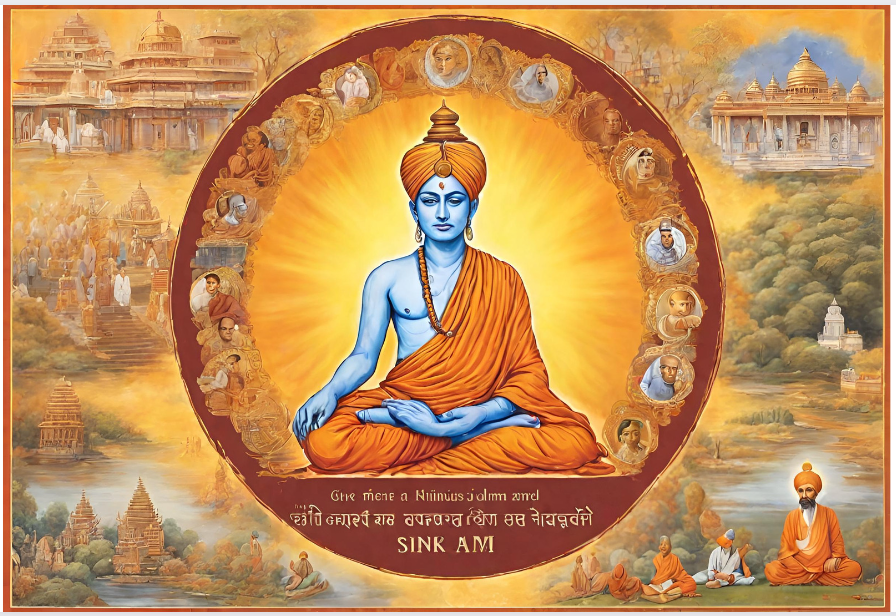
Explore the profound unifying threads that run through the Dharmic religions of Sanatana Dharma, Sikhism, Jainism, and Buddhism in this enlightening blog post. In a rapidly changing and interconnected world, these ancient traditions offer timeless wisdom and guiding principles that resonate with contemporary challenges and opportunities. From the central concept of “dharma” and the practice…