
-
Indrajit’s Invisible Fury: Astras, Ethics, and Strategy on Day Two of the Lanka War
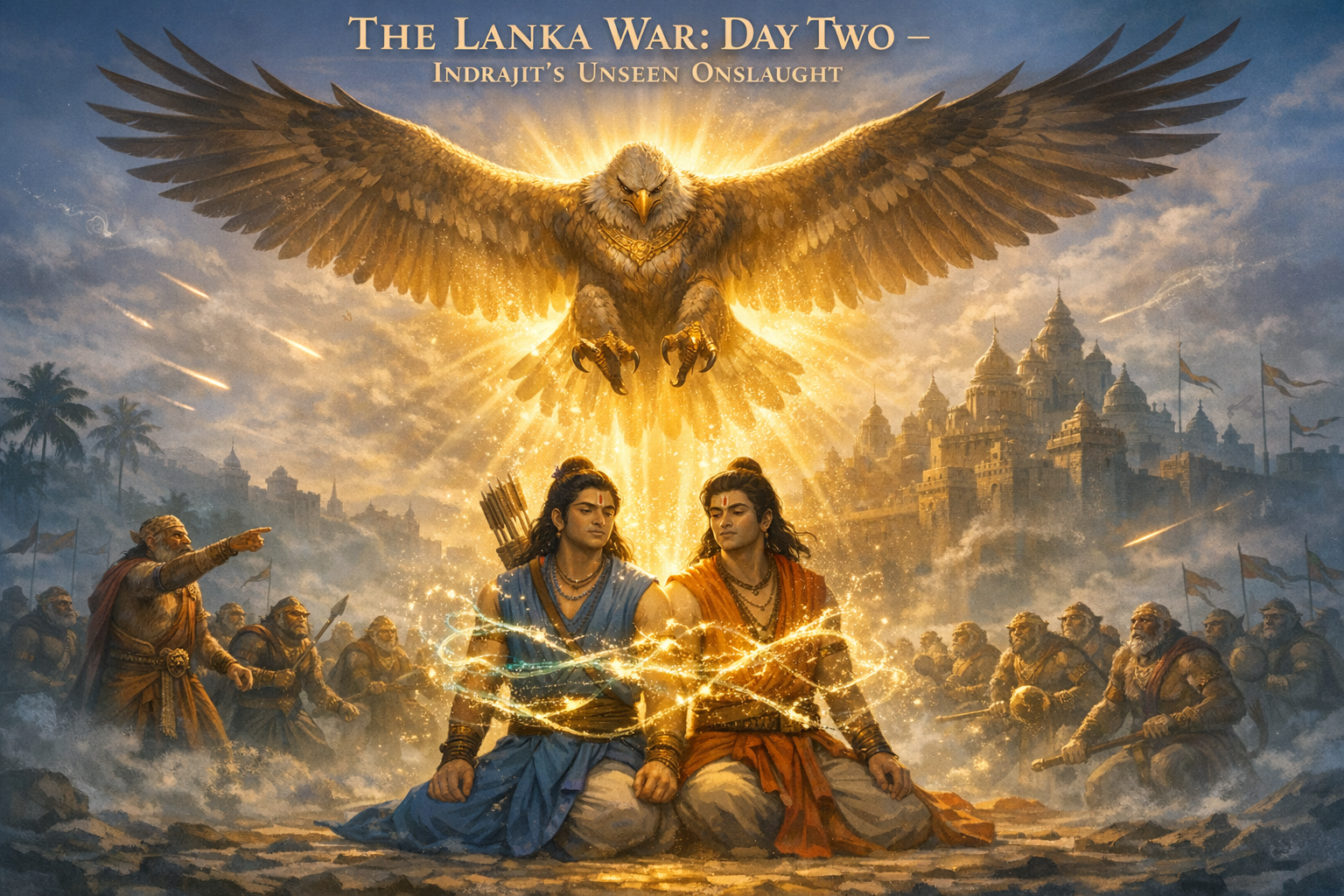
Day two of the Lanka war showcases Indrajit’s mastery of maya-yuddha and astras, culminating in the Naga-pasha binding of Rama and Lakshmana. The narrative explains how divine weapons operate within a rigorous ethical code, illustrating the Ramayana’s union of strategy, spirituality, and restraint. Garuda’s arrival provides the precise counter to serpent energies, reaffirming dharma’s corrective…
-
Ramayana in Brief: A Powerful, Immersive Summary of Lord Rama’s Epic, Dharma, and Legacy
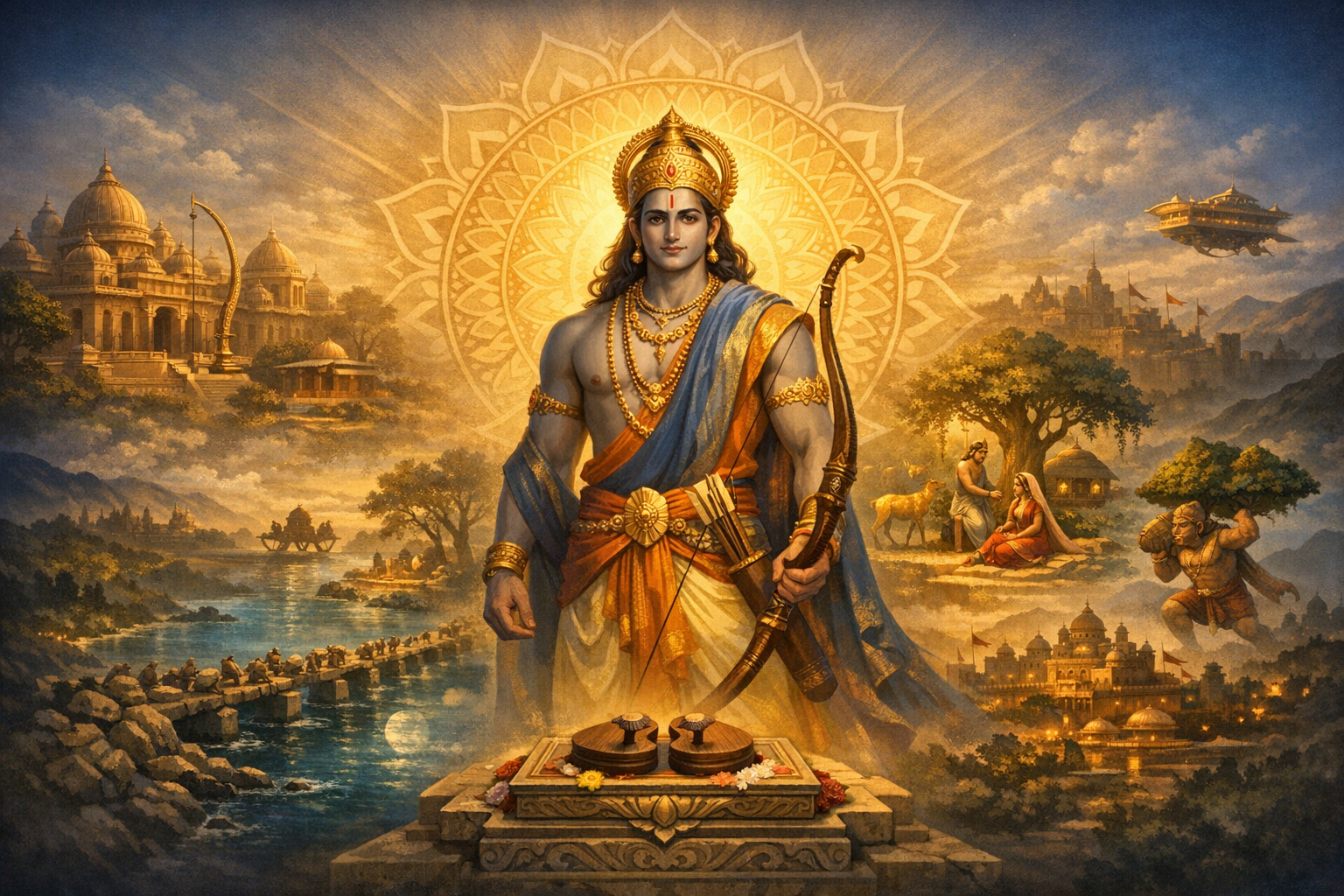
This academically grounded Ramayana in Brief presents a lucid, kāṇḍa-by-kāṇḍa Summary of Ramayana, highlighting Lord Rama’s ethical leadership, Sita’s steadfastness, Hanuman’s service, and the triumph of dharma. It carefully situates the Valmiki Ramayana within its seven-part structure, notes key textual traditions, and clarifies how themes like maryada, rajadharma, and dharma-yuddha shape the story. Readers gain…
-
Rama Navami at Bhaktivedanta Manor: Devotion, Diversity, and Civic Leadership

Bhaktivedanta Manor’s Rama Navami festival showcased how devotion and diversity can reinforce each other in public life. With three local Mayors and Miatta Fahnbulleh MP in attendance, the celebration affirmed the temple’s role as a civic partner and interfaith convener. The event’s bhakti-centered program—kirtan, Ramayana readings, and abhishekam—translated timeless Hindu values into inclusive, relatable experiences…
-
From Crisis to Command: Sugriva’s Recklessness and Angada’s Rise in the Ramayana War
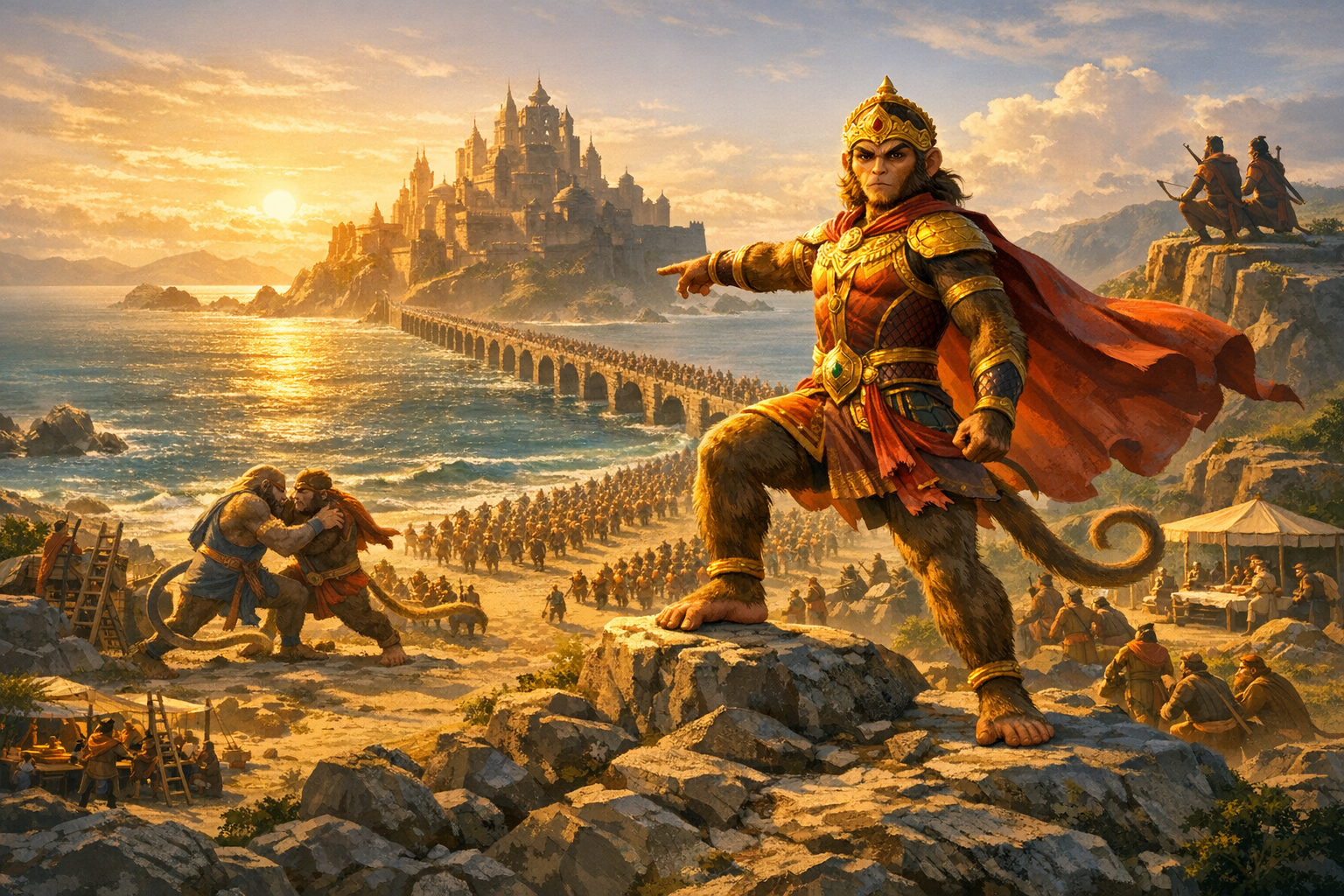
At the height of the Lanka campaign in the Ramayana, a reckless duel by Sugriva exposed a grave command risk and precipitated Angada’s rise to operational leadership. The episode illustrates how dharmic statecraft balances courage with restraint, preserving continuity of command in a just war (Dharma-Yuddha). Readers will discover how Angada’s diplomacy, battlefield composure, and…
-
Dharma Paripalana Moorthy: Sri Rama’s Timeless Blueprint of Rajadharma in Rama Rajya
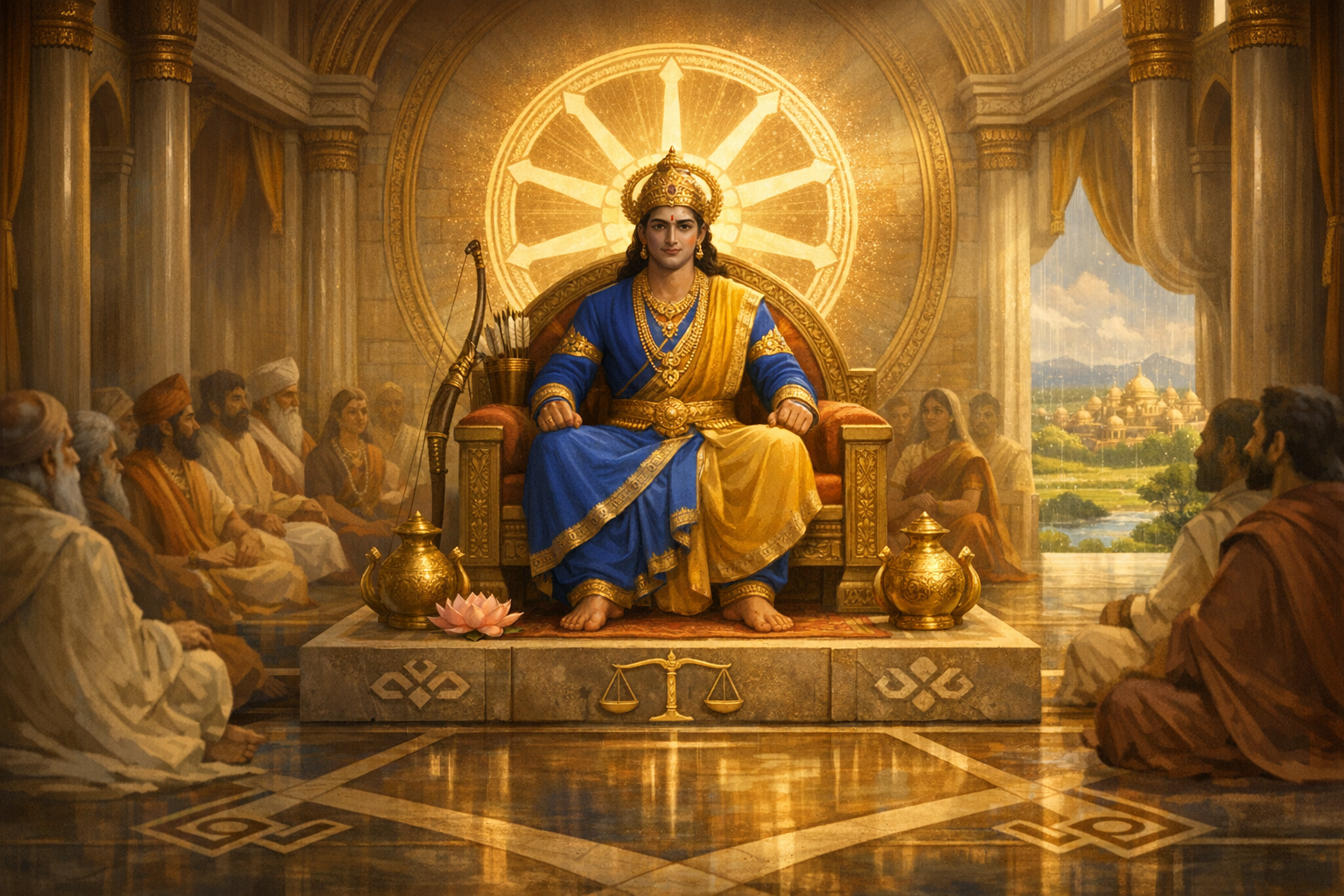
Sri Rama as Dharma Paripalana Moorthy embodies a rigorous model of ethical governance—Rama Rajya—that continues to inform discussions on justice, welfare, and leadership. Grounded in the Valmiki Ramayana, including the Uttara Kanda’s portrayal of an 11,000-year reign, the narrative articulates rajadharma as personal virtue aligned with fair institutions and compassionate law. The analysis situates this…
-
Debt of the Deep: Karma, Rta, and Dvaraka’s Fate from Treta to Dvapara Yugas

This essay reads the Ramayana and the Mahabharata together through the shared grammar of Karma and Rta, showing how avatars work within cosmic order rather than above it. It revisits Rama’s petition to Samudra Deva and the calm that enabled Rama Setu, then turns to Dvaraka’s submergence in the Mausala Parva and Bhagavata Purana as…
-
Rama Rajya, Then and Now: A Timeless Blueprint for Justice, Welfare, and Unity

Rama Rajya—also known as Rama Rajyam—presents a rigorous, non-sectarian blueprint for ethical governance rooted in the Ramayana and allied texts. Its core—Rajadharma—balances rule of law, welfare with dignity, ecological stewardship, and accountable leadership. The tradition’s portrait of Ayodhya under Sri Rama, supported by Lakshmana, Bharata, Shatrughna, Hanuman, and a wise council, functions as a normative…
-
Divine Birth of the Vanaras: Devas Forge Rama’s Celestial Warriors for Dharma-Yuddha

This in-depth exploration of the Ramayana’s Vanara creation explains why Brahma commanded the devas to generate heroic allies for Sri Rama and how this act upheld dharma within cosmic law. Readers learn the widely attested genealogies of key Vanaras—Hanuman (Vayu), Vali (Indra), Sugriva (Surya), Nala (Vishwakarma), Nila (Agni), Mainda and Dvivida (Ashvins), and Jambavan (Brahma)—and…
-
Rama Rajyam Reimagined: Timeless Dharmic Statecraft for Just, Compassionate Governance

Rama Rajyam—Rama Rajya—offers a rigorous, values-based model of good governance that unites Dharma with modern constitutional practice. This long-form analysis clarifies its textual roots, unpacks its ethical and administrative pillars, and demonstrates how justice, welfare, decentralization, and environmental stewardship align with contemporary policy design. It synthesizes kindred ideals from Buddhism, Jainism, and Sikhism—Dasa Raja Dharma,…
-
Sita’s Sacred Resolve: Why Only Rama Could Rescue Her—and What It Teaches About Dharma

Why did Sita insist that only Rama rescue her, even when Hanuman could have carried her to safety? This long-form analysis of Sundara Kanda shows how her decision unites maryada, kshatra-dharma, reputation, and tactical prudence into a single, coherent ethic. Drawing on Valmiki Ramayana and key regional traditions, it explains why justice in the Ramayana…
-
Rama Katha: Scholarly, Soul-Stirring Life History of Sri Rama, the Maryada Purushottama
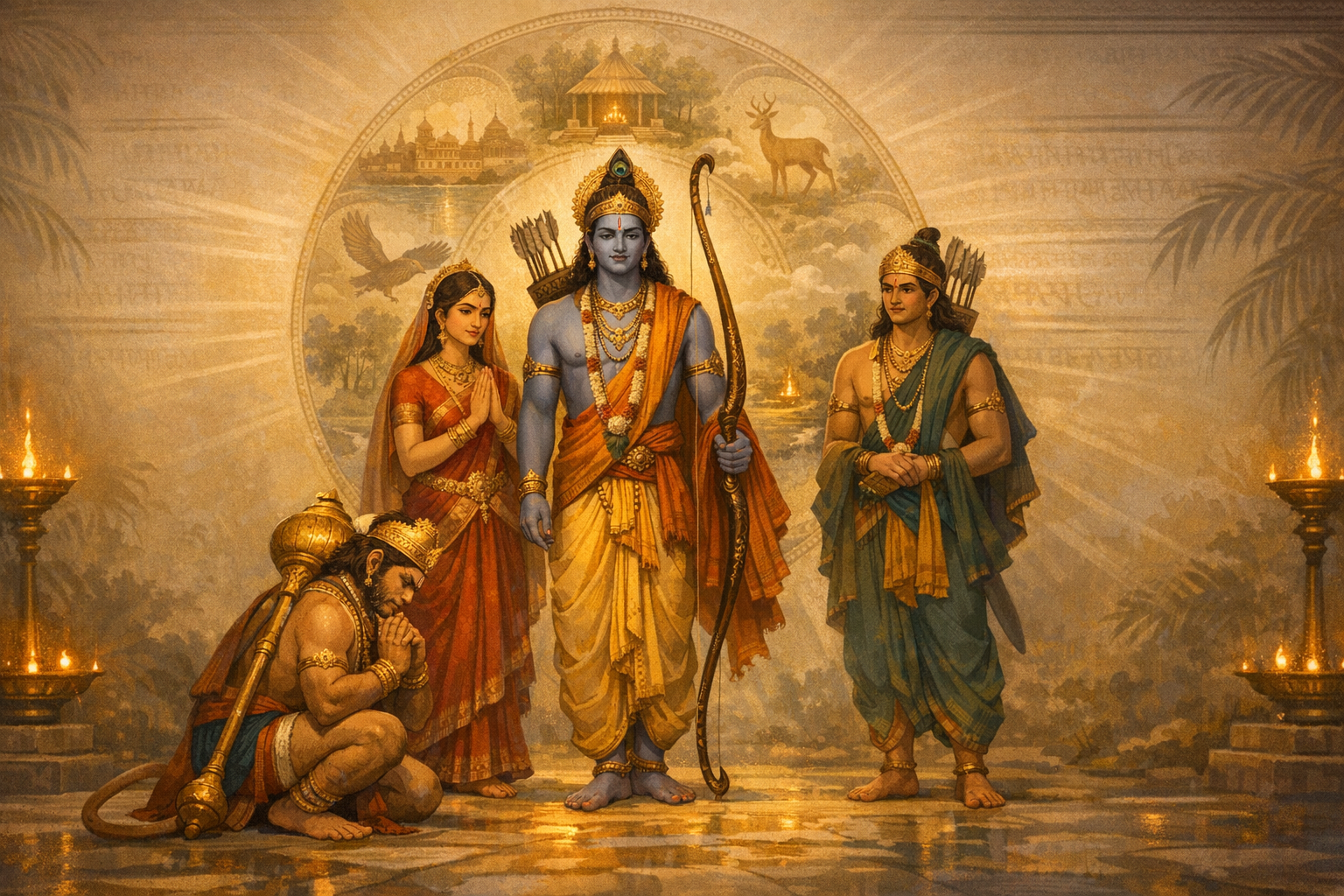
This comprehensive Rama Katha presents a scholarly yet accessible life history of Sri Rama, the Maryada Purushottama, rooted in Valmiki Ramayana and allied traditions. Readers gain a clear overview of the seven kandas, from Ayodhya and vanvas to the Setubandha, Yuddha Kanda, and Sri Rama Pattabhishekam. Ethical complexities—such as Vali-vadha and the Agni Pariksha—are examined…
-
Ravana’s Hubris and Vasishta’s Warning: How Knowledge Without Humility Ensured Defeat

Framed as “Vasishta’s curse,” this long-form analysis examines how later Ramayana traditions dramatize the collision between Ravana’s brilliance and the dharmic demand for humility. It clarifies textual nuance by distinguishing the core Valmiki Ramayana from regional and oral tellings, reading the “curse” as a pedagogical axiom rather than magical determinism. The essay surveys the ethical…
-
Kali Yuga’s Hidden Crisis: How Daily Divine Remembrance Ends Confusion, Stress, and Suffering

Kali Yuga’s defining crisis is not doctrinal disagreement but the everyday amnesia that severs attention from the Divine and amplifies stress and confusion. Rooted in the Bhagavad Gita’s call to remember at all times and the Bhagavata Purana’s praise of nāma-kīrtana, this analysis details a practical, inclusive protocol for continuous remembrance. It integrates japa, kīrtana…
-
How Rama and Lakshmana Overcame Viradha’s Boon: A Defining Battle in Aranya Kanda

Set in the early sargas of the Aranya Kanda, the encounter with Viradha in Valmiki’s Ramayana demonstrates how Rama and Lakshmana combine disciplined courage with lawful ingenuity to defeat a rakshasa protected by a boon. The episode transforms a battlefield into a seminar in applied ethics: honor the letter and spirit of law, adapt strategy…
-
SAB KE APNE RAM (SKAR) 4K: ISKCON Chowpatty’s Soul-Stirring Ramayana of Bhakti and Dharma
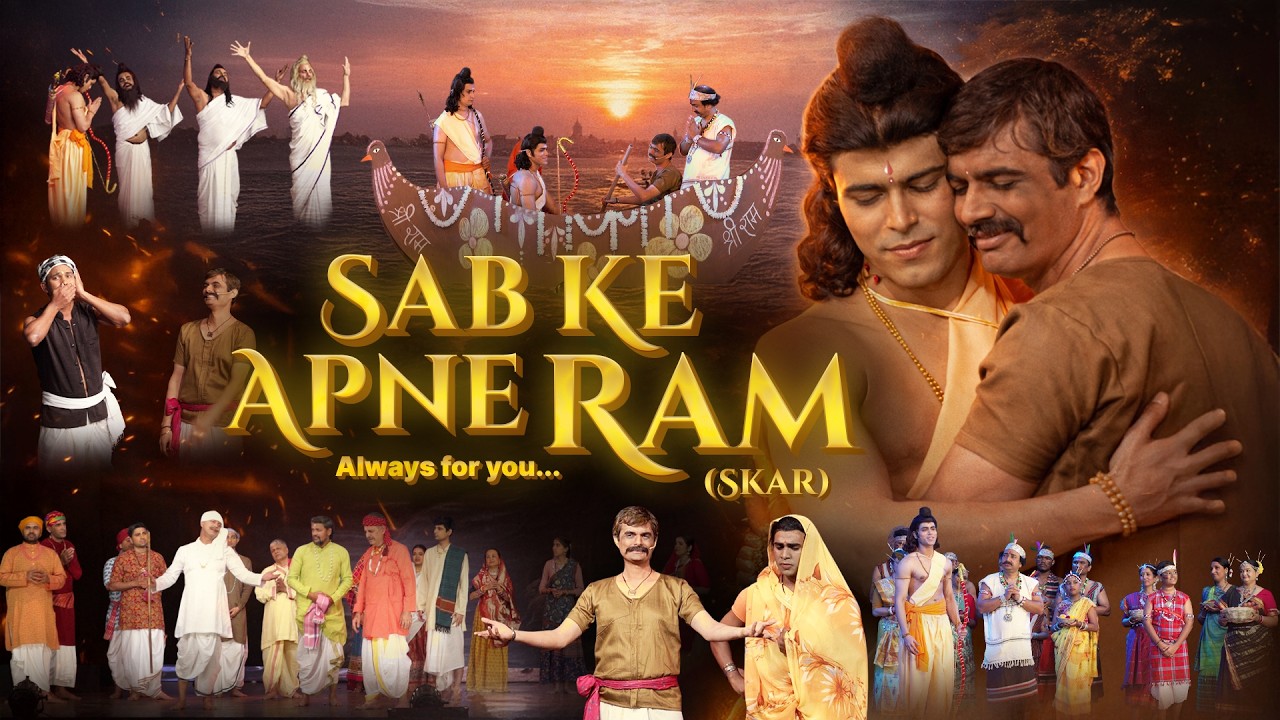
SAB KE APNE RAM (SKAR) at ISKCON Chowpatty delivers a 4K Ramayana drama that unifies devotion, ethics, and scholarship into an accessible cultural experience. The production frames Ram as Ideal King, Loving Friend, Goal of Sages, and Beloved of Devotees, translating Sanatana Dharma into relatable stagecraft. The Kevat episode becomes a living lesson in humility,…
-
Rama Navami 2026: HH Chandramauli Swami’s Deep-Dive on Rama, Rajadharma, and Living Bhakti
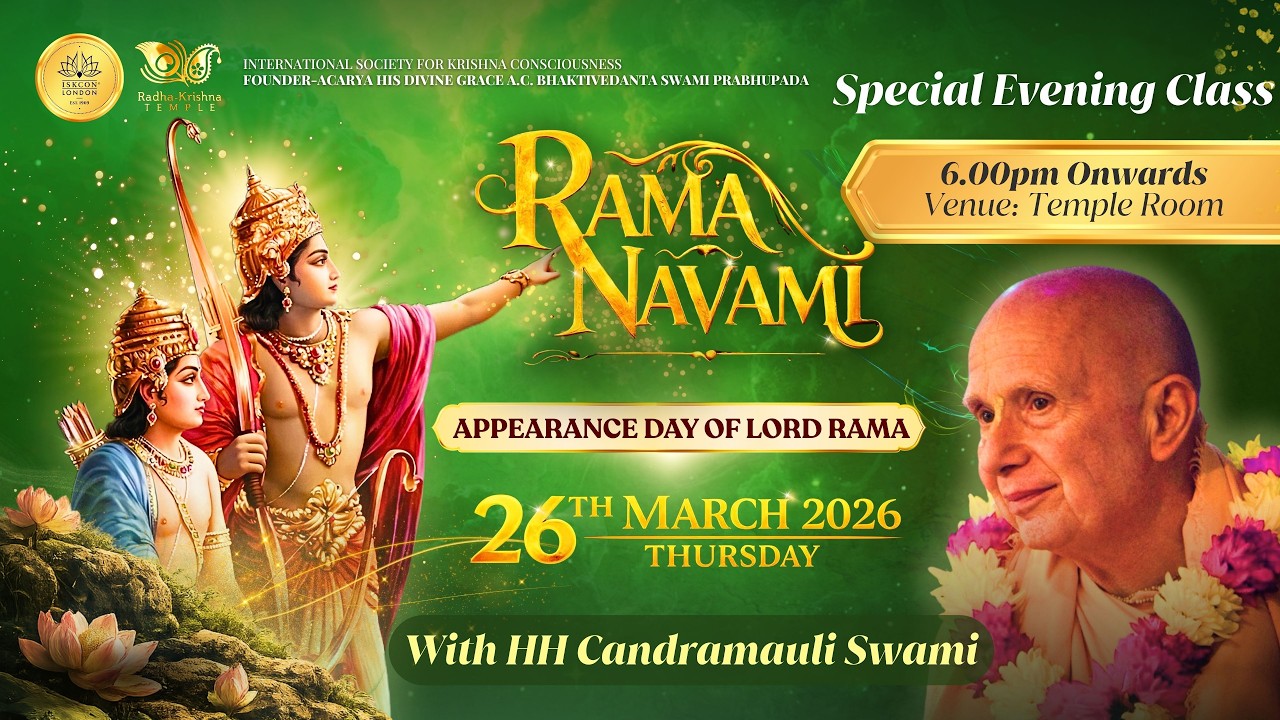
Rama Navami 2026 features a special evening class on 26 March with HH Chandramauli Swami Maharaja, exploring Śrī Rāmacandra as Maryada Purushottama through scripture, ethics, and lived practice. The session situates Rama within avatāra-tattva, citing sources such as the Brahma-samhita and Śrīmad-Bhāgavatam, and translates festive devotion into sustainable sādhanā. Attendees gain a nuanced understanding of…
-
Rama Navami 2026 at Bhaktivedanta Manor: A Transformative Celebration of Dharma and Unity
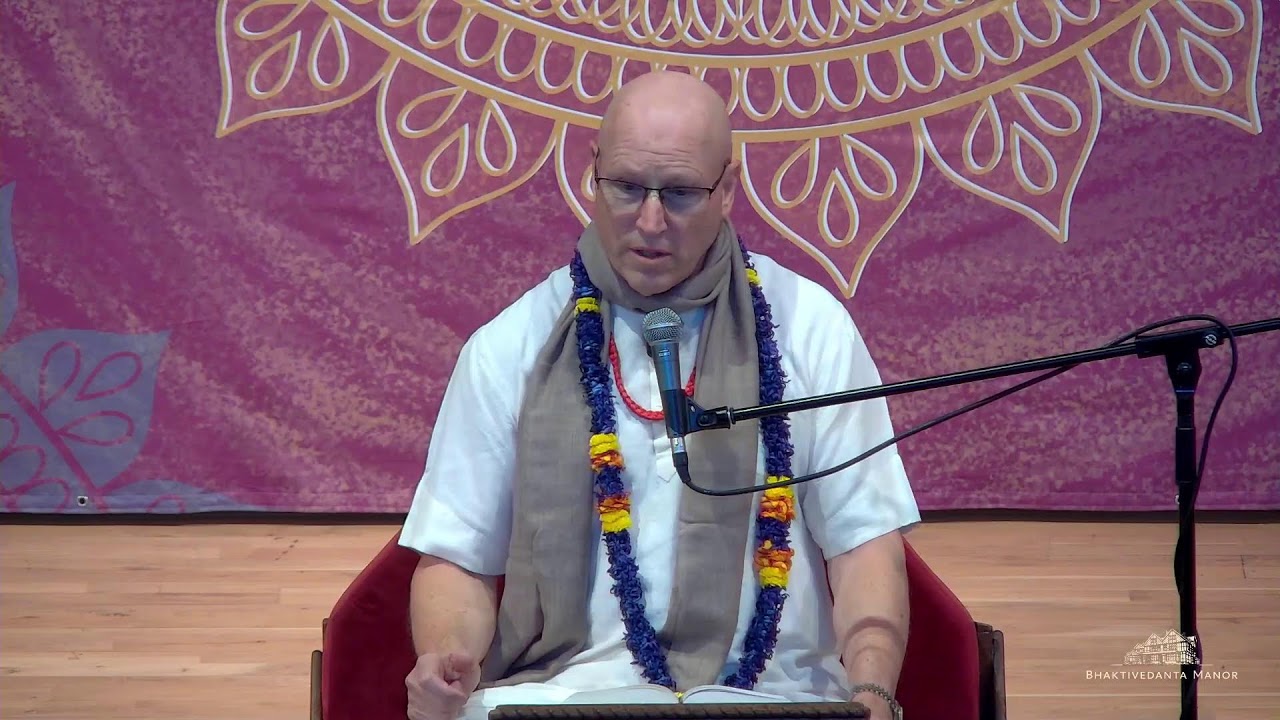
Bhaktivedanta Manor will celebrate Sri Rama Navami on 25 March 2026, honoring Lord Rama as Maryada Purushottama through ritual, kirtan, and scriptural reflection. The article explains Rama’s six opulences from Vaishnava theology, showing how sravana, kirtana, and smarana elevate consciousness and orient practitioners toward liberation. It outlines customary observances such as fasting through the Navami…
-
Ankurarpana at Vontimitta (26 March 2026): Sacred Prelude to Sri Rama Brahmotsavams
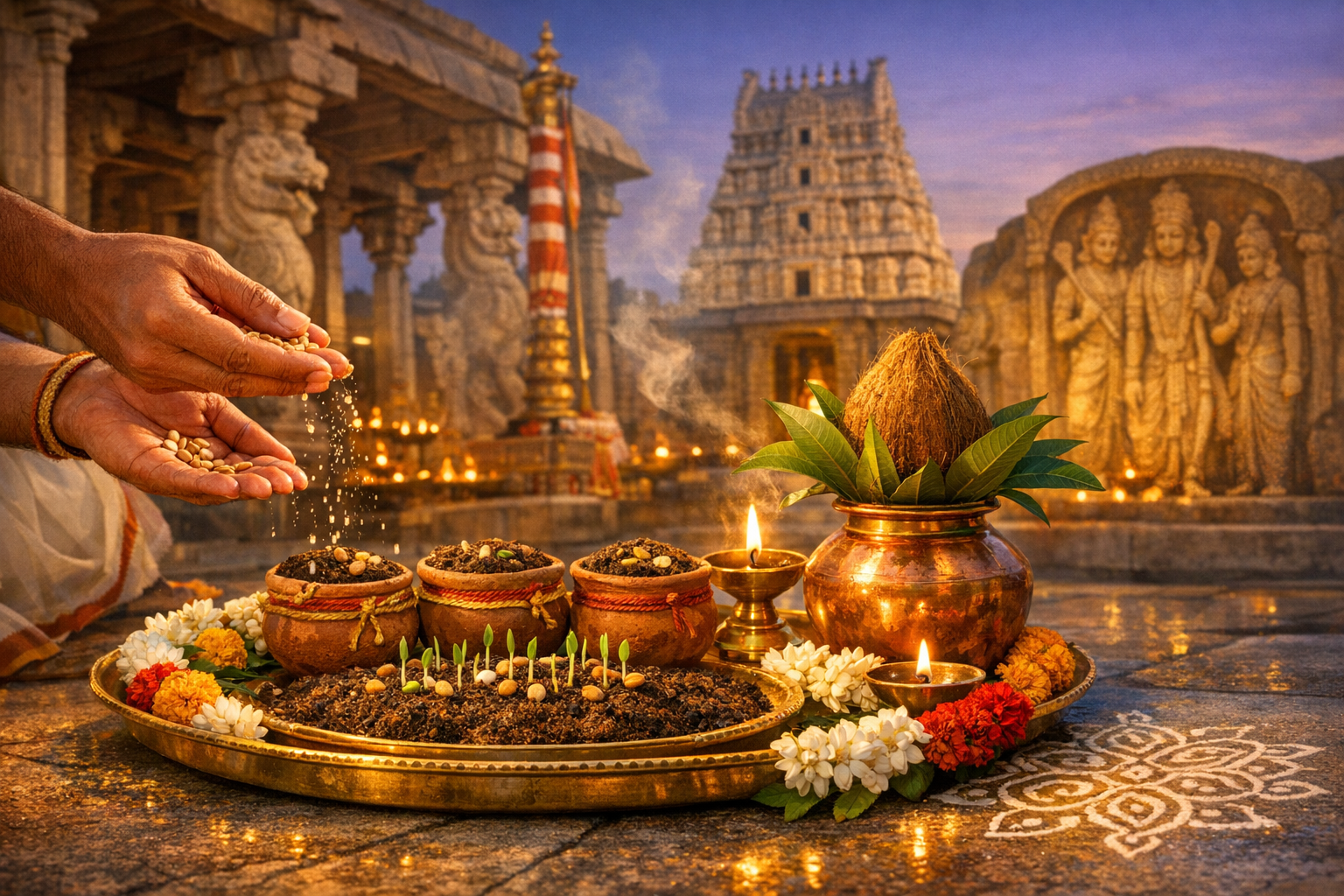
The Ankurarpana at Sri Kodandarama Swamy Temple, Vontimitta, on 26 March 2026 inaugurates the Brahmotsavams with a scripturally grounded sowing of sacred seeds. Rooted in Vaishnava Agamas, this rite sanctifies the festival sequence that follows—Dwajarohanam, daily processions, and the centerpiece, Sri Sita Rama Kalyanam on Chaitra Shukla Navami. Vontimitta’s unique “Ekashila” triad of Rama, Sita,…
-
Washerman’s Whisper and Sita’s Ordeal: Unraveling Ramayana’s Most Debated Mystery

The ‘washerman episode’ in the Ramayana is more than a narrative twist; it is a rigorous exploration of ethics, governance, and compassion. This article situates the scene—five spies praising Sri Rama and a sixth overhearing a washerman’s harsh rebuke—in its textual and historical contexts, noting variations across Valmiki’s Uttara Kāṇḍa and later vernacular traditions. It…
-
Lord Rama and the Dog: A Timeless Dharma Lesson on Compassionate, Accountable Leadership
This essay examines the Ramayana episode of “Lord Rama and the Dog” as a rigorous lesson in compassionate, accountable leadership for Dharmic institutions. It situates the narrative within the Valmiki Ramayana tradition and highlights how Rama’s court models due process and universal access to justice. By analyzing the dog’s unexpected remedy—appointing the offender as head…