
-
Discover the Complete, Historically Accurate Origins of India’s Constitution—Beyond Ambedkar

A recent public letter to the Hon’ble Chief Justice of India, Shri B. R. Gavai, urges retiring the shorthand “Babasaheb’s Constitution” in favor of historically accurate terminology. The analysis explains how the Constitution was framed by the Constituent Assembly, drafted under Dr. B. R. Ambedkar’s chairmanship, and informed by diverse Indian and comparative sources. It…
-
Hepatitis in India: The Complete, Data‑Driven Guide to Awareness, Prevention, and Unity

Viral hepatitis impacts millions of households and is widely reported as a significant public health challenge in India, often cited as second only to China. This concise guide breaks down what hepatitis is, how it spreads, and why early detection and prevention matter. It explains the roles of vaccination, safe medical practices, clean water, and…
-
Discover Punjab’s Floods: A Complete, Proven Portrait of Pain, Resilience, and Chardhīkalā
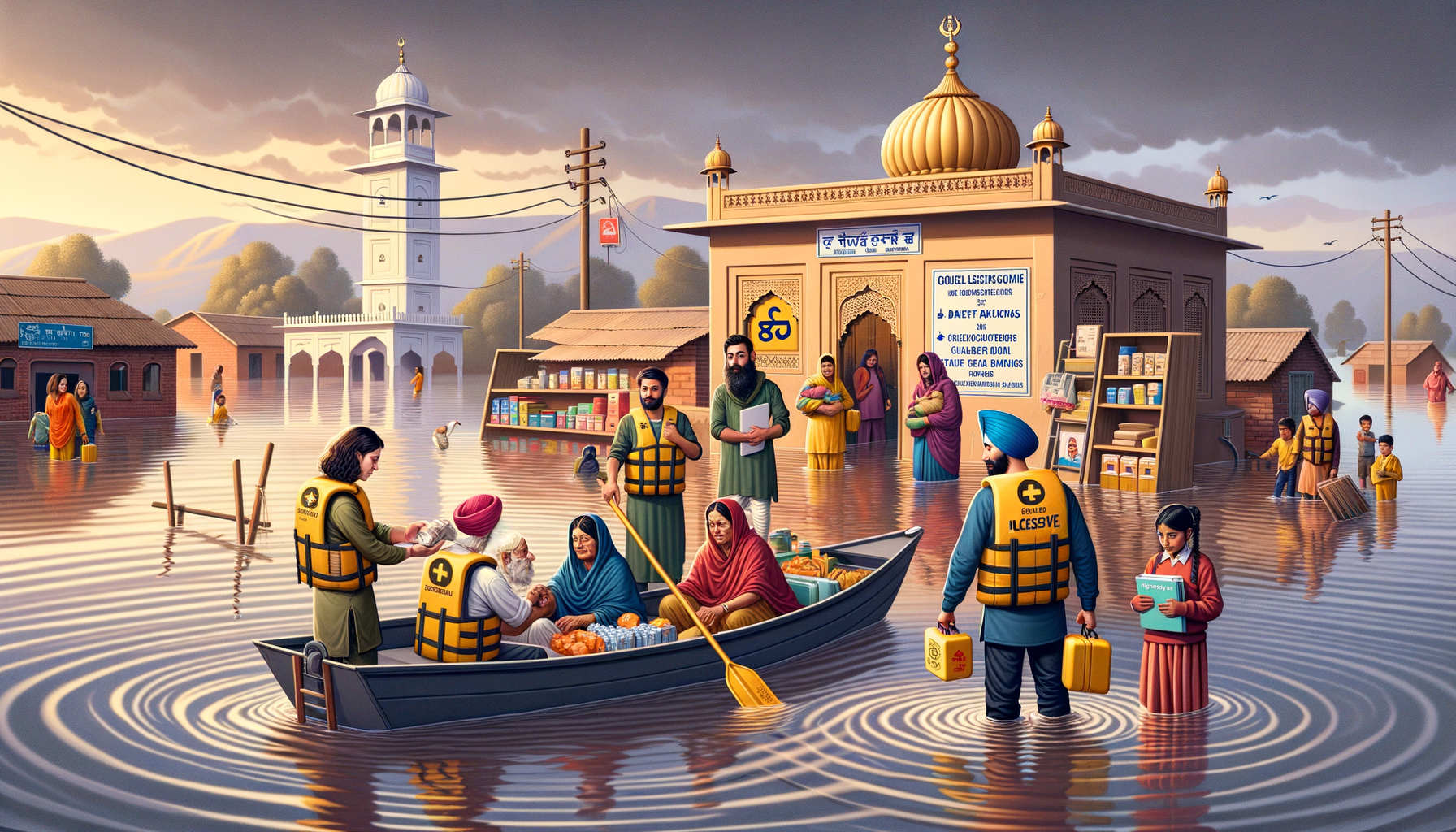
The recent floods in Punjab reveal a landscape of disruption met by disciplined hope. This analysis documents how communities operationalize Chardhīkalā—an ever-ascending spirit—through interfaith cooperation, langar-based community kitchens, and household resilience. It explains how dharmic unity across Hinduism, Buddhism, Jainism, and Sikhism translates into pragmatic relief and recovery. Readers gain clear, evidence-informed measures for disaster…
-
Complete Data-Driven Guide: Discover India’s Demographic Shifts, Due Process, and Border Security
This data-driven guide examines India’s demographic shifts with clarity, situating the ‘infiltration’ debate within verifiable trends and constitutional principles. It highlights gradual, decelerating change shaped by development, education, and urbanization rather than unchecked fertility differentials. It explains how robust institutions and Due process can distinguish illegal immigration from lawful migration and humanitarian refuge. The guide…
-
India–Taliban Reset: Proven Strategies to Balance Realpolitik, Human Rights, and Security

India’s embassy reopening in Kabul signals a major diplomatic reset with the Taliban, driven by geopolitics, trade access via Chabahar, humanitarian reach, and counterterrorism needs. This analysis outlines a principle-first framework that couples engagement with measurable human rights benchmarks. It highlights enforceable safeguards for minorities and women, including media access and girls’ education, backed by…
-
Essential Karva Chauth 2025 Moonrise Guide: Discover Chandrodaya Time on 10 Oct Across India
Karva Chauth 2025 will be observed on 10 October 2025, with the fast concluding after Chandrodaya (moonsighting). This guide explains why city-specific moonrise times vary across India and how to apply them accurately. It highlights major cities such as New Delhi, Chandigarh, Jaipur, Lucknow, Varanasi, Mumbai, Pune, Ahmedabad, Gwalior, Hyderabad, Bangalore, and Chennai. Readers learn…
-
Complete Guide to Dussehra in India: Discover Vibrant Traditions That Unite Dharmic Cultures
Dussehra, or Vijaya Dashami, concludes Navaratri with a nation-wide celebration of the triumph of dharma over adharma. This guide explains how North India’s Ramlila, Bengal’s Durga Puja immersion, Mysuru Dasara, Kullu Dussehra, and Gujarat’s Garba and Dandiya form a complete mosaic of traditions. Readers discover how artisans, musicians, and community leaders sustain intangible cultural heritage…
-
Jaishankar affirms India’s growing global role, says “This is an India that is more Bharat”
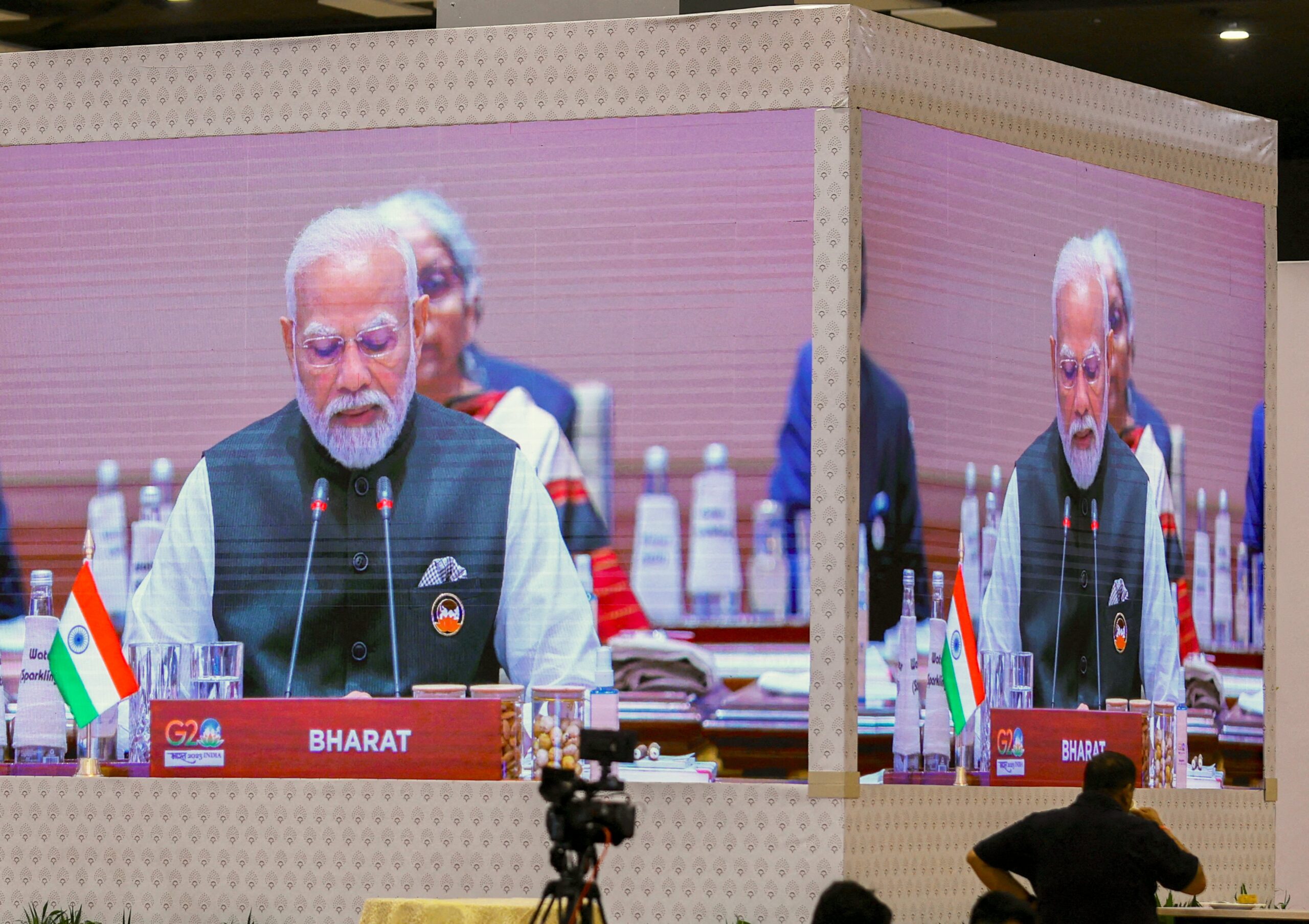
External Affairs Minister S Jaishankar highlights India’s evolving role on the global stage, emphasizing the nation’s fusion of traditional values with modern advancements. Reflecting on India’s progress, from cashless payments to lunar missions, he underscores the country’s strides in women’s empowerment and inclusive growth. Jaishankar emphasizes India’s diplomatic initiatives, navigating complex global scenarios like the…
-
“We have been ruling the Deccan for the last 800 years!”- Excerpts from Kasim Razvi’s 1948 Speech
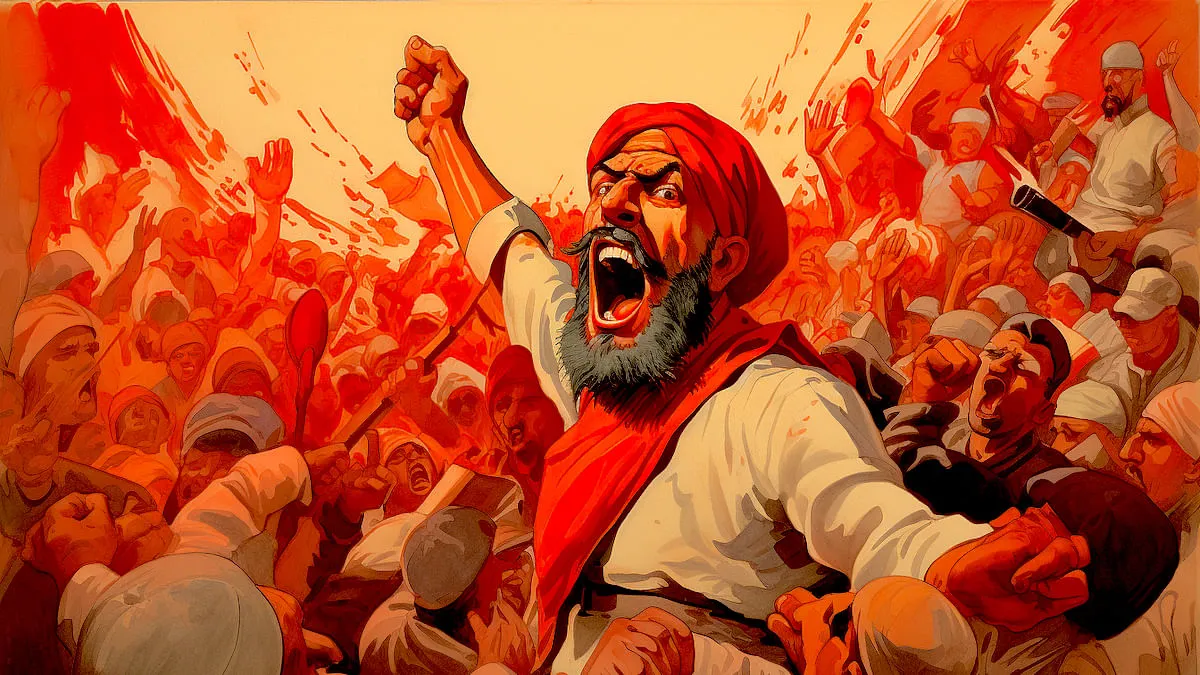
The excerpt captures the fervent speech of Kasim Razvi, depicting the tumultuous period during Hyderabad’s integration into India in 1947-48. Razvi’s inflammatory rhetoric, emphasizing an Islamic state and inciting violence against Hindus, underscores the atmosphere of fear and division orchestrated by the Razakars, his militant group. The speech not only reflects a deep-seated religious animosity…
-
Parliament Of The World’s Religions Features Discussion On Distinguishing The Sacred Swastika From Hitler’s Hakenkreuz

The panel at the Parliament of the World’s Religions in Chicago focused on distinguishing the sacred Swastika from Hitler’s Hakenkreuz, featuring representatives from various faiths who highlighted the historical, cultural, and spiritual disparities between these symbols. Emphasizing the Swastika’s ancient origins and positive connotations across Hindu, Buddhist, Jain, and Native American traditions, the discussion clarified…
-
How Operation Polo Aborted a Pakistan in South India
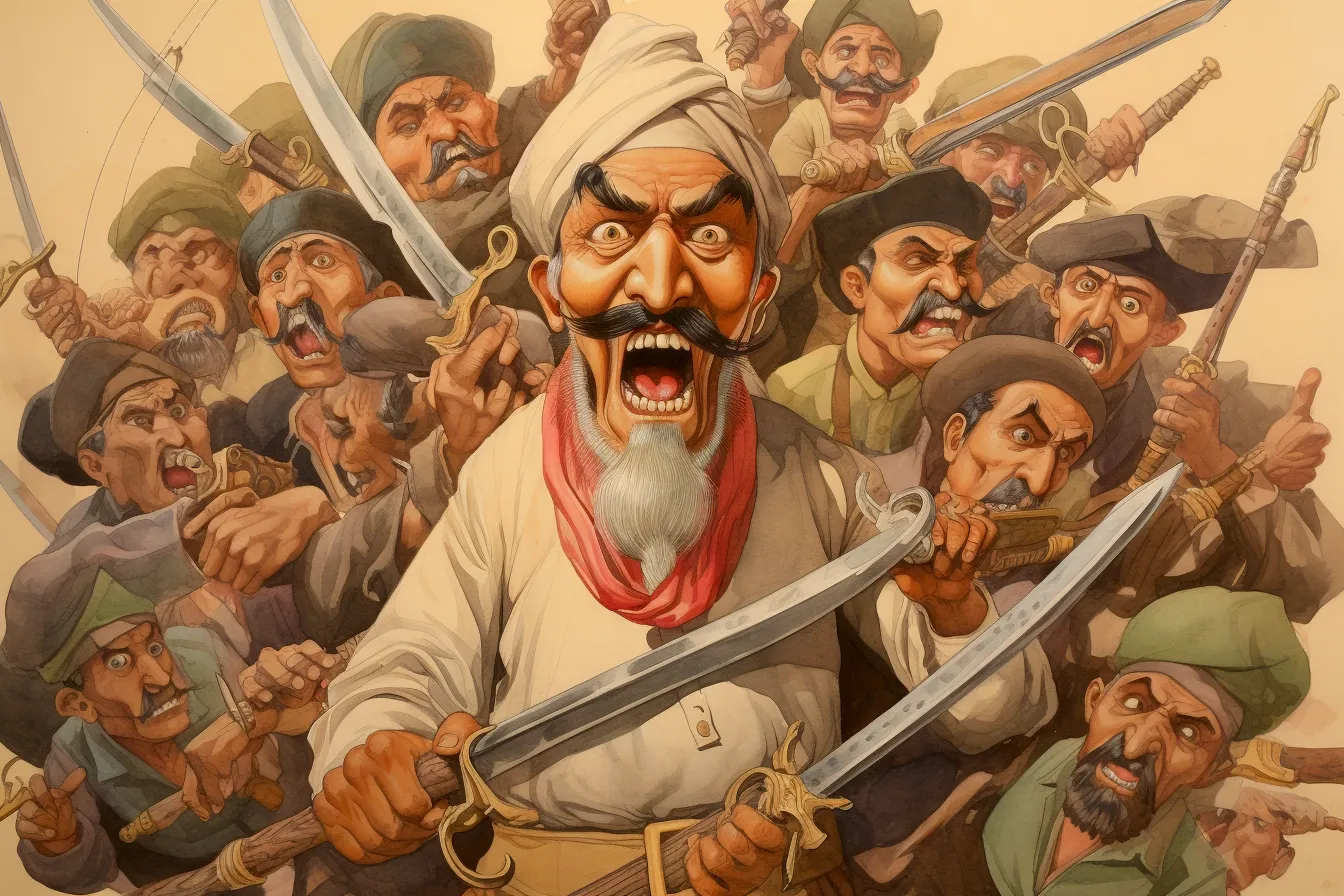
The article explores the historical intricacies behind the liberation of Hyderabad, shedding light on the oppressive regime of the Nizams and the atrocities committed by the Razakars against the Hindu populace. It discusses the missed opportunity of the Marathas to dismantle the Nizam’s rule, attributing it to historical factors that allowed the Nizams’ sustained dominance.…
-
Are governments inefficient?
The blog explores the intricacies of government efficiency, delving into the hurdles governments encounter in service provision due to bureaucratic procedures. It contrasts governmental and private sector efficiency, highlighting their respective roles and strengths in societal welfare. Additionally, it delves into decentralized governance within Dharmic religions, showcasing adaptability and community engagement in these traditions. It…
-
Why the Uniform Civil Code is a Hindu Civilisational Imperative
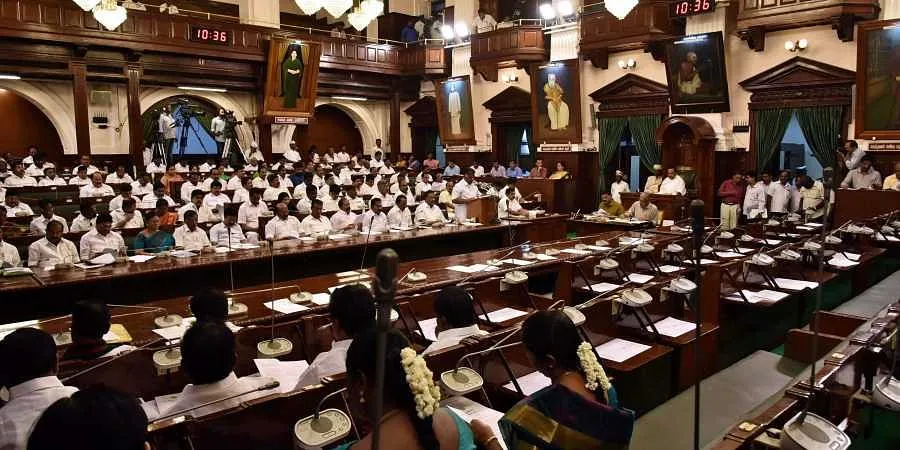
This blog post delves into the imperative need for a Uniform Civil Code (UCC) within the context of Hindu civilization and the historical impact of Muslim rule in India. It traverses significant historical events, emphasizing the limitations of enforcing Shariat law during various regimes and highlighting the nuanced interplay between Hindu and Islamic legal systems.…
-
A Fanatical Wahhabi Movement of 1857 that Nobody Told you about
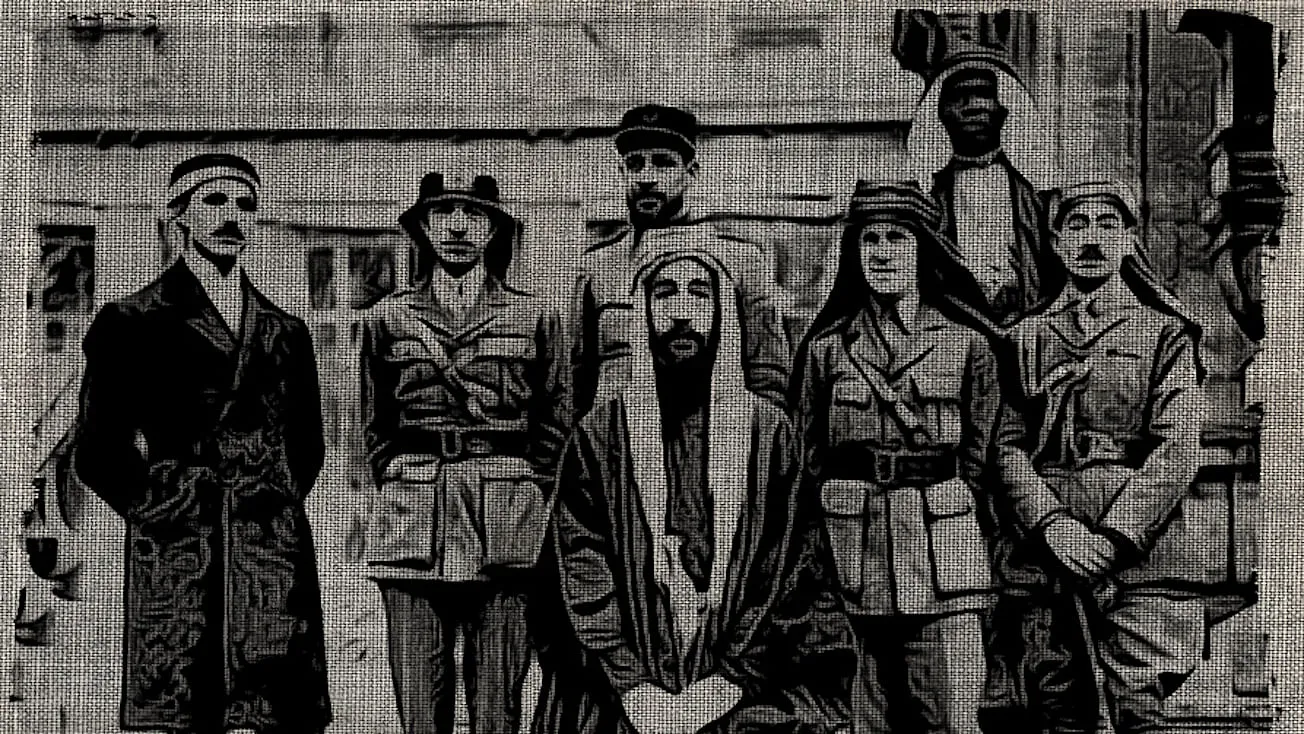
The blog post uncovers the obscured history of the 1857 Wahabi movement in India, a chapter often misconstrued as the First War of Indian Independence by Left Liberals. It reveals the movement’s roots in Islamic fundamentalism, following the leadership of Syed Ahmad Barelvi, and highlights its stark objectives aimed at restoring Islamic rule. The narrative…
-
From India to Bharat

This thought-provoking blog post delves into the dichotomy between India’s current state and its Dharmic essence, contemplating a transition from Euro-Christian impositions to a society aligned with its ancient Dharmic roots. Referencing J Sai Deepak’s insights, the narrative emphasizes the imperative of decolonizing mindsets to reclaim a genuine Indic past and chart a Dharmic future.…
-
Do We Want Bharatavarsha to Become a Christian Outpost of the West?
This blog post offers a critical exploration of India’s cultural heritage, emphasizing its non-Abrahamic roots rooted in the Vedas and Dharmashastras. It delves into the absence of pessimism within Indian philosophical thought, contrasting it with the fundamental principles of Christianity and Islam. The narrative scrutinizes historical interventions by colonial powers, particularly British rule’s impact, the…
-
G-21: FORGING THE FUTURE

In a reflective account of the G-20 Summit in New Delhi, this blog post extols the transformative impact and commitments made by global leaders for a sustainable future. Emphasizing India’s leadership, the narrative showcases Prime Minister Narendra Modi’s priorities and the summit’s key outcomes. It highlights critical issues addressed, such as climate change and geopolitical…
-
A Quick Reference Guide of E.V. Ramaswamy Naicker’s Career of Anti-Hindu and Separatist Activism: From his Own Biography
E.V. Ramaswamy Naicker, famously known as Periyar, stands as a controversial figure in Indian history due to his vehement activism against what he perceived as the oppressive elements of Hinduism, particularly Brahminical dominance and Aryan influence. This critical examination sheds light on Periyar’s lifelong crusade, encapsulated in his speeches and actions aimed at dismantling societal…
-
The 12th century story of Ashu Nair and Abraham bin Yiju
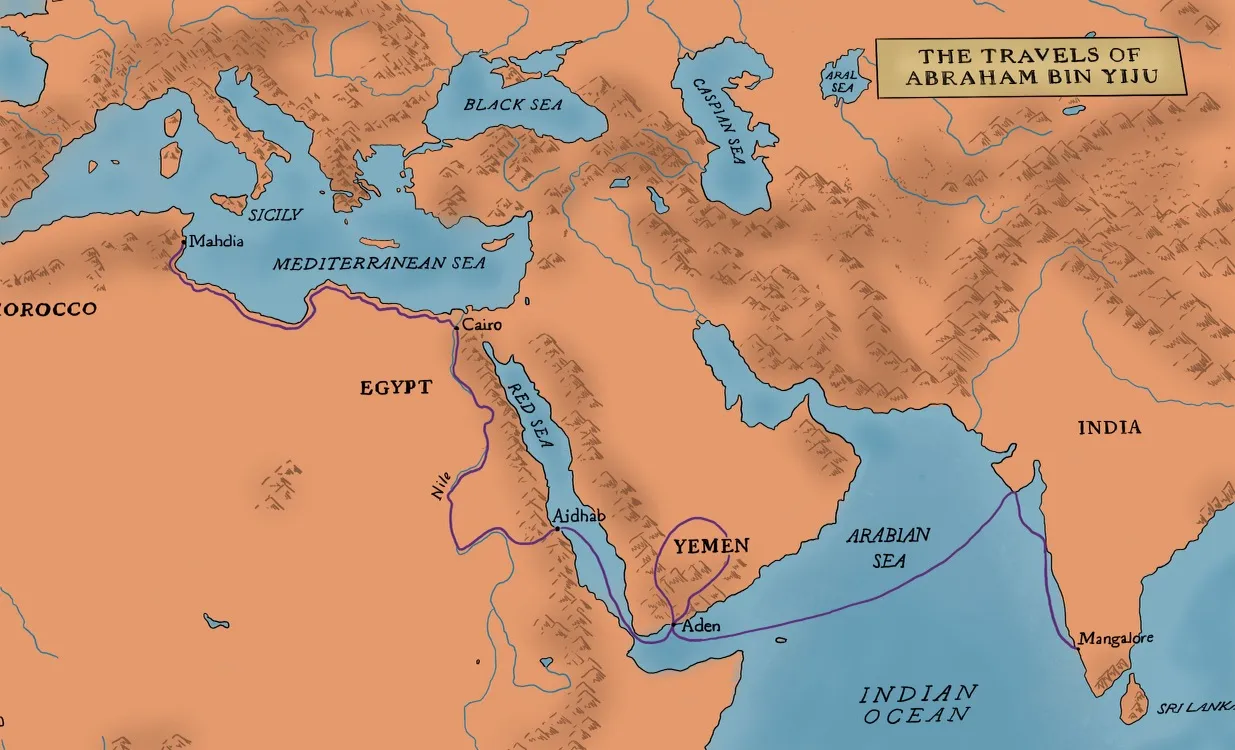
Explore the captivating 12th-century tale of Abraham bin Yiju, a Tunisian Jewish merchant, and Ashu Nair, a local Malayali woman, whose unique story unfolds on the vibrant Malabar coast. Their lives are meticulously reconstructed through surviving letters, shedding light on their prosperous two-decade partnership and family, ultimately marked by a heartbreaking tragedy. This historical account…
-
Why Hindus Must Take Udhayanidhi Stalin Seriously: It’s a Question of Survival
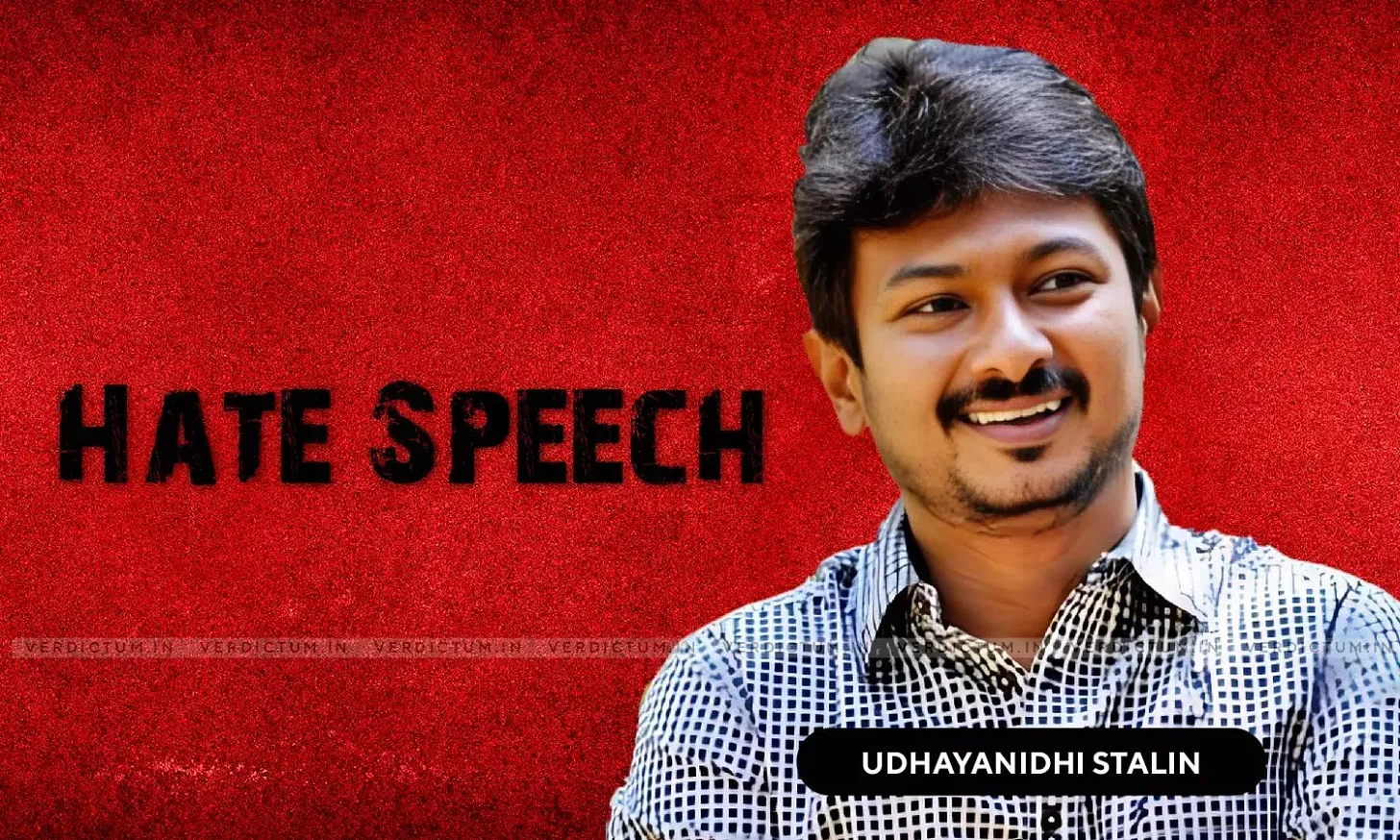
This blog post delves into the historical and ideological underpinnings of Dravidianism and its impact on Tamil Nadu, specifically its role in eroding the cultural and religious heritage of Sanatana Dharma (Hinduism). It examines the influence of key figures like E.V. Ramaswamy Naicker and Robert Caldwell, who promoted the Dravidian movement, and how this ideology…