
-
Pakistan, With Head Above The Water : Way The Cookie Crumbles
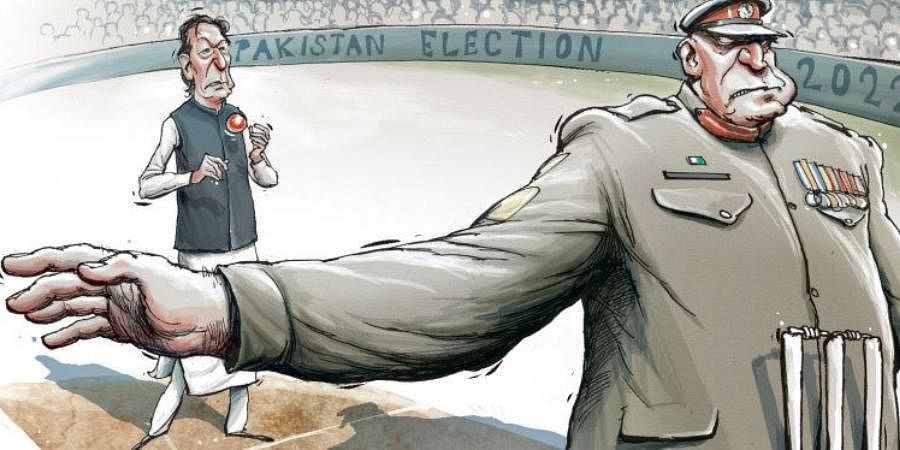
In my recent engagements in the realm of geopolitics, a recurring question has been the focus: Can Pakistan endure its current challenges? My unwavering response is a resounding “yes.” Pakistan, despite its fragile political and economic landscapes, has a history of resilience and survival. Voices from within Pakistan echo this sentiment, and international actors are…
-
The Brihadeeshwara Temple: A Pan-Indian Hindu Cultural Complex

In this essay series, we explore the magnificent legacy of Rajaraja Chola, a revered Indian king who left an indelible mark on the country’s cultural and spiritual heritage. Rajaraja’s remarkable contributions to the Brihadeeshwara Temple, his endowments, and meticulous record-keeping reveal a deep commitment to preserving India’s heritage. Through his selfless acts of devotion, Rajaraja…
-
The Crisis In Manipur : An Assessment
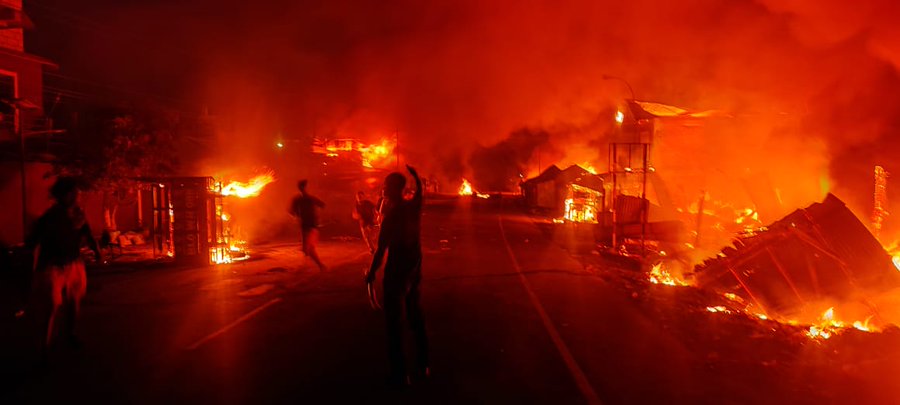
In Manipur, a state in northeastern India, the situation remains unresolved, with ongoing violence and a cloud of uncertainty shrouding the truth. The narrative surrounding this violence is heavily influenced by the ethnicity and perspective of those who share it. Manipur, geographically bordered by Nagaland, Mizoram, and Assam, also shares volatile borders with Myanmar, particularly…
-
How Macaulay and William Bentinck Demolished the Calcutta Golisri Sanskrit School

Explore the devastating impact of Thomas Babbington Macaulay’s role in undermining India’s rich educational heritage, supported by Governor General William Bentinck and other British officials in the 19th century. Their actions led to the destruction of centuries-old Sanskrit schools and colleges across Bengal, with the Golishri Sanskrit School in Calcutta among the earliest casualties. The…
-
How the Colonial British Systematically Destroyed Hindu Charitable Institutions: The Untold Story

-
Understanding Manipur Dynamics
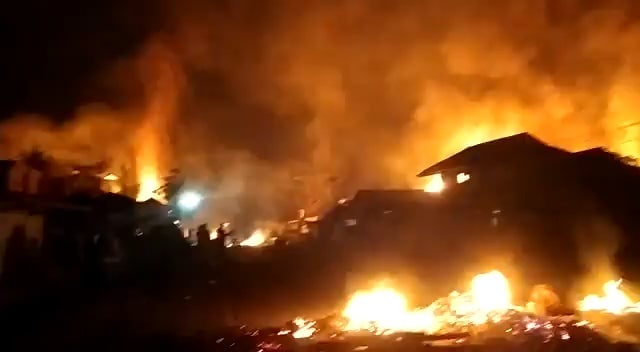
By Air Marshal Anil Khosla (Retd). Manipur was merged fully with the Indian Union on October 15, 1949, but it became a full-fledged state more than two decades later, in 1972. Manipur is known for its ethnic and cultural diversity. But the state has been plagued by internecine conflicts among different ethnic groups and tribes.…
-
Revealed: China Bolstering Its Military Might In South China Sea

By Gp Capt Arvind Pandey (Retd). The South China Sea is considered to be one of the busiest waterways in the world and is a significant gateway for trade and merchant shipping. The South China Sea disputes are maritime and island claims between different sovereign states in the region. The reason why these areas are…
-
Preparation of Hair-Dyes in Ancient India: Recipes and Processes

An essay containing detailed information about the recipes and the procedure for preparing hair-dyes in ancient India. Greying, middle-aged men and women dyeing their hair black (or Mehendi brown-red) is understandable. But that phenomenon became passé long ago. What we now have is an insecurity-engendered epidemic that cuts across age groups and multicolored genders: of…
-
What Bharat offers to the world on International Dance Day
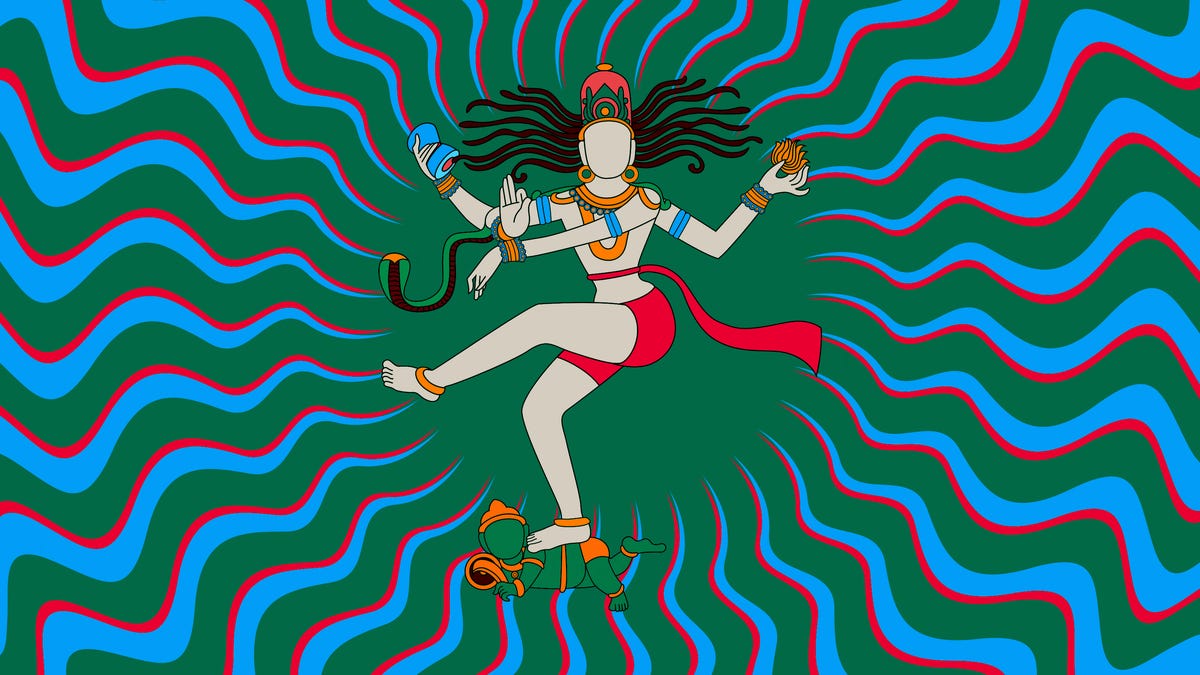
Bharat is a land of diverse cultures and traditions, each with its own unique dance form. From the energetic Bhangra of Punjab to the graceful Mohiniyattam of Kerala, the colorful Garba of Gujarat to the soulful Sattriya of Assam, every dance form reflects the rich heritage and history of its respective region. However, amidst this…
-
Aryan Invasion Theory (AIT), Indo-Aryan Migration Theory (IAMT) and the Indigenous Aryan Theory (IAT): What we know so far
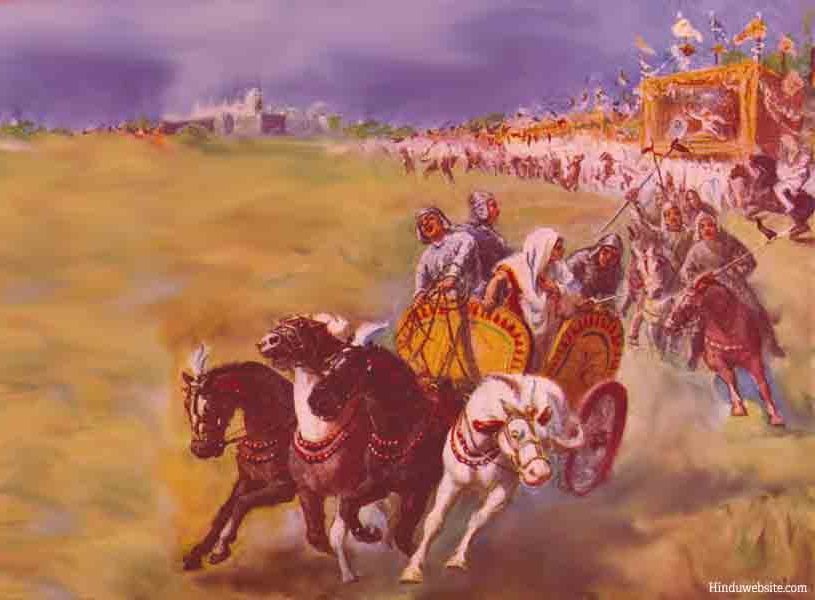
The origins of the Indo-European languages, which include many of the world’s major language families, have been the subject of much debate and speculation among scholars for over a century. Three theories have emerged to explain the origins of the Indo-European languages in the context of India: the Aryan Invasion Theory, the Indo-Aryan Migration Theory,…
-
Lord Parashuram, Kalaripayattu, Bodhidharma and Kung-Fu
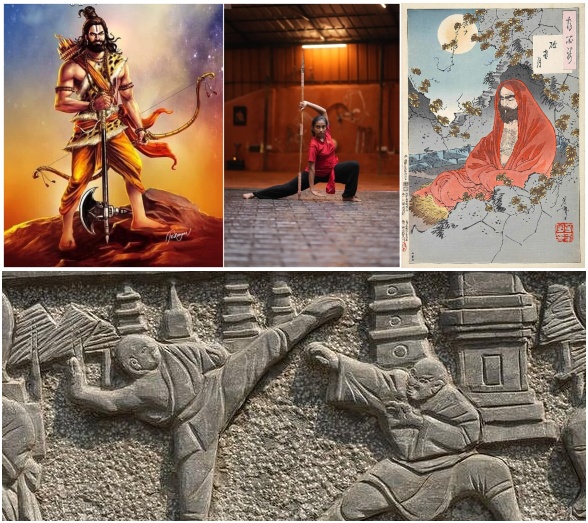
Kalaripayattu is an ancient martial art that originated in the southern Indian state of Kerala, and it is widely regarded as one of the oldest martial arts in the world. The art has been practiced and developed for over 3000 years, and its techniques have been used in warfare, self-defense, and physical fitness. Kalaripayattu is…
-
Nehru’s Tibetan Blunder
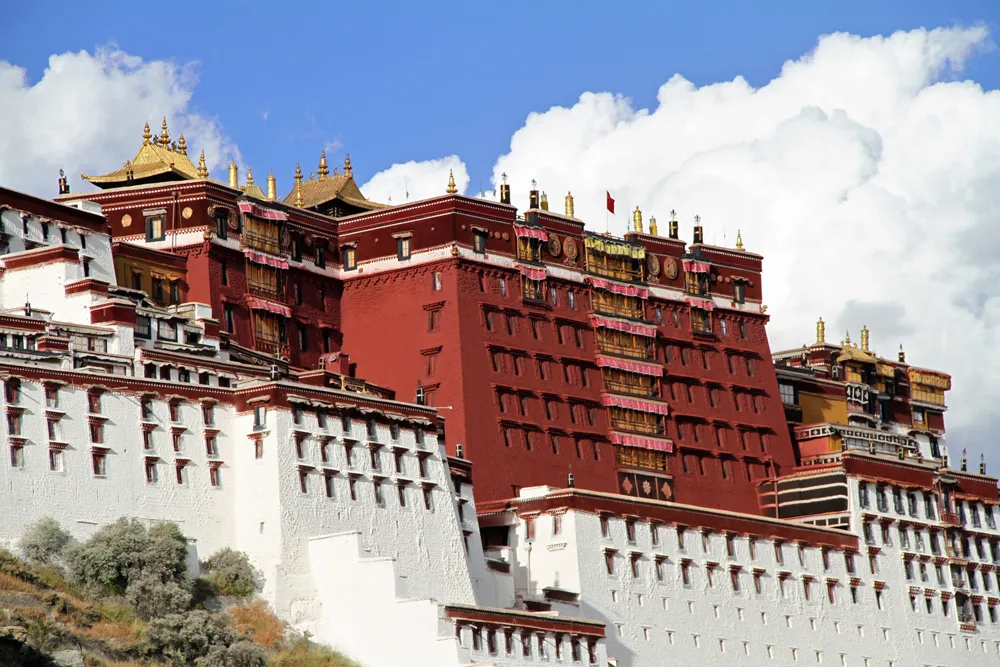
Jawaharlal Nehru had the power to oppose the Chinese invasion of Tibet, instead he turned a blind eye and became a Chamberlain. On August 20, 1950 Chou En-Lai was of the opinion that the liberation of Tibet was a sacred Chinese duty, but that would be done only via negotiations. On October 7, 1950, the…
-
Rebuilding Maa Sharda Temple : A civilizational milestone
