
-
The Heart of Sri Krishna: The Story of Two Gopalas
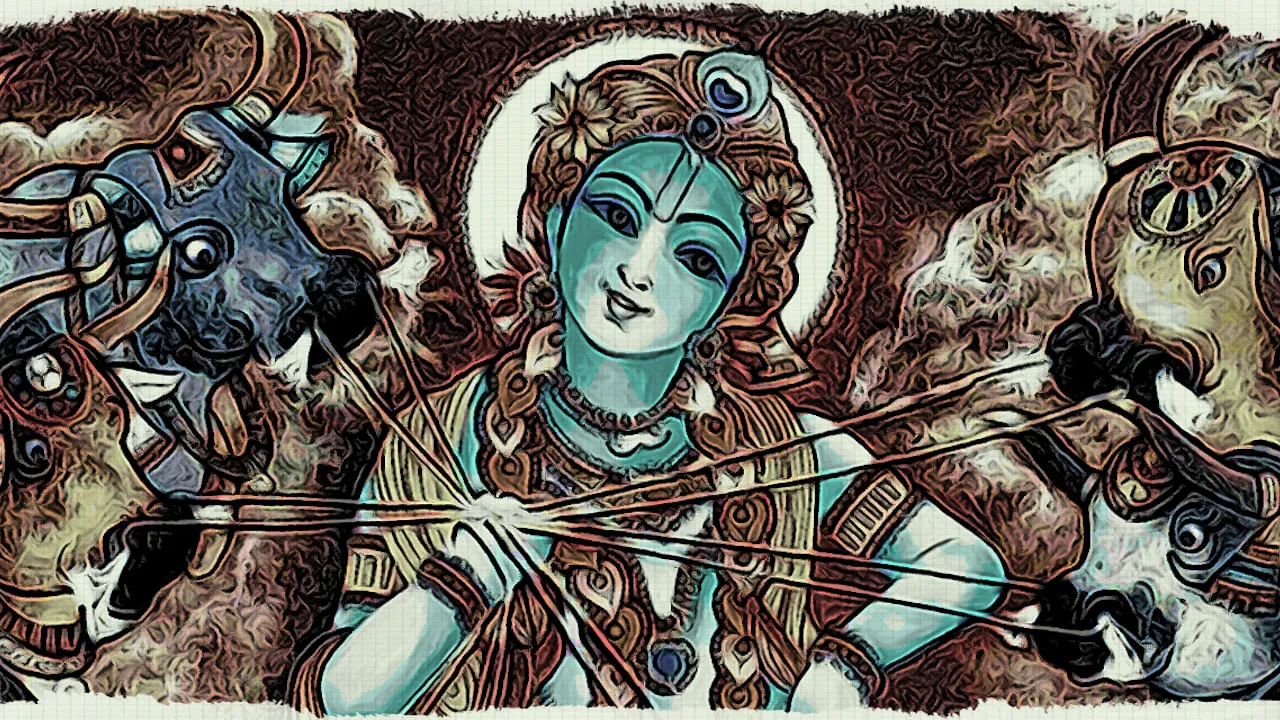
In the heart of a typical village, where anonymity thrives amidst a self-sufficient hamlet, the Krishna temple stands as a living history book. The tale unfolds with the lineage of Keshava Bhatta, the devout Archaka of the temple, and his son Gopala, who, after a rain-soaked adventure in the forest, discovers an unexpected companion, another…
-
Why pranayama can control the mind

Exploring the intricate dance between breath and the intricate workings of the inner world, this piece unveils the profound connection between pranayama and the mind’s elusive control. In a wilderness tale of wit and deception, a poodle’s survival instincts, as it masters the art of camouflage, parallel the human mind’s ceaseless strategizing. By observing the…
-
The Indian Way : Long-lasting, repairable and reusable products?

Explore the profound connection between India’s rich cultural heritage and the concept of repairable products in this enlightening blog post. Delve into India’s historical recycling practices, reflecting its resourceful ethos in the face of scarcity. Discover how Hindu values, including dharma, karma, and ahimsa, naturally promote sustainability and responsible consumption. Learn about the economic opportunities,…
-
The Dark Truth at the Heart of Shah Jahan’s Letter to Jahangir
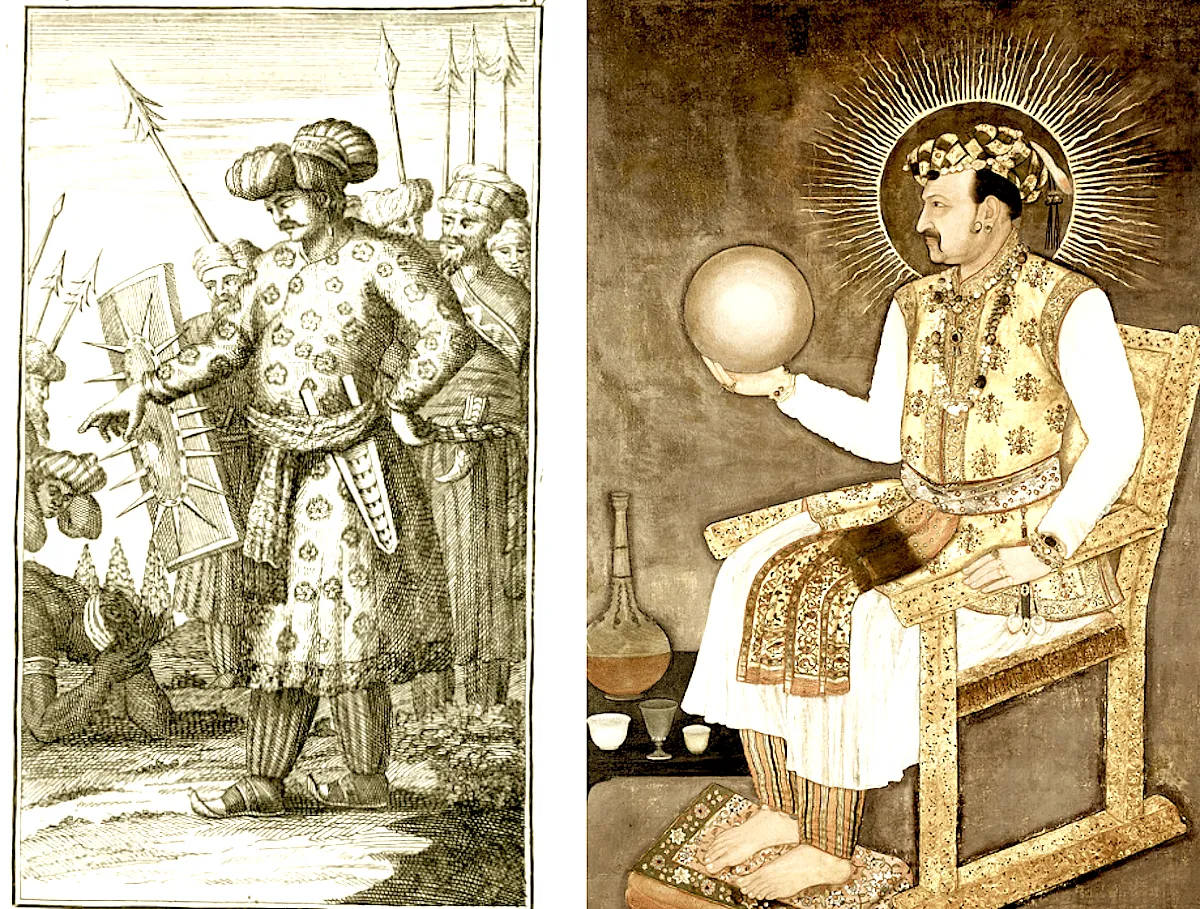
The blog post delves into the intricate realm of medieval Muslim history in India, particularly the theme of royal succession. It highlights the pervasive pattern of treachery, betrayal, and violence that accompanied the ascension of rulers, shedding light on the history of Islamic empires globally. Focusing on the Mughal dynasty, it provides a case in…
-
Lessons from the Tragic History of the Prahladpuri Temple
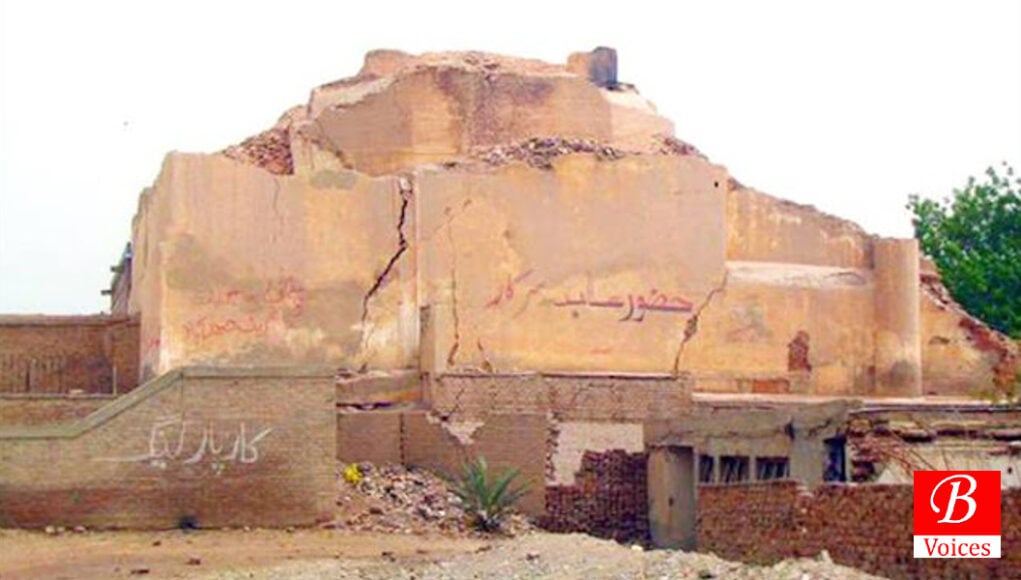
In the blog post a narrative unfolds the sorrowful tale of the Prahladapuri Temple in Multan, Pakistan, offering a glimpse into the shared fate of Hindu temples in the region. Beginning with Multan’s rich Sufi shrine heritage and its ancient names, it highlights the early desecration of the Aditya temple by Muhammad bin Qasim. The…
-
Duryodhana and Karna: Examining the Myth of Friendship

In this thought-provoking blog post, the exploration of the myth of the “pure” and “ideal” friendship between Duryodhana and Karna in the context of the Mahabharata challenges the conventional narrative. The authenticity of this friendship is questioned, citing unequal dynamics, political motivations, and a lack of genuine camaraderie between the two characters. The intricate details…
-
Celebrating Hindu Heritage Month: A Glimpse into the Rich Culture and Contributions of Hindu Canadians
Hindu Heritage Month, a time of reflection and celebration, is an annual event that holds special significance in the heart of Canada. With each passing November, this month takes on a deeper meaning as it gives us an opportunity to delve into the rich tapestry of Hindu culture and acknowledge the invaluable contributions made by…
-
Hello New York Times: Time to Eat Your Elitism. This is India’s Century.

The blog post titled addresses the New York Times’ biased and racist coverage of India over the years. The post discusses how Western media, including the New York Times, has portrayed India as a backward and unscientific country, but recent achievements like the successful Chandrayaan 3 mission challenge that narrative. It delves into historical examples…
-
Some Protagonists of Sacred Traditions: The Book that Sanctifies Every Hindu Home

This blog post introduces the English translation of D.V. Gundappa’s seminal work, “Vaidikadharmasampradāyastharu,” now titled “Some Protagonists of Sacred Traditions.” It pays tribute to both the original work and its insightful author, emphasizing the book’s ability to deliver spiritual wisdom and inner peace. The introduction explores the absence of extensive philosophical quotations, focusing instead on…
-
A Layman’s Introduction to the Granddaddies of the Liberal Wokes
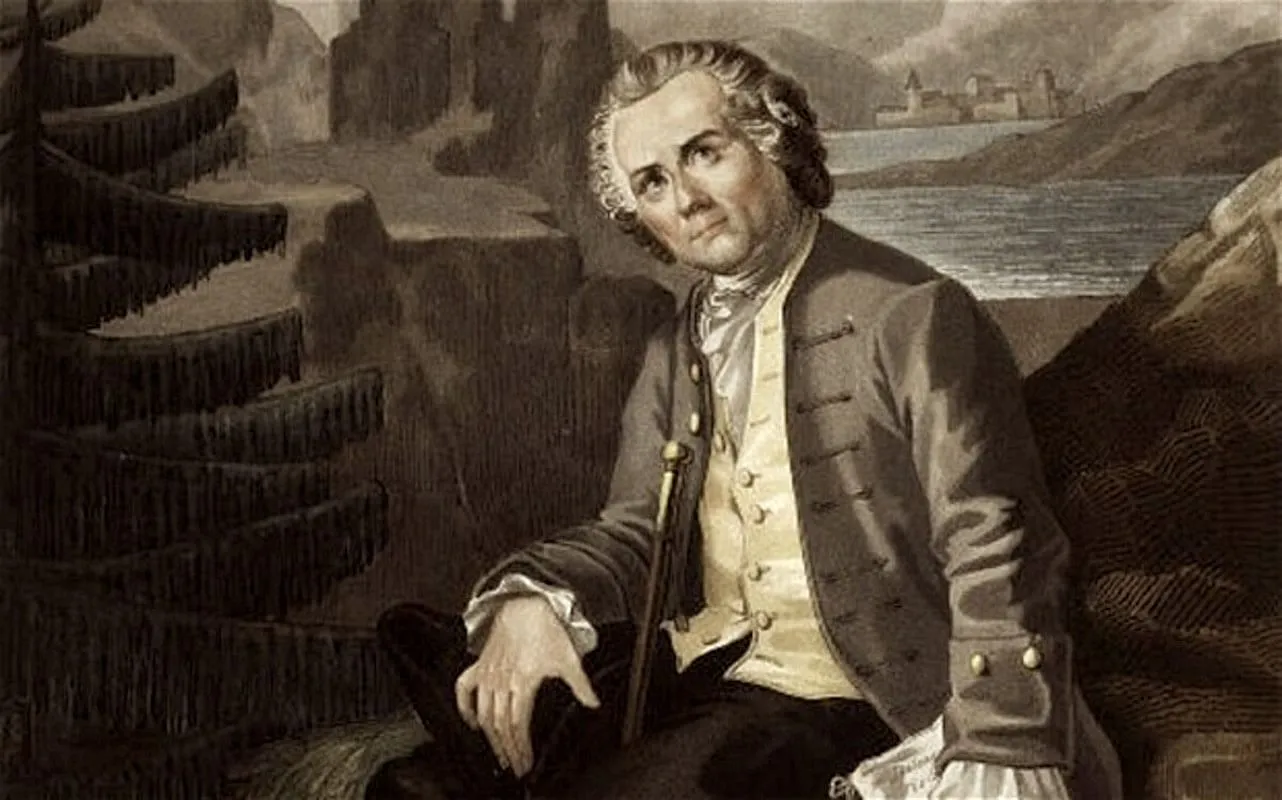
This blog post delves into the historical roots and key figures of what the author refers to as “the liberal wokes.” It traces the emergence of the Intellectuals as a distinct class, whose intellectual hubris and rejection of traditional wisdom led to a radical reimagining of society. Jean Jacques Rousseau’s role in promoting the idea…
-
When Chapatis Forged the First War of Indian Independence: A Hidden Event

In this intriguing blog post, we delve into the historical significance of the chapati, a simple Indian bread, in the context of the 1857 Indian War of Independence against the East India Company. We explore the widespread distribution of chapatis across North India and its enigmatic role in mobilizing the masses, sparking conspiracy theories and…
-
The Hindu Joint Family as the Training Ground for Samskara

In my latest blog post, I delve into the rich history of the Hindu joint family system and its profound influence on individual identity and societal values. I vividly recall the days when extended families, comprising numerous relatives living harmoniously under one roof, thrived under the guidance of a single family head. These families, despite…
-
If the West Bends Over Any Further, We’ll Be Left with a Broken Spine: Nations and Muslim Appeasement

This insightful blog post delves into the complex issue of appeasement in Western nations and its potential consequences in the face of extremist Islamic jihadist ideologies. Drawing from historical events and lessons, it cautions against the dangers of bending too far in the direction of compassion, underscoring the need for a careful balance between empathy…
-
How the Hindu Society Lost Access to its Own Culture

This is the first episode in a series featuring an English adaptation of DVG’s 1957 lecture on Samskruti (Culture). DVG offers profound insights into society and culture, exploring facets like human relationships, attitudes toward work, marriage, and self-discipline, reflecting on a bygone era, and contrasting it with contemporary society. His discourse delves into the intrinsic…
-
“Kshatra: The Tradition of Valour in India” — The Book that Must Decorate Every Hindu Home

Shatavadhani Dr. R. Ganesh’s ‘The Indian Tradition of Valour’ presents a remarkable exploration of the multifaceted facets of Kshatra (valour) in the context of India’s civilisational, political, social, and cultural history. This unique work delves into the crucial role of Kshatra in safeguarding and preserving Dharma while offering profound insights into the philosophy and essence…
-
A Ready Reckoner of Aurangzeb’s Industrial Scale Temple Destructions
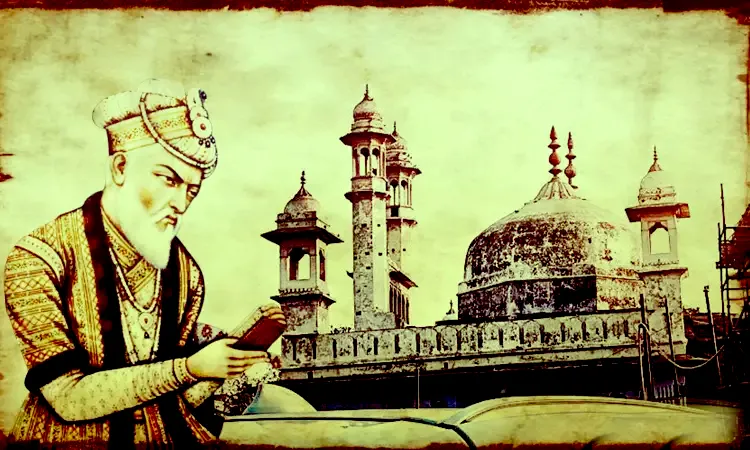
This podcast episode delves into the extensive records of Mughal Emperor Aurangzeb’s temple destructions throughout India, presenting a chilling account of over thirty Hindu temples ravaged in regions spanning Agra, Delhi, Uttar Pradesh, Madhya Pradesh, Maharashtra, Odisha, and Karnataka. The extensive evidence from historical sources, including royal orders, chronicles, and scholarly accounts, sheds light on…
-
A Historical Journey with the Banana

This blog post explores the deep-rooted significance of the banana in the Sanatana civilization. From its mentions in Hindu rituals to its poetic symbolism, the banana is celebrated for its multifaceted roles in the culture. With insights into the Sanskrit synonyms for banana and its importance for Indian sages following Ahimsa (non-injury), the post also…
-
An Extraordinary Portrait of Dharmic Village Administration in Ukkal
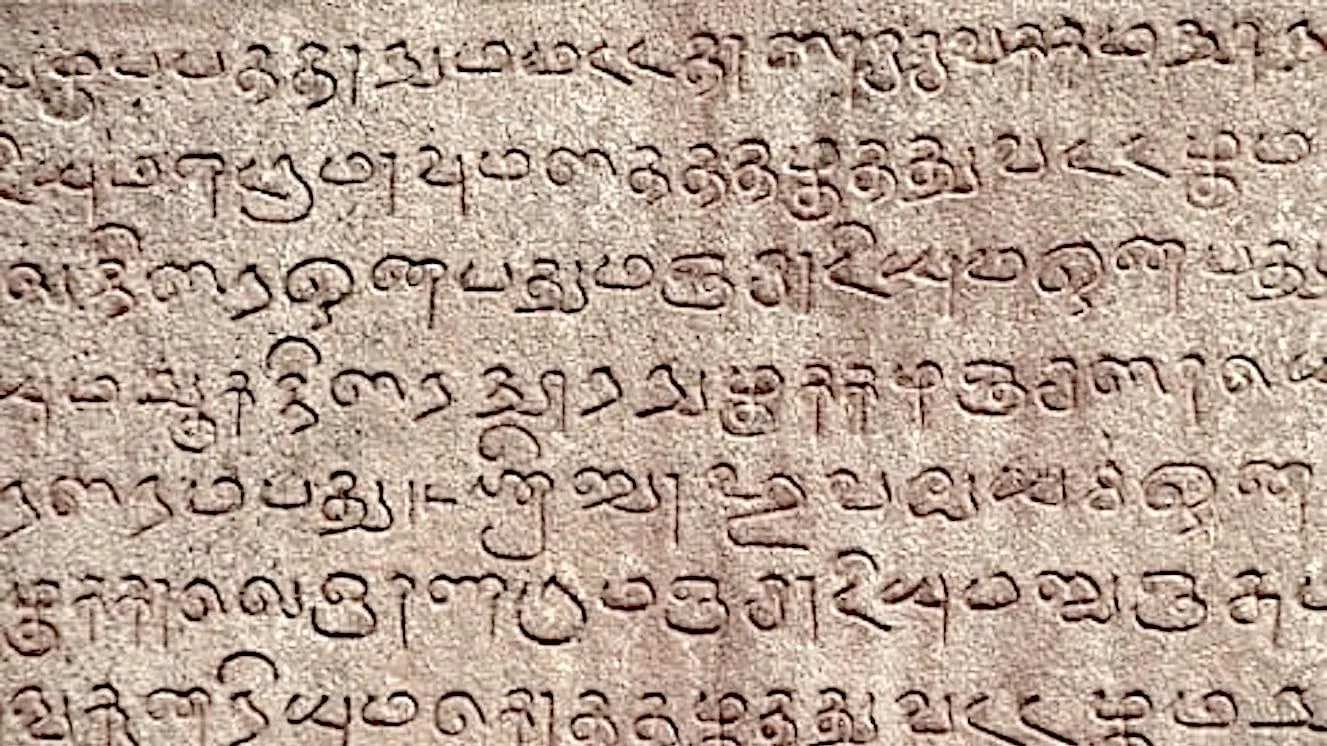
This blog post takes readers on a historical journey to Koolamandal and Ukkal, two lesser-known but culturally rich villages in South India. Koolamandal was once a vibrant center of Sanatana society, home to the magnificent Gangaikondacholeesvarar Temple built by Rajendra Chola I. Ukkal, on the other hand, is known for its extraordinary village administration system,…
-
Swami Vivekananda on the Ahistoricity of Hinduism

This insightful blog post explores Swami Vivekananda’s perspective on the universality of Vedanta as a religion, contrasting it with Christianity and other religions that revolve around historical founders. Swami Vivekananda emphasizes the ahistoricity of the Vedas and the eternal principles they embody, which allows Hinduism to remain unshaken even if the historicity of its prophets…
-
In Karl Marx’s Sick World, the Sacred Puri Jagannatha Temple was a Centre of Prostitution
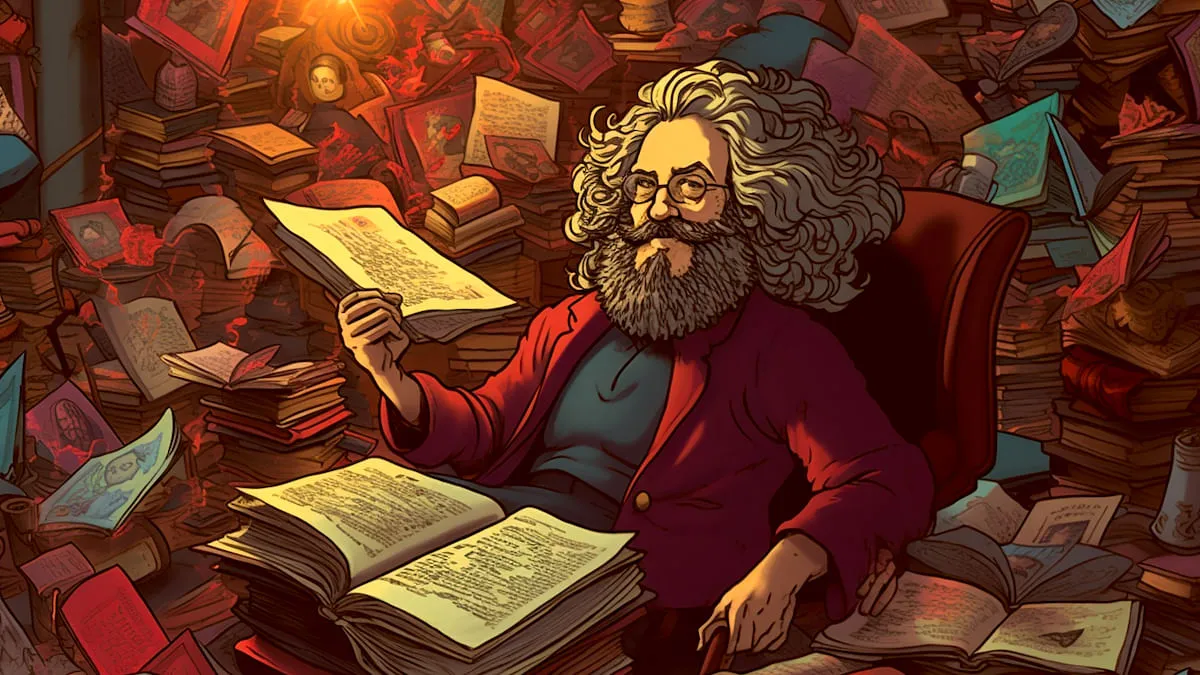
This thought-provoking blog post delves into Karl Marx’s views on Indian history, culture, and Hinduism, emphasizing the significance of understanding these perspectives to comprehend the ideologies of Indian Marxists. The text highlights how Marx’s knowledge, while profound, was not free from biases and misjudgments. It critiques the limitations of Indian scholars’ analyses of Marx’s thoughts…