
-
Honoring Sri Ramacandra Kaviraja: Timeless Bhakti, Acharyas’ Mercy, and Sacred Sanga

This tribute to Sri Ramacandra Kaviraja frames disappearance day as a living invitation to deepen devotion and humility within the Bhakti Tradition. Drawing on the cherished verse of Srila Narottama dasa Thakura, it highlights acharyas’ mercy and the transforming power of sacred association (sanga). The article situates these ideals within a broader dharmic context, connecting…
-
Nine Pathways of Bhakti: A Powerful Guide to Personal Service and Dharmic Harmony

This exploration clarifies the nine processes of bhakti-yoga as presented by Prahlada Maharaja in the Srimad-Bhagavatam, showing how hearing, chanting, remembrance, worship, service, prayer, friendship, and surrender form a holistic path of devotion. It explains how knowledge is measured by lived practice, not mere abstraction. Practical insights show how simple daily disciplines can cultivate resilience,…
-
Srila Prabhupada’s Wake-Up Call for Political Leaders: Put Dharma Over Greed to Serve Society

Srila Prabhupada’s analysis warns that leadership driven by personal ambition and material prosperity ultimately breeds social confusion. Rooted in dharmic thought, the remedy is a return to God consciousnesshigher ethical awareness and responsibility that temper power with humility. Across Hinduism, Buddhism, Jainism, and Sikhism, virtues like non-attachment, satya, ahimsa, and seva orient leadership toward genuine…
-
Vidya Ganapati: A Scholarly Guide to Knowledge, Memory, and the Joy of Learning

Vidya Ganapati symbolizes knowledge, wisdom, memory, and disciplined learning, guiding students and scholars toward clarity, focus, and ethical study. The iconographybook, rosary, lotus, and mouseinvites humility, contemplation, and purity of intent. Across homes and classrooms, simple practices like mindful breathing and mantra help calm anxiety and steady memory without replacing hard work. The ethos resonates…
-
Bhakti and Swachchatha: How Devotion Cultivates Inner Purity, Clarity, and Everyday Discipline

Bhakti and Swachchatha are presented as mutually reinforcing: sincere devotion naturally matures into inner purity and disciplined living. Multiple dharmic methodstemple worship, meditation, chanting, and honoring spiritual guidanceallow seekers to choose a path aligned with temperament without compromising the goal of ethical refinement. The perspective is inclusive, highlighting how Hinduism, Buddhism, Jainism, and Sikhism share…
-
From Book Tables to Living Altars: Devotion Transforming Streets in the UK and Ireland

Public book tables in the UK and Ireland are becoming living altars, illustrating how devotion can transform everyday streets into spaces of reflection and harmony. Grounded in the bhakti tradition and inspired by a 1968 letter, the practice unites sacred text, ritual sound, and respectful dialogue. Passersby engage in relatable conversations on karma, mindfulness, and…
-
Sanyasa Yoga: A Powerful Path of Inner Renunciation toward Self‑Realization in Hinduism
Samnyasayoga in Hinduism emphasizes inner renunciation over external withdrawal, directing attention to self-realization and Brahman. Grounded in the Kaivalya Upanishad and Vedanta, it unites śraddhā, bhakti, and dhyāna to reveal Ātman as Brahman and guide seekers toward moksha. In contemporary life, Sanyasa Yoga appears as simplicity, mindful limits, and aparigraha rather than asceticism for its…
-
Sacred Ecology in Hinduism: How Nature Worship Shapes Dharma, Ethics, and Daily Life

Nature worship in Hinduism is a core expression of sacred ecology that unites philosophy, ritual, and ethics. Rooted in the Vedas, Upanishads, and Puranas, it affirms cosmic unity and the sanctity of the five elements. Rituals like offerings to Surya and the care of Tulsi translate reverence into daily practice. Ethical pillarsAhimsa, Aparigraha, and devotion…
-
Andal’s Tiruppavai: Four Transformative Steps to Attain the Divine Presence of Vishnu
Andal’s Tiruppavai, revered across the Sri Vaishnava tradition, presents a clear four-step path to the divine presence of Lord Vishnu: shared discipline (Pavai Nombu), daily remembrance through song, surrender to grace, and compassionate service. These steps reinforce one another, enabling seekers to balance devotion, study, and ethical living. Observances during Margazhi create a supportive communal…
-
Sat Sanga Deep Dive: Unveiling 64 Elements of Pure Devotional Service, Mayapur 2025
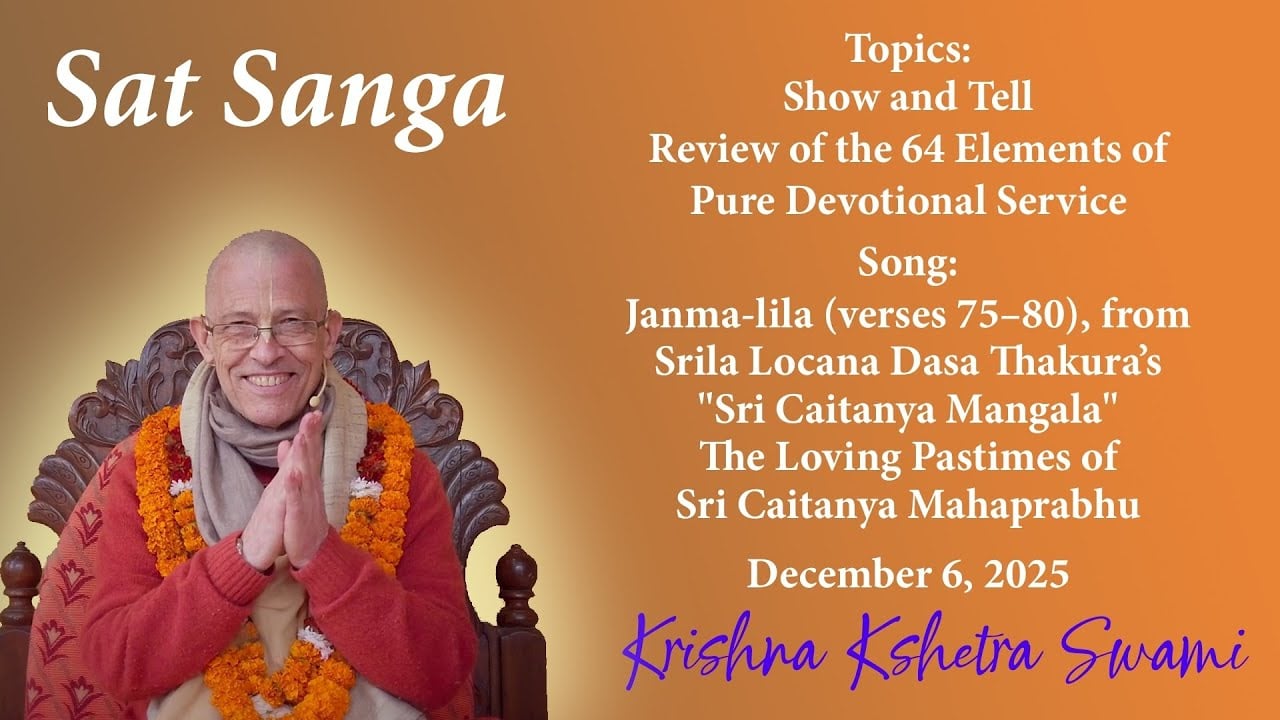
This Sat Sanga in Mayapur (December 6, 2025) presented a clear, practice-focused review of the 64 Elements of Pure Devotional Service with HH Krishna Kshetra Swami. Using a Show and Tell format, the session translated scriptural insights into daily disciplines like japa, kirtan, study, humility, and seva. A devotional interlude from Janma-lila (verses 75–80) in…
-
Vin Diesel’s ‘Shroom’ Quotes the Bhagavad Gita: Duty, Fear, and Dharma in Billy Lynn’s World

A pivotal scene in Billy Lynn’s Long Halftime Walk (2016) brings the Bhagavad Gita into a modern war setting, as Vin Diesel’s ‘Shroom’ reflects on karma, fear, and duty with Joe Alwyn’s Billy Lynn. By invoking Krishna’s counsel to Arjuna, the film reframes courage as ethically grounded clarity rather than mere boldness. The moment resonates…
-
Anagha Devi, Shakti of Lord Dattatreya: Radiant Compassion, Iconography, and Devotional Significance

Anagha Devi is venerated as the Shakti of Lord Dattatreya, embodying purity, protection, and compassionate grace. Her iconographyserene radiance and the symbolism of amritaexpresses healing and spiritual renewal. Devotees often experience a motherly bond with Maa Anagha, finding steadiness and hope in challenging times. The Anagha–Dattatreya relationship highlights a key dharmic insight: consciousness and Shakti…
-
Lord Shiva’s Calm Power: Inspiring Patience, Courage, and Dharmic Unity in Daily Life

Lord Shiva is portrayed in Hindu philosophy as the tranquil Mahayogi whose calmness and compassion motivate ethical living. Rather than anger, the scriptures emphasize patience, forgiveness, and adherence to dharma, offering a practical model for modern life. Simple practicessuch as chanting Om Namah Shivaya, mindful breathing, and daily meditationcan steady attention and reduce stress. The…
-
Answering Krishna’s Call: Overcoming Fear and Embracing Devotion in Vrindavan’s Forests
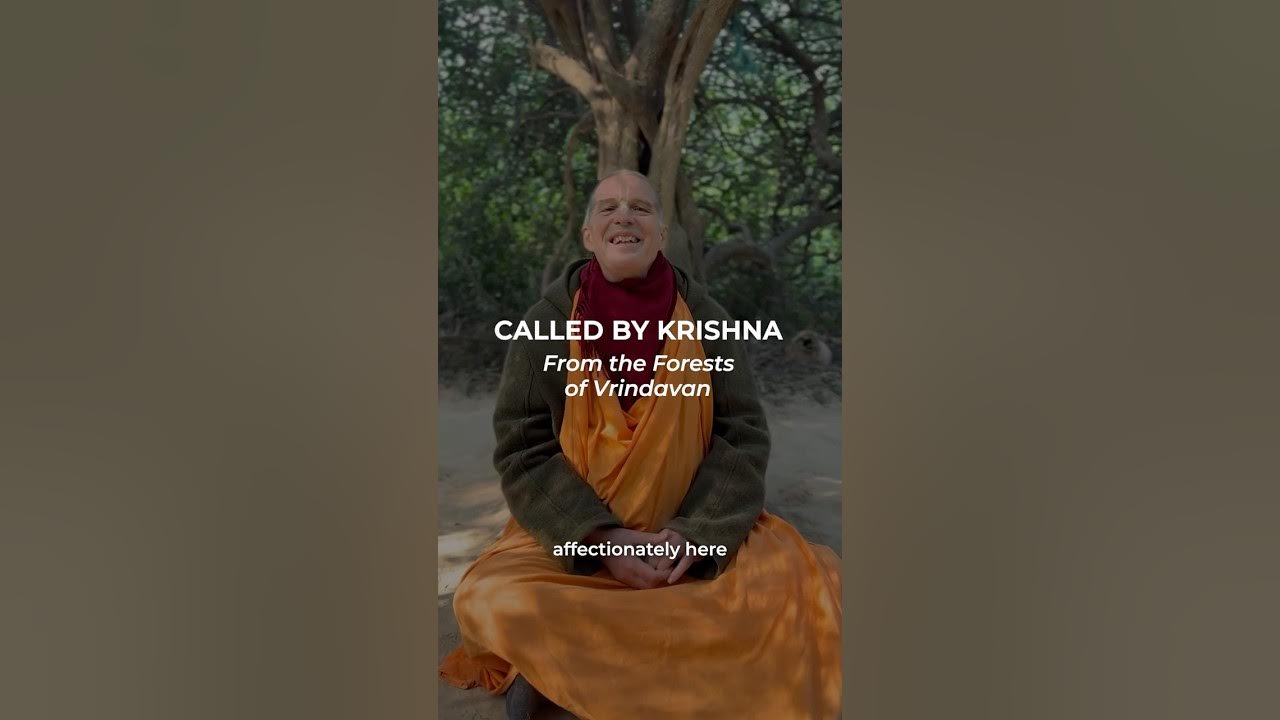
This reflection from Vrindavan explores how Krishna’s call is experienced through nature, conscience, and community. It examines the core question of response versus fear in a measured, academic tone grounded in Hindu spirituality and the Bhakti Tradition. Drawing parallels across dharmic traditionsHindu, Buddhist, Jain, and Sikhit highlights shared values of courage, compassion, and service. Readers…
-
Rashi Anusar Mantra: Powerful Zodiac Mantras to Remove Obstacles and Invite Prosperity

This article introduces Rashi Anusar Mantra as a contemplative practice that aligns mantra-japa with the twelve Vedic zodiac signs to reduce obstacles and cultivate prosperity. It preserves the original Hindi context while clarifying how zodiac mantras integrate intention, attention, and ethical action. The discussion highlights shared insights from Hinduism, Buddhism, Jainism, and Sikhism, emphasizing unity…
-
Decoding Śūnya, Bhakti, and Avatāra: Profound Insights from Kashi’s ‘Mad Monk’

A rare Kashi dialogue with the so-called “Mad Monk” maps creation from Bhāvākāśa to bindu, rekhā, and vṛtta, framing śūnya as a luminous interval rather than mere emptiness. The Sadhu links kāma and prema to two textures of creation, explains how inner blossoming at sahasrāra, anāhata, maṇipūra, or mūlādhāra colours experience, and outlines a tenfold…
-
Stop Overthinking, Start Living: Hindu Wisdom for a Life of Presence and Joy

Hindu wisdom highlights a simple paradox: the more life is overanalyzed, the less it is truly lived. Drawing from the Hindu way of life and allied dharmic traditions, the path emphasizes presence, ethical action (dharma), and mindful awareness over relentless explanation. Karma yoga reframes daily duties as opportunities for clarity by releasing attachment to outcomes.…
-
Dakshina, Vama, Uttara: Three Transformative Paths for the Hindu Seeker’s Inner Journey

Hindu spirituality honors three complementary pathwaysDakshina Marga, Vama Marga, and Uttara Margaso seekers can approach moksha according to temperament, capacity, and guidance. Dakshina Marga emphasizes dharma, bhakti, and temple worship, grounding householders in ethical and devotional rhythms. Vama Marga, properly transmitted and supervised within sampradāya, uses mantra, mudra, and disciplined ritual to transmute energy and…
-
Murugan, the Silent Warrior: Master Inner Battles with Meditation and Dharmic Wisdom

Lord Murugan (Kartikeya, Skanda, Subrahmanya) is presented as the Silent Warrior whose true battles are won through meditation and inner silence. The article explains how the vel symbolizes discerning wisdom and the peacock signifies sublimated pride, framing kshatra as ethical strength rather than aggression. It outlines a simple, practical routinepranayama, mantra japa, and dhyanathat helps…
-
Why Gentle Guidance Works: Building Trust and Unity with a Counselor System in ISKCON

This reflection outlines a compassionate, experience-based case for a counselor system in ISKCON, emphasizing guidance rooted in empathy rather than institutional authority. It explains why top-down “hammering” rarely opens hearts and how gentle, consistent support strengthens trust and spiritual well-being. The counselor model fosters peer mentorship, early conflict resolution, and shared accountability. It aligns naturally…