
-
Sat-sanga Reflections (08.11.2025): Remembering Vamsi, Gita Review, and the Joy of Prema-bhakti
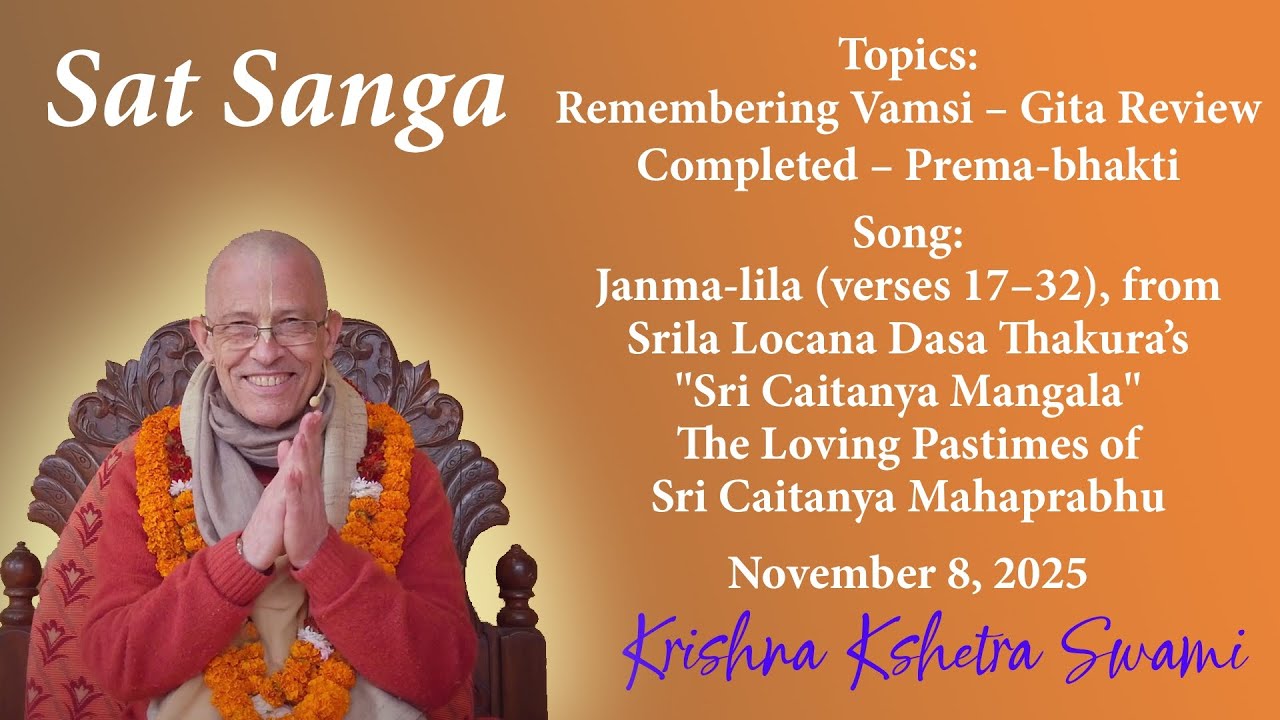
This sat-sanga (08.11.2025) with HH Krishna Kshetra Swami concluded a systematic review of the Bhagavad Gita and turned to an illuminating exploration of prema-bhakti. Drawing on Srimad-Bhagavatam, the session explained how mature devotion may express itself as tears, laughter, singing, dancing, and reverent līlā, arising naturally from deep absorption. Remembering the vamsi (Sri Krishna’s flute)…
-
Why Choosing Spirituality Reflects True Wisdom: A Dharmic Path to Clarity, Peace, and Unity

Spirituality, within Hindu philosophy and related Dharmic traditions, is a deliberate, wise choice rooted in discernment and Dharma. It emphasizes distinguishing the temporary from the eternal, echoing the Bhagavad Gita and the Upanishads. Practically, it matures through ethics, Meditation, and Yoga philosophy, cultivating clarity, compassion, and resilience. Across Hinduism, Buddhism, Jainism, and Sikhism, diverse practices…
-
Decode Horoscope House Strength: Kendra, Tricona, Upachaya, and Dhushta Sthana for Life Clarity

This guide explains how the strength of horoscope houses is assessed through the four classical groupsKendra Houses, Tricona Houses, Dhushta Sthana, and Upachaya Houses. It clarifies the role of planetary dignity, aspects, lordship, Shadbala, and Digbala in determining real-world impact. Readers learn why Kendra and Tricona synergy is prized, how Dhushta Sthana can catalyze growth…
-
Jivanmukta Unveiled: The Silent Dance of Living Liberation in Hindu Philosophy

This article explores the jivanmuktaliving liberation in Hindu philosophyas an inner “silence” paired with an outer “dance” of unattached, compassionate action. It clarifies key traits such as equanimity, non-attachment, and dharma-guided service through the lens of the Upanishads, the Bhagavad Gita, and Advaita Vedanta. Readers gain practical markers of maturity: fewer reactive habits, steadier decision-making,…
-
Sathya Sai Baba Jayanti 2025 in Puttaparthi: Devotional Celebrations, Unity and Seva
Sathya Sai Baba Jayanti 2025 will be observed on 23 November in Puttaparthi, marking the fourteenth Jayanti after the Maha Samadhi. The celebrations at Prasanthi Nilayam highlight Vedic chanting, bhajans, and seva, creating both an introspective and communal atmosphere. Visitors typically experience a blend of quiet prayer at the Maha Samadhi and shared devotional singing…
-
Dasha Mahavidyas Explained: Transformative Shakti Archetypes for Everyday Life and Inner Peace
Dasha Mahavidyasten archetypal forms of the Divine Motheroffer practical guidance far beyond ritual worship. This article explains how each Mahavidya maps to a daily-life virtue: courage, compassion, harmony, spacious awareness, disciplined effort, selfless transformation, wisdom in pauses, neutralizing negativity, ethical expression, and auspicious abundance. It outlines simple practices for meditation, mindful speech, and seva that…
-
Essential Milestone: HJS Receives Blessings from Mahamandaleshwar Swami Avdheshanand Giri

Sadguru Nilesh Singbal of the Hindu Janajagruti Samiti received blessings from Acharya Mahamandaleshwar and Juna Akhada Peethadhishwar Swami Avdheshanand Giri Ji Maharaj, marking an essential milestone for community-focused spiritual work. The interaction affirmed Sanatan Dharma, the Guru–Shishya Tradition, and the preservation of Hindu spirituality within the broader dharmic family. It promotes unity across Hinduism, Buddhism,…
-
Essential Guide to Goddess Shyama: Discover the Proven Paradox of Love and Terror in Hindu Tradition
Goddess Shyama, widely identified with Kali in Shakta traditions, embodies the Divine Mother as fierce compassionlove powerful enough to dissolve fear and ignorance. Her blue-black radiance symbolizes the infinite, guiding seekers from bondage to freedom. The paradox of terror and tenderness resolves as an ethical call to inner transformation and protective care for all beings.…
-
Essential Varahi Temples of Tamil Nadu: Discover Sacred Sites and Living Shakti Traditions
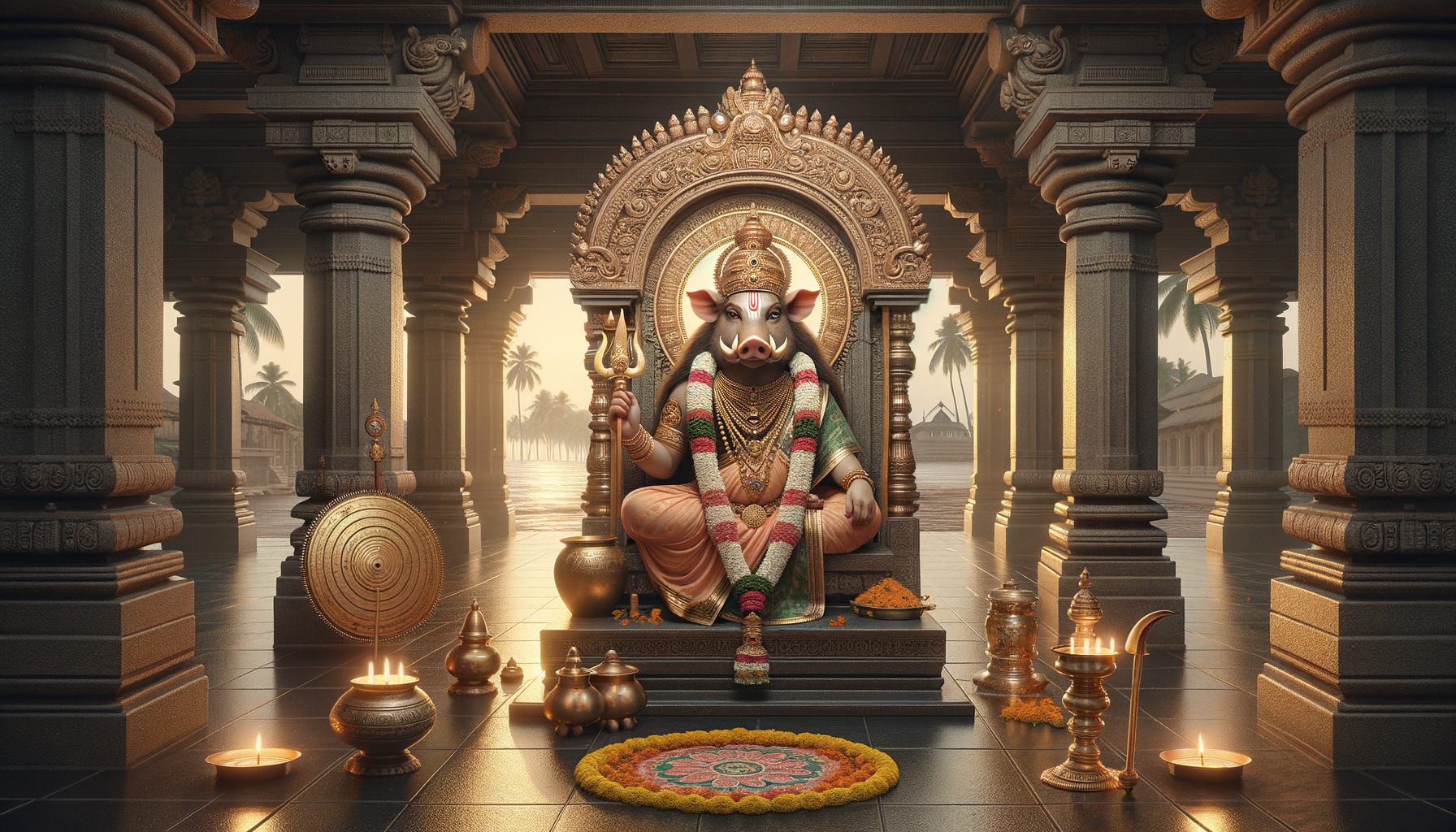
Tamil Nadu maintains a dynamic tradition of Varahi worship, with temples that highlight the living continuum of Shakti devotion. The Suyambu Varahi Amman Temple in Uthirakosamangai, Ramanathapuram District, is especially notable for its self-manifested idol and solemn atmosphere. Visitors often describe a palpable sense of protection and clarity, aligning with Varahi’s role in fortifying resolve…
-
Complete Guide to Kali’s Jackal Vahana: Discover Transformative smasana Symbolism

Goddess Kali’s association with the smasana (cremation ground) reveals a rigorous yet consoling lesson on impermanence, ego-dissolution, and compassionate presence. The jackal as Vahana functions as a precise Hindu symbol of transformation, liminality, and ecological renewal. This analysis clarifies how Tantric symbolism turns fear into insight and darkness into ethical action. It highlights shared values…
-
Complete Bhakti Breakthrough: How a 1960s Melody Transformed into a Krishna Offering

A recurring 1960s melody prompted a deliberate act of devotional reframing, guiding the composition toward Krishna consciousness while preserving its emotive core. The decision to retain the first verse balanced historical texture with spiritual clarity, aligning with the Bhakti Tradition and the Guru–Shishya Tradition. This creative process reflects a broader dharmic pattern in which familiar…
-
Master the Essential Test of Spiritual Growth: Srila Prabhupada’s Gainesville Insight (1971)

Srila Prabhupada’s 1971 Gainesville interview offers a precise and inclusive test for spiritual progress: judge by the resulttransformed character, not external form. Rather than emphasizing dress or titles, the teaching centers on ethical conduct and reliability, captured in the phrase “a very perfect gentleman.” This criterion aligns with shared dharmic values across Hinduism, Buddhism, Jainism,…
-
Ultimate Rohini Nakshatra Guide: Discover Bhuvaneshwari Sadhana for Lunar Mastery

Rohini Nakshatra harmonizes naturally with Bhuvaneshwari Sadhana, uniting lunar sensitivity with the compassionate vastness of the cosmic mother. Rooted in Vedic symbolismMoon rulership and Brahma/Prajapati’s generative powerthis upasana cultivates emotional equilibrium and creative growth. A practical routine with Monday, Rohini transit, or Purnima observances, simple offerings, and the mantra “Om Hreem Bhuvaneshwaryai Namah” builds sustainable…
-
Essential Tribute to Srila Prabhupada: Transformative Legacy at Bhaktivedanta Manor, Oct 25, 2025

Bhaktivedanta Manor will host a live virtual observance on 25 October 2025 marking the Disappearance Day of Srila Prabhupada. The program centers on contemplative kirtan, scriptural readings, and reflections on seva as lived dharma. By highlighting shared values like compassion, truthfulness, and service, the event advances unity across Hinduism, Buddhism, Jainism, and Sikhism. Participants benefit…
-
The Proven Power of Bhakti: Discover How Devotion Sees Guruvayoor Unnikannan as Child-God

Bhakti frames familial tenderness as a rigorous spiritual practice, exemplified by devotion to Guruvayoor Unnikannan (Child Krishna). Treating the Divine as a beloved child (vatsalya-bhāva) cultivates humility, compassion, and daily mindfulness through seva, darshan, and remembrance. Rooted in Hindu spirituality and Kerala temple traditions, these practices are accessible to families and individuals of all ages.…
-
Discover the Essential Meaning of Disappearance Day: A Devotional Tribute to Srila Prabhupada
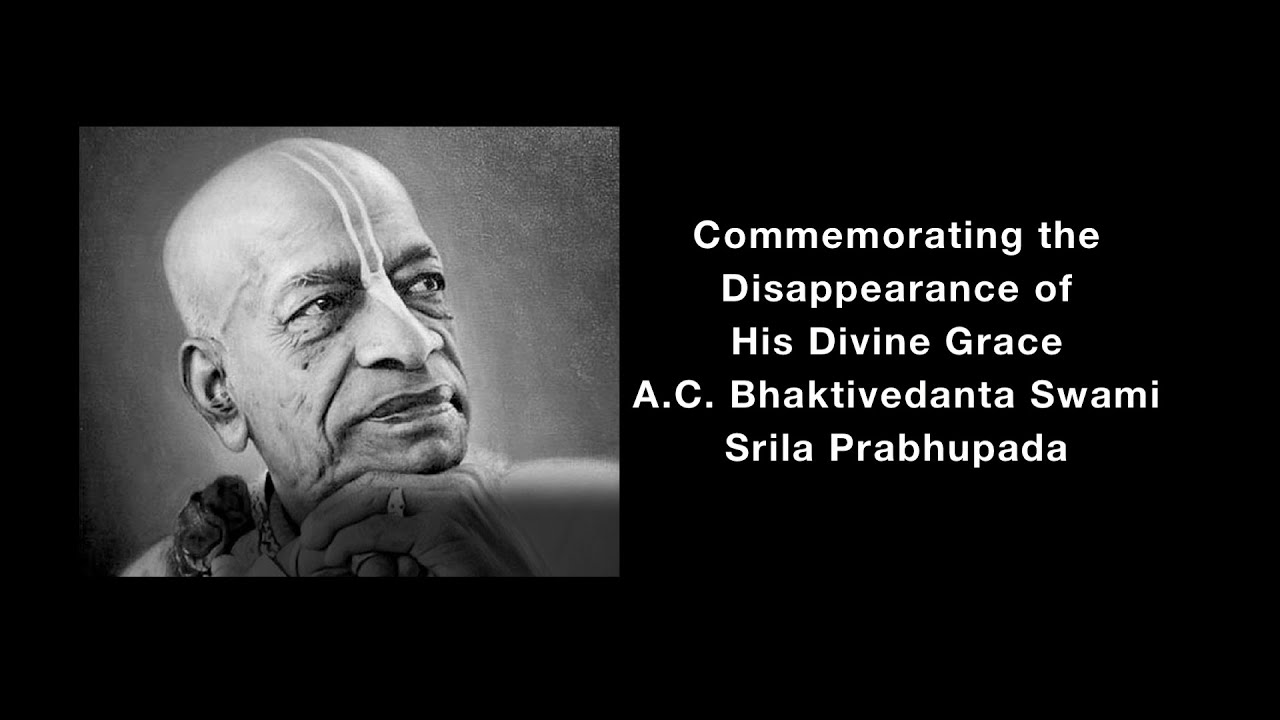
Srila Prabhupada’s disappearance on 14 November 1977 in Vrindavan dham is observed in the Bhakti Tradition as a dignified celebration of spiritual attainment rather than a loss. Within Sanatana Dharma, a disappearance day marks the return of a pure Vaishnava to eternal service, inspiring gratitude, devotion, and seva. This perspective harmonizes with broader Dharmic TraditionsBuddhist…
-
Discover the Secret Eye on Kali’s Sickle Sword: A Complete Guide to Transformative Symbolism

The eye often depicted on Goddess Kali’s sickle-shaped sword (khadga or kripan) is a visual doctrine: wisdom guiding power. Far from signifying mere destruction, it encodes the union of discernment and actionawareness cutting through ignorance (avidya) with ethical clarity (dharma). The eye represents vigilant consciousness (jnana-netra), while the blade symbolizes transformative discernment (viveka). This symbolism…
-
Discover the Ultimate Secret of Radhastami: Radharani’s Potency That Conducts the Spiritual World
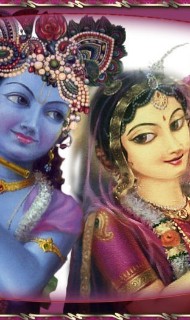
This article explores why Radhastami centers on Radharani as Krsna’s pleasure potency, the chief internal energy that conducts the spiritual world. Drawing on the Vedic axiom Parasya saktir vividhaiva sruyate [Cc. Madhya 13.65, purport], it explains how the Divine operates through distinct potencies, contrasting Bahir-anga-sakti (external energy) with the internal potency of devotion. The discussion…
-
Master the Art of Kirtan: Srila Prabhupada’s Proven Lesson on Listening and Leadership
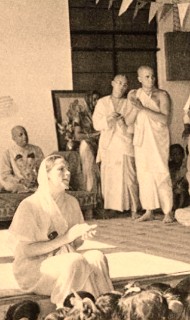
A morning lesson on Gurvastakam with Srila Prabhupada reveals a complete method for devotional leadership: attentive listening precedes effective guiding. By pausing singers after two lines, he highlighted the discipline of hearing pitch, rhythm, and mood before leading kirtan. This principle strengthens congregational harmony, refines humility, and centers the practice on devotion rather than performance.…
-
Essential Guide to Goddess Bala: Discover Shiva’s Sacred Creation in the Andhakasura War

Goddess Bala’s emergence during Shiva’s battle with Andhakasura illustrates how youthful clarity and compassionate strength neutralize chaos without compromising empathy. This guide situates Bala within Shaiva-Shakta traditions, highlighting her role alongside protective shaktis and the Saptamatrikas. Readers gain symbolic insight into Bala Tripurasundari, whose iconography conveys gentle mastery of the mind and disciplined desire aligned…