
-
Spirituality and Rajneeti: Why Dharmic Seekers Engage Politics with Compassion and Ethics

A widely asked question in Satsangwhether spiritual people should stay away from politicsfinds clarity in a dharmic understanding of Rajneeti as ethical governance aligned with Dharma. Traditions across Hinduism, Buddhism, Jainism, and Sikhism converge on compassionate public ethics: Ahimsa, Satya, Seva, and the welfare of all. Rather than withdrawing from public life, seekers can engage…
-
Does God Really Exist? Experiential Practices to Sense the Divine Within Every Day

This reflection presents an experiential approach to the timeless question: Does God exist? Drawing on Sri Sri Ravishankar’s assurance that the Divine dwells within, it integrates methods shared across Hinduism, Buddhism, Jainism, and Sikhism. Readers gain practical stepsbreath awareness, dhyana (meditation), mantra (japa), ethical alignment, and sevato cultivate inner clarity. The guidance of community and…
-
Nadi Astrology’s Timeless Power: Real Benefits, Karmic Insights, and Dharmic Guidance

Nadi Astrology offers a structured, Vedic approach to understanding karmic patterns and life timing without promoting fatalism. Its benefits include greater self-clarity, improved decision-making, and ethically grounded action guided by dharma. Tradition recounts timely cautionssuch as avoiding risky river travel during a foreseen Ganga floodthat illustrate prudent, real-world value when tempered by discernment. Remedial measures…
-
Hindu Spirituality at Dawn: Cultivating Joy, Resilience, and Harmony Every Morning

Hindu spirituality frames each morning as a fresh start, where optimism is cultivated through disciplined practice rather than mere sentiment. Rising at dawn, integrating pranayama, meditation, and Surya Namaskara, and setting compassionate intentions align personal rhythm with nature and dharma. This daily orientation is echoed across dharmic traditionsBuddhist mindfulness, Jain Samayik, and Sikh Amrit Velademonstrating…
-
Straight Trunk Ganesha: Profound Symbolism, Yogic Meaning, and Life‑Enhancing Benefits

The straight-trunk form of Shri Ganesha symbolizes yogic balance, evoking the sushumna nadi and the transcendence of duality through dhyana. Traditionally associated with sattva and inner clarity, this rare depiction supports focused study, calm decision-making, and steady spiritual practice. Devotees value it for harmonizing everyday responsibilities with inner stillness, reinforcing ethical living and compassionate action.…
-
Sita’s Ashokavana Ordeal: Unwavering Dharma, Karma, and Timeless Strength to Endure

Sita’s ordeal in Ashokavana exemplifies how dharma and karma inform spiritual resilience under extreme duress. Confined by Ravana and pressured to capitulate, she remained unwavering through ethical clarity, disciplined remembrance, and self-restraint. Her acceptance of karma’s ripening never became fatalism; instead, it sustained equanimity and moral agency. The Sundara Kanda encounter with Hanuman affirmed her…
-
Nurturing Children’s Spiritual Growth with Play, Respect, and Joy: A Dharmic Approach

Spiritual growth in childhood flourishes through play, respect, and lightness rather than constant instruction. This Dharmic approach, aligned with Hindu spirituality and shared across Buddhism, Jainism, and Sikhism, weaves mindfulness and compassion into daily family life. Play becomes a gentle form of sadhana, and reciprocal learning reflects the spirit of the Guru-Shishya Relationship. Practical ideaslaughter-filled…
-
Gunatita Explained: Rise Beyond Sattva, Rajas, and Tamas for Unshakable Inner Freedom

Gunatita, a core concept in Hindu philosophy, describes freedom from the three gunasSattva, Rajas, and Tamasthat bind the jiva to samsara. The Bhagavad Gita portrays the gunatita individual as steady in equanimity, acting from dharma without compulsion. Practical disciplinesmeditation, mantra japa, mindful action, and reflective studystrengthen Sattva and tame reactivity. This state enhances emotional resilience,…
-
Japa’s Transformative Power: Awe-Inspiring Potencies of the Holy Name in Bhakti

Lord Caitanya’s teaching affirms that Krishna’s full potencies reside in each holy name, making japa a profound bridge between devotion, ethics, and contemplation. Hari Bhakti Vilas equates sincere chanting with the merits of charity, fasting, austerities, and pilgrimage, presenting an accessible practice for daily life. Many practitioners report greater clarity, emotional balance, and compassion, while…
-
Timeless Vedic Wisdom for Harmony: SB 3.22.1–14 Insights with HG Kalakantha Prabhu

This reflection on SB 3.22.1–14, presented at Krishna House Gainesville, clarifies the Vedic purpose of transmitting transcendental knowledge of the Absolute Truth. It interprets classical symbolism about brāhmaṇas and sacred speech in an inclusive, ethical frame centered on service. Bhagavad-gītā’s emphasis on disseminating wisdom and glorifying Lord Kṛṣṇa is shown to align with this mandate.…
-
Awaken Inner Awareness: Sri Sri Ravi Shankar on the Proof of Consciousness Within

A disciple asked Sri Sri Ravishankar, “Is there consciousness within me?” The response revealed a precise truth: the ability to ask, hear, and understand already confirms awareness. This insight aligns with Hindu philosophy and echoes across Buddhism, Jainism, and Sikhism, highlighting unity in spiritual diversity. Practical methodsconscious breathing, sensory noticing, and brief pausesmake this recognition…
-
Discover Your Ishtadevata by Lagna: Pancham Bhava Guidance to Deepen Sadhana and Peace

A respected Jyotish perspective holds that the lord of the 5th house (Panchamesh) indicates one’s Ishtadevata. Because the 5th rules purva-punya, mantra, and bhakti, aligning upasana with the Pancham Bhava strengthens sadhana and steadies the mind during doshas. This approach complements other classical methods while honoring the Dharmic ideal of many valid paths. Read as…
-
Srimad Bhagavatam 2.2.5: Nature’s Abundance, Divine Shelter, and Fearless Simplicity
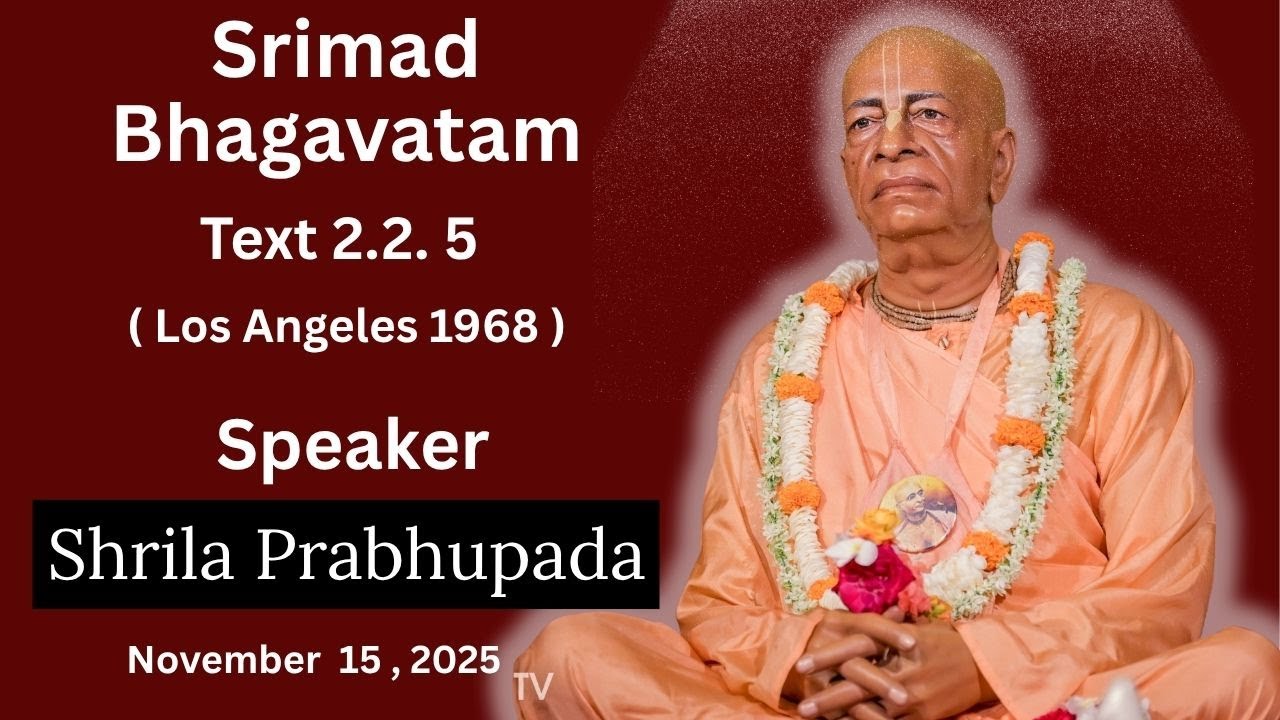
Srimad Bhagavatam 2.2.5 uses striking imagerytorn cloth, generous trees, life-giving rivers, and mountain cavesto argue that nature itself sustains a simple, dharmic life. The verse culminates in the assurance of divine protection, aligning security with inner renunciation and devotion rather than accumulation. Its values resonate across Hinduism, Buddhism, Jainism, and Sikhism through shared ideals like…
-
Decoding Dakshinakali: The Powerful Tantric Meaning of Jackals in Cremation-Ground Iconography

Tantric depictions of Dakshinakali with jackals in the cremation ground form a precise symbolic language that teaches fearlessness, compassion, and inner integration. The jackals signify liminality, time’s change, and the recycling of what is discardednothing lies outside the Goddess’s compassionate gaze. This iconography affirms ecological and ethical interdependence by revering even life’s overlooked processes. Parallels…
-
Gopi Gita in the Bhagavata Purana: A Soul-Stirring Hymn of Devotion and Divine Longing

The Gopi Gita (Gopika Gita) in the Bhagavata Purana (Canto 10, Chapter 31) is a luminous hymn that expresses the gopis’ devotional longing for Lord Krishna. Emerging after the rasa-lila, it transforms the pain of separation into a refined path of bhakti. Its lyrical beauty, ethical depth, and contemplative tone make it accessible for modern…
-
November 20, 2025 Panchang: Amavasya to Shukla Pratipada Tithi Timings and Insights
On Thursday, November 20, 2025, the Hindu Panchang notes Amavasya tithi until 11:00 AM, followed by Shukla Paksha Pratipada through 1:09 PM on November 21. These timings, observed in most regions, help plan prayers, charity, and contemplative practices during the no-moon day. The shift to the waxing phase supports fresh beginnings and structured sadhana aligned…
-
How Personal Letters Shaped Krishna Consciousness: Srila Prabhupada’s Lesson on Compassionate Outreach

A disciplined, personal approach to letters transformed early outreach in Krishna Consciousness, inviting seekers to read Srila Prabhupada’s books, chant Hare Krishna, and continue the dialogue. A later reflection in the Bhaktivedanta Book Trust offices affirmed the principle of steady, respectful follow-up. Reframed within Gaudiya Vaishnavism, this practice prioritizes relationship-centered spiritual growth over persuasion. The…
-
दसमहाविद्या साधना: Protection, Wisdom, ProsperityA Practical, Ethical Guide

This post presents a clear, ethically grounded overview of दसमहाविद्या (Dasamahavidya) as living principles that cultivate protection, wisdom, and resilience. It preserves the original non-English descriptors for selected Mahavidyas and provides concise, practice-oriented context for each. Readers learn how Kali supports fearlessness and protection, Tara fosters learning and resourcefulness, Tripura Sundari harmonizes mental and subtle…
-
Advaitacharya and the Bhakti Renaissance: Devotion’s Unifying Power Across Traditions
This post presents Advaitacharya as a central force in the Bhakti Movement, showing how devotion revitalized Hindu spirituality between the 11th and 16th centuries. It explains his role in Gaudiya Vaishnavism and his relationship with Chaitanya Mahaprabhu and Nityananda. Readers gain a clear, academic overview balanced with relatable insights into daily practicekirtan, study, and service.…
-
Journey to Goloka Vrindavan: Transformative Bhakti, Silent Ecstasy, and Dharmic Unity
This reflection explores Gopa Kumara’s journey in Goloka Vrindavan, where devotion matures into serene fulfillment. It explains how the brajvasis’ speechless ecstasy exemplifies the depth of bhakti and the transformative power of remembrance. Readers gain clear, actionable insights: refine longing, seek community with realized devotees, and accept gentle guidance on the path. The narrative highlights…