
-
Sacred Banners in Stone: Decoding the Pataka (Dhvaja) in Hindu Sculptures and Temples
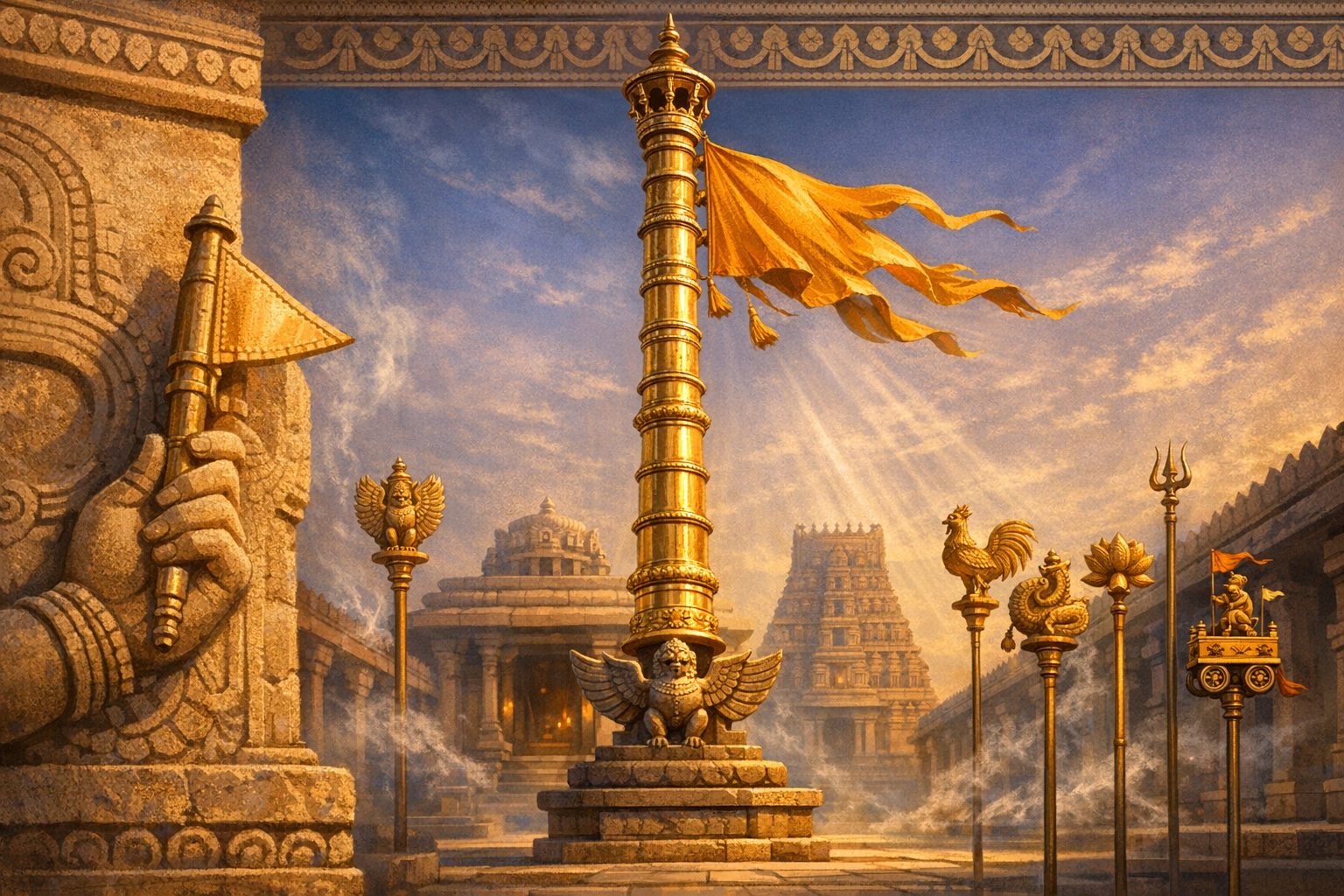
The pataka (dhvaja), or sacred banner, in Hindu sculptures and temples is an emblem of presence, sovereignty, auspicious commencement, and communal identity rather than a weapon. Rooted in Agamas and Śilpaśāstras, it belongs to the category of insignia (chihna) and is rendered in sculpture as hand-held pennons, attendant standards, and the architectural dhvaja-stambha. Emblems such…
-
Medha Dakshinamurti Iconography: A Definitive Guide to Shiva’s Sovereign of Intellect
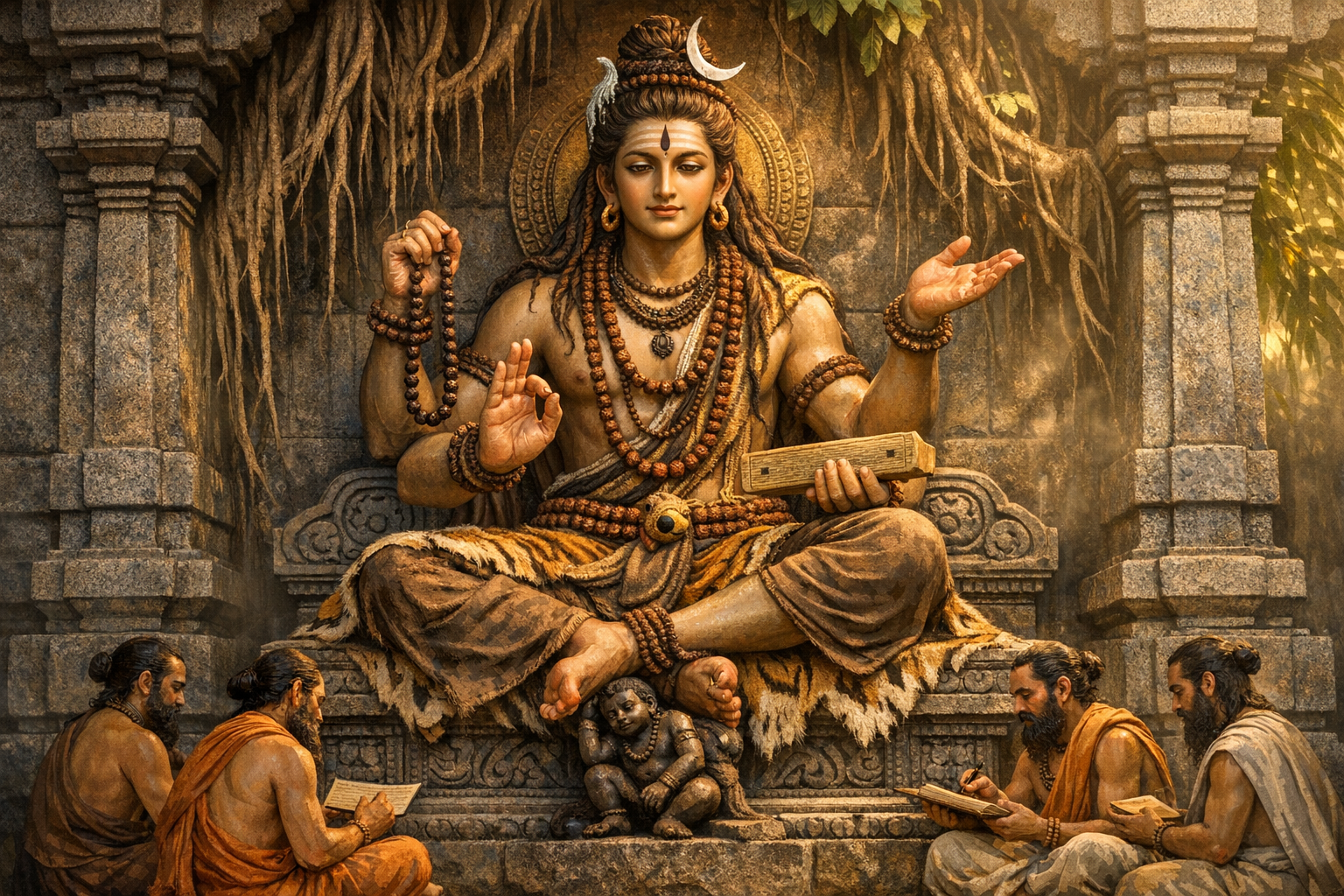
Medha DakshinamurtiShiva as the sovereign of intellectembodies the silent pedagogy of wisdom encoded in South Indian temple art. This comprehensive guide deciphers the icon’s attributes (jñana/chin mudra, akshamala, pustaka), posture beneath the banyan, and the symbolism of Apasmara subdued underfoot. Readers learn how to identify Medha Dakshinamurti in the south koshta, understand shilpa-shastra proportional canons,…
-
Unmatta Bhairava Iconography: Fierce Guardian of Shiva and Ecstatic Freedom
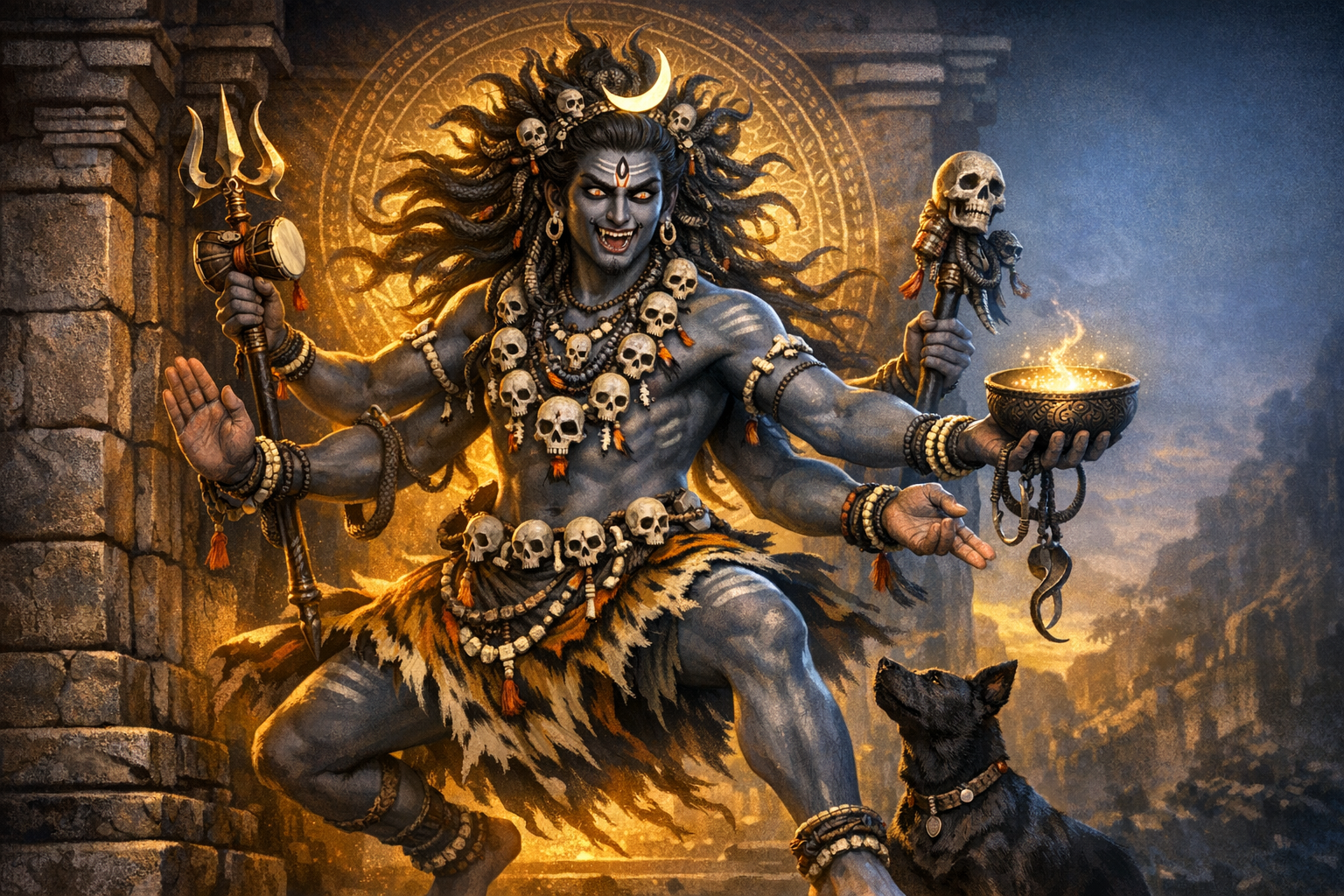
Unmatta Bhairava stands out among the Sixty-Four Bhairavas as an ecstatic guardian whose iconography transforms fear into freedom. This article explains how to identify his murti by face, hair, ornaments, attributes, posture, and dog-vahana, and shows how temple placement and ritual reinforce that identity. Drawing from Purāṇic and Tantric frameworks alongside regional art histories, it…
-
Unveiling Dola Kundala: The Pendulous Earring’s Power, Symbolism, and Living Legacy in Hindu Art
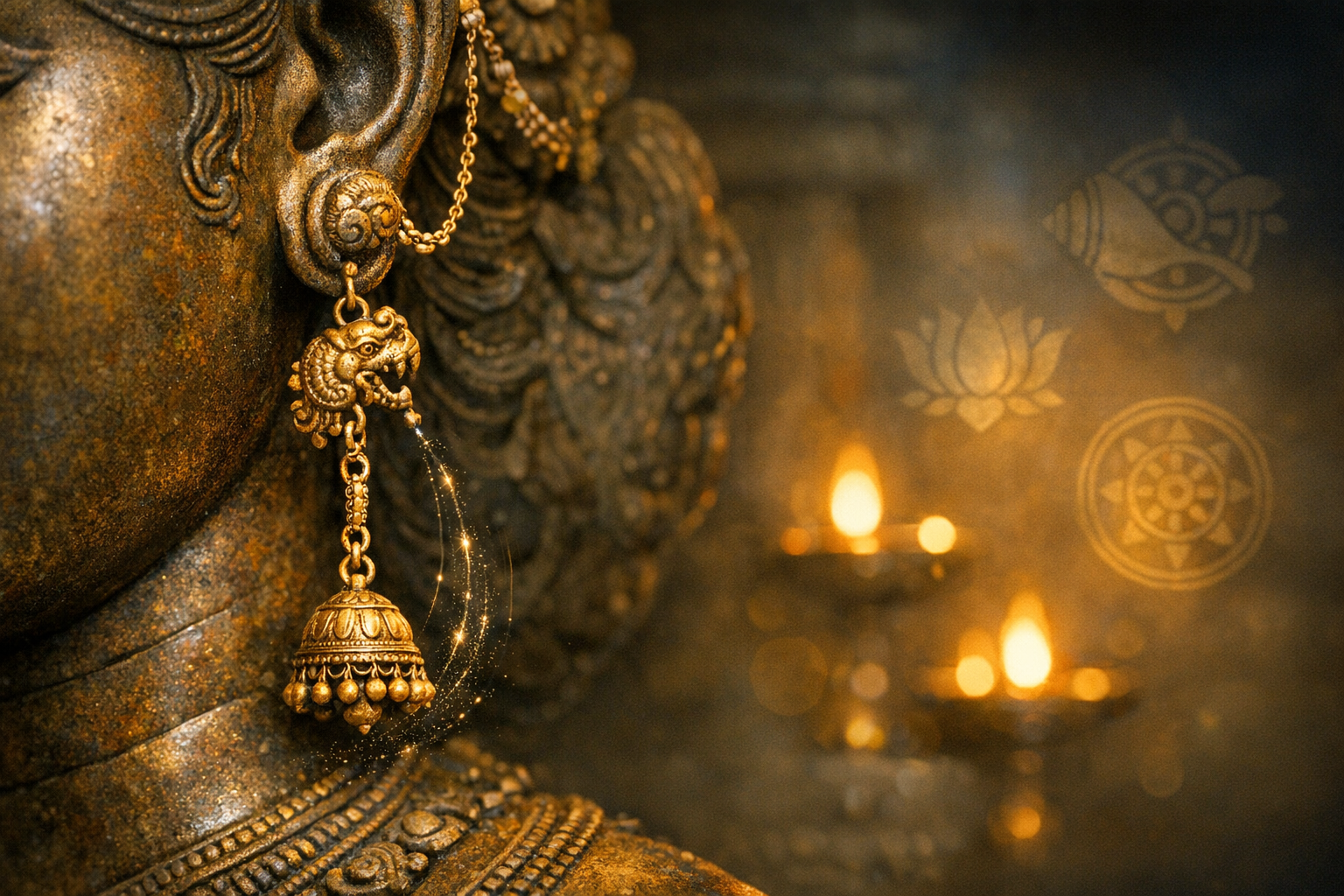
This in-depth exploration reveals how the dola kundalathe pendulous earring in Hindu sacred arttransforms ornament into theology-in-motion. It defines the term’s Sanskrit roots, surveys guidance from shilpa shastras, and shows how Shaiva, Vaishnava, and Shakta images employ swinging earrings to animate the divine face. Cross-dharmic touchpoints with Buddhist bodhisattvas and Jain yaksha–yakshi imagery highlight a…
-
Samhara Dakshinamurti Unveiled: Tantric Iconography, Fierce Symbolism, and Sacred Meaning
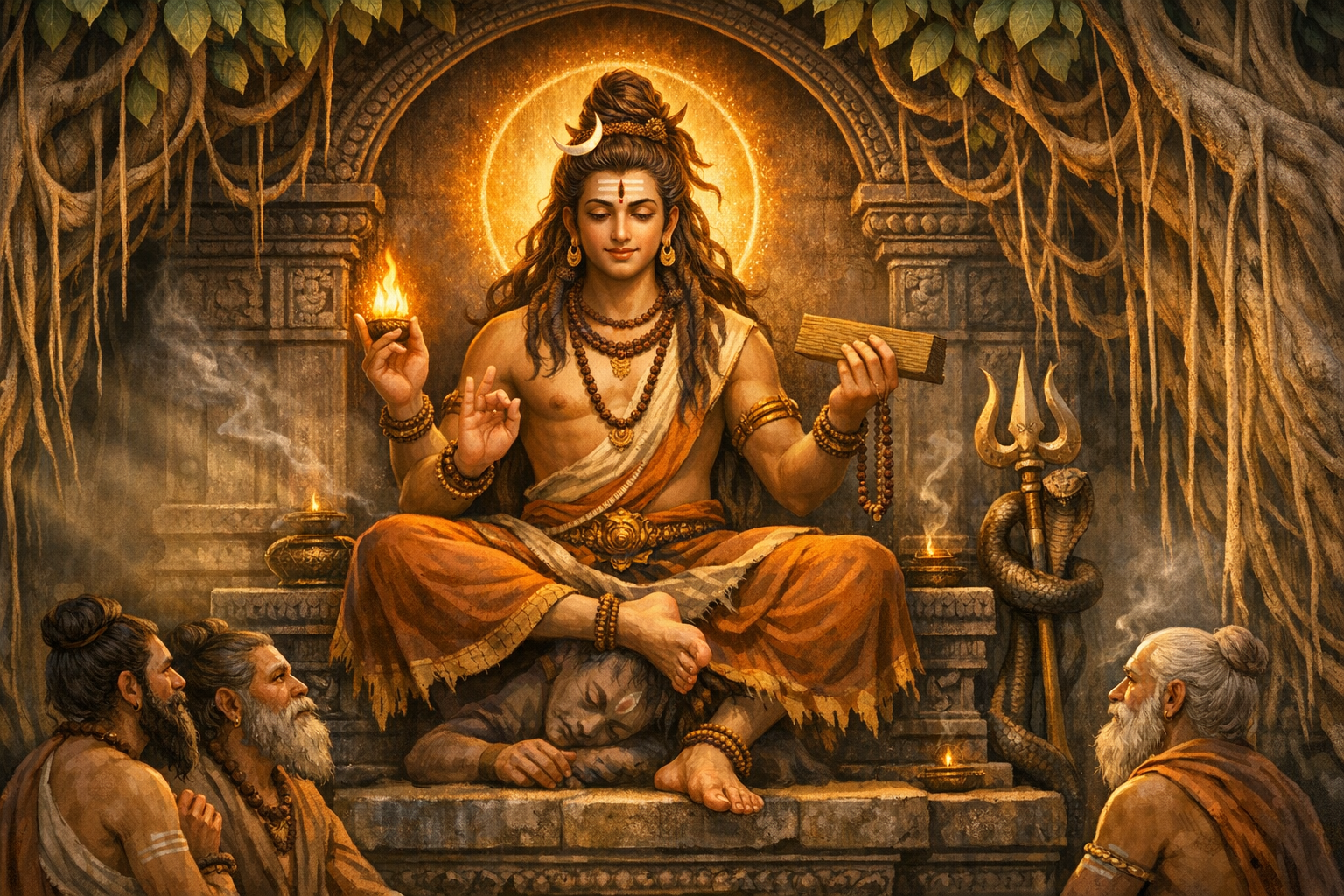
Samhara Dakshinamurti distills Shiva’s role as the silent guru who dissolvesnot destroyswhat obscures knowledge. This long-form, research-driven essay maps the iconography (banyan canopy, Apasmara, mudras, agni) and shows how the Samhara nuance shifts emphasis toward the transformative fire of discernment. It explains how attributes like fire, rosary, and scripture operate as practical metaphors in tantric…
-
Pasha in Hindu Iconography: The Sacred Noose of Compassion, Control, and Liberation
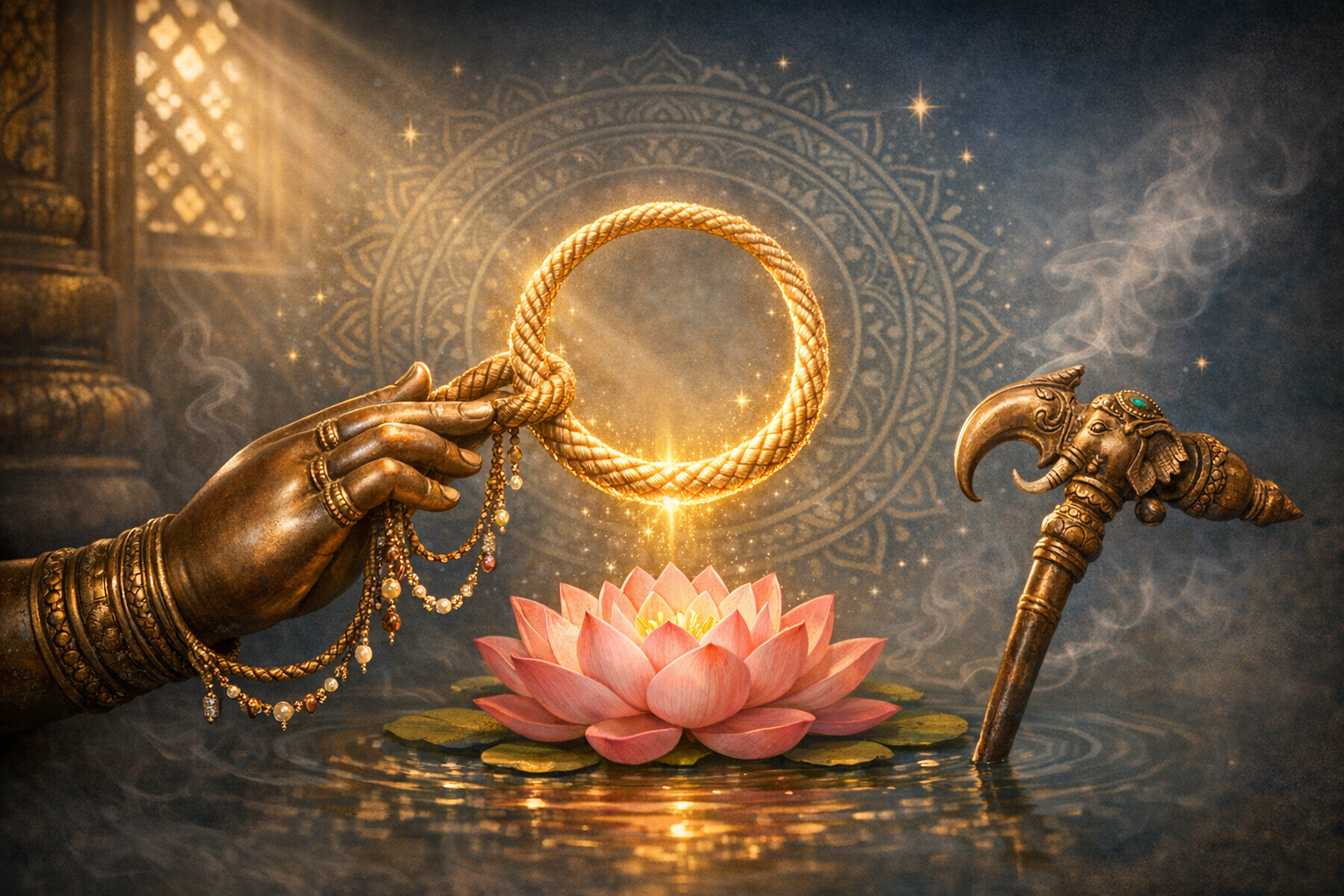
The sacred noose (pasha) is among the most philosophically charged ayudhas in Hindu iconography, signifying compassionate restraint and ethical governance rather than brute force. Vedic evocations of Varuna’s pasha, Shaiva-Siddhānta’s Pati–Pāśu–Pāśa triad, and Śrīvidyā’s Lalitā Tripurasundarī together establish the noose as a symbol of both bondage and salvific attraction. Sculpturally, it appears as a coiled…
-
Jalandhara Samhara: The Rare Shiva with Chatra FormIconography, Symbolism, and Temple Lore
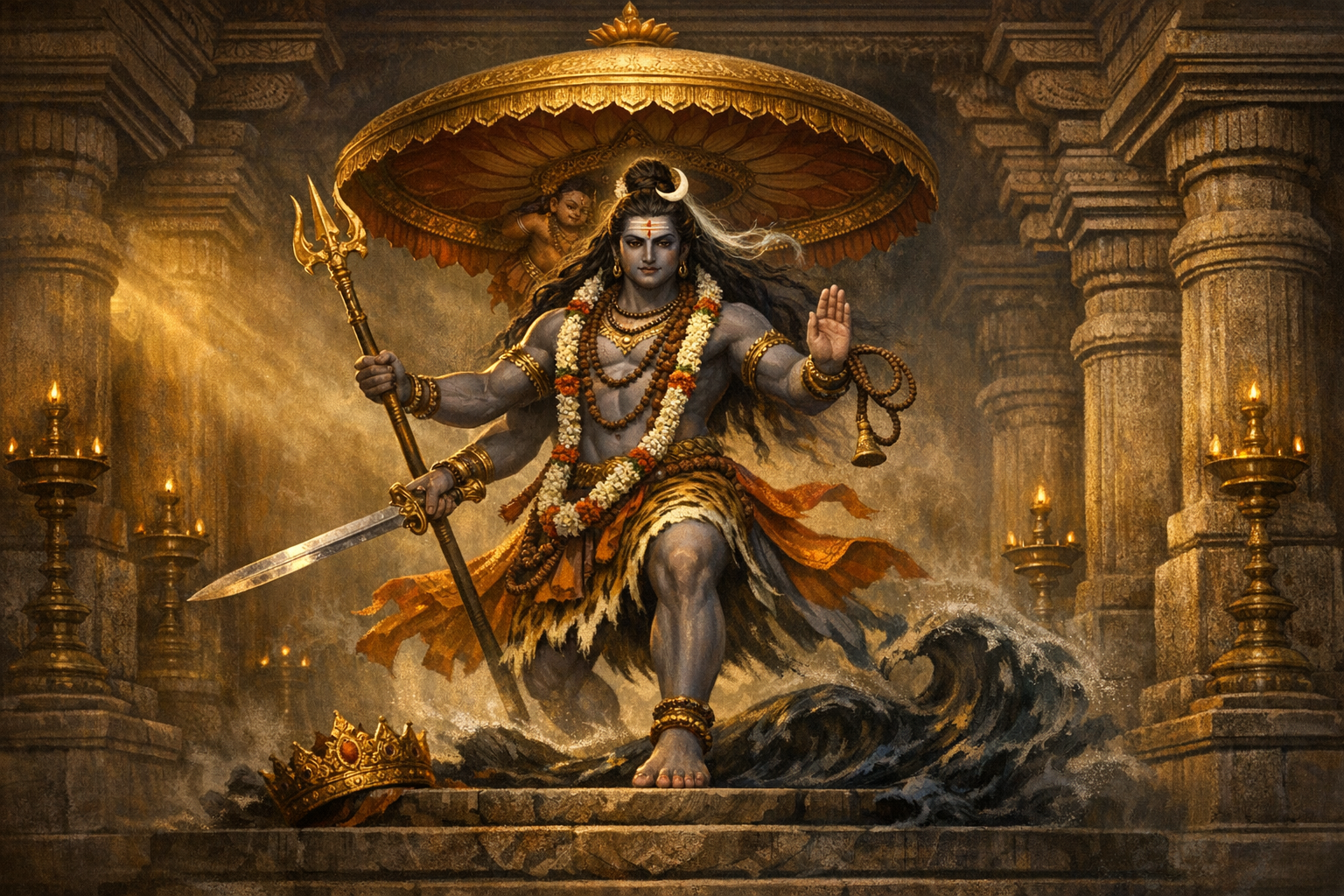
This long-form study examines Jalandhara Samhara, the rare Shiva form sometimes depicted with a chatra (parasol), situating it within Puranic narrative, Agamic prescriptions, and South Indian temple practice. It clarifies how the icon differs from Nataraja, Lingodbhava, and Dakshinamurti by foregrounding righteous protection and ethical sovereignty. The chatra’s symbolism is analyzed as both royal regalia…
-
Krodha Bhairava Unveiled: Iconography of the Fourth Circle of the Sixty-Four Bhairavas
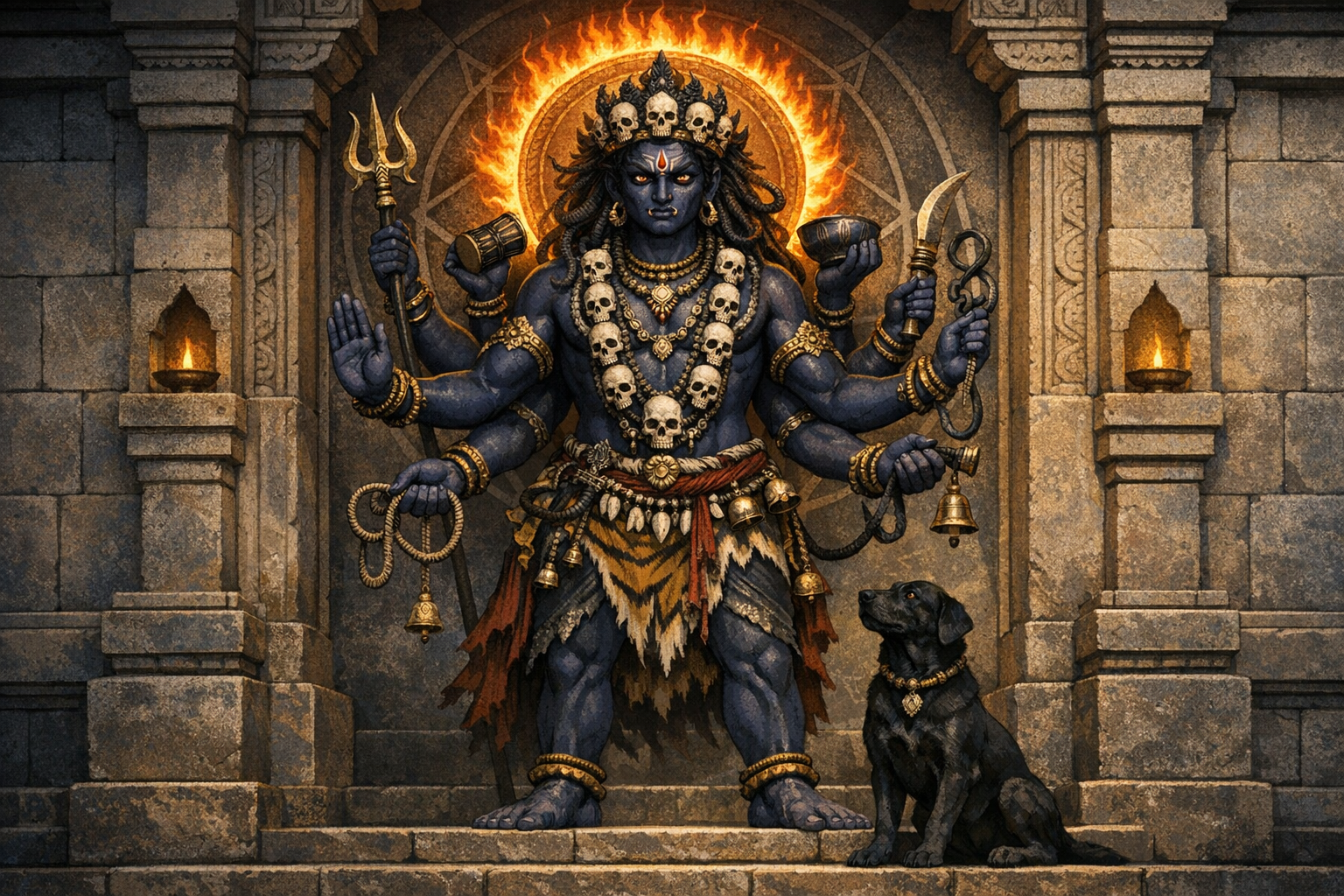
Krodha Bhairava, a fierce and protective manifestation of Shiva, presides over the fourth circle of the Sixty-Four Bhairavas, uniting wrathful compassion with precise Hindu sculptural grammar. Drawing on Agamas, Shilpa Shastras, and Puranic echoes, this in-depth overview explains his stance, weapons, ornaments, vāhana, and cremation-ground motifs. Readers learn how to visually “read” the iconstarting from…
-
Decoding Akarna Mudra in Hindu Sculptures: Archer’s Focus, Sacred Readiness, and Power
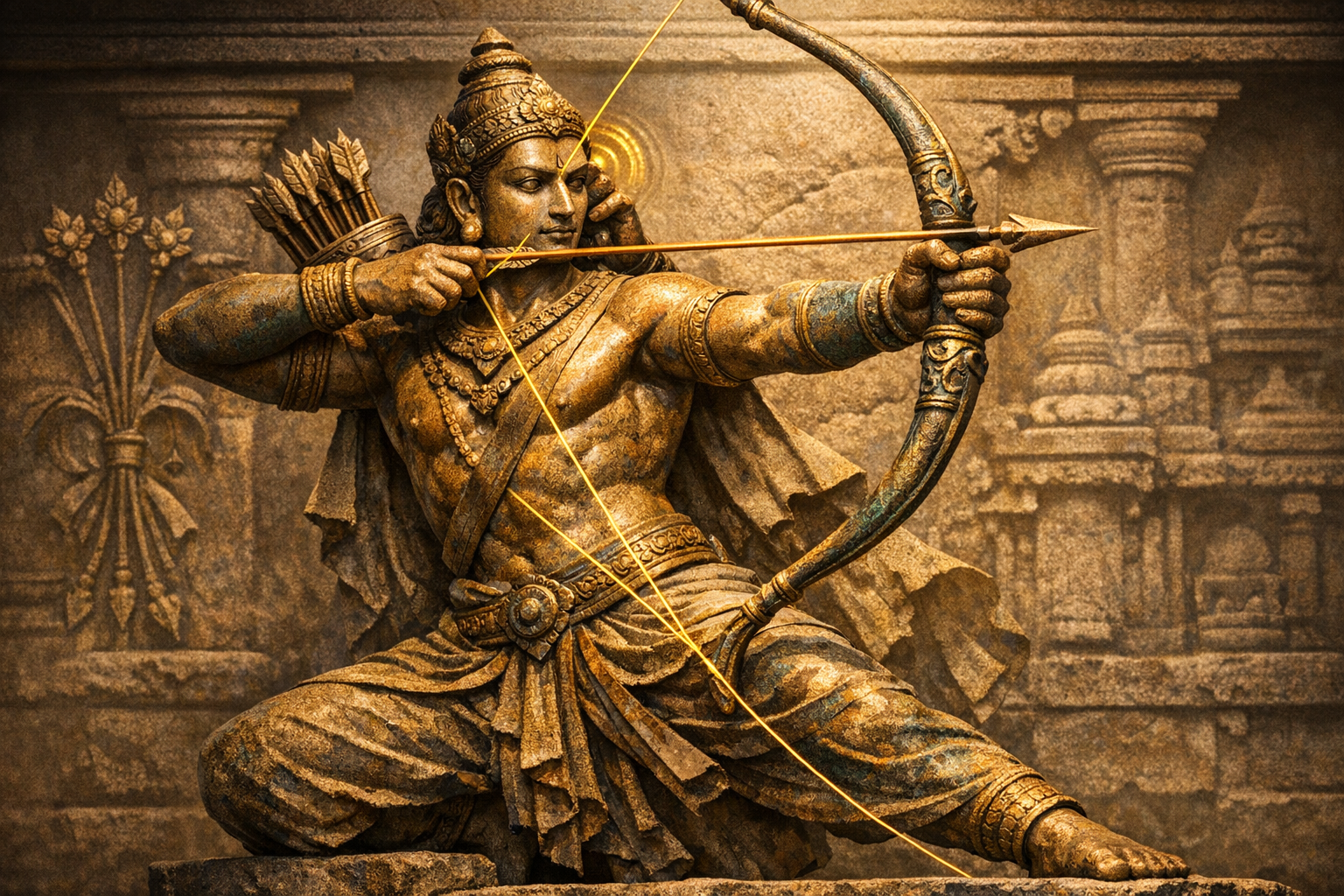
Akarṇa Mudrāliterally “toward the ear”captures the archer’s draw in Hindu iconography as a precise fusion of readiness, ethical restraint, and focused intent. Sculptors encode this moment through a consistent grammar of stance, hand configuration, and gaze, translating Dhanurveda mechanics and Nāṭya Śāstra principles into stone and bronze. Deity-specific bows like Pināka, Śārṅga, and Kodaṇḍa anchor…
-
Shiva as the Tiger‑Slayer: Sardula Samhara Murti, Darukavana Myth and the Fall of Ritual Ego
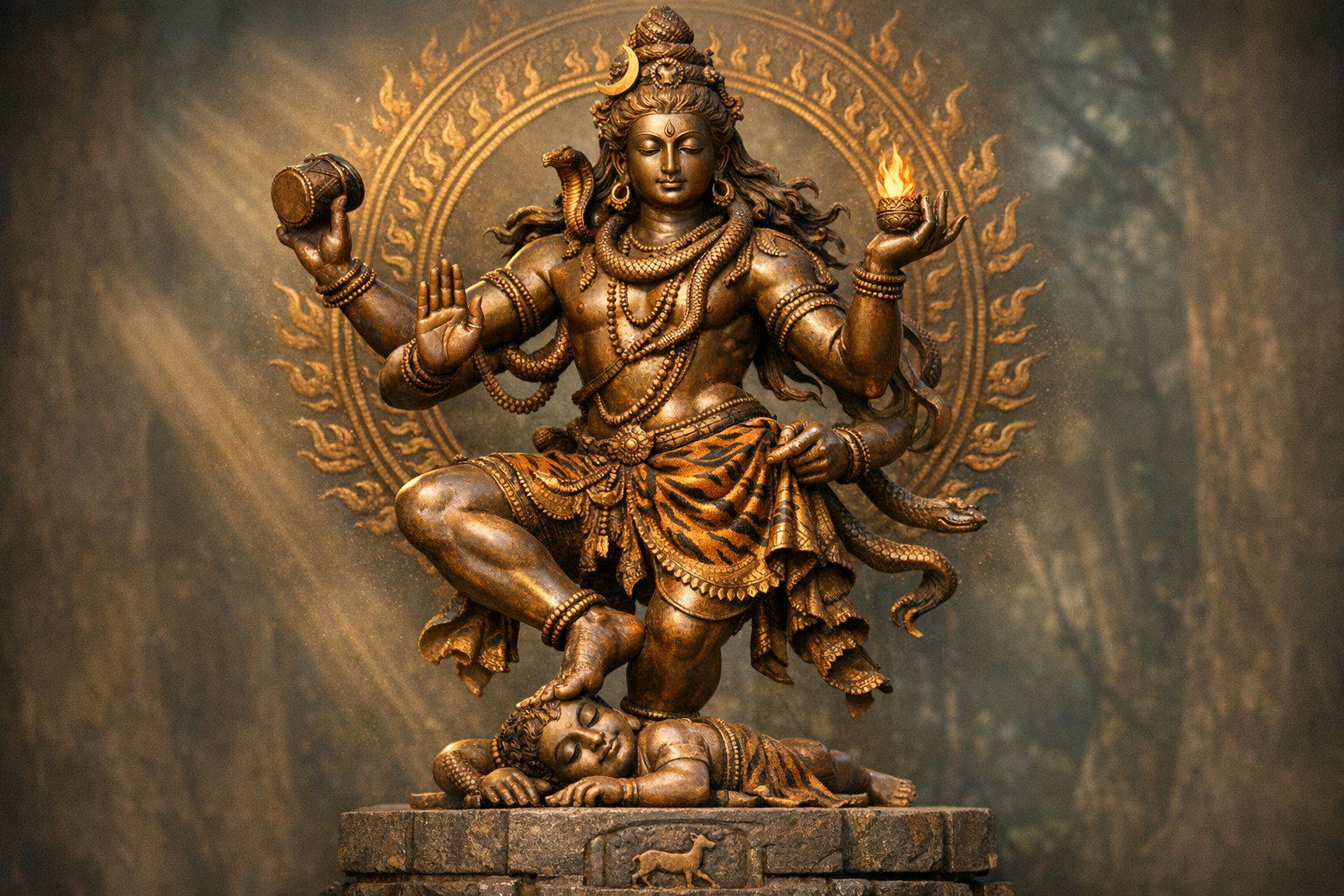
Sardula Samhara Murti portrays Shiva as the Tiger‑Slayer of Darukavana, an image that dissolves ego and ritual pride rather than celebrating brute force. The narrative anchors a subtle theology: saṁhāra is the removal of inner obstructions, not annihilation of life. By reading the icon’s visual grammartiger skin, serpents, ḍamaru, and agnireaders gain a practical key…
-
Decoding the Ten Siddhi Devis: Guardians of Mahameru’s Sri Chakra First Avarana
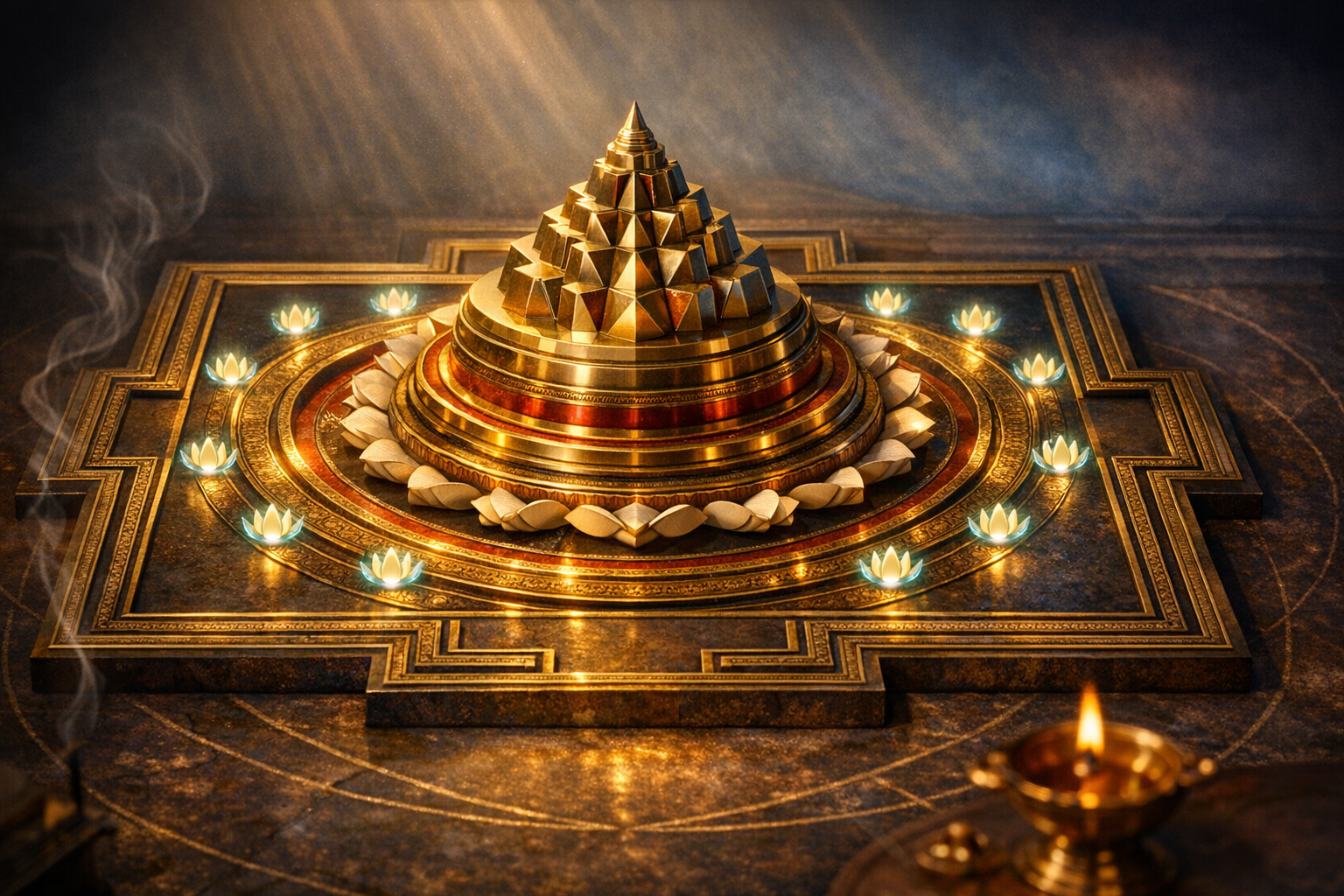
The Mahameru Sri Chakra’s first avaranaTrailokya-mohana, the bhupurahouses the Ten Siddhi Devis who guard the sacred threshold from Anima to Sarvakama. This long-form, research-driven essay decodes their technical meanings, ritual functions in Sri Vidya navavarana puja, and practical correlates in attention, ethics, and resilience. It clarifies variant lineage lists while preserving accuracy, situating siddhi within…
-
Unveiling Goddess Kaveri in Hindu Sculpture: Iconography, Ritual Power, and Sacred Geography
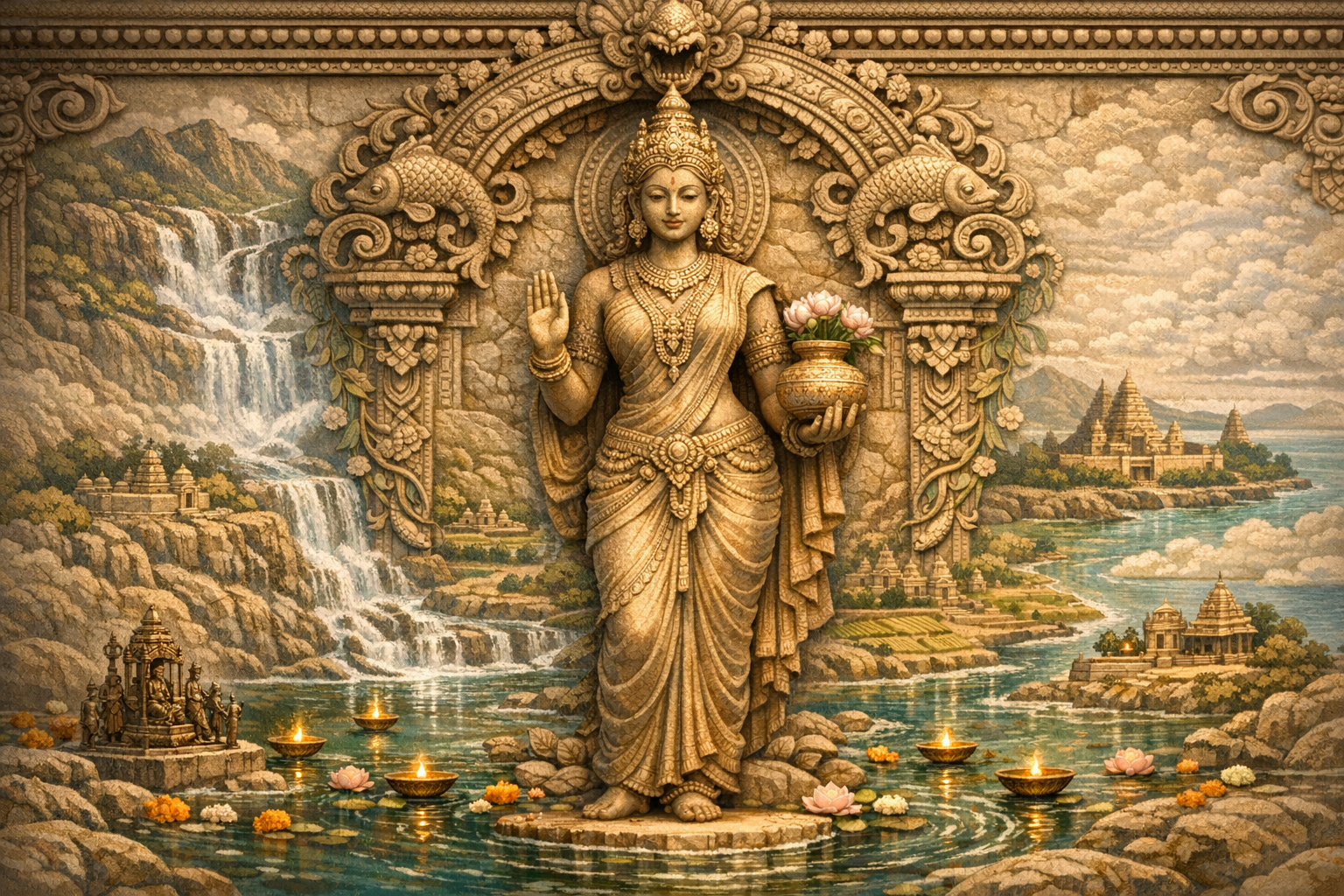
Goddess Kaveri, revered as a living river and divine mother, is rendered in Hindu sculpture through a precise visual grammar that blends Shilpa Shastra canons with the lived rhythms of sacred geography. This essay explains how to recognize her iconography, from kumbha and lotus attributes to makara-toranas and gentle mudras, and shows where she commonly…
-
Lakshmi Ganapati in the 32 Forms: Tantric Iconography, Sacred Symbolism, and Meaning
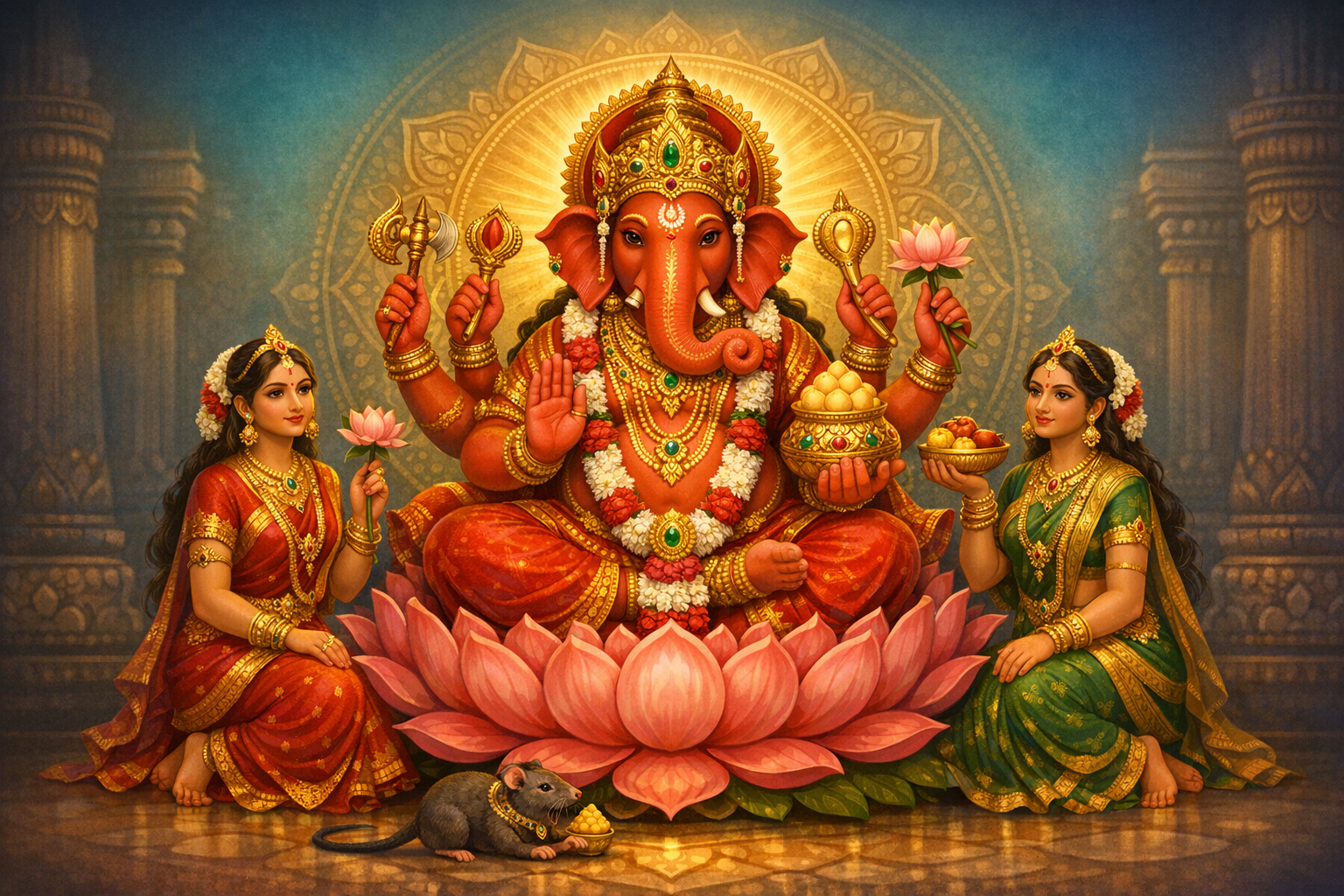
Lakshmi Ganapatione of Ganesha’s thirty-two formsembodies the sacred union of wisdom and prosperity within a Tantric and puranic framework. This in-depth guide clarifies that the name denotes Ganesha infused with Lakshmi-tattva, often attended by Siddhi and Riddhi, rather than a substitution with Goddess Lakshmi. Readers will learn how each attributepasha, ankusha, ratna-kumbha, modaka, and lotusmaps…
-
Asitanga Bhairava Unveiled: Iconography, Mantras, and the Sacred Power of the Golden Lord
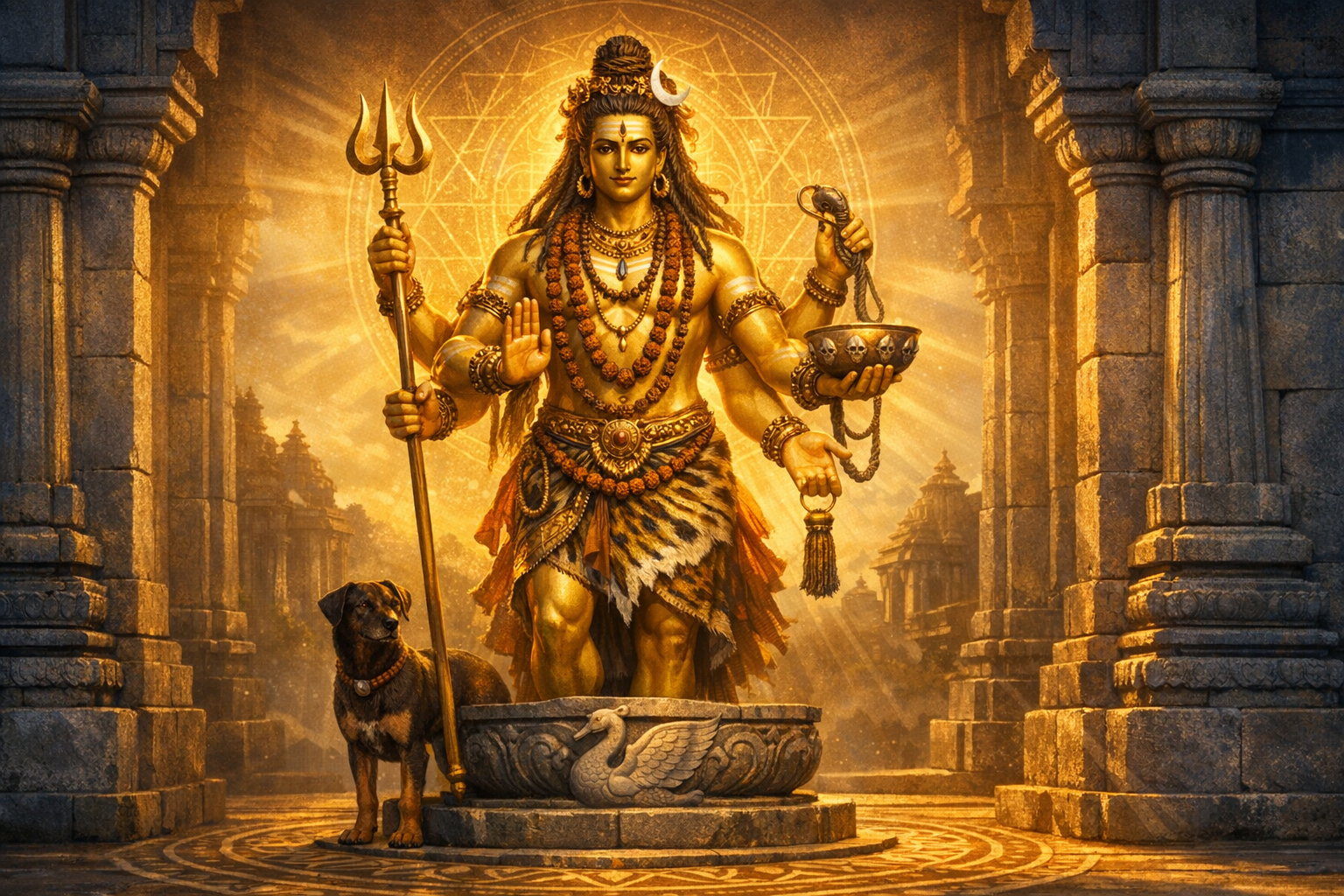
Asitanga Bhairava, the Golden Lord of the First Octet, embodies a luminous, eastward guardianship that unites protection with awakening. This long-form exploration decodes his iconographygolden hue, trident, drum, skull-bowl, and threshold placementso readers can recognize and interpret the form in temples and texts. It clarifies how attributes map to disciplined practice, turning weapons into inner…
-
Padma in Hindu Sculptures: The Lotus as Cosmic Throne, Purity Symbol, and Living Geometry
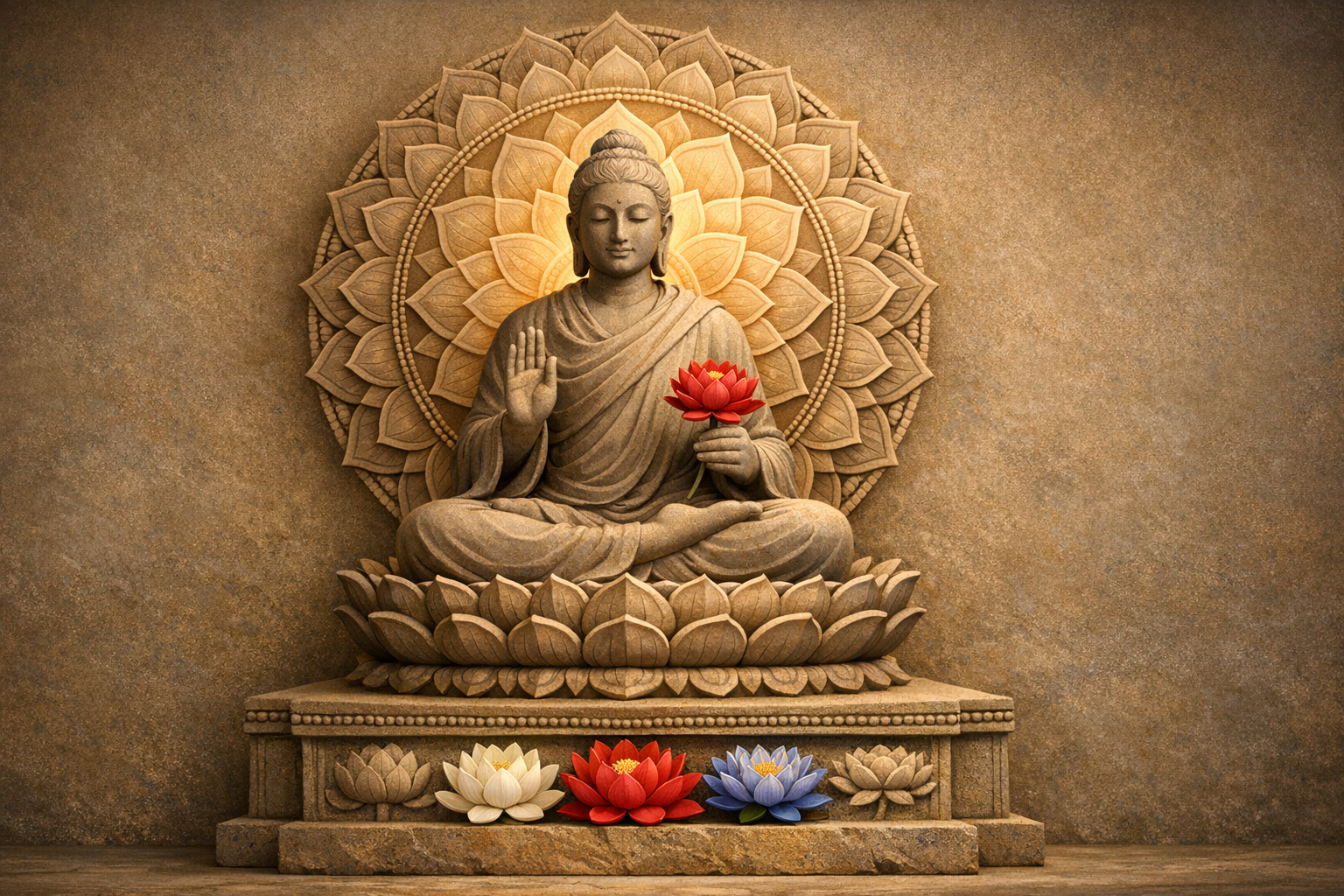
This in-depth guide decodes how the lotus (padma) functions in Hindu sculptures as attribute, throne, halo, and yogic sign, translating sacred meaning into readable form. Readers learn to distinguish bud, half-bloom, and full bloom, recognize color symbolism, and spot double-lotus pedestals with confidence in temples and museums. Clear references to Shilpa Shastra canons show how…
-
Decoding Dhammilla: The Timeless Sacred Hair-Knot of Goddesses in Hindu Sculptures
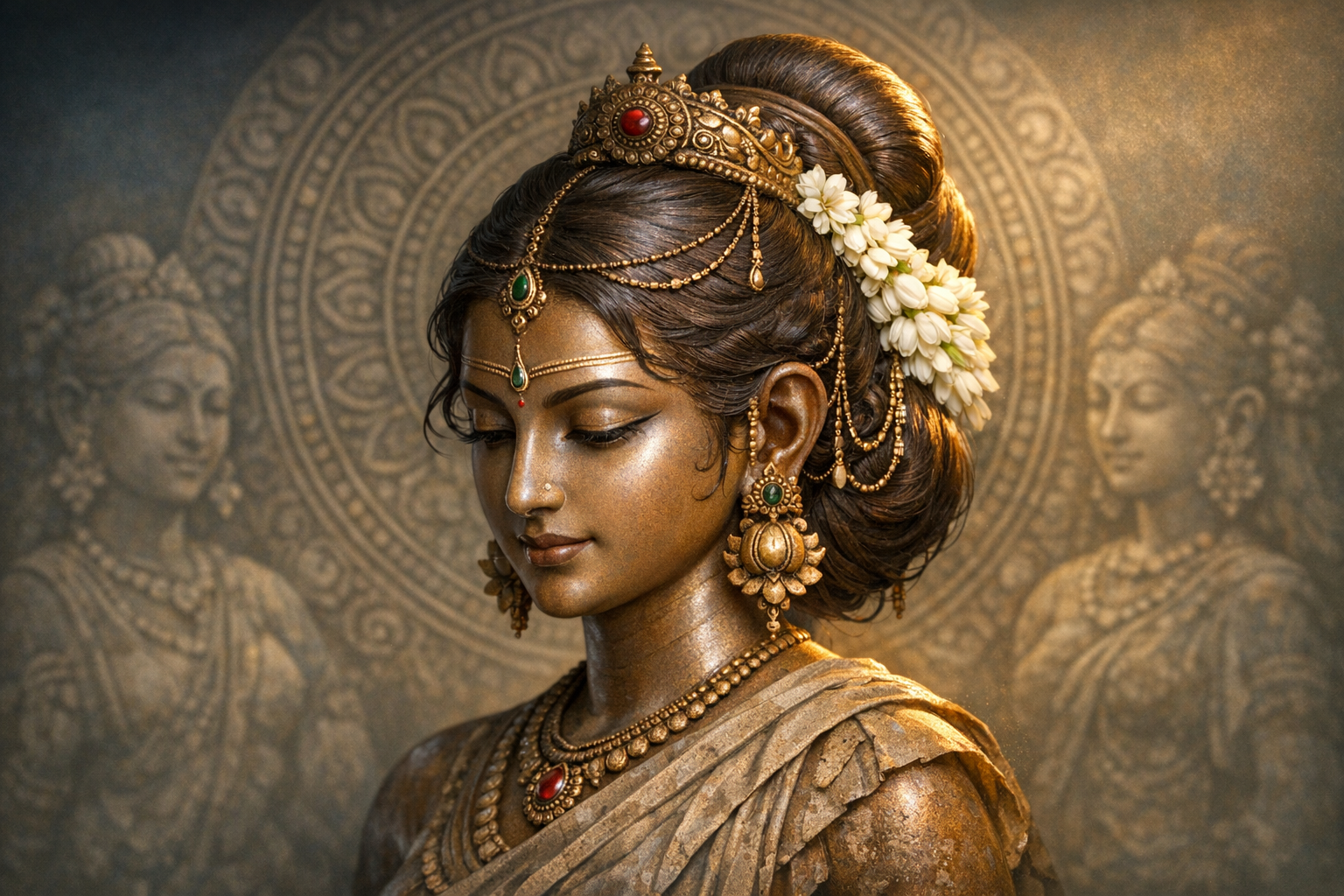
Hair in Hindu sculptures is a precise visual language, and the dhammillathe compact, coiled bunconcisely signals the serene, auspicious presence of the Divine Feminine. This long-form exploration defines dhammilla, traces its regional and historical variants from Mathura to Chola and Hoysala ateliers, and explains how Shilpa Shastra and Agama traditions codify coiffure as theology in…
-
The Parashu in Hindu Iconography: A Definitive Guide to Form, Theology, and Dharmic Unity
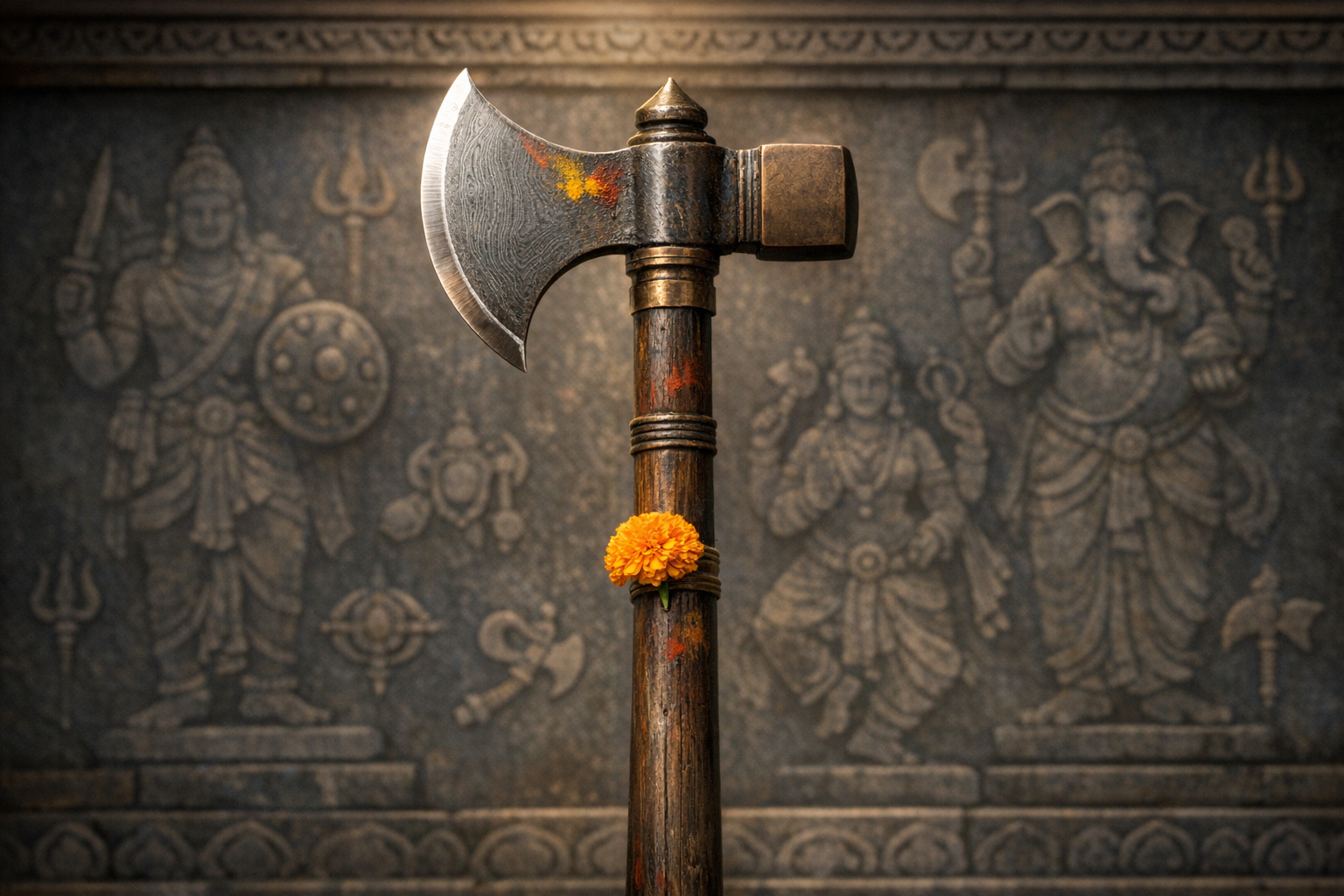
The parashu (paraśu), or sacred battle axe, condenses Hindu theology of force, restraint, and renewal into a single powerful ayudha. This long-form guide explains how to recognize the parashu in Hindu Sculptures, details its associations with Shiva, Ganesha, Durga, and Parashurama, and situates it within the ethics of Kshatra and dharma-yuddha. It connects scriptural narratives…
-
Timeless Welcoming Grace: Ahuya–Varada Mudra in Hindu Iconography and Sculpture
Ahuya–Varada Mudra crystallizes a powerful promise in Hindu iconography: an invitation to approach, followed by the boon of grace. The analysis clarifies etymology and formAhuya as a welcoming inclination, Varada as the classic downward, open palmwhile distinguishing them from Abhaya. Drawing on Shilpa Śāstra canons, regional styles (Chola, Odishan, Pāla–Sena, Hoysala), and ritual practice, it…
-
Alidhasana Unveiled: The Warrior Stance Powering Hindu Iconography and Yoga
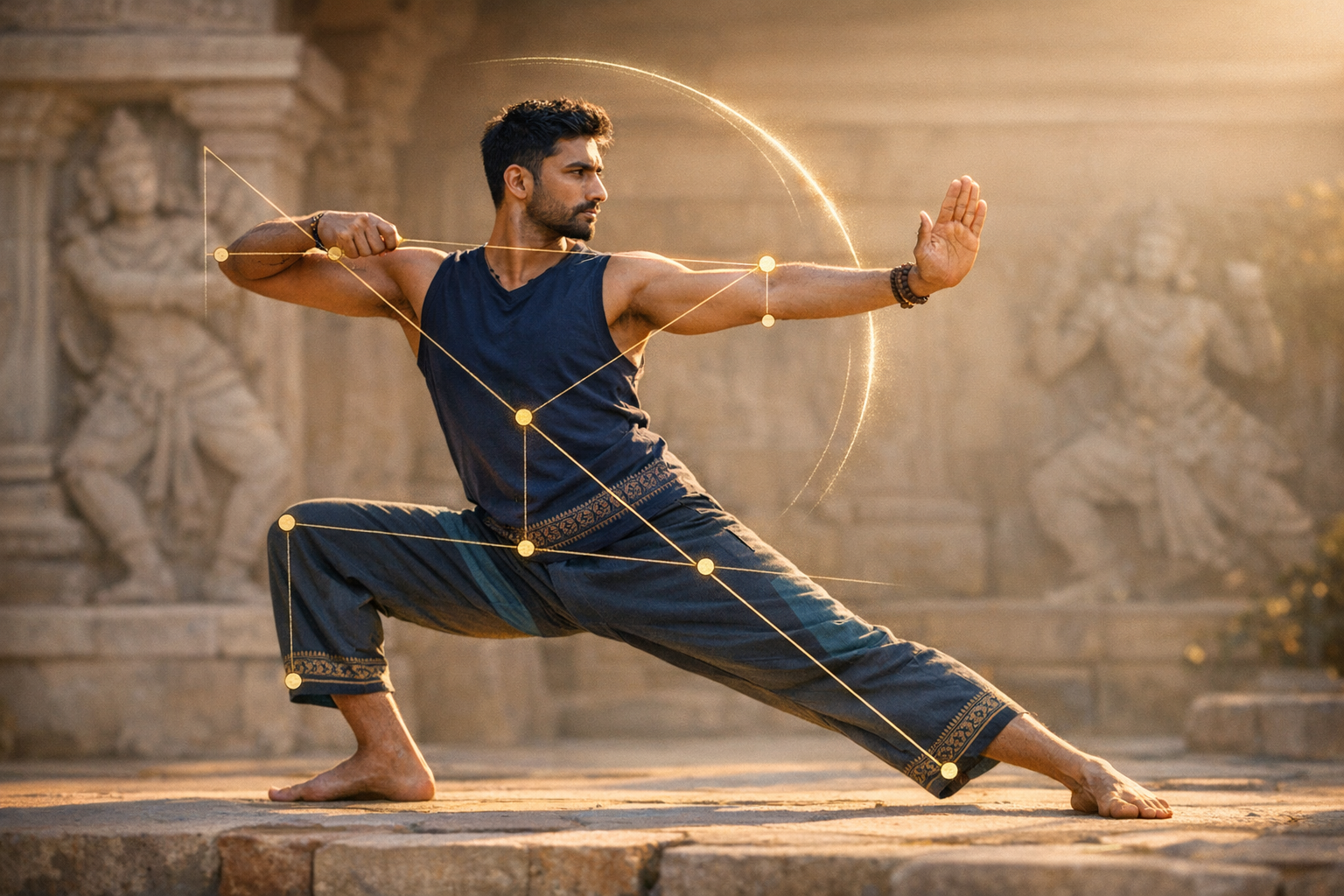
Alidhasana (Alīḍha/Ālīḍha) is the subcontinent’s signature warrior stance, a diagonal lunge that encodes heroic intent in Hindu iconography, dance, and yoga. Grounded in the Nāṭyaśāstra and Śilpa-śāstra, it appears in temple sculpture for Durgā, Bhairava, and Vīrabhadra to signal protective, dharmic power. The same geometry informs Bharatanatyam karaṇas, kalaripayattu lunges, and modern haṭha alignments akin…
-
Under the Naga’s Canopy: The Powerful, Timeless Meaning of Serpent Hoods in Hindu Icons

Hooded serpents above Hindu deities are not mere ornaments but condensed philosophies. The motif announces protection and sovereignty, like a living royal canopy (chatra), while symbolizing time’s cycles and awakened energy. In Vaiṣṇava art, Ananta-Śeṣa frames Vishnu as the still center of an infinite cosmos; in Śaiva icons, Vāsuki’s presence proclaims mastery over fear, poison,…