
-
Embracing Samsara: The Unavoidable Cycle of Life and Transformation in Hindu Thought
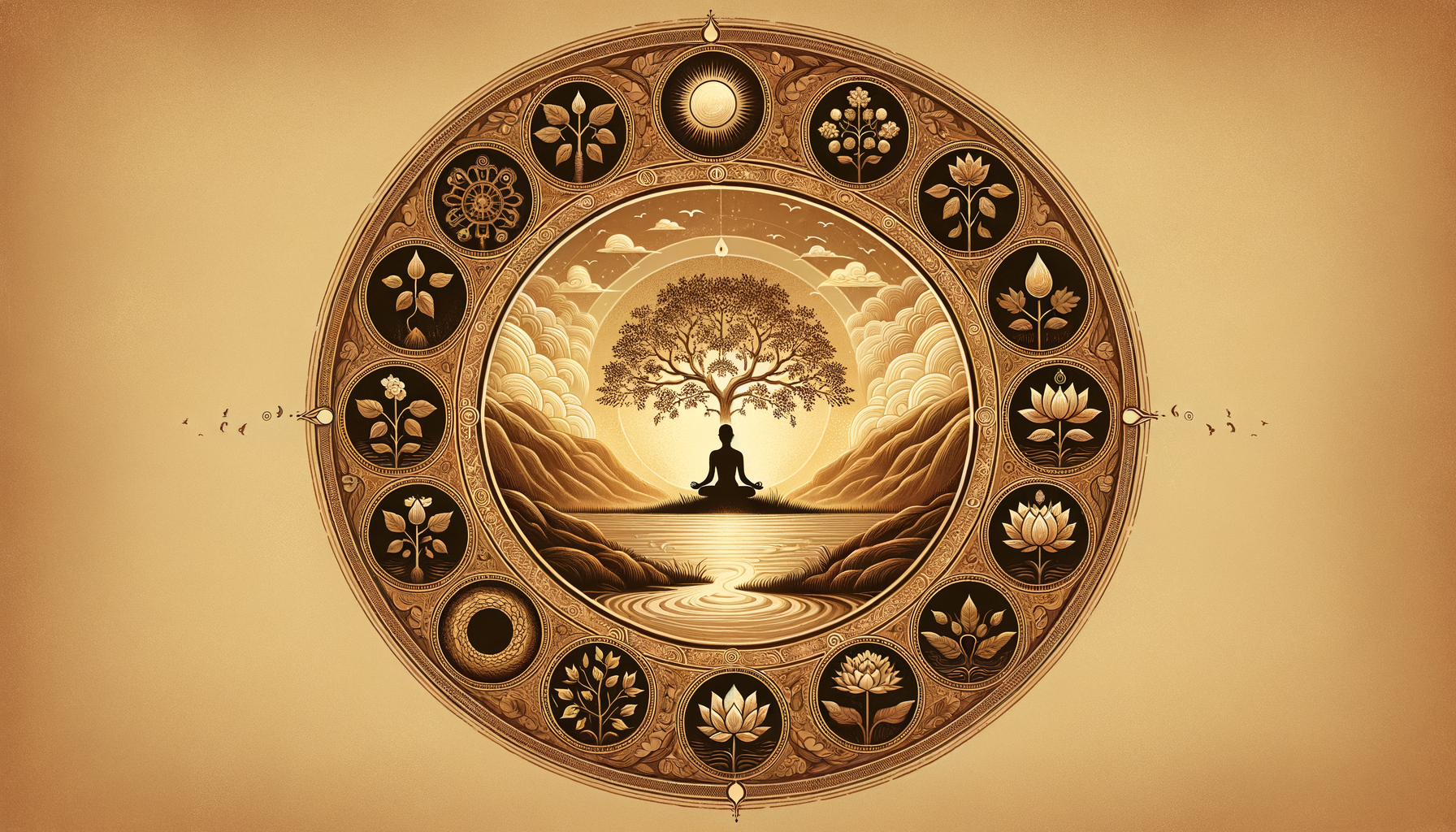
The insight that life moves through birth, growth, flowering, fruiting, decay, and transformation reflects Hinduism’s vision of Samsara as a meaningful cycle shaped by karma and oriented by dharma toward moksha. This piece explains how the metaphor of nature clarifies impermanence while cultivating equanimity and ethical responsibility. It highlights scriptural coherence found in the Upanishads…
-
Beyond the Brain: Transformative Dharmic Wisdom on Mind, Universal Consciousness, and Well-Being
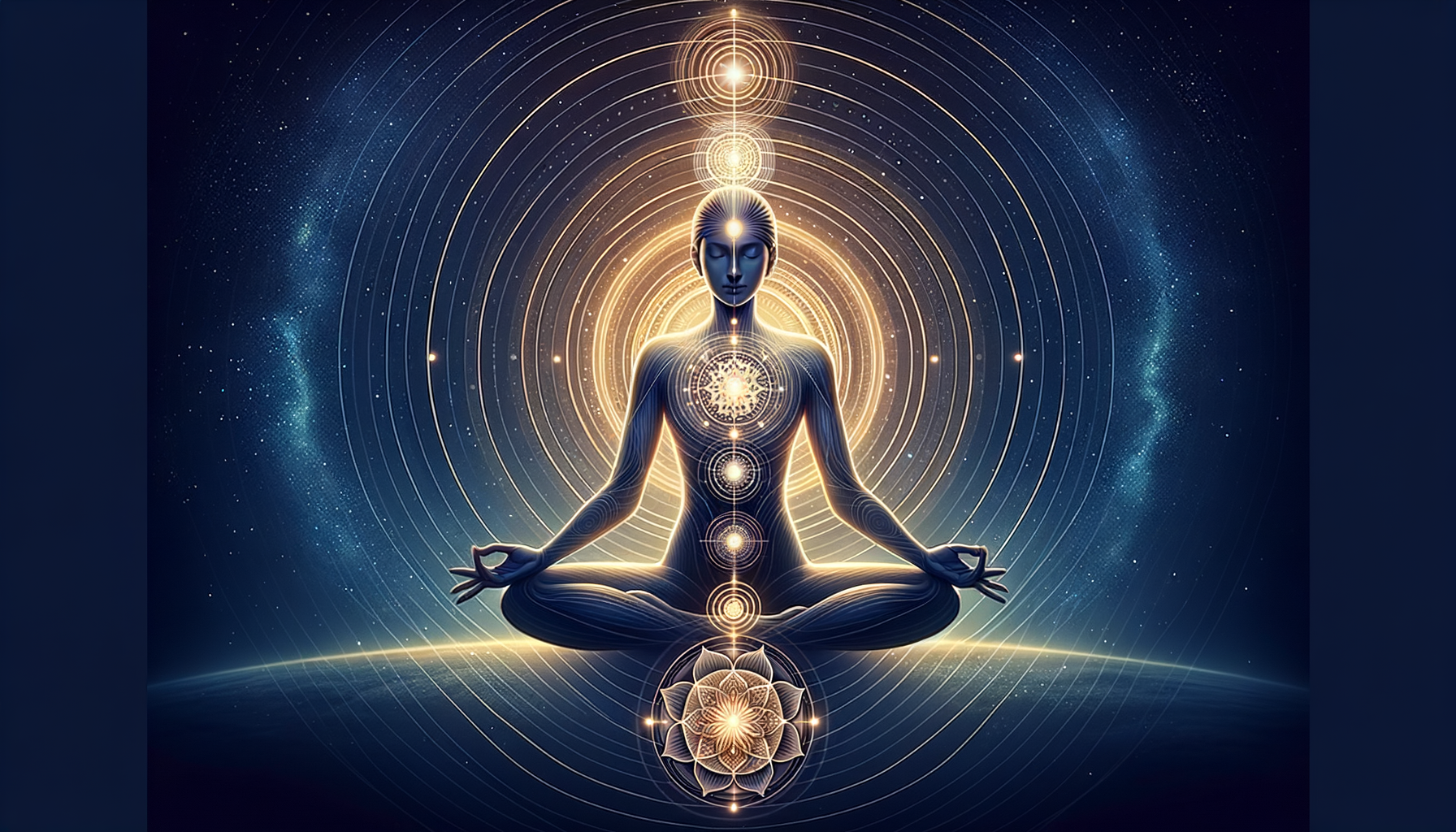
Where is the mind? This essay bridges Hindu philosophy and contemporary science to show why the mind cannot be reduced to the brain alone. Drawing on Advaita Vedanta, Sāṅkhya-Yoga, and the Pañca Kośa model, it explains mind as a subtle instrument illuminated by universal consciousness. It highlights shared dharmic insights from Buddhism, Jainism, and Sikhism…
-
Dharma as Cosmic Law: A Timeless Path of Harmony, Responsibility, and Dharmic Unity

Dharma is presented as the cosmic law that sustains life and nurtures harmony across individuals, societies, and species. It is dynamic rather than rigid, aligning personal duty with universal values and linking ethical action to spiritual aims such as Karma and Moksha. The dharmic traditionsHinduism, Buddhism, Jainism, and Sikhismconverge on compassion, responsibility, and pluralism, making…
-
No Life Is Lesser or Greater: A Transformative Dharmic Insight on Sacred Equality
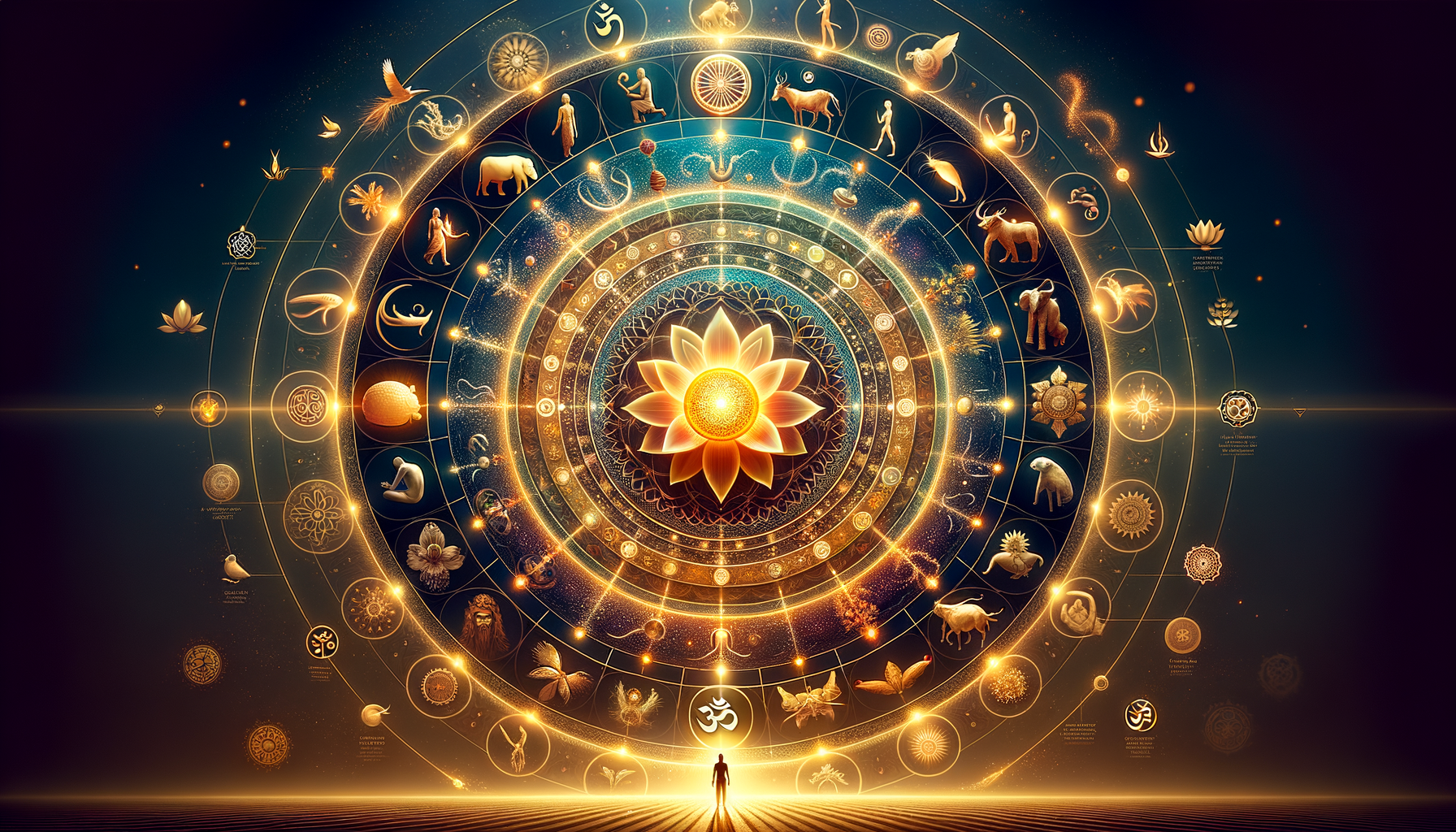
This article explores the Hindu philosophical teaching that no life is inferior or superior, grounding sacred equality in Atman and the unity of all existence in Brahman. It clarifies how this insight becomes an ethical imperative through Ahimsa and Dharma, encouraging compassionate, responsible action. Readers gain a clear understanding of sama-darśana in the Bhagavad Gita…
-
The Sacred Black of Goddess Kali: Profound Symbolism, Unity, and Inner Awakening
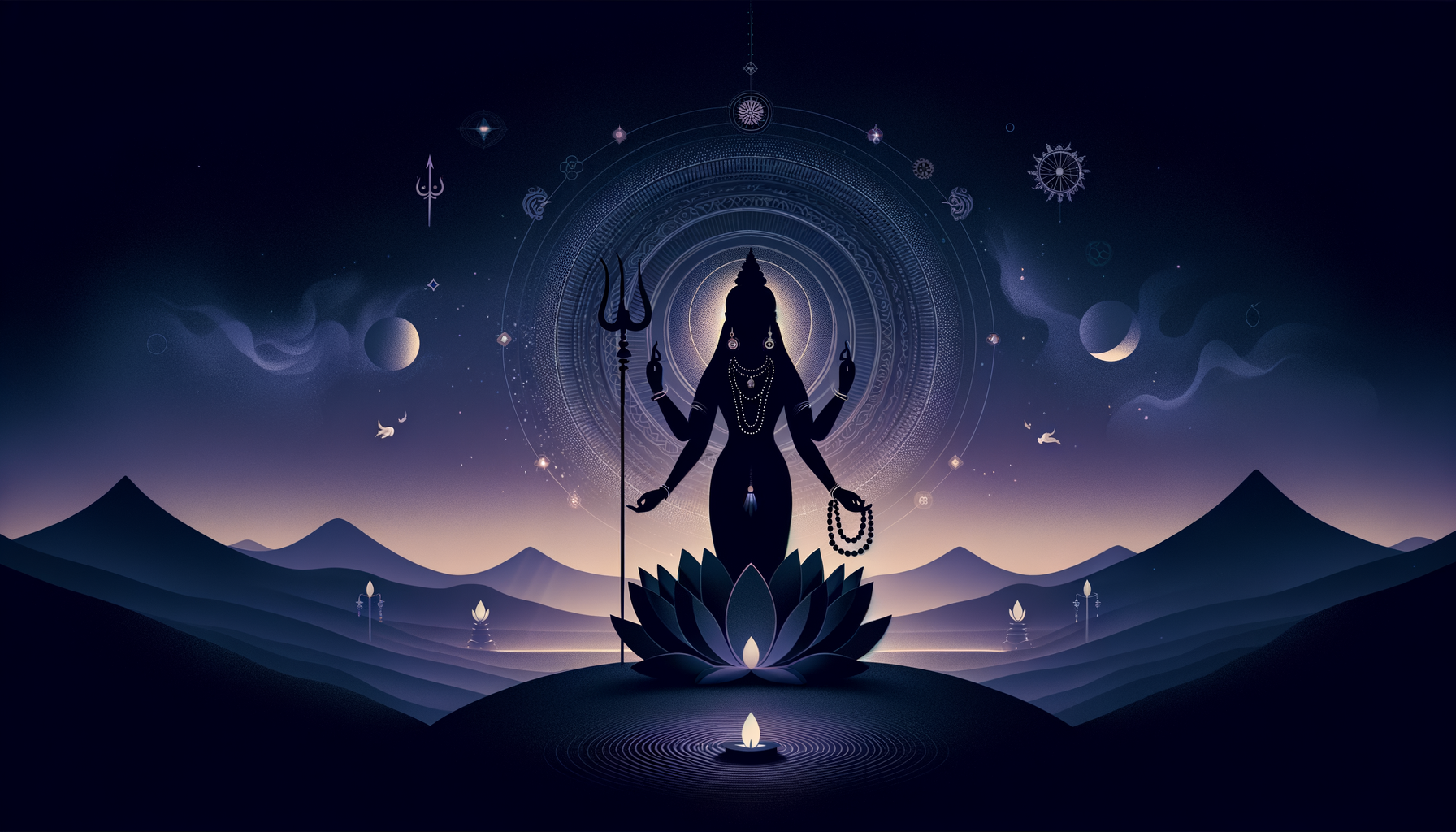
Goddess Kali’s blackness is a precise spiritual symbol, pointing beyond physical color to the infinite and unmanifested. In Hindu philosophy and Tantra, it signifies the absorptive wholeness that dissolves ego and form while nurturing clarity and courage. Practitioners often report calm and resilience when contemplating Kali, suggesting a lived integration of psychological and contemplative insight.…
-
Beyond Circumstances: The Transformative Hindu Truth of Inner Freedom and the Ever-Free Self

This essay explains a core Hindu philosophical insight: true freedom is inner and independent of circumstance. Drawing on the Upanishads and the Bhagavad Gita, it clarifies how bondage stems from misidentification and how moksha is the recognition of the ever-free Self. It outlines practical pathwaysKarma, Bhakti, Jnana, and Raja Yogathat cultivate equanimity and clarity in…
-
Why Desires Persist in Kali Yuga: A Dharmic Roadmap to Master Craving, Age, and Satiety
Desire often outlives satiety and age in Kali Yuga, a pattern recognized across Hinduism, Buddhism, Jainism, and Sikhism. Dharmic teachings trace this persistence to avidya, samskaras, and ego, rather than mere lack of fulfillment. The Bhagavad Gita, Upanishads, Buddhist suttas, Jain ethics, and Sikh Gurbani converge on a practical cure: ethics, contemplation, and service. This…
-
Sanyasa Yoga: A Powerful Path of Inner Renunciation toward Self‑Realization in Hinduism
Samnyasayoga in Hinduism emphasizes inner renunciation over external withdrawal, directing attention to self-realization and Brahman. Grounded in the Kaivalya Upanishad and Vedanta, it unites śraddhā, bhakti, and dhyāna to reveal Ātman as Brahman and guide seekers toward moksha. In contemporary life, Sanyasa Yoga appears as simplicity, mindful limits, and aparigraha rather than asceticism for its…
-
Sacred Ecology in Hinduism: How Nature Worship Shapes Dharma, Ethics, and Daily Life

Nature worship in Hinduism is a core expression of sacred ecology that unites philosophy, ritual, and ethics. Rooted in the Vedas, Upanishads, and Puranas, it affirms cosmic unity and the sanctity of the five elements. Rituals like offerings to Surya and the care of Tulsi translate reverence into daily practice. Ethical pillarsAhimsa, Aparigraha, and devotion…
-
From Suffering to Serenity: Hindu Wisdom on Impermanence through a Cosmic Lens

This essay explores how Hindu philosophy, in conversation with Buddhism, Jainism, and Sikhism, reframes suffering through the recognition of impermanence and the expansion of consciousness. It explains how Avidya and Maya narrow attention to transient desires and how practices like dhyana, pranayama, Karma Yoga, and Bhakti restore clarity. Drawing on the Upanishads and the Bhagavad…
-
Shiva Needs Shakti: Devi Upanishad’s Powerful Lesson on Consciousness and Energy
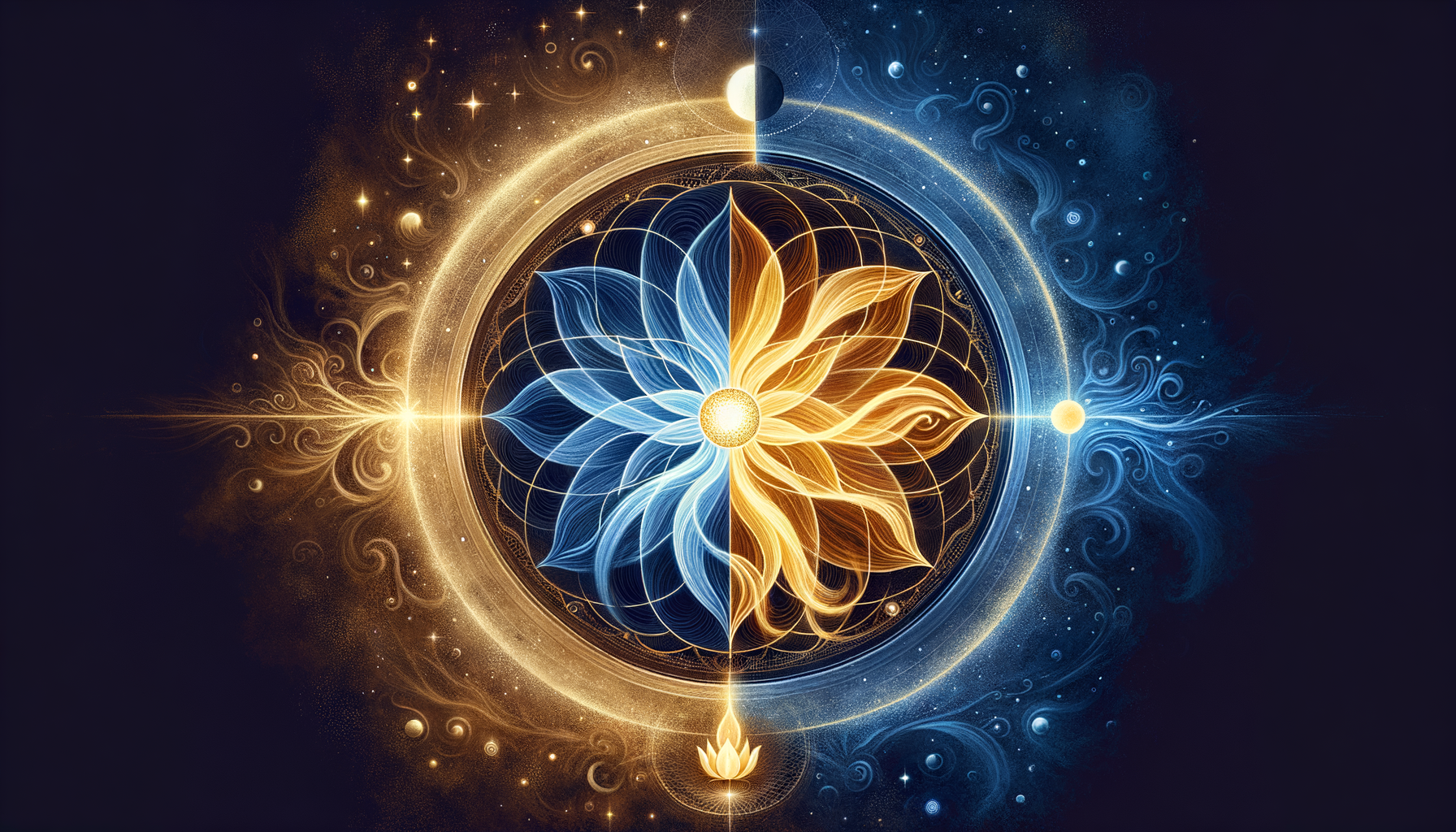
The Devi Upanishad teaches that Shiva (pure consciousness) and Shakti (dynamic energy) are inseparable, revealing that true power arises from their sacred union. This insight reframes metaphysical power as integrative, not hierarchical: awareness without energy remains inert, and energy without awareness lacks direction. Everyday experience reflects this balance, where clarity must meet purposeful action to…
-
Jnana vs. Karma in Hinduism: How Knowledge and Selfless Action Unite on the Path to Moksha
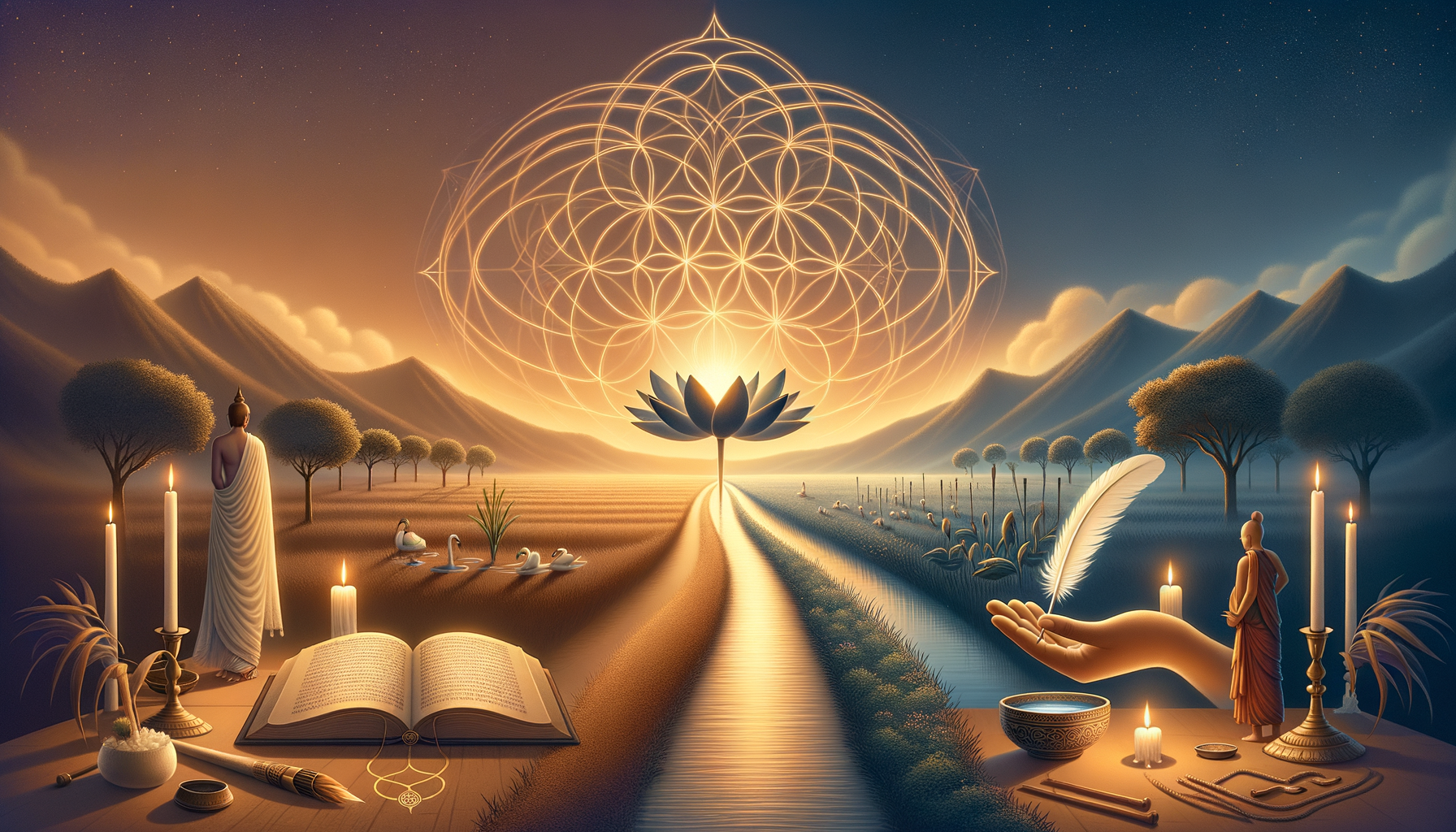
Hindu philosophy does not set Jnana Yoga and Karma Yoga in opposition; it unites them. Knowledge clarifies purpose, while selfless action purifies the mindtogether advancing dharma and moksha. The Bhagavad Gita models this synthesis, showing how insight and responsibility reinforce each other. Household duties, honest work, and seva become extensions of spiritual practice when guided…
-
Across Lifetimes: Hindu Dharma on Reincarnation, Karma, and the Healing Art of Letting Go

This essay presents a clear, academically grounded account of Hindu teachings on reincarnation (samsara), karma, and moksha, showing how death functions as a transition rather than an end. Scriptural perspectives from the Upanishads and the Bhagavad Gita frame the atman as enduring across lifetimes. The discussion explains karma as a moral law that affirms agency,…
-
Why Lack of Contentment Fuels Suffering: Santosha in the Yoga Sutras and Dharmic Wisdom

This article explains why the absence of contentment (santosha) intensifies suffering and how the Niyamas in Patanjali’s Yoga Sutras offer practical remedies. It connects Hindu insights with convergent teachings from Buddhism, Jainism, and Sikhism, highlighting a shared dharmic path toward inner peace and ethical action. Readers learn how karma yoga stabilizes effort without attachment to…
-
Chaitanya Mahaprabhu’s Bold Science of Consciousness: Ending Ego’s Grip and Social Strife
This essay presents Sri Chaitanya Mahaprabhu’s rigorous analysis of consciousness as a practical science aimed at social harmony. It identifies ahankaramisidentification of self with matteras the root cause of unrest, not a mere symptom. Drawing on Sri Brahma Samhita and the Bhagavatam, it situates the problem and solution within Vedic philosophy. It then shows how…
-
Leave Work at Work: Dharma, Vairagya, and Peaceful, Sustainable Work‑Life Balance in Hindu Thought

Leaving work at work reflects the Hindu synthesis of dharma and vairagya: act with full integrity, then release attachment to results. Grounded in Bhagavad Gita 2.47 and Karma Yoga, it cultivates mental clarity, prevents burnout, and improves ethical decision-making. Simple ritualsend-of-day summaries, mindful commutes, brief pranayama, and digital sunsetsreduce rumination and restore balance. The insight…
-
Panchapreta Unveiled: Tantric Symbolism of Five Corpses and the Living Power of Shakti

Panchapreta“the Five Corpses”is a Tantric teaching that uses paradox to convey a clear metaphysical insight: without Shakti, even exalted divine functions are inert. Framing the Pancha Brahma of creation, preservation, dissolution, concealment, and grace, the image portrays the Goddess as the living Power that animates all forms. Rather than morbid, the “corpse” metaphor is a…
-
Nothing to Lose or Gain: Advaita’s Liberating Insight and Unity of Dharmic Paths

This post explores the Advaita insight that there is nothing to lose or gain because a single, supreme truth pervades all. It shows how this view aligns with the Upanishads and the Bhagavad Gita’s ideal of equanimity. It highlights convergences across Buddhism, Jainism, and Sikhism, emphasizing unity in spiritual diversity. Readers gain practical ways to…
-
When Nature Seems Cruel: Dharmic Insights on Karma, Order, and Compassionate Living

Nature can feel harshearthquakes, storms, and predation challenge the heart and mind. Dharmic traditions explain these realities through r̥ta, karma, pratityasamutpada, Anekantavada, and hukam, framing the world as an interdependent order rather than random cruelty. This perspective affirms compassion and service: reduce suffering, strengthen disaster resilience, and care for ecosystems. It also cautions against romanticizing…
-
Jati in Nyaya Philosophy: Exposing False Analogies to Elevate Dharmic Dialogue and Truth

Jati in Nyaya philosophy identifies fallacious rebuttals that rely on superficial comparisons rather than addressing the core claim. By naming these errors, Nyaya helps readers detect false analogies, category mistakes, and shifting grounds in everyday debate. The approach supports rigorous, fair, and focused discussion. Practical examples show how irrelevant similarities can mislead, while simple tests…