
-
Magha Masa 2026 in the Kannada Calendar: Sacred Dates, Rituals, and Shiva Puja Insights

Magha Masa 2026 in the Kannada calendar runs from 19 January to 17 February, a revered span for Shiva Puja and Magha snana. The month emphasizes discipline, purity, charity, and mindful living, aligning with dharmic values common to Hinduism, Buddhism, Jainism, and Sikhism. Core observances include dawn bathing, Rudrabhisheka, Monday vows, mantra recitation, and simple…
-
Magha Masam 2026 (Telugu Calendar): Auspicious Dates, Shiva Worship, and Sacred Practices

Magha Masam 2026 in the Telugu calendar spans 19 January to 17 February, a period widely honored for intensified Shiva worship and disciplined practice. The month’s core observances include Magh Snan, Mauni Amavasya, and Maghi Purnima, with devotees emphasizing prayer, japa, and dana. Families often consult the Telugu Panchangam to align vrata and temple visits…
-
Kanchi Kamakoti Peetham January 2026: Inspiring Guide to Vishesha Pujas and Festivals
This January 2026 guide to Kanchi Kamakoti Peetham in Kanchipuram clarifies how regional calendars align for Poush/Magh and Pushya/Magha observances. It explains what devotees can typically expect during Vishesha Pujas and major tithis in this spiritually active month. Readers gain planning tips for Makara Sankranti 2026 and Pongal 2026 dates, when crowds and rituals peak.…
-
Sankashti Chaturthi January 2026: Auspicious Date, Ritual Guide, and Peaceful Blessings

Sankashti Chaturthi in January 2026 falls on Tuesday, 6 January, a day considered highly auspicious for Ganesha Pujan. It aligns with Poush Month in Amavasyant calendars (Maharashtra, Gujarat, Karnataka, Telangana, Andhra Pradesh) and with Magh Month in Purnimant systems. Observance includes fasting from sunrise to moonrise, offering durva and modak, and reciting sacred texts such…
-
Shubh Muhurat January 2026: Auspicious Days and Timings for Confident, Harmonious Starts

This guide presents general Shubh Muhurat guidance for January 2026, highlighting auspicious days and timings for everyday tasks. It explains how to use the Hindu calendar (Panchang) and why local sunrise-based calculations matter for accuracy. Readers learn practical cues: favor Abhijit Muhurat for concise starts and avoid Rahu Kalam, Yamaganda, and Gulika Kalam. The approach…
-
January 8, 2026 Panchang: Krishna Paksha Panchami to Sashti, Timings and Auspicious Tips

On Thursday, January 8, 2026, the Panchang notes Krishna Paksha Panchami until 10:09 AM, after which Krishna Paksha Sashti begins. This clear tithi transition helps plan the day with accuracy. Many find the morning suited to quiet reflection and the afternoon to steady, task-focused work. Checking a trusted regional Panchang ensures precise Shubh Muhurat, Nakshatra,…
-
Makara Masam 2026 in Kerala: Auspicious Dates, Sacred Traditions, and Sabarimala Glory

Makara Masam (Makaram), the sixth month of the Malayalam calendar, runs from 14 January to 12 February 2026, beginning with Makara Sankranti as the Sun enters Makara rashi (Capricorn). The month aligns with Uttarayana and highlights sacred observances across Kerala, including Makaravilakku and the revered Makarajyothi at Sabarimala Ayyappa Temple. Families often mark the season…
-
Magh Month (Magha Masam): Auspicious Power, Shiva Worship, Surya and Saraswati Puja

Magh month (Magha masam) is the eleventh month of the Hindu calendar and is widely regarded as auspicious, with a devotional focus on Lord Shiva. Its hallmark observances—Magh Snan, Mauni Amavasya, Maghi Purnima, and Vasant Panchami—highlight purification, silence, learning, and reverence for Saraswati Devi and Surya Bhagwan. The month encourages practical sadhana such as dawn…
-
Thai Masam 2026: Auspicious Tamil Month, Pongal Celebrations, and Shared Dharmic Harmony

Thai masam 2026 spans January 15 to February 12 in the traditional Tamil calendar, beginning with Thai Pongal on January 15. The month is considered highly auspicious for weddings, housewarmings, and new ventures, encapsulated in the saying “Thai pirandhaal vazhi pirakkum.” Its start aligns with Makara Sankranti, a pan-Indic solar transition honored across dharmic traditions.…
-
Uttarayan (Uttarayanam) 2026: Sacred Northward Sun, Auspicious Dates, Rituals, and Unity
Uttarayan (Uttarayanam, Uttarayana Punyakalam) marks the Sun’s northward journey from Makara Sankranti to Karka Sankranti and begins on January 14, 2026. Rooted in Vedic astronomy and Hindu calendar practice, it aligns seasonal change with ritual life while explaining why dates may vary by regional Panchang. Communities across India celebrate this transition through Makara Sankranti, Pongal,…
-
Shattila Ekadashi 2026: Definitive Guide to Date, Tila Rituals, and Dharmic Unity (Shadtila/Tilda)
Shattila Ekadashi (Shadtila/Tilda/Tiladaana) in 2026 is observed on 14 January, Wednesday. It falls in Magh Krishna Paksha in the Purnimanta system and corresponds to Paush (Pushya masam) in the Amanta system followed in Andhra Pradesh, Maharashtra, Gujarat, and Karnataka. The observance centers on six sacred uses of sesame (tila), highlighting purification, charity, and devotion to…
-
Magh Month 2026 Guide: Exact Magha Masam Dates, Key Rituals, and Shared Dharmic Traditions

Magh Month 2026—also called Magha Masam or Magh Mahina—falls from 3 Jan to 1 Feb in the North Indian (Purnimanta) calendar and from 19 Jan to 17 Feb in the Marathi, Gujarati, Telugu, and Kannada (Amanta) systems. This guide explains why the dates differ, how to align personal observances with local panchang, and which practices—such…
-
Bhagavan Sri Ramana Maharshi Jayanti 2026: Sacred Date, Punarvasu Meaning, and Ways to Observe

Bhagavan Sri Ramana Maharshi’s 146th Jayanti will be observed on January 4, 2026, aligned with Punarvasu (Punarpoosam/Punartham) Nakshatra in Margazhi Masam per the Tamil calendar. The day is traditionally marked at Sri Ramanasramam, Tiruvannamalai, with Veda parayana, recitations of Ramana’s works, meditative silence, and reflective satsanga. Observing the Jayanti by Nakshatra rather than solar birthdate…
-
Tirupati Sri Kodandaramaswamy Temple: Unmissable January 2026 Festivals and Ritual Guide
January 2026 at Sri Kodandaramaswamy Temple in Tirupati promises a serene and uplifting sequence of Sri Rama–focused observances shaped by a tenth-century Chola heritage and the living devotional culture of Tirumala–Tirupati. Pilgrims can anticipate Makara Sankranti, Pongal-season worship, and Ekadashi-inspired alankarams as announced by the temple, complemented by daily sevas, Veda parayana, and prasad distribution.…
-
Kanuma 2026: Date, Rituals, and Heartfelt Traditions of Sankranthi in Andhra Pradesh
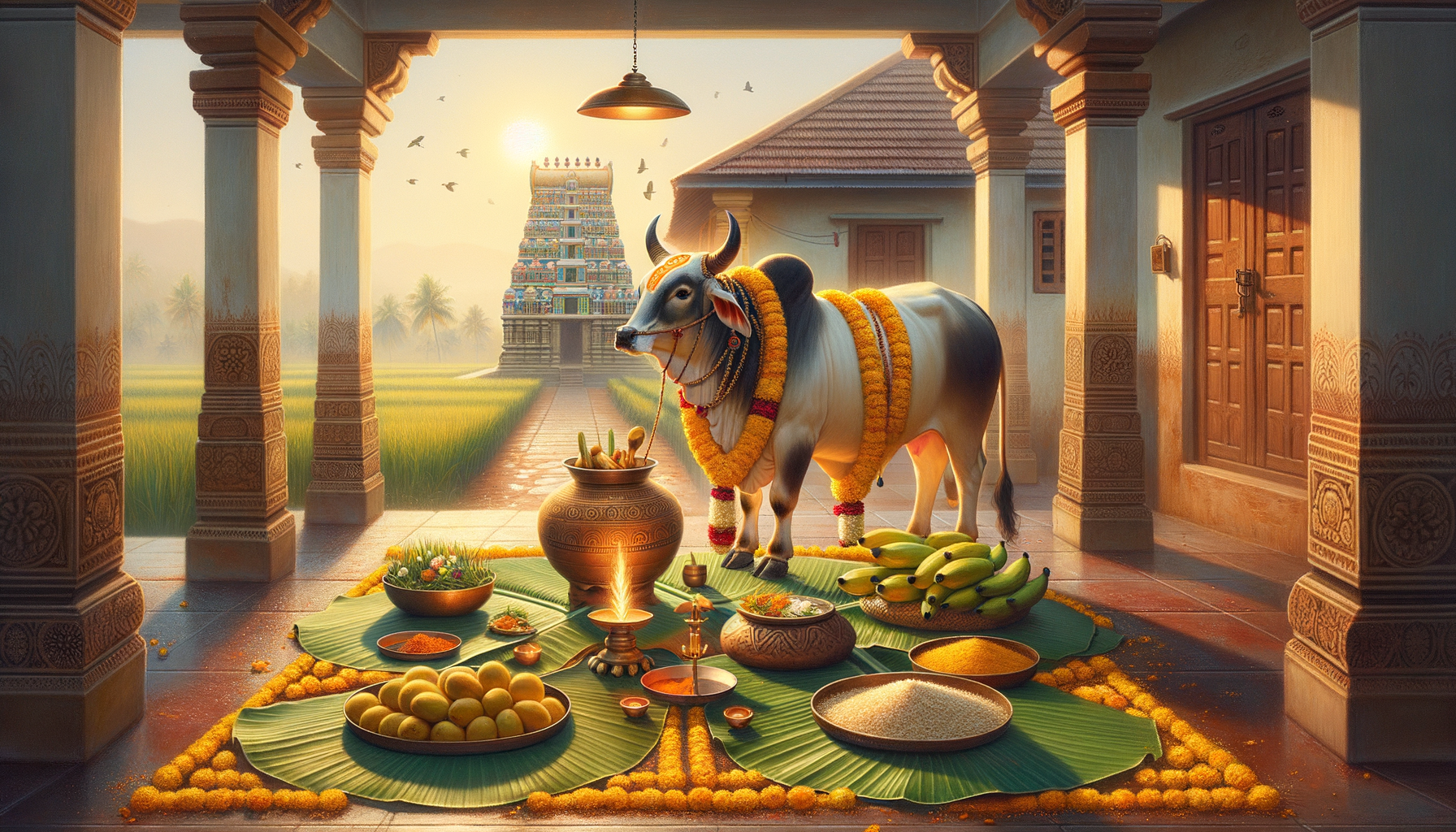
Kanuma 2026, the third day of the Sankranthi festivities in Andhra Pradesh and Telangana, falls on January 15. The day centers on Govardhana Puja (Go puja), where cows and bulls are worshipped in gratitude for their role in agrarian life. Families decorate cattle, prepare offerings from the new harvest, and visit temples, recalling Sri Krishna’s…
-
Mesha Rashi 2026 Auspicious Days: Powerful Shubh Muhurat under Ashwini–Bharani–Krittika

This guide explains how to identify auspicious days for Mesha Rashi in 2026 using the Hindu calendar and Vedic astrology. It clarifies Mesha Rashi’s composition—Ashwini, Bharani, and the first quarter of Krittika—and outlines how Moon transit, Nakshatra, Tithi, and weekday factors shape Shubh Muhurat. Readers learn a clear, location-specific method for using the 2026 Panchang…
-
Khodiyar Mata Jayanti 2026: Magha Shukla Ashtami Date, Significance, Puja Vidhi, and Traditions

Khodiyar Mata Jayanti 2026 (Khodiyar Maa Pragatya Din) falls on Magha Shukla Ashtami and will be observed on 26 January. The Jayanti honors the goddess’s first appearance and her protective grace, especially venerated in Gujarat. Devotees perform puja, observe vrata, recite aarti and stutis, and engage in seva that aligns devotion with service. Rooted in…
-
Auspicious Mauni Amavasya 2026: Date, Sacred Silence, Magh Mela and Triveni Sangam Rituals

Mauni Amavasya (Mauna Amavasya) in 2026 falls on January 18, coinciding with the Magh Mela at Prayagraj. Observed on the No Moon day of Magha, it is renowned for Magh Snan at the Triveni Sangam and for the discipline of sacred silence (mauna). The day encourages japa, dana, vrata, meditation, and scripture reading, with many…
-
February 2026 Hindu Festivals: Essential Vrats, Purnima, and Phalgun Start | IST Guide
This IST-aligned guide highlights key Hindu festivals and vrats in February 2026, including Thaipoosam (Thaipooyam), Purnima with Guru Ravidas Jayanti, Guru Gorakhnath Jayanti, and the start of Phalgun in North India. It supports families and communities with clear calendrical references based on major Hindu calendars and the traditional Panchang. Readers gain a practical framework for…
-
Auspicious 14 Jan 2026: Makara Sankranti, Pongal, Magh Bihu and Makaravilakku in Radiant Unity
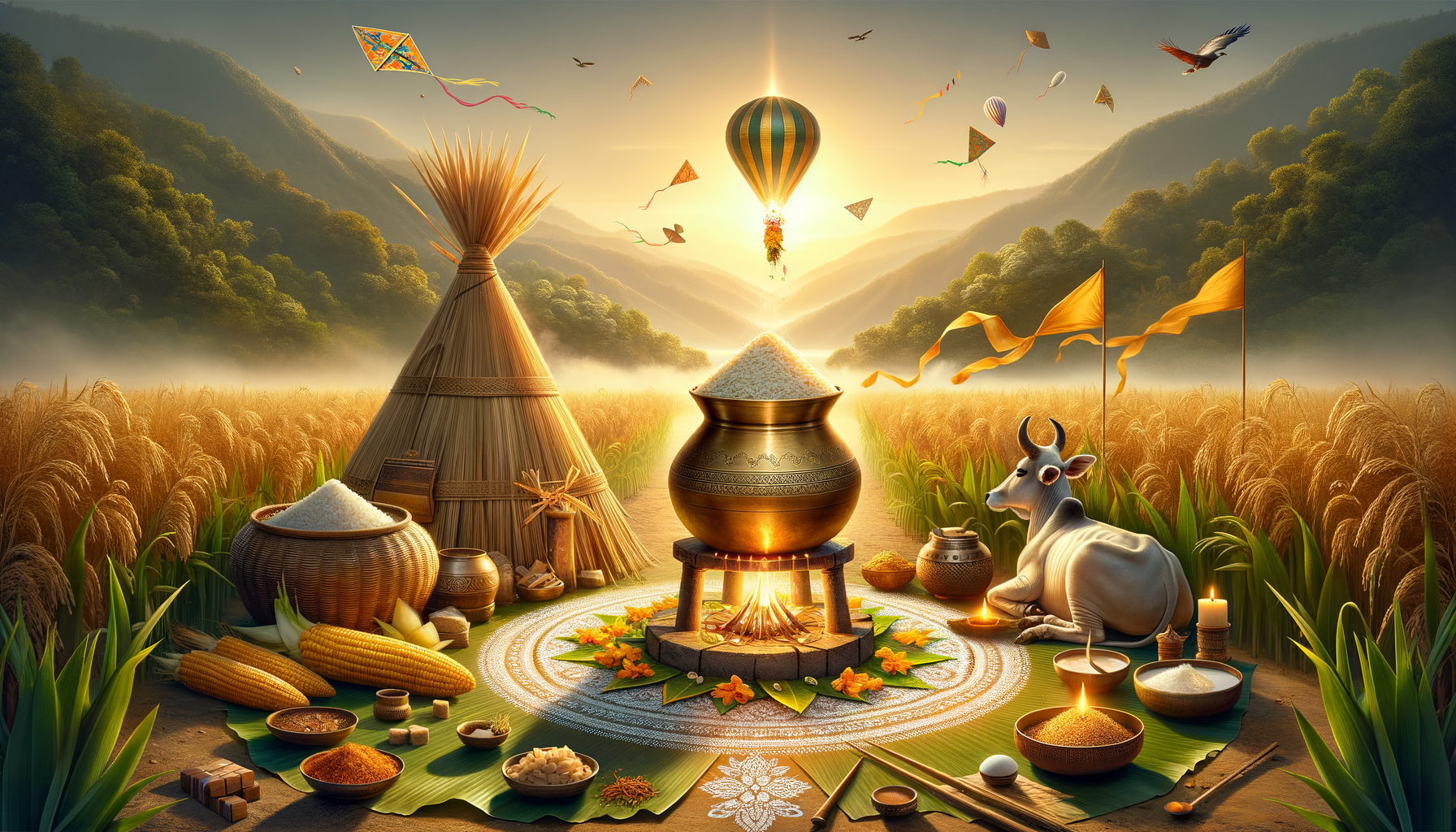
On 14 January 2026, India observes Makara Sankranti, aligning with the Pongal season in Tamil Nadu, Magh Bihu in Assam, and winter bonfires associated with Lohri in North India. The day marks Uttarayana Punyakalam—the Sun’s auspicious northward movement—and includes Makaravilakku (Makarajyoti) observances at Sabarimala Ayyappa Temple. Grounded in the Sun’s transit into Makara (Capricorn), the…