
-
From Fear to Devotion: A Practical, Dharmic Guide to Bhakti, Satsanga, and Inner Peace

A once fiercely independent seeker confronted fear, relinquished familiar habits, and adopted a measured bhakti practice that produced real inner peace without chasing mystical fireworks. His progresspunctuated by honest setbacksillustrates a practical application of the Bhagavad Gita’s abhyāsa and vairāgya, where consistency and compassionate self-correction matter more than intensity. Community proved pivotal: devotees offered strength,…
-
2026 Sadhu Sanga Day 1: Transformative Kirtan, Deep Bhakti, and Dharmic Unity Insights
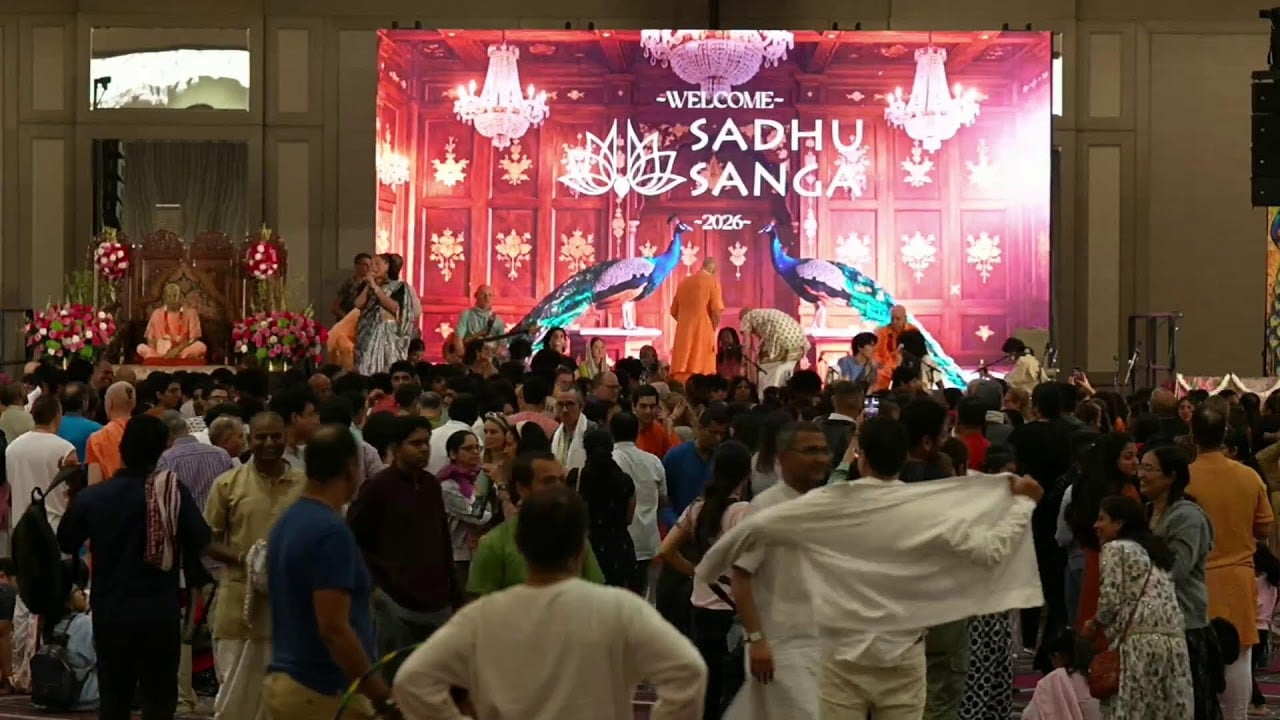
2026 Sadhu Sanga – Day 1 establishes a clear, practice-centered foundation for the retreat by combining immersive kirtan, structured japa, and scriptural framing from Bhagavad-gita and Śrīmad-Bhāgavatam. The opening day focuses on sādhu-saṅgauplifting associationas a catalyst for devotion and ethical conduct. Participants benefit from accessible orientation, inclusive spaces, and community norms that translate humility and…
-
Decoding Srimad Bhagavatam 3.26.9: Sankhya, Consciousness, and a Roadmap to Dharmic Unity

This in-depth exploration of Srimad Bhagavatam 3.26.9, inspired by H.H Subhag Swami Maharaj’s discourse at ISKCON Mayapur, unpacks Kapila’s Sankhya as a precise map of consciousness, causality, and liberation. It clarifies how purusha, prakriti, time, and the three gunas co-operate to shape experience, and why that structure makes ethical effort and devotion both meaningful and…
-
New Vrindaban’s Palace of Gold: A Living Testament to Devotion, Craft, and Dharmic Unity
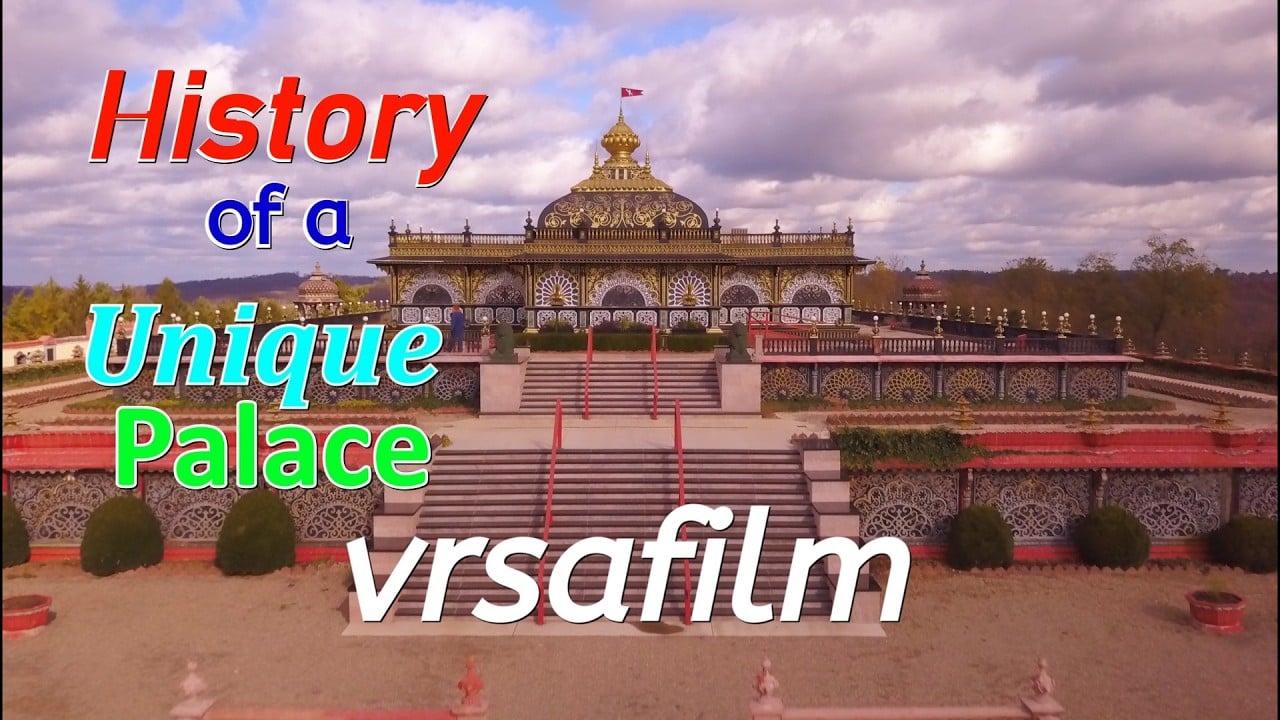
This long-form reflection examines New Vrindaban’s Palace of Gold in West Virginia, the focus of a second documentary by Vrsabhanu das. It traces the site’s evolution from a planned residence for Srila Prabhupada to a memorial shrine and cultural landmark within ISKCON. Readers gain a technical view of materials, methods, and process disciplinemarble inlay, glass…
-
Inside Bhakti Bhavan, KolkataAwe-Inspiring Darshan of Srila Bhaktivinoda Thakur’s Living Legacy

Bhakti Bhavan in Kolkata, the historic home of Srila Bhaktivinoda Thakura, preserves the living heart of Gaudiya Vaishnavism through the Madhava deity, Giriraja Sila, the Salagrama Sila manifest as Jagannatha, and the Kurma Sila. A recent visit demonstrates how careful heritage conservation and daily archana deepen understanding of scripture, lineage, and practice. The site powerfully…
-
GBC Resolutions 2026: Strengthening ISKCON Governance and Srila Prabhupada’s Vision

The 2026 Annual General Meeting formally recognized the paper affirming the GBC as ISKCON’s ultimate managing authority, aligning contemporary governance with Srila Prabhupada’s original instructions. This decision consolidates decades of guidance into a clear framework that supports accountability, subsidiarity, and doctrinal fidelity across ISKCON’s global footprint. It emphasizes practical mechanismsaudits, ethical safeguards, grievance redress, and…
-
Sat Sanga Deep Dive: Tradition, Inclusion, and Purushottama Masa in ISKCON’s Living Dharma
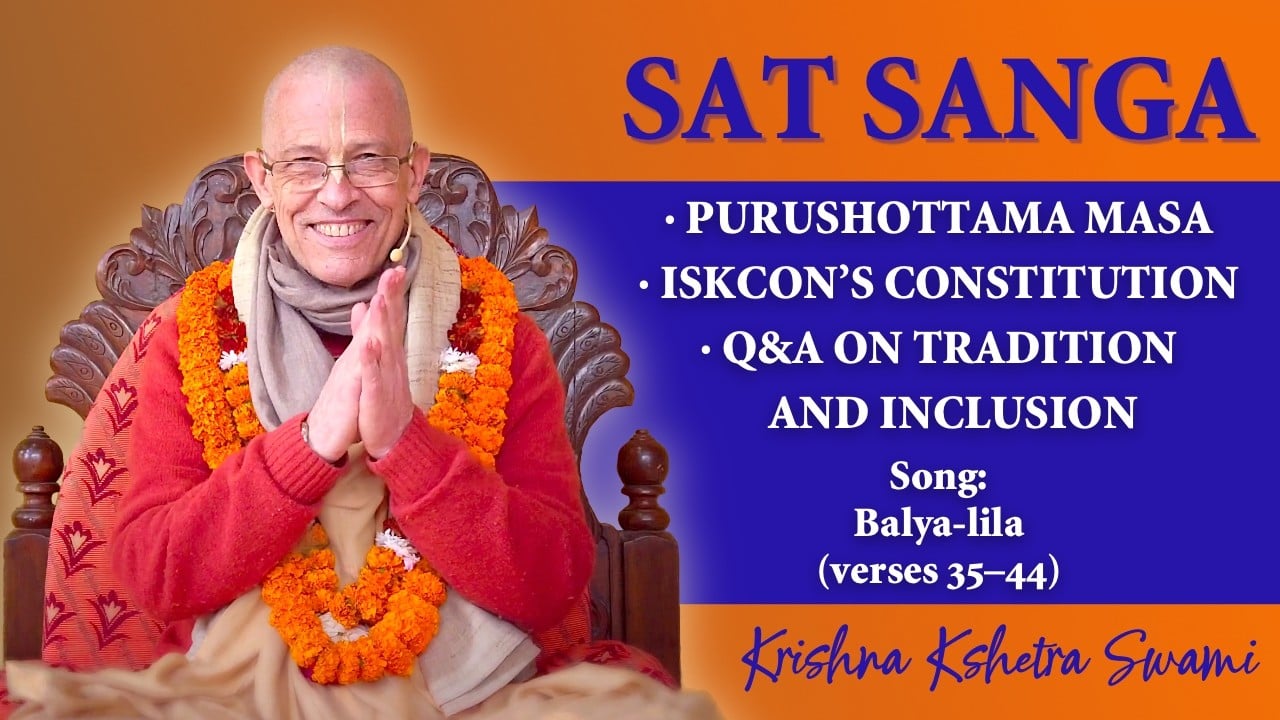
This Sat Sanga (16 May 2026) examines Purushottama Masa with calendrical accuracy, showing how Adhik Jyeshta Maas 2026 becomes a devotional opportunity rather than a mere intercalary fix. It clarifies how ISKCON’s emerging Constitution anchors mission fidelity, transparent governance, and culturally sensitive inclusion without compromising core siddhānta. The guidance on “Try to chant and be…
-
Srila Prabhupada and the sastric ideal: timeless devotion, inner power, and dharmic unity
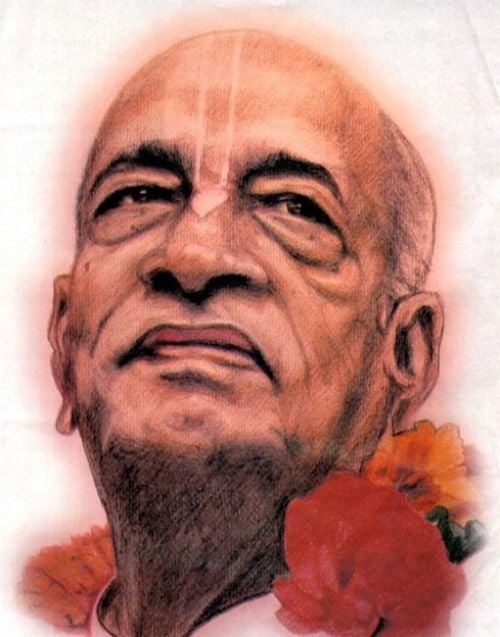
This analysis presents Srila Prabhupada as a sastrically grounded exemplar of pure devotion whose every action is directed toward Lord Sri Krsna. It explains how freedom from the three modes of nature and reliance on Krsna’s Internal Potency define the perfected devotee in Vaishnava theology. It shows how faith matures through guidance by the guru…
-
Easy vs Difficult in Krishna Consciousness: A Practical Guide to Compassion and Inner Discipline

Krishna Consciousness reframes everyday choices as a movement from easy reactions to difficult but transformative disciplines. Drawing on the Bhagavad Gita, Gaudiya Vaishnava texts, and the sadhana-bhakti tradition, it explains why judging others, impulsive speech, and harming are effortless habits, while introspection, restraint, and healing require cultivated virtue. Upadeshamrita and the Gita’s tapas of speech…
-
Sankirtana as Sound Medicine: How Hare Krishna Chanting Nurtures Inner Calm and Social Harmony

A common objection to public Hare Krishna chanting asks: how is it welfare if bystanders do not understand the words? Sankirtana addresses this by working through sound’s direct effects on breath, attention, and emotion, much like a medicine that heals without requiring knowledge of pharmacology. Classical bhakti sources emphasize kirtan’s potency in the present age,…
-
“I Feel No Fear”: How the Hare Krishna Maha-mantra Builds Abhaya Across Dharmic Paths

A memorable exchange crystallizes a core promise of mantra meditation: asked what chanting the Hare Krishna maha-mantra feels like, Srila Prabhupada replied, “I feel no fear.” This article unpacks that claim in an academic yet accessible way, explaining how abhaya (fearlessness) emerges at the intersection of Bhakti theology, rhythmic sound, and breath regulation. It clarifies…
-
Golden Grace and Neem-born Humility: Decoding ‘Gauranga’ and ‘Nimai’ of Chaitanya Mahaprabhu

This article decodes the dual symbolism embedded in Chaitanya Mahaprabhu’s epithets “Nimai” and “Gauranga.” It explains how “Nimai,” rooted in neem’s purificatory aura and Bengal’s domestic piety, conveys protection, intimacy, and inner cleansing. It then unpacks “Gauranga” as a theological epithet signifying Krishna’s golden, compassion-filled form, central to Gaudiya Vaishnavism’s mission of Nama Sankirtana. Drawing…
-
Flood‑Hit to Future‑Ready: Locana Prabhu’s 3D Printing Path to Preserve Devotional Heritage

A May 19, 2026 tour of Locana Prabhu’s workshop revealed serious water damage alongside the installation of a 3D printer intended to bolster preservation-focused production connected to Srila Prabhupada’s legacy. The report explains conservation-grade stabilization: environmental control at 45–55% RH, HEPA filtration, safe mold mitigation, and triage methods that prioritize unique masters and production-critical assets.…
-
Special Knowledge and Bhakti Wisdom in Uithoorn, Netherlands: HH SB Keshava Swami’s Insights
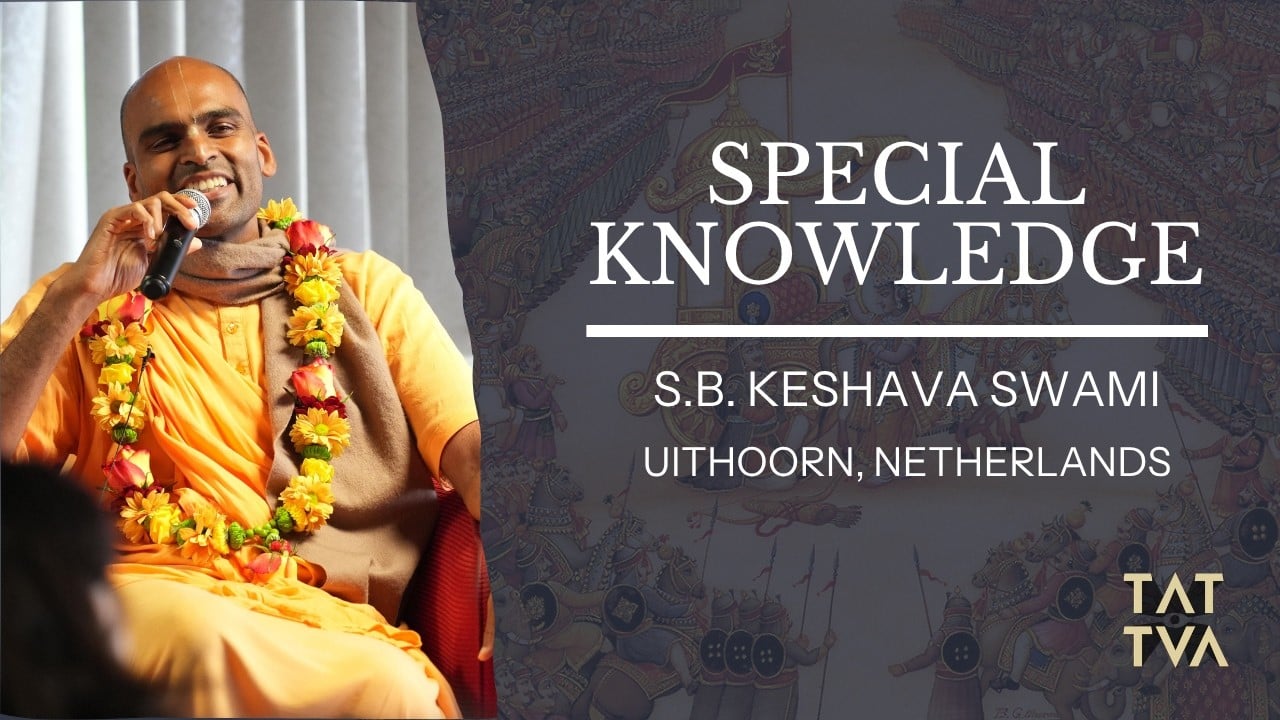
A thoughtful gathering in Uithoorn, the Netherlands (28.05.2025) honored HH SB Keshava Swami (Svayam Bhagavan Keshava Swami) and explored the theme of Special Knowledge through the lens of Gaudiya Vaishnavism. This analysis clarifies the distinction between jnana and vijnana, showing how knowledge matures when grounded in scripture, practice, and community. It outlines Indian epistemology’s core…
-
SB 4.9.37–53 Decoded: Dhruva’s Unshakable Devotion, Cosmic Boons, and Inner Renewal
Srimad-Bhagavatam Canto 4, Chapter 9, verses 37–53 narrate how Dhruva Maharaja’s devotion matures from personal austerity to public responsibility. The passage culminates in Dhruvalokasymbolizing unwavering devotionand a restored social order that validates rajadharma as service. Drawing on themes often highlighted by Kalakantha Prabhu, the analysis explains how bhakti integrates knowledge and action while transmuting anger…
-
Lilasuka (Bilvamangala): The Enigmatic Poet‑Saint behind the Timeless Krishna Karnamrita

Lilasuka (Bilvamangala) stands as an enigmatic poet-saint whose Krishna Karnamrita shaped the language of devotion across centuries. This long-form exploration situates the work within Sanskrit poetics, Bhagavata Purana theology, and Gaudiya transmission, while noting manuscript variants and dating debates. Readers gain a technical view of meters, imagery, and alaṅkāra that make the text a model…
-
Varsana Parikrama: Ascending Srimati Radharani’s Hill via Jaipur Mandir and Dan garh

This guided overview of the Varsana (Barsana) parikrama presents a clear, research-based orientation to ascending the hilltop temple of Srimati Radharani and visiting Jaipur Mandir and Dan garh. It situates these landmarks within Braj’s sacred geography and explains how architecture, ritual movement, and sound cohere into a contemplative experience. Readers gain architectural insights into North…
-
From Envy to Compassion: Dharmic Ethics of Bhakti, Ahimsa, and Unity Across Traditions
Non-envy is presented as a defining criterion for authentic religion across Hinduism, Buddhism, Jainism, and Sikhism, aligning with A.C. Bhaktivedanta Swami Prabhupada’s emphasis within Krishna consciousness. The article clarifies envy versus jealousy and shows how dharmic ethics reject both as inner violence that fractures community. It integrates scriptural insightsBhagavad Gita, Śrīmad-Bhāgavatam, Dhammapada, Jain vows, and…
-
ISKCON and People of Faith: A Vedantic Blueprint for Compassionate, Unified Interfaith Relations

Hinduism encompasses many traditions rather than a single authority, and ISKCON positions itself within this diversity as a Vedantic, monotheistic Vaishnava movement committed to respectful interfaith relations. The statement outlines how devotional particularism can coexist with civic and ethical pluralism, grounded in Bhagavad Gita–inspired bhakti and the doctrine of acintya‑bhedābheda. By honoring the Ishta paradigm…
-
Cannes 2026: Aarti Khetarpal’s Vedic Couture and Bhagavad Gita Redefine Red-Carpet Diplomacy

At the 79th Cannes Film Festival in May 2026, Aarti Khetarpal reframed the red carpet as a platform for cultural diplomacy by carrying a miniature Shrimad Bhagavad Gita from Gita Press and a red Gomukhi chanting bag. Her Vrindavan-inspired golden-yellow lehenga by Sulakshana Monga featured hand-painted motifs of sacred trees, the Yamuna, and dancing gopis,…