
-
Why Brahma Refuses Immortality Boons: Timeless Dharma, Cosmology, and the Path to Moksha

Why does Brahma never grant immortality? In Hindu cosmology, even the creator functions within time and cannot override the laws of dharma and karma. Puranic narratives, such as the story of Hiranyakashipu and Narasimha, illustrate that boons are conditional to preserve cosmic balance. This view shifts focus from bodily permanence to moksha, aligning with the…
-
Rise to Spiritual Heroism: Cultivating Compassion and Dharmic Unity in a Material Age
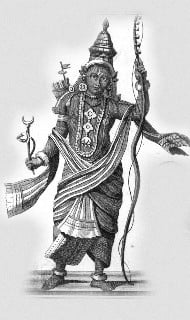
Contemporary culture often prizes material success over meaning, leaving many feeling restless and disconnected. This article presents spiritual heroism as a steady, practical path back to dharma through daily meditation, truthful speech, mindful consumption, and seva. Drawing on shared virtues across Hinduism, Buddhism, Jainism, and Sikhismahimsa, karuna, seva, and satyait reframes spirituality as an inner…
-
Bound or Beyond? Hinduism’s View of Belief, Free Will, and Compassionate Spiritual Unity

Do beliefs bind or set one free? Through Hindu philosophy and its Dharmic cousinsBuddhism, Jainism, and Sikhismthis piece explains how belief can guide without imprisoning. It shows how dharma and sadhana (practice) transform conviction into compassionate action. Readers gain a clear framework from the Upanishads and Bhagavad Gita on agency, karma, and svadharma. The article…
-
Why Materialism Fuels Endless Anxiety: Hindu Wisdom on Desire, Aparigraha, and Peace

Hindu wisdom explains why unchecked materialism intensifies anxiety by fueling attachment and craving. It reframes prosperity within dharma so possessions serve purpose rather than define identity. Aparigraha, shared across Hinduism, Buddhism, Jainism, and Sikhism through allied principles like santokh and dana, offers a practical antidote to compulsive desire. Readers gain a clear model for balancing…
-
Unlocking Lakshmi’s Blessing in Kali Yuga: Pure Hearts, Steadfast Faith, and True Prosperity

The teaching that Goddess Lakshmi blesses the pure of heart and the steadfast in faith appears simple yet proves exacting in Kali Yuga. This article clarifies purity as ethical clarity and compassion in action, and faith as disciplined steadiness under pressure. It shows how these virtues, affirmed across Hinduism, Buddhism, Jainism, and Sikhism, align individuals…
-
Do Not Panic: Bhagavad Gita’s Timeless Counsel for Clarity, Courage, and Inner Calm
Unnecessary panic rarely solves problems; it narrows focus and amplifies stress. The Bhagavad Gita’s counsel emphasizes equanimity“samatvam yoga ucyate”as the ground for clear, courageous action. Practical steps such as pausing, breathing, observing facts, and acting with intention transform reactivity into composure. This approach improves decision-making, communication, and outcomes in everyday challenges like missed deadlines or…
-
Karma and Innocent Suffering: A Compassionate Dharmic Guide to Miscarriage and Child Loss

This reflection explores how karma is understood when young children die painfully or a baby passes in the womb, emphasizing humility before the mystery of cause and effect. It unifies perspectives across Hinduism, Buddhism, Jainism, and Sikhism, highlighting compassion rather than blame. Readers learn how dharmic traditions approach grief with practices such as prārthanā, dāna,…
-
Spiritually Rich, Politically Vulnerable: Why India Fell to British Ruleand Rose United
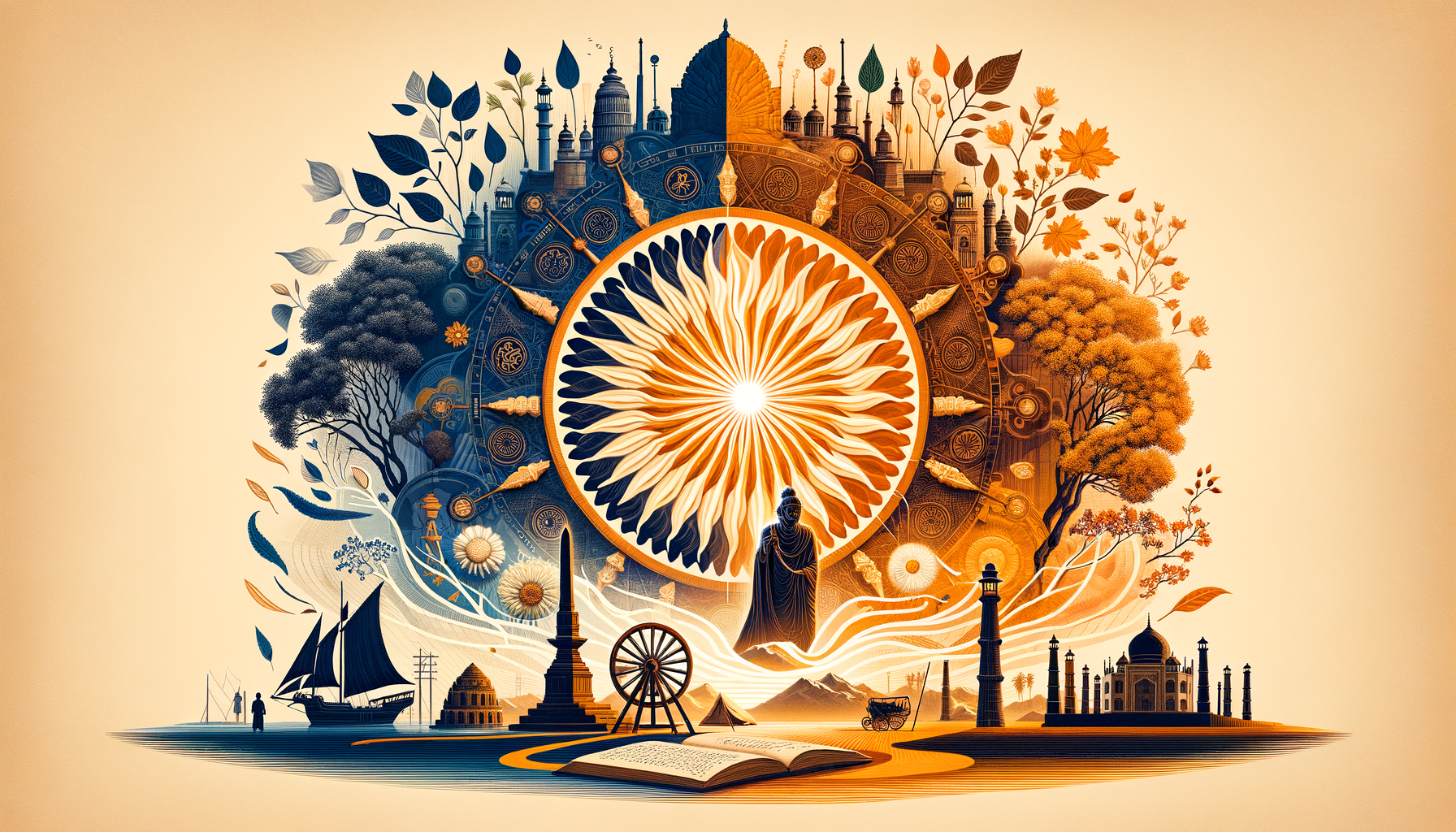
This analysis examines why a spiritually rich India became vulnerable to British Colonial Rule while preserving civilizational continuity. Drawing on Sri Sri Ravi Shankar’s cyclical metaphor of the seasons, it situates conquest within broader structural forcesEast India Company strategy, technological-military advantage, and administrative codification. It highlights how dharmic traditionsHinduism, Buddhism, Jainism, and Sikhismsustained social cohesion…
-
Who Orchestrates Creation and Destruction? Dharmic Wisdom That Empowers Young Minds

Young seekers often ask who is responsible for creation and destruction. Dharmic wisdom responds with clarity: these are complementary movements within a moral cosmos, governed by Brahman, Dharma, or hukam. Hindu scriptures such as the Upanishads and the Bhagavad Gita frame this as a purposeful cycle, while Buddhism, Jainism, and Sikhism add insights on impermanence,…
-
Unshakable Calm: Hindu Wisdom for Emotional Resilience and Inner Peace Under Pressure
Hindu philosophy teaches that true success rests on composure, especially in moments of emotional turmoil. The Bhagavad Gita urges steadiness amid joy and sorrow, aligning inner balance with ethical, effective action. The Upanishads guide attention to the witnessing self, recommending practices like prāṇāyāma, dhyāna, and svādhyāya to cultivate inner peace. Parallel insights in Buddhism (upekkhā),…
-
Discover Kartavirya Arjuna: The Complete Guide to Sahasrabahu’s Boons, Valor, and Legacy

Karthaveerya Arjunaalso known as Sahasrabahu Arjunaemerges in Ancient Hindu Texts as a Haihaya king whose thousand-armed prowess, granted by Dattatreya, symbolized both power and responsibility. His storied feats, including subduing the Narmada and capturing Ravana, illustrate the heights of kshatra while inviting reflection on ethical governance. Puranic narratives also chart a cautionary turn through his…
-
Essential Breakthrough: Master Change via Proven Guru-Bhakti and Obedience to Guidance

Many practitioners face discouragement when obstacles arise on the spiritual path. A proven, unifying remedy across dharmic traditions is love-inspired obedience to the guru’s guidance. As Prabhupada taught, deeper love naturally amplifies the will to follow instructions, transforming reluctance into service. The attitude, “I may not want to do something, but I will do it…
-
Essential Mahabharata Insight: How Time and Dharma Led Yudhishthira to Downfall

This analysis explores how Yudhishthira’s steadfast virtue in the Mahabharata faltered when separated from the demands of time (kāla). Readers discover why Dharma is subtle, how deśa–kāla–pātra governs right action, and where neglecting timing turns ideals into complicity with harm. The dice game, Vidura-niti, and the war’s moral dilemmas illustrate the need to pair principle…
-
Proven Ramayana Lessons on Fortune’s Turns: Master Resilience, Dharma, and Equanimity

Fortune can change overnight, yet the Ramayana shows how dharma-centered living creates inner stability. Rama’s exile, Sita’s steadfastness, and the choices of Bharata, Sugriva, Vibhishana, and Ravana reveal a proven framework for navigating sudden reversals. These narratives highlight resilience, ethical leadership, and the consequences of hubris. The insights align with broader Dharmic principlesHindu dharma and…
-
Essential Dharma of Food: Proven Paths to Transform Waste into Seva and Nourish Every Devotee

Lavish feasts and nearby hunger reveal a logistical, not theological, gap in food distribution. Drawing on annadanam, langar, dāna, ahimsa, and aparigraha, this piece outlines a unified dharmic ethic for equitable nourishment. It presents proven, low-friction strategiesdata-informed meal planning, staggered serving windows, mobile distribution, and interfaith Community kitchensthat reduce waste and expand access. Governance tools…
-
Essential Lessons from King Citraketu: Discover a Proven Dharma Path through Grief and Joy

This post examines the Srimad-Bhagavatam narrative of King Citraketu to reveal how children can catalyze a parent’s spiritual growth. It explains the significance of the child’s name, Harsa-soka, as a framework for understanding joy and sorrow as twin instructors on the path of dharma. Readers gain practical guidance on balancing love with detachment, avoiding partiality…
-
Discover the Proven Path on the Razor’s Edge: Master Vigilance, Free Will, and Spiritual Resilience

Spiritual progress requires vigilant attention, because free will remains active even at advanced stages of practice. This reflection highlights how independence can elevate or derail one’s journey, and why steady discipline protects devotion. It connects Hindu Dharma with parallel insights from Buddhism, Jainism, and Sikhism, illustrating unity in spiritual diversity. Readers discover practical methodsjapa, study,…
-
Master the Dharmic Path: Essential Insights to Overcome Obstacles to Virtue

The ancient Hindu teaching, “The path of the good is fraught with innumerable obstacles,” explains why ethical living demands perseverance and clarity. It shows that resistance is a natural part of spiritual development rather than evidence of failure. Drawing on Hindu Dharma and the Bhagavad Gita, it highlights abhyasa, tapas, viveka, and shraddha as proven…
-
Essential Dharma Wisdom: Master Acceptance and Transform Resistance into Inner Freedom

A vivid parable of the food chain illustrates a central dharmic insight: acceptance is not fatalism, but alignment with reality. Drawing from Hinduism, Buddhism, Jainism, and Sikhism, the post explains how dharma-guided action and non-attachment can reduce anxiety, deepen clarity, and build resilience. It translates core ideas from Vedanta and the Bhagavad Gita into practical…
-
Complete Navaratri–Diwali Guide: Discover Dharma’s Transformative Light, Shakti, and Advocacy

This analysis explores how Navaratri and Diwali function together as a complete seasonal teaching on dharma, Shakti, and ethical action. Readers discover the symbolism of Garba, the centrality of the Divine Feminine, and the humility exemplified by Shri Ram through devi upasana. The narrative connects festival devotion with constructive advocacy, including the significance of Ram…