-
Unveiling Shimanthoor’s Sri Adi Janardhana: A Rare Vishnu Icon Holding Pinda in Karnataka

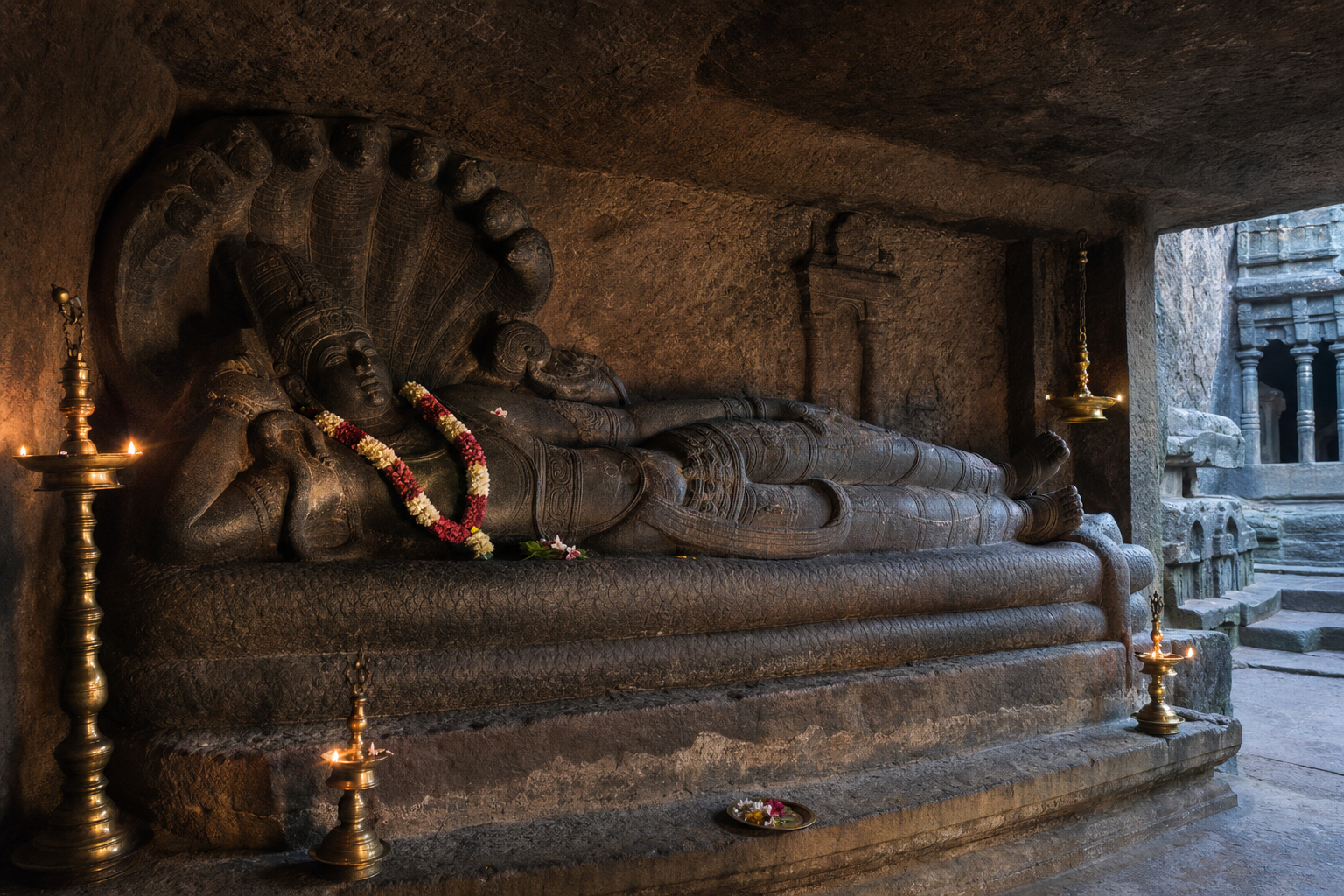
Sri Adi Janardhana Temple in Shimanthoor, Dakshina Kannada, is among the rarest Vishnu shrines in India, featuring Janardhana holding a pinda in the lower right hand. This singular iconography bridges Vaishnava theology with ancestral remembrance, situating śrāddha values within the very form of the deity. Set in Karnataka’s Tulu Nadu, the temple showcases coastal architecture…
-
Decoding the Pitha of the Shivling: Divine Architecture, Agamic Science, and Living Ritual

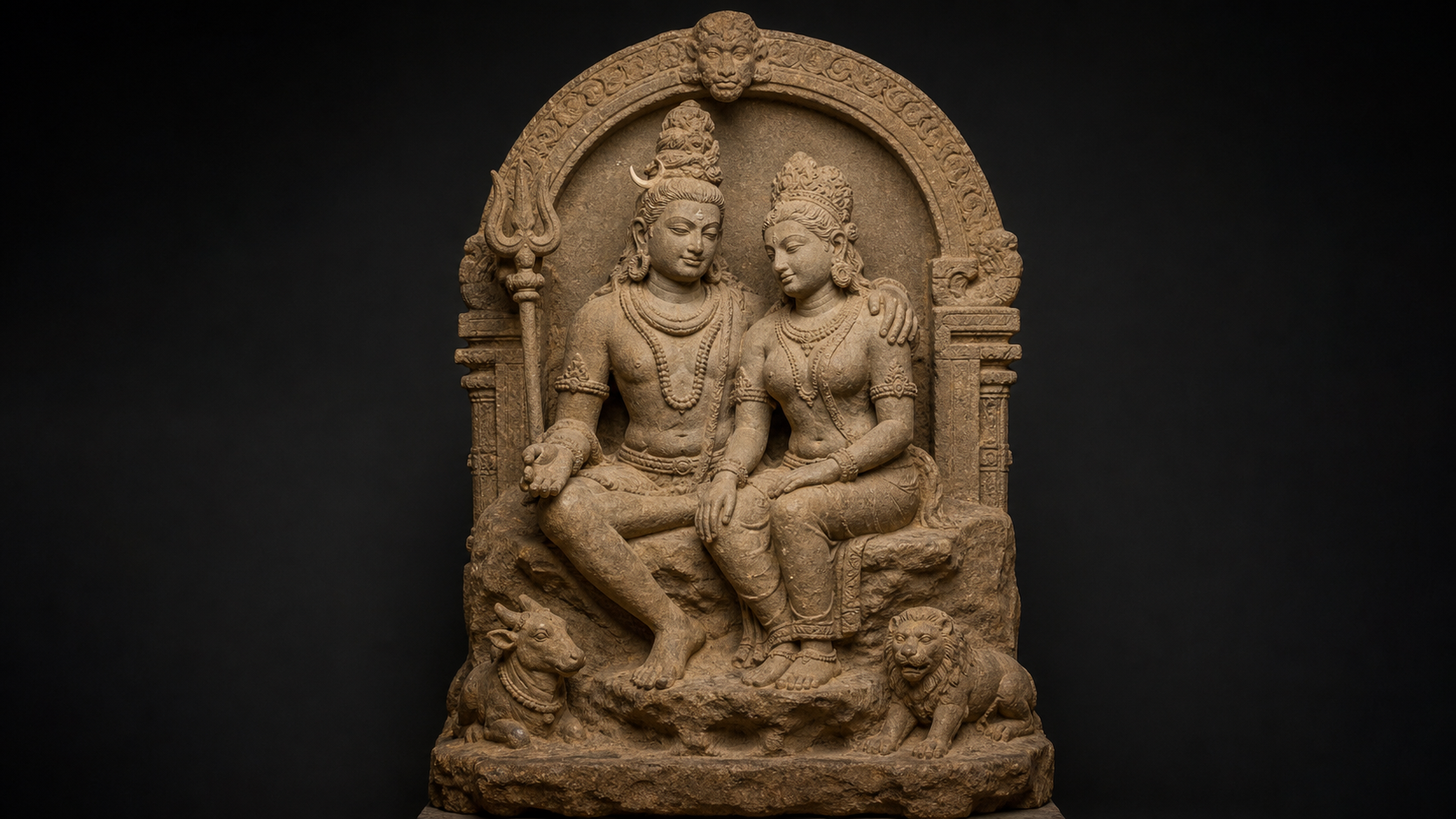
The pitha or yoni-pitha of the Shivling is not merely a base but a sacred support that grounds, stabilizes, and channels divine energy. Rooted in Agamic prescriptions and Shilpa Shastra canons, it integrates precise geometry, structural stability, and a hydraulically sound soma-sutra or gomukha outlet for abhishekam. The linga’s three-part articulation fits into the pitha…
-
Konark Sun Temple: A Radiant Masterpiece of Kalinga Architecture, Astronomy, and Dharma

Konark Sun Temple in Odisha, a 13th-century UNESCO World Heritage Site, unites Kalinga architecture, astronomy, and living ritual in a single monumental vision. Commissioned by Narasimhadeva I of the Eastern Ganga Dynasty, the complex was conceived as Surya’s celestial chariot, complete with functional stone sundials. The surviving jagamohana, masterful masonry, and encyclopedic iconography make the…
-
Mayasura: Legendary Demon Architect of Maya Sabha, Mandodari’s Lineage, and Vastu Shastra

Mayasura (Maya Dānava) stands at the confluence of epic imagination and technical science—an unrivaled asura architect who builds palaces, aerial cities, and enduring canons of design. The Mahabharata’s Maya Sabha showcases optical and spatial ingenuity while warning against hubris. The Ramayana’s lineage threads—through Mandodari, Mayavi, and Dundubhi—demonstrate how moral counsel and unchecked pride shape political…
-
Unraveling Mayasura, the Demon Architect: Epic Engineering, Sacred Geometry, and Maya Sabha’s Legacy

Mayasura—Maya Dānava in the epics—emerges as a master engineer whose works combine optics, hydrology, geometry, and ethics. The Mahabharata’s Khandava-daha and Maya Sabha episodes showcase advanced architectural thinking framed by Dharma: perception can be trained or misled, and design must answer to conscience. Purāṇic narratives such as Tripura reaffirm this ethic by sparing the architect…
-
TTD Tirupati Architecture & Sculpture Admissions 2026–27: Train to Preserve Sacred Heritage

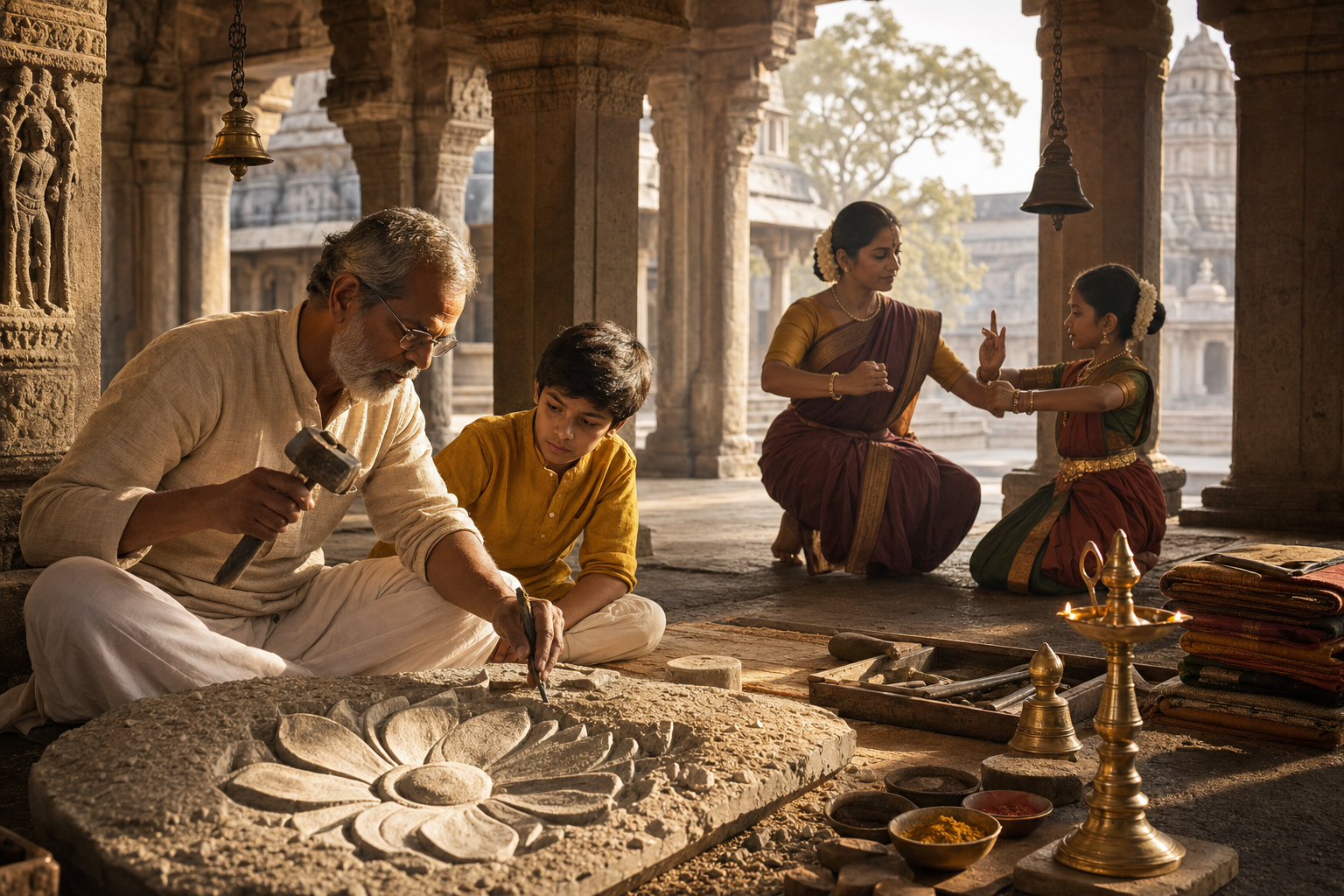
TTD-run Sri Venkateswara Traditional Temple Architecture & Sculpture College, Tirupati, is accepting applications from May 04 to June 20 for its 2026–2027 intake. Eligible Class 10 (SSC) pass candidates can apply for a four-year Diploma or a two-year Certificate. The college provides free accommodation to selected students, reflecting TTD’s heritage-service mandate. Training integrates Sthapatya Veda…
-
Haddinakallu Hanumantharaya at Eagle Stone Hill: Awe-Inspiring 8th‑Century Temple in Karnataka

Sri Kshetra Haddinakallu Hanumantharaya Temple, the Eagle Stone Hill Temple in Mandya district, Karnataka, harmonizes sacred geography, early medieval heritage, and living devotion. Local tradition places its origins in the 8th century CE, with subsequent renovations reflecting a continuous culture of stewardship. The modest hilltop plan, intimate sanctum, and elemental setting exemplify a Karnataka kshetra…
-
Haddinakallu Hanumantharaya Temple: A Timeless Ascent to Eagle Stone Hill’s Sacred Heritage

Sri Kshetra Haddinakallu Hanumantharaya Temple, the Eagle Stone Hill Temple in Karnataka, is a hill shrine dedicated to Lord Hanuman (Anjaneya) that unites sacred geography with living ritual. Local tradition attributes its origin to the 8th century CE under a regional ruler, a dating that aligns with broader early-medieval patterns though it awaits epigraphic confirmation.…
-
Lankapuri’s Golden Splendor: Ramayana’s City on Trikuta and a Timeless Warning on Greed

Lankapuri, the golden city of the Ramayana, unites mythic splendor with ethical instruction by showcasing how dharma tempers power and prosperity. Fashioned by Vishvakarma and set upon Mount Trikuta, Lanka’s luminous architecture, maritime horizons, and courtly spectacle are balanced by a sharp critique of lobha—greed. The narrative contrasts Kubera’s trusteeship of wealth with Ravana’s extractive…
-
Gyaraspur’s Timeless Legacy: Ekadashi Devotion and the Jain–Hindu Temple Heritage of Vidisha

Gyaraspur in Madhya Pradesh unites Ekadashi devotion with a remarkable ensemble of Jain–Hindu temples, offering an exemplary study in sacred geography and cultural continuity. The village’s name is locally linked to gyaras (the eleventh lunar day), reflecting how fasting traditions shape communal identity. Architectural treasures—Maladevi Temple, Bajramath, and the Hindola Torana with Athkhamba—showcase Gurjara–Pratihara and…
-
Madanikas in Hindu Temples: Sacred Feminine in Stone—Symbolism, History, and Devotional Aesthetics
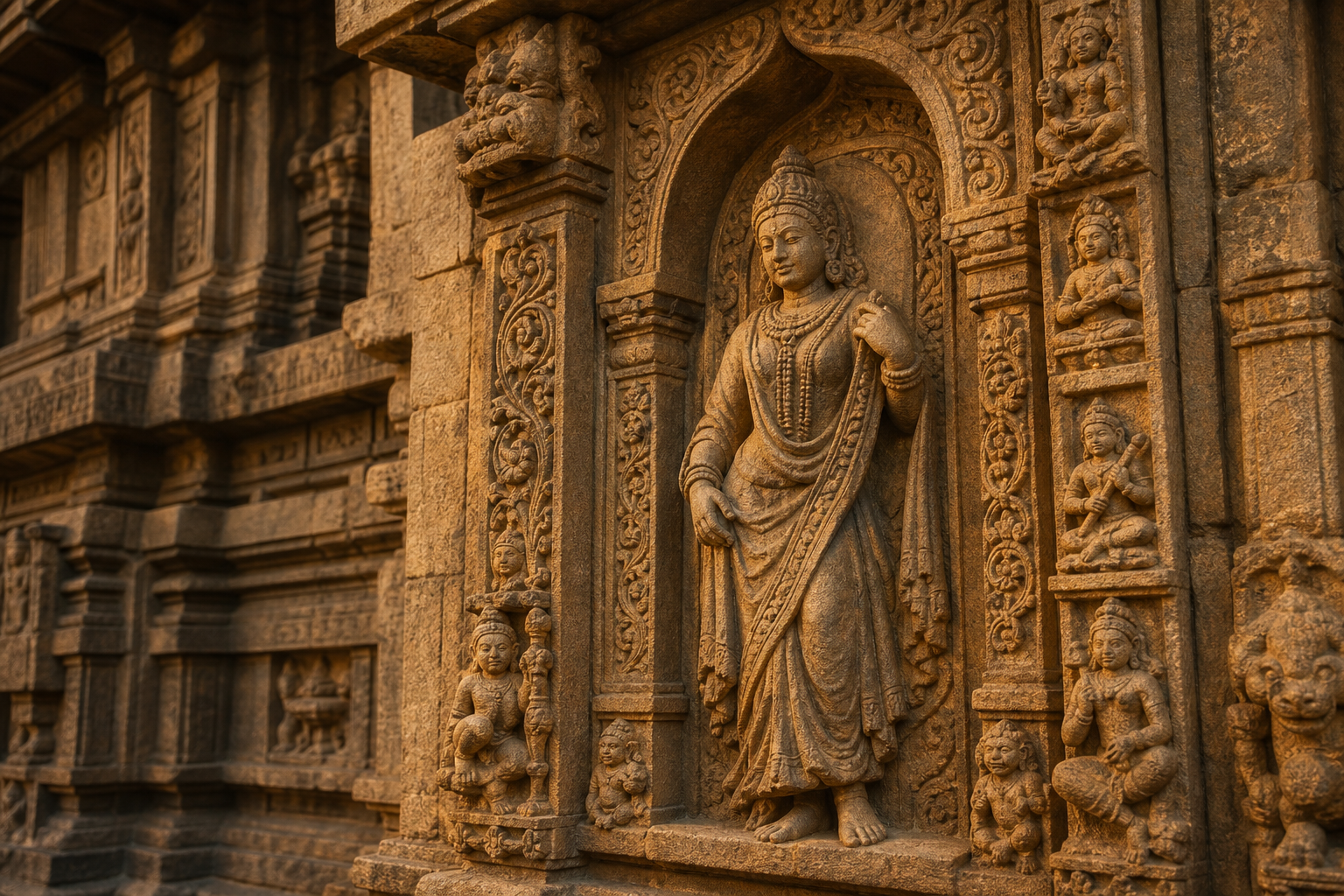
Madanikas—also known as śālabhañjikās—are among the most evocative symbols in Hindu temple architecture, uniting beauty, devotion, and metaphysics. This comprehensive overview traces their origins in early yakṣī imagery at Bharhut and Sanchi, follows their classical flowering in Hoysala temples at Belur, Halebidu, and Somanathapura, and situates related figures at Khajuraho, Konark, and Warangal. It explains…
-
Thousand Pillar Temple, Hanamkonda: Kakatiya-era Rudreshwara Trikutalaya and Living Heritage

The Thousand Pillar Temple in Hanamkonda (Rudreshwara Swamy Temple) is a Kakatiya-era Trikutalaya dedicated to Shiva, Vishnu, and Surya. Its renowned field of carved pillars and refined ornamentation embody the technical mastery and aesthetic poise of medieval Telangana. Visitors frequently note a contemplative atmosphere shaped by light, stone, and ritual continuity. The triadic sanctum plan…
-
Decoding Gopurams: Three Awe-Inspiring Gateway Types That Shape South Indian Temple Space

Gopurams—monumental gateways of South Indian temples—shape how devotees and visitors experience sacred space. This article explains three principal types by position and scale: the inner gopuram for quiet orientation, the intermediate gopuram for communal rhythm, and the raja gopuram as a civic and spiritual landmark. Tracing their historical evolution from Chola clarity to Vijayanagara–Nayaka grandeur,…
-
How “Śivapada Śekhara” Rajaraja Chola Built the Brihadeeshwara Temple