-
Bhadrakali Amman Unveiled: Sacred Iconography, Rituals, and Time-Transcending Philosophy

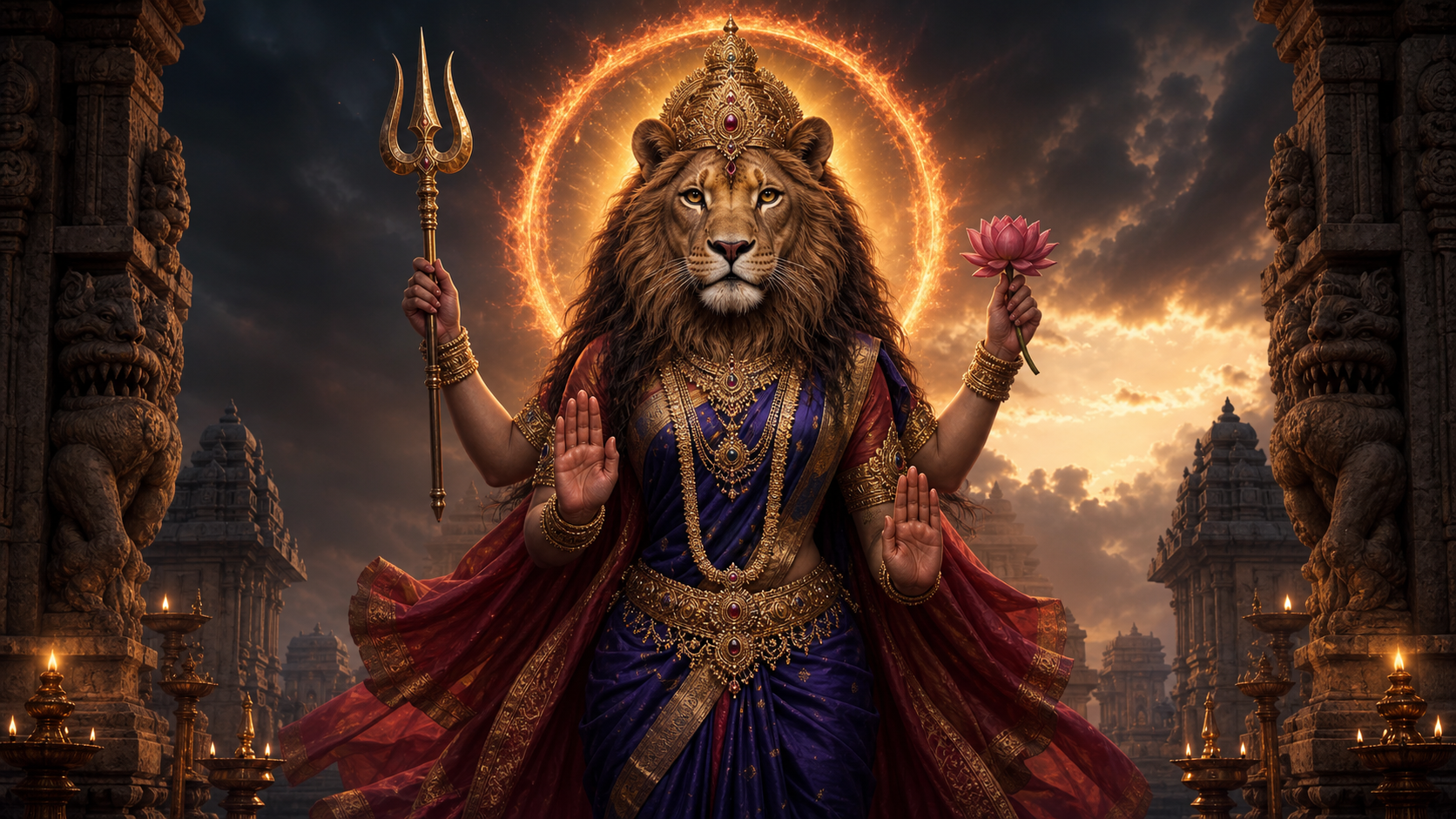
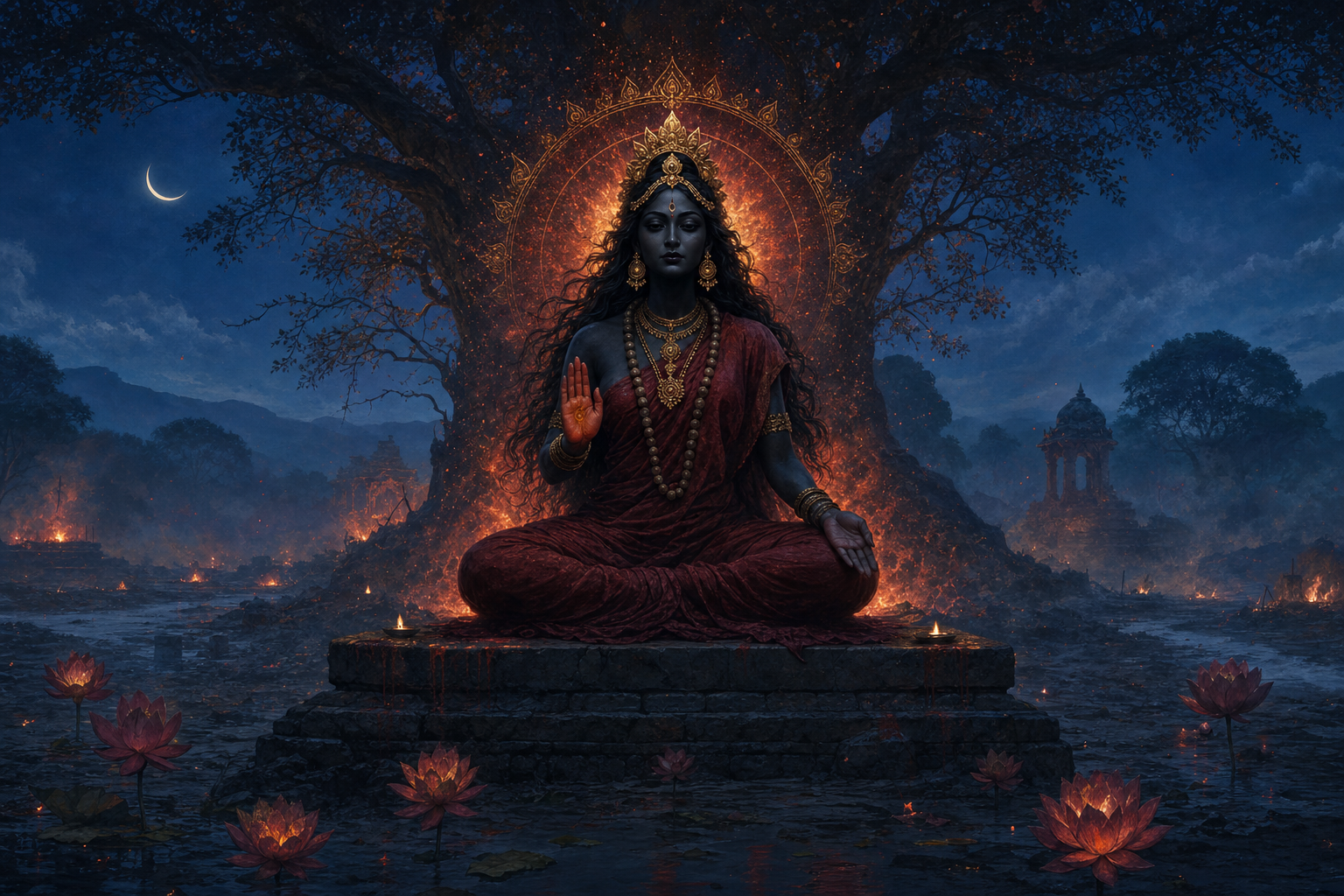
Bhadrakali Amman is presented as fierce grace: a guardian who unites auspiciousness with the transformative power of time. The analysis explains the etymology from Kala, the iconography of weapons and mudrās, and the ritual ecosystem of Amman worship in Tamil Nadu and Kerala. It highlights key festivals such as Attukal Pongala and the ethical turn…
-
Matangi Jayanti 2026: Unlock Vak-Siddhi and Prosperity on Akshaya Tritiya (April 19)

Matangi Jayanti 2026 falls on April 19, coinciding with Vaishakh Shukla Tritiya and Akshaya Tritiya, creating a highly auspicious window for worship. As Tantrik Saraswati, Matangi blesses devotees with vak-siddhi, cultured expression, and prosperity grounded in ethical values. The day is ideal for home puja, sattvic offerings, and mantra-japa aligned with one’s tradition and local…
-
Vashishta Jayanti 2026: Date, Puja Guide, and the Timeless Vedic Wisdom of a Saptarishi

Vashishta Jayanti 2026 falls on 25 April, Vaishakh Shukla Paksha Navami, honoring Maharshi Vashistha—Rigvedic seer, Saptarishi, and guru to Sri Rama. This comprehensive guide explains the festival’s Hindu calendar basis, regional reckoning of Vaishakh, and the meaning of Navami tithi. It surveys Vashistha’s contributions to Vedic literature (Rigveda Mandala 7), Dharma (Vasistha Dharmasutra), and philosophy…
-
Varaha Jayanti 2026 (September 13): Date, Puja Vidhi, Story, Temples and Deeper Significance

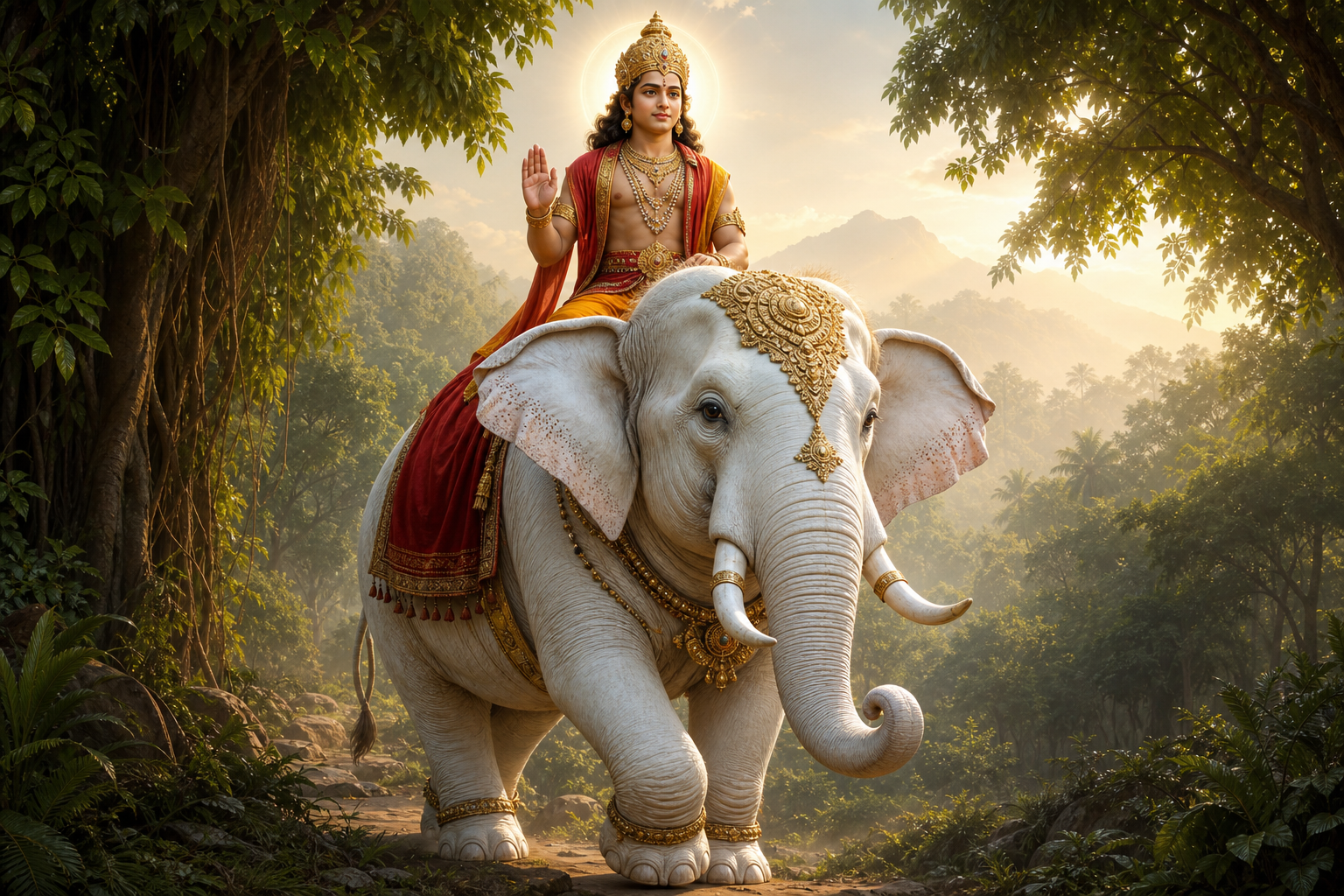
Varaha Jayanti 2026, the appearance day of the Varaha Avatar of Vishnu, falls on September 13 according to most regional panchangs. Celebrated on Bhadrapada Shukla Dwadashi, the festival honors Lord Varaha’s restoration of Bhudevi (Earth) and reaffirms dharmic stewardship and ecological responsibility. Devotees observe fasting, perform Varaha puja with tulasi and shodashopachara offerings, and recite…
-
Chinnamasta Jayanti 2026: Fierce Shakti Awakening—Date, Tithi, Rituals, Deep Meaning

Chinnamasta Jayanti 2026 falls on 29 April and is observed on Vaishakh Shukla Trayodashi according to the Hindu calendar. This comprehensive guide explains the festival’s date–tithi alignment, its profound Mahavidya symbolism, and how householders can perform a sattvic, family-friendly puja at home. It connects Chinnamasta’s fierce wisdom to yogic themes of manipura chakra, kundalini, and…
-
Awe-Inspiring Miracles of Venkateshwara Swamy: Testimonies, Temple Science, and Grace

This in-depth exploration examines the miracles attributed to Venkateshwara Swamy through scriptural sources, inscriptional history, and contemporary testimonies. It clarifies how dharmic traditions frame miracles as anugraha (grace) that aligns karmic causes with compassionate help. Readers will discover how temple ritual—Suprabhātam, arjitha sevas, Annadanam, and festival cycles like Brahmotsavam and Vaikuntha Ekadasi—functions as a lived…
-
Why Nothing Is Ever Lost: Dharmic Wisdom to Transform Grief into Clarity and Peace

This long-form exploration explains why, across Hinduism, Buddhism, Jainism, and Sikhism, nothing is ever truly lost—forms change while meaning, memory, and value continue. It clarifies Vedanta’s two levels of truth, showing how the atman remains untouched even as prakriti transforms. It integrates Buddhist dependent origination, Jain Anekantavada, and Sikh Hukam to present a unified dharmic…
-
What Hurts and Why: A Dharmic, Science-Backed Exploration of Pain and Inner Peace

Hurt is experienced through many private definitions, which often escalate conflict and fragment peace. A dharmic, science-supported lens shows how this plurality can be honored without dividing communities. Drawing on Hinduism, Buddhism, Jainism, and Sikhism—alongside modern psychology and neuroscience—this piece explains why appraisals shape pain and how regulation, reappraisal, and repair reduce suffering. It offers…
-
April 22, 2026 Panchang: Shukla Panchami to Sashti, Auspicious Muhurat, Nakshatra & Rashi

April 22, 2026 transitions from Shukla Paksha Panchami (until 5:47 AM IST) to Shukla Paksha Sashti, shaping a day that begins with refined intention and moves into focused execution. The entry explains tithi mechanics, how to time actions with Brahma Muhurta and Abhijit Muhurta, and how to avoid Rahu Kalam, Yamaganda, and Gulika Kalam using…
-
Amrit Sanchar in Tohana: A Transformative Khalsa Initiation at ‘Prabh Milnae Ka Chao’

Held in Tohana under the devotional theme “Prabh Milnae Ka Chao,” this detailed analysis explains how Amrit Sanchar—Sikhism’s Khalsa initiation—combines precise ritual, ethical rigor, and communal service. It outlines the ceremony’s canonical steps (Panj Piare, preparation of Amrit, five banis), the Five Ks and daily Nitnem discipline, and the social ethic of Sarbat da Bhala…
-
Evidence-Based Parenting: Letting Kids See Sadness to Build Resilience and Trust

A mother who once hid her grief learned that children sense unspoken emotions and benefit from honest, boundaried disclosure. When she allowed her tears to be seen, her children responded with tenderness, not fear, and misattributions (“Is it my fault?”) diminished. Developmental psychology and dharmic wisdom converge here: emotion coaching, secure attachment, and co-regulation show…
-
Bijankura Nyaya: How the Seed–Sprout Maxim Illuminates Causality, Karma, and Dharmic Unity

Bijankura Nyaya—the maxim of the seed and the sprout—offers a clear, memorable way to grasp causality, continuity, and transformation across Hindu philosophy and the wider dharmic family. It clarifies multi-causal processes through concepts like nimitta, upādāna, samavāyi, asamavāyi, and sahakārī causes. The maxim sits at the center of classical debates over satkāryavāda and asatkāryavāda and…
-
From One Morsel of Mercy to Love of God: SB 1.5.25, Prasadam, and the Science of Bhakti

The discourse on SB 1.5.25 by HG Srutakirti Prabhu at ISKCON France presents a precise, practice-centered account of how honoring prasadam from pure devotees initiates purification and awakens spiritual attraction. Rooted in the Bhagavata Purana and the Bhakti Tradition, the talk maps a concrete act—receiving sanctified food with gratitude—to the classic stages of devotional growth…
-
Living Fully Now: Dharmic Science of Memory, Mindfulness, and Ethical Action

A simple lesson—touching fire once teaches lasting respect—unlocks a profound dharmic principle: live fully in the present while letting memory inform, not govern, wise action. Drawing on the Bhagavad Gita, the Yoga Sūtra, Buddhist mindfulness, Jain anekāntavāda, and Sikh simran, this analysis shows how experience becomes discernment across Hinduism, Buddhism, Jainism, and Sikhism. It connects…
-
Unveiling Maya Bhuvaneswari: The Blue-Hued Cosmic Mother in Odisha’s Shakta Tantra

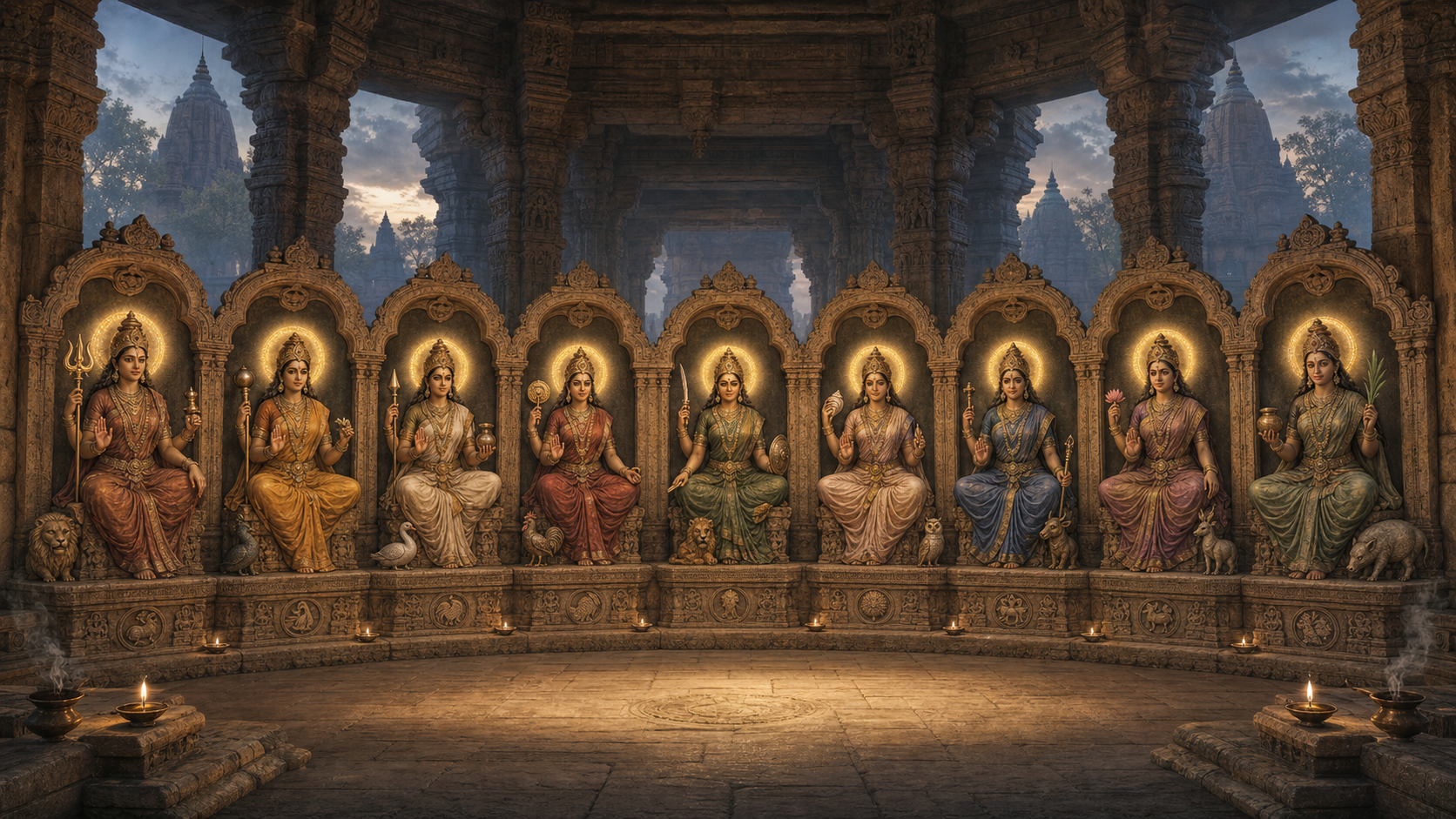
Maya Bhuvaneswari, a distinctive Odisha-centered manifestation of Bhuvaneshwari among the Mahavidyas, embodies Mahamaya—the compassionate power through which consciousness appears as the universe. Rooted in Shakta Tantra, this blue-hued Hindu Goddess teaches discernment in the midst of life rather than rejection of it, aligning akasha tattva (space) with lived ethics. The article examines her iconography, mantra…
-
Beyond Pralaya and Kalpa: How Hinduism Envisions the Universe Folding Back into Itself

Hindu cosmology describes an immense, cyclical universe in which worlds arise, endure, and dissolve through patterned phases of creation and reabsorption. This article clarifies key terms—pralaya and kalpa—details their fourfold typology, and lays out precise time scales from yugas to Brahmā’s lifetime. It integrates Purāṇic, Vedāntic, Vaiṣṇava, Śaiva, and Śākta views, and relates them to…
-
Margazhi’s Quiet Power: Chennai Music Season, Bharatanatyam, and Vishu Across Continents

Margazhi (Mārgaśīrṣa) transforms the year’s close into a contemplative and artistic season, celebrated in Chennai’s Music Season and echoed by diaspora communities such as Sacramento’s 2025 Margazhi festival. The month’s Vaishnava and Shaiva observances—Tiruppavai, Pavai Nombu, Vaikuntha Ekadasi, and Arudra Darshanam—balance rigorous sadhana with living culture, from kolam to Bharatanatyam. A case study of marking…
-
Beyond ‘God of War’: Murugan’s origins, Vel symbolism, and Thaipusam’s transformative devotion

Murugan, revered across Hindu, Buddhist, Jain, and Sikh milieus as a symbol of disciplined compassion, emerges in Tamil sources as the mountain-born “Beautiful One” whose power is guided by wisdom. Classical narratives from the Tolkappiyam and Puranic traditions explain his sixfold awareness, the gift of the Vel, and the transformation of Surapadman from pride into…
-
Khalsa Unveiled: Equality, Sovereignty, and Sacred Resistance in Guru Gobind Singh’s Vision

This in-depth exploration of the Khalsa traces its emergence at Vaisakhi 1699 and explains how Guru Gobind Singh united equality, sovereignty, resistance, and spirituality into a single ethical order. Readers gain a clear understanding of the Amrit Sanchar, the Panj Piare, and the Five Ks as living disciplines. The essay unpacks doctrines such as miri-piri,…