-
Akasha Deepam 2025: Essential Guide to Akasha Deepa Vratham Dates, Meaning, and How to Observe

Akasha Deepam—also known as Akasha Deepa Vratham—is a luminous Karthika Masam observance centered on lighting an elevated evening lamp. In 2025, it runs from October 22 to November 20 as per Telugu, Kannada, Marathi & Gujarati calendars. The ritual emphasizes knowledge over ignorance and fosters a calm, reflective rhythm in family life. Its symbolism of…
-
Muladhara (Root) Chakra: The Complete, Proven Guide to Grounding, Security, and Stability

The Muladhara (Root) Chakra is the foundational energy center that supports stability, safety, and grounded presence. Located at the base of the spine, it relates to survival instincts, security, and belonging, and is associated with the earth element, the color red, and the seed sound Lam. Practical methods such as steady standing postures, diaphragmatic breathing,…
-
Essential Panchang for October 21, 2025: Amavasya Muhurat and Shukla Pratipada Start

October 21, 2025, features Amavasya until 4:26 PM, followed by the start of Shukla Paksha Pratipada, which continues until 6:17 PM on October 22. The day’s transition from no-moon quietude to the waxing moon’s renewal is widely observed across Hindu traditions for reflection and fresh beginnings. Readers gain clear, time-specific Panchang guidance while being reminded…
-
Jealousy vs. Inner Peace: The Complete Dharmic Guide to Transforming Matsarya Now

Jealousy (matsarya) undermines inner peace, relationships, and social trust. Dharmic traditions agree on its remedy: cultivate compassion, equanimity, and ethical clarity. Hindu philosophy classifies matsarya among the Arishadvarga, while the Bhagavad Gita and Yoga Sutra prescribe practical virtues and mental training. Buddhism (issa, kilesa), Jainism (pratikraman, aparigraha), and Sikh teachings (simran, seva) converge on transforming…
-
Shravana Kumara in Ramayana: The Essential Story of Innocent Suffering and Divine Justice

Shravana Kumara’s episode in the Ramayana offers a moving meditation on innocent suffering, filial duty, and divine justice. Readers gain an accurate, accessible account of the story and its karmic implications for King Dasharatha. The analysis highlights dharma versus adharma and explains how compassion, restraint, and accountability create moral balance. Parallels across Buddhism, Jainism, and…
-
Essential, Complete Guide to Shukla Paksha vs Krishna Paksha: Master the Hindu Lunar Cycle

The Hindu Panchang divides each lunar month into Shukla Paksha (waxing moon) and Krishna Paksha (waning moon), a structure that shapes festivals, rituals, and daily life. Shukla Paksha symbolizes growth and clarity; Krishna Paksha emphasizes introspection and release. Key observances include Navaratri in Shukla Paksha, Janmashtami in Krishna Paksha, and Maha Shivaratri on Krishna Paksha…
-
Ultimate Kali Mahavidya Guide: Discover Mantra Sadhana, Siddhi, Forms, and Rahasya

Kali Mahavidya expresses the transformative power of time and the compassionate force that removes inner obstacles to liberation. Kali Mantra Sadhana emphasizes ethical grounding, breath awareness, and steady japa to cultivate clarity and fearlessness. Authentic Kali Mantra Siddhi is understood as integration—ethical refinement, compassionate action, and unwavering steadiness—rather than pursuit of spectacle. Distinct forms such…
-
Muladhara (Root Chakra) Explained: The Essential Guide to Grounding, Security, and Growth

The Muladhara Chakra, or Root Chakra, is the foundational energy center in yogic anatomy, located at the base of the spine and associated with stability, survival, and the earth element. Its Sanskrit roots—“Mula” (root) and “Adhara” (support)—convey its role in grounding body and mind. Balanced Muladhara fosters safety, resilience, and practical clarity; imbalance may manifest…
-
The Complete Midlife Reawakening: Proven Ways to Transform Uncertainty into Purpose and Joy

A midlife reawakening becomes possible by remembering an earlier, more aligned self and applying dharmic principles—self-inquiry, mindfulness, ahimsa, aparigraha, and seva—to modern decisions. The narrative demonstrates how to transform uncertainty into purpose through attunement rather than achievement. It shows that structure can be released without losing identity, and that intuition, flow, and joy are valid…
-
Ultimate Guide to Tarapith Temple: Discover the Shakti Peetha of Tara and Transformative Sadhana

Tarapith Temple in Birbhum, West Bengal, is a renowned Shakti Peetha where Goddess Tara is venerated as both fierce and compassionate. The temple’s proximity to the Mahasmashan underscores a contemplative journey from impermanence to awakening. Rooted in the Mahavidya tradition, Tarapith’s worship resonates with shared dharmic values found across Hinduism, Buddhism, Jainism, and Sikhism. Ritual…
-
Master the Eternal Present: Proven Dharma Practices to Transform Life Through Mindful Action

Life constantly changes, yet direct experience happens only in the present moment. Dharmic traditions—Hinduism, Buddhism, Jainism, and Sikhism—converge on this insight and offer practical means to live it. Breath awareness and simple meditation techniques ground attention, while ethical disciplines translate clarity into compassionate action. Reflective study of the Bhagavad Gita and the Upanishads refines judgment…
-
Discover the Complete Wonder of Srimad-Bhagavatam: Proven Insights to Transform Understanding

Srimad-Bhagavatam, the “flawless ripened fruit of all Vedic scriptures,” presents miraculous narratives that double as profound philosophical reflections. Speaking animals, celestial palaces, and cosmic oceans invite readers to contemplate ethics, devotion, and cosmology with renewed clarity. Interpreted allegorically, these episodes model cooperation, inner strength, and the emergence of virtue through disciplined effort. The text’s symbols…
-
Essential Insights: Discover How Krishna Consciousness Supports Proven Mental Health Care

Devotees often find that sincere chanting, meditation, and scriptural study provide deep solace—yet there are times when evidence-based psychiatric care is essential. This piece explains how Krishna consciousness and modern mental health treatment work together, not in opposition. Practical guidance helps communities recognize when to seek clinical assessment while sustaining daily sadhana. The approach reduces…
-
Discover a Compassionate Afterlife: Essential Insights on Reincarnation, Karma, and Purgatory

This comparative exploration clarifies why many see reincarnation as compassionate and empowering, offering sustained moral growth through karma across lifetimes. It also outlines Catholic eschatology’s affirmation of one earthly life and purgatory, noting that common models can appear to minimize active human cooperation. Readers gain a balanced, academically grounded view of divine justice, divine mercy,…
-
Discover the Transformative Power of Compassion: A Saint’s Proven Lesson in Bhakti

This essay examines how narratives featuring stigmatized figures—such as the courtesan guided by Haridasa Thakura in Gaudiya Vaishnava literature—reveal the transformational power of compassion and disciplined practice. It situates these accounts alongside the Gospel’s portrayal of redemption and dharmic parallels in Buddhism, Jainism, and Sikhism. Readers gain a clear, academically grounded interpretation: suspension of judgment,…
-
Master Patience in Adversity: The Essential Dharmic Guide to Resilience and Inner Strength

This article examines Kshama (patience) as a central dharmic virtue that cultivates resilience, inner strength, and equanimity. It situates patience within the Bhagavad Gita’s emphasis on titiksha and samatva, demonstrating how composed forbearance enables ethical action under pressure. The discussion highlights convergences across Hinduism, Buddhism, Jainism, and Sikhism, including kṣānti as a paramita, Kshamavani in…
-
Essential Truth of ‘Finding Sita’ in Kali Yuga: Discover a Proven Path to Living Virtue

The phrase “impossible to find a Sita in Kali Yuga” is best read as a call to cultivate, not abandon, virtue. Grounded in the Ramayana and supported by shared ethics across Hinduism, Buddhism, Jainism, and Sikhism, Sita represents steadfast character, dignity, and courage under trial. Kali Yuga challenges these qualities, but does not extinguish them.…
-
Arundhati Darshana Nyaya: The Complete, Proven Guide to a Transformative Hindu Wedding Ritual

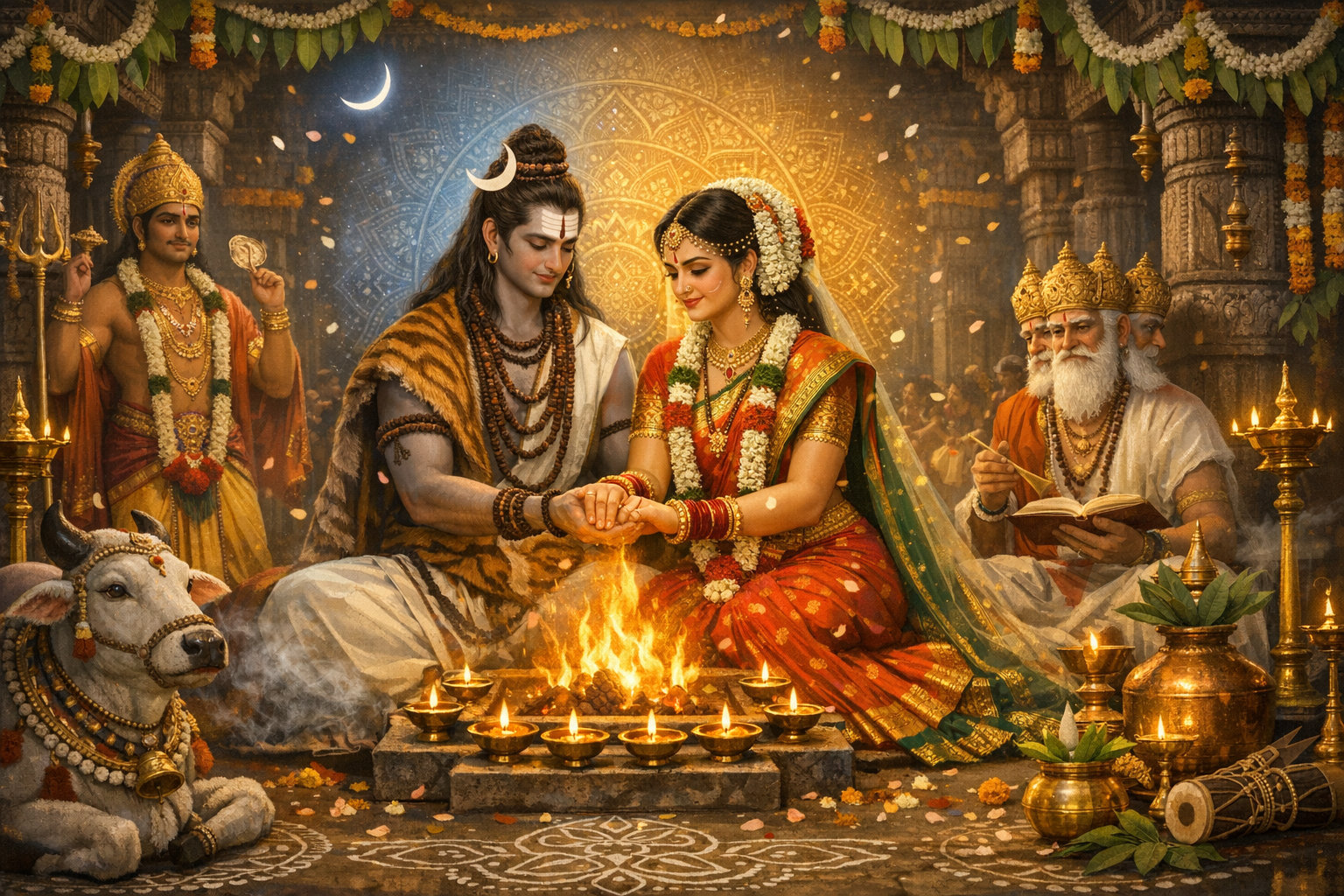
Arundhati Darshana Nyaya unites Hindu ritual, astronomy, and pedagogy in a single, contemplative wedding practice. After the ceremony, couples are guided to view the Arundhati star with Vashistha among the Saptarishi, modeling a method of learning from the obvious to the subtle. This ritual symbolizes fidelity, equality, and shared purpose, resonating across Hinduism, Buddhism, Jainism,…
-
October 20, 2025 Panchang Guide: Complete Tithi Timings to Master Amavasya Transition

October 20, 2025 marks Krishna Paksha Chaturdashi until 2:55 PM, followed by Amavasya for the rest of the day in most regions. This concise Panchang note clarifies the exact tithi transition to help schedule puja, vrata, and reflective practices with accuracy. It explains the spiritual tone of Chaturdashi and Amavasya while emphasizing regional variation in…