-
Why Madanaratna Still Matters: Illuminating Dharmashastra, Law, and Ethics from Kashi

Madanaratna—also known as Madanaratnapradipa and Madanapradipa—stands as a notable Dharmashastra compendium that illuminates ancient Indian law, ethics, and social order. Attributed to Vishvanatha of Kashi, it reflects the intellectual vitality of Sanskrit scholarship and the disciplined transmission of legal-ethical knowledge. The text’s layered titles evoke the imagery of a jewel and a lamp, signaling guidance…
-
Madhuchandas and the First Ten Suktas: Unveiling the Rig Veda’s Foundational Voice

Madhuchandas, son of Vishwamitra, is traditionally credited with the first ten suktas of the Rig Veda’s first mandala, establishing a foundational voice for Vedic hymnody. These hymns, revered as shruti, combine ritual power with philosophical clarity, highlighting themes of cosmic order, gratitude, and truthful living. The poetic craft—meters like Gāyatrī and Triṣṭubh, and vivid imagery…
-
Asura Power vs Dharma’s Restraint: Ravana, Sita, and the Ramayana’s Moral Reckoning
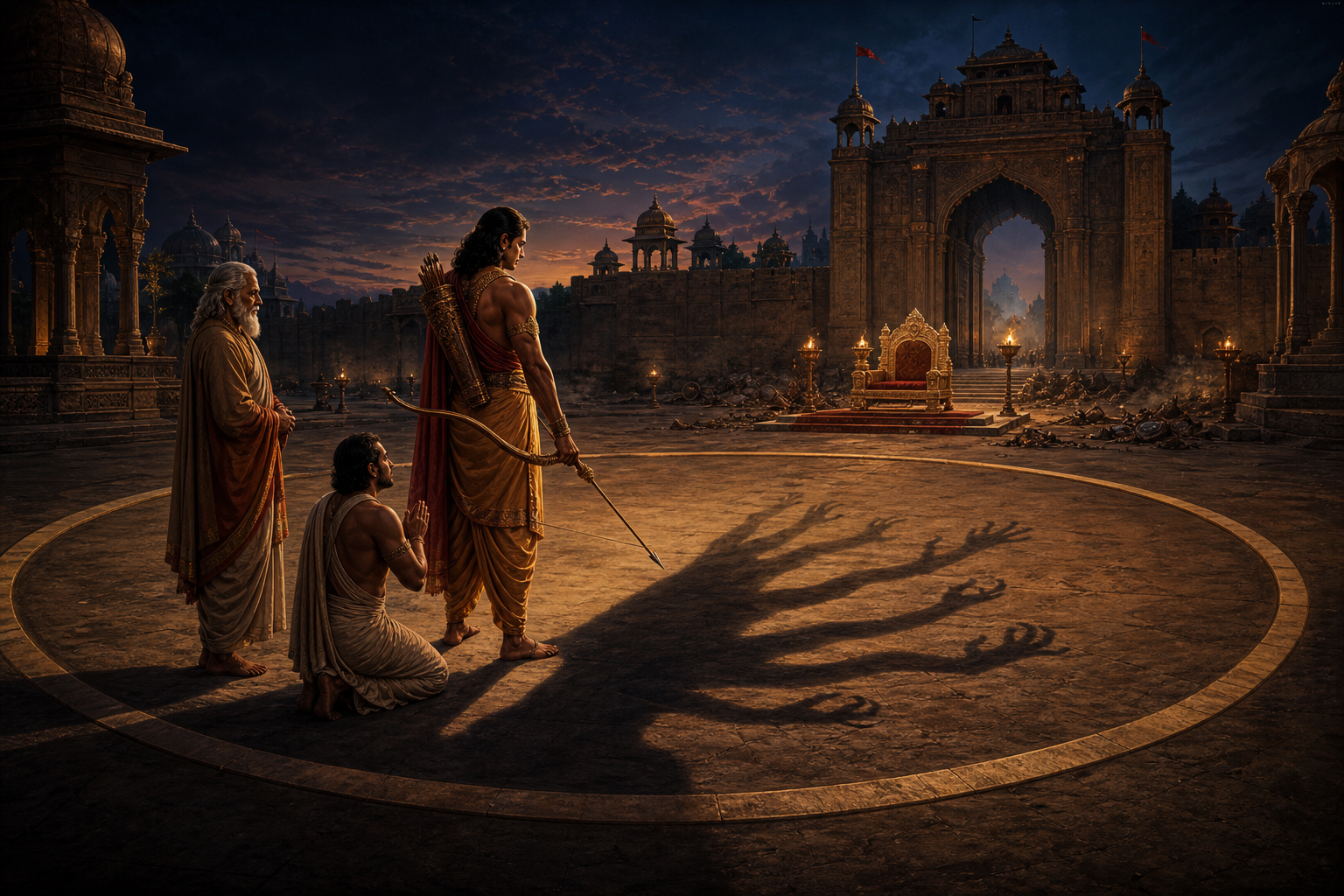
This article examines why Asura Dharma might not condemn Ravana’s abduction of Sita, contrasting a power-first ethos with the Dharmic insistence on righteousness, restraint, and duty. It clarifies how the Ramayana positions legitimacy not in dominance but in ethical means and ends. Readers gain a clear framework to assess might versus right, applying tests of…
-
Twelve Sacred Names of Surya Bhagavan: Radiant Benefits, Auspicious Timing, and How to Chant

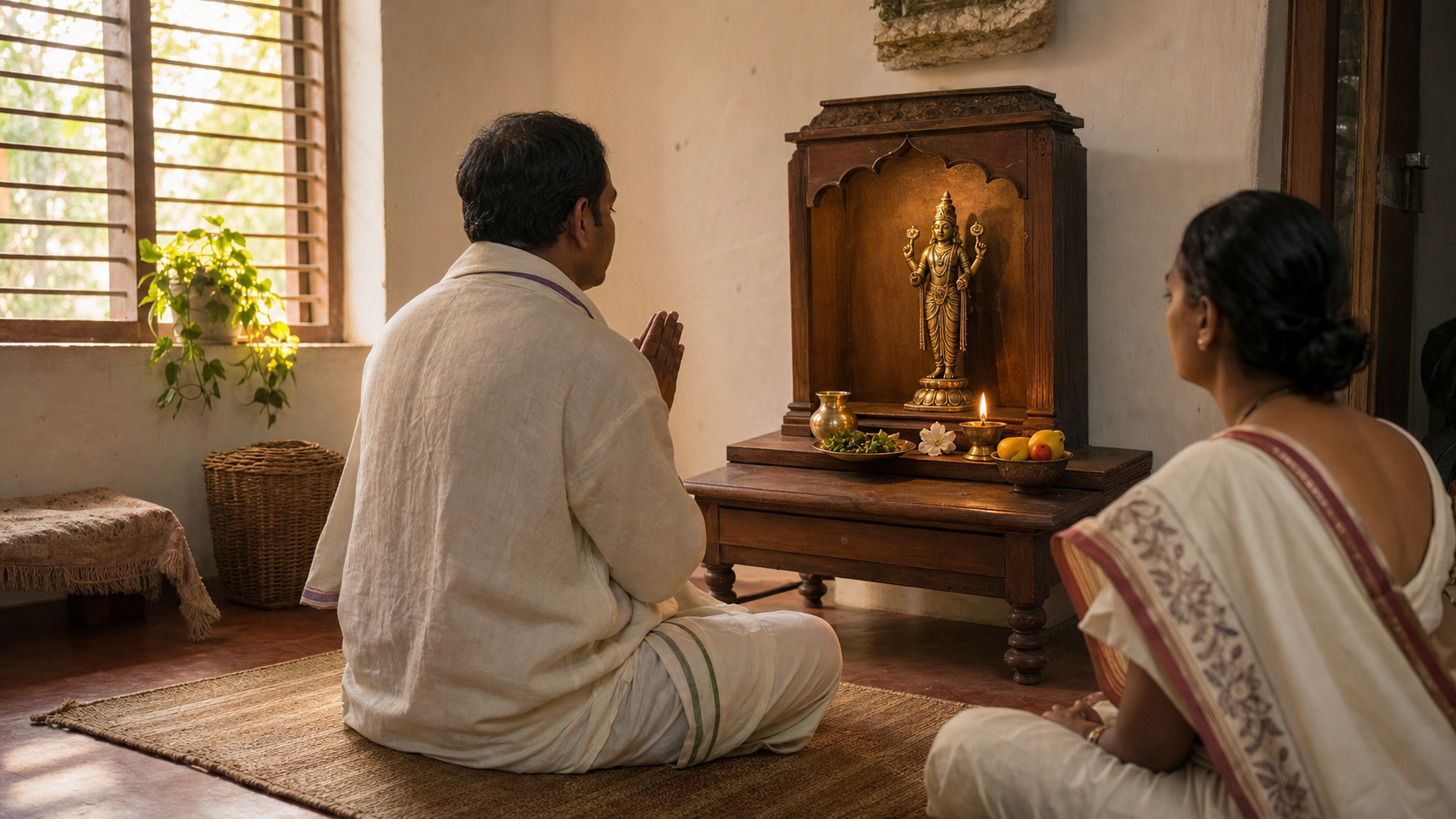
The Twelve Sacred Names of Surya Bhagavan offer a concise, profound practice rooted in Vedic mantras and Hindu rituals. Chanting Mitra, Ravi, Surya, Bhanu, Khaga, Pushan, Hiranyagarbha, Marichi, Aditya, Savitru, Arka, and Bhaskara promotes vitality, focus, and emotional balance while cultivating gratitude and clarity. Sunrise, Sundays, and auspicious tithis such as Ratha Saptami are especially…
-
Kāma vs Prema in Chaitanya-charitamrita: Transforming Desire into Selfless Divine Love

C.C. Adi-lila 4.158–162 offers a lucid distinction between kāma (self-centered desire) and prema (selfless love), showing how intention transforms desire into devotion. The class by H.G. Braja Bihari Prabhu emphasizes that prema seeks to gladden Kṛṣṇa through service, humility, and steadfastness. A preserved Sanskrit verse highlights love’s resilience even when dissolution seems justified. Parallels across…
-
Eternal Gains vs. Fleeting Wins: Sunday Feast Bhagavad Gita with Prabhupada Priya Devi Dasi

This Sunday Feast lecture (January 11, 2026) by Prabhupada Priya Devi Dasi presents a clear contrast between spiritual activities and material pursuits through the lens of the Bhagavad Gita. It highlights that material achievements are inherently temporary, while spiritual advancement carries enduring benefits. Referencing Karma Yoga (Bhagavad Gita 2.40), the talk notes that even small…
-
Mind, Intelligence, and Yoga in Srimad Bhagavatam: Aniruddha’s Grace and Dharmic Unity

This Srimad Bhagavatam (Canto 3, Chapter 26) exploration by HH Mukunda Goswami examines mind, intelligence, and yoga through Srila Prabhupada’s purports and the Gaudiya Vaishnava tradition. It clarifies the mind’s identification with Lord Aniruddha, the ruler of the senses, translating sensory mastery into sacred practice. The session presents a practical, integrated yoga—yama-niyama, pratyahara, dhyana, and…
-
Why the Upanishads Inspire Unity: Timeless, Non-Sectarian Wisdom for All Seekers

The Upanishads endure as non-sectarian, universal Scriptures that speak across traditions and eras. Their core inquiry into ātman, Brahman, and truth encourages seekers to look beyond labels and toward direct realization. By emphasizing disciplined reflection, meditation, and ethical living, they offer tools for clarity, compassion, and inner stability. This approach strengthens unity among the Dharmic…
-
Chhinnamasta in the Pranatosini Tantra: Divine Self-Sacrifice and Cosmic Renewal

This article explores the Pranatosini Tantra’s account of Chhinnamasta, a Mahavidya who embodies divine self-sacrifice and cosmic renewal. It explains how the Goddess nourishes her attendants through three life-giving streams, an image read as both prāṇa symbolism and radical generosity. The iconography—standing over Kāma and Rati—illustrates mastery over desire and the transformation of passion into…
-
Hamsa in Hinduism: Sacred Swan Symbolism and the Vahana of Saraswati, Brahma, Gayatri, Vishwakarma

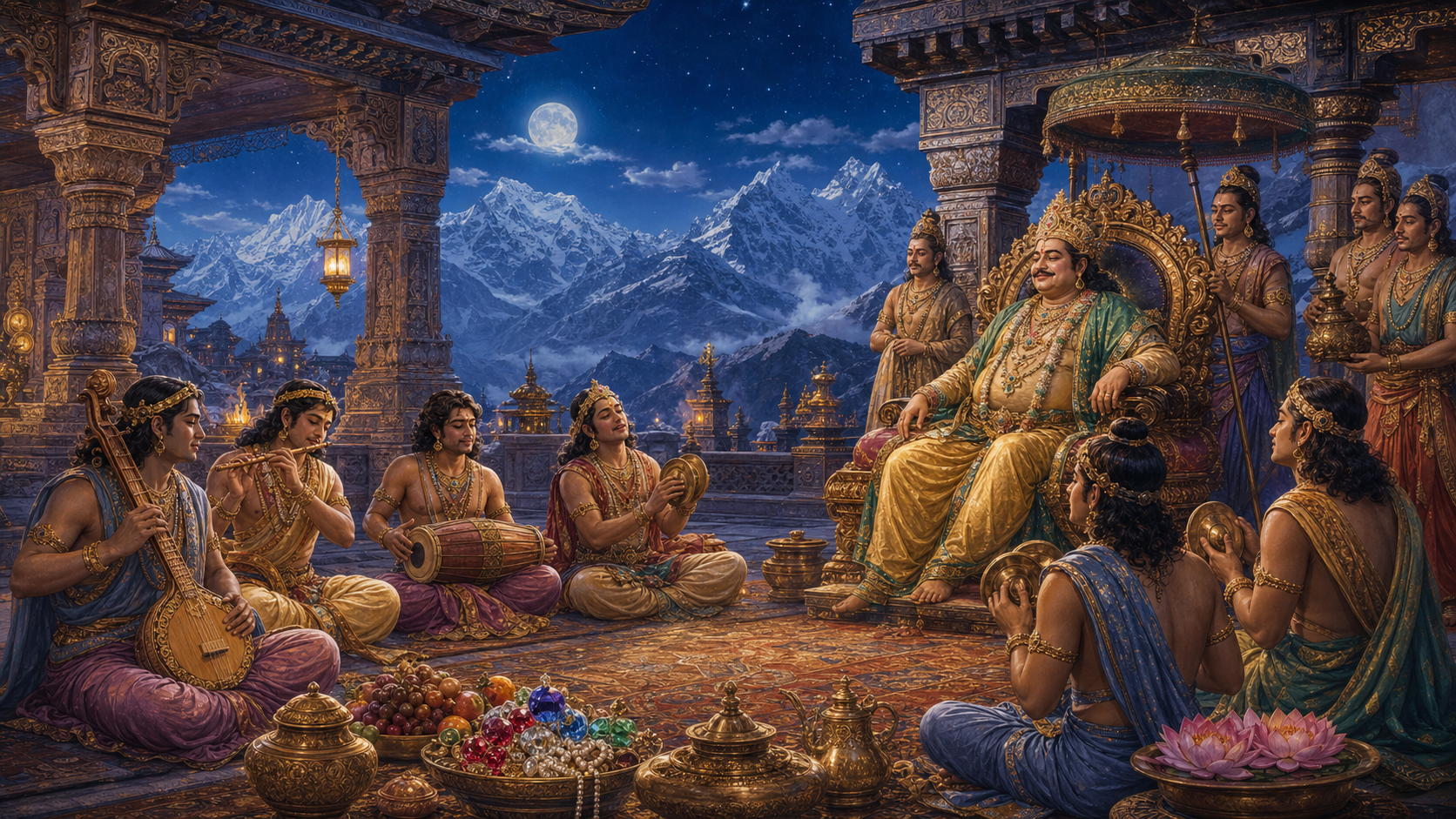
The hamsa (swan) holds a sacred place in Hindu scriptures and iconography, especially as the vahana of Saraswati, Brahma, Gayatri, and Vishwakarma. Legends situate divine swans in the Himalayan ranges and at Manasarovar Lake, where they signify purity and transcendence. As a symbol of viveka (discriminative wisdom), the hamsa aligns naturally with learning, truthful speech,…
-
Sri Dharma Sastha Bhujangam: Adi Sankara’s Powerful Hymn of Unity, Devotion, and Dharma

Sri Dharma Sastha Bhujangam, attributed to Sri Adisankara, is a Sanskrit devotional hymn that praises Lord Dharma Sastha (Ayyappa) as a compassionate protector and guide to dharma. Composed in the bhujangam meter, its calming cadence supports mindful breathing and focused devotion. The hymn integrates Advaita insight with the Bhakti Tradition, showing how knowledge and love…
-
Sri Hanumad Ramayana: The Awe-Inspiring Himalayan Legend of Hanuman’s Sacred Epic

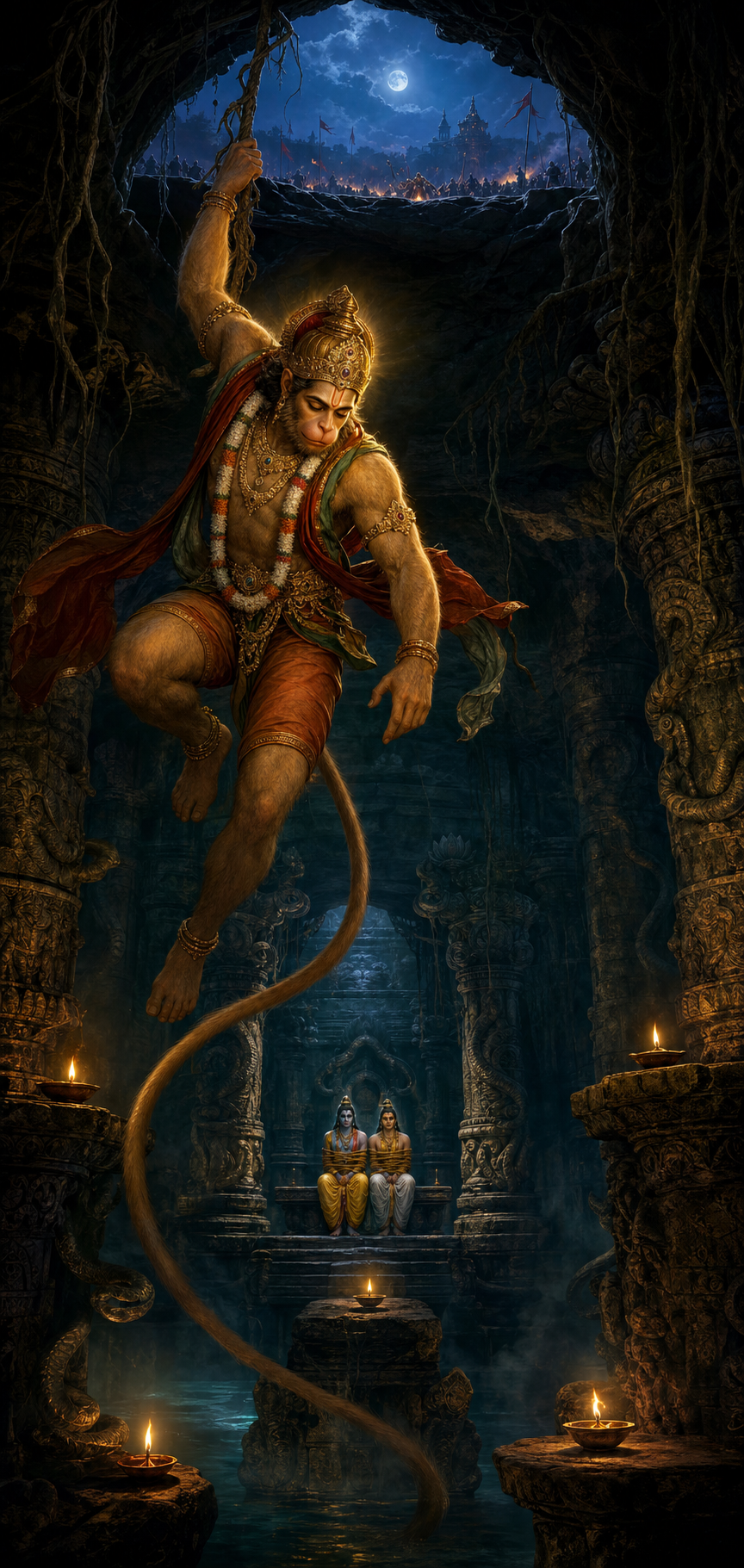
The legend of the Hanumad Ramayana tells of Lord Hanuman inscribing an early Ramayana on Himalayan rocks and then humbly effacing it to honor Valmiki’s destined epic. Presented as a sacred teaching story rather than a recoverable text, it illuminates core values of devotion, service, and humility. The narrative enriches understanding of Hindu scriptures as…
-
Lakshmana Gita: Timeless Insights on Lord Rama’s Virtues to Guide Dharma in Modern Life

Lakshmana Gita, a celebrated passage in the Valmiki Ramayana, presents a clear and compelling portrait of Lord Rama’s virtues as maryada purushottama. Lakshmana’s discourse to the people of Ayodhya and Rama’s brothers distills dharma, compassion, truthfulness, and humility into a practical ethical guide. Readers find modern relevance in its counsel for leadership, service, and personal…
-
Angada’s Immovable Feet in Folk Ramayana: Diplomacy, Dharma, and a Pre‑War Masterstroke

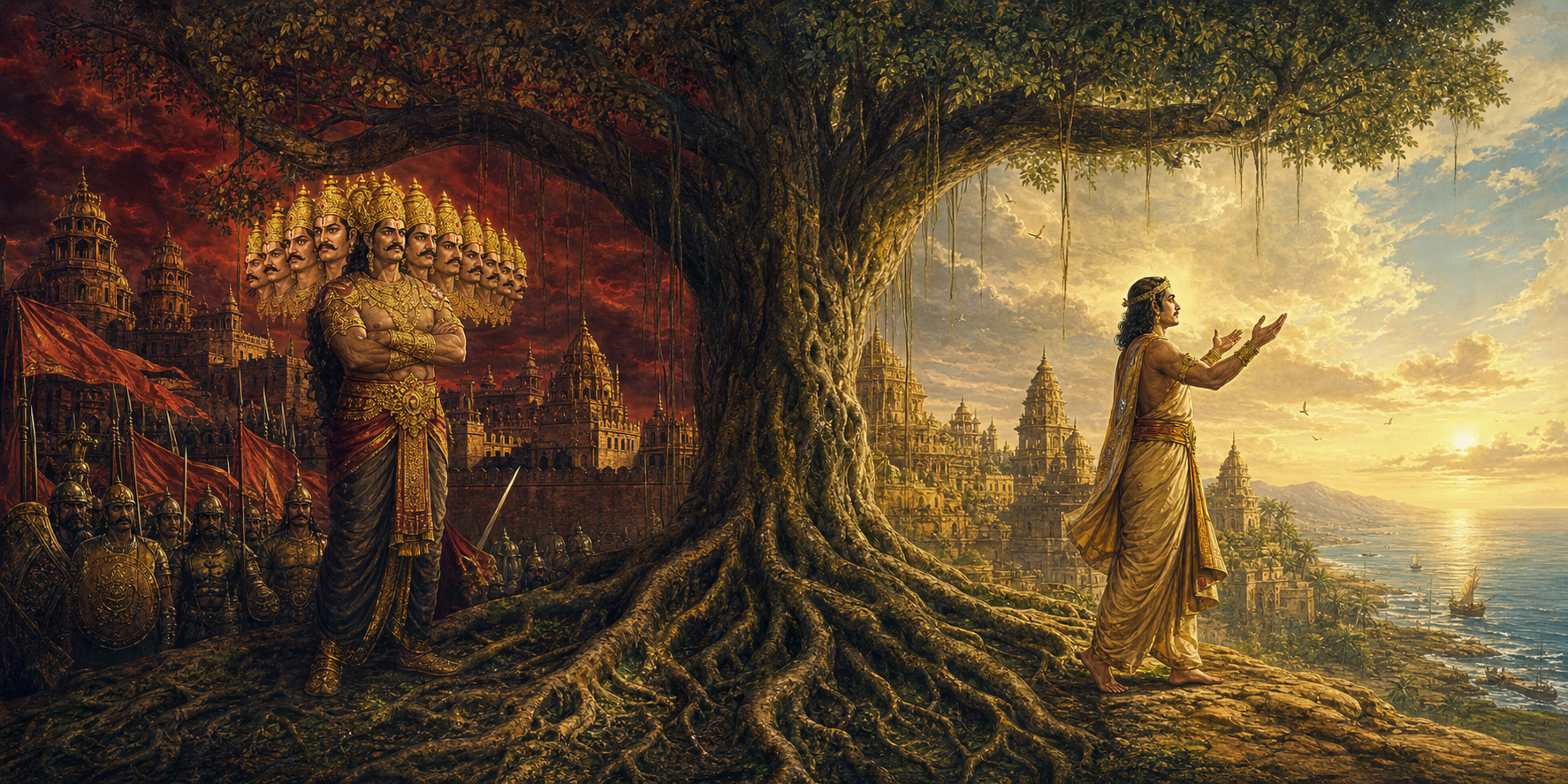
Angada’s mission to Lanka in Folk Ramayana presents a masterclass in diplomacy rooted in dharma. As Rama’s final envoy of peace, he embodies restraint, clarity, and moral courage, urging the return of Sita to avert war. The iconic planting of his foot in Ravana’s court conveys a potent symbol: dharma stands firm when anchored in…
-
Uddhava-gita Unveiled: Krishna’s Profound Counsel in Srimad Bhagavatam Beyond Kuruksetra

This piece introduces Uddhava-gita as Krsna’s intimate counsel in Dvaraka, complementing the battlefield instruction of Bhagavad-gita at Kuruksetra. It clarifies how each text addresses different stages of spiritual growth—duty and discernment on one hand, and mature devotion and contemplative wisdom on the other. Readers gain a comparative framework that deepens understanding of Hindu philosophy, bhakti,…
-
Vedavati to Sita Mata: Goddess Lakshmi’s Incarnation of Bhudevi, Courage, and Dharma

Vedavati’s story, culminating in her rebirth as Sita Mata, illuminates a continuous thread of devotion, purity, and dharma drawn from Ramayana and Puranic traditions. Readers gain a clear view of her lineage as Kushadhvaja’s daughter and Brihaspati’s granddaughter, her tapasya for Lord Vishnu, and the ethical force of her vow against Ravana’s adharma. The narrative…
-
Markandeya Charitra Unveiled: Timeless Devotion, Shiva’s Grace, and Ever‑Youthful Wisdom

Markandeya Charitra presents a timeless portrait of devotion, courage, and divine grace centered on the enduring relationship between a devotee and Lord Shiva. Born in the Bhrigu lineage to Mrikandu and Marudvati, Markandeya meets a fated lifespan with fearless worship, prompting Shiva’s intervention as Kalantaka. The Bhagavata Purana and Markandeya Purana deepen this account, linking…