
-
Raghunātha Śiromaṇi and Navya-Nyāya: The Daring Indian Modernity Before Descartes

Indian modernity did not require a rupture with the past. Through Navya-Nyāya, Raghunātha Śiromaṇi advanced “reason and evidence-based critical inquiry” a century before Descartes, crafting a precise technical language to analyze reality from the finest concepts to composite bodies. This tradition flourished around Mithila, Navadwīpa, and Varanasi, drawing scholars from Tibet and nurturing cross-dhārmic exchange.…
-
Shakambari Purnima 2026: Date, Sacred Significance, and Eco-Devotional Practices
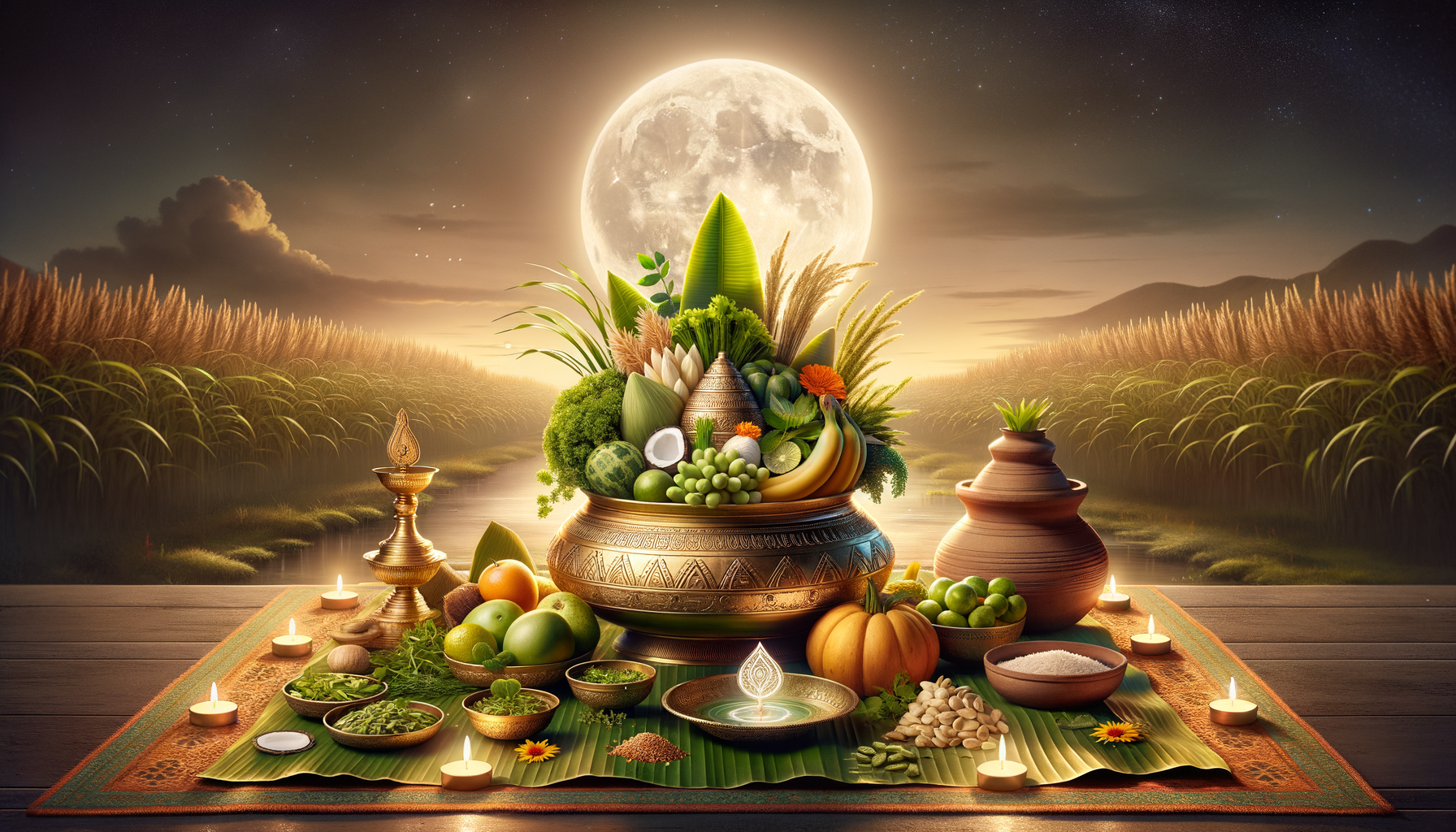
Shakambari Purnima in 2026 falls on 3 January, marking the conclusion of Shakambari Navratri and honoring Goddess Shakambari, the ‘Bearer of the Greens’. The observance celebrates nourishment, ecological balance, and the sanctity of sharing food (annadāna). Devotees offer seasonal vegetables, grains, and greens, emphasizing sattvic living and gratitude for nature’s bounty. Communities often organize produce-sharing…
-
Shani Sade Sati for Karka Rashi: Navigate the Powerful Paada Shani Final 2½ Years

As Shani enters Simha Rashi, Karka Rashi reaches the final 2½ years of Shani Sade Satiknown as Paada Shani, Pata Shani, or Foot Shani. This concluding phase emphasizes discipline, responsibility, and emotional steadiness rather than fear. Practical focus areas include simplifying routines, honoring duties, prudent decisions, and consistent spiritual practice. Shared dharmic values across Hinduism,…
-
Ekadashi 2026 Vrat Guide: Accurate Dates, Smartha–Vaishnava Practices, Parana and Puja
Ekadashi, observed on the eleventh tithi during both Shukla Paksha and Krishna Paksha, is a cherished day for Lord Vishnu Puja. In 2026, accurate Ekadashi Vrat dates depend on regional Panchang calculations and time zones, making local verification essential. Distinct observance patterns among Smartha, Vaishnava, and Gauna traditions reflect a harmonious diversity rather than contradiction.…
-
Amavasya on 19 December 2025: Regional Calendar Names, Ritual Guidance, and Dharmic Harmony

Amavasya in December 2025 falls on 19 December and is observed as Poush Amavasya in North Indian purnimanta calendars, while amanta traditions in Telugu, Kannada, Marathi, and Gujarati regions place it in Margashirsha Month; in Tamil reckoning, it aligns with Margazhi Masam. Because tithi timings vary by location, confirming start and end through a local…
-
Shiva Needs Shakti: Devi Upanishad’s Powerful Lesson on Consciousness and Energy
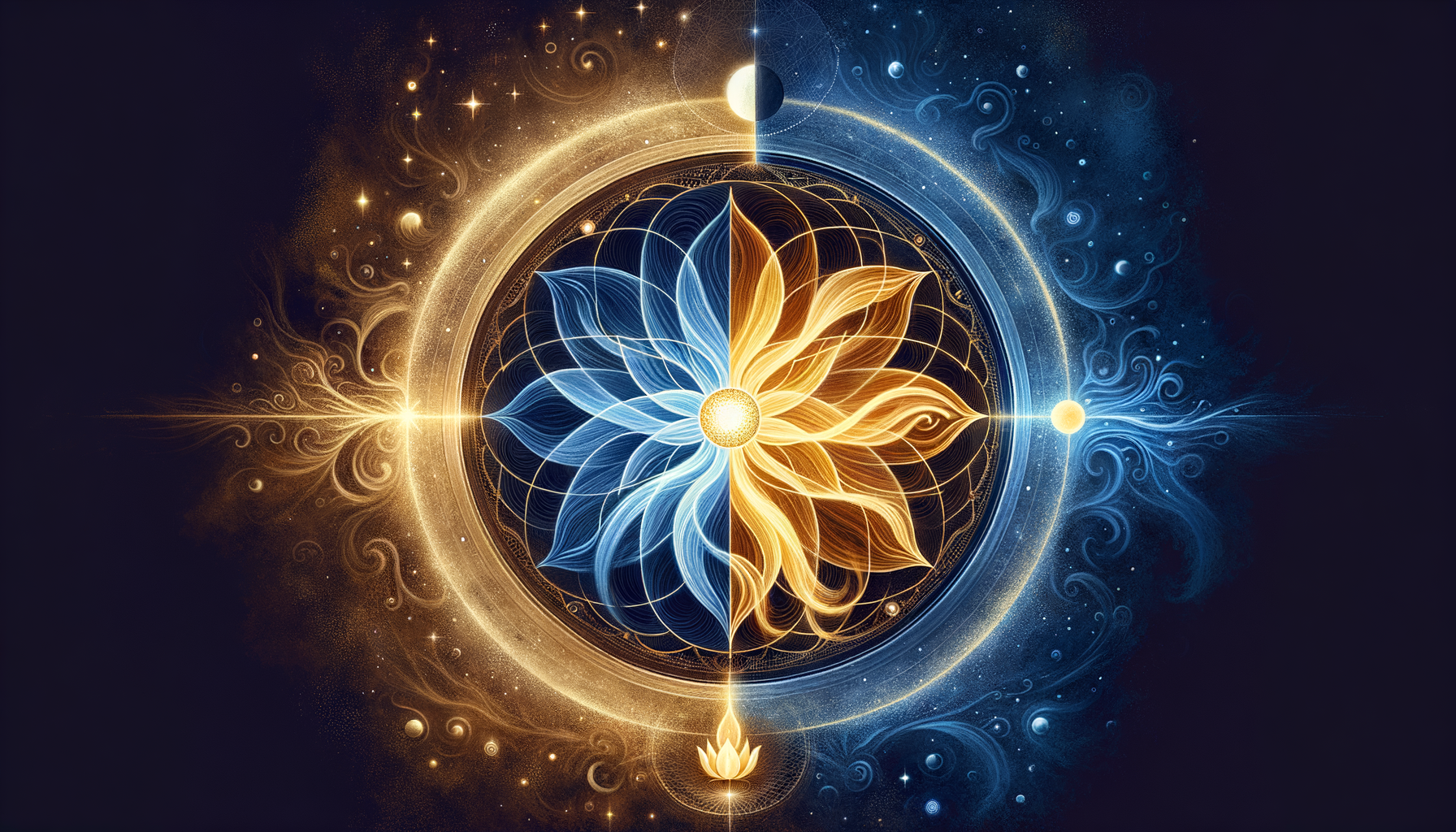
The Devi Upanishad teaches that Shiva (pure consciousness) and Shakti (dynamic energy) are inseparable, revealing that true power arises from their sacred union. This insight reframes metaphysical power as integrative, not hierarchical: awareness without energy remains inert, and energy without awareness lacks direction. Everyday experience reflects this balance, where clarity must meet purposeful action to…
-
Across Lifetimes: Hindu Dharma on Reincarnation, Karma, and the Healing Art of Letting Go
This essay presents a clear, academically grounded account of Hindu teachings on reincarnation (samsara), karma, and moksha, showing how death functions as a transition rather than an end. Scriptural perspectives from the Upanishads and the Bhagavad Gita frame the atman as enduring across lifetimes. The discussion explains karma as a moral law that affirms agency,…
-
Paryagnikarana Explained: Sacred Ghee Purification That Elevates Vedic Yajna and Devotion

Paryagnikarana, the Vedic rite of purifying ajya (ghee) before offering it into the sacred fire, shows how material preparation and mental intention unite to elevate yajna. The procedure integrates clarity of substance, mantra recitation, and reverence for Agni to transform an ordinary ingredient into a consecrated medium. Beyond technical steps, the rite embodies an inner…
-
Higher Taste Wellington: Resilient Temple Kitchen Nourishing Community in a Post‑Covid City
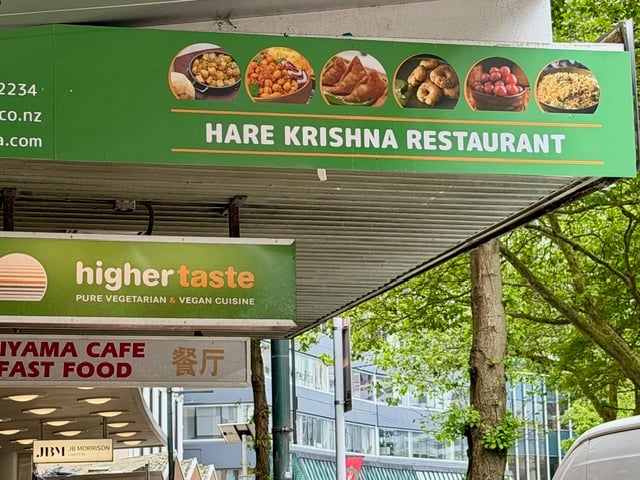
Higher Taste restaurant in Wellington, affiliated with the temple community and ISKCON, has endured post‑Covid disruptions and adapted in a nearby location. It continues to serve vegetarian prasadam in a calm, service‑oriented environment that welcomes all. The restaurant’s resilience illustrates broader urban recovery, as reduced commuter traffic challenged inner‑city dining spaces. Its ethosahimsa, seva, and…
-
Who Created Brahma? Unveiling Devi, the Supreme Mother and Cosmic Source of All

Hindu cosmology addresses the classic questionwho created Brahma?by pointing to Devi, the Divine Mother, as the primordial creative potency (Shakti) behind all manifestation. Purāṇic narratives and Vedic philosophy converge on a hierarchy of emanation rather than a simplistic creator-of-creator chain. Symbols like the lotus and the Śri Yantra, and texts such as the Devi Mahatmya…
-
True Progress Means Harmony with Nature: A Dharmic Vision of Compassionate Living
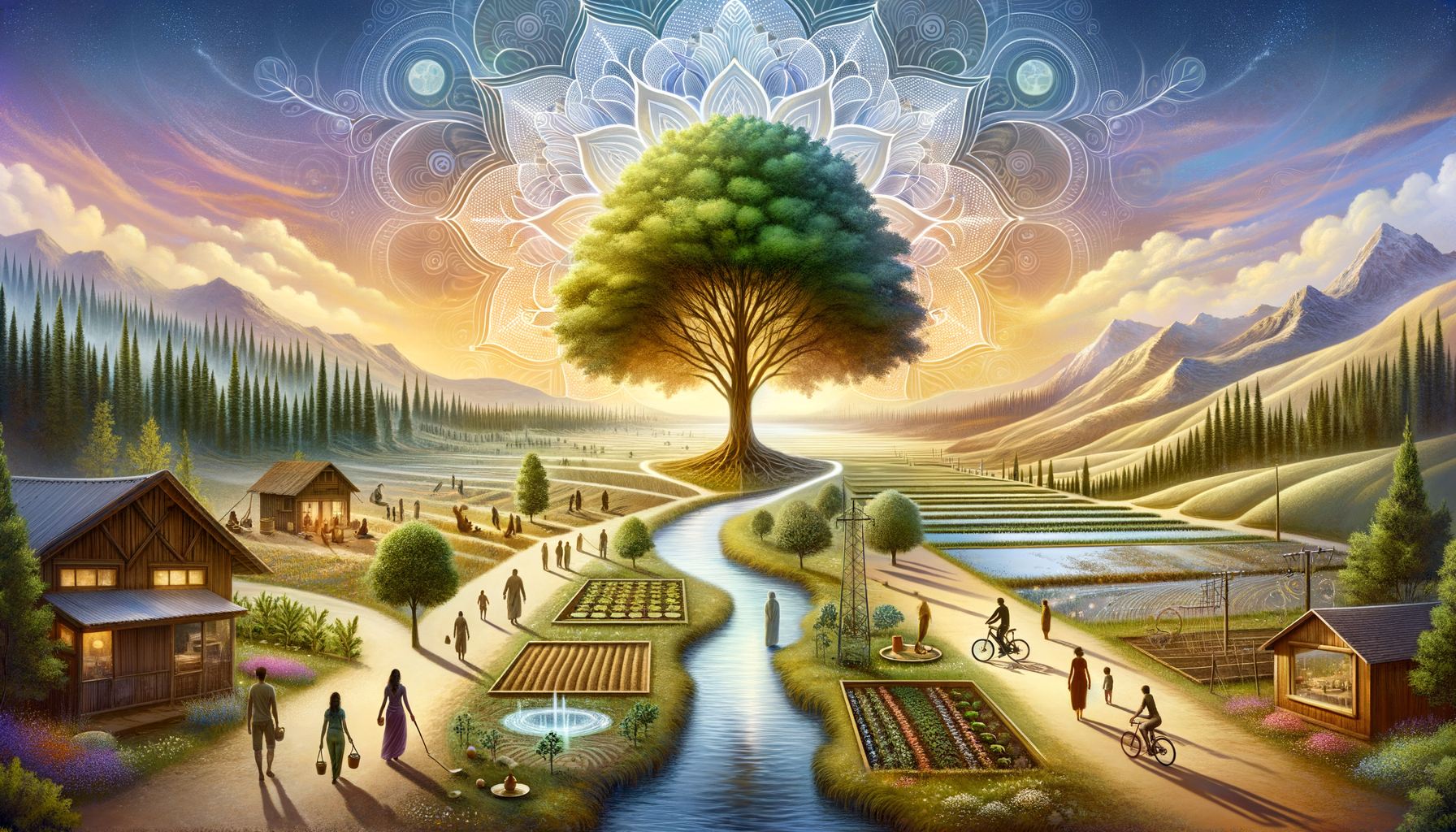
This reflection presents a dharmic view of progress that honors nature as sacred and interconnected with human flourishing. It explains how Hinduism’s insight into Brahman, alongside Buddhism, Jainism, and Sikhism, fosters environmental harmony, Ahimsa, and dharmic responsibility. It reframes success beyond material wealth, emphasizing balanced living guided by the puruṣārthas and spiritual ecology. Practical examplescommunity…
-
Lord Shiva’s Calm Power: Inspiring Patience, Courage, and Dharmic Unity in Daily Life

Lord Shiva is portrayed in Hindu philosophy as the tranquil Mahayogi whose calmness and compassion motivate ethical living. Rather than anger, the scriptures emphasize patience, forgiveness, and adherence to dharma, offering a practical model for modern life. Simple practicessuch as chanting Om Namah Shivaya, mindful breathing, and daily meditationcan steady attention and reduce stress. The…
-
Dormant Human Energy in a Sedentary Age: Dharmic Ways to Awaken Vital Life Force

Modern life often traps people in mental overdrive and physical stagnation, leaving vital energy unused and unfocused. Drawing on complementary insights from Hinduism, Buddhism, Jainism, and Sikhism, this piece outlines a practical, inclusive path to awaken and channel Prana. It explains how movement, Pranayama, and mindfulness stabilize attention and reduce stress. It offers an evidence-aligned…
-
Sacred Water Circles at Mealtime: The Hindu Ritual Uniting Mindfulness, Ahimsa, and Ecology

Sprinkling water around food in Hindu households consecrates the meal, creating a mindful boundary that elevates eating into a sacred practice. The ritual blends spiritual symbolism with practical wisdom, reinforcing cleanliness, gratitude, and ecological responsibility. It often includes mantras such as Brahmārpaṇaṃ and prāṇa invocations, centering nourishment around prāṇa and dharma. Across dharmic traditions, similar…
-
December 10, 2025 Panchang: Krishna Paksha Sashti to Saptami, Auspicious Timings & Insights

December 10, 2025 features Krishna Paksha Sashti until 7:10 PM local time, followed by Krishna Paksha Saptami. This Panchang overview explains how the waning phase supports steady discipline, reflection, and meaningful action. Readers gain practical guidance on aligning activities with Sashti and Saptami while preserving accuracy through local Panchang verification. The note on Nakshatra and…
-
Skandagiri Temple’s Arudra Darsanam 2026: Powerful Nataraja Abhishekam in Hyderabad
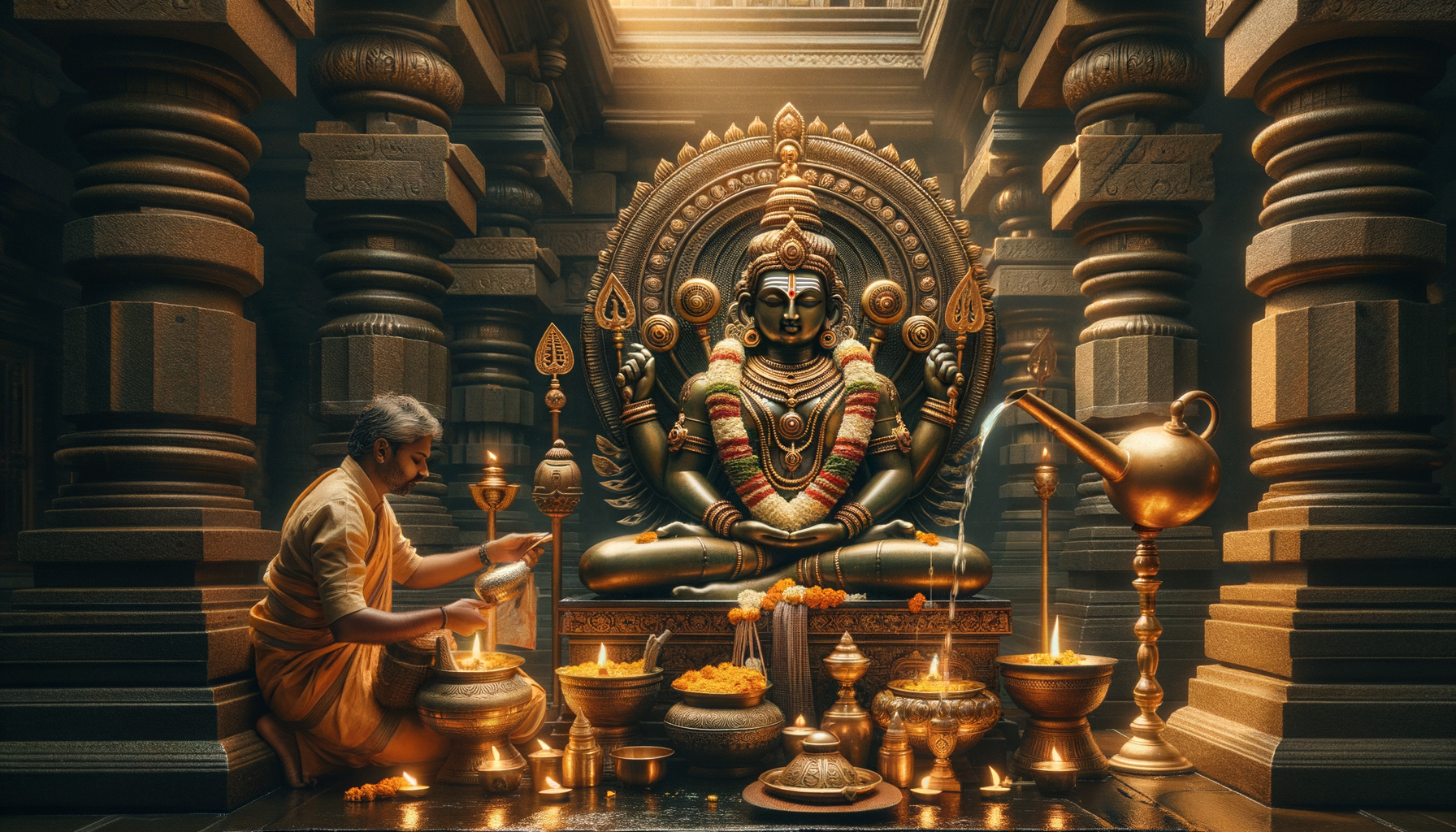
Arudra Darsanam at Skandagiri Temple, Hyderabad, will be observed on January 3, 2026, with a special Homam to Lord Shiva and the deeply revered Nataraja Abhishekam. The festival highlights the theological essence of Shiva’s cosmic dance while fostering communal harmony through shared rituals like Giri Pradakshinam. Visitors can expect a serene yet vibrant atmosphere of…
-
Paris Bhakti Festival: Hare Krishna Ratha Yatra, Living Devotion and Dharmic Harmony
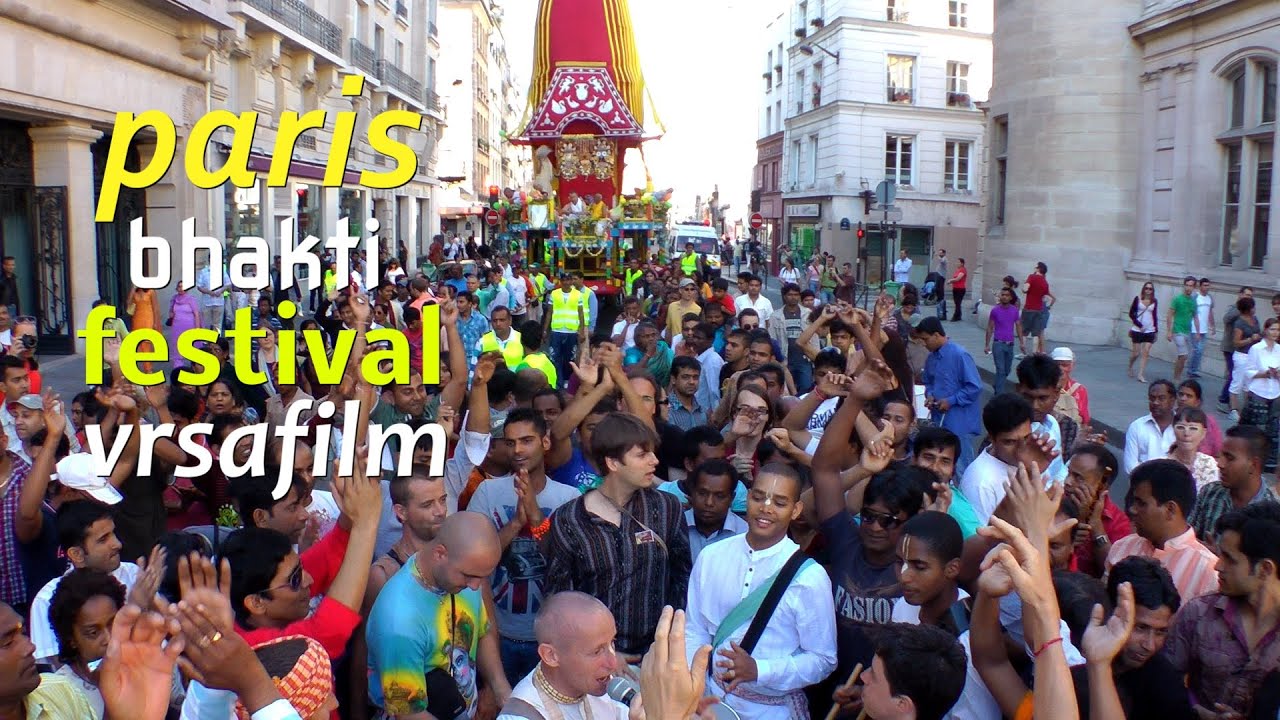
Set against Paris’s cosmopolitan backdrop, the Paris Bhakti Festival and Hare Krishna Ratha Yatra present bhakti yoga as a living, participatory tradition. The public procession of Lord Jagannath, accompanied by kirtan and vibrant offerings, invites residents and visitors to join in a shared experience of devotion. Rooted in Srila Prabhupada’s vision, the festival demonstrates how…
-
December 6, 2025 Panchang: Exact Tithi Timings, Shubh Muhurat, and Spiritual Insights

On Saturday, December 6, 2025, the Tithi transitions from Krishna Paksha Pratipada to Krishna Paksha Dwitiya at 3:01 AM, according to the Hindu calendar (Panchang). This day falls in the waning phase of the Moon and supports steady, reflective practices such as japa and meditation. Regional differences may occur due to sunrise, longitude, and latitude,…
-
Khanuja Sikh Art Gallery: Timeless Sikh Heritage and a Bridge Across Dharmic Traditions
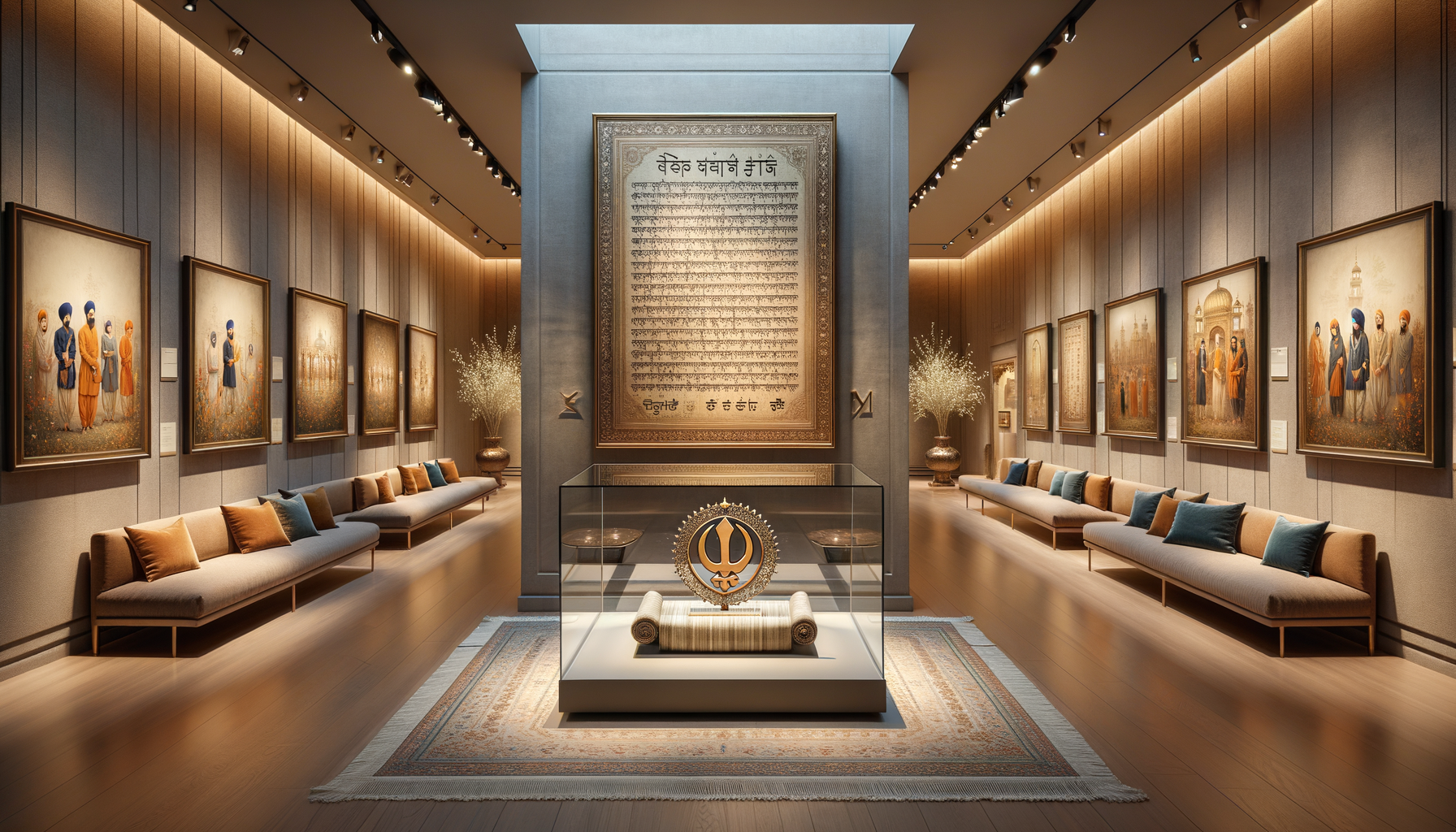
Khanuja Sikh Art Gallery offers a rigorous yet welcoming introduction to Sikh heritage through carefully curated artworks and contextual interpretation. Led by Dr. Parvinderjit Singh Khanuja, the gallery situates Sikh aesthetics within the broader dharmic traditions, highlighting shared values without blurring distinct identities. Exhibitions emphasize thematic coherenceseva, kirtan, ethical couragewhile educational programs foster cultural literacy…
-
Ramdev Pir of Rajasthan: The Compassionate King Who Defied Caste and Uplifted Communities

Ramdev Piralso known as Baba Ramdev, Ramdevji, Ramdeo Pir, and Ramsha Piris remembered as a medieval Rajasthani ruler and village deity whose legacy blends social reform with inclusive devotion. Historical memory credits him with elevating standards of living and challenging caste-based discrimination, aligning moral authority with practical governance. His living worship traditions highlight seva, communal…