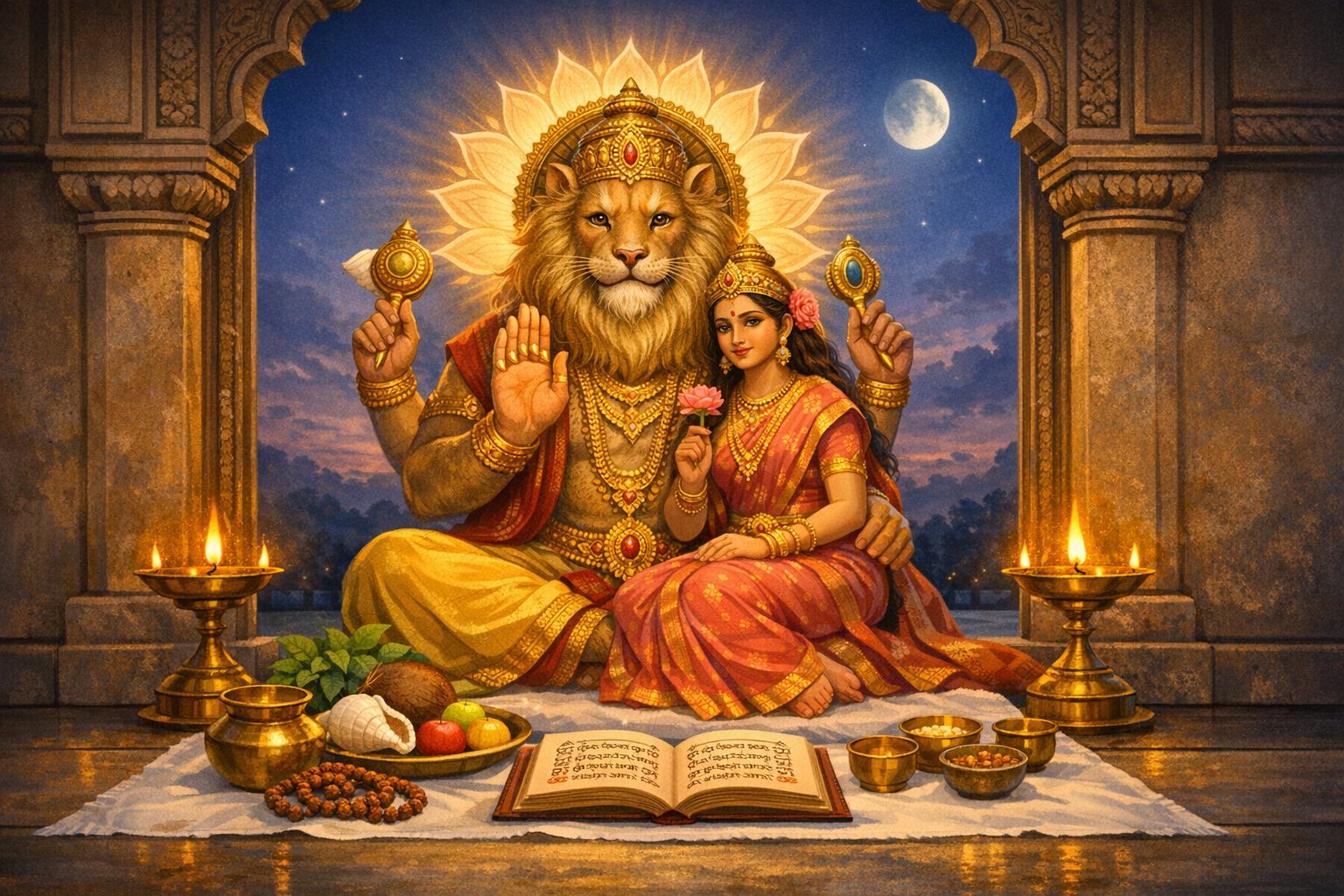
-
Yamuna Pushkaraalu 2026: Definitive Guide to Sacred Bathing Dates, Rituals, and Key Ghats
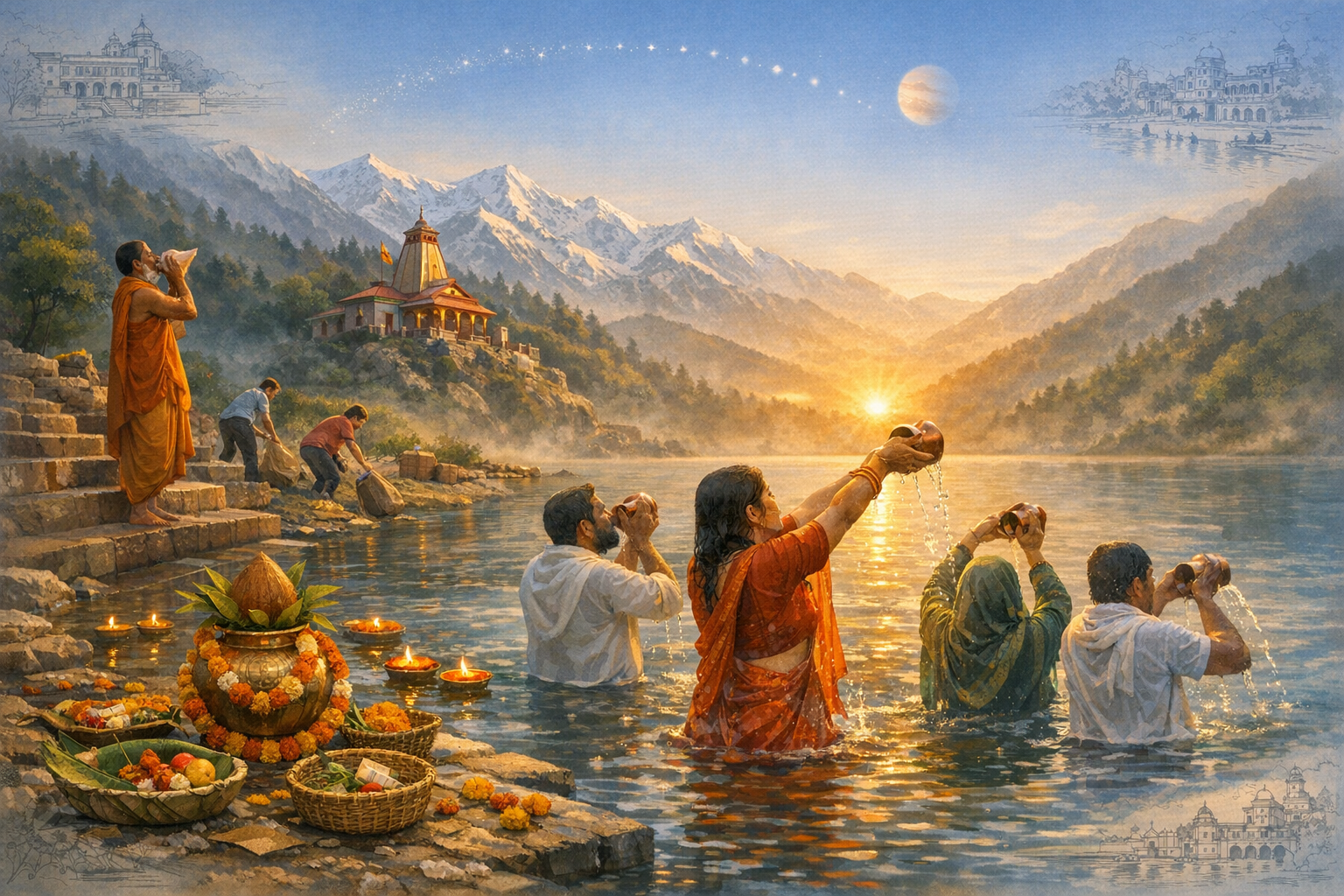
Yamuna Pushkaraalu 2026 will be observed from 2–13 June, offering twelve sacred days for parva snana aligned with Hindu calendar and Panchang calculations. The inaugural 2 June and Guru Nakshatram – Purvabhadra on 9 June are particularly auspicious for bathing. This comprehensive guide explains the Pushkaram’s astronomical basis, core rituals, key ghats from Yamunotri to…
-
Live Richly, Beyond Wealth: A Timeless Upanishadic Blueprint for Inner Abundance

This article reframes “live richly” through the Upanishads as a disciplined path to inner abundance rather than material accumulation. It explains Brahman and Ātman, unpacks the mahāvākyas, and clarifies methods like neti neti and the practice triad of śravaṇa–manana–nididhyāsana. Readers gain a practical seven-day template for integrating meditation, ethical action, and service. The piece shows…
-
Moodami Decoded: Avoidable Events When Guru & Shukra Are Combustand Safer Alternatives

Moodami (Guru and Shukra combustion) marks periods when Jupiter or Venus approach the Sun and are considered ritually weakened in Hindu calendar practice. This long-form guide explains the astronomical basis of combustion, why it matters for shubha kāryas, and which events are best deferred. It clarifies common dilemmasmarriages, Aksharabhyasam, Seemantham, Griha Pravesh, and launching a…
-
King Charles III’s Lambeth Summit: A Powerful Step Toward Interfaith Harmony and Dharmic Unity
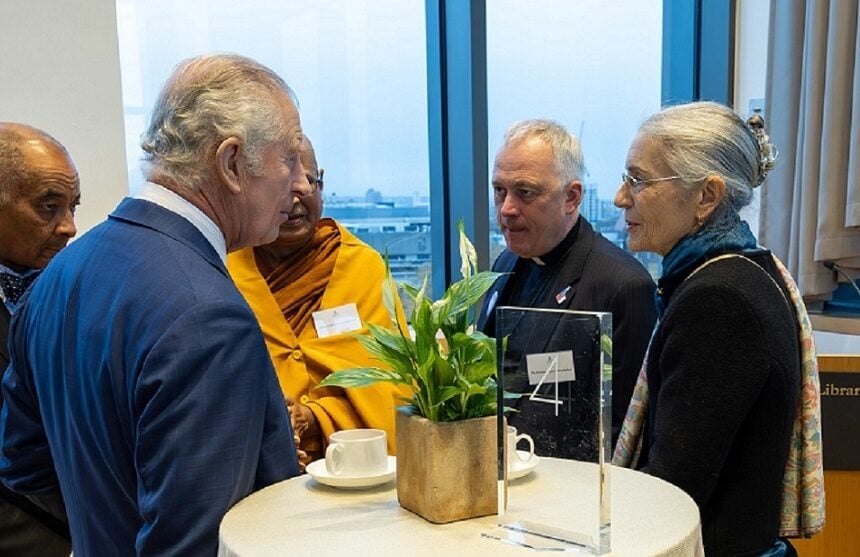
King Charles III convened about thirty leaders from Muslim, Sikh, Baháʼí, Christian, Hindu, and other traditions at Lambeth Palace Library to advance interfaith dialogue and social cohesion in the UK. The setting underscored scholarship and stewardship, framing the meeting as both symbolic and practical. Grounded in the UK’s 2021 Census realities, the piece explains why…
-
Surrender that Liberates: How Dāsa‑Bhāva Shapes Bhakti, Seva, and Dharmic Unity
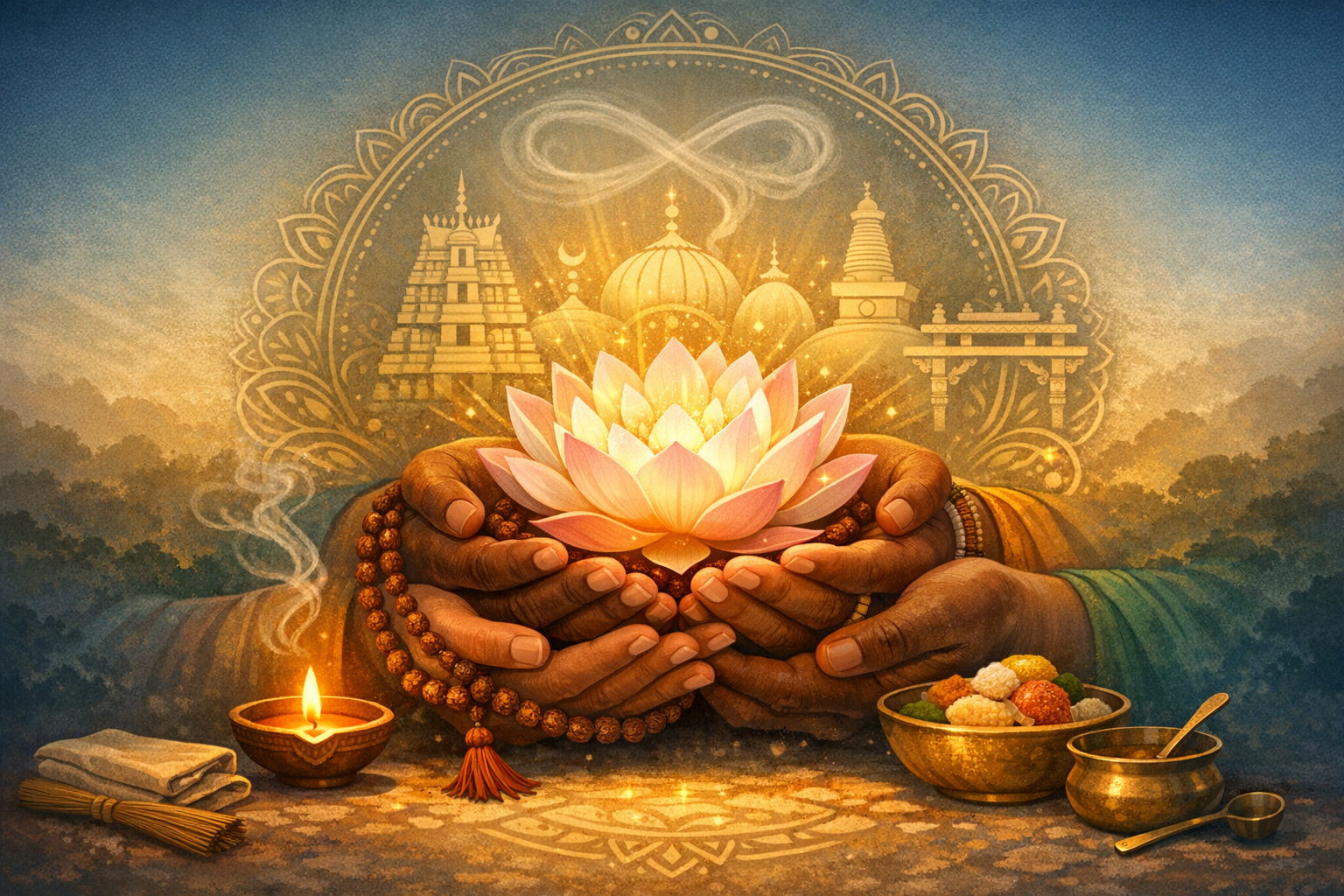
The Bhakti concept of “dasa” (dāsa)a chosen identity of loving service and surrenderanchors Hindu spirituality in a disciplined ethic of humility, seva, and śaraṇāgati. Grounded in scriptural sources like the Bhagavad Gita and Srimad Bhagavatham, dāsya-bhāva appears across Vaishnava, Śaiva, and Śākta traditions and is elaborated by Ramanujacharya, Madhvacharya, and Chaitanya Mahaprabhu. It flourishes in…
-
Phalashruti in Hindu Scriptures: Timeless Promise, Mimamsa Logic, and Transformative Practice
Phalashruti, the fruit of hearing or recitation, is a core feature of Hindu scriptures that links practice to purpose. It functions within Mimamsa hermeneutics as arthavada, motivating ethical discipline and clarifying the benefits of mantra, vrata, pilgrimage, and study. Found across Puranas, sahasranamas, and tirtha-mahatmyas, it maps outcomes from mental clarity and peace to devotion,…
-
From Oath to Pilgrimage: WB CM Suvendu Adhikari’s Temple-Ashram Tour Redefines Politics in Bengal
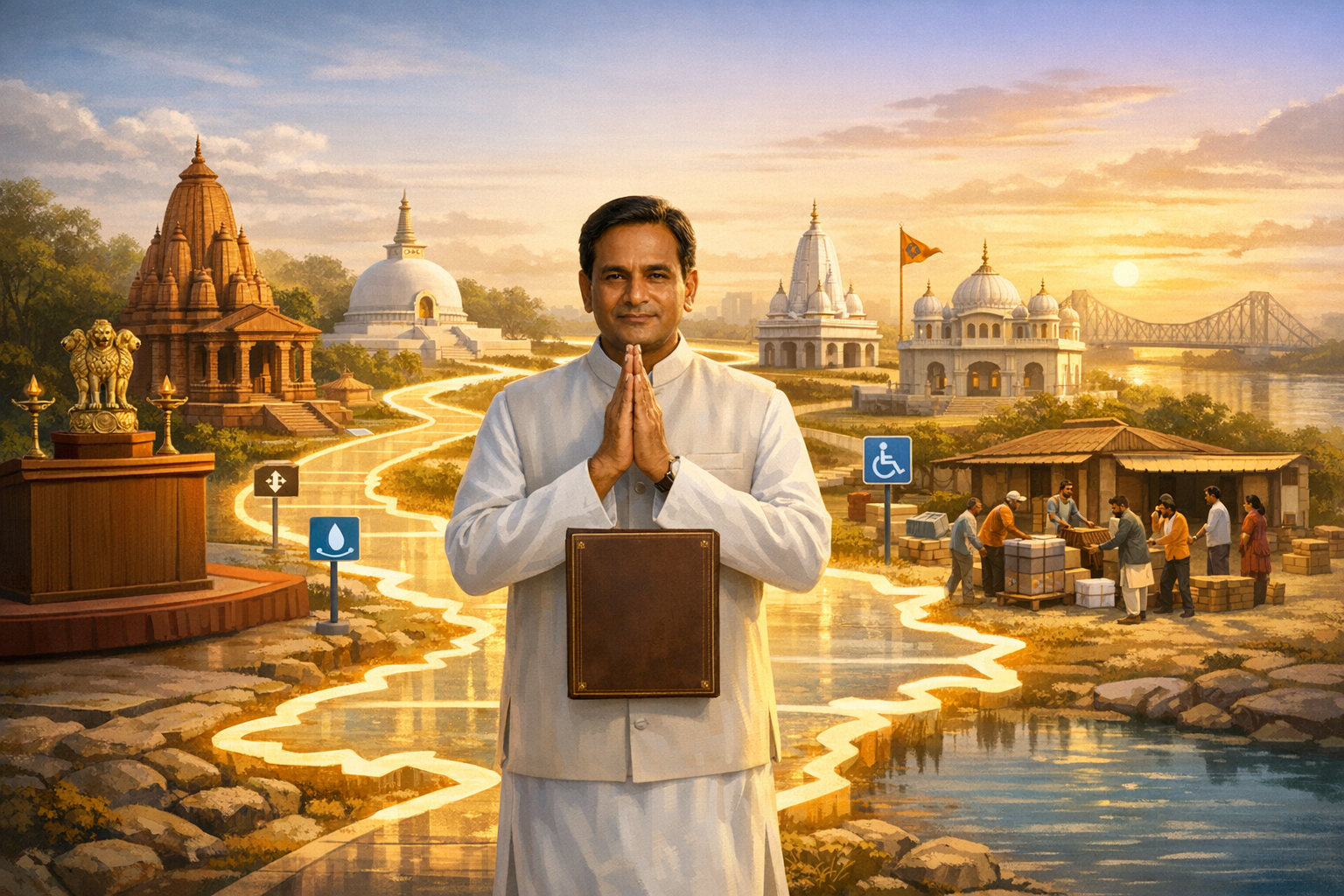
Suvendu Adhikari’s transition from constitutional oath to a visible temple–ashram tour signals a strategic realignment of West Bengal’s politics around heritage governance, sacred geography, and social-service partnerships. The approach blends symbolic legitimacy with actionable policy on pilgrimage infrastructure, conservation, and community welfare. Engaging institutions such as Bharat Sevashram Sangh, and spiritual leaders including Swami Pradiptananda…
-
From ‘Fatwas’ to Vikas: Deoband as Yogi Adityanath’s Bridge to Western UP’s Unity and Growth
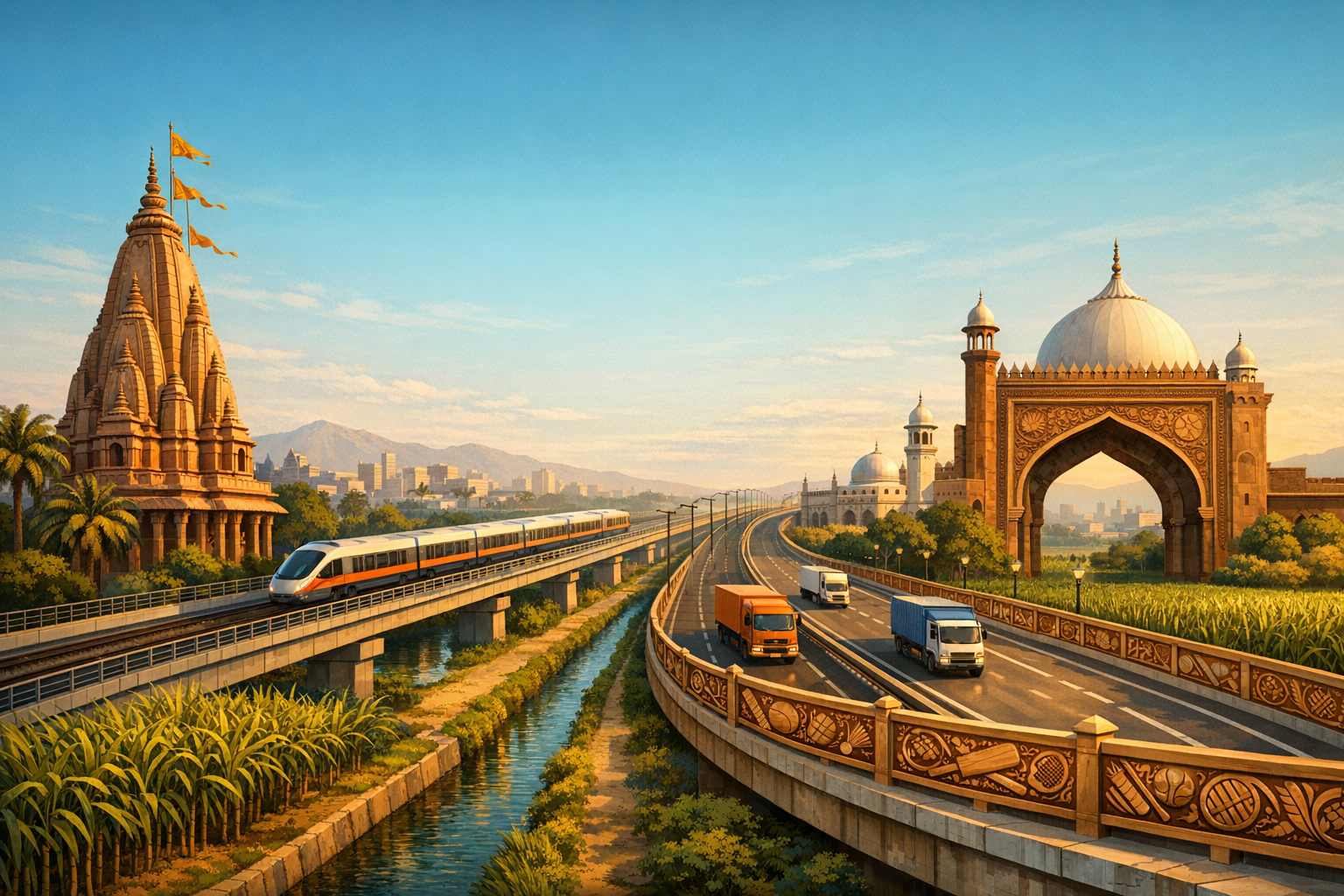
Deoband became a deliberate stage for reframing Western Uttar Pradesh’s political conversation from identity-first rhetoric to development-first delivery. The speech architectureencapsulated in “No Fatwa- Only Development”matched temple heritage with modern infrastructure, law-and-order confidence, and welfare saturation. The analysis details how connectivity (RRTS, expressways), MSME upgradation (sports goods, woodcraft), and human development (water, health, skilling) form…
-
Sri Varahaswami Temple, Tirumala: Timeless Legends, Sacred Routes, and Ritual Significance
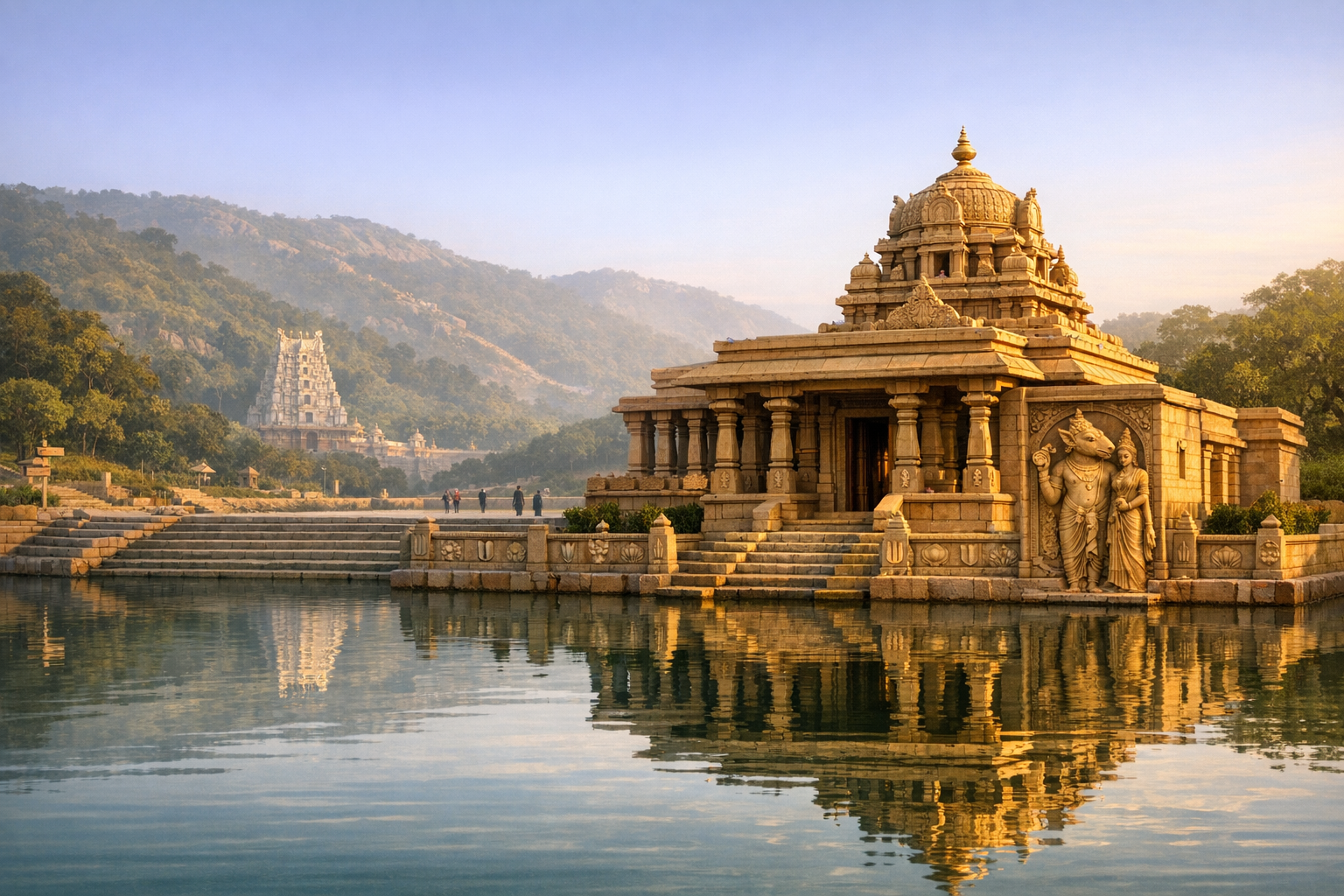
Sri Varahaswami Temple in Tirumala stands on the northern bank of Swami Pushkarini and preserves the hill’s identity as Adi Varaha Kshetra. Drawing on the Venkatachala Mahatmya traditions of the Varaha Purana and Padma Purana, it explains why many pilgrims first worship Varaha before proceeding to Sri Venkateswara Temple. The guide clarifies iconography, ritual order,…
-
Shiva-bhog in Kali Temples: Feeding Jackals with Prasada and the Wisdom of Shakta Tantra
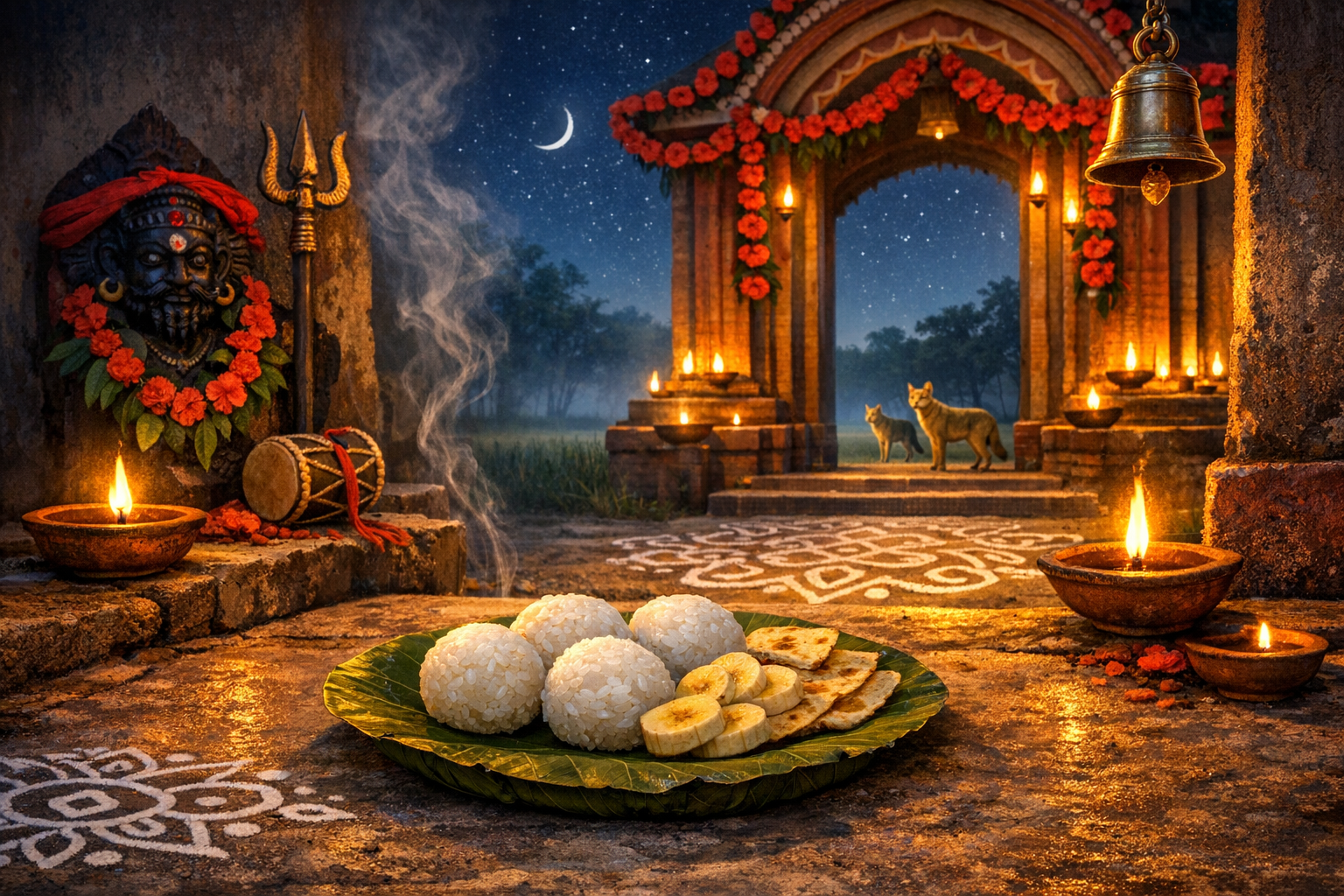
Shiva-bhog in Kali temples is a Shakta Tantra rite in which a consecrated share of prasada is respectfully offered to jackals, seen as attendants of the Mother and guardians under Bhairava. Rooted in classical iconography that pairs Kali and Chamunda with the smashana and its liminal beings, the practice integrates Shaiva–Shakta theology with ecological awareness.…
-
Beyond the Flute: Why Bala‑Krishna Thrives as Parthasarathi’s Warrior Ethos Lies Dormant
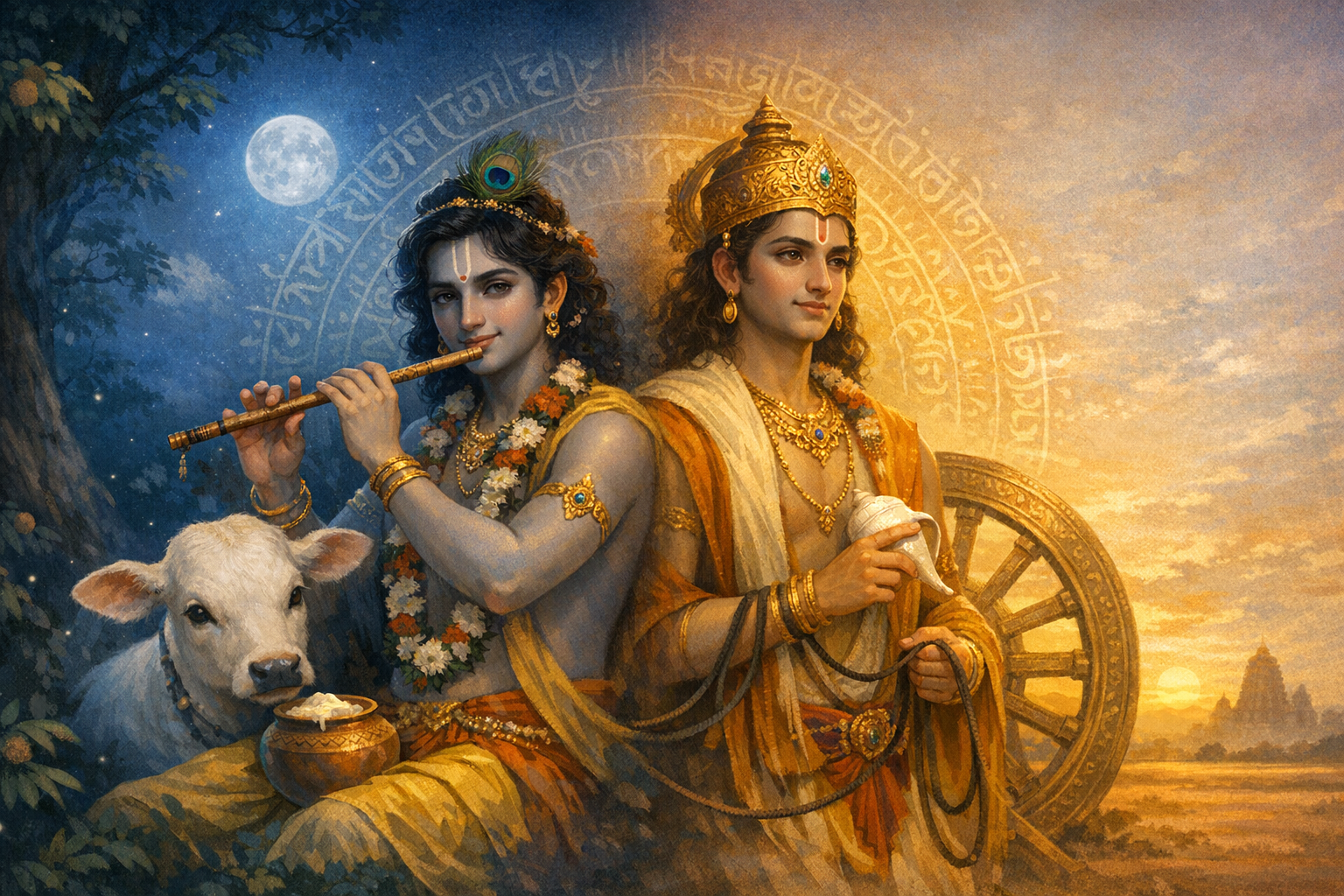
Images of Bala‑Krishna dominate homes and temples, while Parthasarathithe charioteer and teacher of the Bhagavad Gitaappears less often in popular devotion. This long‑form analysis explains the imbalance through rasa theory, bhakti history, temple networks, pedagogy, and modern media. It shows how intimacy‑focused worship naturally favored child and flute‑playing forms, whereas Krishna’s kshatra ethics are harder…
-
Why India Reveres Its Rivers: Sacred Geography, Living Heritage, and Dharmic Unity

This in-depth exploration explains why India venerates its rivers as living presences that sustain ecology, economy, and ethics. It traces scriptural roots from the Rigveda to the Puranas, highlights major rivers such as Ganga, Yamuna, Saraswati, Godavari, Narmada, and Kaveri, and shows how sacred geography shapes towns, festivals, and civic infrastructure. It demonstrates unity among…
-
Aparajita, the Invincible: Ancient Hindu War Rites, Dharma-Yuddha Ethics, and Strategy
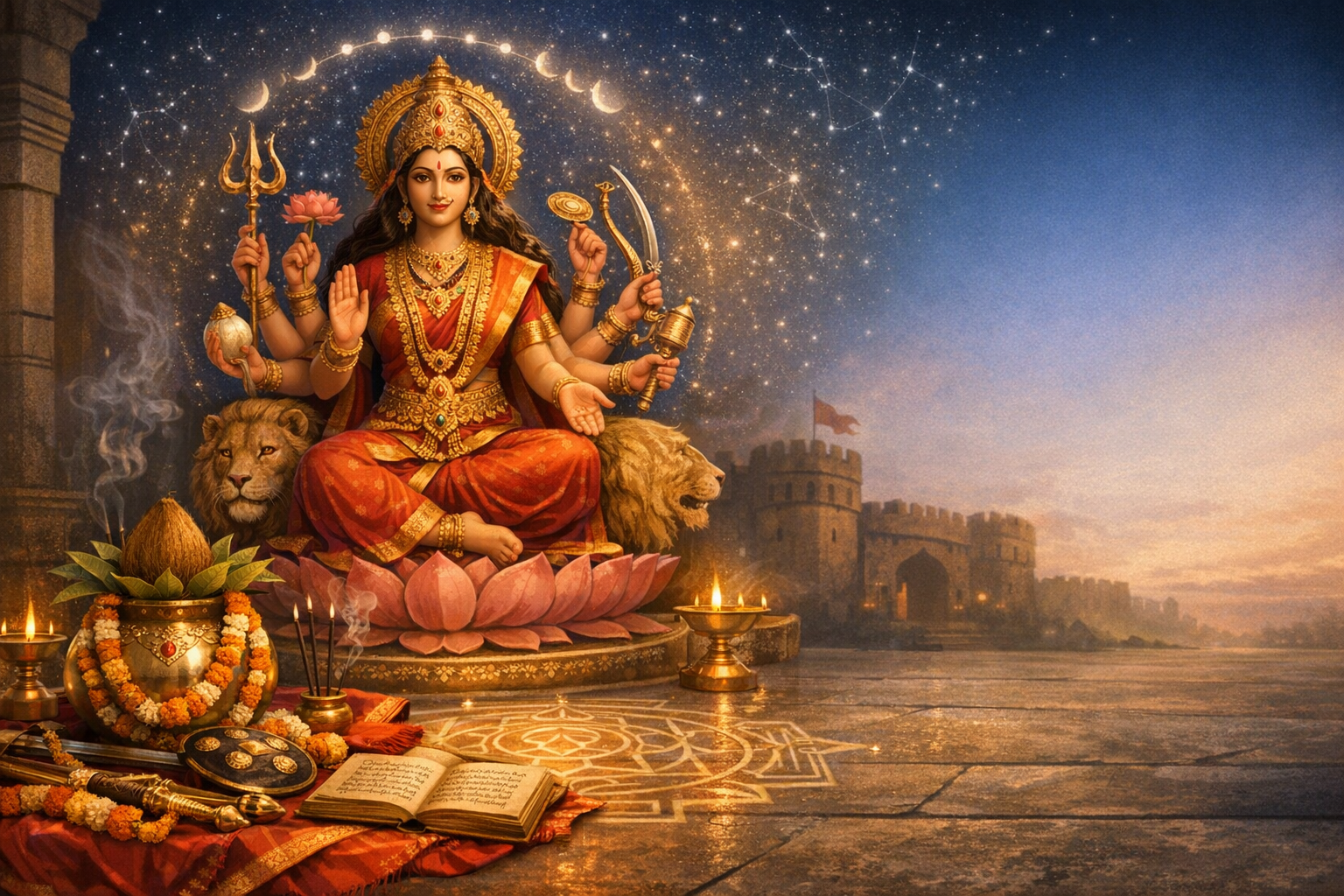
Aparajita“the unconquered”was venerated by kings, commanders, and communities as the victory-bestowing face of the Goddess in ancient India. The worship synchronized statecraft and spirituality, binding warfare to Dharma-Yuddha and Kshatra Dharma. Textual traditions linked Aparajita with Durga and embedded victory hymns from the Devi Mahatmya into pre-campaign rites. Rituals integrated muhurta selection, sankalpa, weapon consecration,…
-
No Destination, Only Awakening: Timeless Hindu Wisdom on the Transformative Spiritual Journey

Hindu wisdom reframes the spiritual path as unveiling rather than arrival: there is nowhere to go, nothing to acquire, and everything to recognize. Drawing on the Upanishads, the Bhagavad Gita, Advaita (advait), and the Yoga Sutra, this exploration clarifies the paradox of “no destination” as a disciplined return to presence. It outlines core methodsJnana, Bhakti,…
-
Sant Ravidas (1450–1520): Visionary Bhakti Poet of Equality, Begampura, and Dharmic Unity
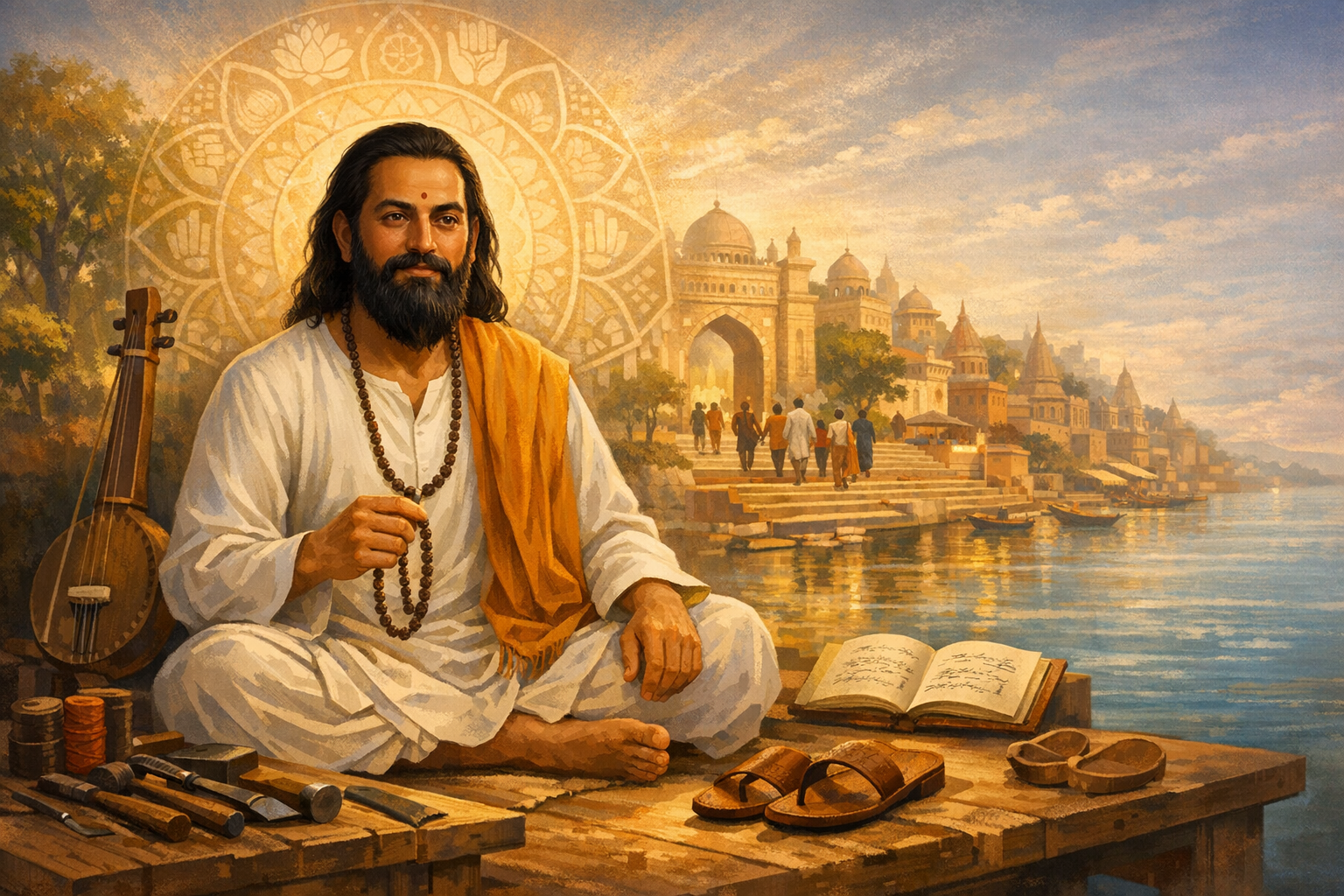
Sant Ravidas (c. 1450–1520) emerges as a central voice of the North Indian Bhakti movement, uniting deep nirguna bhakti with an uncompromising ethic of social equality. Born near Varanasi in a community deemed “untouchable,” he transformed everyday labor into a field of devotion and taught that divine grace recognizes no caste or status. His hymns,…
-
Krishna as Paramananda: Unlocking the Highest Pleasure and Enduring Inner Bliss

The proposition that ‘Krishna means the highest pleasure’ is a technical statement of Vedic philosophy that distinguishes fleeting stimulation from enduring bliss (ānanda). Drawing on the Upanishads and the Bhagavad Gita, it locates true happiness in alignment with the Infinite and explains why inner joy is ‘beyond the senses’ yet discernible by a refined intellect.…
-
UN warns of rampant forced conversions in Pakistan: 14–18-year-old girls targeted, 75% Hindu
United Nations human rights experts have repeatedly warned about coerced religious conversions and child marriages targeting minority girls in Pakistan, especially those aged 14–18. Documented patterns show rapid abduction, conversion affidavits, and marriage certificates used to override families’ pleas, amid disputed age claims. Rights monitors report that Hindu girls in Sindh constitute a large share…
-
Decoding the Donkey-Faced Rig Veda: Esoteric Agamic Iconography, Sound, and Sacred Memory
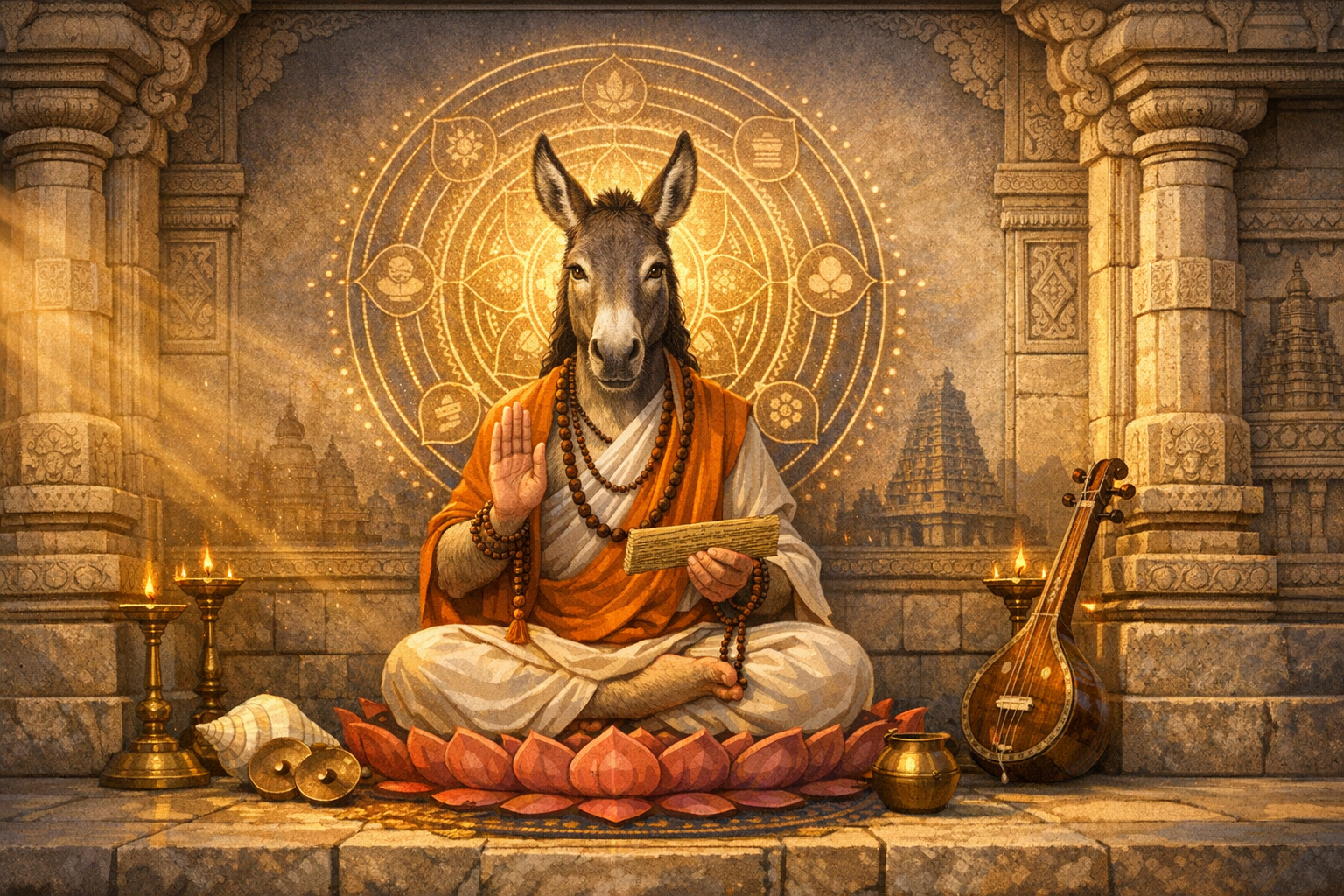
This article decodes a rare Agamic iconographic motif that personifies the Rig Veda as a donkey-faced sage, showing how Hindu sculptures render living śruti in pedagogical form. It explains why the donkey-face signifies raw sound, ascetic endurance, and hermeneutic humilityall central to Vedic study and temple practice. Readers learn how mūrti-lakṣaṇa principles translate doctrine into…
-
Padmavathi Srinivasa Kalyanam 2026: Sacred Tirumala Dates, Rituals, Darshan and Travel Guide

Sri Padmavati Srinivasa Parinayotsavam (Padmavathi Srinivasa Kalyanam) will be held in Tirumala from 25–27 April 2026 at the Parinayotsava Mandapam, Narayangiri Gardens. This in-depth guide explains the festival’s theological significance, its Vaikhanasa Agama-based wedding rituals, and the role of Sridevi and Bhudevi with Sri Srinivasa in the Tirumala observance. Readers gain clear planning insights on…