
-
Experience Sacred Renewal: Tiruchanur Koil Alwar Thirumanjanam28 Apr 2026, Vasantotsavams Prelude
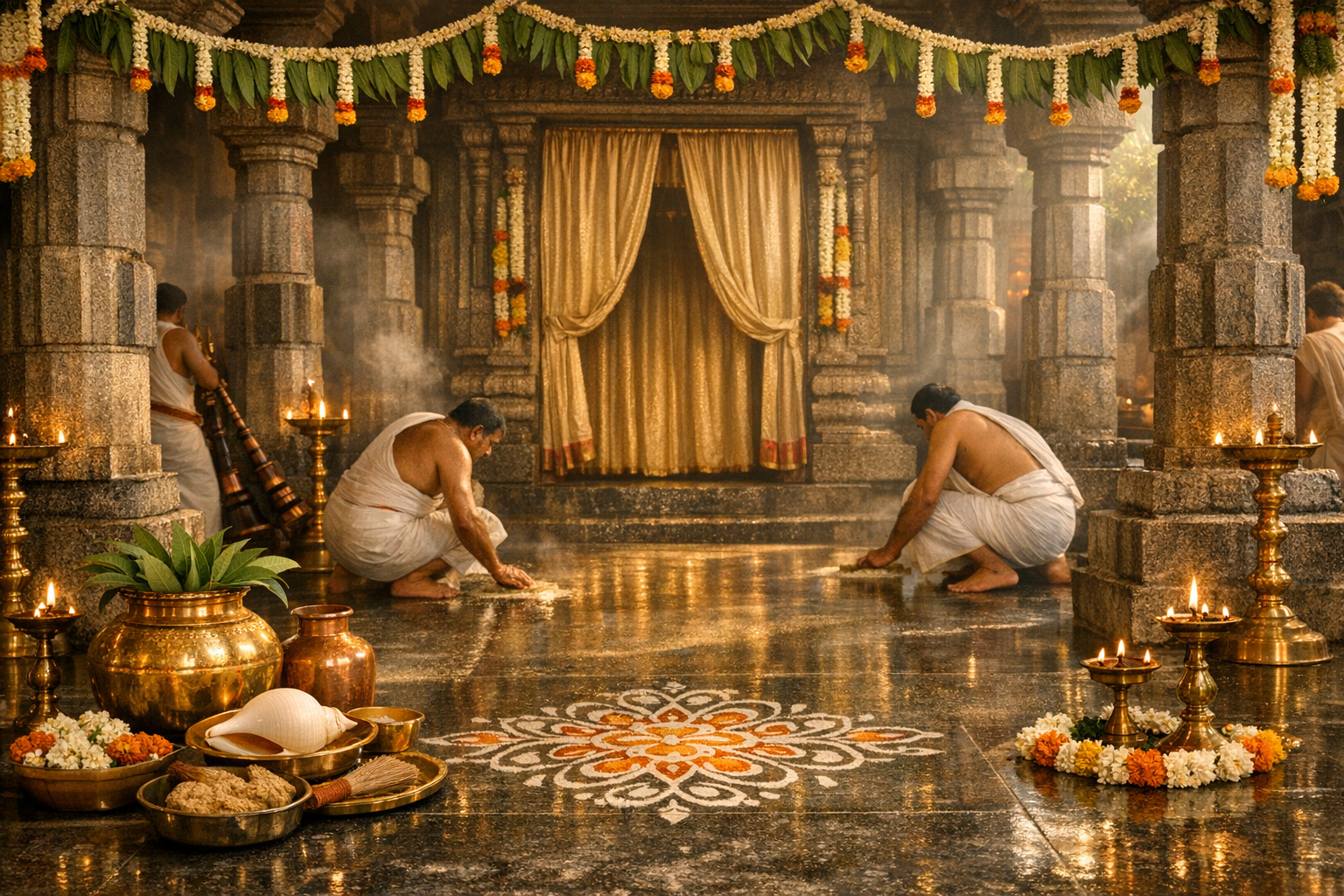
Sri Padmavathi Ammavari Temple, Tiruchanur, will perform Koil Alwar Thirumanjanam on 28 April 2026 as the formal prelude to the Vasanthotsavams scheduled from 30 April to 2 May 2026. The day begins with Suprabhatam and a temple-wide purification from 6:00, aligning with Pancharatra Agama and TTD protocols. Readers gain a clear understanding of the ritual’s…
-
Adi Shankaracharya’s Advaita: Timeless Oneness Uniting All Beings, Minds, and Matter

Adi Shankaracharya’s Advaita Vedanta articulates a rigorous, compassionate thesis: all animate and inanimate forms are appearances in one Reality, Brahman. The doctrine’s precision rests on Upanishadic mahavakyas, Shankara’s Adhyasa analysis, and methods like adhyaropa–apavada and neti neti that guide the mind beyond conceptual limits. Practical sadhanasadhana-chatushtaya, shravana–manana–nididhyasana, Karma Yoga, and Bhaktiintegrates inner freedom with ethical…
-
Vaisakha Masa 2026 (Kannada Calendar): Dates, Sacred Significance, and Festival Guide

Vaisakha masa 2026 in the Kannada calendar runs from April 18 to May 16 under the amanta system shared with Maharashtra, Andhra Pradesh, Telangana, and Gujarat. The month, revered as Madhava Masam, centers on devotion to Lord Vishnu and emphasizes Vaishakha snana, anna-dana, and jal-seva. Major observances include Akshaya Tritiya 2026, Varuthini Ekadashi, Mohini Ekadashi,…
-
April 26, 2026 Panchang: Shukla Dashami to EkadashiTimings, Ritual Rules, Auspicious Periods

April 26, 2026 (Sunday) features Shukla Paksha Dashami until 20:30 IST, after which Shukla Paksha Ekadashi begins. In North India (purnimanta) the month is Vaishakha; in many Western and Southern regions (amanta) it is Chaitra, with the same tithi under different month names. Because Ekadashi starts at night, most will observe the Ekadashi fast on…
-
Karma and the Realized Soul in Hinduism: Sanchita, Prarabdha, Agami and Jivanmukti Explained

This article explains how the threefold classification of karma in Hinduismsanchita, prarabdha, and agamioperates for both seekers and the realized person in Advaita Vedanta. It shows why Self-knowledge nullifies sanchita, prevents the accrual of agami, and yet allows prarabdha to complete its course until the body’s end. Readers gain scriptural grounding from the Bhagavad Gita…
-
Beejabhidhana in Tantrism: Decoding Sacred Seed Syllables for Transformative Mantra Yoga
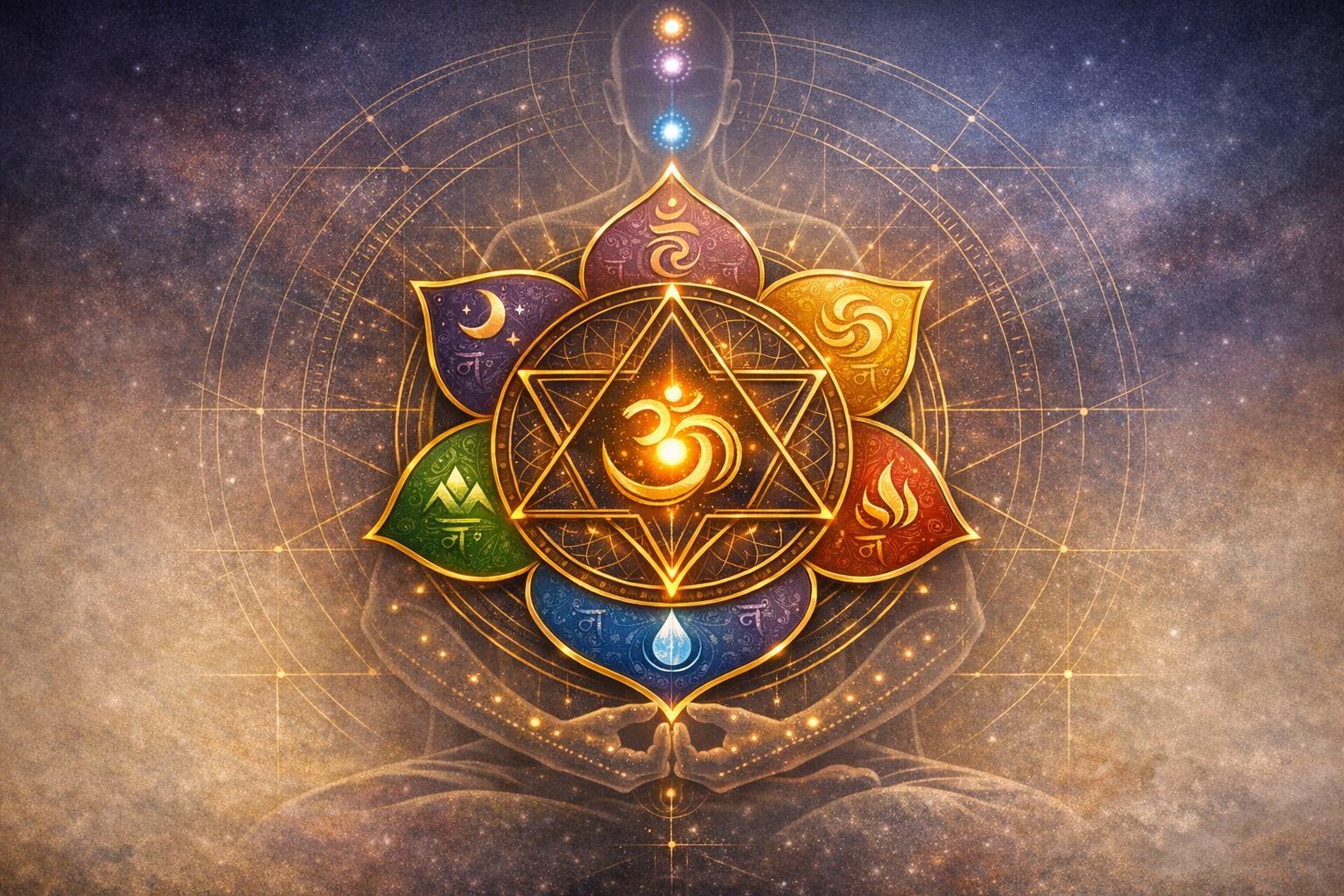
Beejabhidhana in Tantrism offers a rigorous map of sacred sound, explaining how seed syllables (bījākṣaras) encode cosmology, deity-function, and method in a single phonemic unit. It clarifies the technical relation between letters, elements, chakras, nyāsa, and japa, enabling precise, lineage-aligned practice. The framework is academically rich yet experientially grounded, integrating phonetics, grammar, and ritual design…
-
Inside the Nashik BPO Allegations: SIT Probe, Workplace Harassment, and Paths to Justice

Allegations of workplace harassment and religiously charged misconduct at a Nashik BPO have prompted multiple FIRs and, according to reports, an SIT probe. This analysis avoids sensational framing and centers due process, survivor dignity, and organizational accountability. Readers gain a clear view of India’s PoSH Act requirements, relevant IPC provisions, and how internal and criminal…
-
Timeless Letters of Srila Prabhupada: Personalized Guidance in the Guru–Shishya Tradition

This in-depth exploration examines how the personal letters of His Divine Grace A.C.B. Swami Prabhupada formed a living reservoir of guidance for the early Hare Krishna movement. Written from 1966 onward, the correspondence reveals a method of teaching that anchors shastra in practical, day-to-day decisions. Readers discover how personalized counsel sustained steady progress in bhakti…
-
Post–Bill C-9 in Canada: Temple Protests, Hinduphobia Fears, and a Roadmap to Hindu–Sikh Unity

Coordinated demonstrations outside Triveni Mandir (Brampton) and Lakshmi Narayan Mandir (Surrey) shortly after Canada’s Bill C‑9 advanced have heightened concerns about Hinduphobia and worship‑site safety. This analysis explains what happened, why the timing matters, and how police mitigated risks with 100‑metre safety buffers. It clarifies the legal thresholds that separate protected protest from criminal conduct…
-
Moksha in Mimamsa Darsana: Unraveling Liberation through Dharma, Ritual, and Knowledge
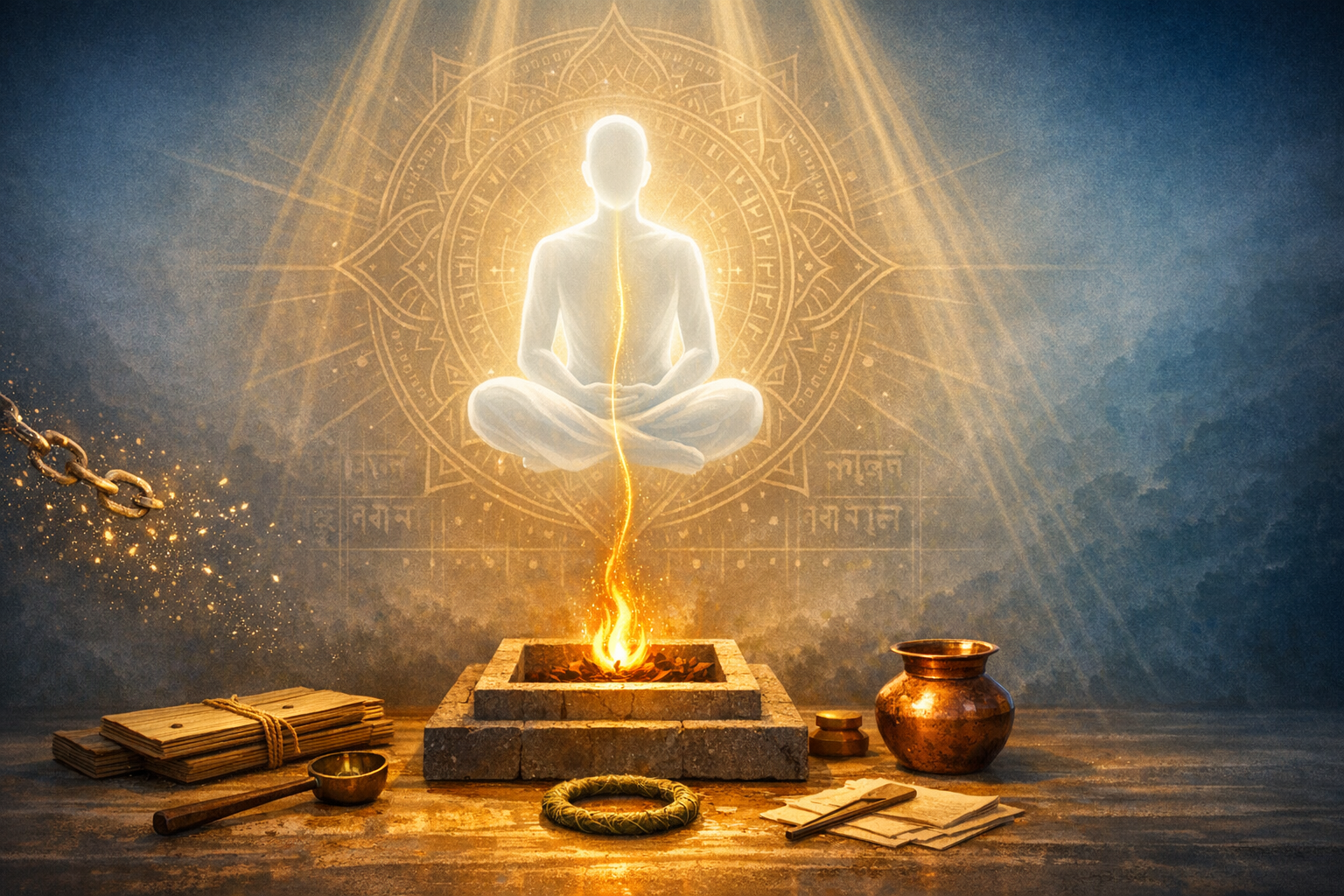
Mimamsa, celebrated for its Vedic hermeneutics, also offers a precise and compelling account of moksha as the cessation of suffering and the self’s release from embodied limitation. Rooted in the Jaimini Mimamsa Sutras and elaborated by Śabara, Kumārila, and Prabhākara, the system distinguishes ritual’s finite results from liberation’s non-binding freedom. It explains karma through the…
-
Bhima vs. the Elephant Legion: Epic Power, Strategy, and Dharma in the Kurukshetra War

This study examines Bhima’s encounters with the Kaurava elephant corps in the Mahabharata’s Kurukshetra War, integrating military history, scriptural exegesis, and symbolism. Readers gain a precise view of how a gaja-vyuha functioned, why elephants were both decisive and dangerous, and how Bhima’s gada-work exemplified targeted counters to heavy shock units. The ethically fraught Ashvatthama episode…
-
Akshaya Tritiya Lakshmi Puja: Auspicious Muhurat, Complete Vidhi, and Timeless Prosperity

Akshaya Tritiya, observed on Vaisakh Shukla Tritiya, is revered for Lakshmi Puja and compassionate giving, with sources such as the Lakshmi Tantram linking the day to Kubera’s worship of Sri. This in-depth guide explains Panchang rules for timing, including the value of Sthira Lagna and Abhijit Muhurat, while affirming Akshaya Tritiya as a Sade-Teen Muhurat…
-
Amavasya April 2026 (17 Apr, IST): Vaishakh/Chaitra Significance, Rituals and Panchang Guide

Amavasya in April 2026 falls on 17 April (IST). In the North Indian Purnimant calendar this is Vaishakh Amavasya; in the Amanta systems of Maharashtra, Gujarat, Karnataka, Telangana, and Andhra Pradesh it is Chaitra Amavasya. This guide explains the Purnimant–Amanta difference, defines Amavasya astronomically, and clarifies how Udaya Tithi and the tithi window shape vratas,…
-
From Stalemate to Synthesis: Laws of Bhakti as a Rigorous, Measurable Science of Consciousness
The long-standing impasse between science and religion dissolves when bhakti is reframed as a disciplined, measurable science of consciousness. This article articulates ten practice-based lawscovering intention, attention–affect coupling, rhythmic regularity, ethical congruence, community resonance, embodiment, narrative internalization, pluralism (Ishta), grace–readiness reciprocity, and self-correctionthat guide reliable spiritual growth. Each law invites operational definitions and supports testable…
-
Paralakhemundi’s Hidden Durga Temple: Sacred Seclusion and the Navratri-Only Opening

The Paralakhemundi Durga Temple in Odisha’s Gajapati district practices a remarkable discipline: it opens to the public only during Navratri, preserving a Shakta tradition of sacred seclusion while intensifying the experience of darshan. Situated on Dandumala Street near Dola Tank Road, the shrine honors Dandu Maa (also known in Telugu as Goddess Dandu Maramma), reflecting…
-
Varanasi’s Shri Ram Navami Procession Pledges Ram Rajya, Seva, and Dharmic Unity
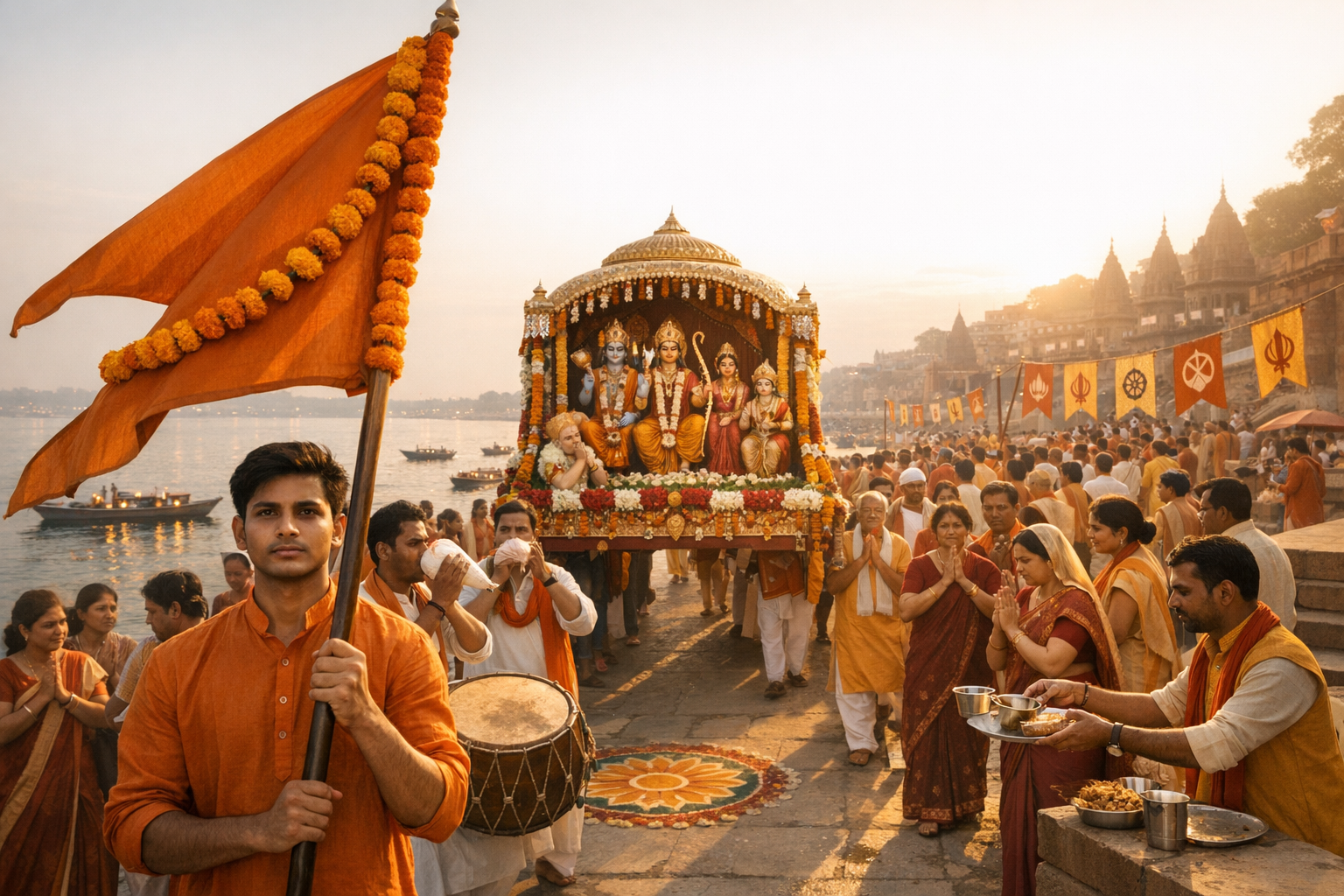
In Varanasi, hundreds of devotees marked Shri Ram Navami with a serene, well-organized procession and a collective pledge to work for Ramrajya and broad-based dharmic unity. The event framed Hindu unity as a bridge to wider solidarity with Buddhism, Jainism, and Sikhism, emphasizing shared values such as seva, nyaya, ahimsa, and sarbat da bhala. Rather…
-
April 9, 2026 Panchang: Krishna Paksha Saptami→Ashtami, Shubh Muhurat, Nakshatra & Rashi

On Thursday, April 9, 2026, the Hindu Panchang records Krishna Paksha Saptami until 6:00 PM, followed by Krishna Paksha Ashtami for the remainder of the day. This guide explains how tithi works technically, why sunrise and locality matter, and how to use Shubh Muhurat, Rahu Kalam, Yamaganda, Gulikai, and Choghadiya to plan important actions. It…
-
Pana Sankranti 2026 (Odia New Year): A Definitive Guide to Date, Meaning, Rituals, and Science

Pana Sankranti 2026, the Odia New Year, falls on 14 April and begins the solar month of ‘Baisakh’ at Mesha Sankramana. This guide explains the festival’s astronomical basis in the sidereal zodiac, why solar months run ‘Sankranti’ to ‘Sankranti’ while lunar months run ‘Purnima’ to ‘Purnima’, and how regional panjikas determine the observance date. It…
-
Beyond Perfection: Liberating Dharmic Wisdom on Impermanence, Dharma, and Divine Order

Perfection, as popularly pursued, continually recedes because all conditioned things are impermanent; dharmic traditions convert this problem into a path by aligning aspiration with dharma and the Divine Order. Drawing on the Bhagavad Gita, Upanishads, Yoga philosophy, and the broader insights of Buddhism, Jainism, and Sikhism, the essay reframes success as excellence grounded in clarity,…
-
Siddha Kali and the Science of Siddhis: Tantric Methods, Mantras, and Ethical Mastery

Siddha Kali is revered in Shakta traditions as the beneficent source of siddhisspiritual capacities that ripen through disciplined mantra, meditation, and ethical living. This long-form exploration presents the iconography, mantric grammar, and ritual architecture that distinguish her worship, from nyasa and yantra to Panchopachara offerings. It situates siddhi within a pan-dharmic ethos shared by Hinduism,…